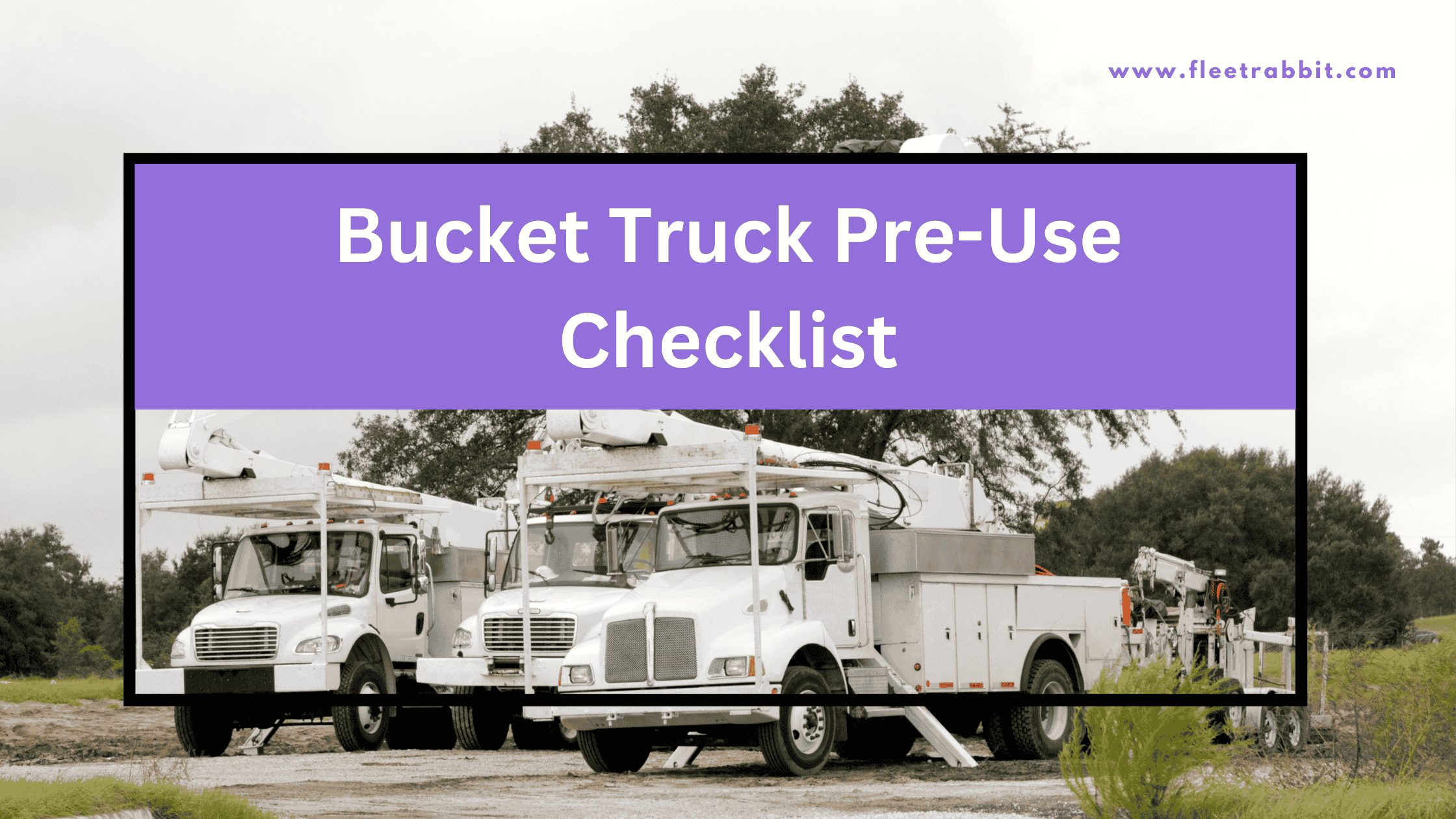
Operating a bucket truck involves tasks at height, making it crucial to ensure the vehicle's safety and reliability. Regular pre-use inspections are essential to verify that all components function correctly and to prevent potential accidents. Start your free inspection trial
Bucket Truck Pre-Use Inspection
Daily Safety Checklist
Benefits
Enhanced Safety
- Prevents accidents by ensuring all safety mechanisms are functional.
Reduced Costs
- Early detection of issues helps avoid expensive repairs and operational downtime.
Regulatory Compliance
- Ensures the vehicle meets industry-specific safety regulations.
Improved Equipment Longevity
- Regular maintenance extends the lifespan of the bucket truck.
1. Visual & Structural Inspection
Inspect the truck's body, boom, bucket, and pedestal integrity:
General & Visual
Daily Visual Inspection
Body & Pedestal Integrity
2. Components & Fluids
Check vehicle components, lights, and essential fluid levels:
Vehicle Components
Lights Inspection
Engine & Fluids
3. Hydraulics & Operation
Test the hydraulic system, controls, boom functionality, and safety gear:
Hydraulic Systems
Controls & Operation
Boom & Bucket
4. Safety Equipment
Safety Gear
Emergency Items
FAQs on Bucket Truck Pre-Use Inspection
What should be checked daily in a bucket truck pre-use inspection?
Daily checks should include inspecting the vehicle's structural integrity, hydraulic systems, engine and battery, control mechanisms, boom and bucket condition, safety equipment, and ensuring all documentation is up-to-date and accessible.
Why is a pre-use inspection critical for bucket truck operations?
Pre-use inspections are critical because they ensure the safety and functionality of the bucket truck before each use. This process helps identify potential issues that could lead to accidents or mechanical failures, ensuring both operator safety and equipment reliability.
How long should a bucket truck pre-use inspection take?
The duration of a pre-use inspection can vary, but it typically takes between 15 to 30 minutes, depending on the complexity of the truck and the thoroughness of the inspection. Regular inspections that follow a consistent checklist can become more efficient over time.
What are the consequences of skipping a pre-use inspection for bucket trucks?
Skipping a pre-use inspection can lead to undetected issues that may cause operational failures, increase the risk of accidents, and result in costly repairs. It can also lead to non-compliance with safety regulations, potentially resulting in fines and legal liabilities.
Who is qualified to perform a bucket truck pre-use inspection?
A bucket truck pre-use inspection should be performed by trained personnel who are familiar with the specific model of the bucket truck and its operational requirements. This includes understanding mechanical and hydraulic systems, safety protocols, and compliance requirements.
Conclusion
Performing this pre-use checklist ensures that the bucket truck is safe, reliable, and ready for operation. Regular inspections maintain high safety standards and operational efficiency, preventing accidents and mechanical failures.
Standardize Bucket Truck Inspections
Ensure every bucket truck meets safety standards with repeatable, digital inspection workflows.


