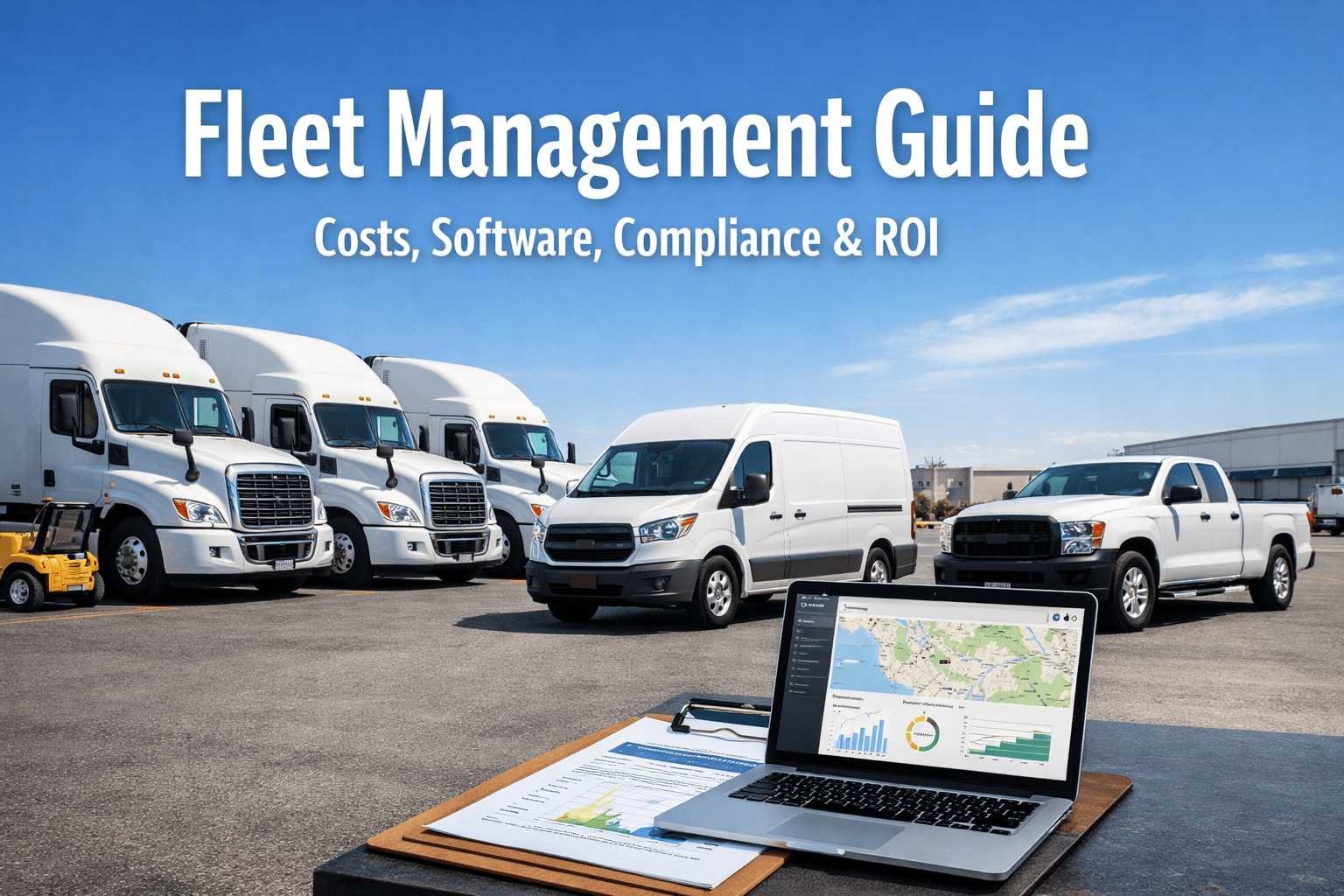
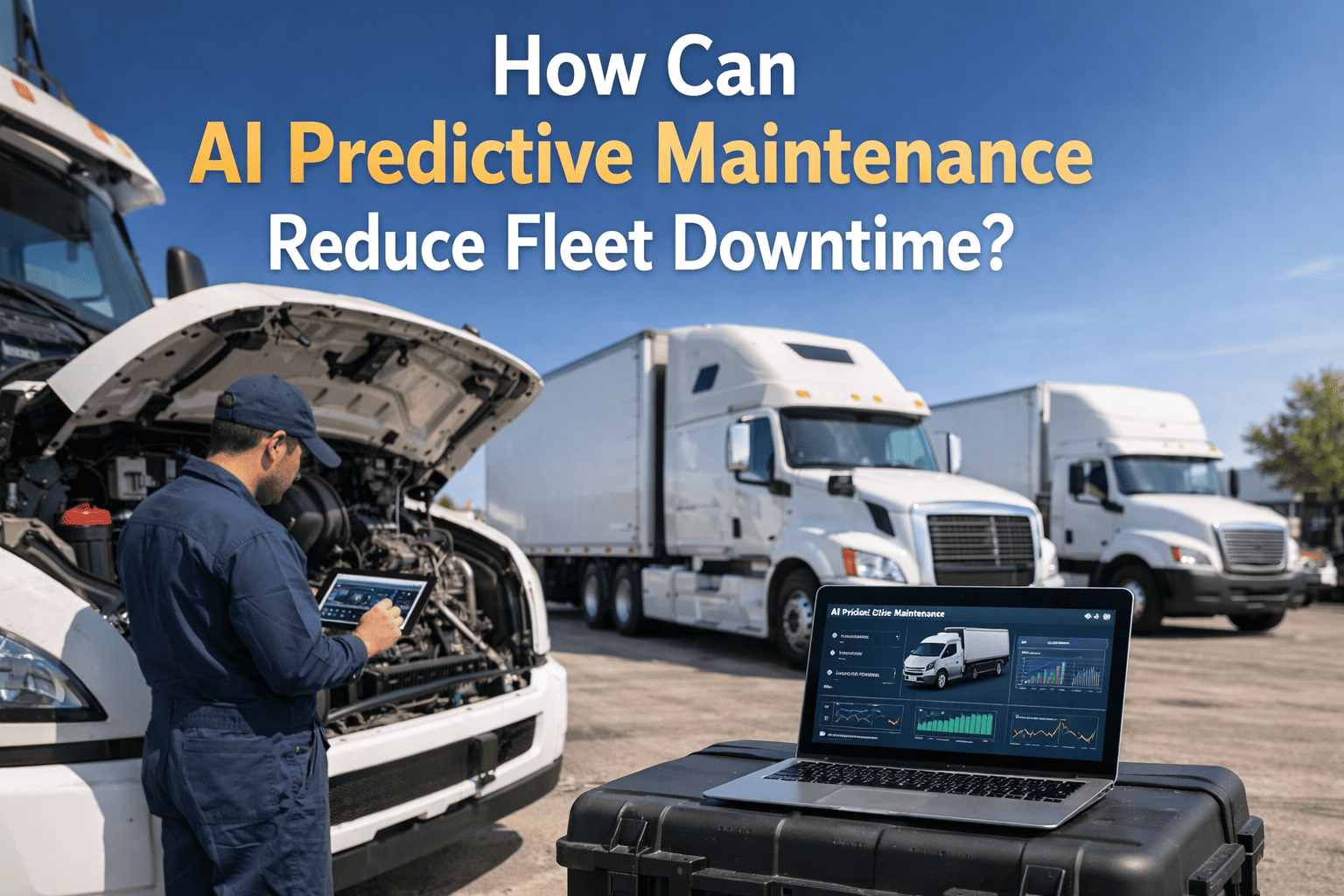
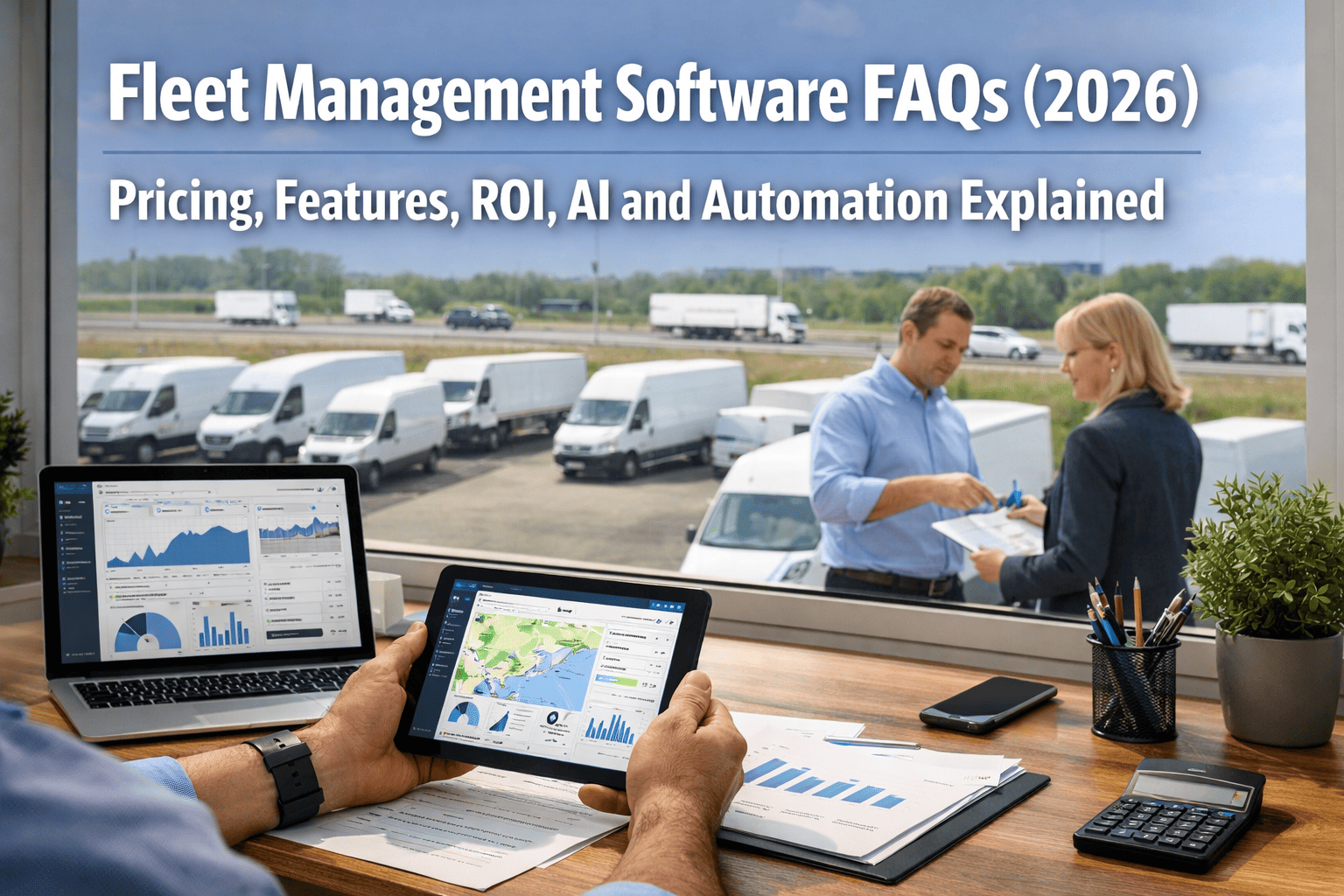
This comprehensive guide provides step-by-step instructions for implementing cloud-based fleet tracking solutions that improve operational efficiency by 45%, reduce operational costs by 25%, and provide real-time visibility through scalable, secure, and integrated tracking platforms. Start your cloud tracking assessment - takes 15 minutes.
Master Cloud Fleet Tracking Today
Get comprehensive cloud-based fleet tracking solutions that improve efficiency by 45% and reduce costs by 25%. Transform your fleet operations with real-time visibility and scalable analytics.
Frequently Asked Questions
What exactly is cloud-based fleet tracking and how does it differ from traditional systems?
Cloud-based fleet tracking leverages internet-connected servers to store, process, and deliver real-time vehicle data through web-based platforms, eliminating the need for on-premise hardware and software installations. Access our complete cloud tracking comparison - ready in 20 minutes:
- Cloud infrastructure hosting all data and applications on remote servers accessible from anywhere
- Real-time data processing providing instant updates on vehicle location, status, and performance
- Web-based access enabling fleet management from any device with internet connectivity
- Automatic updates delivering new features and security patches without manual intervention
- Scalable architecture accommodating fleet growth without hardware investments
- Multi-user collaboration allowing simultaneous access for multiple team members
Cloud vs Traditional Fleet Tracking Comparison
| Feature | Cloud-Based Tracking | Traditional On-Premise | Advantage |
|---|---|---|---|
| Initial Setup Cost | $0-2,500 | $15,000-75,000 | 90% cost reduction |
| Implementation Time | 1-3 days | 4-12 weeks | 95% faster deployment |
| Maintenance Required | None | Ongoing IT support | Zero maintenance |
| Scalability | Instant | Hardware dependent | Unlimited growth |
| Access Flexibility | Anywhere, anytime | Office location only | 100% mobility |
| Data Security | Enterprise-grade | Self-managed | Professional security |
What are the primary cost benefits of switching to cloud-based fleet tracking?
Cloud fleet tracking delivers significant cost advantages through eliminated infrastructure costs, reduced IT overhead, and improved operational efficiency. Get our cost savings calculator - takes 12 minutes:
Major Cost Reduction Areas:
- Eliminated hardware costs removing need for servers, networking equipment, and maintenance contracts
- Reduced IT staff requirements eliminating dedicated personnel for system maintenance and support
- Lower software licensing through subscription models versus large upfront purchases
- Decreased energy consumption from running on-premise servers and cooling systems
- Minimized upgrade costs with automatic software updates included in service
- Improved fuel efficiency through optimized routing saving 10-20% on fuel costs
- Reduced vehicle maintenance via proactive monitoring and scheduling
- Lower insurance premiums from improved safety scores and theft protection
How does cloud-based tracking improve real-time visibility and decision making?
Cloud platforms provide instant access to comprehensive fleet data, enabling faster response times and more informed operational decisions. Schedule a real-time visibility demonstration - 30 minutes:
- Live vehicle locations with GPS updates every 30 seconds or less for precise tracking
- Driver behavior monitoring including speed, idle time, and route adherence in real-time
- Instant alerts and notifications for speeding, unauthorized use, or maintenance issues
- Route optimization capabilities adjusting paths based on current traffic and conditions
- Customer communication tools providing accurate ETAs and delivery updates
- Emergency response features enabling quick assistance during breakdowns or accidents
- Performance dashboards displaying key metrics and trends for immediate analysis
What scalability advantages does cloud fleet tracking offer growing companies?
Cloud architecture provides unlimited scalability without hardware constraints, making it ideal for rapidly growing fleets. Explore scalability options - takes 10 minutes:
Scalability Benefits for Growing Fleets:
- Instant vehicle additions adding new assets to tracking system within minutes
- Unlimited user accounts accommodating growing management teams without restrictions
- Flexible pricing models paying only for active vehicles and features used
- Global expansion support managing fleets across multiple locations and time zones
- API integration capabilities connecting with existing business systems as needs evolve
- Advanced feature upgrades accessing new functionality without system overhauls
- Multi-location management centralizing control while maintaining local visibility
- Seasonal flexibility adjusting capacity for peak and slow periods
How secure is cloud-based fleet tracking data and what protections are in place?
Professional cloud providers implement enterprise-grade security measures often exceeding what individual companies can maintain internally. Review security documentation - takes 15 minutes:
Comprehensive Security Measures:
- Data encryption protecting information both in transit and at rest using AES-256 encryption
- Multi-factor authentication requiring multiple verification steps for account access
- Regular security audits conducting third-party assessments and compliance certifications
- Redundant backup systems maintaining multiple copies of data across geographic locations
- Access controls limiting user permissions based on roles and responsibilities
- 24/7 monitoring detecting and responding to security threats in real-time
- Compliance certifications meeting SOC 2, GDPR, and industry-specific security standards
- Automatic security updates patching vulnerabilities without service interruption
What integration capabilities should I expect from cloud fleet tracking platforms?
Modern cloud platforms offer extensive integration options connecting fleet data with existing business systems for streamlined operations. Evaluate integration options - takes 12 minutes:
- ERP system connectivity linking fleet operations with enterprise resource planning platforms
- Accounting software integration automating expense tracking and reporting
- Dispatch system coordination synchronizing routing and scheduling operations
- Fuel card provider connections importing transaction data automatically
- Maintenance management links coordinating service schedules and work orders
- Customer relationship management sharing delivery updates and service information
- Payroll system connections calculating mileage-based compensation
- Custom API development building specialized integrations for unique requirements
How does cloud tracking improve driver safety and compliance management?
Cloud platforms provide comprehensive safety monitoring and automated compliance tracking that would be difficult to manage manually. Schedule a safety features demonstration - 30 minutes:
Safety and Compliance Improvements:
- Driver behavior scoring tracking speeding, harsh braking, and acceleration patterns
- Hours of service monitoring ensuring DOT compliance and preventing violations
- Geofence alerts notifying managers of unauthorized route deviations
- Maintenance reminders scheduling preventive service to avoid safety issues
- Accident reconstruction providing detailed data for insurance claims and investigations
- Driver coaching tools identifying training needs and improvement opportunities
- Safety reporting generating compliance documentation and performance metrics
- Emergency assistance enabling quick response during accidents or breakdowns
What mobile capabilities do cloud fleet tracking systems provide?
Mobile functionality is essential for modern fleet operations, enabling field personnel to access and update information from anywhere. Explore mobile features - takes 10 minutes:
- Driver mobile apps allowing route viewing, communication, and status updates
- Manager dashboards providing real-time fleet oversight from smartphones and tablets
- Customer notifications sending automated delivery updates and ETAs
- Field service tools enabling job completion tracking and customer signatures
- Photo and document capture recording delivery proof and incident documentation
- Offline functionality maintaining essential features during connectivity interruptions
- GPS navigation integration providing turn-by-turn directions optimized for commercial vehicles
- Two-way messaging facilitating communication between drivers and dispatch
How does cloud-based tracking support environmental sustainability initiatives?
Cloud platforms enable comprehensive environmental monitoring and optimization that helps fleets reduce their carbon footprint. Access sustainability tracking tools - takes 15 minutes:
Environmental Benefits and Monitoring:
- Carbon footprint tracking measuring and reporting CO2 emissions for ESG compliance
- Fuel efficiency optimization identifying routes and behaviors that reduce consumption
- Idle time reduction monitoring and minimizing unnecessary engine runtime
- Route optimization calculating shortest and most efficient paths to reduce mileage
- Vehicle utilization analysis maximizing asset efficiency to reduce fleet size needs
- Preventive maintenance scheduling maintaining optimal engine performance for efficiency
- Alternative fuel tracking supporting hybrid and electric vehicle management
- Sustainability reporting generating environmental impact reports for stakeholders
What should I look for when evaluating cloud fleet tracking providers?
Selecting the right cloud provider requires careful evaluation of technical capabilities, support quality, and long-term viability. Schedule a provider evaluation consultation - 30 minutes:
Critical Evaluation Criteria:
- Platform reliability with 99.9% uptime guarantees and proven track record
- Data ownership policies ensuring you retain control of your fleet information
- Customer support quality offering 24/7 technical assistance and account management
- Pricing transparency with clear costs and no hidden fees for essential features
- Security certifications meeting industry standards and compliance requirements
- Integration capabilities supporting connections with your existing business systems
- Customization options adapting to your specific industry and operational needs
- Provider stability ensuring long-term business viability and continuous development
How quickly can I implement cloud-based fleet tracking and what's involved?
Cloud implementation is significantly faster than traditional systems, with most fleets operational within days rather than months. Get implementation timeline - takes 8 minutes:
- Device installation typically completed in 1-2 days for entire fleet
- Account setup including user creation and permission configuration
- Data migration transferring existing vehicle and driver information
- System customization configuring alerts, reports, and operational preferences
- User training educating staff on platform features and best practices
- Integration testing connecting with existing business systems
- Pilot program testing with subset of vehicles before full deployment
- Full rollout activating tracking for entire fleet with ongoing support
What ROI can I expect from cloud-based fleet tracking implementation?
Cloud fleet tracking typically delivers measurable ROI within 3-6 months through operational efficiencies and cost reductions. Calculate your ROI potential - ready in 10 minutes:
Typical ROI Breakdown by Fleet Size
| Fleet Size | Annual Investment | Annual Savings | ROI Percentage | Payback Period |
|---|---|---|---|---|
| 10-25 vehicles | $6,000-15,000 | $15,000-35,000 | 150-230% | 4-6 months |
| 26-50 vehicles | $12,000-30,000 | $35,000-75,000 | 180-250% | 3-5 months |
| 51-100 vehicles | $25,000-60,000 | $75,000-180,000 | 200-300% | 2-4 months |
| 100+ vehicles | $60,000-150,000 | $200,000-500,000 | 250-350% | 2-3 months |
How does cloud tracking handle data analytics and reporting capabilities?
Cloud platforms excel at processing large datasets and generating actionable insights through advanced analytics and customizable reporting tools. Explore analytics capabilities - takes 15 minutes:
- Real-time dashboards displaying key performance indicators and operational metrics
- Historical trend analysis identifying patterns and opportunities for improvement
- Predictive analytics forecasting maintenance needs and operational challenges
- Custom report generation creating tailored reports for specific business requirements
- Automated scheduling delivering regular reports to stakeholders automatically
- Data visualization tools presenting complex information through charts and graphs
- Benchmarking capabilities comparing performance against industry standards
- Export functionality sharing data with external systems and stakeholders
Master Cloud Fleet Tracking Today
Get comprehensive cloud-based fleet tracking solutions that improve efficiency by 45% and reduce costs by 25%. Transform your fleet operations with real-time visibility and scalable analytics.