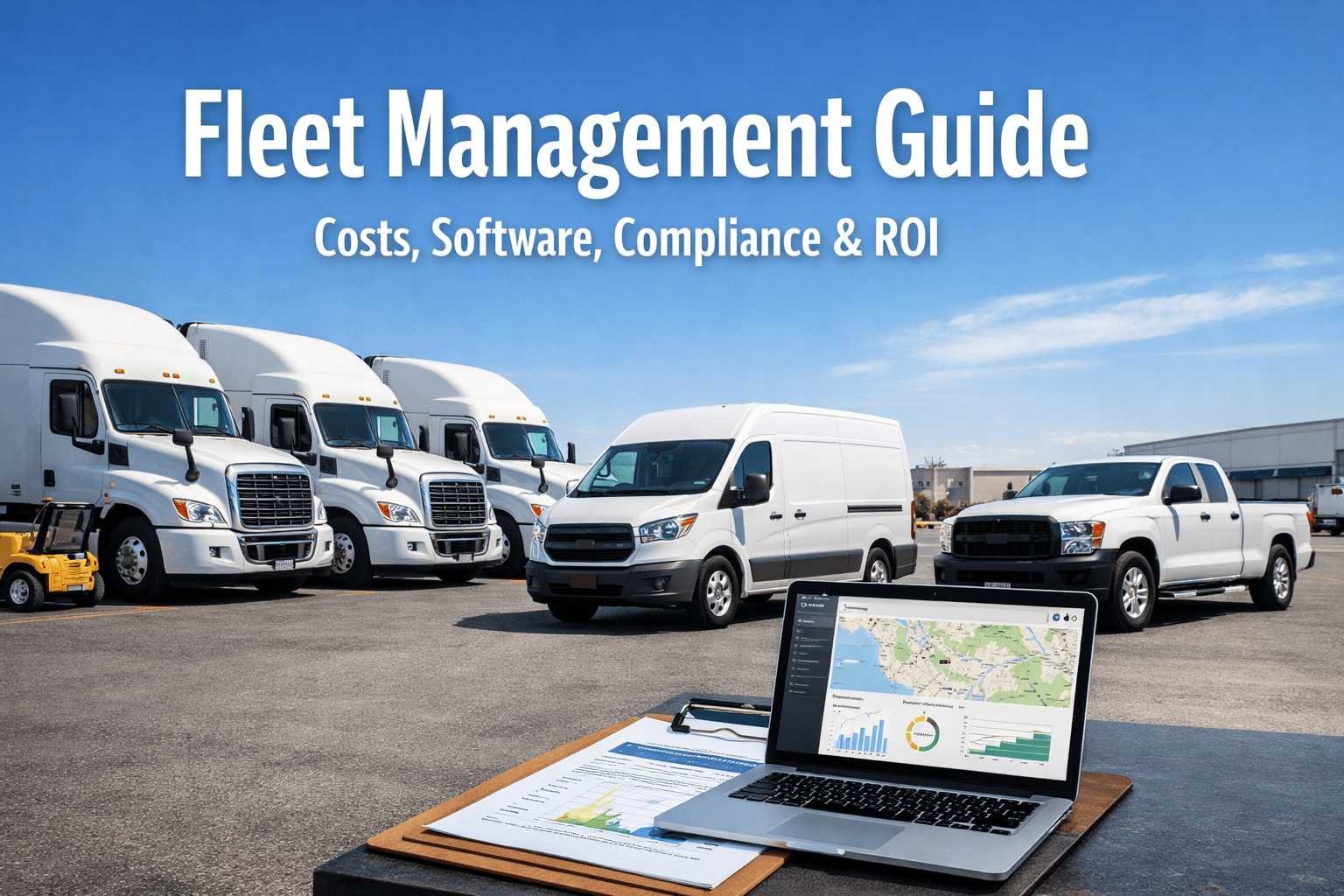
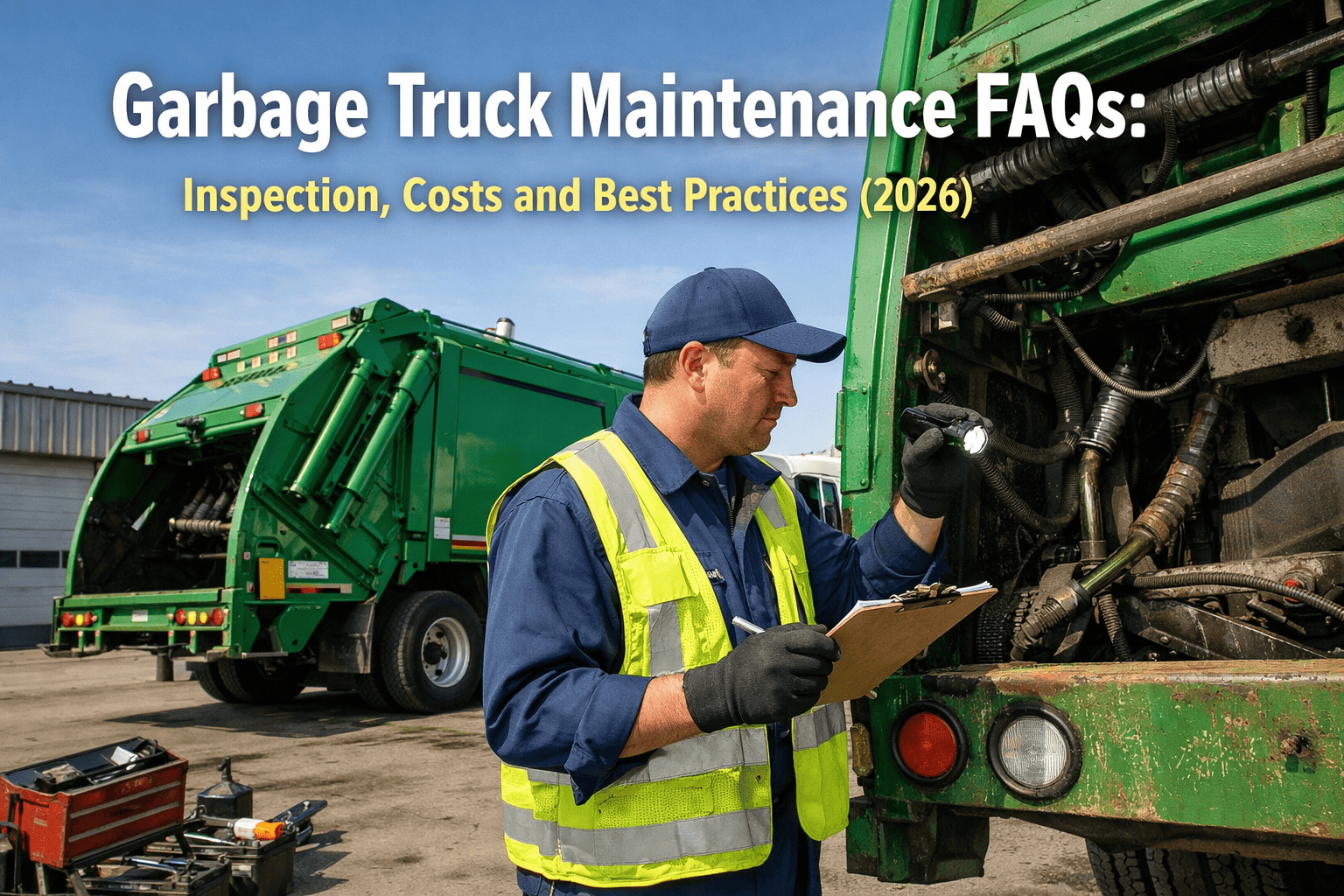
This comprehensive guide provides step-by-step instructions for building foolproof preventive maintenance plans that prevent 85% of breakdowns, reduce maintenance costs by 40%, and extend vehicle life by 30% through systematic scheduling, proactive monitoring, and data-driven optimization strategies. Start your maintenance plan builder - takes 15 minutes.
Build Your Foolproof Maintenance Plan Today
Get comprehensive preventive maintenance strategies that prevent 85% of breakdowns and reduce costs by 40%. Transform your fleet reliability with systematic maintenance planning and optimization.
Frequently Asked Questions
What is preventive maintenance and why is it crucial for truck fleets?
Preventive maintenance is a systematic approach to vehicle servicing based on predetermined schedules, mileage intervals, and operating conditions rather than waiting for failures to occur. Access our complete PM framework - ready in 20 minutes:
- Breakdown prevention addressing potential issues before they cause costly failures
- Vehicle lifespan extension maintaining optimal performance throughout asset lifecycle
- Safety assurance preventing mechanical failures that could cause accidents
- Cost predictability budgeting for scheduled maintenance versus emergency repairs
- Uptime maximization keeping vehicles operational and revenue-generating
- Regulatory compliance meeting DOT inspection requirements and safety standards
Preventive vs Reactive Maintenance Cost Comparison
| Maintenance Approach | Average Cost/Mile | Downtime Hours/Year | Vehicle Availability | Major Repairs |
|---|---|---|---|---|
| Reactive (Fix When Broken) | $0.18-0.25 | 120-200 | 85-90% | High frequency |
| Basic Preventive | $0.14-0.18 | 60-100 | 92-95% | Reduced by 60% |
| Optimized Preventive | $0.12-0.15 | 30-60 | 96-98% | Reduced by 85% |
| Predictive + Preventive | $0.10-0.14 | 15-40 | 98-99% | Reduced by 90% |
How do I determine the right maintenance intervals for different truck components?
Optimal maintenance intervals balance manufacturer recommendations, operating conditions, and fleet-specific data to maximize reliability while minimizing costs. Get our interval optimization calculator - takes 12 minutes:
Key Factors for Interval Determination:
- Manufacturer specifications following OEM recommended service intervals as baseline
- Operating conditions adjusting for severe duty, climate, and road conditions
- Historical failure data analyzing fleet-specific component failure patterns
- Mileage vs time-based triggers using whichever occurs first for optimal protection
- Driver behavior impact considering aggressive driving effects on component wear
- Load factors adjusting intervals for consistently heavy or light loads
- Environmental conditions accounting for extreme temperatures, dust, and humidity
- Cost-benefit analysis balancing maintenance costs against failure prevention
What should be included in a comprehensive preventive maintenance checklist?
A systematic checklist ensures all critical components receive proper attention at appropriate intervals, preventing oversights that lead to failures. Schedule a checklist customization session - 30 minutes:
Essential PM Checklist Categories:
- Engine Systems: Oil changes, filter replacements, cooling system service, belt inspections
- Drivetrain Components: Transmission service, differential maintenance, driveline lubrication
- Brake Systems: Pad/shoe inspection, brake fluid changes, air system maintenance
- Suspension & Steering: Component inspection, alignment checks, power steering service
- Electrical Systems: Battery testing, alternator inspection, lighting system checks
- Tires & Wheels: Pressure monitoring, rotation schedules, tread depth measurement
- Safety Equipment: DOT inspection items, emergency equipment verification
- Body & Frame: Structural integrity checks, corrosion prevention, door mechanisms
How can technology improve preventive maintenance planning and execution?
Modern fleet management technology automates scheduling, tracks performance, and provides insights that make maintenance programs more effective and efficient. Explore maintenance technology solutions - takes 15 minutes:
- Automated scheduling systems triggering maintenance alerts based on mileage, hours, or time
- Real-time vehicle diagnostics monitoring engine codes and performance parameters
- Mobile maintenance apps enabling technicians to access checklists and record work
- Parts inventory management ensuring necessary components are available when needed
- Predictive analytics identifying components likely to fail before scheduled maintenance
- Historical data analysis optimizing intervals based on actual fleet performance
- Integration capabilities connecting maintenance data with fleet management systems
What are the key components of an effective maintenance budget and cost control?
Successful maintenance programs require careful financial planning and cost monitoring to maximize ROI while maintaining vehicle reliability. Access budget planning tools - takes 10 minutes:
Annual Maintenance Budget Breakdown (Per Vehicle)
| Cost Category | Light Duty | Medium Duty | Heavy Duty | Percentage of Total |
|---|---|---|---|---|
| Preventive Maintenance | $3,500-5,000 | $5,000-8,000 | $8,000-12,000 | 60-70% |
| Repairs & Breakdowns | $1,500-2,500 | $2,000-3,500 | $3,000-5,000 | 20-25% |
| Tires & Wheels | $800-1,200 | $1,200-2,000 | $2,000-3,500 | 10-15% |
| Emergency Repairs | $300-600 | $500-1,000 | $800-1,500 | 3-8% |
| Total Annual | $6,100-9,300 | $8,700-14,500 | $13,800-22,000 | 100% |
How do I establish and manage relationships with maintenance providers?
Strategic partnerships with qualified maintenance providers ensure quality service, competitive pricing, and reliable support for your fleet operations. Schedule a vendor management consultation - 30 minutes:
Maintenance Provider Selection Criteria:
- Technical competency verifying certifications and experience with your vehicle types
- Service availability ensuring adequate capacity and convenient locations
- Quality standards establishing performance metrics and accountability measures
- Pricing transparency negotiating competitive rates and avoiding hidden costs
- Emergency capabilities confirming 24/7 support for critical breakdowns
- Reporting systems requiring detailed documentation of all work performed
- Parts sourcing ensuring access to quality components at reasonable prices
- Communication protocols establishing clear channels for coordination and updates
What metrics should I track to measure maintenance program effectiveness?
Data-driven maintenance management requires tracking key performance indicators that demonstrate program success and identify improvement opportunities. Set up maintenance KPI dashboard - ready in 12 minutes:
- Vehicle availability percentage measuring uptime and operational readiness
- Maintenance cost per mile tracking efficiency and cost control
- Mean time between failures (MTBF) monitoring component reliability
- Scheduled vs unscheduled maintenance ratio indicating preventive program effectiveness
- First-time fix rates measuring technician competency and diagnosis accuracy
- Parts inventory turnover optimizing stock levels and reducing carrying costs
- Compliance rates ensuring DOT inspection readiness
- Emergency repair frequency tracking breakdown prevention success
How can I optimize parts inventory management for preventive maintenance?
Effective parts management balances availability with inventory costs, ensuring maintenance schedules aren't delayed while minimizing carrying expenses. Optimize parts inventory strategy - takes 15 minutes:
Parts Inventory Optimization Strategies:
- ABC analysis categorizing parts by usage frequency and criticality
- Minimum/maximum stock levels preventing stockouts while controlling costs
- Vendor partnerships negotiating better pricing and delivery terms
- Just-in-time delivery reducing inventory costs for routine maintenance items
- Emergency stock maintaining critical components for unexpected failures
- Core exchange programs reducing costs through remanufactured parts
- Usage forecasting predicting parts needs based on maintenance schedules
- Shelf life management rotating stock to prevent expiration and degradation
What are the biggest challenges in implementing preventive maintenance programs?
Understanding common implementation obstacles helps fleets prepare for success and avoid costly mistakes during program development. Review implementation best practices - takes 10 minutes:
Common PM Implementation Challenges:
- Initial cost concerns overcoming upfront investment resistance from management
- Technician training gaps ensuring staff competency for systematic maintenance
- Scheduling complexity coordinating maintenance with operational demands
- Data system limitations lacking proper tracking and reporting capabilities
- Driver cooperation getting buy-in for pre-trip inspections and reporting
- Vendor coordination managing multiple service providers effectively
- Record keeping maintaining accurate documentation for compliance and analysis
- Change resistance overcoming "if it ain't broke, don't fix it" mentality
How do I integrate predictive maintenance with traditional preventive maintenance?
Combining predictive and preventive approaches creates the most effective maintenance strategy, using data to optimize traditional scheduling. Schedule a predictive maintenance consultation - 30 minutes:
Integrated Maintenance Strategy Components:
- Condition monitoring using sensors and diagnostics to assess component health
- Trend analysis identifying patterns that predict maintenance needs
- Dynamic scheduling adjusting PM intervals based on actual condition data
- Risk assessment prioritizing maintenance based on failure probability and impact
- Optimization algorithms balancing maintenance costs with reliability requirements
- Real-time alerts triggering immediate action for critical conditions
- Historical correlation learning from past failures to improve predictions
- Cost-benefit analysis evaluating the value of each maintenance action
What role do drivers play in preventive maintenance success?
Drivers are the first line of defense in identifying potential issues, making their engagement crucial for effective preventive maintenance programs. Access driver engagement tools - takes 8 minutes:
- Daily pre-trip inspections systematic checks following DOT-required procedures
- Issue reporting systems easy methods for communicating problems to maintenance staff
- Training programs educating drivers on what to look for and how to report
- Incentive programs rewarding drivers for identifying issues early
- Mobile reporting apps streamlining communication and documentation
- Feedback loops informing drivers about the results of their reports
- Vehicle care education teaching proper operating techniques to reduce wear
How can smaller fleets implement effective preventive maintenance without huge investments?
Small and medium fleets can achieve significant maintenance improvements through strategic, cost-effective approaches that deliver strong ROI. Get small fleet maintenance strategies - takes 12 minutes:
Small Fleet Maintenance Solutions by Size
| Fleet Size | Recommended Approach | Monthly Investment | Key Tools |
|---|---|---|---|
| 5-15 vehicles | Basic PM program | $200-500 | Spreadsheet tracking, local shops |
| 16-30 vehicles | Digital maintenance system | $400-800 | PM software, preferred vendors |
| 31-50 vehicles | Integrated fleet management | $800-1,500 | Fleet software, in-house capability |
| 51-100 vehicles | Advanced analytics | $1,500-3,000 | Predictive tools, dedicated staff |
What are the environmental and regulatory benefits of preventive maintenance?
Well-maintained vehicles operate more efficiently, produce fewer emissions, and help fleets meet increasingly strict environmental regulations. Track environmental benefits - ready in 10 minutes:
- Emissions reduction maintaining optimal engine performance to minimize pollutants
- Fuel efficiency improvement keeping vehicles operating at peak efficiency
- Regulatory compliance ensuring vehicles meet EPA and DOT standards
- Extended vehicle life reducing the environmental impact of manufacturing new vehicles
- Waste reduction minimizing disposal of prematurely failed components
- Sustainability reporting documenting environmental stewardship efforts
- Green certifications supporting environmental certification programs
Build Your Foolproof Maintenance Plan Today
Get comprehensive preventive maintenance strategies that prevent 85% of breakdowns and reduce costs by 40%. Transform your fleet reliability with systematic maintenance planning and optimization.