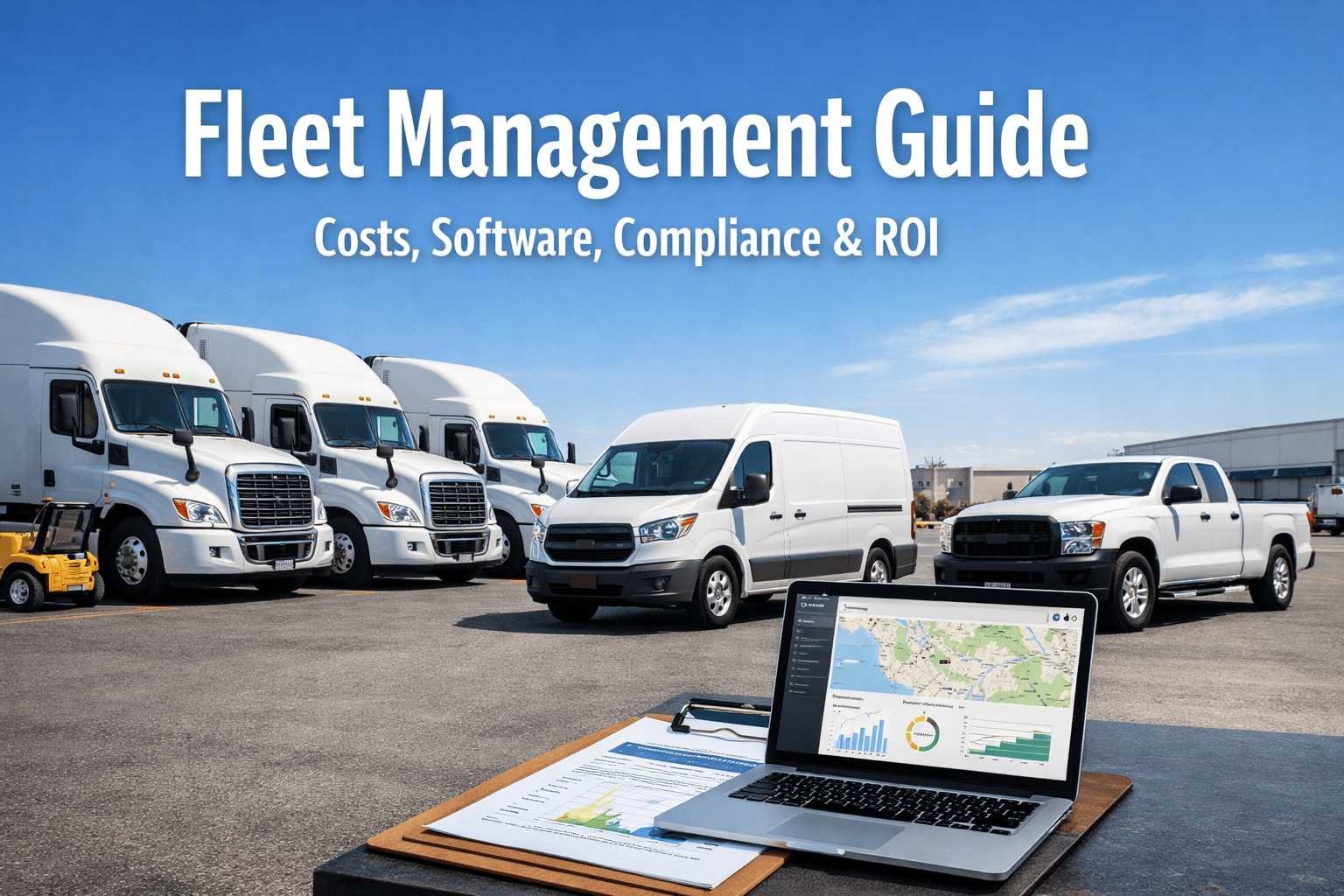
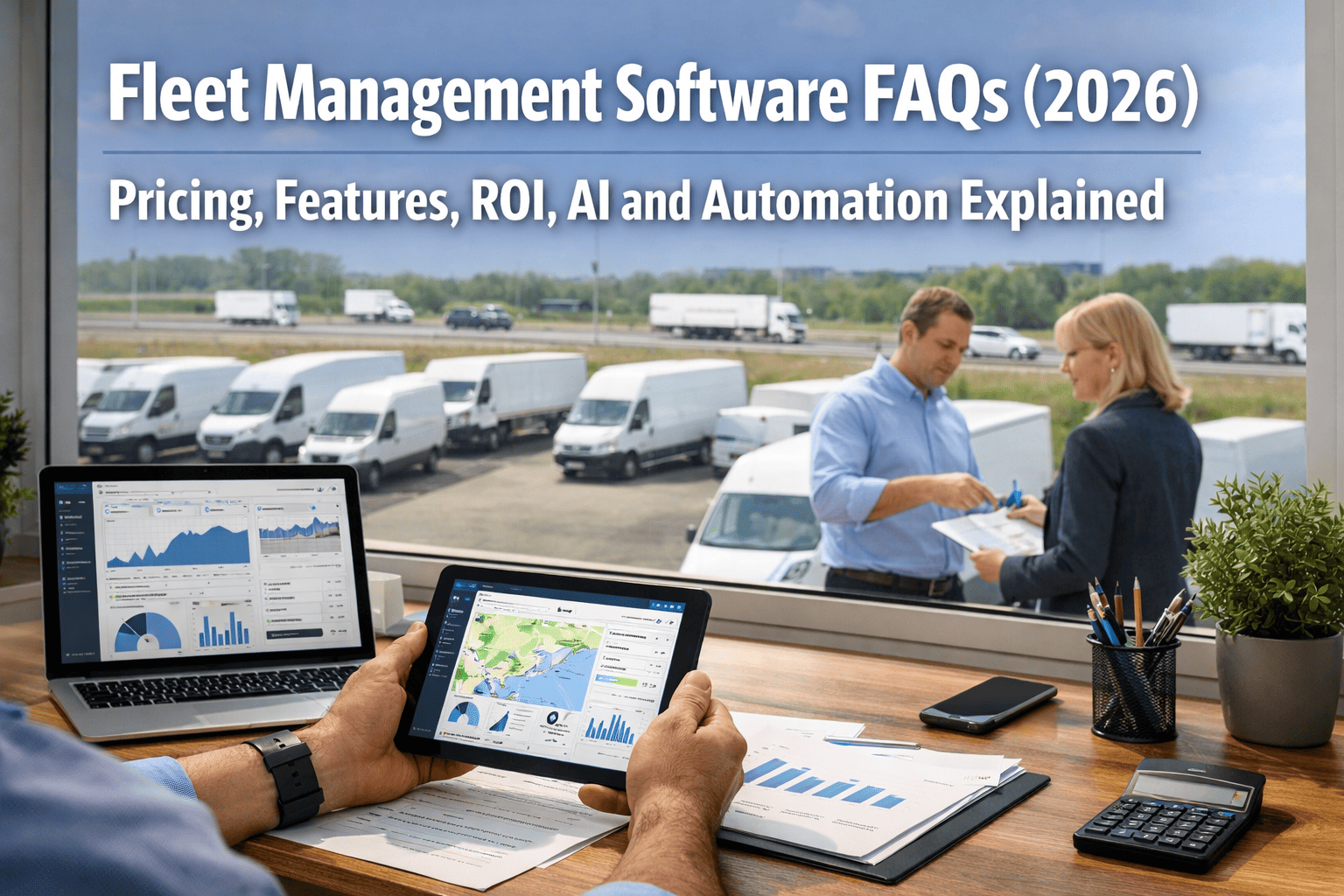
This comprehensive guide provides step-by-step instructions for selecting the perfect fleet management software that reduces operational costs by 25%, improves efficiency by 40%, and streamlines fleet operations through intelligent platform selection and implementation strategies. Start your software selection assessment - takes 15 minutes.
Find Your Perfect Fleet Software Today
Get expert guidance on selecting fleet management software that delivers 40% efficiency improvements and 25% cost reductions. Transform your fleet with the right technology solution.
Frequently Asked Questions
What is fleet management software and why do I need it?
Fleet management software is a comprehensive digital platform that centralizes vehicle tracking, driver management, maintenance scheduling, fuel monitoring, and operational analytics into a single integrated system. Access our complete software evaluation framework - ready in 20 minutes:
- Real-time vehicle tracking providing GPS location data and route optimization capabilities
- Driver behavior monitoring tracking speeding, harsh braking, and idle time for safety improvements
- Automated maintenance scheduling preventing breakdowns through proactive service management
- Fuel cost tracking identifying inefficiencies and optimizing consumption patterns
- Compliance management ensuring DOT regulations, HOS tracking, and safety standards
- Operational analytics providing insights for cost reduction and efficiency improvements
How do I determine what fleet management features I actually need?
Selecting the right features depends on your specific fleet size, industry requirements, and operational challenges. Avoid paying for unnecessary features while ensuring critical functionality is covered. Get our feature requirements assessment - takes 12 minutes:
Essential vs Optional Feature Analysis:
- Core Requirements (All Fleets): GPS tracking, basic reporting, driver management, fuel monitoring
- Small Fleet Priorities: Cost-effective solutions, easy implementation, basic compliance tracking
- Medium Fleet Needs: Route optimization, advanced analytics, maintenance management, mobile apps
- Large Fleet Requirements: Enterprise integrations, custom reporting, API access, multi-location management
- Specialized Features: Temperature monitoring (refrigerated), load tracking (freight), equipment management (construction)
- Advanced Capabilities: AI predictive analytics, machine learning optimization, IoT sensor integration
What's the difference between cloud-based and on-premise fleet software?
Understanding deployment models helps determine the best fit for your organization's IT infrastructure, security requirements, and budget constraints. Schedule a deployment strategy consultation - 30 minutes:
Cloud vs On-Premise Fleet Software Comparison
| Factor | Cloud-Based (SaaS) | On-Premise | Hybrid Solutions |
|---|---|---|---|
| Initial Cost | Low ($50-200/vehicle/month) | High ($50K-500K upfront) | Medium ($20K-100K setup) |
| Implementation Time | 1-4 weeks | 3-12 months | 6-16 weeks |
| IT Requirements | Minimal | Dedicated IT team | Moderate IT support |
| Scalability | Excellent | Limited | Good |
| Customization | Limited | Unlimited | Moderate |
| Updates | Automatic | Manual | Semi-automatic |
How much should I expect to pay for fleet management software?
Fleet software pricing varies significantly based on features, fleet size, and deployment model. Understanding total cost of ownership helps with accurate budget planning. Get our fleet software cost calculator - takes 10 minutes:
Fleet Software Pricing Structure
| Pricing Model | Small Fleet (5-20) | Medium Fleet (21-100) | Large Fleet (100+) | Notes |
|---|---|---|---|---|
| Basic Tracking | $20-40/vehicle/month | $15-30/vehicle/month | $10-25/vehicle/month | GPS only |
| Standard Features | $40-80/vehicle/month | $30-60/vehicle/month | $25-50/vehicle/month | Full functionality |
| Enterprise Solutions | $80-150/vehicle/month | $60-120/vehicle/month | $40-100/vehicle/month | Advanced analytics |
| Setup Fees | $500-2,500 | $2,500-10,000 | $10,000-50,000 | One-time cost |
| Hardware Costs | $150-400/device | $100-300/device | $75-250/device | GPS units |
What integration capabilities should I look for in fleet software?
Modern fleet operations require seamless data flow between multiple systems. Integration capabilities determine how well your fleet software works with existing business tools. Evaluate integration options - takes 15 minutes:
Critical Integration Requirements:
- Accounting Systems connecting with QuickBooks, SAP, or other financial platforms for automated expense tracking
- ERP Integration linking fleet operations with enterprise resource planning systems
- Fuel Card Providers automating fuel transaction data and expense categorization
- Maintenance Management integrating with shop management systems and parts inventory
- Payroll Systems automating driver hours and mileage compensation calculations
- Dispatch Software coordinating fleet tracking with route planning and customer management
- API Availability enabling custom integrations and data export capabilities
- Third-Party Apps connecting with specialized tools for compliance, safety, or industry-specific needs
How do I evaluate fleet software vendors and avoid common selection mistakes?
Vendor evaluation requires systematic comparison of capabilities, support quality, and long-term viability. Avoiding common mistakes saves time and prevents costly software changes. Schedule a vendor evaluation consultation - 30 minutes:
Common Fleet Software Selection Mistakes:
- Focusing only on price without considering total cost of ownership and feature limitations
- Choosing feature-heavy solutions that exceed actual needs and complicate daily operations
- Ignoring user experience leading to poor adoption rates and resistance from drivers/staff
- Overlooking scalability requiring expensive software changes as fleet grows
- Inadequate vendor research not verifying company stability, support quality, or industry experience
- Skipping trial periods missing opportunities to test functionality with real fleet operations
- Poor implementation planning causing data migration issues and operational disruptions
What should I look for in fleet software customer support and training?
Quality support and training determine successful software adoption and long-term satisfaction. Poor support can negate software benefits and create operational problems. Access our support evaluation checklist - takes 8 minutes:
- 24/7 technical support availability for critical fleet operations and emergency situations
- Multiple support channels including phone, email, chat, and online resources
- Dedicated account management providing personalized assistance and strategic guidance
- Comprehensive training programs covering all user roles from drivers to fleet managers
- Online learning resources including video tutorials, documentation, and best practice guides
- Implementation support ensuring smooth data migration and system setup
- Regular software updates with clear communication and training on new features
How do I measure ROI and success after implementing fleet software?
Tracking key performance indicators helps justify software investment and identify optimization opportunities. Clear metrics demonstrate value and guide strategic decisions. Set up your ROI tracking dashboard - ready in 12 minutes:
Critical Fleet Software Success Metrics:
- Fuel cost reduction typically 10-20% through route optimization and behavior monitoring
- Maintenance cost savings of 15-25% via proactive scheduling and preventive maintenance
- Administrative time reduction saving 5-10 hours per week on reporting and compliance
- Vehicle utilization improvement increasing productive hours by 15-30%
- Insurance cost reductions of 5-15% through improved safety scores and claims reduction
- Compliance violation reduction decreasing fines and penalties by 80-95%
- Customer satisfaction improvement through better on-time delivery and communication
What are the latest trends in fleet management software for 2025?
Understanding emerging technologies and industry trends helps future-proof software selection and maintain competitive advantages. Get our 2025 fleet technology trends report - takes 10 minutes:
2025 Fleet Software Innovation Trends:
- AI-powered predictive analytics forecasting maintenance needs, fuel costs, and operational efficiency
- Machine learning optimization continuously improving route planning and resource allocation
- IoT sensor integration expanding data collection beyond basic GPS to comprehensive vehicle monitoring
- Electric vehicle management specialized features for charging infrastructure and range optimization
- Advanced driver assistance integrating with vehicle safety systems and autonomous driving capabilities
- Sustainability tracking measuring carbon footprint and environmental impact for ESG reporting
- Mobile-first design prioritizing smartphone and tablet interfaces for field operations
- Real-time collaboration tools improving communication between drivers, dispatchers, and customers
How do I ensure successful fleet software implementation and user adoption?
Implementation success depends on careful planning, stakeholder engagement, and change management strategies. Poor implementation can undermine even the best software selection. Schedule an implementation planning session - 30 minutes:
- Stakeholder buy-in securing support from drivers, managers, and executives before implementation
- Phased rollout strategy implementing gradually to identify issues and ensure smooth transition
- Comprehensive training plan covering all user groups with role-specific instruction
- Data migration planning ensuring accurate transfer of historical information and settings
- Performance monitoring tracking adoption rates and identifying areas needing additional support
- Feedback collection gathering user input for optimization and addressing concerns promptly
- Success celebration highlighting achievements and benefits to maintain momentum
What security and data protection features should I require in fleet software?
Fleet software handles sensitive operational and personal data requiring robust security measures. Data breaches can expose company information and create legal liabilities. Review security assessment tools - takes 15 minutes:
Essential Security Requirements:
- Data encryption protecting information both in transit and at rest with industry-standard protocols
- Access controls limiting user permissions based on roles and responsibilities
- Multi-factor authentication adding extra security layers for sensitive account access
- Regular security audits ensuring ongoing protection and compliance with standards
- Data backup and recovery protecting against loss and ensuring business continuity
- Compliance certifications meeting industry standards like SOC 2, GDPR, or HIPAA as applicable
- Privacy controls allowing appropriate data access while protecting driver privacy rights
Find Your Perfect Fleet Software Today
Get expert guidance on selecting fleet management software that delivers 40% efficiency improvements and 25% cost reductions. Transform your fleet with the right technology solution.