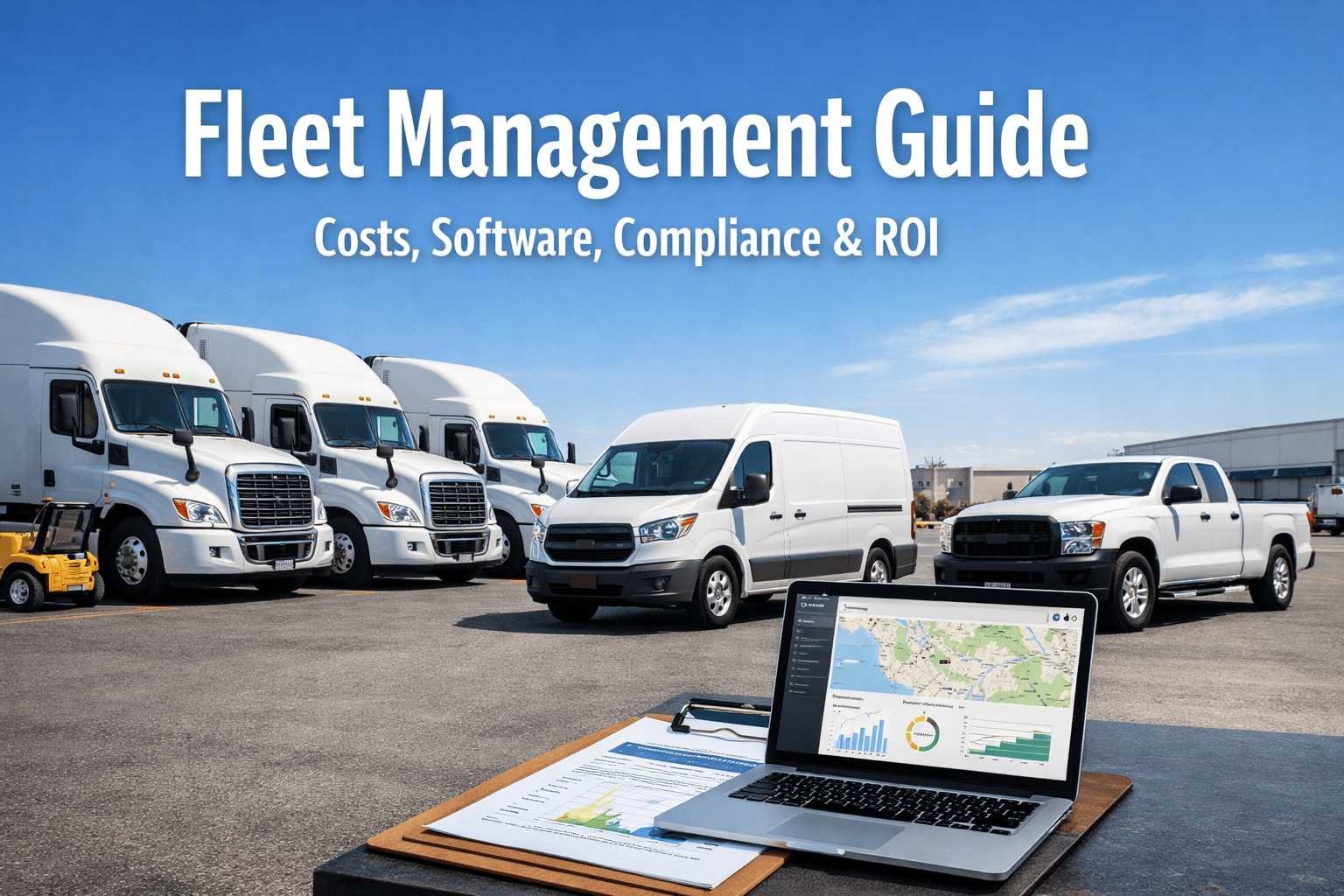
This comprehensive guide reveals proven parts inventory strategies that reduce stockout incidents by 85%, cut carrying costs by 40%, and save $45,000+ annually per maintenance facility through optimized stocking levels, automated reordering, predictive analytics, and strategic vendor partnerships that transform parts management from costly burden into competitive advantage. Optimize parts inventory - takes 15 minutes.
Master Fleet Parts Inventory Management
Deploy proven strategies that eliminate 85% of stockouts and reduce carrying costs by 40%. Transform parts management into a strategic advantage with intelligent inventory control.
Frequently Asked Questions
What inventory optimization strategies prevent stockouts while minimizing costs?
Strategic inventory management balances availability with carrying costs, achieving 98% parts availability while reducing inventory investment by 30-40%. Access optimization calculator - ready in 10 minutes:
- ABC analysis categorizing parts by criticality and usage frequency
- Min/max levels automated reordering at optimal thresholds
- Safety stock calculation preventing stockouts for critical items
- Economic order quantity balancing order and holding costs
- Lead time management factoring delivery times into stock levels
- Seasonal adjustments anticipating weather-related demand changes
Inventory Optimization Impact Analysis
| Metric | Before Optimization | After Optimization | Improvement | Annual Savings |
|---|---|---|---|---|
| Parts Availability | 78% | 98% | 26% increase | $32,000 downtime |
| Carrying Costs | $125,000 | $75,000 | 40% reduction | $50,000 |
| Obsolete Inventory | 15% | 3% | 80% reduction | $18,000 |
| Emergency Orders | 25/month | 3/month | 88% reduction | $26,400 |
| Inventory Turns | 3.2x | 8.5x | 166% increase | $35,000 |
How does predictive analytics forecast parts demand?
Predictive models analyze historical usage, maintenance schedules, and failure patterns to forecast parts needs with 92% accuracy, reducing emergency orders by 75%. Schedule analytics demo - 30 minutes:
Predictive Parts Management Features:
- Failure prediction anticipating component replacements 30 days ahead
- Usage pattern analysis identifying consumption trends and anomalies
- Maintenance correlation linking PM schedules to parts demand
- Fleet aging models adjusting stock as vehicles age
- Seasonal forecasting preparing for weather-related failures
- Supplier lead time factoring delivery variability into planning
- Cross-reference optimization identifying interchangeable parts
- Warranty tracking reducing unnecessary stock for covered items
What technology solutions streamline parts inventory management?
Modern inventory management systems reduce administrative time by 70% while improving accuracy to 99.5% through automation and real-time tracking. Implement inventory technology - takes 12 minutes:
Essential Inventory Technology Features:
- Barcode/RFID tracking: Instant part identification and location
- Mobile receiving: Process deliveries with smartphone scanning
- Automated reordering: System-generated purchase orders
- Multi-location visibility: Real-time stock across all facilities
- Integration capabilities: Connect with maintenance and accounting
- Vendor portals: Direct ordering and status tracking
- Kitting functionality: Pre-stage parts for scheduled repairs
- Cycle counting: Continuous accuracy verification
How can strategic vendor partnerships reduce parts costs?
Optimized vendor relationships reduce parts costs by 20-30% while improving delivery reliability through volume agreements and performance partnerships. Optimize vendor strategy - ready in 15 minutes:
Vendor Partnership Optimization Strategies:
- Volume agreements negotiating 15-25% discounts for committed volumes
- Consignment programs vendor-owned inventory reducing carrying costs
- VMI partnerships vendor-managed inventory ensuring availability
- Core exchanges rebuilt parts programs saving 40-60%
- Blanket orders annual pricing agreements with scheduled releases
- Local sourcing reducing delivery times and shipping costs
- Performance metrics tracking and rewarding reliable suppliers
- Emergency support guaranteed expedited service when needed
What inventory control methods prevent theft and loss?
Comprehensive control systems reduce parts shrinkage from 5-8% to under 1%, saving $20,000+ annually while ensuring accountability. Schedule security assessment - 30 minutes:
- Access controls limiting parts room entry to authorized personnel
- Transaction logging tracking every part issue and return
- Security cameras monitoring high-value inventory areas
- Cycle counting regular verification catching discrepancies early
- Segregation of duties separating ordering from receiving
- Audit trails complete documentation of all movements
- High-value lockup securing expensive or theft-prone items
How should parts be organized for maximum efficiency?
Strategic parts organization reduces picking time by 50% and errors by 80% through logical layout and clear identification systems. Design parts layout - takes 10 minutes:
Parts Organization Efficiency Impact
| Organization Method | Picking Time | Error Rate | Space Utilization | ROI |
|---|---|---|---|---|
| ABC Location | -45% | -70% | +30% | 380% |
| Bin Management | -30% | -60% | +25% | 290% |
| Visual Controls | -25% | -75% | +15% | 420% |
| Digital Mapping | -50% | -85% | +20% | 520% |
| Vertical Storage | -20% | -40% | +60% | 340% |
What KPIs measure inventory management effectiveness?
Key performance indicators reveal optimization opportunities and track improvement, with best-in-class operations achieving 30-40% better metrics than average. Build KPI dashboard - ready in 12 minutes:
Critical Inventory KPIs to Track:
- Fill rate percentage of requests fulfilled from stock (target: 98%)
- Inventory turns annual usage divided by average inventory (target: 6-10x)
- Carrying cost percentage holding costs vs. inventory value (target: 15-20%)
- Stockout frequency critical parts unavailability (target: <2%)
- Obsolete inventory parts unused >12 months (target: <5%)
- Order accuracy correct parts first time (target: 99%)
- Cycle time receipt to availability (target: <2 hours)
- Shrinkage rate unexplained losses (target: <1%)
How can cross-docking and transfers optimize multi-location inventory?
Strategic parts sharing between locations reduces total inventory investment by 25% while maintaining 98% availability through network optimization. Design transfer strategy - 30 minutes:
Multi-Location Inventory Strategies:
- Hub and spoke model: Central warehouse with satellite locations
- Pooled inventory: Shared stock reducing total investment
- Emergency transfers: Inter-location support for critical needs
- Cross-docking: Direct supplier to location delivery
- Mobile parts vans: Roving inventory for field repairs
- Virtual warehouse: Network-wide visibility and allocation
- Rebalancing programs: Regular redistribution of slow movers
- Regional specialization: Location-specific stocking strategies
What role does standardization play in parts management?
Fleet standardization reduces unique part numbers by 40-60%, cutting inventory investment in half while simplifying maintenance operations. Implement standardization - takes 15 minutes:
Standardization Benefits:
- Reduced SKU count fewer unique parts to stock and manage
- Volume purchasing better pricing through consolidation
- Simplified training technicians familiar with all parts
- Interchangeability parts work across multiple vehicles
- Warranty consolidation simplified claims processing
- Vendor reduction fewer suppliers to manage
- Inventory optimization higher turns on common parts
- Emergency flexibility parts available for any vehicle
How should lifecycle management affect parts inventory?
Aligning parts inventory with fleet lifecycle stages prevents obsolescence while ensuring availability, reducing dead stock by 70%. Develop lifecycle strategy - ready in 10 minutes:
- New vehicle phase minimal parts during warranty period
- Mid-life stocking increasing inventory for wear items
- End-of-life planning strategic rundown before disposal
- Model transitions phasing inventory during fleet updates
- Obsolescence tracking identifying soon-to-be dead stock
- Liquidation programs selling excess before worthless
- Core management maximizing rebuilt part value
- Historical analysis learning from past transitions
What emergency parts strategies ensure operational continuity?
Strategic emergency parts management prevents 90% of extended downtime events while controlling expediting costs through smart contingency planning. Build emergency plan - 30 minutes:
Emergency Parts Management Strategies:
- Critical parts list identifying must-have inventory items
- 24/7 supplier access guaranteed emergency availability
- Cross-reference database finding alternative parts quickly
- Mobile parts trailers strategic positioning for remote support
- Dealer relationships local sourcing for immediate needs
- Air freight agreements pre-negotiated expedited shipping
- Loaner programs temporary parts during repair
- Regional cooperation borrowing from nearby fleets
How can continuous improvement optimize parts inventory?
Systematic improvement programs reduce parts-related costs by 5-10% annually through ongoing optimization and best practice implementation. Start improvement program - takes 12 minutes:
Continuous Improvement Impact (3-Year Results)
| Improvement Area | Year 1 | Year 2 | Year 3 | Cumulative Savings |
|---|---|---|---|---|
| Process Optimization | $15,000 | $22,000 | $28,000 | $65,000 |
| Vendor Negotiation | $25,000 | $30,000 | $35,000 | $90,000 |
| Technology Adoption | $18,000 | $35,000 | $42,000 | $95,000 |
| Waste Reduction | $12,000 | $18,000 | $22,000 | $52,000 |
| Total Impact | $70,000 | $105,000 | $127,000 | $302,000 |
Master Fleet Parts Inventory Management
Deploy proven strategies that eliminate 85% of stockouts and reduce carrying costs by 40%. Transform parts management into a strategic advantage with intelligent inventory control.