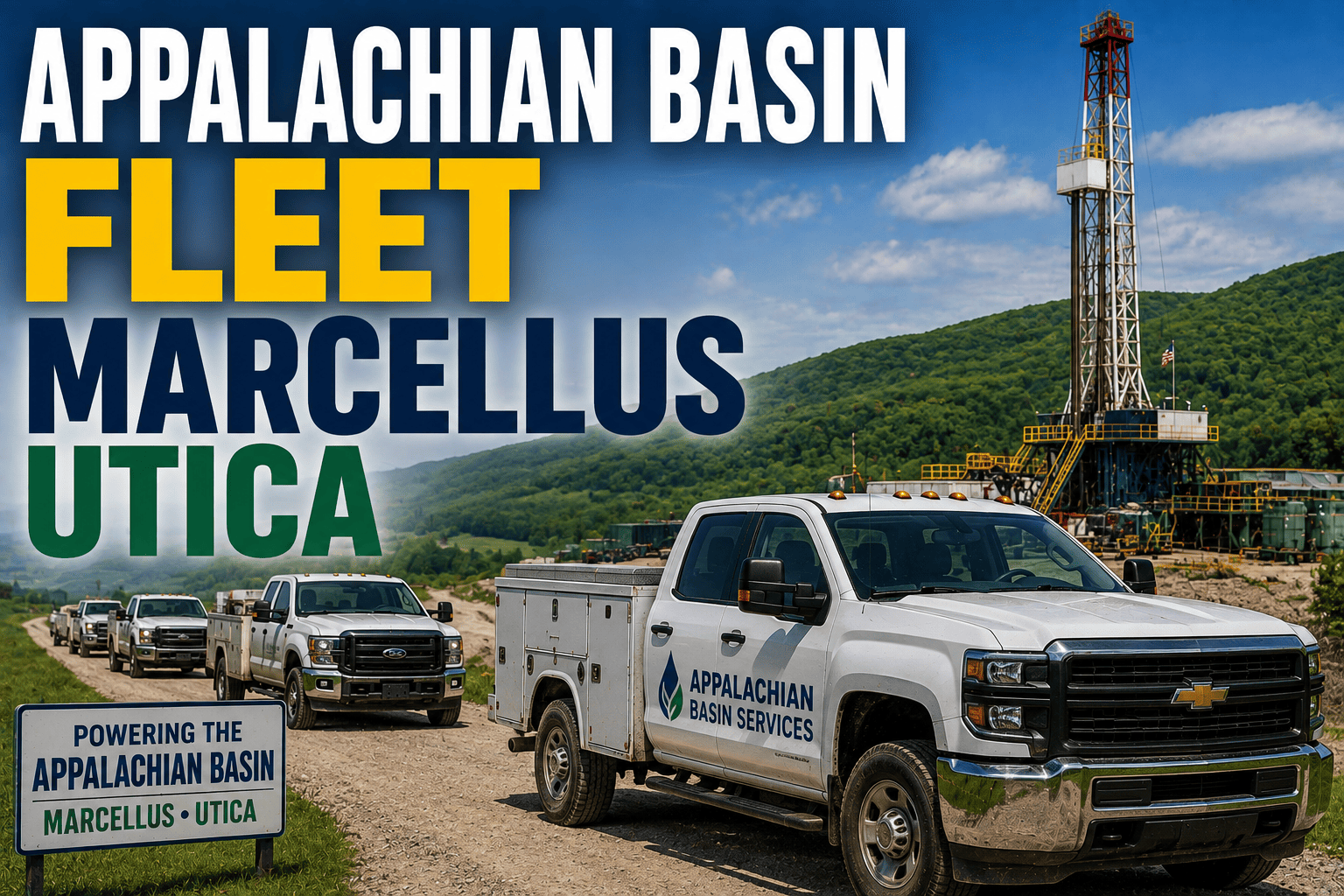
Managing a fleet in the Appalachian Basin requires more than standard logistics software. The Marcellus and Utica shale plays span across rugged mountain terrain, narrow country roads, and remote well pads where connectivity is sparse and weather is unforgiving. For oilfield logistics directors and fleet managers, keeping trucks moving through Pennsylvania, West Virginia, and Ohio means overcoming physical barriers that traditional routing algorithms simply do not understand.
Operating fleets in the Marcellus and Utica shale formations means navigating steep grades, unmapped back roads, and sudden weather shifts. FleetRabbit provides specialized routing, digital inspections, and predictive maintenance tailored for oilfield logistics, reducing non-productive time by up to 30 percent. You can sign up today to experience terrain-aware fleet management.
Navigating Marcellus and Utica Terrain Challenges
The topography of the Appalachian Basin presents unique obstacles. Unlike the flat expanses of the Permian or Bakken, Marcellus and Utica operations often require trucks to ascend and descend steep, winding grades. This physical reality impacts everything from brake life to fuel consumption. When a fully loaded water tanker navigates a ten percent grade, the strain on the vehicle's mechanical systems is immense.
Steep Grades and Heavy Hauls
Managing weight distribution and speed on mountain descents requires highly trained drivers and meticulously maintained equipment. Brake fade is a constant danger on long downhill stretches. Fleet managers must monitor brake health continuously rather than relying on standard inspection intervals. To see how automated brake monitoring works on mountain routes, you can book a demo with our team.
Managing Brake and Transmission Health
FleetRabbit integrates directly with vehicle telemetry to monitor brake application pressure, transmission temperature, and RPM fluctuations. When a truck shows signs of elevated transmission temperature on a known steep grade in Pennsylvania, the system automatically flags the vehicle for a transmission fluid check during its next return to the yard. This prevents complete transmission failure, which could cost upwards of 12,000 dollars and leave a truck stranded on a remote mountain road for days.
| Basin Challenge | Operational Impact | FleetRabbit Solution |
|---|---|---|
| Narrow Country Roads | Blocked routes, delayed deliveries, and increased idle time burning fuel | Custom routing parameters that exclude unsuitable roads for heavy equipment |
| Poor Cellular Coverage | Loss of GPS tracking and delayed communication with drivers | Offline telemetry caching that syncs the moment the vehicle re-enters a coverage zone |
| Severe Weather Shifts | Hazardous driving conditions and sudden route closures | Real-time weather overlays and dynamic route recalculations |
| Remote Well Pad Access | Difficulty tracking asset location and hours of service compliance | Geofencing alerts that log arrival and departure times automatically |
Stop losing money to terrain damage and lost connectivity. FleetRabbit adapts to the realities of Marcellus and Utica operations, giving you complete visibility and control. You can sign up now or book a demo to see the platform in action.
Optimizing Maintenance for Oilfield Fleets
In the Appalachian Basin, maintenance is not just a schedule; it is a survival strategy. The combination of heavy loads, rough terrain, and extended idle times in remote staging areas accelerates wear and tear. Reactive maintenance is entirely unfeasible when a breakdown means towing a truck sixty miles to the nearest qualified repair facility. Fleets must shift to a predictive model that anticipates failures based on real-world operating conditions.
Preventing Breakdowns on Backroads
Telematics data provides the foundation for predictive maintenance. By monitoring engine fault codes, oil pressure, and coolant temperatures in real time, FleetRabbit identifies anomalies long before they trigger a dashboard warning light. For example, a slight drop in oil pressure over a two-week period might indicate a developing issue that requires a simple fifty-dollar sensor replacement rather than a catastrophic engine failure requiring a twenty-thousand-dollar overhaul.
Proactive Parts Replacement
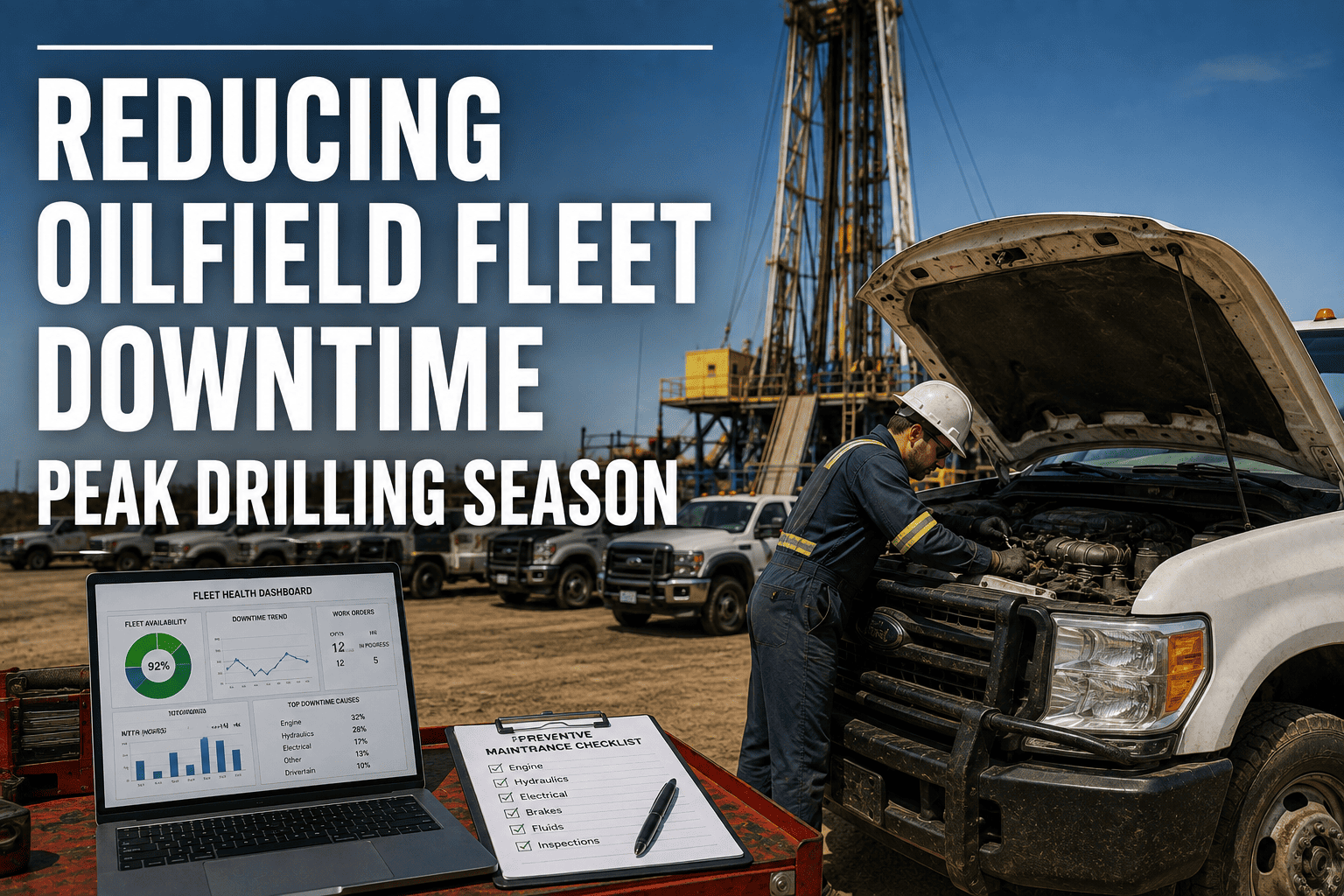
High-use components in shale fleet operations, such as air compressors, suspension systems, and drive axles, require proactive replacement schedules. FleetRabbit tracks the exact mileage and load cycles of each vehicle, automatically generating work orders when components approach their safe operational limits. This ensures that repairs happen in a controlled shop environment rather than on the side of a mountain road. To implement proactive parts replacement for your fleet, sign up for FleetRabbit today.
Compliance and Safety on Basin Roads
The regulatory environment in Pennsylvania, West Virginia, and Ohio is stringent, particularly regarding weight limits and hours of service. Mountain roads often have lower weight tolerances than interstate highways, and state patrol operations actively monitor overweight vehicles to protect infrastructure. Fleet managers must ensure that every load is documented and within legal limits.
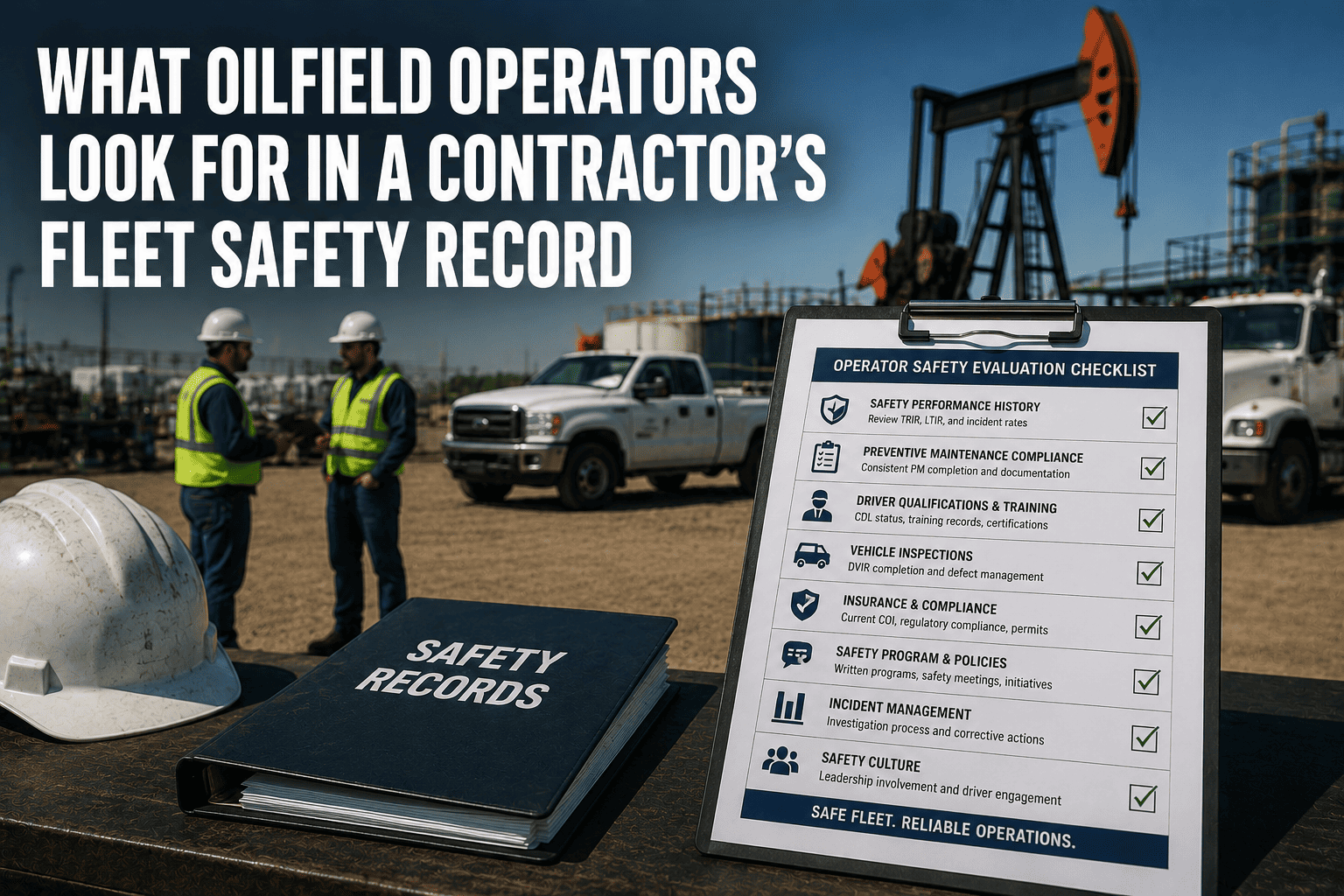
FleetRabbit digitizes the entire compliance process. Electronic logging devices (ELDs) automatically record hours of service, preventing fatigue-related incidents on dangerous mountain passes. Digital pre-trip and post-trip inspection reports ensure that drivers physically check brake systems, tire pressure, and lighting before ever moving a vehicle. These reports are instantly uploaded to the cloud, creating an unassailable audit trail for DOT inspections. To see how our compliance tools can protect your operating authority, book a demo with a FleetRabbit specialist.
Do not let rugged terrain and remote well pads dictate your operational success. FleetRabbit equips your fleet with the routing, maintenance, and tracking tools needed to conquer the Marcellus and Utica shale plays. Sign up today or book a demo to see how we can transform your oilfield logistics.