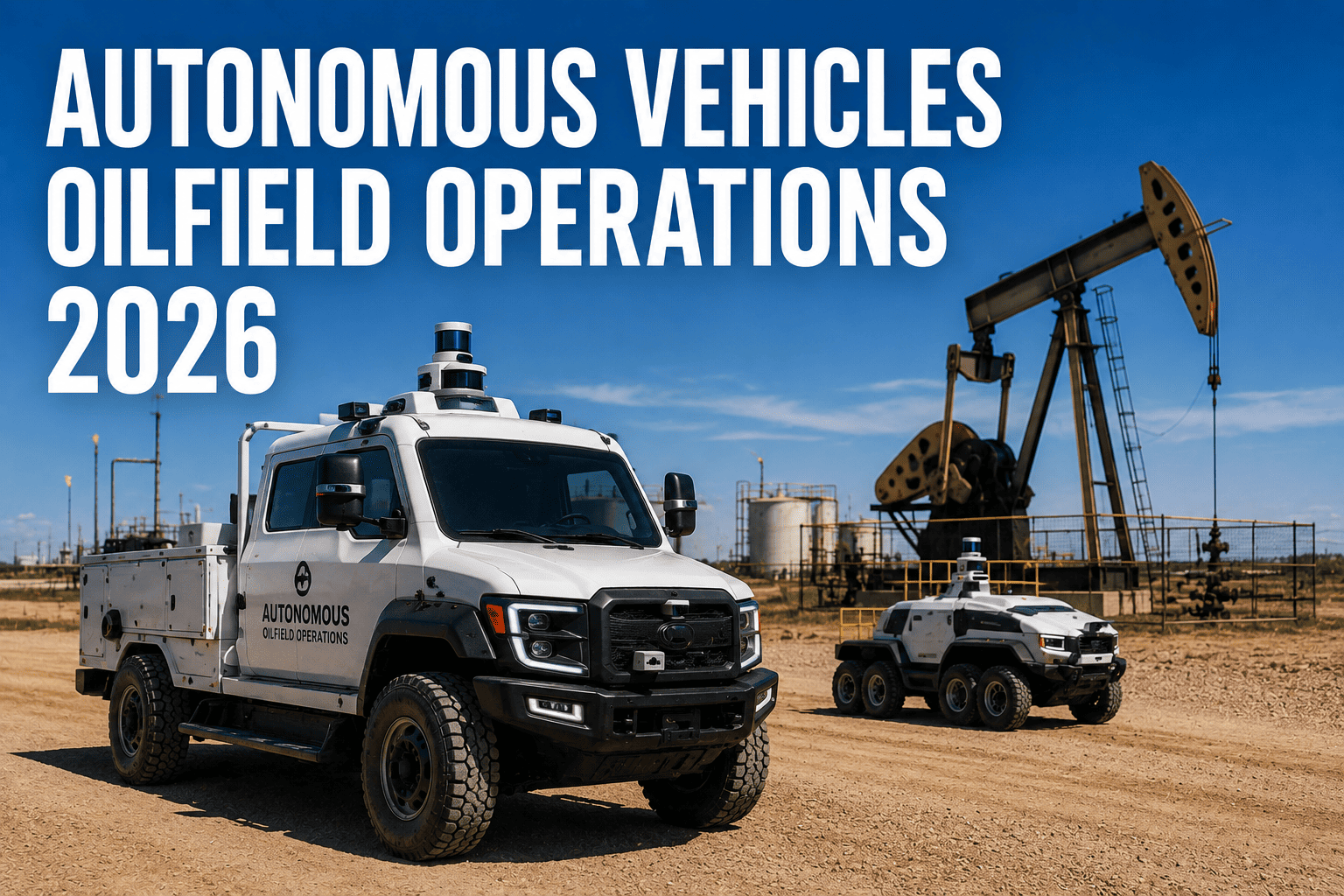
Autonomous trucks are no longer a concept slide in an oilfield technology conference. In the Permian Basin, driverless trucks are already hauling frac sand around the clock on private lease roads, and the operators running them are treating it as core logistics rather than a pilot program. For fleet managers watching from the sidelines, the real question in 2026 isn't whether autonomous vehicles work in oilfield settings, it's where they actually make sense for your operation, and what has to be true about your fleet's data before you're ready to move.
Driverless trucks are running commercial oilfield routes today, but almost entirely on private lease roads and mapped conveyor corridors rather than public highways. Public-road oilfield autonomy is targeted for 2027 pending regulatory approval. For most fleets, semi-autonomous driver-assist features are the practical entry point in 2026, not full driverless operation.
The Autonomy Spectrum, From Driver Assist To Driverless
Not every "autonomous vehicle" headline describes the same thing, and the gap between assisted driving and a truck with no one in the cab is enormous from an operational standpoint. Understanding where a given system sits on that spectrum matters more than the marketing label attached to it.
What's Actually Running In The Field Right Now
The clearest signal of where oilfield autonomy stands in 2026 comes from operations already generating loads, not announcements about future intent. In the Permian Basin, autonomous frac sand haulers have logged tens of thousands of driverless hours moving proppant along private lease roads and a dedicated conveyor corridor, with fleets planning to scale from roughly two dozen driverless units toward a hundred over the next year. A separate deployment connects an energy producer's facility to a nearby mining site, combining highway-speed driving with local private roads, and is moving toward fully unmanned trips as the program matures. Both cases share a pattern worth noting: the trucks succeed on defined, repeatable routes with controlled access, not open, unpredictable environments.
Why Private Roads Come First
Training an autonomous system to handle a fixed lease road with predictable traffic is a fundamentally easier problem than handling mixed public traffic, pedestrians, and unmapped intersections. That's why oilfield logistics, with its private roads, remote well sites, and repetitive hauling routes, has become one of the first places driverless trucking is scaling commercially rather than staying stuck in perpetual pilot mode.
Whether you're years from autonomy or evaluating driver-assist upgrades today, clean telematics and maintenance data is the foundation either way. Sign up free to see what your fleet's data looks like right now.
Where It Makes Sense, And Where It Doesn't Yet
Autonomy adoption in oilfield settings isn't an all-or-nothing decision. The routes and roles that fit today look very different from the ones still years away.
- Fixed proppant and frac sand hauling on private lease roads
- Repetitive point-to-point routes between a facility and a well site or mine
- Conveyor-adjacent load-out operations with mapped, controlled access
- Workover and wireline trucks navigating unmapped, changing pad locations
- Crew transport requiring judgment calls around personnel and safety zones
- Public-road hauling in most states until 2027 regulatory milestones clear
Safety And Regulatory Considerations Fleets Should Track
Regulatory movement in 2026 has been meaningful but uneven across states. Some states have opened formal permitting paths for heavy-duty autonomous vehicle testing and deployment on public roads, a shift from earlier rules that blocked autonomous operation of vehicles above certain weight thresholds entirely. That kind of policy change is what eventually connects private-road pilot programs to genuine long-haul public routes, but it varies significantly by jurisdiction, and fleets operating across multiple states need to track this state by state rather than assume a single national timeline.
Questions Worth Asking Before You Evaluate A Program
Does the vendor's system have commercial operating hours logged in conditions similar to yours, dust, remote terrain, variable weather, or only controlled test-track data. Is there a safety operator requirement today, and what is the stated timeline for removing it on your specific route type. How does the system's incident and disengagement history compare across publicly available reporting.
What Your Fleet Needs Before Autonomy Becomes Relevant
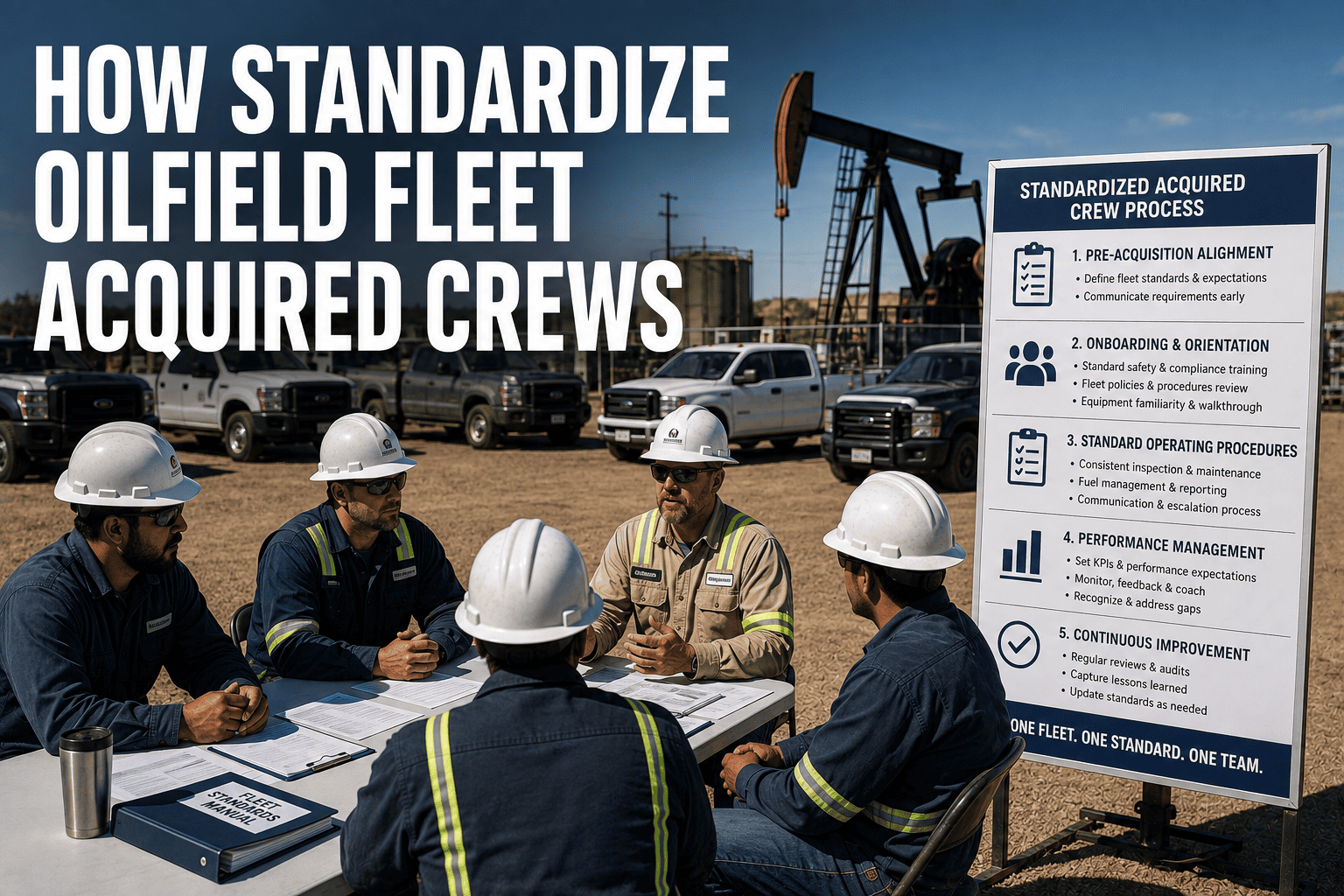
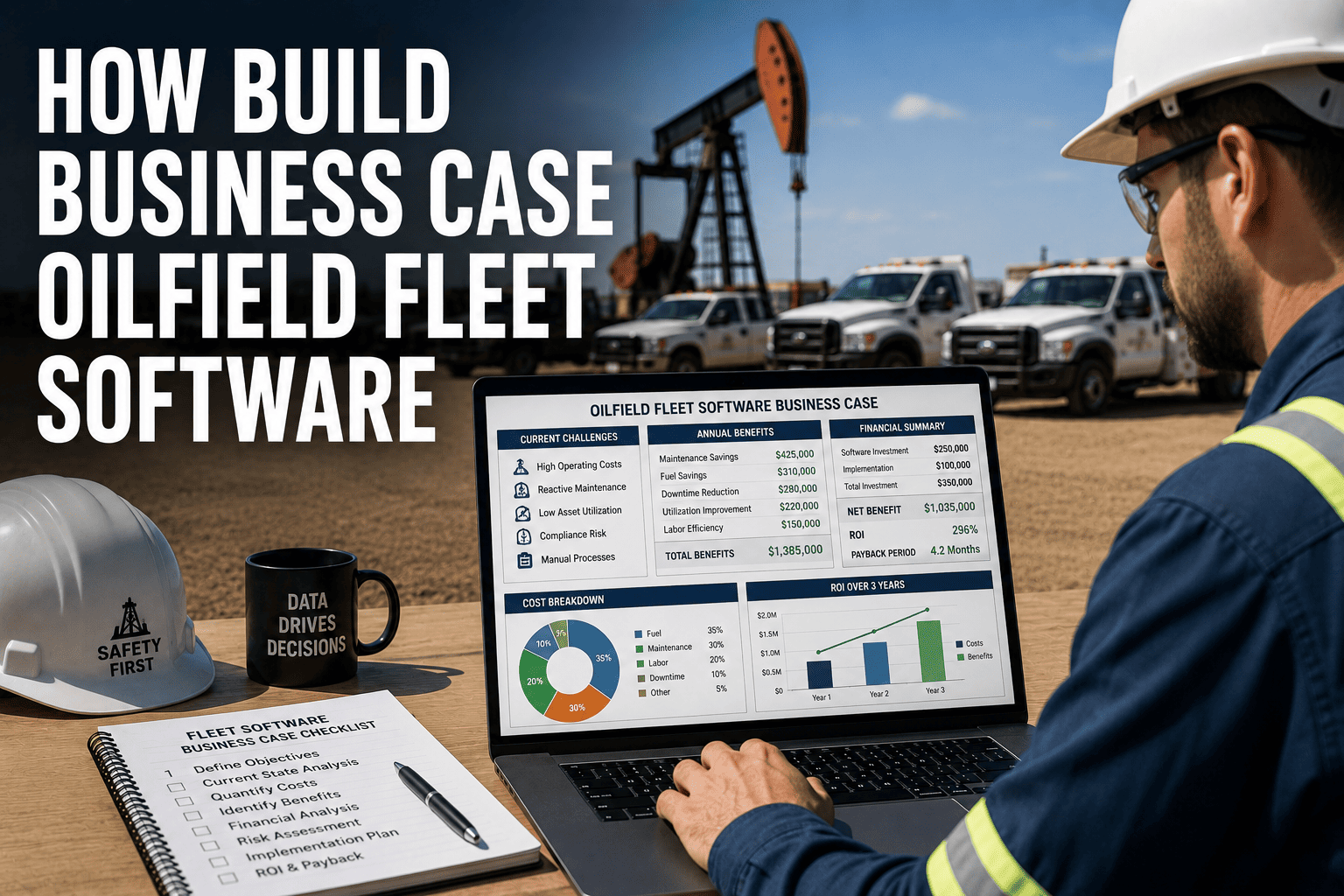
Even fleets years away from running a driverless truck benefit from building the same data foundation autonomous programs depend on. Precise vehicle location history, consistent telematics reporting, and structured maintenance records are exactly what autonomy providers need to evaluate a route's feasibility, and they're also what makes a conventional fleet run better in the meantime. Fleets that already have clean digital records of vehicle health, route patterns, and driver behavior are simply better positioned to have a real conversation with an autonomy vendor when the time comes, instead of starting that conversation from a spreadsheet.
Clean telematics, maintenance history, and route data help your fleet run better today and put you ahead if autonomy becomes part of your operation later. Book a demo to see how FleetRabbit organizes that data for you.
Key Takeaways For 2026
Oilfield operations have become one of the first commercial proving grounds for driverless trucking, and the results so far are real rather than speculative. But the current wave of autonomy is narrow by design, built for fixed, private-road routes with predictable conditions, not general oilfield hauling or crew work. The practical move for most fleets in 2026 is not deciding whether to buy an autonomous truck. It's making sure your fleet's data, vehicle health records, route history, driver behavior, is clean and centralized, because that is the exact foundation autonomy adoption will require whenever your operation is ready for it.
Whether autonomy is on your five-year roadmap or not on it at all, getting a clear picture of your current fleet data is a useful step either way.
FleetRabbit centralizes vehicle health, route history, and maintenance records so your fleet operates smarter today and stays ready for whatever technology comes next. Start free or talk to our team about your specific operation.