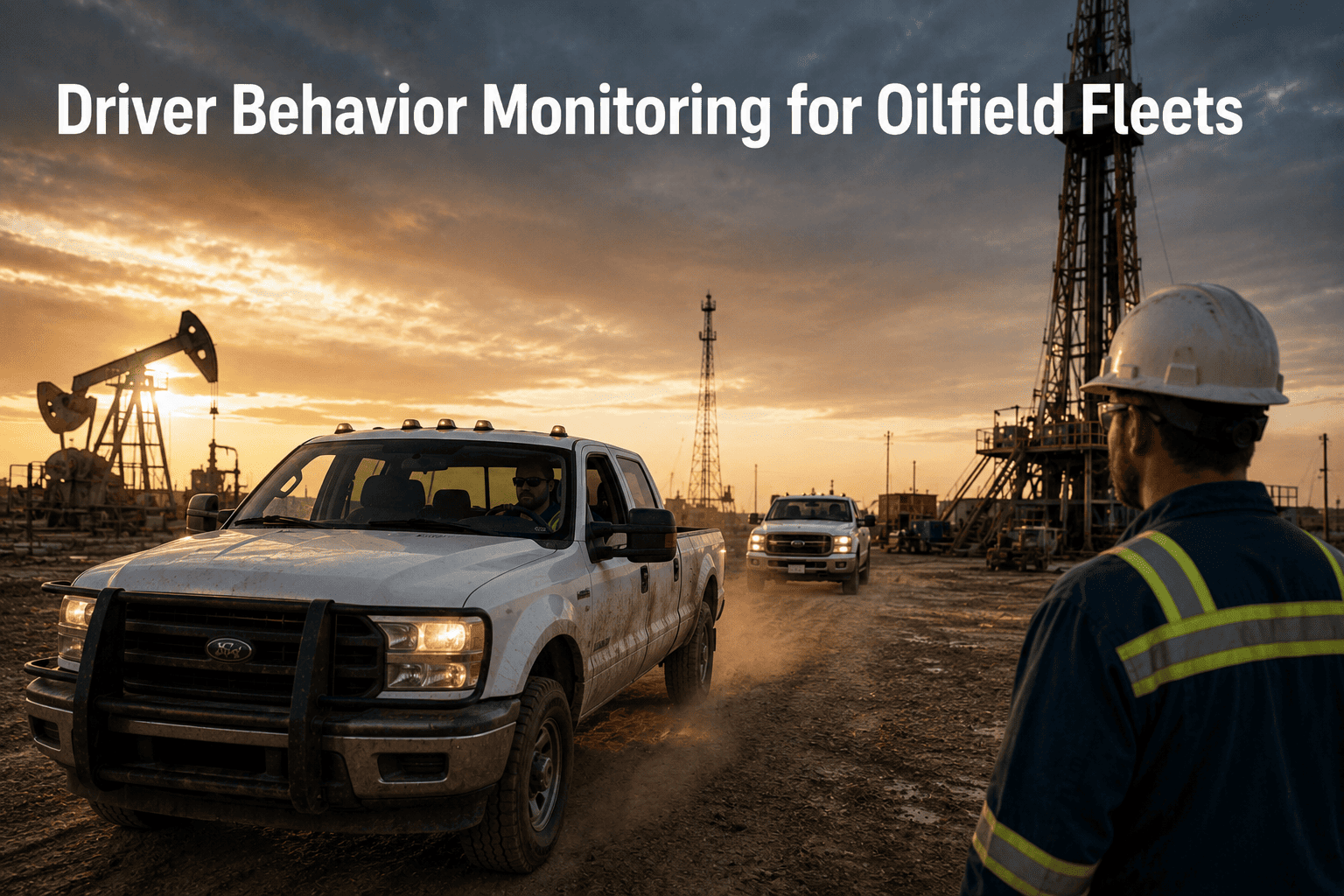
Oilfield drivers operating in remote, high-risk environments face unique safety challenges: extended shifts on unpaved access roads, HAZMAT transport requirements, and fatigue from irregular schedules. Traditional driver monitoring tools designed for highway logistics often miss these context-specific risks. Fleet Rabbit provides driver behavior analytics configured for oil and gas operations — tracking harsh braking on lease roads, idle-time fatigue indicators, and HAZMAT compliance events — all integrated with existing telematics at $5/vehicle/month. Book a Demo to see driver analytics in action.
25–40%
Reduction in reportable safety incidents after 90 days of behavior coaching
3–6 hrs
Average administrative time saved per month on manual DVIR and incident reporting
15–25%
Decrease in fuel waste linked to aggressive driving patterns
90%+
Driver adoption rate for mobile coaching feedback in field deployments
Driver Behavior Analytics Built for Oilfield Conditions
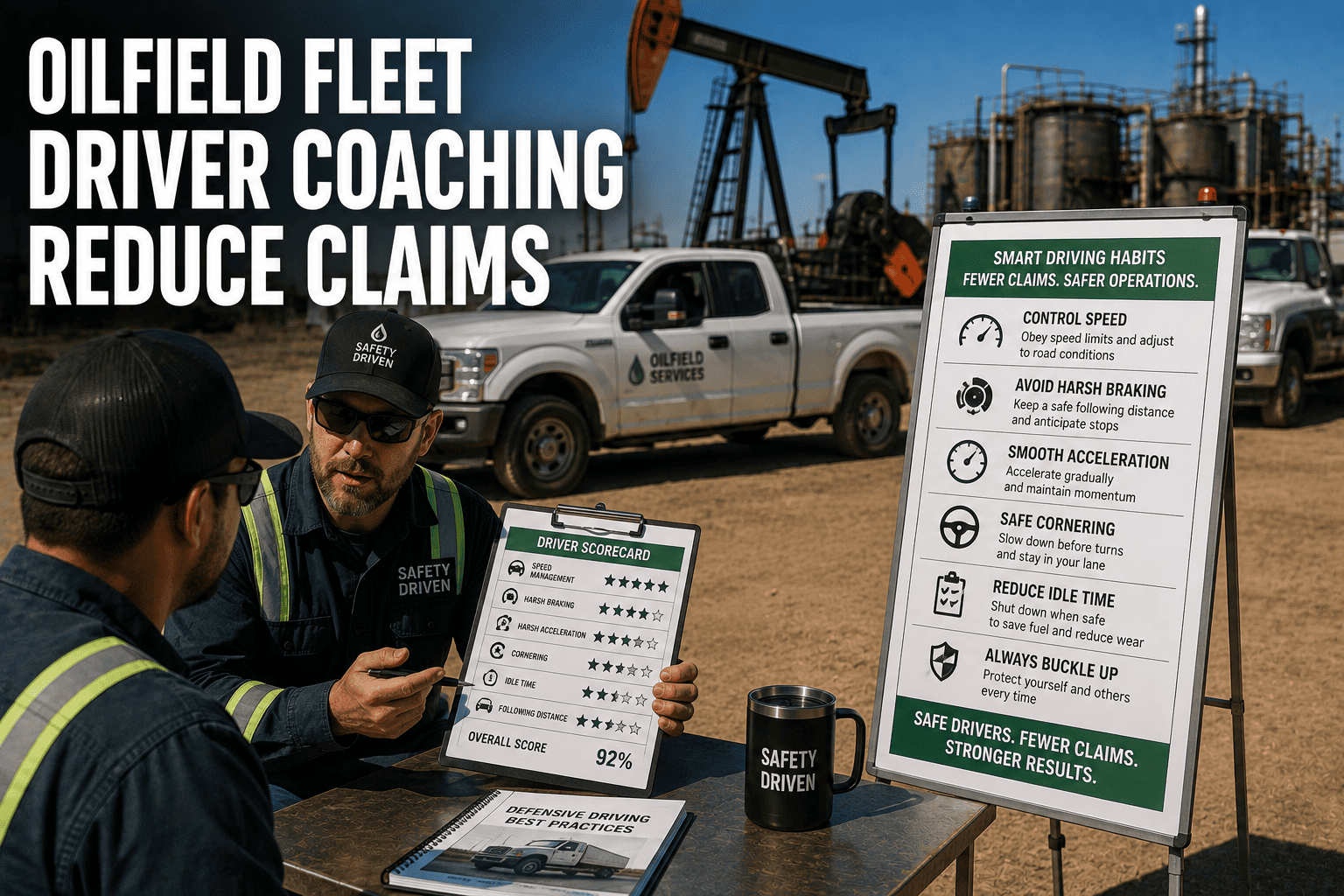
Fleet Rabbit captures driving events — harsh acceleration, cornering, braking, seatbelt compliance, and idle duration — then contextualizes them for oilfield operations. Alerts factor in road surface type, weather, load status, and HAZMAT designation to reduce false positives and focus coaching where it matters. Integrates via API with existing Geotab, Samsara, or Verizon Connect hardware. [[8]]
Why Generic Driver Monitoring Falls Short in Oil & Gas Operations
Standard fleet safety platforms often flag events based on highway driving thresholds. In oilfield contexts — where slow-speed maneuvering on gravel, frequent stops at wellheads, and extended idling are operational norms — this leads to alert fatigue and missed high-risk behaviors. Effective monitoring requires context-aware analytics tuned to upstream and midstream workflows. [[11]]
Alert Fatigue from Non-Contextual Thresholds
Generic systems flag routine low-speed maneuvers on lease roads as "harsh events," causing drivers to ignore alerts. High-risk behaviors on paved access roads may go undetected. [[6]]
Fatigue Risk Without Shift Context
Extended shifts, irregular rest periods, and remote wellsite travel increase fatigue risk. Systems that only track HOS without correlating driving events miss compounding safety factors. [[12]]
HAZMAT Compliance Gaps
Drivers transporting dangerous goods require specific monitoring for speed, routing, and incident response. Generic platforms lack native HAZMAT workflow integration. [[32]]
Limited Contractor Driver Visibility
Operators bear safety responsibility for contractor drivers on lease sites. Without unified monitoring, coaching and compliance gaps create operational and liability exposure. [[11]]
How Fleet Rabbit Monitors Driver Behavior in Oilfield Contexts
Fleet Rabbit layers context-aware analytics on top of existing telematics data. Driving events are weighted by road type, load status, weather, and regulatory designation to prioritize coaching opportunities. No hardware replacement required; connects via API to existing providers. [[22]] See a live demo configured for oilfield driver monitoring.
01
Context-Aware Event Detection
Harsh braking on paved access roads triggers coaching; similar events on gravel lease roads are weighted differently. Configurable thresholds per operational zone. [[8]]
02
Fatigue Risk Indicators
Correlates driving events with shift duration, rest breaks, and idle patterns to flag potential fatigue risk — not just HOS compliance. Supports engine-hour tracking for high-idle equipment. [[6]]
03
HAZMAT-Specific Monitoring
Applies stricter speed and routing thresholds for vehicles carrying dangerous goods. Generates incident reports formatted for PHMSA and regional HAZMAT frameworks. [[11]]
04
Mobile Coaching Feedback
Drivers receive real-time, non-punitive feedback via offline-capable mobile app. Coaching focuses on patterns, not isolated events, with manager dashboards for trend review. [[32]]
05
Contractor Driver Integration
Extend behavior monitoring to contractor vehicles via invitation model. Track certifications, coaching completion, and safety metrics on the same dashboard as owned assets. [[11]]
06
Incident Reconstruction & Reporting
Automatically compiles driving events, location data, and vehicle diagnostics for incident review. Exportable reports support internal reviews and regulatory submissions. [[8]]
Regulatory Alignment: Driver Monitoring for Oil & Gas Compliance
Driver behavior data integrates with compliance workflows to support audit readiness and proactive risk management.
FMCSA Safety Fitness
Driving event data supports CSA score improvement initiatives. Automated reports align with BASICs categories for targeted coaching. [[32]]
HAZMAT / PHMSA
Monitors speed, routing, and incident response for dangerous goods transport. Generates documentation for PHMSA audits and internal safety reviews. [[11]]
Regional HSE Frameworks
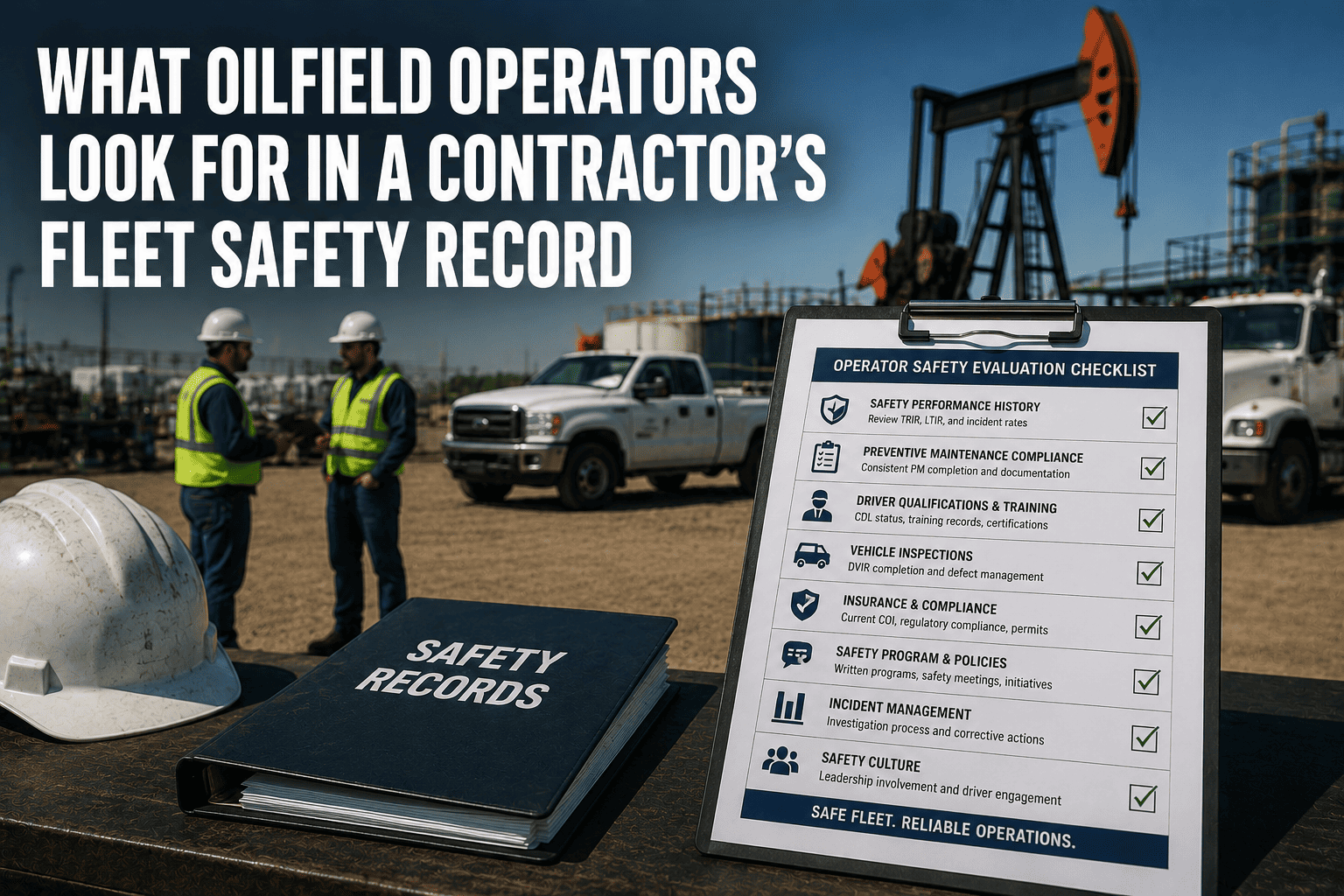
Supports ADNOC, DVSA, and DGMS driver safety requirements with region-specific reporting formats and certification tracking. [[11]]
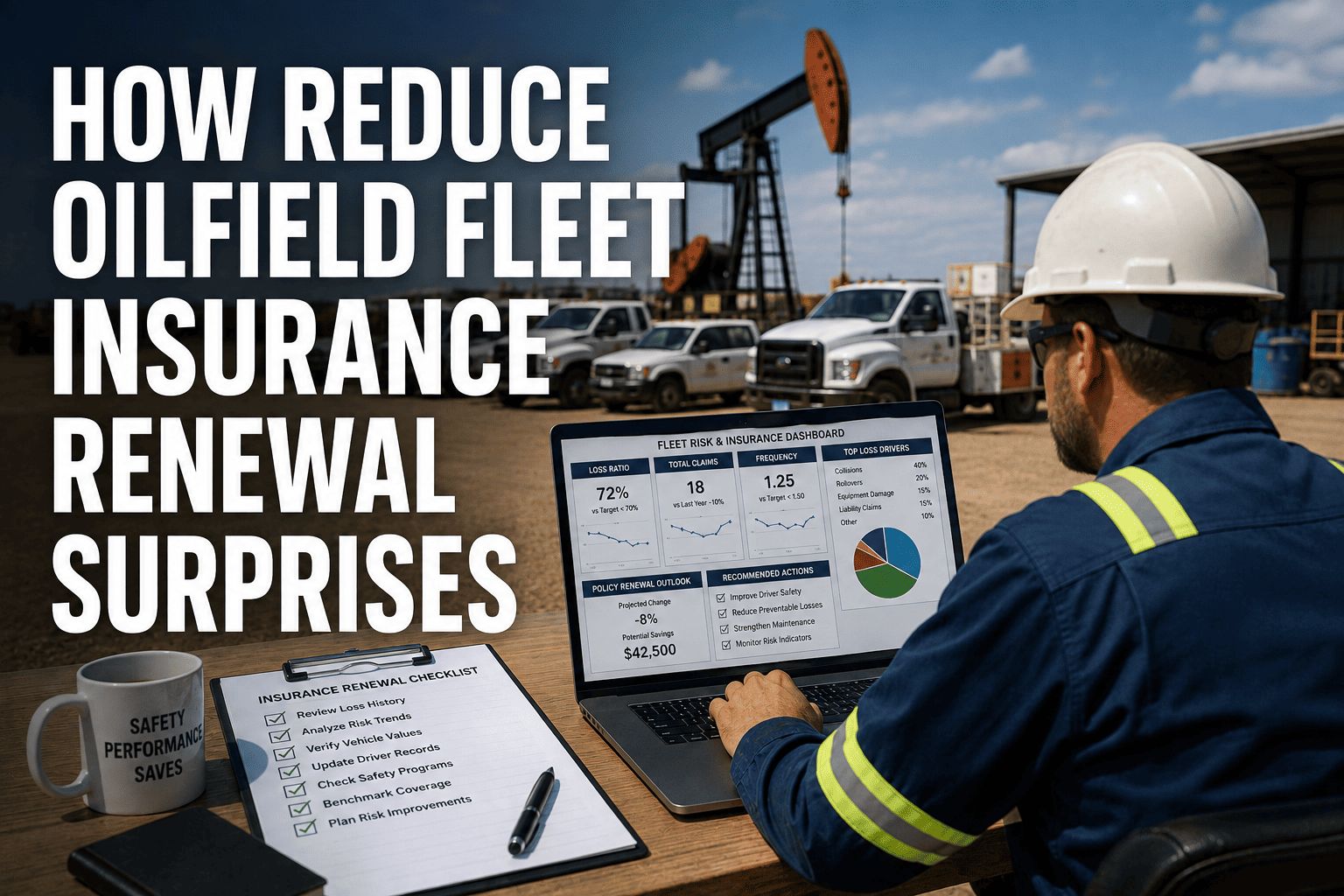
Insurance & Risk Management
Structured driving data supports insurance premium negotiations and internal risk assessments. Exportable datasets align with common insurer requirements. [[12]]
Deployment Approach for Driver Behavior Programs
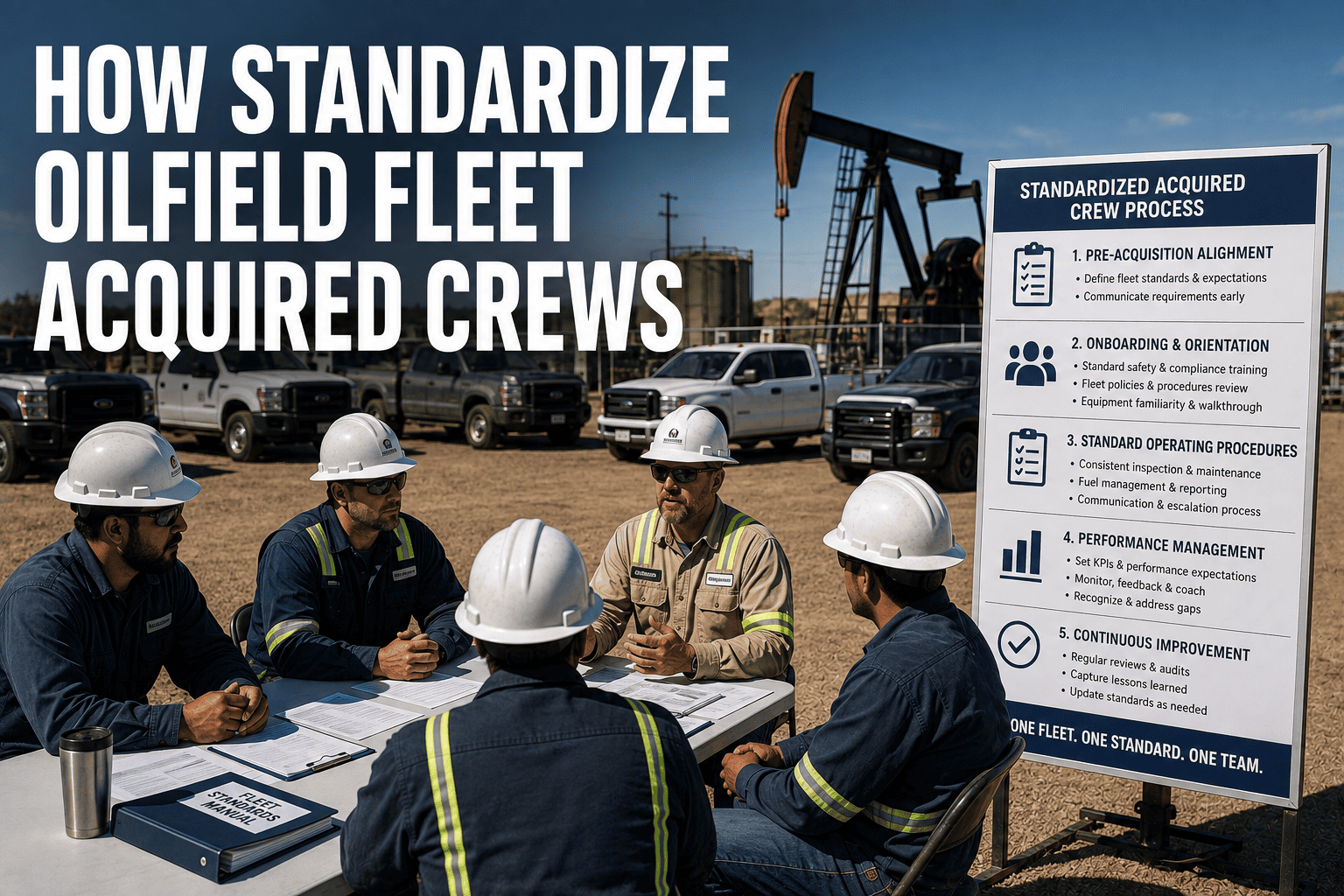
Fleet Rabbit follows a phased rollout to minimize disruption and maximize driver adoption. Smaller fleets (under 100 vehicles) typically achieve full deployment in 5–7 days; enterprise deployments may require additional time for configuration and training. [[11]] No proprietary hardware required; connects via API to existing telematics. [[22]]
01
Baseline Assessment
Review historical driving events and safety metrics
02
Threshold Configuration
Set context-aware alert thresholds per operational zone
03
Pilot Coaching
Launch mobile feedback with select driver group
04
Manager Training
Train safety and operations teams on analytics dashboards
05
Fleet-Wide Rollout
Expand coaching program with ongoing optimization
Expected Outcomes from Driver Behavior Programs
Results vary by fleet size, operational profile, and baseline safety culture. The following outcomes reflect aggregated data from oil and gas fleet deployments post-implementation. Request deployment details relevant to your fleet profile.
Weeks 1–2
Baseline & Configuration
Connect existing telematics and establish driving event baseline
Configure context-aware thresholds for pilot vehicle group
Train pilot drivers on mobile coaching feedback
Weeks 3–6
Pilot Monitoring & Feedback
First coaching alerts generated for pilot group
Manager dashboards activated for trend review
Initial feedback on alert relevance and driver adoption collected
Weeks 7–14
Fleet-Wide Expansion
Expand coaching program to full fleet
Integrate driving data with compliance and insurance workflows
Review initial safety trend data and adjust thresholds as needed
TYPICAL OUTCOMES REPORTED IN FIELD DEPLOYMENTS
Fleets completing deployment report measurable improvements in driving event frequency, coaching adoption, and compliance documentation efficiency within the first 3–6 months of full operation. [[12]]
25–40%
Reportable incident reduction
15–25%
Fuel waste reduction
3–6 hrs
Admin time saved monthly
Start Monitoring Driver Behavior with Your Existing Telematics
Fleet Rabbit connects via API to Geotab, Samsara, Verizon Connect, and other providers — no hardware replacement required. Configure context-aware alerts, mobile coaching, and compliance workflows at $5/vehicle/month for oil and gas operations. [[11]]
Use Cases: Driver Behavior Applications in Oil & Gas Fleets
These examples reflect common deployment scenarios across upstream and midstream operations. Outcomes vary based on fleet composition, operational profile, and baseline safety culture. Request a use case brief relevant to your operations.
A Permian Basin operator with 58 vehicles implemented context-aware thresholds to distinguish between routine gravel-road maneuvering and high-risk events on paved access roads. Targeted coaching reduced reportable incidents without increasing alert fatigue. [[12]]
32%
Harsh event reduction
88%
Driver coaching adoption
A midstream operator with 110 vehicles correlated driving events with shift duration and idle patterns to flag potential fatigue risk. Proactive scheduling adjustments and coaching reduced late-shift incident rates. [[12]]
27%
Late-shift incident reduction
4.2 hrs
Avg. admin time saved
An operator transporting dangerous goods used Fleet Rabbit's HAZMAT-specific thresholds to monitor speed, routing, and incident response. Automated reporting streamlined PHMSA audit preparation and supported insurance premium reviews. [[11]]
0
HAZMAT routing violations
<1 hr
Audit report generation
100%
Certification tracking
What Fleet Teams Report About Driver Behavior Monitoring
The context-aware alerts made a real difference. Drivers stopped ignoring coaching because the system understood the difference between gravel-road maneuvering and actual risky behavior on paved access roads. Our safety manager now spends time on coaching, not filtering false alerts.
Safety Director
Upstream Operator, Eagle Ford
Frequently Asked Questions
Does Fleet Rabbit require new hardware for driver behavior monitoring?
No. Fleet Rabbit connects via API to existing Geotab, Samsara, Verizon Connect, and other telematics providers. Driving event data is ingested and contextualized without requiring additional hardware. Satellite connectivity for remote wellsites is included in the $5/vehicle/month oil and gas pricing. [[22]]
How does context-aware thresholding work for oilfield roads?
Administrators define operational zones (e.g., paved access roads, gravel lease roads, wellsite pads). Driving events are weighted differently per zone — harsh braking on paved roads triggers coaching; similar events on gravel may be logged but not flagged. Thresholds are configurable and adjustable post-deployment. [[8]]
Can Fleet Rabbit monitor contractor drivers on the same dashboard?
Yes. The contractor invitation model allows operators to extend behavior monitoring to contractor vehicles without requiring contractors to purchase separate licenses. Coaching completion, safety metrics, and compliance status appear on the unified fleet dashboard. [[11]]
How is driver privacy handled with behavior monitoring?
Fleet Rabbit focuses on vehicle-based events (braking, acceleration, cornering) and operational context — not in-cab video or audio. Coaching is pattern-based and non-punitive by design. Data access controls and audit logs support internal privacy policies. [[32]]
What is the typical timeline to see behavior changes?
Initial driving event baselines are established within 1–2 weeks of integration. Early coaching feedback begins in weeks 3–4. Measurable changes in event frequency and coaching adoption typically appear within 60–90 days of full rollout, depending on fleet size and engagement. [[12]]
Is the $5/vehicle/month pricing truly all-inclusive for oil and gas?
Yes. The $5/vehicle/month oil and gas pricing includes context-aware analytics, HAZMAT workflows, offline mobile coaching, multi-region compliance reporting, API access, and unlimited users — with no add-on fees or hardware replacement costs. [[12]]
Driver Behavior Monitoring Built for Oilfield Realities
Fleet Rabbit delivers context-aware driving analytics, fatigue risk indicators, HAZMAT compliance workflows, and contractor visibility — integrated with your existing Geotab, Samsara, or Verizon Connect devices via API. Deploy at $5/vehicle/month for oil and gas operations with no hardware replacement required. [[11]]
Context-aware thresholds for gravel vs. paved road events
Native HAZMAT monitoring and PHMSA-ready reporting
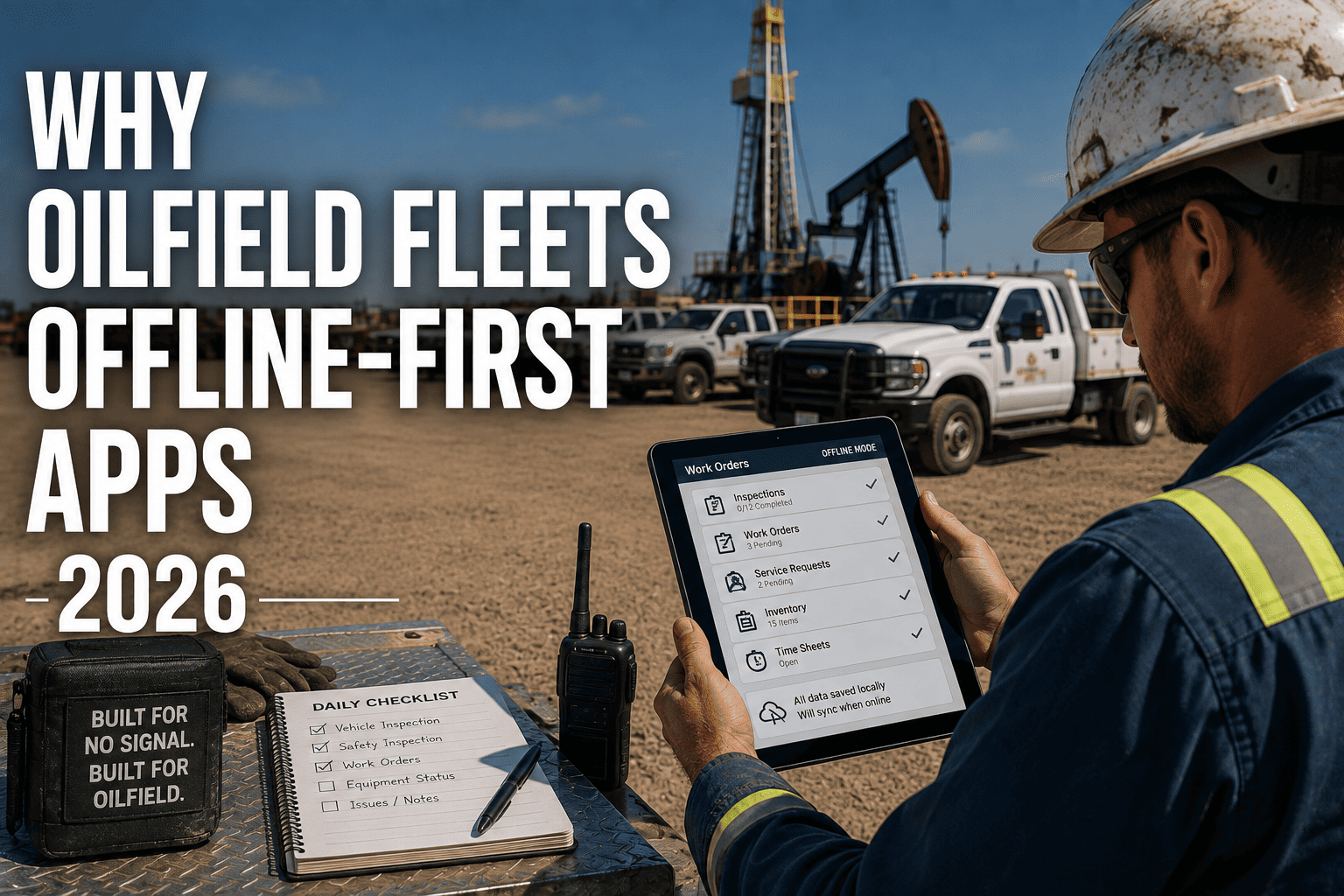
Offline mobile coaching for remote wellsite drivers
Contractor driver visibility via invitation model
May 25, 2026
By Jason
All Posts