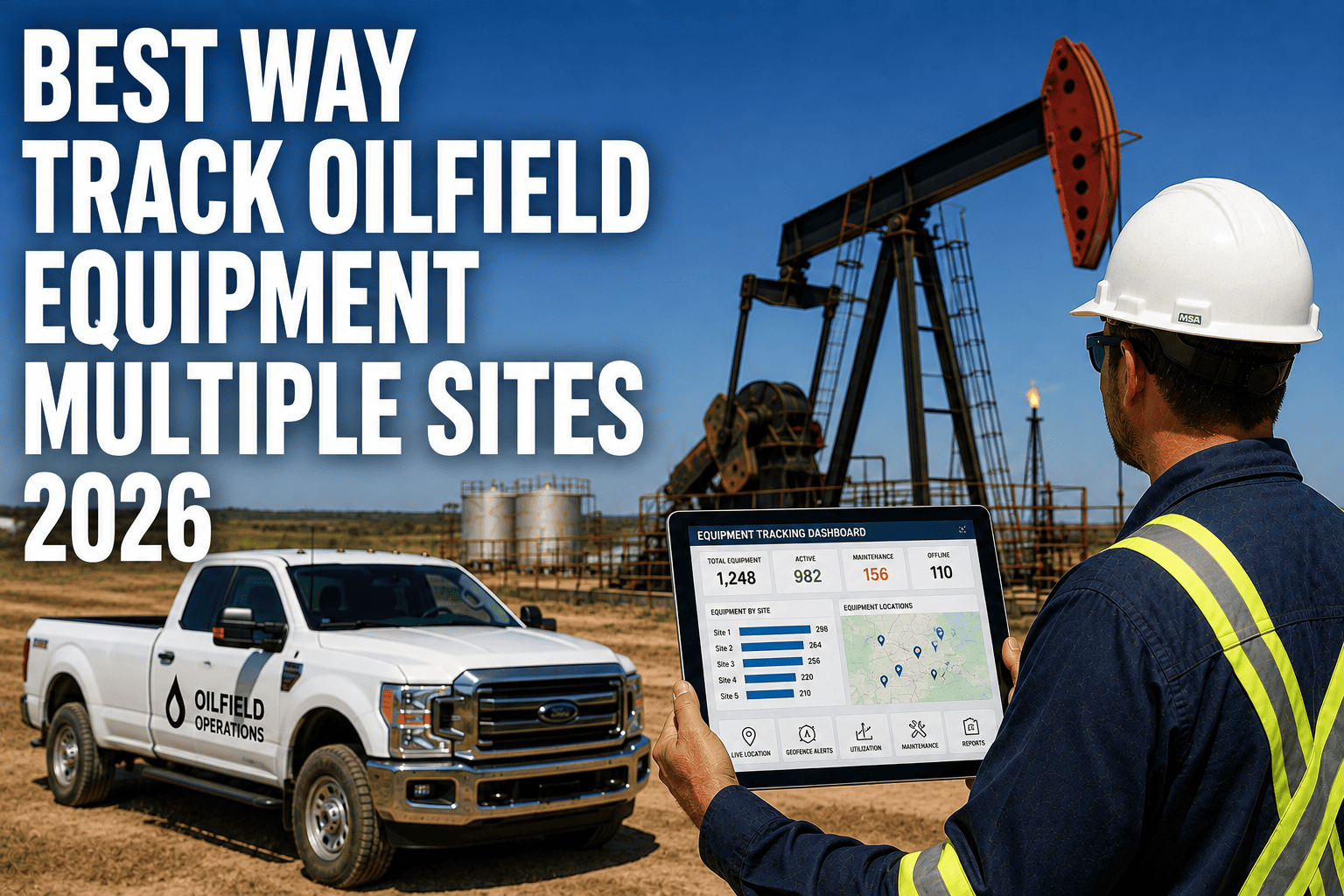
In the vast, disconnected expanse of the oilfield, tracking high-value equipment across multiple remote sites is a massive operational challenge. When generators, pumps, and trailers are scattered across hundreds of miles, paper logs fail. The best way to track oilfield equipment in 2026 requires GPS, asset tags, geofencing, and offline synchronization. FleetRabbit gives managers centralized visibility into equipment location and utilization. You can sign up for FleetRabbit to secure your assets, or book a demo to see our tracking platform.
Oilfield fleets lose thousands of dollars annually to lost or underutilized equipment scattered across remote sites. Relying on paper check-out logs results in a 20 percent asset blind spot. Implementing GPS asset tags with offline synchronization and geofencing reduces equipment loss by 70 percent and drastically improves fleet utilization rates.
The Challenge of Multi-Site Asset Visibility
The challenge of multi-site asset visibility stems from the sheer scale and isolation of oilfield operations. A single operator might manage assets across 10 different well sites, spanning hundreds of miles of unpaved roads. Traditional tracking methods rely on local yard managers physically walking lots to check inventory. When operations surge, this manual process breaks down. Equipment is moved without being logged, trailers are dropped at the wrong locations, and generators are forgotten. Without a centralized, digital view of these assets, fleet managers are forced to rent or buy new equipment simply because they cannot locate the assets they already own.
Why Paper Logs Fail in the Oilfield
Paper logs fail in the oilfield because they require immediate, accurate human input in a harsh, fast-paced environment. A driver picking up a pump in the rain at 4 AM is not going to carefully fill out a carbon copy check-out form. Paper logs are easily lost, damaged by weather, or simply ignored. They also create massive administrative delays, as the physical forms must be transported back to the central office to be entered into a spreadsheet. By the time the office knows an asset is missing, it has been gone for days. This blind spot makes proactive management impossible.
The Cost of Ghost Assets
Ghost assets are equipment items that exist on the balance sheet but cannot be physically located. The cost of ghost assets is staggering. If a 20,000 dollar generator goes missing, the immediate replacement cost is obvious. However, the secondary costs—renting a temporary generator, paying for emergency transport, and the lost production time from the well site—can easily double that figure. Furthermore, ghost assets skew utilization data, making a fleet look fully utilized when it is actually hiding idle equipment. To eliminate ghost assets, you can sign up for FleetRabbit to secure your assets, or book a demo to see our tracking platform.
FleetRabbit uses GPS tags and offline sync to give you total visibility into your remote oilfield equipment. Stop renting equipment you already own and secure your high-value assets. Start your free trial today to modernize your tracking.
The Best Tracking Technologies for 2026
The best way to track oilfield equipment in 2026 involves a combination of hardware and software tailored for remote environments. Standard GPS trackers that rely on constant cellular connection are useless in the oilfield. The 2026 standard requires ruggedized asset tags, long battery life, and offline-first architecture. By utilizing these advanced technologies, fleets can maintain total visibility even in the most disconnected environments.
| Tracking Method | Capability | Limitation | FleetRabbit Advantage |
|---|---|---|---|
| Paper Check-Outs | Basic physical inventory | Lost, damaged, ignored, and delayed reporting | Replaced by mandatory digital check-outs |
| Cellular GPS | Real-time tracking on highways | Fails in remote areas without cell coverage | Augmented with offline data storage and sync |
| Satellite Trackers | Coverage everywhere | Extremely expensive hardware and data fees | Used selectively for ultra-high-value assets |
| BLE Asset Tags | Low-cost, long battery life tracking | Requires a gateway to pass data | Syncs automatically via driver mobile app |
| Geofencing | Virtual perimeters for security | Useless if data is delayed by dead zones | Processes delayed offline data for alerts |
Strategies for Centralized Visibility
Achieving centralized visibility requires strategic deployment of tracking technology. The first strategy is implementing geofencing around all remote yards and well sites to track movement automatically. The second strategy is utilizing offline synchronization, ensuring that driver apps and asset tags capture location data without a connection and sync it later. The third strategy is standardizing digital check-outs, forcing drivers to scan an asset tag before they can move it. By executing these strategies, fleets eliminate the manual errors that cause asset loss.
Implementing Geofencing for Remote Yards
Implementing geofencing for remote yards transforms your security and inventory management. FleetRabbit allows managers to draw virtual boundaries around laydown yards. When a tagged piece of equipment, like a light tower, crosses that boundary, the system logs the exact time and location. If the movement happens during unauthorized hours, an instant theft alert is sent to the security team. This technology prevents both organized theft and casual borrowing, ensuring assets stay where they belong.
Offline Synchronization and Data Sync
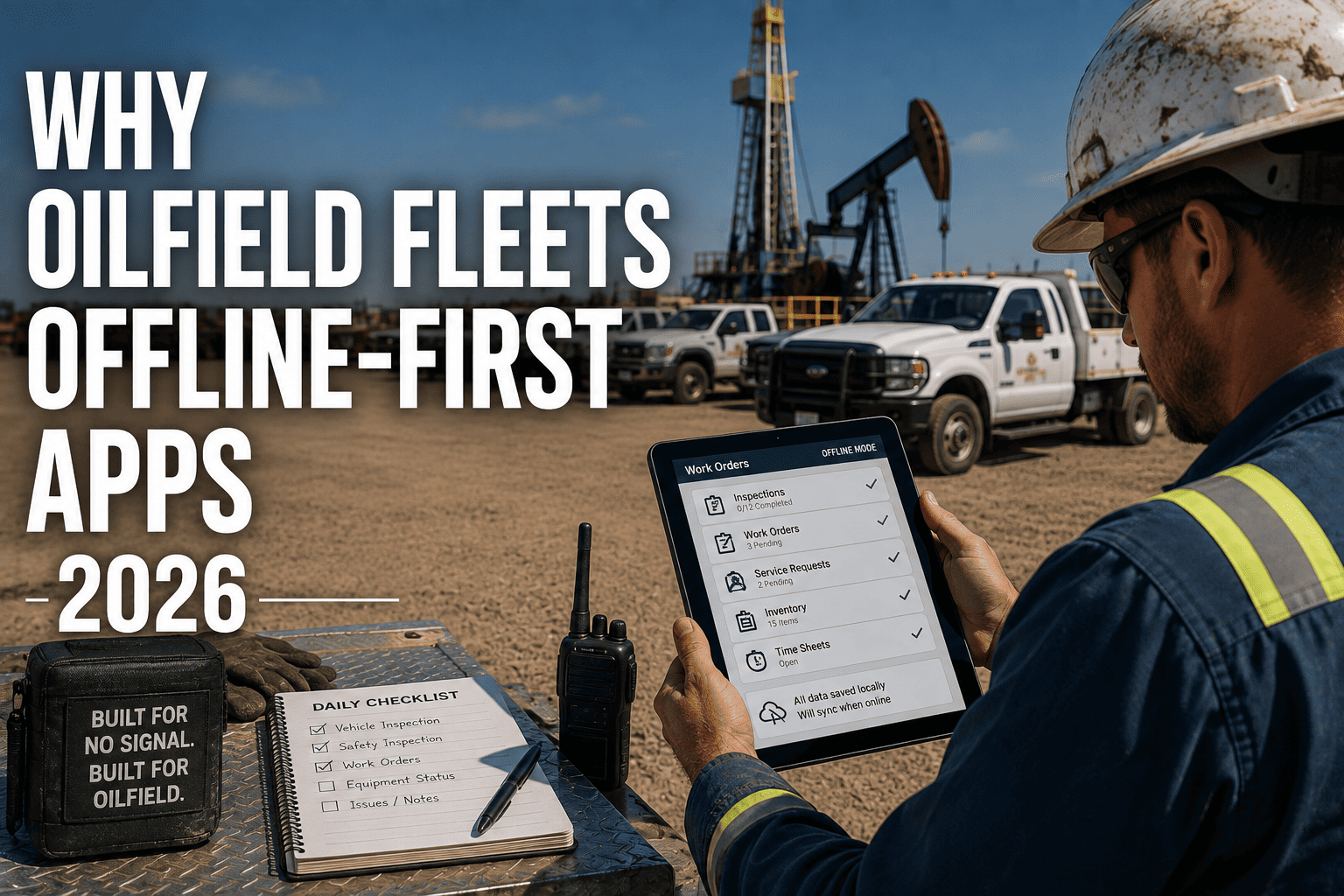
Offline synchronization and data sync are the backbone of 2026 oilfield tracking. When a driver enters a dead zone, the FleetRabbit app continues to log GPS breadcrumbs and asset scans locally on the device. The moment the truck returns to a connected area, the app automatically pushes all that data to the cloud. This ensures that the asset's history is complete and unbroken, even if it spent three days in a cellular dead zone. To implement this, you can sign up for FleetRabbit to secure your assets, or book a demo to see our tracking platform.
How FleetRabbit Secures Remote Equipment
FleetRabbit is engineered to provide total visibility in the harshest environments. Our platform integrates cellular GPS, BLE asset tags, and driver mobile apps into a single, centralized dashboard. We understand that oilfield equipment does not just move on highways; it gets bounced around on lease roads and left in remote yards. Our system tracks true engine hours, logs offline movements, and enforces digital check-outs to ensure every asset is accounted for. By connecting the field directly to the back office, FleetRabbit eliminates the blind spots that lead to ghost assets and unnecessary rentals.
GPS and Asset Tag Integration
GPS and asset tag integration allows you to track everything from heavy haulers to small generators. For powered assets, we use hardwired GPS that runs off the vehicle's battery. For non-powered assets like frac tanks and light towers, we use ruggedized battery-operated tags. These tags communicate with the driver's mobile app, passing location data back to the cloud when the driver leaves the site. This hybrid approach ensures you have total coverage without paying for expensive satellite data plans on every single asset.
Real-Time Utilization Reporting
Real-time utilization reporting ensures you are getting the most out of your capital investments. FleetRabbit tracks how many hours an asset is actually running versus sitting idle. If a generator is only used 20 percent of the week, the system flags it for redistribution to a busier site. This data-driven approach to utilization stops local yards from hoarding backup equipment and allows the fleet to right-size its inventory, saving hundreds of thousands in avoided capital expenditures.
Key Takeaways for Asset Tracking
Tracking oilfield equipment across multiple remote sites in 2026 requires a shift from manual paper logs to digital, offline-capable tracking. The scale and isolation of the oilfield make traditional methods obsolete. Fleets that rely on paper check-outs are destined to lose equipment, suffer from hoarding, and pay for unnecessary rentals. A centralized, data-driven approach to asset visibility ensures that every piece of equipment is secure, accounted for, and fully utilized.
Implementing a comprehensive tracking system like FleetRabbit reduces equipment loss by 70 percent and stops asset hoarding. The return on investment is immediate, not just in prevented theft, but in recovered capital, avoided equipment rentals, and reduced administrative overhead. Oilfield operators demand efficiency, and FleetRabbit provides the exact digital visibility needed to deliver it.
The path forward is clear. Evaluate your current asset tracking and ask if you can locate every pump and generator across all your sites right now. If you are relying on paper logs, you have ghost assets. Fleet managers who address asset visibility systematically protect their profitability and operational reliability. You can sign up for FleetRabbit to secure your assets, or book a demo to see our tracking platform.
Frequently Asked Questions About Equipment Tracking
Every day you rely on paper logs to track remote equipment is a day you risk theft, hoarding, and lost assets. FleetRabbit provides offline GPS tracking and geofencing to secure your assets and improve utilization. See a 70 percent reduction in equipment loss within weeks. Start your free trial today with no credit card required.