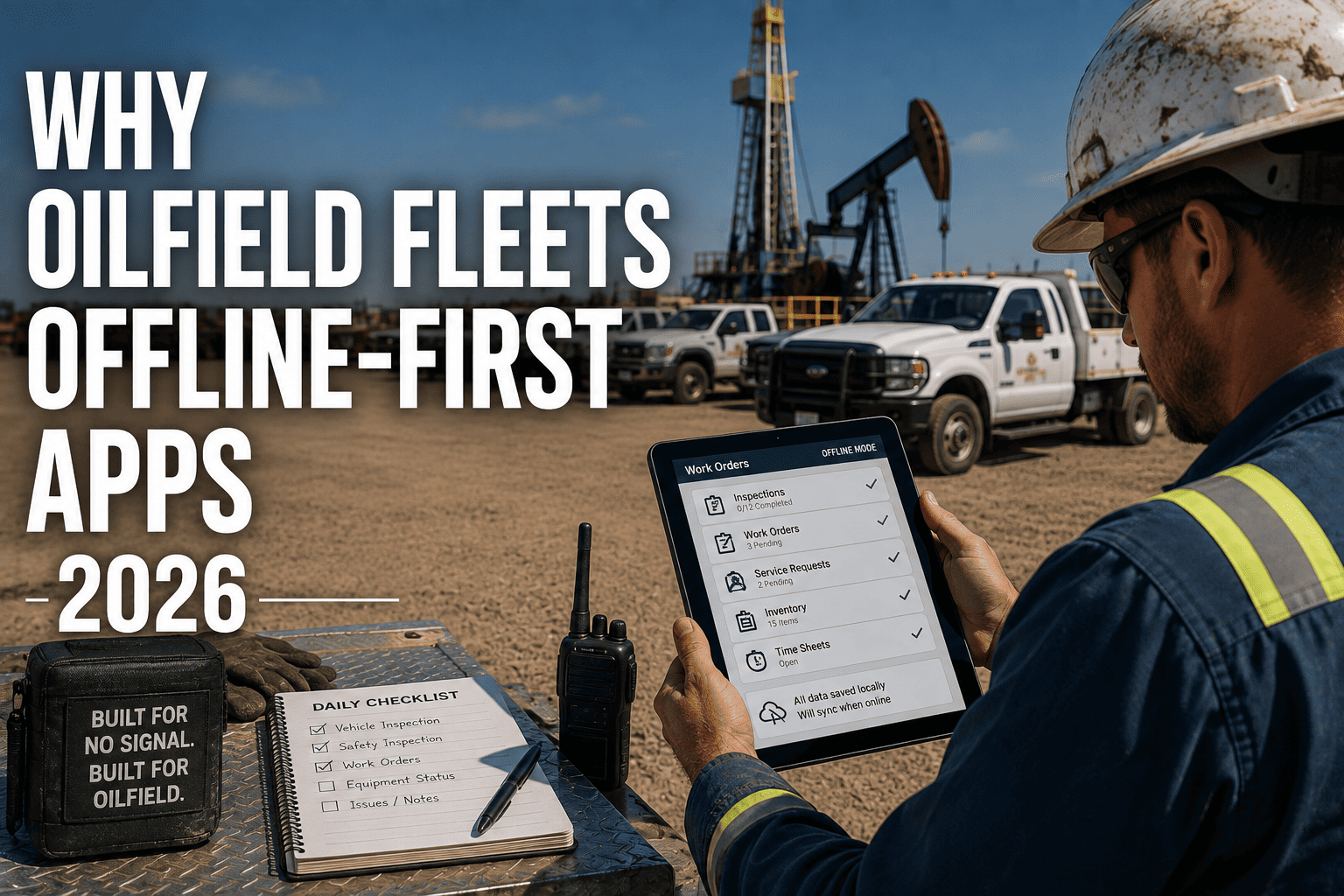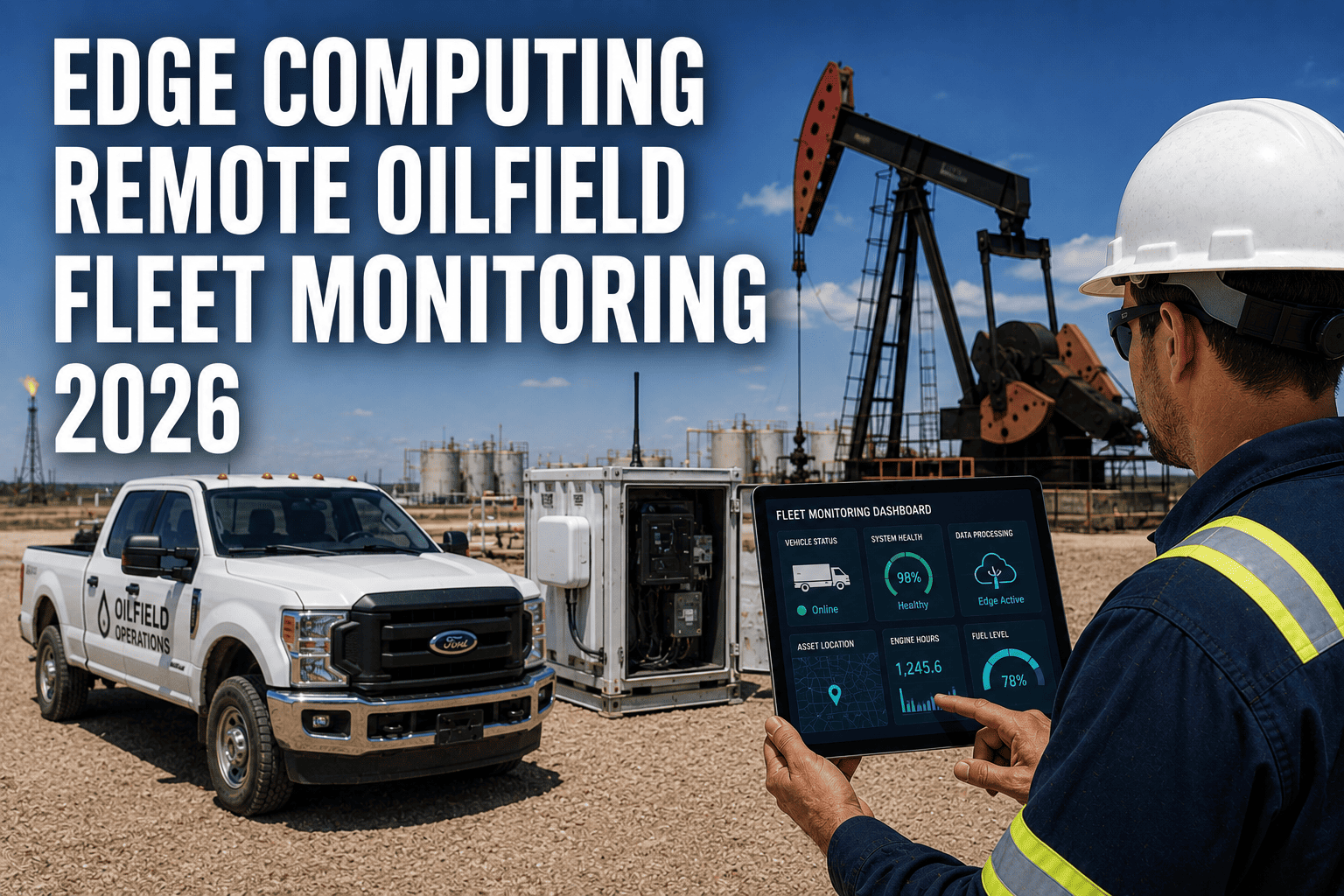
A wellsite eighty miles from the nearest cell tower doesn't stop generating data just because there's no signal to send it anywhere. Engine diagnostics, fault codes, camera feeds, and equipment telemetry keep piling up whether or not a network is available to move them. For years, that meant remote oilfield assets either went dark until a truck rolled back into range, or operators paid a fortune for satellite bandwidth to stream everything continuously. Edge computing changes that equation by putting the processing power on the vehicle or at the site itself, so the analysis happens where the data is born, and only the conclusions that matter get sent home.
Edge computing processes fleet and equipment data locally, on the vehicle or at the wellsite, instead of streaming everything to the cloud first. In areas with intermittent or no connectivity, this lets monitoring, alerts, and even basic decisions continue uninterrupted, with only the filtered, critical results transmitted once a connection becomes available.
Why Cloud-Only Monitoring Breaks Down In The Field
Traditional fleet telematics assumes a live connection back to a central server. That assumption holds fine in a city depot and falls apart the moment a frac support truck spends its shift at a pad with no reliable signal. A cloud-dependent system either buffers everything and dumps a flood of stale data once connectivity returns, or worse, misses the window entirely and the fault that mattered never gets flagged at all.
Three Ways Operators Are Architecting Edge Networks
Not every oilfield location needs the same level of local processing power. Operators generally choose from three architecture patterns depending on how critical continuous operation is at a given site.
Choosing The Right Model For Your Sites
Most oilfield fleets don't need to pick just one. A hybrid approach is common in practice: high-traffic yards with reliable signal run largely centralized, while remote pads and workover locations get localized edge processing that can operate independently until a connection window opens.
FleetRabbit's edge-ready platform keeps critical alerts flowing at remote sites and syncs full data the moment connectivity returns. Sign up free to see how it handles your toughest locations.
What Edge Computing Actually Enables On Site
Beyond the architecture diagrams, edge computing changes what's possible in day-to-day oilfield operations. A few capabilities stand out as the ones fleet managers notice immediately.
Instant Fault Detection Without Waiting For A Signal
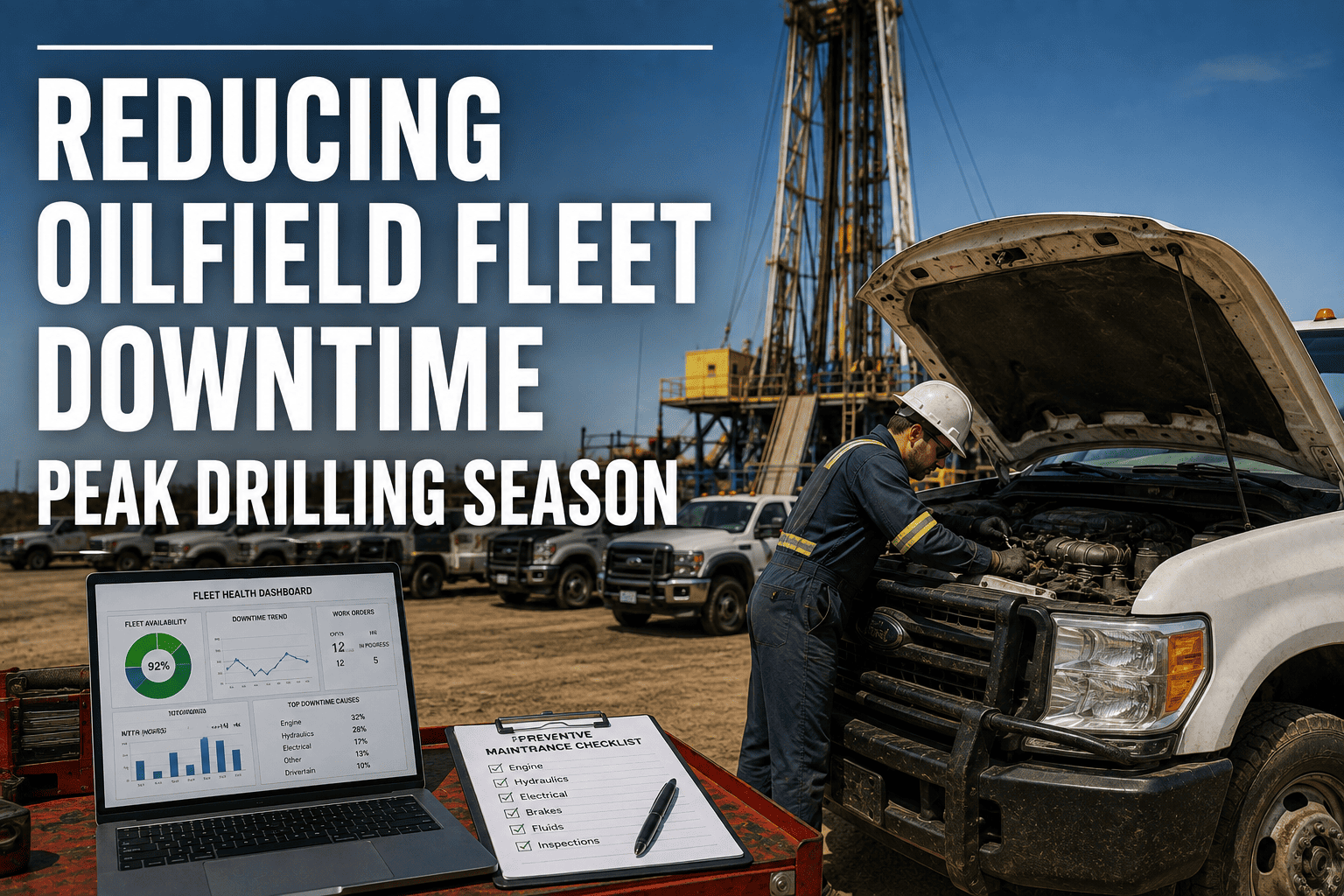
An edge device processing engine data locally can flag an abnormal reading, a pressure drop, a temperature spike, the moment it happens, rather than waiting for that data to reach a cloud server. For a workover rig running miles from cell coverage, that local processing is often the only thing standing between a caught issue and an unplanned breakdown.
Practical Example
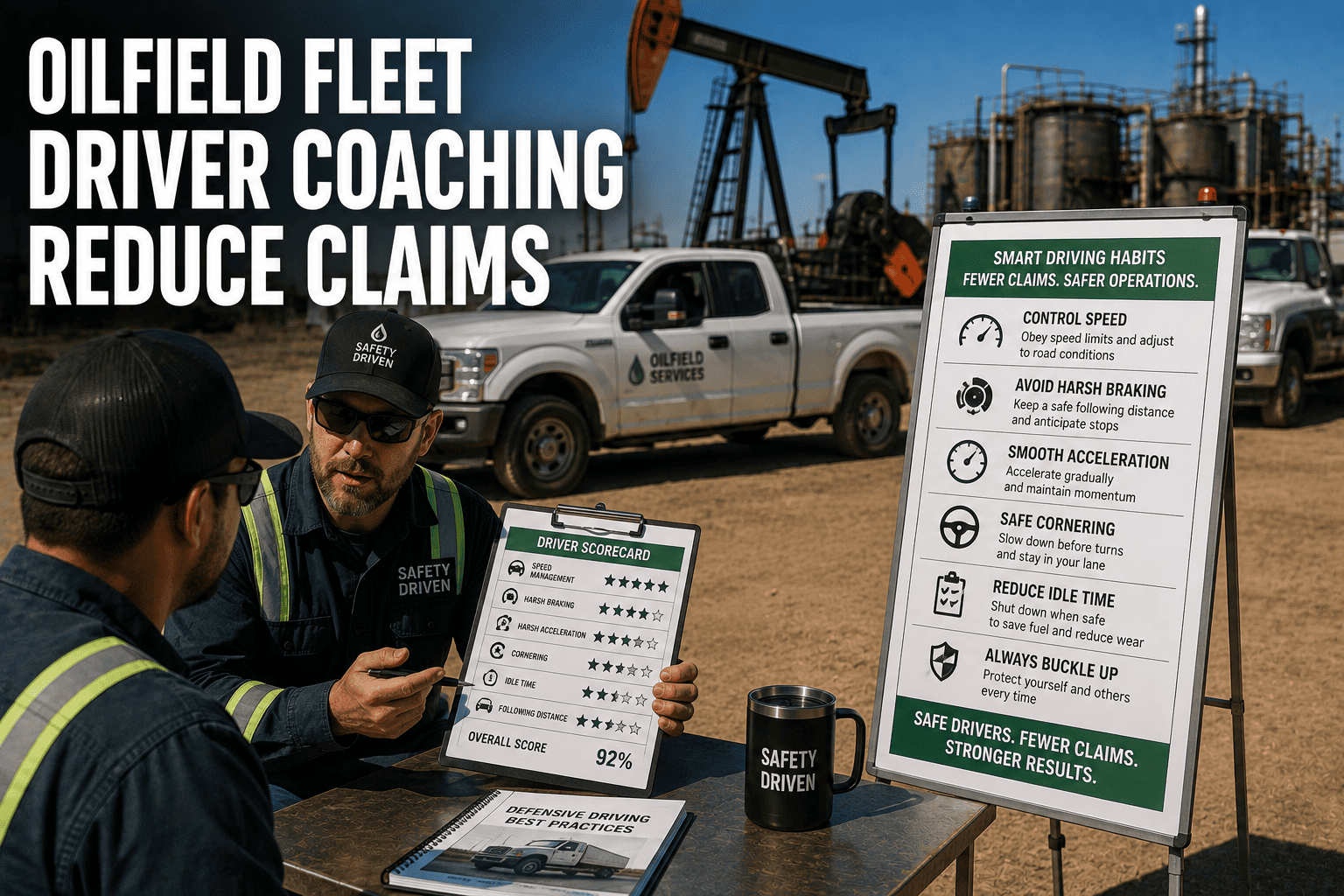
A frac support truck idling at a remote pad shows early signs of alternator wear. An edge-based system flags the anomaly on device and stores a priority alert locally, which syncs to the fleet dashboard the instant the truck re-enters signal range, instead of surfacing days later during a routine data pull.
Reduced Bandwidth Costs Across Remote Fleets
Streaming raw sensor and camera data continuously from dozens of remote assets is expensive, especially over satellite links. Processing locally and transmitting only filtered summaries and flagged anomalies cuts data transmission costs dramatically while still capturing everything that actually matters operationally.
Resilience During Extended Connectivity Loss
Extreme weather, remote terrain, and satellite dropouts are a normal part of oilfield operations, not an edge case. Localized edge processing means monitoring, alerting, and even basic automated responses keep functioning through connectivity gaps that would otherwise leave a site operating blind.
| Use Case | Why Edge Processing Matters | Typical Data Sent To Cloud |
|---|---|---|
| Engine & Fault Monitoring | Anomalies need flagging in seconds, not after a data sync | Alerts and summarized health scores only |
| Site Security Cameras | Continuous video streaming over satellite is costly and often impractical | Flagged events and short clips, not full footage |
| Driver & Safety Behavior | Harsh braking or fatigue signals should trigger in-cab alerts instantly | Aggregated scorecards and incident logs |
| Wellsite Equipment Status | Local integration with SCADA-connected equipment needs no round trip to the cloud | Status changes and exception reports |
We'll walk through which of your sites would benefit most from edge-based monitoring versus standard cloud connectivity. Book a demo to map it out together.
Key Takeaways
Edge computing doesn't replace cloud-based fleet monitoring, it fills the gap cloud-only systems can't reach on their own. For oilfield operations spread across remote pads and dead zones, that gap is exactly where breakdowns go unnoticed and safety incidents go undetected longest. Fleets adopting a hybrid model, edge processing at the remote and safety-critical sites, centralized monitoring everywhere else, get the best of both without overbuilding infrastructure they don't need.
The right next step is usually mapping which of your sites actually lose connectivity often enough to justify local processing, rather than assuming every location needs the same setup.
FleetRabbit combines edge-ready monitoring with a unified cloud platform, so remote wellsites stay visible even through connectivity gaps. Start free or talk to our team about your specific locations.