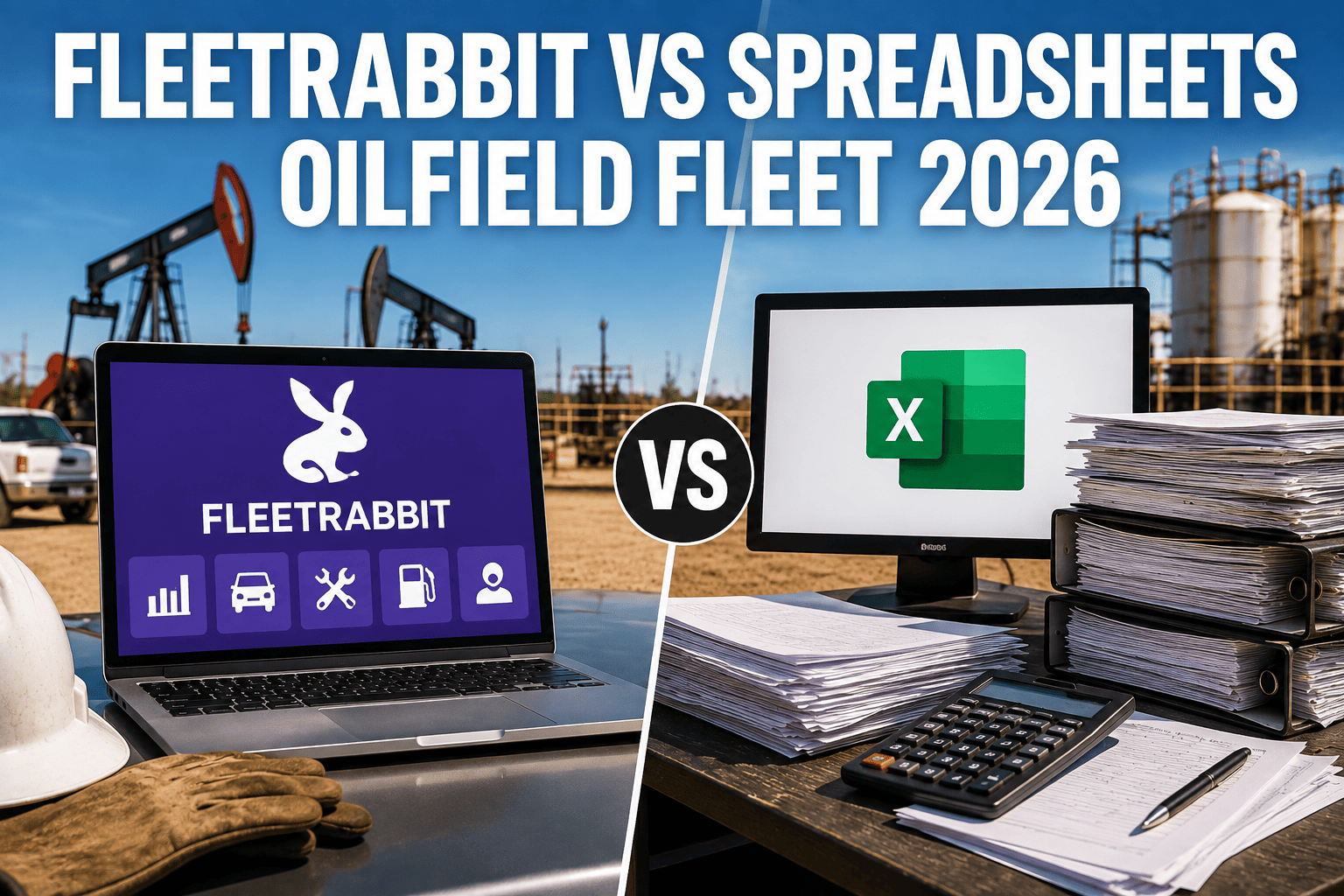
As we navigate through 2026, the oilfield logistics industry is experiencing unprecedented pressure to maximize efficiency and safety across remote operations. For years, fleet managers have relied on static spreadsheets to track vehicle assignments, log maintenance, and manage driver compliance. However, the modern oilfield fleet operates in a highly dynamic environment where real-time data is critical for decision-making. Spreadsheets, while familiar, are inherently disconnected from the field. They require manual data entry, are prone to human error, and fail to provide the instant operational visibility needed to prevent downtime on remote lease roads. The shift from reactive spreadsheet management to proactive digital fleet software is no longer a luxury but a competitive necessity. Modern platforms like FleetRabbit offer automated alerts, offline mobile workflows, and centralized dashboards that bridge the gap between the cab and the office. By adopting a comprehensive digital strategy, oilfield operators can eliminate the blind spots of spreadsheets, ensure rigorous HSE compliance, and maintain absolute control over their assets regardless of how remote the job site is.
Managing a modern oilfield fleet with spreadsheets leads to data silos, missed maintenance, and offline blind spots. Digital fleet software like FleetRabbit provides real-time alerts, offline mobile workflows, and automated compliance tracking. Transitioning from Excel to a dedicated platform is essential for maintaining operational visibility and safety in 2026.
Four Reasons Spreadsheets Fail Oilfield Fleets in 2026
Lack of Real-Time Alerts
Reactive Maintenance
Offline Blind Spots
Remote Connectivity Issues
Compliance Vulnerabilities
Failing HSE and DOT Audits
Zero Operational Visibility
Disjointed Communication
The transition from static documents to a dynamic digital ecosystem is the defining factor for oilfield fleet success in 2026. Forward-thinking operators are abandoning outdated methods and embracing platforms that unify maintenance, safety, and operations. To see how our platform outperforms your current spreadsheet setup, you can sign up for FleetRabbit today or book a demo with our team to explore a better way to manage your remote assets.
Stop letting manual data entry and disconnected spreadsheets cause costly downtime and compliance failures. FleetRabbit provides automated alerts, offline workflows, and centralized visibility. Make the switch to digital fleet management today.
FleetRabbit vs Spreadsheets: Feature Comparison Matrix
Understanding the operational gap between traditional tracking methods and modern software is crucial for strategic planning. Use the following matrix to evaluate how your current tools stack up against the requirements of 2026 oilfield logistics.
| Operational Feature | Traditional Spreadsheets | FleetRabbit Platform | Operational Impact |
|---|---|---|---|
| Data Collection | Manual entry delayed by hours or days | Automated telematics sync and instant mobile inputs | Eliminates human error and provides real-time accuracy |
| Maintenance Alerts | Static dates requiring manual checking | Automated push notifications for PM and inspections | Prevents unexpected breakdowns and reduces towing costs |
| Offline Capabilities | Completely unavailable on remote lease roads | Full mobile functionality with automatic background syncing | Ensures continuous compliance tracking regardless of cell service |
| Compliance Records | Scattered files prone to loss and damage | Secure cloud storage with timestamped digital signatures | Guarantees instant retrieval during DOT and HSE audits |
| Asset Visibility | Unknown until the driver returns to the yard | Live GPS tracking and geofencing for all equipment | Optimizes routing and secures high-value loads |
The financial impact of clinging to outdated spreadsheet management extends far beyond the administrative hours spent updating rows and columns. When a critical maintenance interval is missed because an Excel formula was broken, the resulting engine failure can cost tens of thousands of dollars in emergency repairs and lost contract penalties. Furthermore, the inability to prove immediate compliance during a roadside inspection can result in vehicles being placed out of service, stranding hazardous materials and delaying critical oilfield operations. Digital transformation is not just about convenience; it is a fundamental risk management strategy. By automating the flow of data between the field and the back office, modern software ensures that decisions are based on absolute reality, not yesterday's estimates. This shift protects the bottom line and empowers fleet managers to operate proactively rather than reactively.
The Danger of Delayed Data in Oilfield Logistics
In the oilfield, conditions change by the minute. A sudden storm can turn a passable lease road into an impassable hazard, and a minor fluid leak can become a catastrophic engine failure within hours. Spreadsheets only provide a snapshot of the past, offering zero visibility into what is happening right now. This delayed data creates a dangerous lag in operational response. When a dispatcher cannot see the live location of a truck, they cannot efficiently reroute assets to avoid weather or prioritize critical deliveries. Digital fleet software collapses this time delay, providing a live operational picture that allows managers to pivot instantly, keeping drivers safe and operations flowing efficiently.
Empowering the Field Worker Through Mobile Technology
The success of any fleet management system relies on adoption by the drivers in the field. Forcing drivers to fill out paper forms and manually calculate hours of service is a burden that leads to fatigue and non-compliance. A dedicated mobile app transforms the driver experience by streamlining pre-trip inspections, capturing digital signatures, and logging hours automatically. When drivers are equipped with intuitive digital tools that work seamlessly offline, compliance rates soar, and administrative friction disappears. This empowerment fosters a stronger safety culture and ensures that the data flowing back to management is accurate and timely.
Do not let outdated spreadsheets and manual data entry hold back your operational potential in 2026. FleetRabbit provides the automated alerts, offline workflows, and real-time visibility needed to dominate the oilfield logistics landscape. Start your digital transformation today.