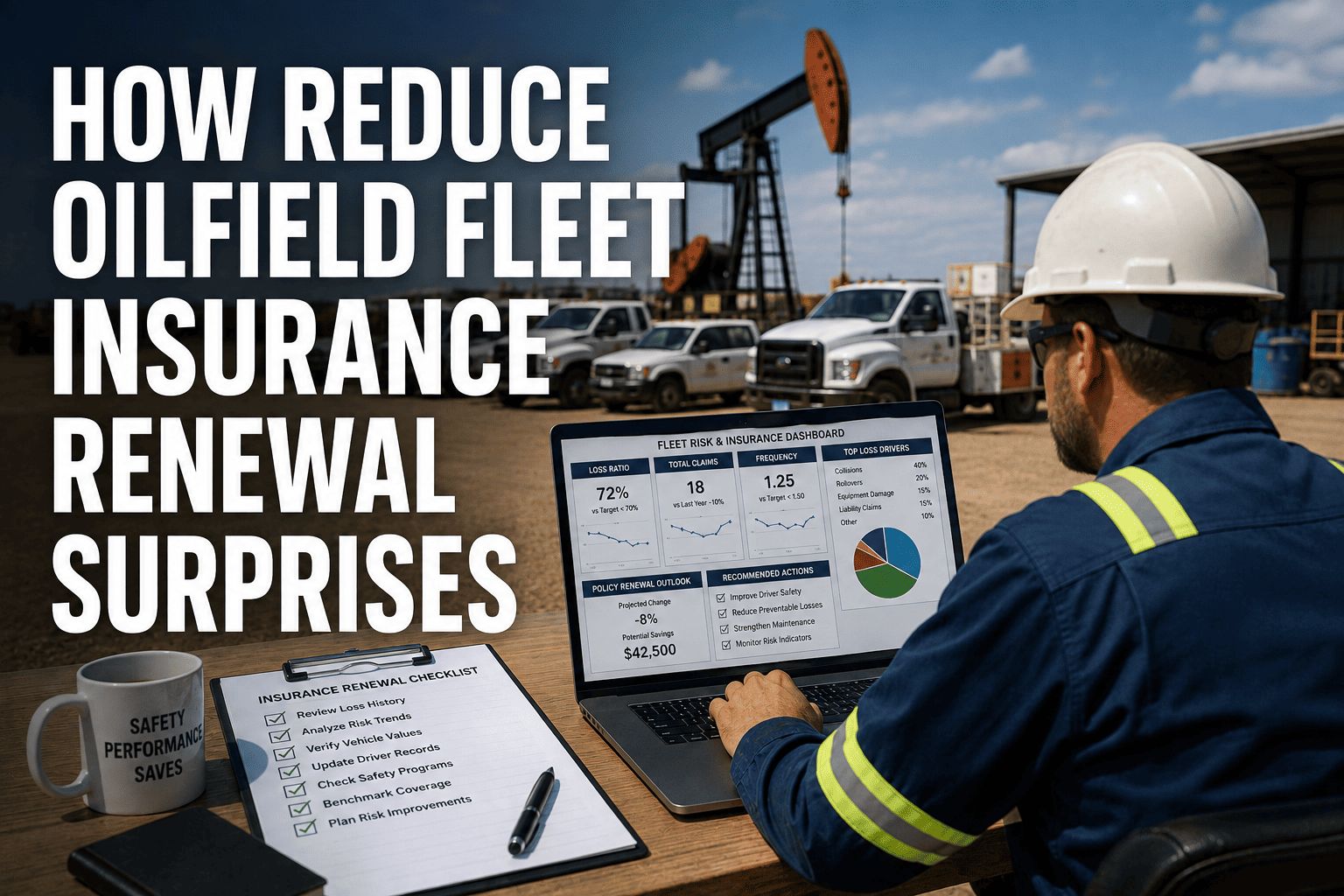
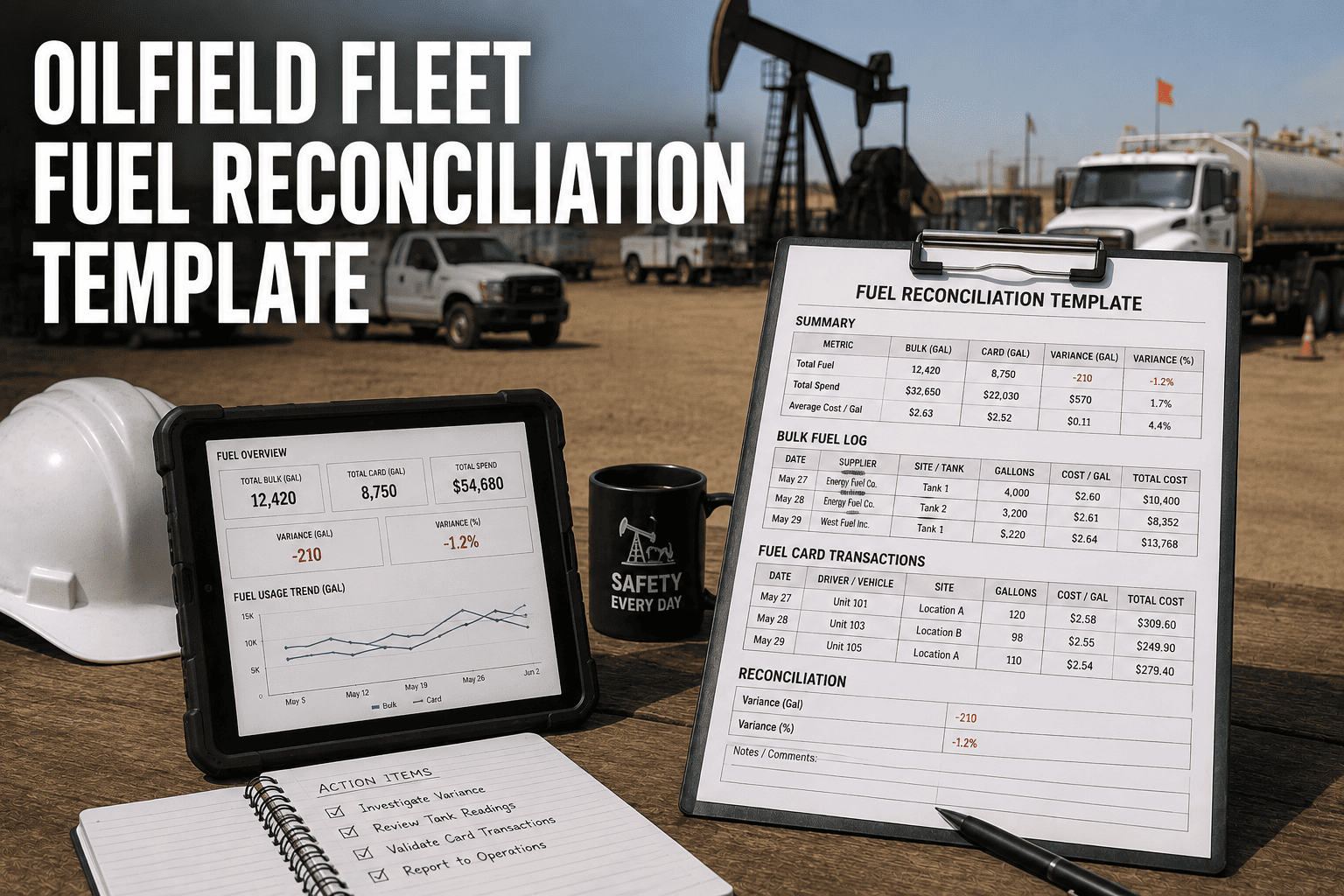
Oil and gas fleet operators managing remote wellsite logistics face compounding costs from unplanned maintenance, fuel waste across dispersed routes, and manual compliance documentation for DOT, FMCSA, and regional HSE frameworks. Fleet Rabbit provides a unified analytics platform that integrates with existing telematics to deliver condition-based maintenance alerts, fuel consumption insights by vehicle and route, and automated regulatory reporting — helping operations teams shift from reactive tracking to proactive fleet intelligence. Book a Demo to see Fleet Rabbit in action.
20–30%
Typical maintenance cost reduction through condition-based scheduling vs. mileage-only approaches
4–8 hrs
Average downtime reduction per proactive maintenance intervention in field deployments
8–15%
Fuel waste reduction through idle monitoring and route efficiency analytics
95%+
DVIR completion rates with mobile digital inspections vs. paper-based workflows
Fleet Analytics for Oil & Gas: Turn Telematics Data Into Operational Decisions
Fleet Rabbit aggregates GPS, engine diagnostics, fuel transactions, and compliance records into a structured analytics layer — with configurable alerts for maintenance thresholds, fuel anomalies, and regulatory deadlines. No hardware replacement required; connects via API to existing Geotab, Samsara, or Verizon Connect devices. [[8]]
The Operational Gaps in Traditional Fleet Tracking for Oilfield Logistics
Generic fleet platforms designed for highway logistics often lack the capabilities required for upstream and midstream operations: satellite connectivity for remote wellsites, engine-hour based maintenance triggers for idle-heavy equipment, and native support for HAZMAT or multi-region regulatory frameworks. These gaps create visibility blind spots that compound operational risk. [[11]]
Reactive Maintenance in High-Utilization Fleets
Equipment accumulating 300+ engine hours weekly without condition-based alerts leads to preventable component failures. Emergency repairs in remote locations incur premium labor costs and extended downtime. [[6]]
Fuel Waste Without Attribution
Idling at wellsites, inefficient routing between pads, and unauthorized usage can add 8–15% to fuel spend. Without per-vehicle analytics, root causes remain unidentified. [[12]]
Manual Compliance Documentation
Paper DVIRs, spreadsheet-based certification tracking, and manual audit preparation consume administrative time and create gaps under FMCSA, DOT, or regional HSE audits. [[32]]
Limited Contractor Fleet Visibility
Operators bear HSE responsibility for contractor vehicles on lease sites. Without unified monitoring, compliance and safety gaps in contractor fleets create operational and liability exposure. [[11]]
How Fleet Rabbit Addresses Oil & Gas Fleet Analytics Requirements
Fleet Rabbit connects to existing telematics hardware via API to layer analytics and automation without requiring fleet-wide hardware replacement. The platform supports satellite connectivity for remote operations, engine-hour based maintenance triggers, and native compliance workflows for FMCSA, ADNOC, and other regional frameworks. [[22]] See a live demo configured for oilfield operations.
01
Unified Telematics Data Ingestion
Connects via API to Geotab, Samsara, Verizon Connect, and other providers. Aggregates location, engine diagnostics, fuel transactions, and driver events into a single analytics-ready dataset. [[8]]
02
Condition-Based Maintenance Alerts
Triggers maintenance workflows based on engine hours, fault codes, or usage patterns — not just mileage. Supports separate PM clocks for vehicle engines and process equipment like PTO systems. [[6]]
03
Fuel Analytics by Vehicle and Route
Tracks consumption patterns, idle time, and efficiency metrics per vehicle, driver, or route. Identifies anomalies for coaching or operational adjustment. Integrates with WEX, Fleetcor, and other fuel card providers. [[8]]
04
Automated Compliance Workflows
Digital DVIR with offline mobile capture, driver certification expiration alerts, and one-click audit report generation for FMCSA, DOT, or regional frameworks. [[32]]
05
Multi-Region Regulatory Support
Native support for FMCSA (US), ADNOC (UAE), DVSA (UK), and DGMS (India) compliance requirements within a single platform. [[11]]
06
Contractor Fleet Visibility
Extend monitoring to contractor vehicles via invitation model. Track certifications, compliance status, and performance on the same dashboard as owned assets. [[11]]
Regulatory Framework Support: Configured for Oil & Gas Compliance
Compliance templates are pre-configured for common oil and gas regulatory requirements. No custom scripting needed for standard reporting cycles.
FMCSA / DOT HOS
Electronic logging, driver qualification file tracking, and DVIR documentation formatted for FMCSA audits with automated data validation. [[32]]
HAZMAT / PHMSA
Dispatch blocking for uncertified drivers, digital SDS library access, and shipping paper generation for dangerous goods transport. [[11]]
Regional HSE Frameworks
ADNOC, DVSA, and DGMS compliance workflows with region-specific documentation formats and audit pack generation. [[11]]
Vehicle Inspection & Certification
Annual inspection tracking, registration renewal alerts, and pressure vessel or ATEX certification management alongside standard vehicle records. [[32]]
Deployment Approach for Oil & Gas Fleets
Fleet Rabbit follows a phased deployment methodology designed for operational continuity. Smaller fleets (under 100 vehicles) typically achieve full deployment in 5–7 days; enterprise deployments (400+ vehicles) may require 12–22 weeks for configuration and user training. [[11]] No proprietary hardware required; connects via API to existing telematics. [[22]]
01
Asset Audit
Map vehicles, telematics sources, and compliance requirements
02
API Integration
Connect existing GPS, fuel, and maintenance systems
03
Pilot Configuration
Configure alerts and workflows for pilot vehicle group
04
User Training
Train dispatch, maintenance, and compliance teams
05
Full Rollout
Expand to full fleet with ongoing optimization
Expected Outcomes from Fleet Analytics Deployment
Results vary by fleet size, operational profile, and baseline processes. The following outcomes reflect aggregated data from oil and gas fleet deployments post-implementation. Request deployment details relevant to your fleet profile.
Weeks 1–2
Data Integration & Baseline
Connect existing telematics and fuel card systems via API
Establish baseline metrics for maintenance, fuel, and compliance
Configure initial alert thresholds for pilot vehicle group
Weeks 3–6
Pilot Monitoring & Adjustment
First condition-based maintenance alerts generated for pilot group
Fuel anomaly detection identifies idle or routing inefficiencies
Digital DVIR adoption tracked; compliance documentation time begins decreasing
Weeks 7–14
Fleet-Wide Expansion
Expand alerting and analytics to full fleet
Automated compliance reporting activated for applicable frameworks
Review initial performance trends and adjust thresholds as needed
TYPICAL OUTCOMES REPORTED IN FIELD DEPLOYMENTS
Fleets completing deployment report measurable improvements in maintenance cost control, fuel efficiency, and compliance documentation efficiency within the first 3–6 months of full operation. [[12]]
20–30%
Maintenance cost reduction
8–15%
Fuel waste reduction
80–90%
Compliance doc time reduction
Start with Your Existing Telematics. Add Analytics in Days.
Fleet Rabbit connects via API to Geotab, Samsara, Verizon Connect, and other providers — no hardware replacement required. Configure maintenance alerts, fuel analytics, and compliance workflows at $5/vehicle/month for oil and gas operations. [[11]]
Use Cases: Analytics Applications in Oil & Gas Fleets
These examples reflect common deployment scenarios across upstream and midstream operations. Outcomes vary based on fleet composition, operational profile, and baseline processes. Request a use case brief relevant to your operations.
A Permian Basin service company with 42 vehicles implemented engine-hour based maintenance triggers for frac trucks and water haulers accumulating 300+ hours weekly. Predictive alerts enabled proactive repairs during planned windows, reducing emergency interventions. [[12]]
28%
Maintenance cost reduction
4–6 hrs
Avg. downtime reduction
89%
Compliance doc time reduction
A midstream operator with 120 vehicles used fuel consumption analytics to identify excessive idling at wellsites and inefficient routing between pads. Driver coaching and route adjustments reduced fuel waste without impacting operational tempo. [[12]]
2,100 gal
Annual fuel saved
An operator spanning US and GCC regions used Fleet Rabbit's native support for FMCSA and ADNOC frameworks to automate audit documentation. Digital DVIR and certification tracking reduced manual compliance preparation time. [[11]]
95%+
DVIR completion rate
<2 hrs
Audit pack generation
What Fleet Teams Report About Fleet Rabbit Analytics
The condition-based alerts helped us catch a hydraulic pump issue on a frac truck before it failed during a critical job. We scheduled the repair during a planned downtime window — no service interruption. That single intervention covered our annual platform cost.
Fleet Maintenance Supervisor
Upstream Operator, Permian Basin
Frequently Asked Questions
Does Fleet Rabbit require new hardware for oil and gas deployments?
No. Fleet Rabbit connects via API to existing Geotab, Samsara, Verizon Connect, and other telematics providers. Satellite connectivity for remote wellsites is included in the $5/vehicle/month oil and gas pricing with no additional hardware required. [[22]]
Which regulatory frameworks does Fleet Rabbit support natively?
Native support includes FMCSA and DOT (US), ADNOC and UAE AD EHSMS (GCC), DVSA and ADR (UK/EU), and DGMS (India). Compliance templates are pre-configured; no custom development required for standard reporting cycles. [[11]]
How does maintenance alerting work for equipment with high engine hours but low mileage?
Fleet Rabbit supports engine-hour based PM triggers (e.g., 250, 500, 1000 hours) alongside or instead of mileage-based schedules. Alerts can be configured for specific components like PTO systems or hydraulic pumps common in oilfield equipment. [[6]]
Can Fleet Rabbit monitor contractor vehicles on the same dashboard?
Yes. The contractor invitation model allows operators to extend visibility to contractor vehicles without requiring contractors to purchase separate licenses. Compliance status, certifications, and performance metrics appear on the unified fleet dashboard. [[11]]
What is the typical deployment timeline for an oil and gas fleet?
Smaller fleets (under 100 vehicles) typically deploy in 5–7 days. Enterprise deployments (400+ vehicles) may require 12–22 weeks for configuration and training. Initial alerts begin generating within 4–6 weeks of telematics integration. [[11]]
Is the $5/vehicle/month pricing truly all-inclusive for oil and gas?
Yes. The $5/vehicle/month oil and gas pricing includes satellite connectivity, HAZMAT compliance workflows, offline mobile DVIR, multi-region regulatory reporting, API access, and unlimited users — with no add-on fees or hardware replacement costs. [[12]]
Analytics for Oil & Gas Fleets: Start with Your Existing Telematics
Fleet Rabbit delivers condition-based maintenance alerts, fuel analytics, compliance automation, and contractor visibility — integrated with your existing Geotab, Samsara, or Verizon Connect devices via API. Deploy at $5/vehicle/month for oil and gas operations with no hardware replacement required. [[11]]
Engine-hour PM triggers for high-utilization equipment
Native FMCSA, ADNOC, DVSA, DGMS compliance workflows
Satellite connectivity included for remote wellsite visibility
Offline mobile DVIR with automatic sync on reconnect
May 22, 2026
By Jason
All Posts