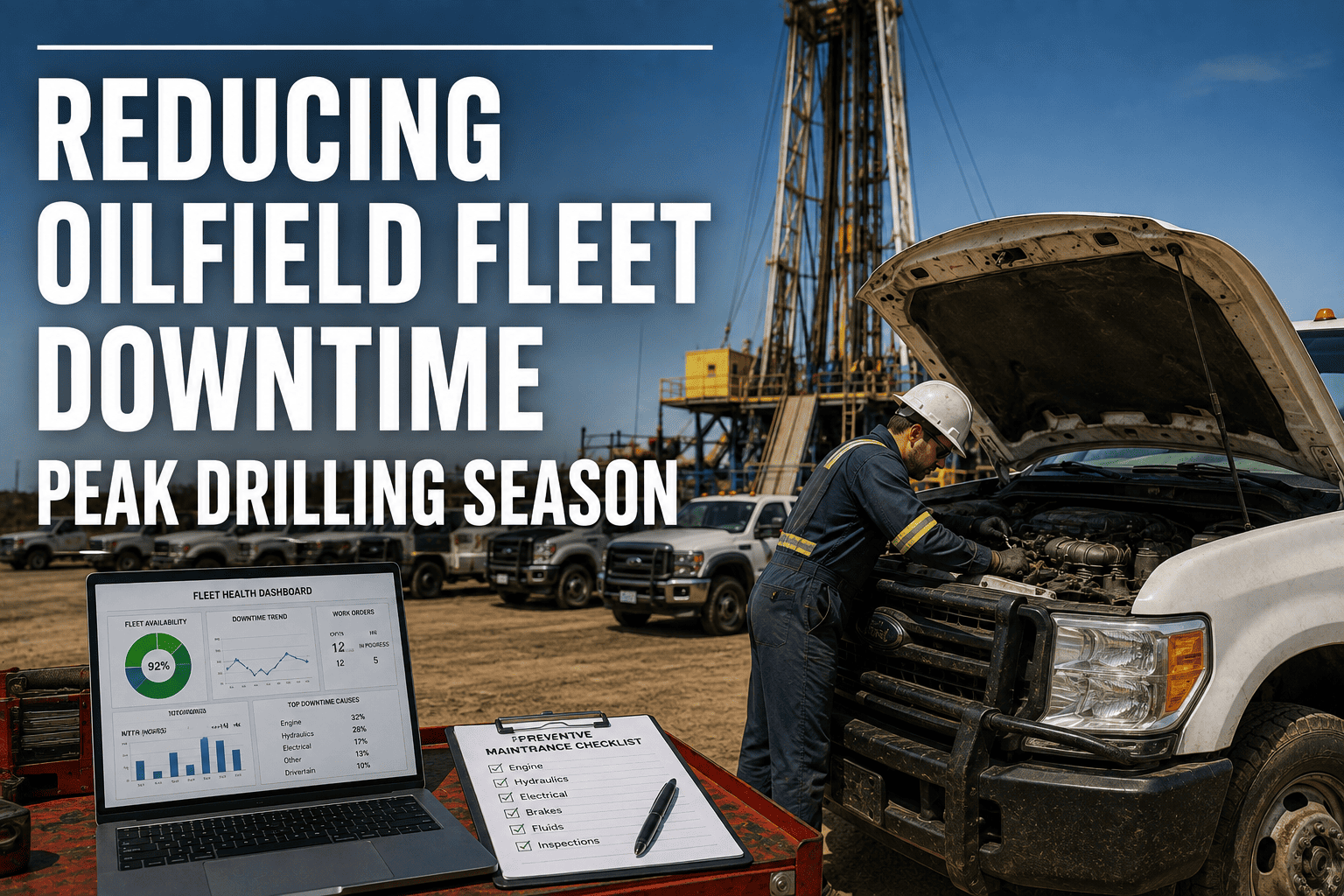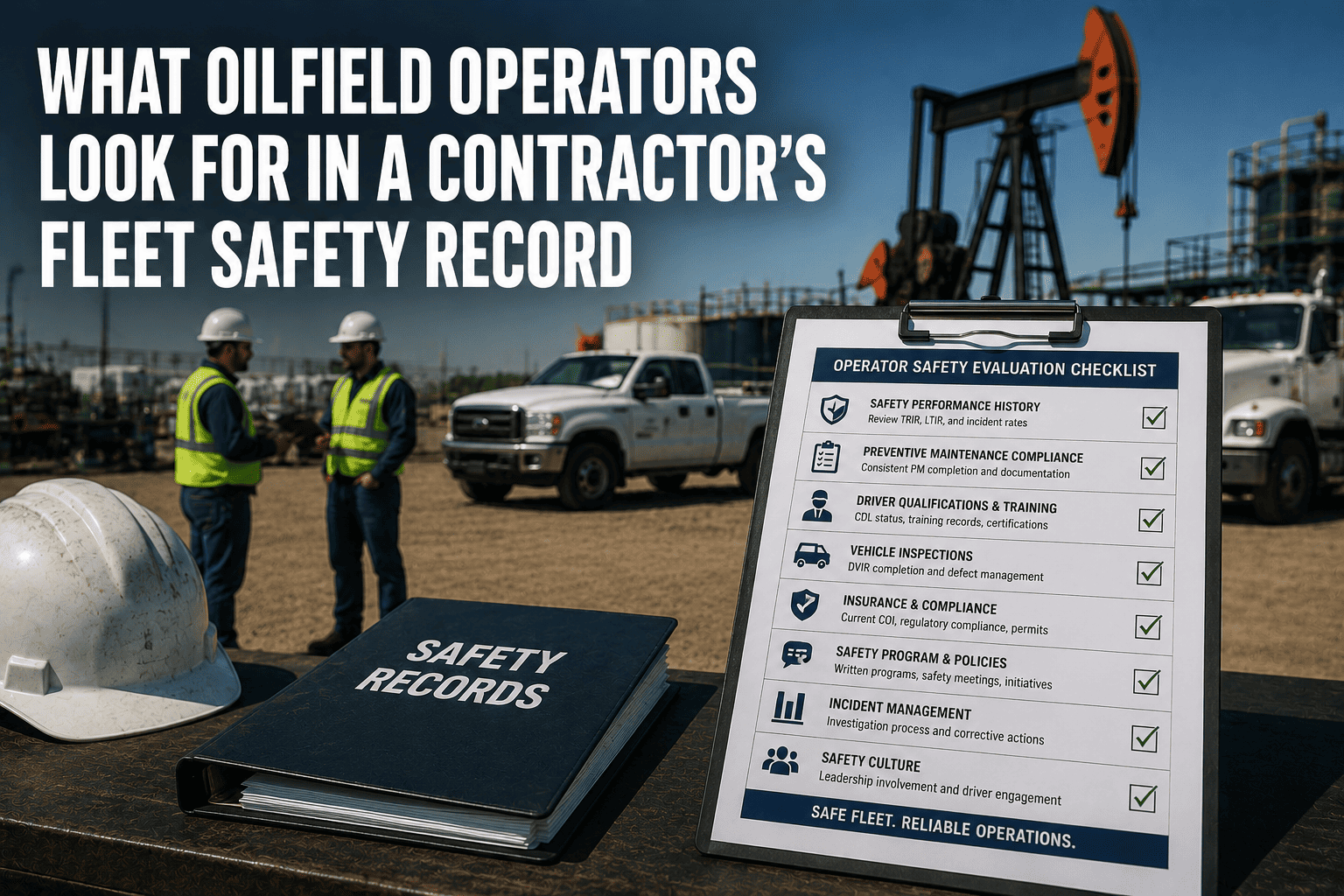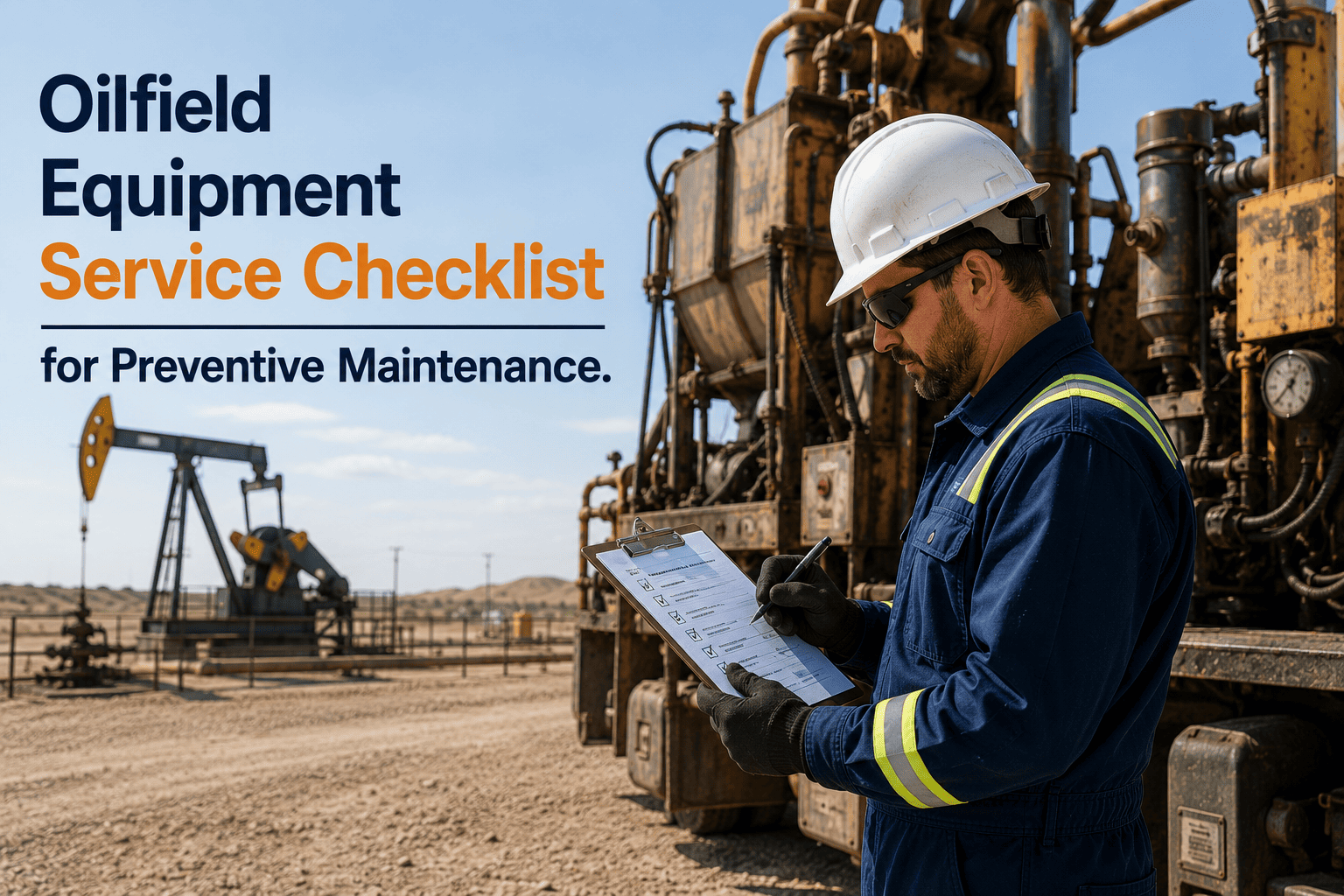
Oilfield equipment preventive maintenance represents the operational discipline separating high-performing fleet operations achieving 92-96 percent equipment availability and $180,000-$340,000 annual breakdown cost avoidance from reactive competitors experiencing chronic unplanned failures, production interruptions, and emergency repair expenses consuming operational budgets while creating customer service failures from missed commitments. The fundamental maintenance challenge stems from equipment complexity spanning commercial vehicle drivetrain components requiring mileage-based service intervals, process equipment including hydraulic pumps and compressors accumulating operational wear based on engine hours rather than odometer readings, pressure vessels and relief devices requiring periodic inspection and testing per ASME codes regardless of usage patterns, and auxiliary systems following manufacturer-specific service schedules unrelated to vehicle operation creating multi-parameter maintenance tracking requirements exceeding spreadsheet management capabilities. Manual paper-based maintenance systems create systematic service oversight failures where preventive maintenance intervals missed because attention focused on single dominant parameter like mileage while engine hour or calendar thresholds exceeded unnoticed, equipment-specific service procedures vary based on individual technician memory rather than standardized checklists ensuring consistent quality, defect identification lacks photographic documentation making warranty claims and failure analysis difficult, and parts inventory management depends on informal tracking creating service delays when required components unavailable. Progressive oilfield operators deploy digital maintenance management platforms transforming reactive breakdown response into systematic preventive programs — FleetRabbit's maintenance engine monitors equipment utilization across mileage, engine hours, and calendar intervals simultaneously triggering service alerts when any threshold approached, provides mobile checklists guiding technicians through equipment-specific inspection and service procedures with mandatory photographic documentation, tracks parts consumption linking replacement components to service events enabling accurate inventory forecasting, and generates maintenance history reports demonstrating equipment reliability trends and service effectiveness supporting data-driven maintenance optimization decisions. This comprehensive preventive maintenance checklist covers critical service categories for oilfield fleet equipment enabling systematic inspection and maintenance planning preventing unplanned failures while maximizing equipment availability and operational reliability. Book a demo to see FleetRabbit's digital maintenance checklists demonstrated with actual oilfield equipment service workflows.
Eight Critical Equipment Categories Requiring Systematic Service
Oilfield fleet equipment maintenance spans multiple independent systems each following distinct service intervals and inspection procedures. This checklist framework organizes preventive maintenance by equipment category ensuring comprehensive coverage while enabling digital implementation through FleetRabbit's mobile platform with automated scheduling, mandatory photographic documentation, and integrated parts inventory management.
FleetRabbit transforms paper checklists into digital mobile workflows with automated service scheduling, mandatory photo documentation, and real-time completion tracking across dispersed operations. Start a free trial to deploy digital maintenance checklists fleet-wide →
Commercial Vehicle Drivetrain Maintenance
Drivetrain components including engine, transmission, differential, and cooling system require mileage-based preventive maintenance preventing catastrophic failures. Service intervals vary by manufacturer but typically range 15,000-25,000 miles for oil changes, 50,000-100,000 miles for transmission service, and 40,000-60,000 miles for differential maintenance.
Engine Service
Transmission and Drivetrain
Cooling System
Process Equipment Service
Process equipment including hydraulic pumps, air compressors, and generators accumulate operational wear based on engine hours and duty cycles rather than vehicle mileage. Service intervals typically range 2,000-3,000 hours for hydraulic pumps, 4,000-6,000 hours for compressor valve inspection, and 500-750 hours for generator maintenance.
Hydraulic Pumps and Motors
Air Compressors
Generators and APUs
Digital maintenance checklists with mandatory photo documentation create tamper-evident audit trails satisfying warranty requirements and regulatory compliance obligations while improving service quality consistency. Schedule a demo to see mobile checklist workflows demonstrated with actual equipment service scenarios →
Pressure Vessel and Relief Device Inspection
Pressure vessels, tanks, and relief devices require periodic inspection and testing per ASME Boiler and Pressure Vessel Code and OSHA Process Safety Management regulations. Inspection frequency varies by equipment classification but typically ranges 12-60 months with qualified inspector certification requirements.
External Visual Inspection
Pressure Relief Device Testing
Hydraulic, Electrical, Brake, and Safety System Maintenance
Comprehensive equipment maintenance extends beyond drivetrain and process equipment to include hydraulic systems, electrical components, brake and steering systems, auxiliary equipment, and safety devices requiring systematic service preventing operational failures and ensuring regulatory compliance.
Category 04: Hydraulic Systems
Category 05: Electrical and Instrumentation
Category 06: Brake and Steering Systems
Category 07: Auxiliary Equipment
Category 08: Safety and Emergency Systems
FleetRabbit Mobile Checklist Deployment
Checklist Configuration and Customization
FleetRabbit implementation team configures digital checklists based on equipment inventory, manufacturer service intervals, and regulatory requirements. Standard templates provided for commercial vehicles, process equipment, pressure vessels, and auxiliary systems with customization capability adding operator-specific inspection items and service procedures. Checklist deployment to mobile application enables technician access on smartphones and tablets with offline functionality during connectivity loss.
Automated Service Scheduling and Alerts
Multi-parameter maintenance scheduling monitors equipment utilization across mileage, engine hours, and calendar intervals simultaneously. Automated service alerts sent via email and SMS when equipment approaches maintenance intervals enabling proactive scheduling before service overdue. Work order generation creates mobile assignments for technicians including checklist access, parts requirements, and expected service duration.
Mobile Execution and Photo Documentation
Technicians access digital checklists on mobile devices guiding systematic inspection with mandatory photo requirements for critical items. Before-and-after photography documents component condition, defect identification, and post-repair verification creating comprehensive service records. GPS timestamp verification proves service occurred at equipment location preventing fraudulent completion records.
Parts Integration and Inventory Management
Service completion records parts consumption linking replacement components to specific maintenance events. Automated inventory updates trigger reorder alerts when stock levels approach minimum quantities. Parts usage trend analysis identifies high-consumption components enabling bulk purchasing and preferred vendor negotiation.
Common Questions About Digital Maintenance Checklists
Achieve 92-96% Equipment Availability Through Systematic Preventive Maintenance
FleetRabbit's digital maintenance platform transforms paper checklist chaos into systematic preventive programs through automated multi-parameter service scheduling monitoring mileage, engine hours, and calendar intervals simultaneously triggering alerts when any threshold approached, mobile checklists guiding technicians through equipment-specific inspection procedures with mandatory photographic documentation creating comprehensive service records, parts inventory integration automatically generating purchase orders when upcoming maintenance exceeds available stock preventing service delays, and maintenance history analytics identifying equipment reliability trends and failure patterns supporting predictive interval optimization — delivering documented performance including 92-96 percent equipment availability versus 78-82 percent reactive maintenance baseline, 45-55 percent reduction in unplanned breakdowns through predictive component replacement, $180,000-$340,000 annual emergency repair cost avoidance for typical 50-100 vehicle fleet operations, and complete regulatory compliance documentation satisfying DOT, OSHA, and manufacturer warranty audit requirements with tamper-evident timestamps and photographic evidence.
Transform Reactive Maintenance Into Systematic Preventive Programs
Manual paper-based maintenance systems create systematic service oversight failures where multi-parameter equipment requiring independent mileage, engine hour, and calendar-based maintenance suffers interval misses because attention focused on single dominant parameter, service quality varies dramatically based on individual technician memory and experience making inspection consistency impossible, defect identification lacks photographic documentation creating warranty claim disputes and failure analysis gaps, parts inventory management depends on informal tracking causing service delays when required components unavailable, and regulatory compliance documentation requires manual records assembly consuming hours when auditors request verification. FleetRabbit's comprehensive digital maintenance platform eliminates these failures through this systematic preventive maintenance checklist framework covering eight critical equipment categories including commercial vehicle drivetrain components, process equipment accumulating operational wear based on engine hours, pressure vessels and relief devices requiring calendar-based inspection and testing, hydraulic systems demanding contamination monitoring and filter replacement, electrical and instrumentation components needing calibration verification, brake and steering systems requiring DOT compliance inspection, auxiliary equipment following independent maintenance schedules, and safety and emergency systems ensuring regulatory compliance and operational readiness — with digital implementation through mobile checklists providing automated multi-parameter service scheduling, mandatory photographic documentation, parts inventory integration preventing service delays, and maintenance history analytics enabling predictive optimization delivering 92-96 percent equipment availability, 45-55 percent unplanned breakdown reduction, and $180,000-$340,000 annual emergency repair cost avoidance with standard 2-3 week deployment timeline for comprehensive fleet-wide preventive maintenance transformation.