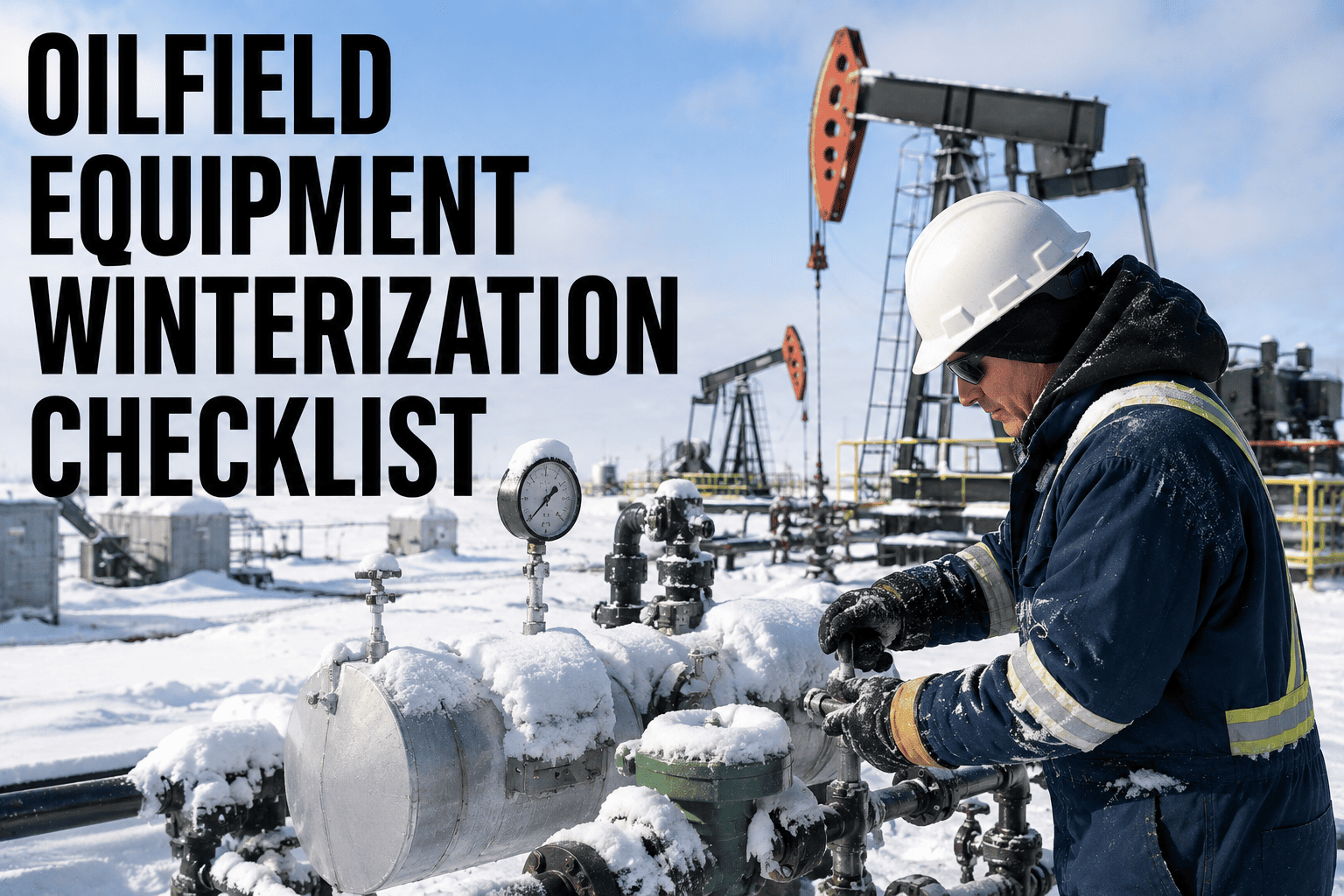
Operating oilfield equipment in sub-zero conditions is one of the most punishing challenges in the logistics industry. When temperatures plunge, standard fleet maintenance routines are no longer sufficient to keep trucks running. Fuel gels, batteries lose cranking power, and Diesel Exhaust Fluid (DEF) freezes solid, bringing your operations to a halt. Implementing a strict oilfield equipment winterization checklist ensures your trucks and heavy machinery survive the extreme cold. By proactively addressing fuel, DEF, batteries, and fluids, you can maintain uptime and keep your oilfield operations moving safely through the harshest winter months.
Preparing oilfield equipment for sub-zero operations requires a comprehensive winterization checklist addressing fuel gelling, DEF freezing, battery degradation, and fluid viscosity. Fleets that fail to winterize face massive downtime, frozen components, and emergency repair costs. FleetRabbit tracks every winter task, ensuring your cold-weather operations remain productive and safe.
The Four Pillars of Oilfield Equipment Winterization
Fuel & DEF Systems
Preventing Gelling and Freezing
Battery & Electrical
Maximizing Cranking Power
Fluids & Lubricants
Maintaining Viscosity
Cold-Start Readiness
Heating Systems Check
Managing these winterization tasks across an entire oilfield fleet requires robust oversight. Relying on paper checklists often leads to missed steps and frozen equipment. To see how our platform streamlines these critical winter prep tasks, you can sign up for FleetRabbit today or book a demo with our team to explore a better way to manage your cold-weather fleet operations.
Stop relying on manual paper checklists that get lost in the snow. FleetRabbit tracks every winter task from fuel treatment to battery testing, ensuring your oilfield equipment is ready for sub-zero operations. Make winter fleet compliance quick and easy for your entire team.
Detailed Sub-Zero Equipment Checklist
Executing a winterization strategy requires attention to detail. Every component, from the engine block to the air brake system, must be evaluated for cold-weather resilience. Use the following matrix to guide your maintenance teams through the winterization process.
| System Component | Sub-Zero Risk | Winterization Action | Tracking Method |
|---|---|---|---|
| Diesel Fuel | Paraffin wax buildup causing fuel gelling and clogged filters | Add winter-grade anti-gel additives, install fuel heaters, and keep tanks full to reduce condensation | Digital maintenance logs with timestamped verification |
| DEF System | Fluid freezes at 12°F, potentially cracking tanks and lines | Inspect DEF line heaters, ensure proper fluid concentration, and never overfill tanks | Automated diagnostic trouble code monitoring |
| Batteries | Loss of cranking amps and increased internal resistance | Load test all batteries, clean terminals, and replace any unit showing weak CCA output | Scheduled digital inspection forms via mobile app |
| Engine Fluids | Thickened oil causing dry starts and poor lubrication | Switch to synthetic 5W-40 or 0W-40 engine oils and verify proper coolant mixture | Automated fluid change reminders based on temperature drops |
| Air System | Moisture freezing in air lines and brake valves | Drain air tanks daily, check alcohol evaporators, and replace air dryer filters | Daily driver DVIR submissions through the platform |
Why Oilfield Winterization Demands Digital Oversight
Sub-zero conditions do not forgive administrative errors. When a maintenance team misses a single fuel treatment or forgets to plug in a block heater, the result is a stranded truck on a frozen lease road. Digital oversight eliminates these blind spots. By migrating your oilfield equipment winterization checklist to a centralized platform, fleet managers gain real-time visibility into which trucks have been serviced and which are still pending winter prep.
Enhancing Driver Safety and Comfort
Winterization is not just about keeping the truck running; it is about protecting the driver. Ensuring cab heaters, defrosters, and windshield wipers are in peak condition is vital for driver safety during blinding snowstorms and sub-zero winds. When drivers know their equipment has been properly winterized, they can focus entirely on navigating hazardous lease roads safely.
Do not let frozen equipment and gelled fuel disrupt your oilfield operations this winter. FleetRabbit tracks every winterization task, ensuring your trucks are ready for the coldest conditions. Start your journey toward zero winter downtime today.