Ask any oilfield fleet manager where their day actually goes and paperwork tops the list almost every time. Between field tickets, DOT compliance logs, driver hour records, fuel reconciliations, and maintenance invoices, administrative work quietly eats hours that should be spent keeping trucks moving between the wellhead and the yard. Across Permian, Eagle Ford, and Bakken operations, this manual overhead typically runs 5 to 10 percent of total fleet spend, and for a mid-size basin operator that can mean hundreds of thousands of dollars a year buried in spreadsheets nobody has time to double-check.
Administrative overhead in oilfield fleets typically consumes 5 to 10 percent of total operating spend through manual data entry, compliance documentation, and invoice reconciliation. Automating these workflows with a platform like FleetRabbit can cut administrative hours by 40 to 60 percent, freeing office staff to focus on dispatch and exceptions instead of paperwork.
Where Oilfield Fleet Hours Actually Disappear
Most fleet managers underestimate administrative overhead because it never shows up as a single line item. It hides inside the twenty minutes a dispatcher spends re-keying a field ticket, the hour a safety coordinator loses chasing down a missing hours-of-service log, and the afternoon an accounts team burns matching fuel card statements against driver mileage reports. None of these tasks feel expensive in isolation. Added together across a 100-vehicle fleet, they represent a full-time administrative headcount doing nothing but data entry that software could handle automatically.
What Manual Administration Really Costs a Basin Operator
Administrative overhead is easy to dismiss because it rarely appears as a dedicated budget line. It gets buried inside office salaries, software subscriptions, and general overhead, which is exactly why it survives year after year without scrutiny. On a 200-vehicle oilfield service fleet, combined fuel, maintenance, overtime, and administrative spend can run into the millions annually, and a meaningful share of that total is addressable waste that standard monthly reporting never isolates. Manual processes also slow down billing cycles. When field tickets sit unprocessed for days, invoices go out later, and cash flow tightens even though the work was completed on schedule.
The Hidden Multiplier: Rework and Errors
Manual data entry does not just cost time, it costs accuracy. A mistyped mileage figure, a missing signature on a field ticket, or a mismatched fuel receipt forces someone to go back and fix the record later, often after the original context has been forgotten. That rework compounds the original time cost, sometimes doubling the hours spent on a single transaction. Fleets that automate ticket capture and compliance logging remove this rework almost entirely because the data is validated at the point of entry rather than corrected weeks later.
The Compliance Risk Behind the Paperwork
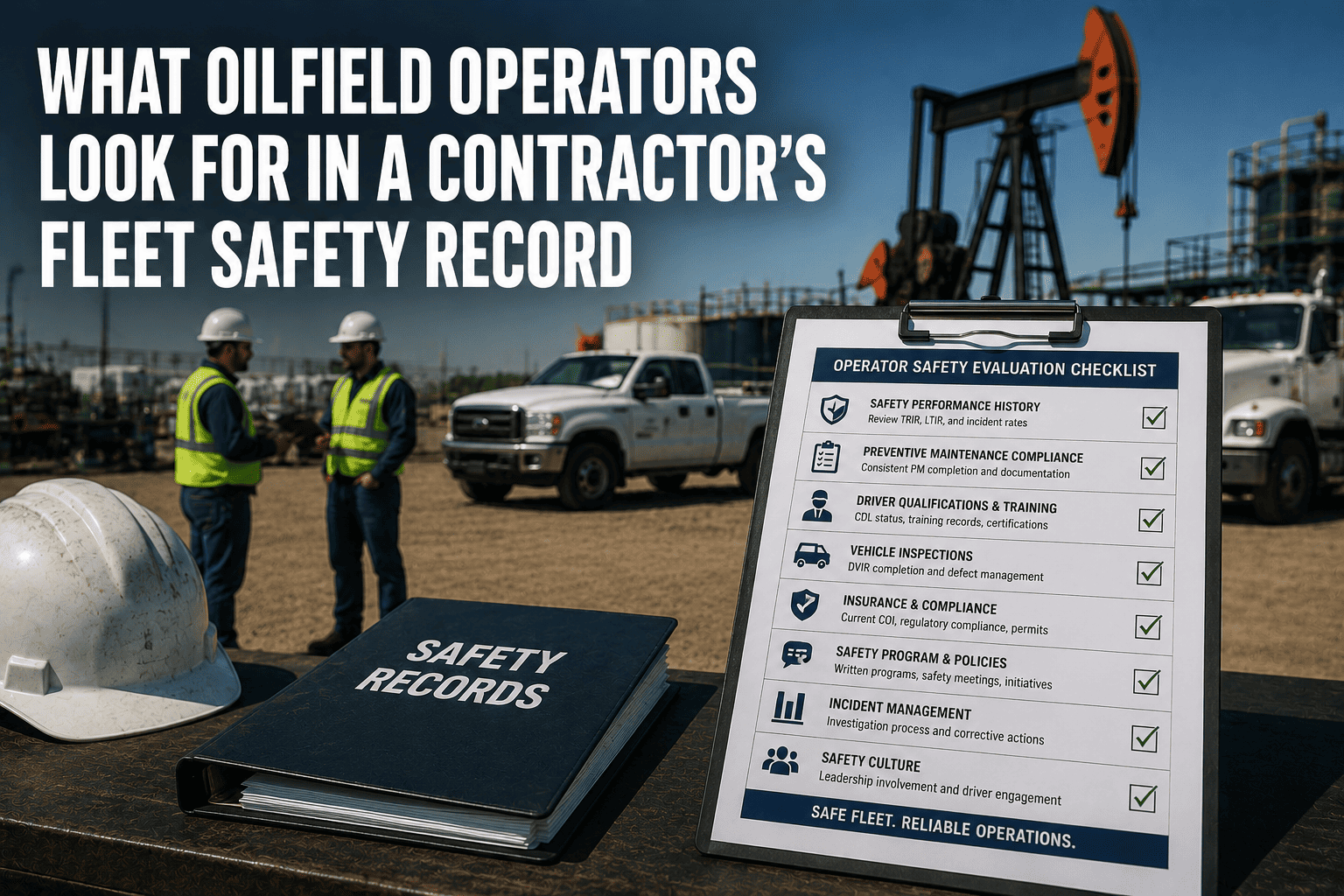
Oilfield fleets carry heavier compliance obligations than most transportation sectors, covering hazmat handling, driver hour limits, and site-specific safety documentation. When these records live in scattered spreadsheets and paper files, a single missing document can trigger findings during a regulatory audit, and repeated findings can affect a company's safety rating and insurance premiums. Centralizing compliance data removes the guesswork and gives managers a single place to confirm every driver and vehicle is audit ready at any moment.
| Administrative Task | Manual Process Time | Automated Process Time | Typical Time Recovered |
|---|---|---|---|
| Field Ticket Entry | 15 to 20 minutes per ticket | Under 2 minutes per ticket | 80 to 90 percent |
| Hours-of-Service Compilation | 3 to 5 hours weekly | Automatic real-time log | Near full elimination |
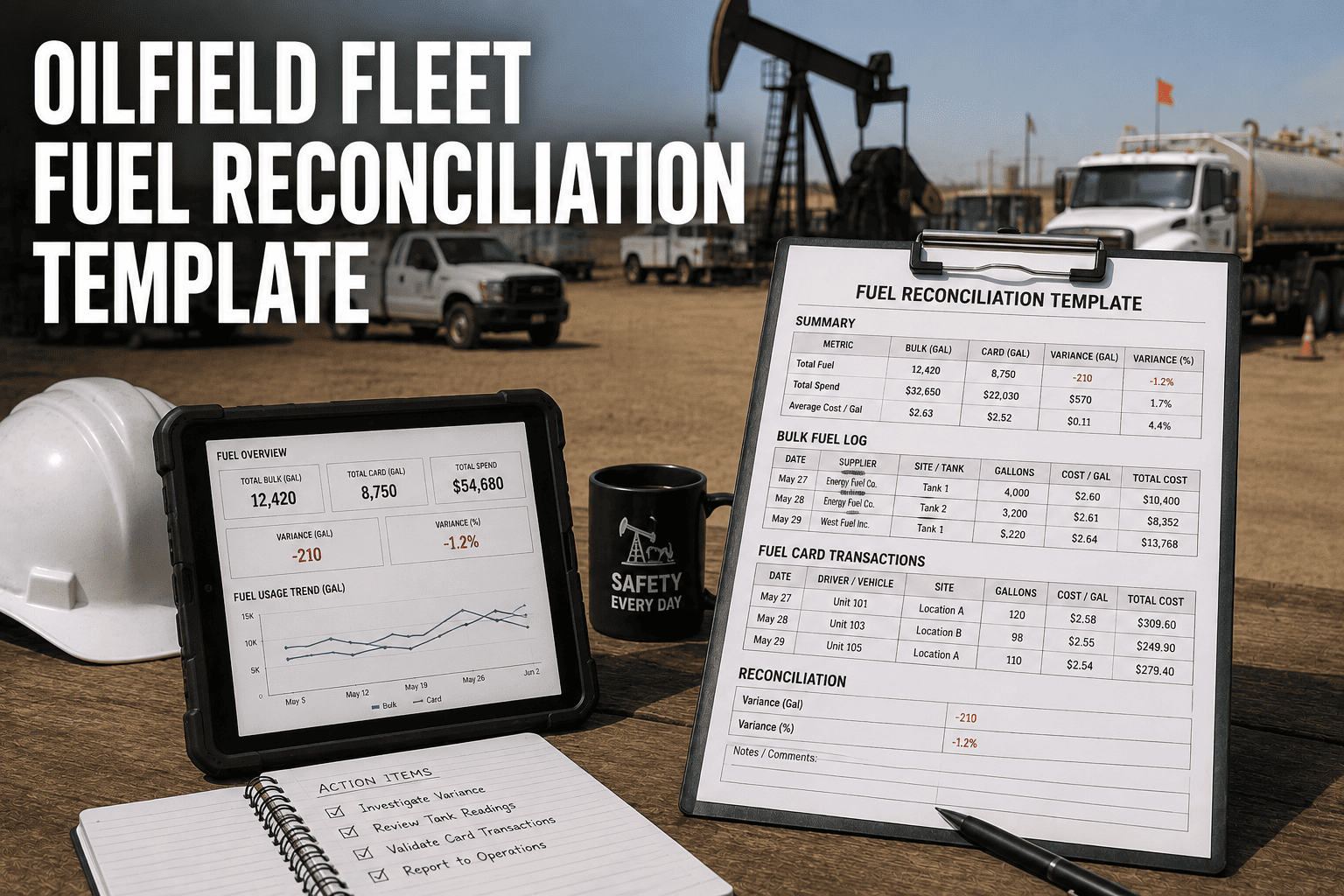
| Fuel and Invoice Reconciliation | 2 to 4 days monthly | Same-day automatic matching | 70 to 85 percent |
| Maintenance Record Filing | 1 to 2 hours per vehicle monthly | Automatic digital logging | 75 to 90 percent |
| Audit Preparation | 1 to 2 weeks per audit cycle | Instant report export | 90 percent or more |
FleetRabbit captures field tickets, compliance logs, and fuel data automatically, so your team spends time on exceptions instead of retyping the same numbers every day. Explore the platform with a free sign up or walk through it live with our team.
Building an Automated Administrative Workflow
Reducing administrative overhead is not about eliminating your office team, it is about removing the repetitive data entry that keeps them from doing higher-value work. The transition usually follows a straightforward sequence that most basin operators can complete within a single quarter.
Step 1: Digitize Field Ticket Capture
Replace paper tickets with mobile capture at the point of service. Drivers and field technicians log job details on a phone or tablet, and the data flows directly into billing without anyone re-typing a single figure.
Step 2: Centralize Compliance Records
Move hours-of-service logs, driver qualification files, and inspection reports into one connected system so compliance status is visible at a glance instead of assembled manually before every audit.
Step 3: Automate Fuel and Invoice Matching
Connect fuel card data and maintenance invoices directly to vehicle and driver records so reconciliation happens automatically each day rather than in a rushed batch at month end.
Step 4: Set Up Exception-Based Reporting
Configure alerts for the items that actually need human review, such as a missing signature or an unusual fuel variance, so your team reviews exceptions instead of every single transaction.
Measuring the Payback
Administrative automation pays back faster than most fleet investments because the savings show up immediately in staff hours rather than waiting on equipment depreciation cycles. Basin operators who automate ticketing and compliance workflows typically recover the cost of the platform within the first few months through reduced overtime in the back office, faster invoicing, and fewer compliance penalties. Longer term, the bigger win is scale. Fleets can grow their vehicle count without growing administrative headcount at the same rate, because the software absorbs the additional volume.
Frequently Asked Questions
Every hour spent re-keying field tickets and chasing compliance documents is an hour not spent moving your fleet forward. FleetRabbit automates the administrative work so your team can focus on operations. Start with a free sign up or book a short demo to see it on your own fleet data.