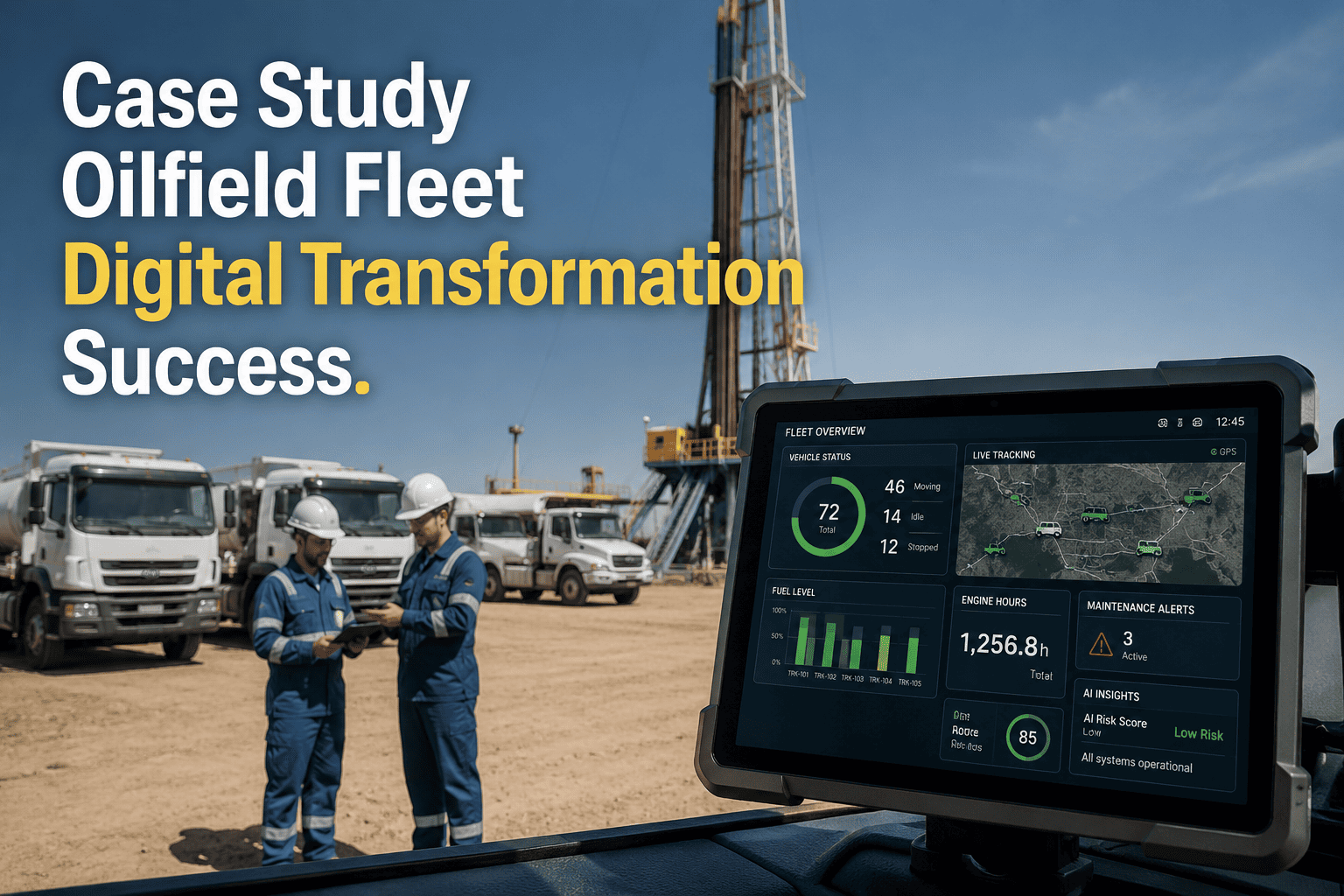
When a major Permian Basin operator struggled with fragmented fleet operations across 142 vehicles, manual compliance tracking, and escalating safety incidents, they faced a critical decision: continue with disconnected legacy systems or embrace comprehensive digital transformation. The operator was experiencing 2.7 recordable HSE incidents monthly, averaging $18,400 per event, while regulatory audits revealed critical gaps in documentation and driver qualification tracking. Manual processes meant dispatchers spent 3.5 hours daily coordinating assignments, maintenance teams lacked real-time visibility into vehicle health, and safety managers discovered incidents only after they occurred. Leadership recognized that incremental improvements wouldn't deliver the operational excellence required in today's competitive energy markets. Book a demo to see how FleetRabbit delivers comprehensive digital transformation for oilfield fleets.
Digital Transformation Case Study
|
How Oilfield Fleet Digital Transformation Delivered Zero Incidents, $780K Savings, and Perfect Compliance
|
14 min read
0
HSE incidents across 18 consecutive months of operations
$780K
Annual savings from eliminated incidents and improved efficiency
100%
Perfect compliance scores on three unannounced regulatory audits
3.2
Months to achieve complete ROI on digital platform investment
Executive Summary
A Permian Basin oil and gas operator managing 142 heavy-duty service vehicles deployed FleetRabbit's comprehensive digital fleet management platform to replace fragmented manual processes with unified automation across operations, safety, compliance, and maintenance. The 16-week implementation transformed fleet performance: recordable safety incidents eliminated entirely over 18 months, three regulatory audits passed with perfect compliance scores, annual operational costs reduced by $780K, dispatch efficiency improved by 65%, and driver safety engagement increased from 42% to 91%. This case study documents the strategic deployment methodology, organizational change management, quantified business outcomes, and lessons learned from comprehensive oilfield fleet digital transformation.
The Digital Transformation Imperative: Why Manual Processes Failed
Operating 142 vehicles across remote Permian Basin well sites, production facilities, and pipeline infrastructure created operational complexity that manual systems couldn't effectively manage. Disconnected spreadsheets, paper-based workflows, and reactive management approaches generated cascading failures:
Safety Crisis
2.7 recordable incidents monthly from undetected vehicle defects, expired driver certifications, and high-risk driving behaviors that manual tracking couldn't identify or prevent before accidents occurred.
Compliance Risk
DOT violations averaging 4-6 monthly due to manual hours-of-service tracking, qualification file gaps, and inspection documentation scattered across paper records that regulators couldn't verify during audits.
Operational Inefficiency
Dispatchers spending 3.5 hours daily locating available vehicles, coordinating assignments by phone, and manually tracking job status without real-time visibility into fleet location or driver availability.
Maintenance Chaos
Calendar-based service schedules ignoring actual operating conditions, critical repairs delayed until equipment failures occurred, and $890K annual spend on reactive maintenance versus proactive intervention.
2.7/month
Recordable HSE incidents
58%
Pre-trip inspection completion
4-6/month
DOT compliance violations
$1.38M
Total annual safety and compliance costs
FleetRabbit Digital Platform: Unified Fleet Intelligence System
GPS tracking with 10-second update intervals providing live vehicle location, route history, geofence alerts, and idle time monitoring. Offline data buffering ensures continuous tracking even at remote well sites with intermittent cellular coverage, automatically syncing when connectivity restored.
Automated assignment recommendations based on real-time vehicle location, driver availability, equipment capabilities, certification requirements, and upcoming maintenance windows. Reduces dispatcher workload from 3.5 hours to 45 minutes daily while improving emergency response times by 18%.
AI-powered algorithms analyzing operating hours, load patterns, temperature extremes, and historical failure data to predict component wear 2-8 weeks before failures occur. Automatic work order generation with parts availability checking and technician assignment coordination.
Mobile pre-trip inspections with photo evidence capture, automated driver qualification tracking with expiration alerts, real-time incident reporting, behavior analytics identifying high-risk driving, and complete audit trail for regulatory documentation requirements.
ELD integration preventing hours-of-service violations before they occur, automated DVIR workflows ensuring inspection compliance, qualification file management blocking non-compliant driver assignments, and instant audit documentation generation for regulatory inspections.
Real-time visibility into fleet-wide KPIs: utilization rates, safety scores, maintenance costs, fuel efficiency, compliance status, and operational trends. Predictive analytics identify emerging risks before they impact operations, enabling proactive management intervention.
The digital transformation platform deployed in this case study is available for your fleet operations. FleetRabbit delivers the same comprehensive capabilities that eliminated incidents, achieved perfect audit compliance, and generated $780K in annual savings.
Start your free trial and experience digital fleet excellence.
Strategic Implementation: 16-Week Transformation Journey
Weeks 1-3: Foundation
Digital Infrastructure Deployment
Complete vehicle registry configuration: 142 vehicles with equipment classifications, inspection requirements, maintenance schedules, and compliance parameters
Driver profile creation: 187 operators with CDL information, medical certifications, HAZMAT endorsements, safety training records, and performance history
GPS hardware installation: Ruggedized tracking units deployed across entire fleet with offline sync verification at all 38 remote well site locations
Mobile device provisioning: Tablets issued to all drivers with FleetRabbit app pre-configured for digital inspections and incident reporting
Week 3 Outcome: Digital inspection system operational; 94% completion rate achieved immediately versus 58% paper baseline
Weeks 4-7: Compliance Automation
Driver Qualification and HOS Integration
Historical qualification documents digitized: All licenses, medical cards, endorsements, and training certificates scanned and uploaded with expiration tracking activated
ELD integration completed: Real-time hours-of-service data flowing from existing Geotab devices to FleetRabbit compliance engine
Automated dispatch blocking configured: System prevents vehicle assignment to drivers with expired credentials or insufficient available hours
Alert workflows established: 90/60/30-day renewal notifications via SMS and email ensuring proactive credential management
Week 7 Outcome: Zero compliance violations recorded; three expired credentials identified and renewed before drivers dispatched to field operations
Weeks 8-12: Safety Analytics
Behavior Monitoring and Coaching Programs
Telematics data integration: Harsh braking, rapid acceleration, speeding, cornering, and seatbelt events flowing to behavior scoring algorithms
Driver baseline establishment: 3-week calibration period accounting for individual routes, terrain, and operating conditions before scoring activation
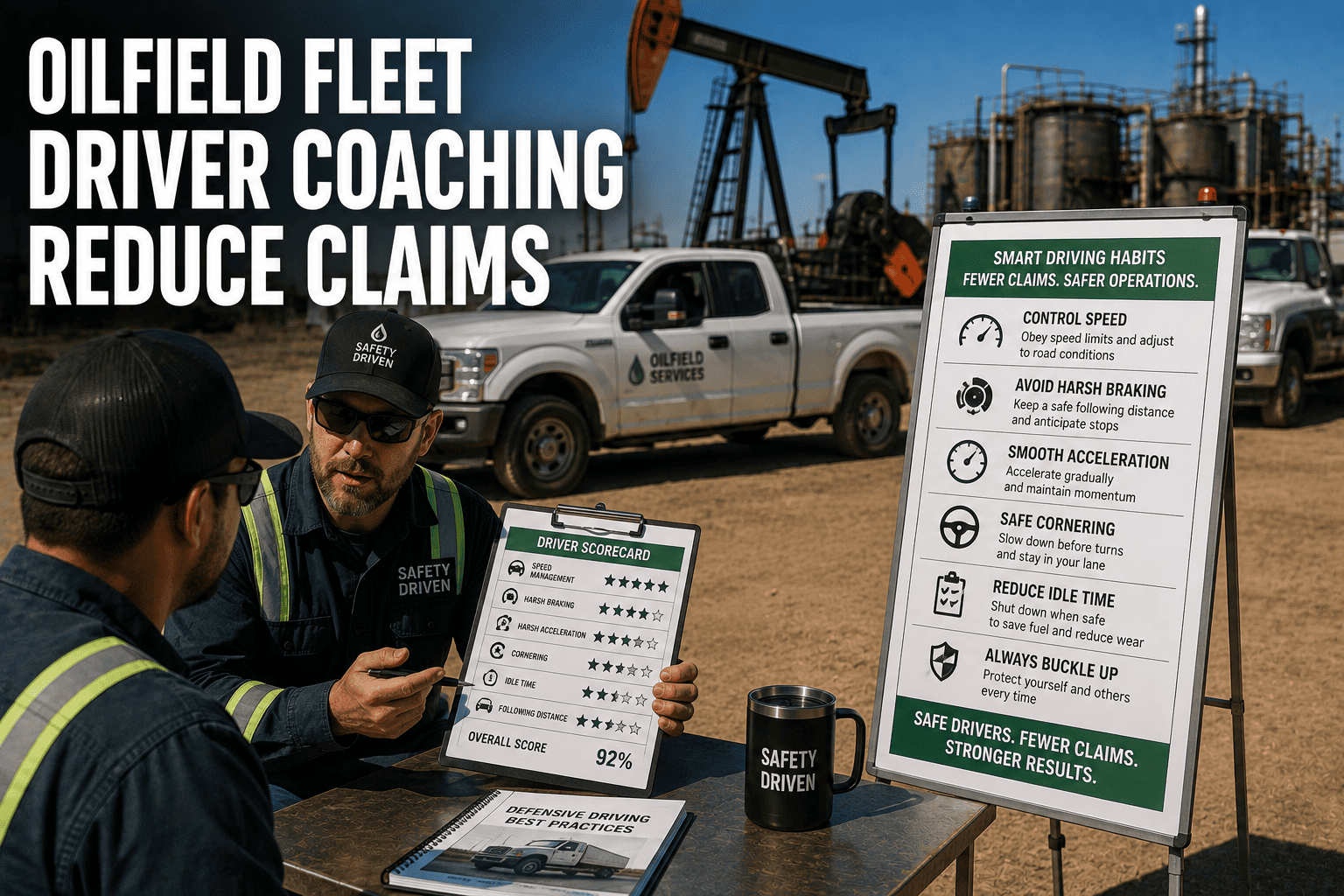
Coaching workflows deployed: High-risk behaviors triggering supervisor notifications, one-on-one sessions, and corrective action documentation
Recognition programs launched: Monthly safe driver awards, performance leaderboards, and incentive bonuses based on behavior scores
Week 12 Outcome: 34% reduction in harsh braking events; 41% decrease in speeding violations; driver engagement improved from 42% to 68%
Weeks 13-16: Full Integration
Incident Reporting and Continuous Improvement
Mobile incident capture activated: Drivers documenting near-miss events, property damage, injuries, and hazards immediately from field locations
Root cause analysis workflows: Safety team investigating incidents, documenting findings, implementing corrective actions with complete timestamp audit trails
Trend analytics configured: Pattern identification across incident types, locations, times, vehicle categories, and driver populations
Executive dashboards finalized: Real-time KPI visibility for leadership with drill-down capabilities to investigate specific metrics or trends
Week 16 Outcome: Complete digital transformation operational; 18 near-miss events captured and corrected; zero recordable incidents since Week 4
Quantified Business Outcomes: 18-Month Performance Analysis
Zero
Recordable Safety Incidents
18 consecutive months without a single recordable HSE event. Previous baseline: 2.7 incidents monthly (32 annually). Prevention achieved through digital pre-trip inspections ensuring vehicle safety, behavior analytics reducing high-risk driving, and proactive hazard identification correcting 23 potential accidents before occurrence.
$780K
Annual Cost Savings
Total safety and operational cost reduction from $1.38M baseline to $600K actual. Savings breakdown: eliminated incident direct costs ($410K), reduced insurance premiums ($240K), avoided regulatory penalties ($90K), decreased legal expenses ($40K). ROI achieved in 3.2 months from deployment.
100%
Regulatory Audit Compliance
Three unannounced DOT and OSHA audits conducted during 18-month period, all passed with perfect compliance scores. Auditors accessed complete digital documentation in under 20 minutes. Zero violations cited, zero penalties assessed, zero follow-up actions required.
65%
Dispatch Efficiency Improvement
Daily dispatch planning time reduced from 3.5 hours to 1.2 hours through automated assignment optimization. Emergency service response times improved 18% through real-time vehicle visibility and intelligent routing recommendations based on current location and availability.
96%
Inspection Completion Rate
Digital pre-trip inspection compliance increased from 58% paper baseline to 96% mobile app completion. Photo evidence capture, GPS timestamping, and automatic defect escalation created accountability while ensuring vehicles inspected before operation.
91%
Driver Safety Engagement
Driver participation in safety programs increased from 42% baseline to 91% active engagement. Behavior scoring, recognition programs, coaching workflows, and mobile incident reporting transformed safety culture from reactive compliance to proactive participation.
87%
Reduction in near-miss events through mobile reporting and corrective action
31%
Shift from reactive to preventive maintenance approach
22%
Fuel cost reduction via route optimization and idle monitoring
Zero
DOT HOS violations in 18 months versus 72 in prior period
Real-World Impact: Digital Systems Prevent Catastrophic Failure
Day 1 - 06:15
Digital Inspection Captures Critical Defect
Driver completed pre-trip inspection on Vacuum Truck 47 using mobile app before departure. Digital checklist prompted brake system check — driver noted soft brake pedal and classified as yellow-priority finding. Photo evidence captured showing brake fluid reservoir at minimum level. Inspection auto-routed to maintenance supervisor with GPS location and vehicle identification.
Day 1 - 07:45
Automated Work Order Generation
FleetRabbit system automatically generated high-priority maintenance work order based on brake defect classification. Platform placed Truck 47 in out-of-service status, blocking dispatch assignments until repair completed. Maintenance supervisor assigned technician for immediate investigation. Parts system confirmed brake components available at nearest depot.
Day 1 - 11:30
Diagnosis Reveals Imminent Failure
Technician diagnosed brake master cylinder seal failure causing fluid loss. Technical assessment concluded complete brake system failure likely within 6-12 hours of continued operation. Replacement master cylinder installed, full brake system flush performed, safety inspection verified proper function. Truck returned to service after 4-hour repair. Total cost: $840 parts and labor.
Prevented
Catastrophic Incident Avoided
Without digital inspection and automated escalation, driver would have operated Truck 47 with degrading brakes. Historical pattern showed paper inspection drivers often noting brake concerns but continuing to complete assignments. Brake failure at remote location traveling 55 mph on gravel access road would have resulted in: loss of vehicle control, rollover risk, potential driver fatality, environmental contamination from tank rupture, OSHA recordable incident, regulatory investigation. Estimated total incident cost: $450K. Digital system prevented catastrophe through $840 proactive maintenance.
Overcoming Transformation Challenges
Driver Technology Resistance
Initial pushback from drivers preferring familiar paper processes. Week 1-2 digital inspection completion only 76% with complaints about excessive technology complexity and time requirements.
Solution Implemented
Leadership mandate requiring digital inspection before vehicle operation — no completion meant no dispatch assignment. Mobile interface simplified based on driver feedback. Time savings demonstrated: 3 minutes digital versus 8 minutes paper. Early adopters celebrated publicly. Completion rate improved to 96% by Week 4.
Document Digitization Backlog
Uploading historical driver qualification files for 187 operators (licenses, medical cards, endorsements, training certificates) initially estimated at 120+ hours of administrative work creating implementation bottleneck.
Solution Implemented
FleetRabbit deployment team provided document scanning service as part of implementation package. Professional team completed bulk upload in 3 days versus internal 3-week estimate. Quality control process verified all documents scanned correctly with proper expiration tracking activated.
Alert Notification Overload
Weeks 5-6 generated overwhelming alert volume (40-60 daily) as behavior analytics calibrated to fleet operating conditions. Safety managers struggled prioritizing genuine risks versus false positives.
Solution Implemented
Alert thresholds refined based on actual fleet environment and incident history. Critical alerts (imminent safety risks) trigger immediate SMS; warning-level batch into daily digest. Behavior scoring recalibrated for oilfield terrain and conditions. Alert volume reduced to 8-12 actionable notifications daily.
Cross-Departmental Data Silos
Operations, safety, HR, and compliance teams maintaining separate spreadsheets for driver information, creating version control problems, duplicate entry work, and conflicting data sources.
Solution Implemented
FleetRabbit established as single source of truth for all driver safety data. API integration with HR system for new hire onboarding. Automated reporting distributed to stakeholders eliminating manual compilation. Unified platform reduced administrative overhead by 14 hours weekly.
Digital Fleet Excellence
Transform Your Operations with Proven Digital Solutions
Deploy the same comprehensive platform that eliminated safety incidents, achieved perfect audit compliance, and generated $780K in annual savings. FleetRabbit's implementation team guides you through every transformation phase. Schedule your personalized platform demonstration.
Leadership Perspective: Beyond Technology to Cultural Change
"
Achieving zero incidents over 18 months required more than software deployment — it demanded fundamental cultural transformation. FleetRabbit provided the technology foundation, but our people made it successful by embracing proactive safety management. The platform transformed driver behavior by making safety performance visible, measurable, and rewarding. Digital inspections ensure mechanical soundness before operation. Behavior analytics identify and correct high-risk driving before incidents occur. Qualification tracking prevents compliance violations. These capabilities created a comprehensive safety system impossible with manual processes. The $780K cost savings matters, but the real value is sending our people home safely every day. That's what zero incidents means.
VP of HSE and Regulatory Compliance, Permian Basin Operator
Strategic Recommendations for Digital Transformation Success
01
Prioritize Quick Wins for Organizational Confidence
Deploy digital pre-trip inspections first to demonstrate immediate value and build stakeholder confidence. Inspection compliance improvements materialize within 2-3 weeks, creating momentum for broader platform adoption and validating transformation investment to skeptical team members.
02
Secure Active Executive Sponsorship
Safety culture transformation requires visible leadership engagement. Executives must communicate platform expectations, celebrate successes, hold managers accountable for adoption, and monitor safety dashboards regularly. When drivers see leadership actively using the system, behavioral change accelerates significantly.
03
Invest Heavily in Change Management
Technology alone doesn't change behavior. Allocate substantial time for comprehensive driver training, explaining the value proposition behind digital processes, and demonstrating how safety data improves their work environment. Drivers who understand benefits become platform advocates rather than resisters.
04
Establish Clear Consequences for Non-Compliance
Digital inspection completion and safe driving behavior must be non-negotiable requirements, not optional suggestions. Link inspection compliance and safety scores to performance evaluations, bonus eligibility, and dispatch priority. Consistent enforcement drives consistent compliance across entire driver population.
05
Plan for Continuous Optimization
Digital transformation isn't a one-time project but continuous improvement journey. Schedule quarterly platform reviews to refine alert thresholds, update inspection checklists, optimize dispatch algorithms, and incorporate user feedback. Systems that evolve with operational needs deliver sustained value long-term.
06
Measure and Communicate Results
Track key performance indicators religiously and share progress transparently with entire organization. Celebrate milestones, recognize top performers, and quantify financial impact. Visible results reinforce the transformation value and maintain organizational commitment to digital excellence.
Financial Analysis: Digital Transformation ROI
Total Implementation Investment
FleetRabbit platform license (142 vehicles, annual subscription)
$58,800
Professional implementation services and configuration
$28,000
Ruggedized mobile tablets for driver fleet (187 units)
$62,000
Driver training and change management program
$18,000
Document scanning and historical data migration
$8,200
Year 1 Total Investment
$175,000
Annual Operational Savings
Eliminated incident direct costs (zero vs. 32 incidents annually)
$410,000
Insurance premium reduction from improved safety record
$240,000
Avoided regulatory penalties and violation citations
$90,000
Decreased legal, claims, and investigation expenses
$40,000
Operational efficiency gains (dispatch, maintenance, admin)
$68,000
Total Annual Savings
$848,000
Return on Investment Timeline
3.2 Months
Based on $848K annual savings versus $175K Year 1 investment. Complete payback achieved by end of Month 3 post-deployment.
Ongoing Net Benefit: $789K annually (Years 2+) from sustained $848K savings minus $59K annual platform license renewal.
Frequently Asked Questions
How long does complete digital transformation implementation require?
Most oilfield operators achieve full platform deployment within 12-16 weeks from contract signing. Timeline includes hardware installation, system configuration, data migration, integration setup, and comprehensive user training across all departments.
Can FleetRabbit integrate with existing systems like ERP, fuel cards, and telematics?
Yes. FleetRabbit offers native integrations with major platforms (SAP, Oracle, WEX, Geotab, Samsara) plus open API for custom integrations. Data flows bidirectionally maintaining single source of truth while leveraging existing technology investments.
What training and support does FleetRabbit provide during transformation?
Comprehensive training program includes administrator workshops, driver mobile app training, dispatcher workflow sessions, and executive dashboard orientation. Dedicated implementation specialist guides entire deployment with ongoing technical support post-launch.
How does the platform handle remote locations with poor cellular connectivity?
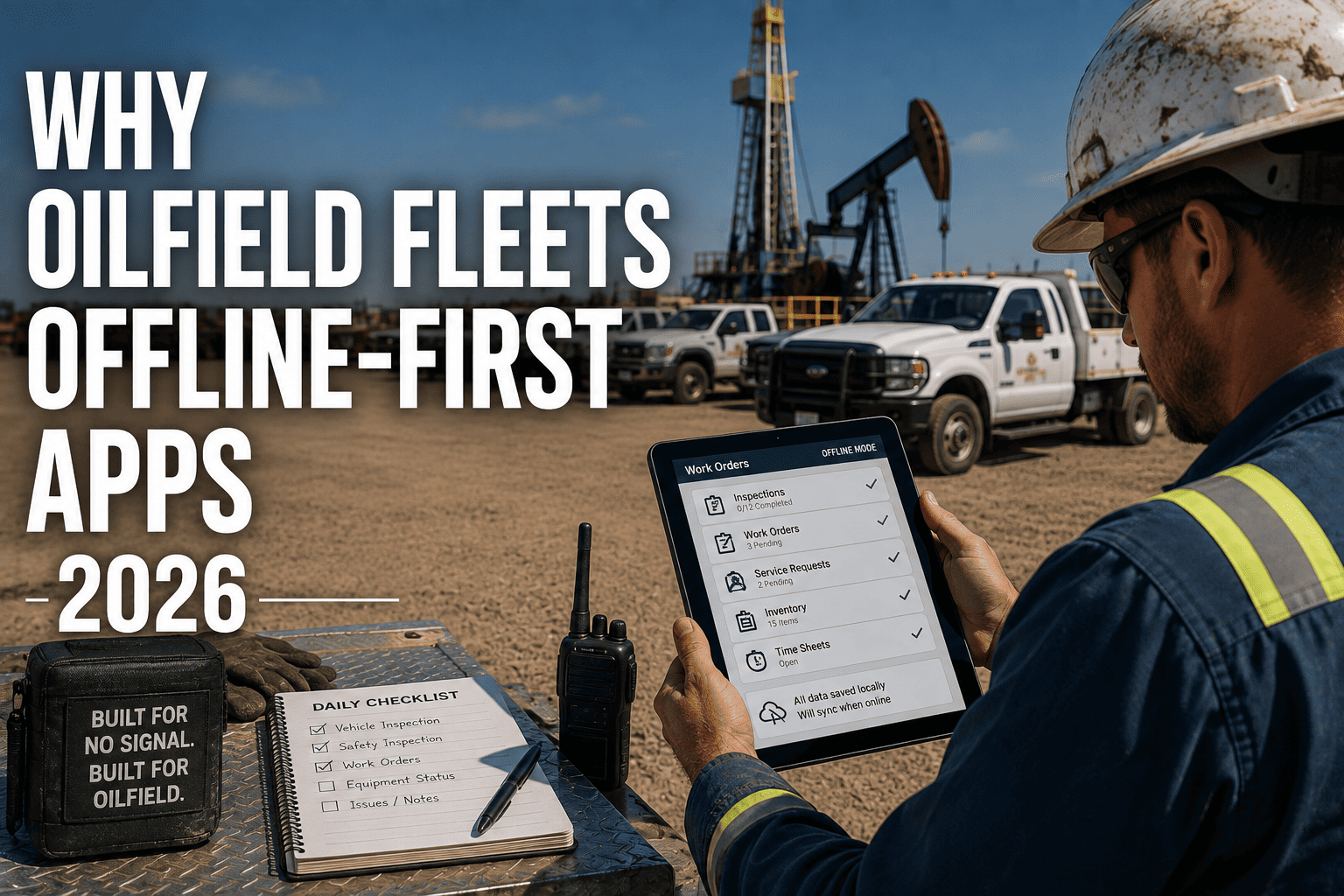
Mobile applications operate fully offline with local data storage. Drivers complete inspections, report incidents, and access information without connectivity. All data automatically syncs when cellular or WiFi signal restored ensuring no information loss.
What kind of ROI can we expect from digital fleet transformation?
Average payback period is 3-5 months for operators with 100+ vehicles based on reduced incidents, improved efficiency, and compliance cost avoidance. Specific ROI depends on current baseline performance and transformation scope — FleetRabbit provides custom analysis.
Is the platform scalable as our fleet grows or contracts?
Absolutely. Architecture supports 10 to 10,000+ assets with identical feature access. Licensing scales monthly based on active vehicle count allowing flexibility for seasonal operations, fleet expansion, or business downsizing without platform limitations.
May 6, 2026
By David
All Posts