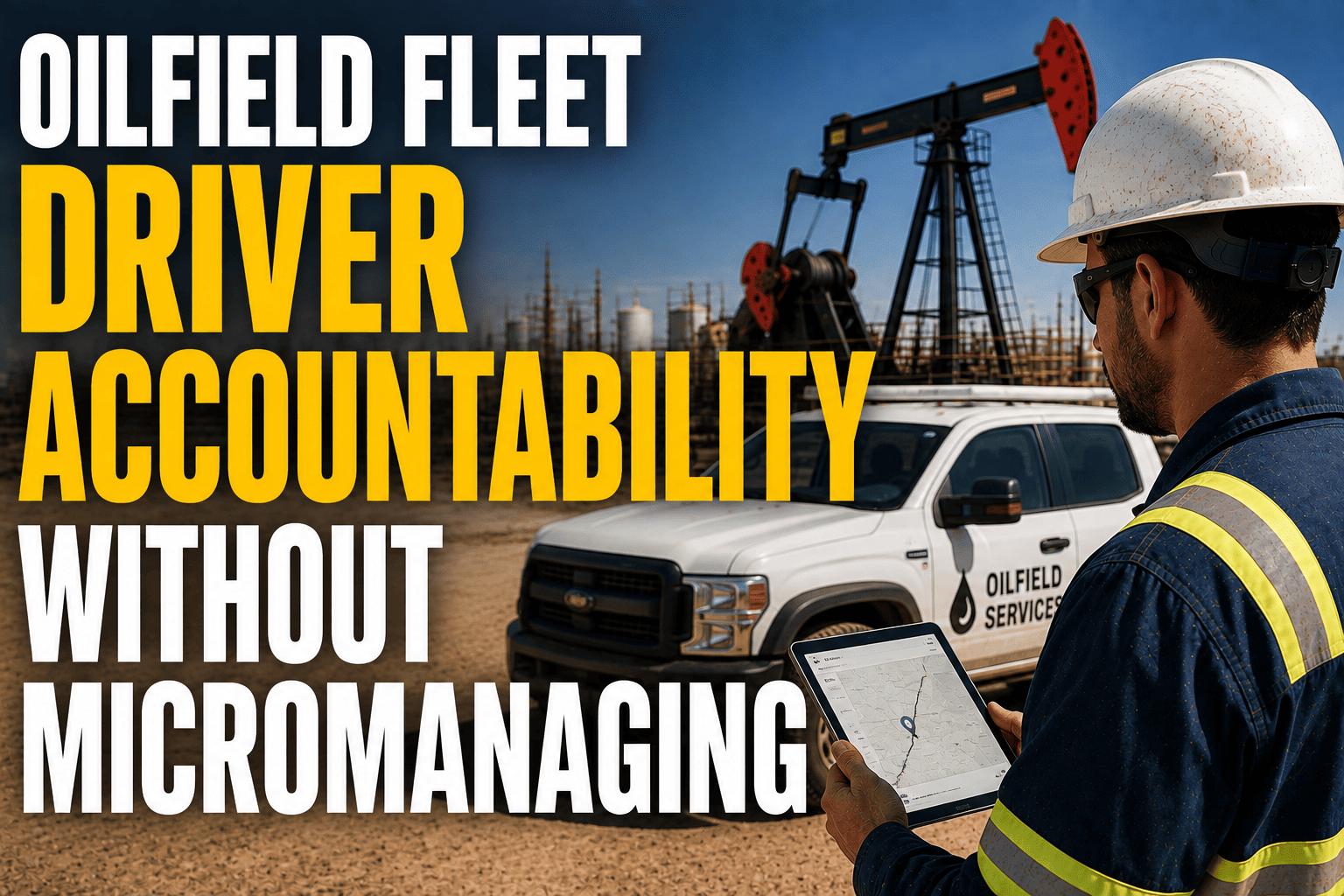
Oilfield fleets run on trust as much as they run on diesel. Drivers haul equipment and crews across remote leases, unpredictable weather, and long shifts where nobody is watching over their shoulder. The instinct for many fleet managers is to tighten the leash: more check-in calls, more cameras pointed the wrong way, more rules for the sake of rules. It backfires almost every time. Drivers disengage, turnover climbs, and the fleet manager ends up more exhausted than before.
There is a better way to build accountability, and it does not involve babysitting every mile a driver logs. It involves clear expectations, visible data, and a coaching culture that treats drivers like professionals instead of suspects. This guide breaks down what that looks like in an oilfield operation, and how a platform like FleetRabbit makes it possible without adding hours to your day.
Why Micromanaging Fails on the Lease Road
Oilfield driving is already one of the harder jobs in transportation. Drivers deal with unpaved access roads, tight rig-site turnarounds, and pressure to hit locations on schedule regardless of conditions. Layer constant surveillance on top of that, and the job starts to feel less like a career and more like a test a driver can never pass.
The Trust Gap Shows Up in the Numbers
When drivers feel watched instead of supported, the first thing that erodes is voluntary reporting. Near-misses go unreported, small mechanical issues get ignored until they become breakdowns, and drivers start managing around the monitoring system instead of managing the truck. Turnover follows close behind, and replacing an experienced oilfield driver costs far more in lost productivity than any monitoring hardware saves.
What Drivers Actually Object To
Most drivers do not mind being tracked. What frustrates them is being tracked with no explanation, no access to their own data, and no say in how it gets used against them. Remove the secrecy, and most of the resistance disappears.
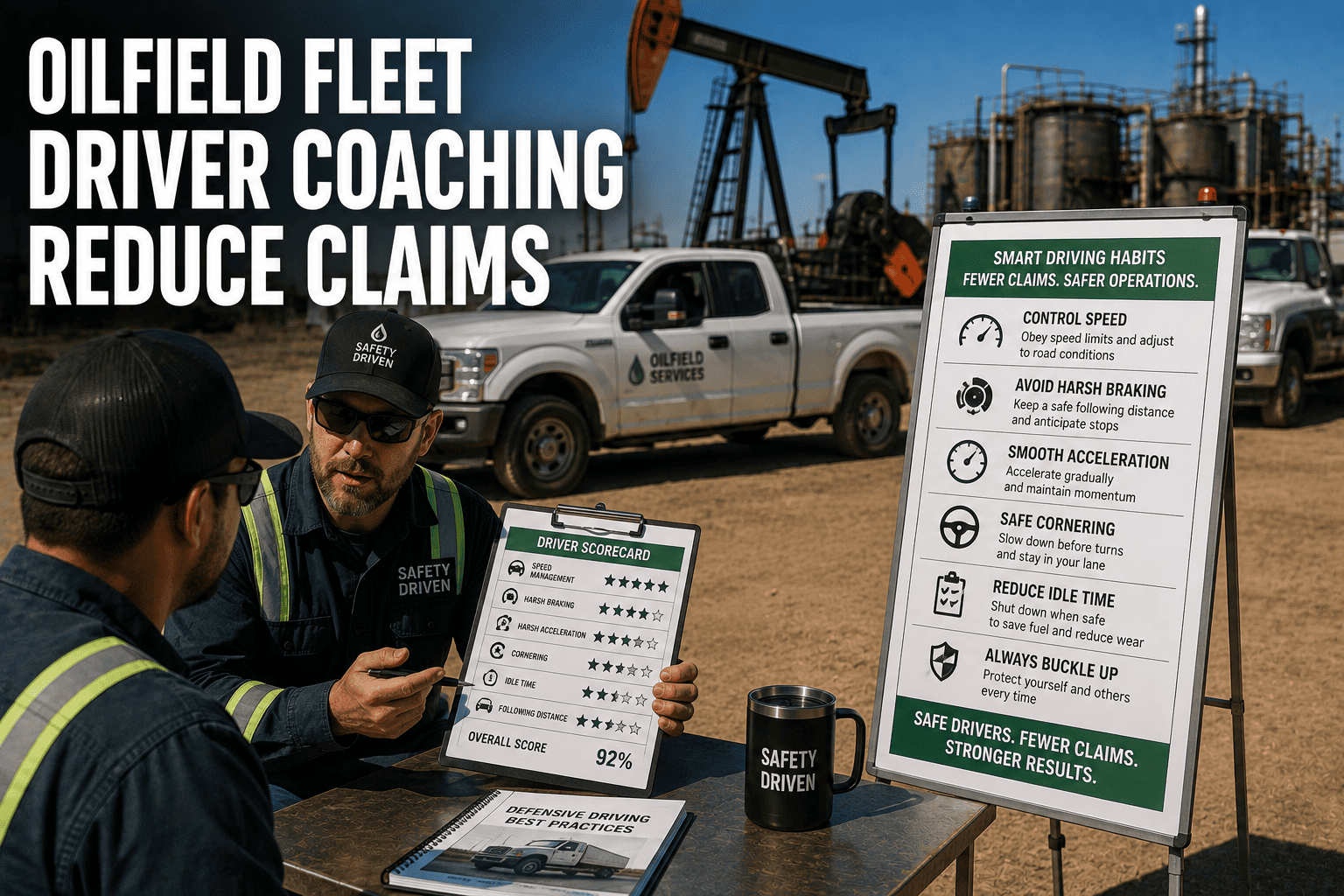
FleetRabbit shows every driver their own scorecard, coaching notes, and progress in real time, so accountability feels like support instead of surveillance. Sign up free and put transparent data to work for your oilfield fleet, or book a demo to see it built around your routes.
The Four Building Blocks of Trust-Based Accountability
Accountability without micromanaging is not a personality trait some fleet managers happen to have. It is a repeatable system built on four habits that reinforce each other over time.
Micromanaging vs. Accountability-Based Management
The table below shows where oilfield fleets typically go wrong, and what a healthier accountability system looks like in the same situation.
| Situation | Micromanaging Approach | Accountability-Based Approach |
|---|---|---|
| Harsh braking event | Immediate call to the driver mid-shift demanding an explanation | Event logged and reviewed together at the next scheduled coaching session |
| GPS route deviation | Assumed as misconduct, escalated to a warning | Flagged for context first; road closures and site access are common on lease routes |
| Idle time above target | Blanket policy enforced with no exceptions, including safety idling | Reviewed against site conditions, with coaching only where the pattern is avoidable |
| Scorecard results | Shared only with supervisors, used for penalties | Shared directly with the driver, used to reinforce strong habits and guide coaching |
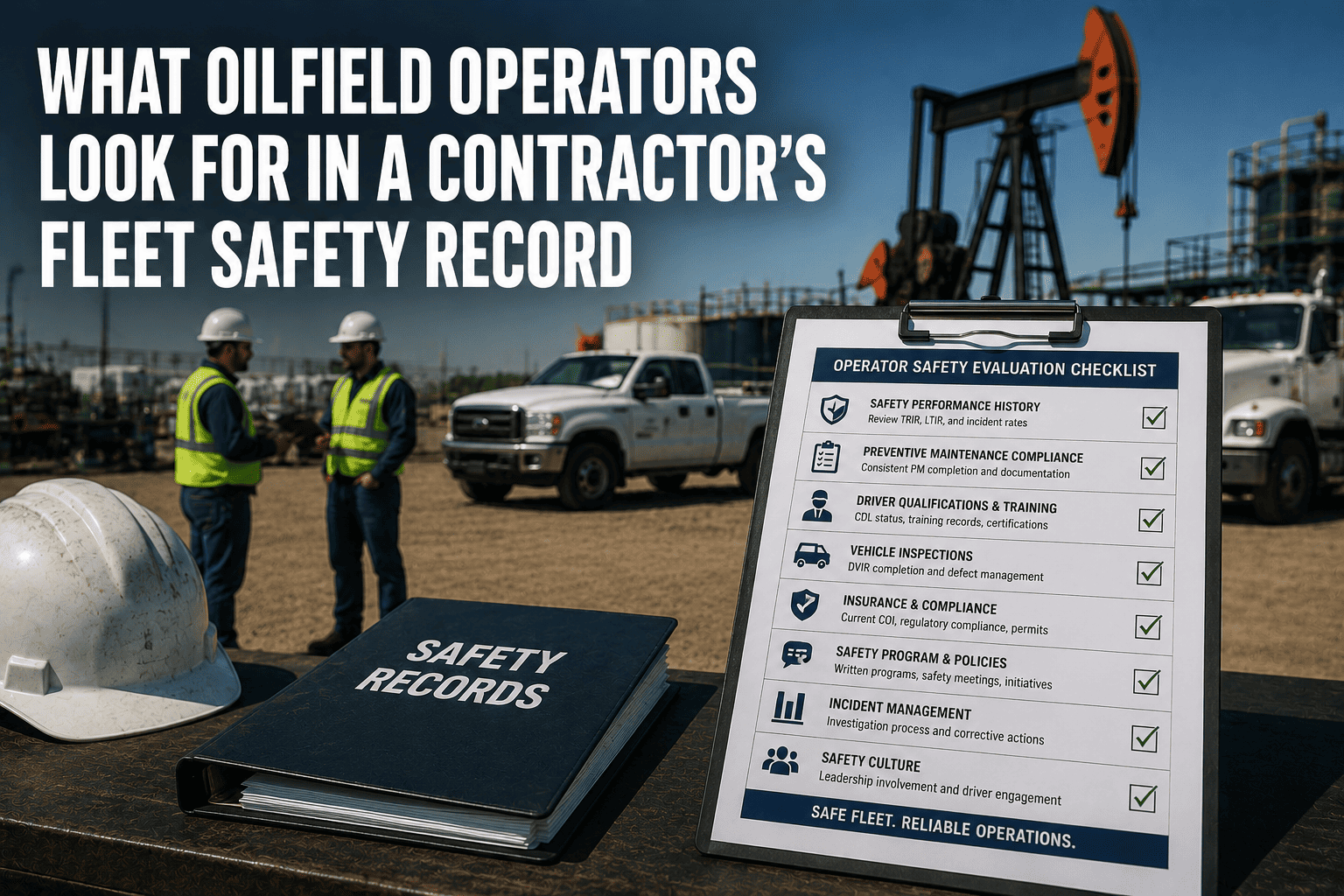
| Reporting near-misses | Discouraged by fear of blame or punishment | Encouraged and tracked as a sign of a healthy safety culture |
Rolling Out Accountability Without the Backlash
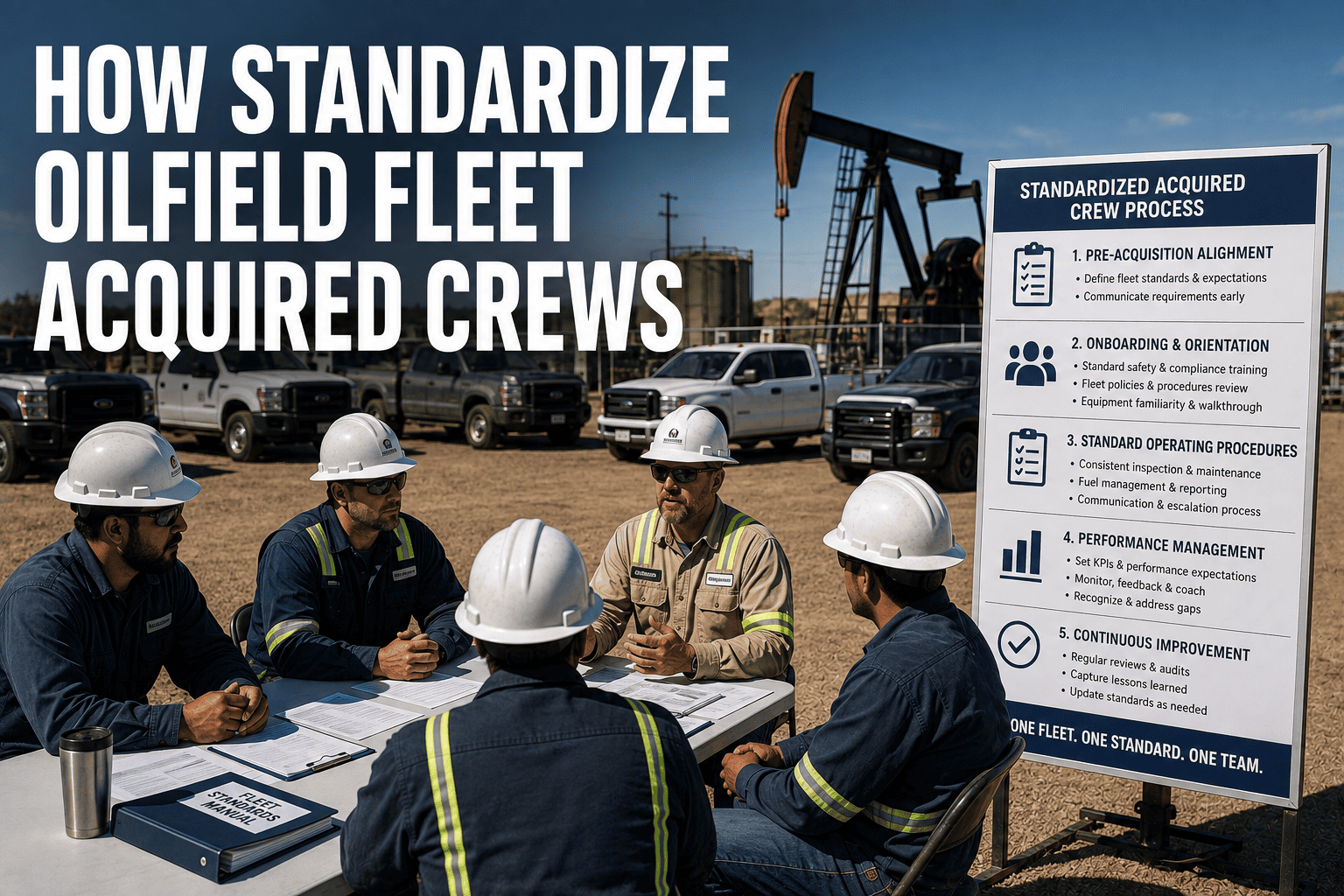
Introducing any new tracking or scoring system to an oilfield driver team requires sequencing. Roll it out wrong, and even a well-designed system reads as surveillance.
Start With the Why, Not the Tool
Before a single scorecard goes live, explain to drivers what is being measured, why it matters for their pay, safety, and equipment, and what happens with the data. Skipping this step is the single biggest reason accountability programs get read as punitive.
Phase In Coaching Before Consequences
Give the system 60 to 90 days as a purely coaching-focused rollout before any metric is tied to disciplinary action. Drivers who see the data help them first are far more likely to trust it later.
Track the Signals That Prove It Is Working
A healthy accountability culture shows up in the numbers before it shows up in attitude. Rising driver-initiated issue reports, more voluntary scorecard check-ins, and a coaching-to-discipline ratio that stays heavily weighted toward coaching are all signs the system is earning trust rather than resistance.
What This Looks Like With the Right Platform
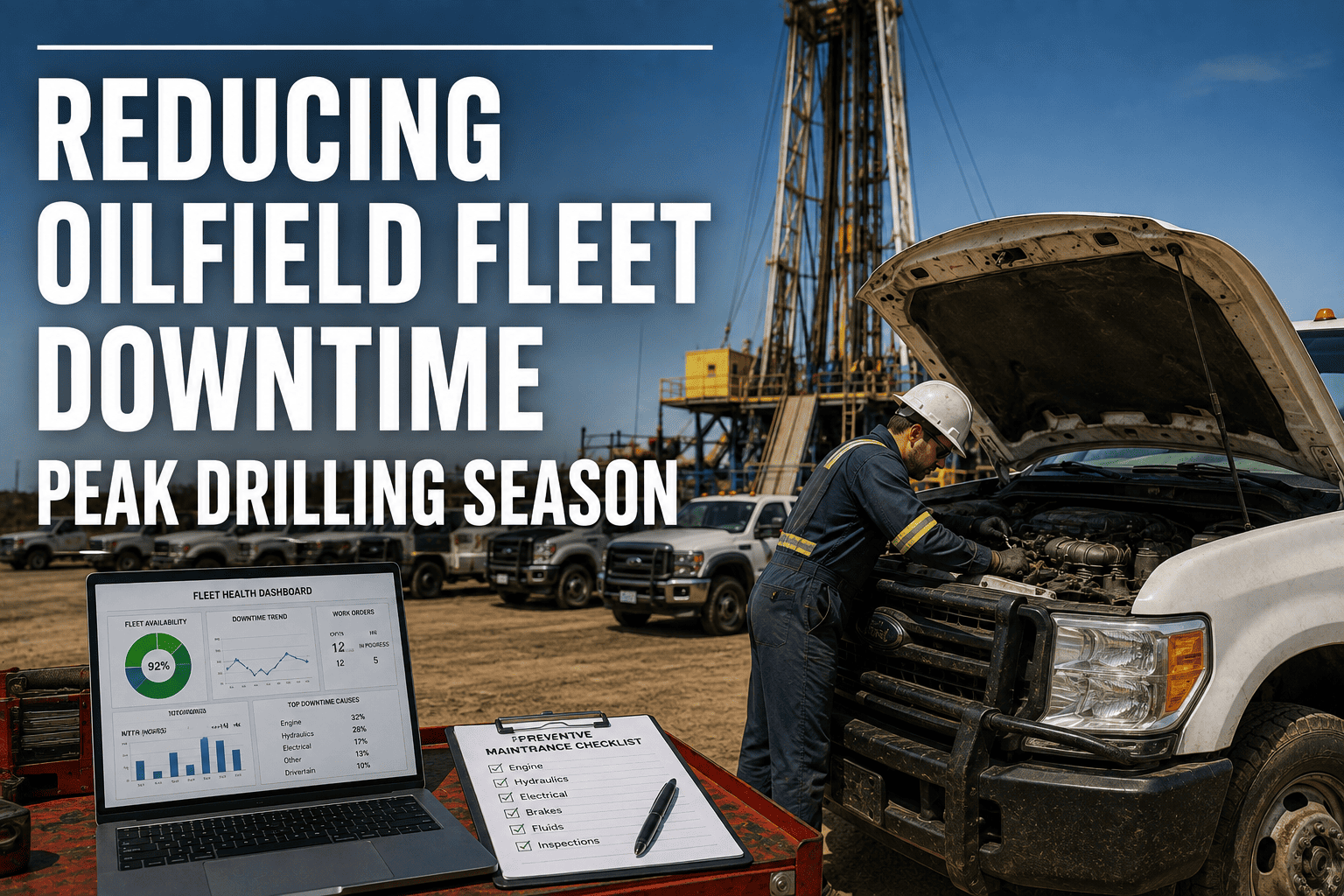
Spreadsheets and scattered radio check-ins cannot deliver this kind of transparent, two-way accountability at scale. Oilfield fleets need a connected system where GPS tracking, driver scorecards, and coaching notes all live in one place, visible to both the fleet manager and the driver. FleetRabbit was built for exactly this. Drivers see their own performance in real time instead of hearing about it secondhand weeks later, and fleet managers get the visibility they need without another radio call. You can create a free account and load your first vehicles in minutes, or schedule a walkthrough to see how it maps to your lease routes and rig schedules.
FleetRabbit gives oilfield fleets real-time visibility, transparent scorecards, and coaching tools that build accountability without the surveillance feel. Get your first vehicles set up in minutes and see the difference within a week.