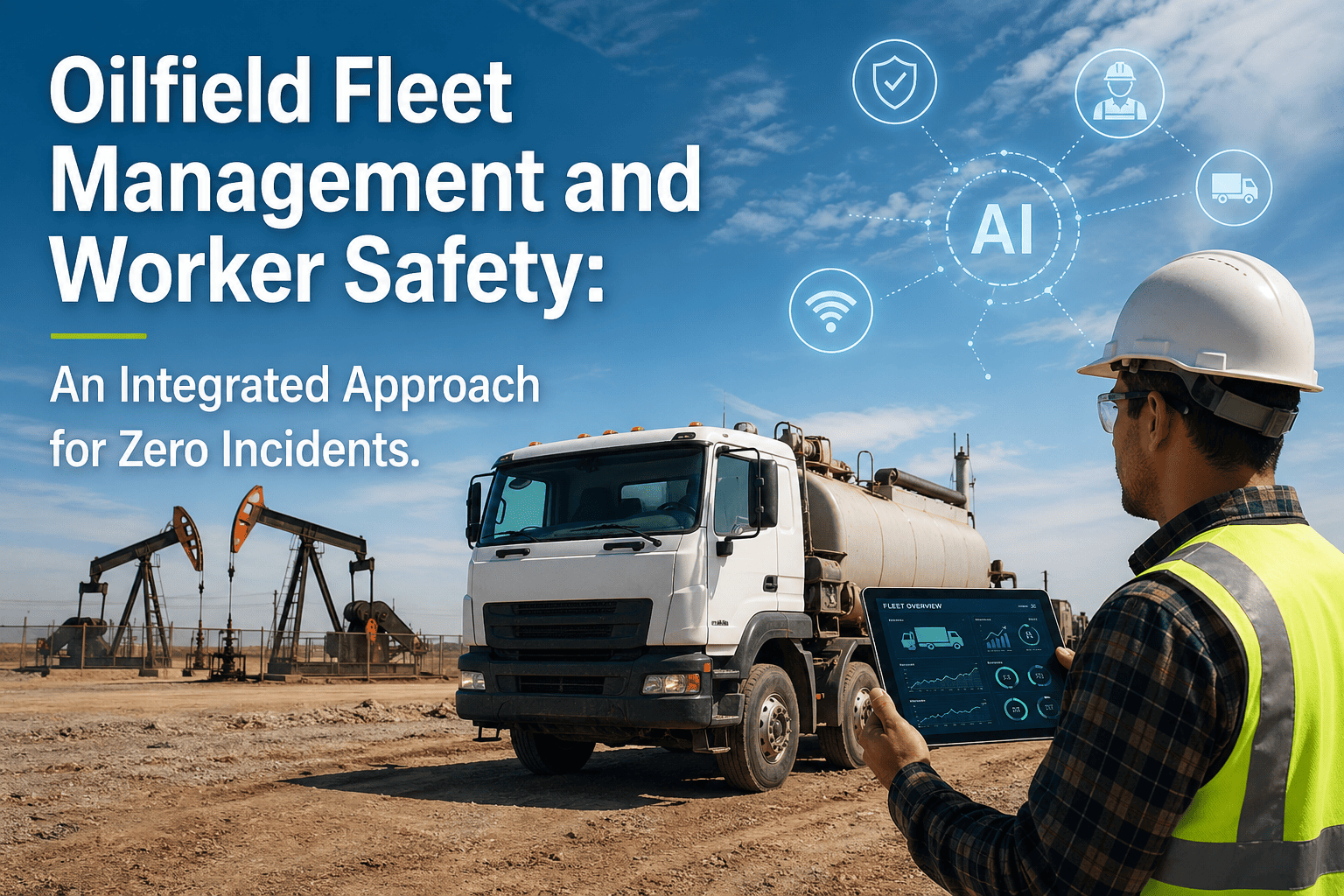
Oilfield operations present one of the most hazardous working environments in the industrial sector, where fleet management and worker safety are not distinct operational silos but inseparable components of a unified risk mitigation strategy. Traditional approaches treat vehicle maintenance, driver behavior monitoring, and personnel safety compliance as separate administrative burdens managed through disconnected systems, creating critical visibility gaps where fatigue-related incidents, non-compliant driving behaviors, and equipment failures converge to produce preventable accidents. FleetRabbit’s integrated platform eliminates these fragmentation risks by combining real-time telematics, AI-driven fatigue detection, automated HSE compliance workflows, and predictive safety scoring into a single command center that enables fleet managers and safety executives to achieve zero-incident targets while maintaining operational efficiency across drilling, completion, and production activities. This comprehensive analysis examines how integrated fleet-safety architecture transforms occupational health outcomes, reduces insurance liabilities, and creates measurable competitive advantage for operators who recognize that every vehicle movement represents both an operational requirement and a safety commitment requiring continuous monitoring, intervention capability, and accountability enforcement.
Unifying Fleet Management and Worker Safety for Zero-Incident Oilfield Operations
From fatigue detection and harsh event monitoring to automated safety scorecards and HSE compliance automation — discover how FleetRabbit’s integrated platform eliminates the visibility gaps between vehicle operations and personnel safety that traditional fragmented systems create
Why Disconnected Safety Systems Fail Oilfield Operators
When fleet telematics, driver monitoring, safety compliance tracking, and incident reporting operate in isolation, critical risk indicators remain invisible until they manifest as preventable accidents. The following structural failures characterize traditional approaches to oilfield fleet safety management.
Fatigue Detection Blind Spots
Traditional telematics track vehicle location and speed but cannot detect driver drowsiness, microsleep events, or cognitive impairment from extended shifts. Without integrated camera-based monitoring and AI behavioral analysis, fatigued drivers operating heavy equipment on remote lease roads create catastrophic risk exposure that remains undetected until incidents occur.
Harsh Event Reaction vs. Prevention
Legacy systems report harsh braking, acceleration, and cornering events after they occur without providing real-time coaching intervention or correlating these events with specific drivers, routes, or operational conditions. Reactive reporting prevents proactive behavior modification that eliminates risky driving patterns before they result in collisions.
Manual HSE Compliance Burden
Safety officers manually compile driver qualification files, verify training certifications, track medical examination expiration dates, and audit vehicle inspection reports across hundreds of personnel and vehicles. This administrative burden consumes 15-20 hours weekly while creating compliance gaps when expired credentials go unnoticed during manual review cycles.
Fragmented Incident Investigation
When incidents occur, safety teams must reconstruct events by pulling data from separate telematics platforms, HR systems, maintenance records, and witness statements. This fragmented evidence collection delays root cause analysis, extends investigation timelines, and prevents implementation of corrective actions that could prevent recurrence.
Eliminate Safety Visibility Gaps Before They Become Incidents
FleetRabbit integrates fatigue detection, harsh event monitoring, HSE compliance automation, and safety scoring into a unified platform that provides continuous risk visibility and automated intervention capabilities. Schedule your safety integration consultation.
Six Integrated Modules That Transform Fleet Safety Management
FleetRabbit’s safety architecture combines AI-powered monitoring, automated compliance workflows, predictive analytics, and real-time intervention capabilities across six specialized modules that collectively provide comprehensive protection for personnel, assets, and operational continuity.
AI-Powered Fatigue Detection System
Advanced computer vision algorithms analyze driver facial features, eye closure duration, head position, and blink frequency in real-time to detect early signs of fatigue before performance degradation occurs. System triggers immediate audio alerts within the cab and notifies dispatch supervisors when intervention is required, preventing fatigue-related incidents on remote lease roads and high-traffic haul routes.
Harsh Event Monitoring and Coaching
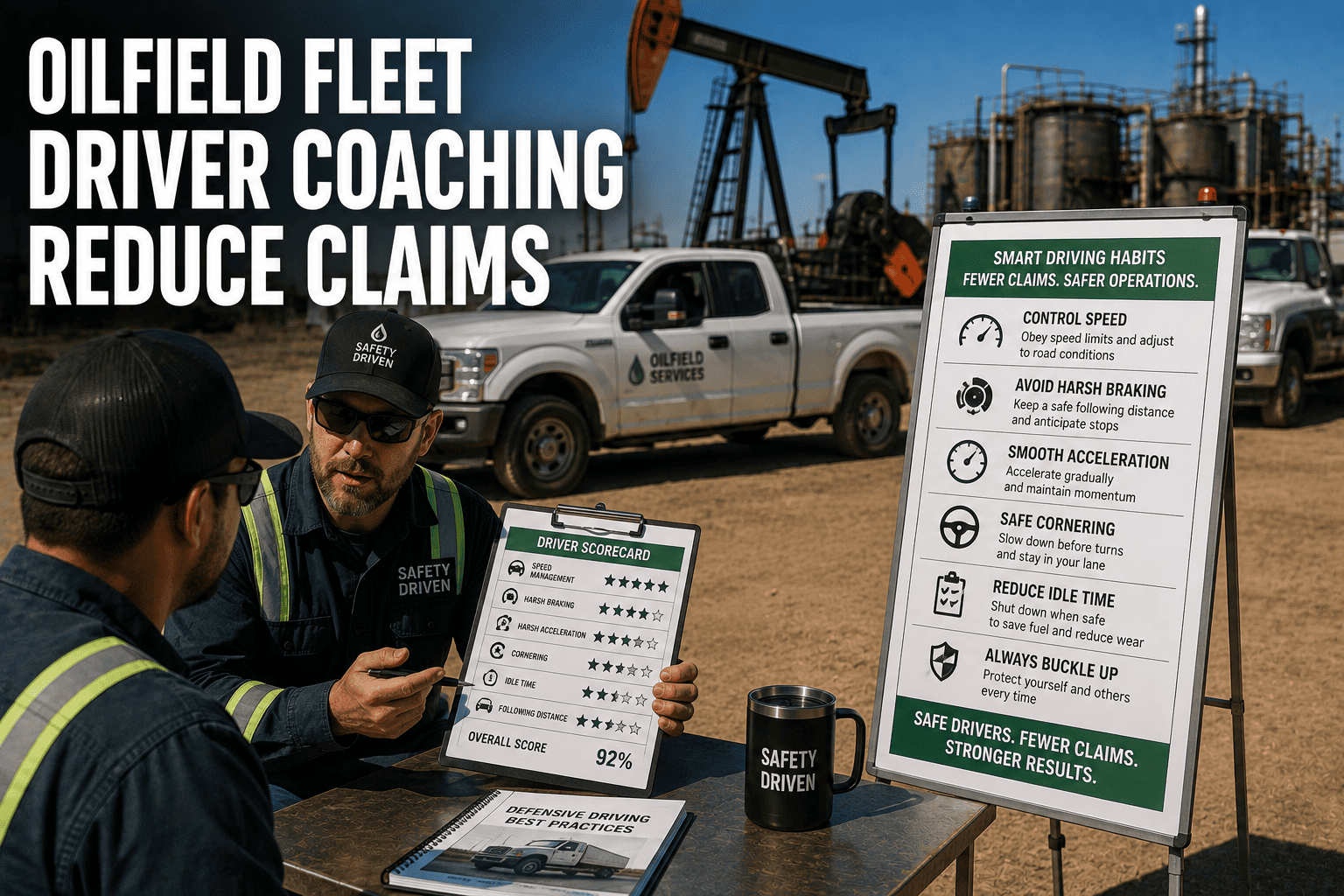
Three-axis accelerometers and GPS data capture harsh braking, acceleration, cornering, and impact events with precise location, speed, and g-force measurements. Platform correlates events with specific drivers, vehicle types, road conditions, and cargo loads to identify systemic risk patterns while providing real-time coaching feedback that modifies driver behavior before incidents escalate.
Automated HSE Compliance Management
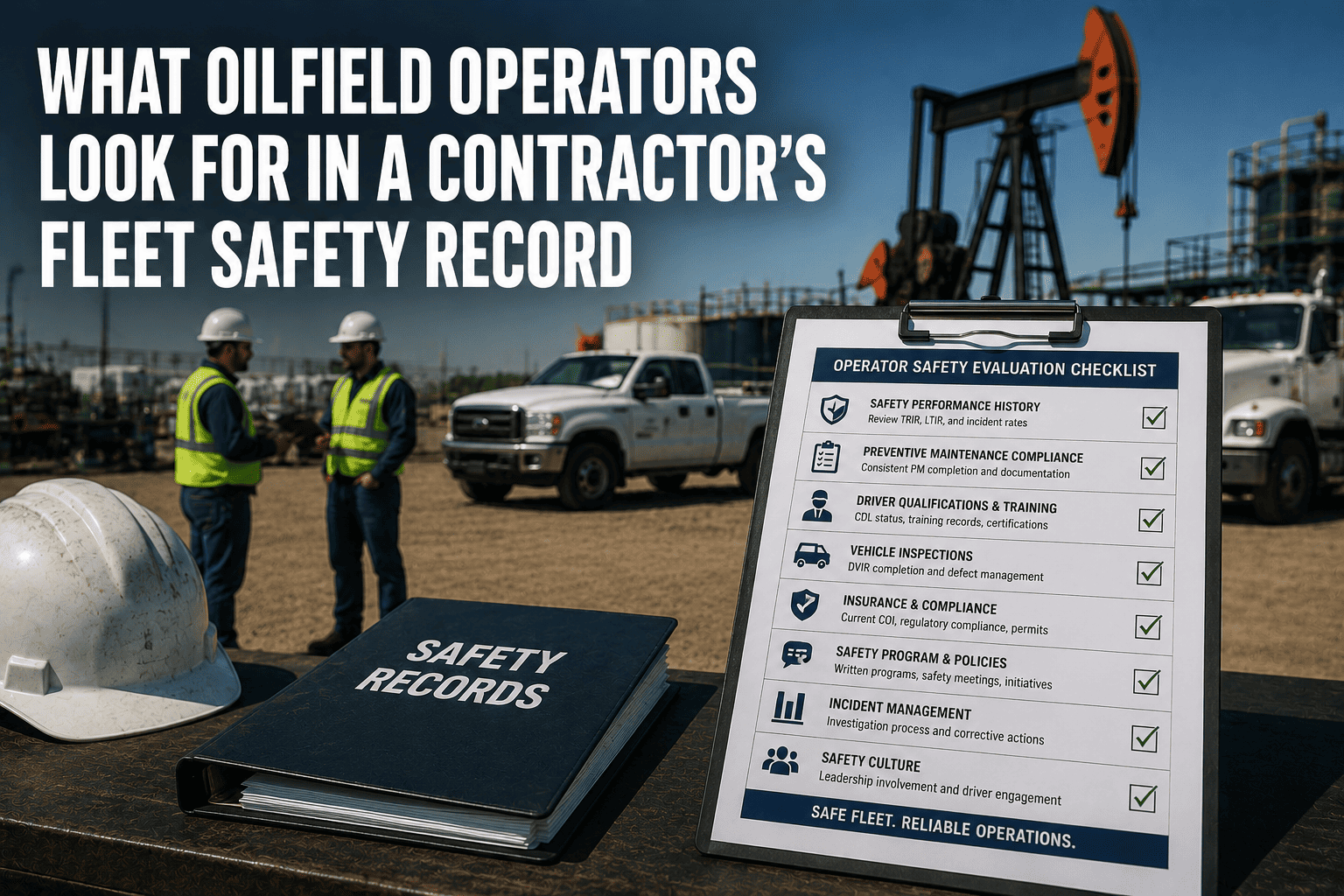
Digital credential management system tracks driver qualifications, training certifications, medical examinations, vehicle inspections, and regulatory compliance requirements with automated expiration alerts and renewal workflows. Platform eliminates manual file maintenance while ensuring no personnel operate vehicles with expired credentials that create liability exposure and regulatory violations.
Dynamic Safety Scoring and Gamification
Proprietary algorithm calculates individual driver safety scores based on harsh events, speeding violations, seatbelt usage, fatigue detections, and preventive maintenance compliance. Transparent scoring system visible to drivers through mobile application creates competitive improvement culture while providing management with objective metrics for coaching prioritization and recognition programs.
Predictive Risk Analytics Engine
Machine learning models analyze historical incident data, near-miss reports, weather conditions, traffic patterns, driver tenure, vehicle age, and operational intensity to predict high-risk scenarios before they materialize. Predictive insights enable proactive resource allocation, targeted training interventions, and schedule adjustments that prevent incidents rather than reacting to them after occurrence.
Integrated Incident Investigation Workflow
When incidents occur, platform automatically compiles telematics data, driver behavior history, vehicle maintenance records, weather conditions, and witness statements into unified investigation package. Structured workflow guides safety teams through root cause analysis, corrective action assignment, and follow-up verification ensuring lessons learned translate into systemic improvements preventing recurrence.
Transform Safety Data Into Preventive Action
FleetRabbit’s six-module safety architecture provides the integrated monitoring, automated compliance, predictive analytics, and investigation capabilities required to move from reactive incident response to proactive risk elimination. Access the safety platform today.
How Integrated Safety Management Delivers Measurable Business Value
Beyond moral imperatives and regulatory requirements, comprehensive fleet safety management generates quantifiable financial returns through reduced insurance costs, minimized downtime, lower legal liabilities, and improved operational efficiency that directly impact bottom-line profitability.
Insurance Premium Reduction
Operators implementing comprehensive safety monitoring and documented behavior modification programs qualify for preferred insurance rates reducing annual premiums by 15-25%. Insurers recognize that real-time monitoring, fatigue detection, and automated coaching significantly reduce claim frequency and severity creating mutual value for carriers and insured operators.
Downtime Cost Avoidance
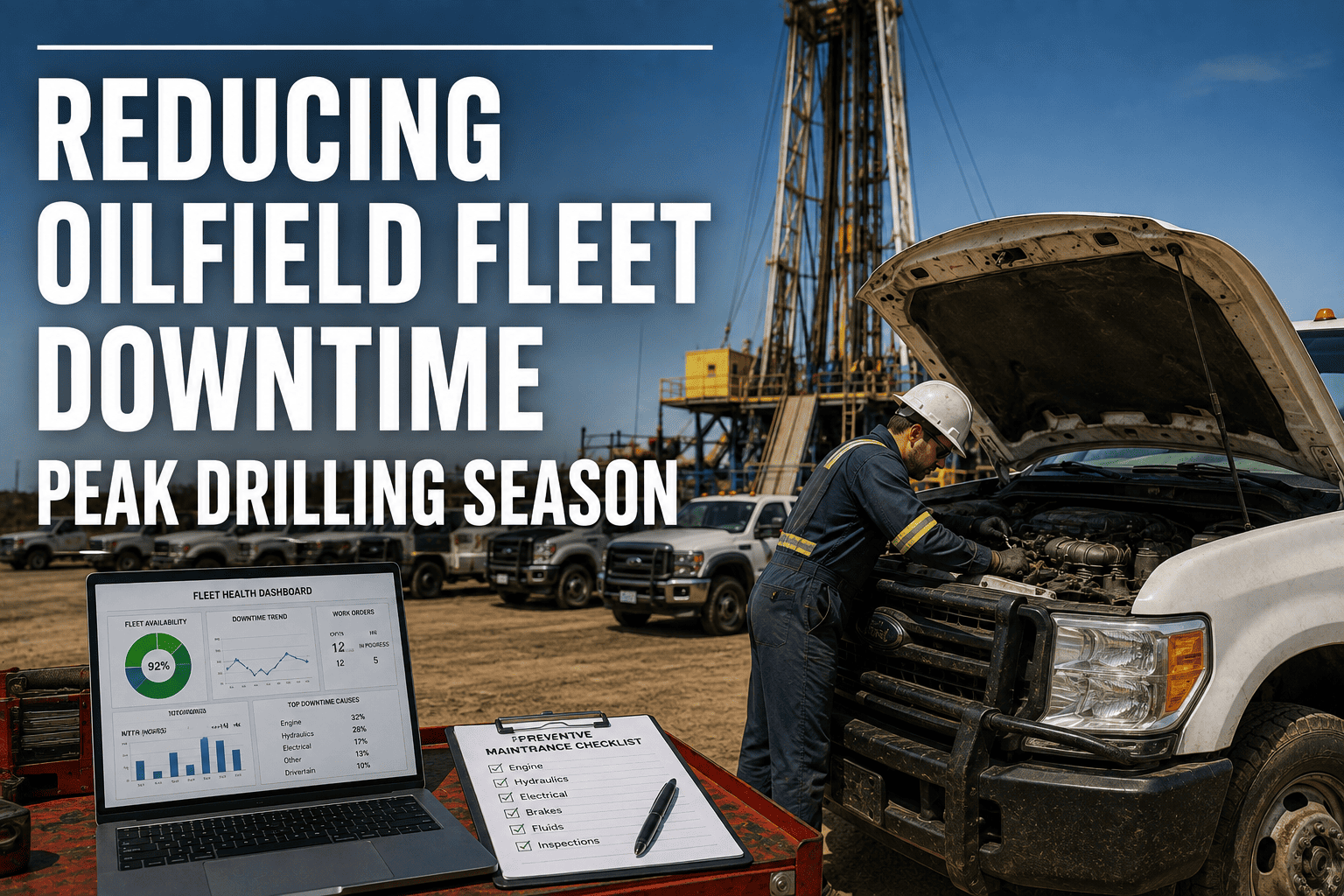
Vehicle accidents average 12-18 days downtime for repairs, investigations, and regulatory compliance activities. Each day a critical service truck remains out of service requires expensive rental replacements or forces operational delays cascading through drilling schedules. Preventing just two minor collisions annually saves $45,000-$65,000 in direct and indirect costs.
Legal Liability Mitigation
Documented safety programs demonstrating proactive monitoring, training, and intervention capabilities provide strong defense against negligence claims following incidents. Courts and juries view operators with comprehensive safety systems more favorably than those relying on reactive policies, potentially reducing settlement amounts by 40-60% when incidents do occur despite preventive efforts.
Operational Efficiency Gains
Safe drivers exhibit better fuel efficiency, reduced vehicle wear, and higher on-time performance than their risky counterparts. Safety score improvements correlate directly with operational metrics creating dual benefits where safety investments simultaneously enhance productivity and cost control delivering compound returns beyond incident prevention alone.
Permian Basin Operator Achieves 47% Incident Reduction Through Integrated Safety Platform
Mid-cap E&P company managing 180-vehicle support fleet across 12 active drilling sites deployed FleetRabbit’s integrated safety architecture replacing fragmented telematics, manual compliance tracking, and reactive incident management with unified platform providing continuous monitoring, automated interventions, and predictive risk analytics.
Platform deployment revealed baseline safety metrics showing 3.2 harsh events per 1,000 miles, 68% driver compliance with pre-trip inspections, and zero fatigue monitoring capability. Historical data showed 14 recordable incidents in previous 12 months generating $280,000 in direct costs plus estimated $420,000 in indirect costs from downtime and operational disruptions.
Fatigue detection cameras installed in 45 high-risk vehicles, harsh event monitoring activated fleet-wide, and automated safety scorecards launched. Safety managers conducted targeted coaching sessions with bottom-quartile drivers while recognizing top performers creating behavior modification momentum. Pre-trip inspection compliance increased to 94% through digital workflow automation.
Predictive analytics identified high-risk routes and time periods enabling proactive safety briefings before crew deployments. Fatigue detection prevented 23 potential incidents through timely rest break interventions. Harsh event frequency decreased 52% as driver behavior improved through continuous feedback loops and accountability mechanisms.
Join Operators Achieving Zero-Incident Targets Through Integrated Safety Management
FleetRabbit’s platform combines AI-powered monitoring, automated compliance, predictive analytics, and investigation workflows into a single solution priced at transparent $3/vehicle/month. Schedule your safety transformation consultation.
Four-Phase Implementation Framework for Fleet Safety Integration
Successful safety platform deployment requires structured rollout balancing rapid capability activation with organizational change management ensuring technology adoption translates into sustained behavioral improvement and cultural transformation.
Technology Deployment and Baseline Establishment
Install telematics hardware, fatigue detection cameras, and mobile applications across target vehicle population. Configure compliance tracking databases with existing driver credentials and training records. Establish baseline safety metrics capturing current harsh event rates, inspection compliance, and incident frequency for subsequent improvement measurement.
- Hardware installation and connectivity verification
- Digital credential database population
- Baseline metric calculation and documentation
- Stakeholder orientation and expectation setting
Active Monitoring and Initial Coaching Launch
Activate real-time monitoring dashboards, automated alert systems, and safety scorecard visibility. Train safety managers on coaching protocols and intervention best practices. Launch driver communication campaign explaining program objectives, scoring methodology, and recognition opportunities building acceptance rather than resistance to monitoring initiatives.
- Safety manager coaching training workshops
- Driver orientation meetings and Q&A sessions
- Alert threshold calibration and testing
- Initial safety scorecard publication and review
Behavioral Modification and Recognition Programs
Implement structured coaching schedules targeting lowest-performing drivers while launching recognition programs celebrating top safety scores. Integrate safety metrics into existing performance review processes aligning individual incentives with organizational safety objectives. Refine alert thresholds based on operational feedback reducing false positives while maintaining sensitivity to genuine risks.
- Targeted coaching session execution and documentation
- Monthly safety recognition awards and celebrations
- Performance review integration and manager training
- Alert threshold optimization based on field feedback
Predictive Analytics and Continuous Improvement
Activate predictive risk modeling capabilities identifying high-probability incident scenarios before they materialize. Implement proactive interventions including route modifications, schedule adjustments, and targeted training based on predictive insights. Establish quarterly safety performance reviews analyzing trend data, celebrating improvements, and identifying next-phase enhancement opportunities.
- Predictive risk model activation and validation
- Proactive intervention protocol development
- Quarterly safety performance review establishment
- Continuous improvement opportunity identification
Transform Fleet Safety from Reactive Compliance to Proactive Protection
FleetRabbit’s integrated safety architecture eliminates the visibility gaps between vehicle operations and personnel protection that traditional fragmented systems create. From AI-powered fatigue detection and harsh event coaching to automated HSE compliance and predictive risk analytics, our platform provides the comprehensive monitoring, intervention, and accountability capabilities required to achieve zero-incident targets while maintaining operational efficiency across demanding oilfield environments.