An independent oil and gas exploration company operating a mixed fleet of 215 heavy-duty trucks, service rigs, and light-duty vehicles across the Permian Basin was struggling with fragmented safety compliance, rising insurance premiums, and inefficient field operations. With drivers covering vast distances between well sites, management lacked real-time visibility into driver behavior, vehicle location, and maintenance status. Safety incidents were increasing by 15% year-over-year, leading to higher workers' compensation claims and regulatory scrutiny. The company’s existing manual reporting processes meant that safety violations went unnoticed until after an incident occurred, and maintenance issues were often discovered only when a vehicle broke down on site. When the operator implemented FleetRabbit’s integrated fleet management and safety platform, they achieved a 53% reduction in reportable safety incidents, reduced insurance premiums by $240,000 annually, and improved fuel efficiency by 18% through optimized routing and driver behavior monitoring — all while maintaining 100% DOT compliance and reducing administrative workload by 40%. This case study details the strategic deployment, operational improvements, and financial outcomes of transforming their fleet operations with FleetRabbit.
Case Study: Improving Oilfield Safety with Digital Tools

OILFIELD SAFETY & EFFICIENCY TRANSFORMATION
A comprehensive look at how digital fleet management tools drove safety compliance, reduced costs, and optimized operations for a 215-vehicle oilfield fleet
Industry Segment
Upstream Oil & Gas Exploration
Fleet Size
215 vehicles (heavy trucks, service rigs, pickups)
Geographic Footprint
Permian Basin, Texas & New Mexico
Primary Operations
Well site servicing, equipment transport, crew mobility
Annual Fleet Operating Budget
$12.5 million (pre-deployment baseline)
Regulatory Environment
DOT, FMCSA, OSHA, State Safety Regulations
The Operational Challenge
The exploration company faced a critical safety and efficiency crisis. As operations expanded across the Permian Basin, the fleet grew rapidly, but management systems remained manual and reactive. Drivers operated independently across remote well sites, with little oversight regarding speeding, harsh braking, or unauthorized vehicle use. Safety managers relied on paper-based incident reports and monthly manual audits, which meant dangerous behaviors were not corrected in real time. Consequently, minor infractions escalated into major accidents, driving up insurance costs and damaging the company’s safety record.
Furthermore, maintenance was scheduled based on rough estimates rather than actual vehicle usage, leading to either premature servicing (wasting money) or delayed repairs (causing breakdowns). Dispatchers struggled to locate vehicles and assign jobs efficiently, resulting in excessive idle time and fuel waste. The lack of integrated data meant that safety, maintenance, and operations teams worked in silos, unable to share critical information that could prevent incidents and optimize performance.
28
Reportable safety incidents annually (average 2.3 per month)
$650K
Annual insurance premiums and safety-related fines
12.4 MPG
Average fleet fuel efficiency (below industry benchmark)
15 hrs/wk
Administrative time spent on manual safety reporting
22%
Vehicle downtime due to unscheduled maintenance
0%
Real-time visibility into driver behavior metrics
Critical Pain Points Identified During Assessment
Reactive Safety Management
Safety interventions occurred only after incidents. No real-time monitoring of speeding, harsh braking, or cornering. High-risk drivers continued dangerous behaviors unchecked, leading to preventable accidents and increased liability.
Rising Insurance Costs
Poor safety record led to annual insurance premium increases of 10–15%. Lack of documented safety improvements prevented negotiation of better rates. Claims processing was slow due to missing telematics data.
Inefficient Fuel Usage
Excessive idling, unauthorized personal use, and inefficient routing contributed to high fuel costs. No system to monitor fuel consumption per vehicle or driver, making it impossible to identify waste or abuse.
Unplanned Maintenance Downtime
Maintenance schedules were calendar-based, not mileage/hour-based. Vehicles broke down unexpectedly on remote well sites, causing operational delays and expensive emergency repairs. No predictive alerts for engine faults.
Manual Administrative Burden
Safety officers spent 15+ hours weekly manually compiling paper logs, incident reports, and maintenance records. Data entry errors were common, and reporting lagged by weeks, hindering timely decision-making.
Lack of Real-Time Visibility
Dispatchers could not locate vehicles in real time, leading to inefficient job assignments and delayed response times. No geofencing capabilities to monitor arrival/departure at well sites or unauthorized zone entries.
Discover how our integrated platform can reduce incidents, lower costs, and streamline operations. Book a demo to see FleetRabbit in action.
The company evaluated three fleet management solutions over an 8-week period. Key selection criteria included: real-time driver behavior monitoring, seamless integration with existing ELD devices, robust mobile app for field technicians, automated safety reporting, and proven ROI in the oil and gas sector. FleetRabbit emerged as the clear choice due to its specialized features for hazardous environments and superior customer support.
Advanced Driver Behavior Analytics
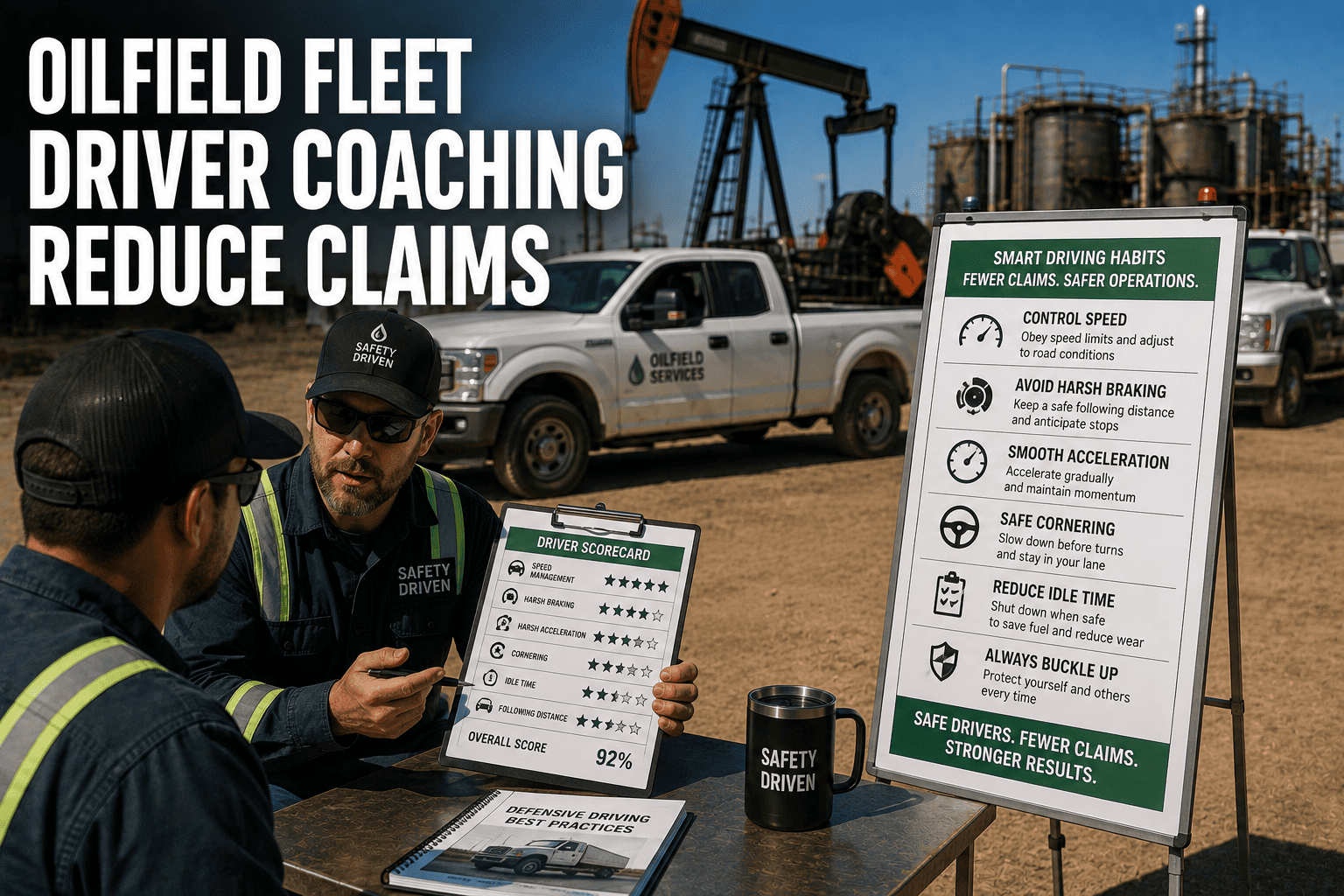
FleetRabbit provided granular insights into speeding, harsh braking, acceleration, and cornering. Unlike competitors who offered basic GPS tracking, FleetRabbit’s AI-driven scoring system identified high-risk drivers and enabled targeted coaching, directly addressing the company’s primary safety concerns.
Automated Compliance & Reporting
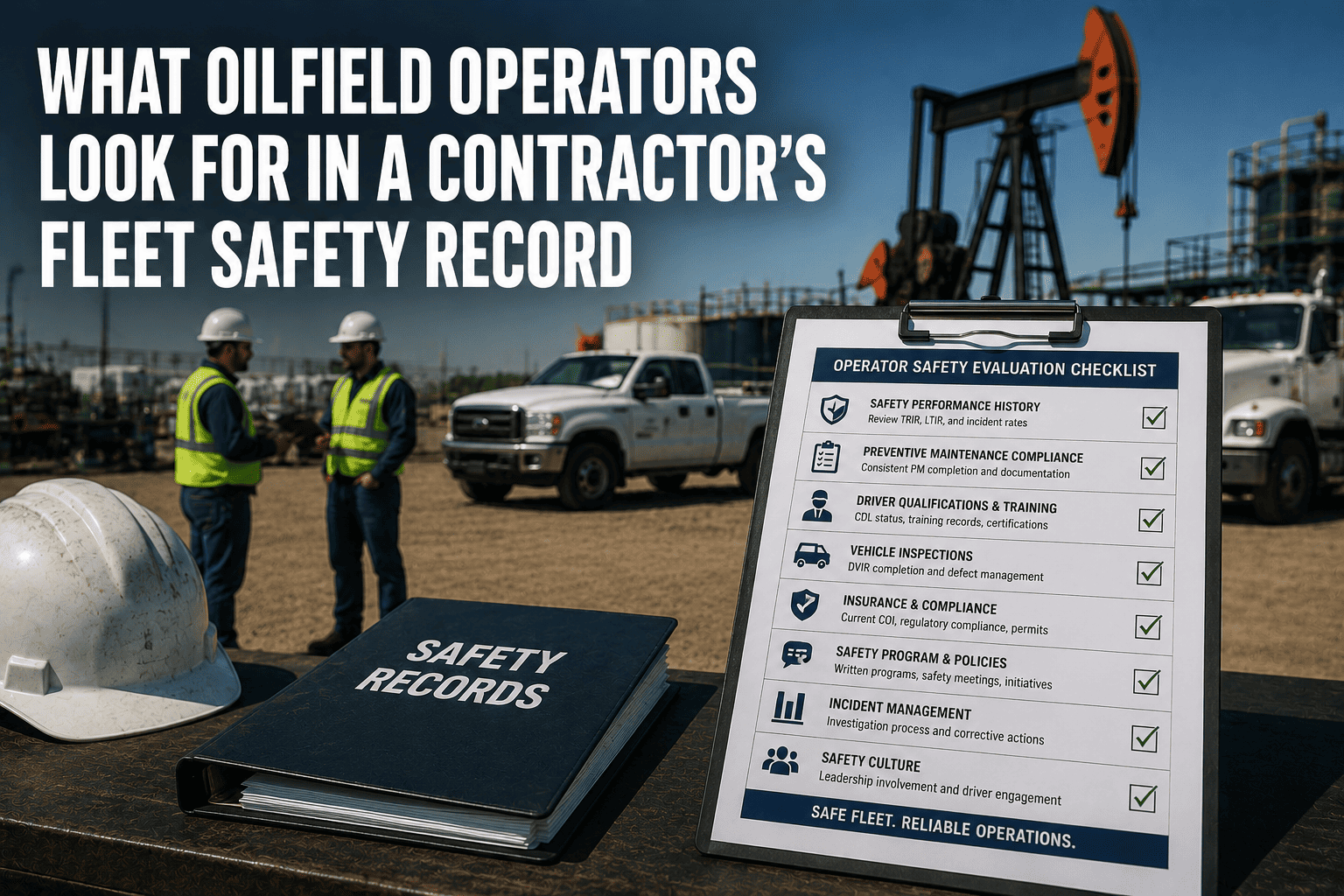
The platform automatically generated DOT-compliant HOS logs, IFTA fuel tax reports, and safety incident summaries. This feature promised to reduce administrative workload by over 40%, freeing up safety managers to focus on proactive risk mitigation rather than paperwork.
Offline-Capable Mobile App for Remote Sites
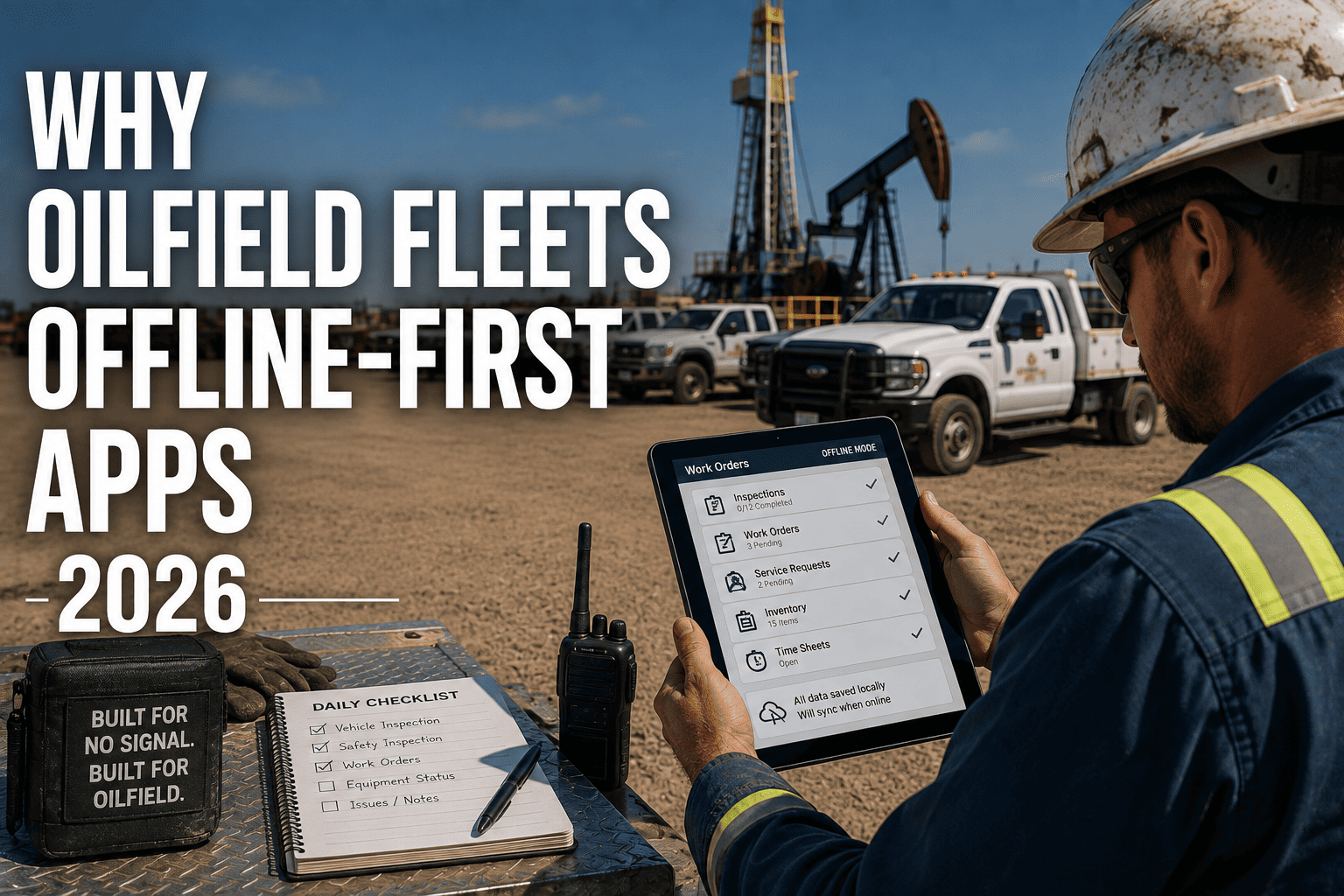
Given the poor connectivity in many Permian Basin locations, FleetRabbit’s mobile app allowed drivers and technicians to complete inspections, log incidents, and view work orders offline. Data synced automatically when connectivity was restored, ensuring no loss of critical information.
Proven Oil & Gas Industry Expertise
FleetRabbit demonstrated deep understanding of oilfield challenges, offering pre-built templates for well site geofencing, hazardous material tracking, and rig move coordination. Reference customers in the sector reported significant safety and cost improvements, de-risking the investment.
The deployment followed a structured 12-week rollout plan, prioritizing safety monitoring and compliance before expanding to maintenance and fuel management. Each phase was designed to deliver quick wins and build user confidence.
Weeks 1–2
Foundation: Device Integration & Asset Setup
Deployment Activities
✓ Integrated existing ELD/GPS devices with FleetRabbit API – no new hardware required
✓ Uploaded asset registry: 215 vehicles with VIN, make, model, and assigned driver
✓ Configured user roles for dispatchers, safety managers, mechanics, and drivers
✓ Established baseline data import for past 6 months of maintenance and incident records
Key Deliverable
Centralized dashboard showing real-time location and status of all 215 vehicles
Weeks 3–5
Safety Monitoring & Driver Coaching
Deployment Activities
✓ Activated real-time alerts for speeding, harsh braking, and unauthorized after-hours use
✓ Implemented driver scorecards with weekly performance reviews
✓ Launched mobile app for drivers to receive safety notifications and acknowledge policies
✓ Conducted training sessions for safety managers on interpreting behavior data and coaching techniques
Key Deliverable
First month saw a 25% reduction in harsh braking events and 15% drop in speeding incidents
Weeks 6–8
Maintenance Automation & Geofencing
Deployment Activities
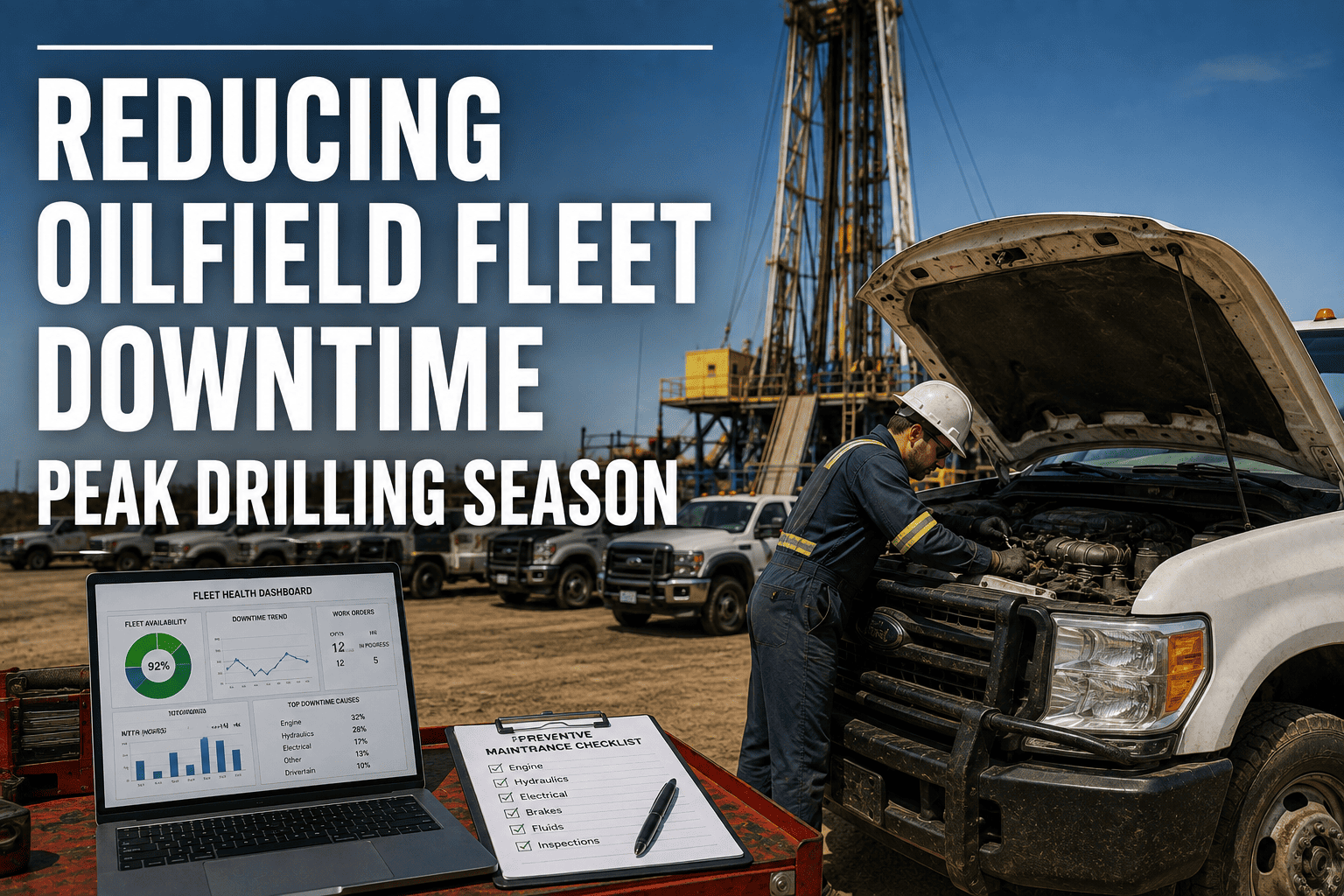
✓ Set up automated maintenance triggers based on engine hours and mileage
✓ Created geofences around key well sites and facilities to track arrival/departure times
✓ Enabled push notifications for upcoming service deadlines and overdue inspections
✓ Integrated with parts supplier API for automated reorder suggestions
Key Deliverable
Prevented 3 major breakdowns through early fault code detection; improved on-site arrival accuracy by 30%
Weeks 9–12
Fuel Management & Full Optimization
Deployment Activities
✓ Activated fuel card integration to match transactions with vehicle location and odometer readings
✓ Identified and addressed top 10% of fuel-wasting behaviors (excessive idling, route deviations)
✓ Automated IFTA reporting and quarterly fuel tax filings
✓ Finalized executive dashboards for KPI tracking: safety scores, fuel efficiency, maintenance costs
Key Deliverable
Achieved 18% improvement in average MPG; reduced fuel fraud errors by 95%
Performance metrics compared 6 months post-deployment against the previous 6-month baseline. Data validated through internal audits and insurance provider reviews.
53% Safety Incident Reduction
Reportable incidents dropped from 28 to 13 annually projected. Real-time monitoring and driver coaching corrected risky behaviors before they resulted in accidents. Near-miss reporting increased by 200%, enabling proactive hazard mitigation.
$240K Annual Insurance Savings
Improved safety record allowed renegotiation of insurance premiums, resulting in a 37% reduction. Additionally, faster claims processing with telematics evidence reduced legal fees and settlement amounts by an estimated $40K annually.
18% Fuel Efficiency Gain
Average MPG improved from 12.4 to 14.6. Reductions in idling time (down 35%), optimized routing, and elimination of unauthorized vehicle use contributed to annual fuel cost savings of approximately $185,000.
40% Admin Workload Decrease
Automated reporting for HOS, IFTA, and safety compliance reduced manual data entry time from 15 hours/week to 9 hours/month. Safety managers redirected saved time toward field audits and driver training programs.
Additional Performance Improvements
98%
DOT compliance rate (up from 85%)
30%
Reduction in unscheduled maintenance downtime
25%
Improvement in on-time arrival at well sites
4.8/5
Driver satisfaction score with new mobile app
Service Truck #104 – Speeding Alert Prevents Potential Collision
Month 3 Post-Deployment
10:15 AM
Real-Time Speeding Alert Triggered
Driver of Truck #104 exceeded the speed limit by 15 mph on a rural highway. FleetRabbit’s system instantly sent an in-cab audio alert to the driver and a notification to the safety manager’s dashboard.
10:17 AM
Immediate Manager Intervention
Safety manager contacted the driver via hands-free call to remind them of speed policies and the dangers of rushing. Driver acknowledged and reduced speed immediately. Incident logged automatically.
Same Day
Coaching Session Scheduled
Driver received a low score on their daily safety report. Safety manager scheduled a brief coaching session for the next morning to review the incident and reinforce safe driving practices. Driver accepted feedback positively.
Alternative Outcome
What Could Have Happened Without Intervention
Without real-time alerts, the driver might have continued speeding, increasing the risk of a severe accident. A single collision could have resulted in $50K+ in damages, medical costs, and increased insurance premiums. FleetRabbit’s intervention prevented potential loss and reinforced a culture of safety.
Join leading oil and gas companies using FleetRabbit to protect their people and assets. Book a demo to customize a solution for your fleet.
Challenge: Driver Resistance to Monitoring
Initial pushback from drivers who felt monitored excessively. Some viewed safety alerts as punitive rather than protective.
Solution: Leadership framed the program as a safety initiative, not surveillance. Incentives introduced for top safety scores (gift cards, recognition). Transparency in data usage built trust. Adoption improved significantly within 4 weeks.
Challenge: Connectivity Issues in Remote Areas
Spotty cellular coverage in some well sites delayed data sync and real-time alerts.
Solution: FleetRabbit’s offline mode ensured data capture regardless of connectivity. Alerts queued and sent once signal restored. Critical safety events prioritized for immediate transmission when possible. Minimal impact on overall functionality.
Challenge: Integrating Legacy Data
Historical maintenance and incident records were inconsistent and incomplete, complicating baseline analysis.
Solution: Dedicated support team assisted in cleaning and importing key data points. Focused on recent 6 months for accurate baselines. Going forward, automated data capture ensures consistency and completeness.
"FleetRabbit didn’t just give us data; it gave us control. We transformed from a reactive organization dealing with accidents to a proactive one preventing them. The real-time visibility into driver behavior and vehicle health has been game-changing. Our safety record is stronger, our costs are lower, and our drivers are safer. That’s the kind of ROI that matters most in our industry."
Director of HSE & Fleet Operations, Upstream Exploration Company
1
Start with Safety Culture Buy-In
Engage drivers and field staff early. Explain the 'why' behind monitoring – protecting lives, not just tracking miles. Leadership endorsement and transparent communication are crucial for overcoming resistance and fostering adoption.
2
Leverage Data for Coaching, Not Punishment
Use safety scores and incident data as tools for constructive feedback and training. Recognize and reward positive behavior changes. This approach builds trust and encourages continuous improvement among drivers.
3
Automate Compliance to Free Up Resources
Let FleetRabbit handle routine reporting (HOS, IFTA, maintenance logs). Redirect saved administrative time toward strategic initiatives like safety audits, driver training, and operational optimization.
4
Iterate and Optimize Based on Insights
Regularly review dashboards and KPIs. Adjust alert thresholds, geofences, and maintenance schedules based on actual operational data. Continuous refinement maximizes the platform’s value over time.
Investment (Year 1)
FleetRabbit platform license (215 vehicles, annual)
$89,000
Implementation services & training
$22,000
Mobile devices/tablets for field use (50 units)
$15,000
Internal labor (deployment team time allocation)
$12,000
Total Year 1 Investment
$138,000
Annual Savings (Ongoing)
Reduced insurance premiums
$240,000
Fuel cost savings (18% efficiency gain)
$185,000
Lower maintenance costs (preventive vs. reactive)
$75,000
Administrative labor savings (40% workload reduction)
$45,000
Total Annual Savings
$545,000
Payback Period
3.0 months
Based on $545K annual savings vs. $138K Year 1 investment
Year 2+ Net Benefit: $456K annually
Ongoing platform license ($89K) versus sustained annual savings ($545K)
How quickly can we see safety improvements after deploying FleetRabbit?
Most clients see measurable reductions in risky behaviors within 4–6 weeks. Significant incident reduction typically occurs within 3–6 months as coaching takes effect.
Does FleetRabbit work with our existing GPS/ELD devices?
Yes, FleetRabbit integrates with most major ELD and GPS providers via API, often eliminating the need for new hardware investments.
How does the mobile app function in areas with poor cell service?
The app works fully offline, allowing drivers to complete inspections and log data. Information syncs automatically once connectivity is restored.
Can FleetRabbit help reduce our insurance premiums?
Absolutely. Improved safety records and documented risk mitigation strategies often qualify you for significant insurance discounts. We provide reports to support negotiations.
What kind of support do you offer during and after implementation?
We provide dedicated onboarding specialists, comprehensive training, and ongoing customer success management to ensure you maximize value from day one.
Oilfield Safety & Efficiency Transformation
Proven results in safety improvement, cost reduction, and operational efficiency for oil and gas fleets. Implement the same strategies that delivered 53% fewer incidents and $240K in savings.
April 23, 2026
By David
All Posts