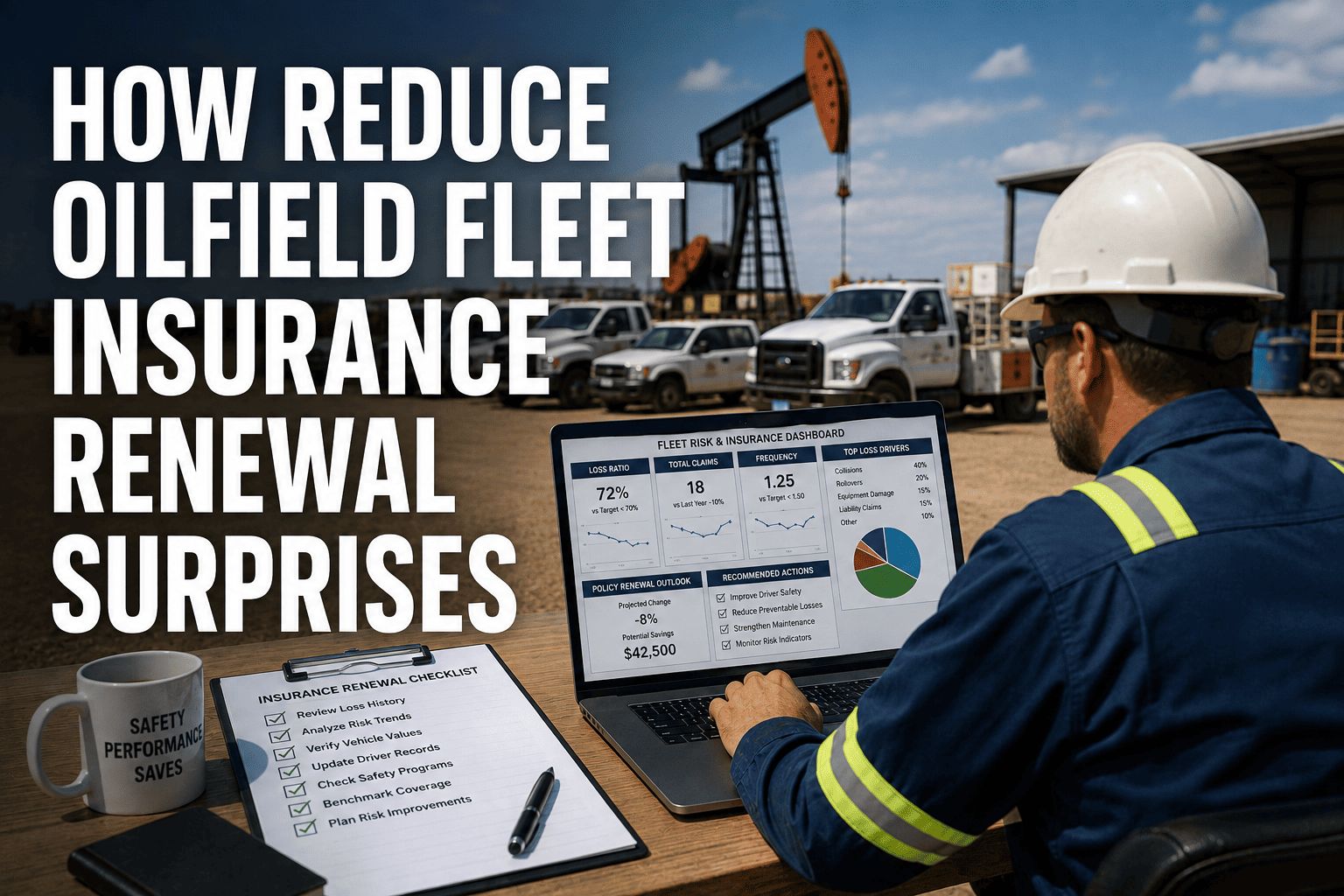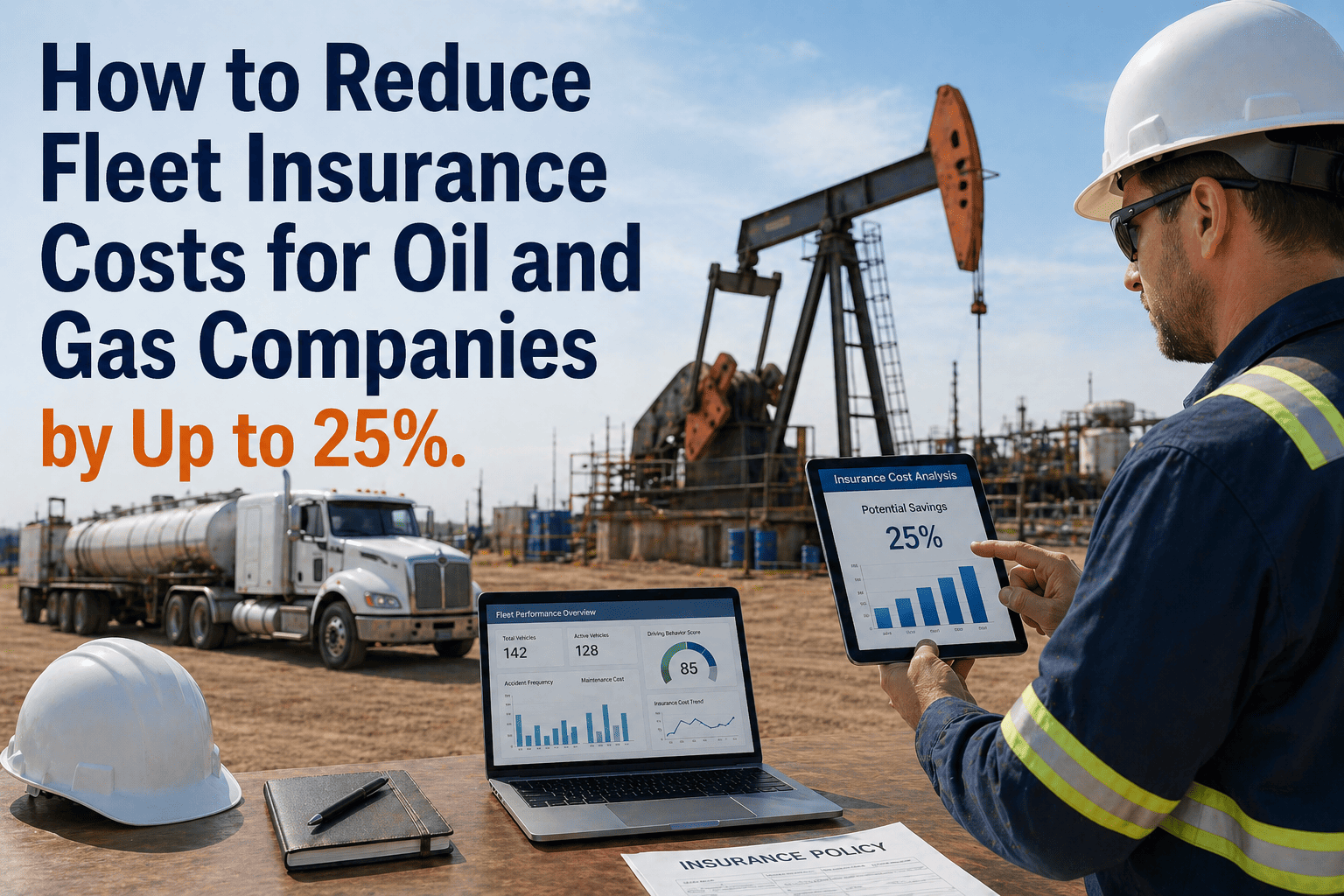
Oil and gas fleet operators face mounting pressure to reduce insurance premiums while maintaining rigorous safety standards across remote, high-risk operational environments. Traditional approaches to fleet insurance rely on historical loss data and generic industry benchmarks that fail to capture the nuanced risk profiles of specialized oilfield vehicles operating in challenging terrain. FleetRabbit enables operators to leverage real-time telematics data, AI-powered driver behavior analytics, and automated incident documentation to demonstrably reduce risk exposure — positioning fleets for insurance premium reductions of 18-25% through data-backed negotiations with carriers. A Permian Basin contractor managing 220 heavy-duty vehicles achieved a 22% premium reduction within 14 months by implementing FleetRabbit's driver scoring system, GPS-backed incident reports, and predictive maintenance alerts that collectively reduced preventable incidents by 54% and eliminated documentation gaps during claims investigations. This strategic guide explores how oil and gas fleet executives can transform insurance cost management from reactive premium acceptance to proactive risk optimization using integrated fleet intelligence platforms. Schedule consultation to evaluate your fleet's insurance optimization potential.
Reduce Oil & Gas Fleet Insurance Costs by Up to 25%
How telematics-backed safety data, driver behavior analytics, and automated incident documentation enable fleet executives to negotiate lower premiums while strengthening risk management protocols
Why Oil & Gas Fleets Pay Premium Insurance Rates
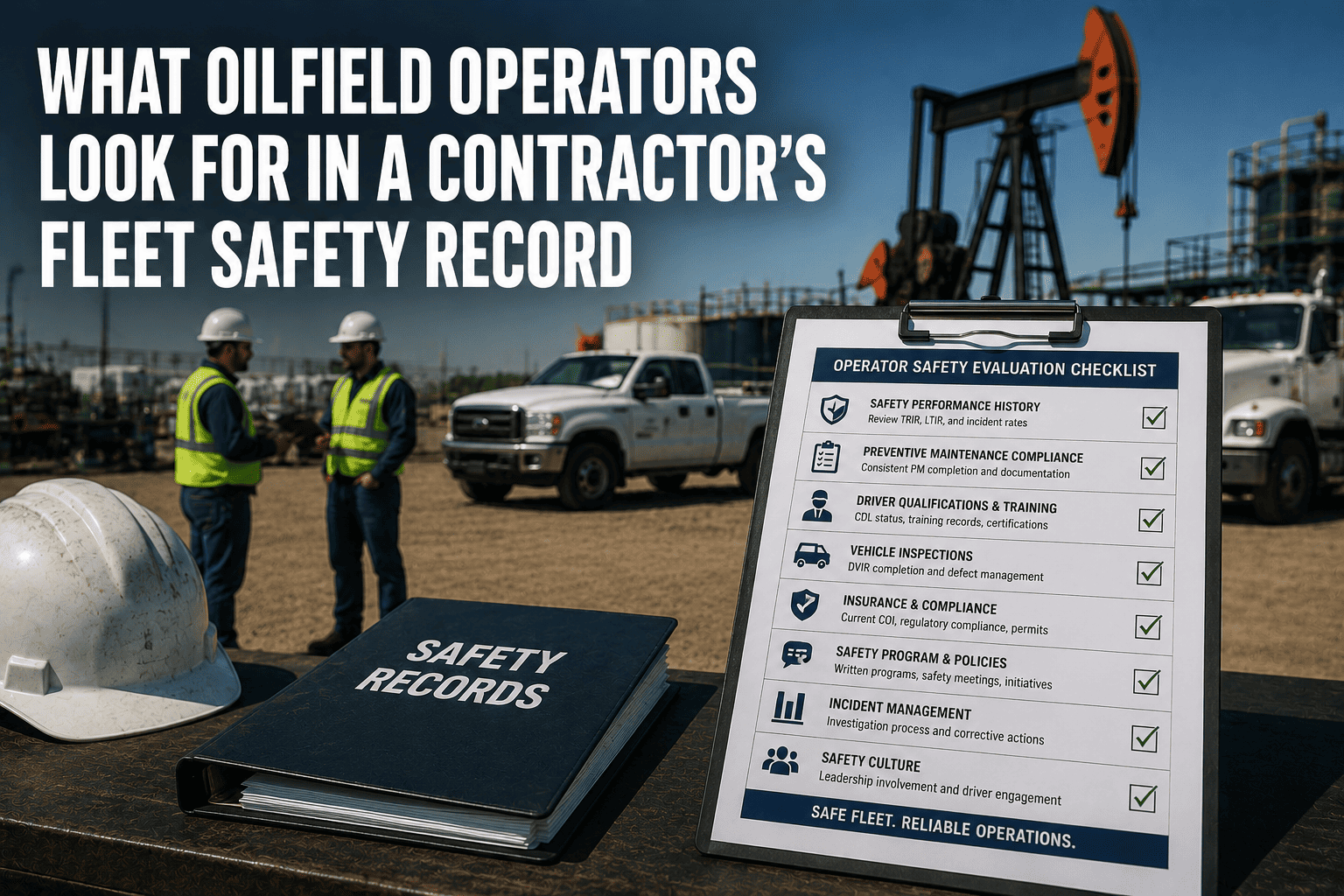
Insurance carriers assess oil and gas fleet risk using limited historical data, generic industry loss ratios, and manual documentation processes that often fail to capture operational improvements or proactive safety investments. Without verifiable, real-time evidence of risk mitigation efforts, fleet managers struggle to demonstrate reduced exposure during premium negotiations — resulting in higher costs that persist despite genuine safety enhancements.
Insufficient Risk Documentation
Paper-based incident reports, delayed DVIR submissions, and fragmented maintenance records prevent carriers from verifying safety improvements, forcing reliance on conservative industry averages rather than fleet-specific performance data.
Unverified Driver Performance
Without objective telematics data on acceleration, braking, and speed patterns, carriers cannot differentiate between high-risk and safety-focused drivers, applying uniform premium adjustments across entire fleets.
Reactive Claims Management
Delayed incident reporting and incomplete evidence collection extend claims resolution timelines, increase settlement costs, and negatively impact loss ratio calculations used for premium renewal decisions.
Limited Negotiation Leverage
Fleet executives lack quantifiable metrics demonstrating risk reduction initiatives, weakening their position during premium negotiations and preventing access to usage-based or performance-linked insurance products.
Transform Insurance Cost Management with Verifiable Safety Data
FleetRabbit provides the telematics infrastructure, analytics engine, and documentation automation needed to generate carrier-ready evidence of risk reduction — enabling data-driven premium negotiations and access to innovative insurance products designed for high-performing fleets.
Access Insurance Optimization ToolsFour Capabilities That Directly Reduce Insurance Exposure
FleetRabbit's integrated platform delivers specific functionalities designed to address insurance carrier risk assessment criteria while generating actionable insights for fleet safety improvement. Each capability produces verifiable data that strengthens premium negotiation positions and supports long-term risk management strategy.
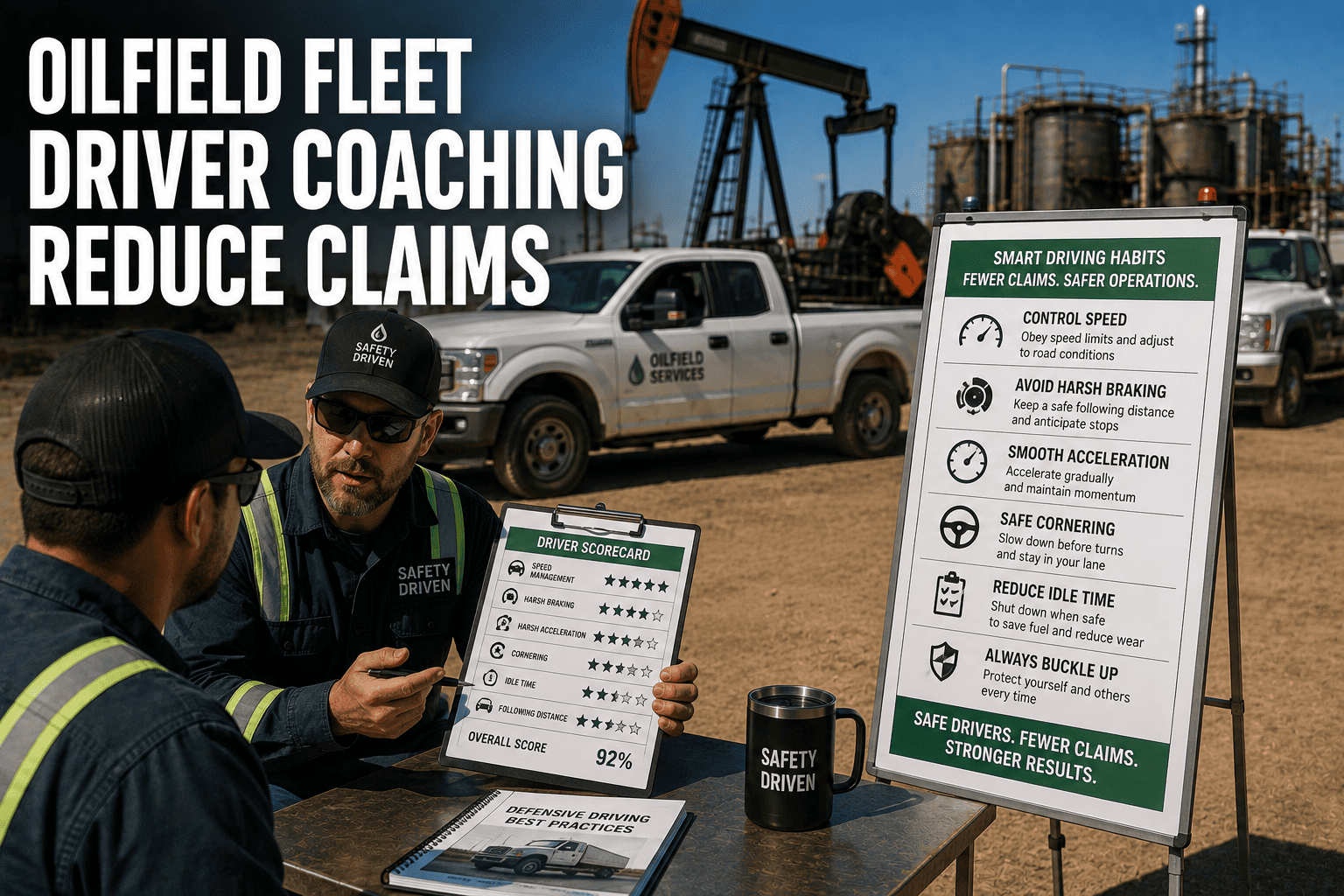
AI-Powered Driver Risk Scoring
Continuous monitoring of acceleration, braking, cornering, and speed patterns generates individual driver risk scores updated in real-time. High-risk behaviors trigger immediate coaching alerts while aggregate fleet scores provide carrier-ready evidence of safety program effectiveness.
- Individual driver risk profiles with trend analysis
- Automated coaching recommendations for behavior improvement
- Carrier-exportable safety performance reports
- Integration with training completion tracking
GPS-Backed Incident Documentation
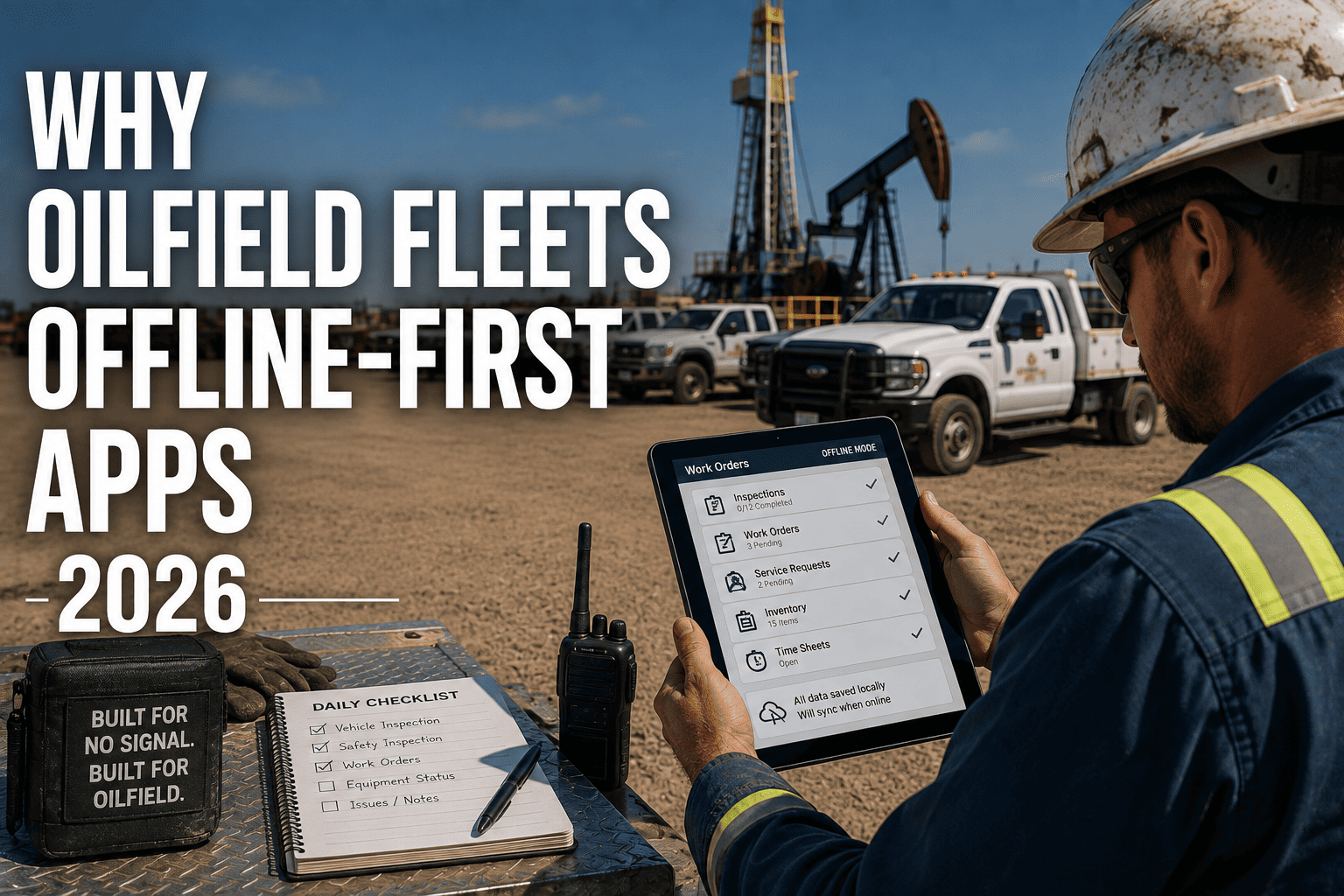
Automatic capture of location, speed, time, and vehicle diagnostics at moment of incident creates tamper-evident evidence package. Photo documentation with geotags and timestamps accelerates claims investigation while reducing dispute-related costs.
- Instant incident alerts with full vehicle telemetry
- Photo/video capture with metadata verification
- Automated witness statement collection workflows
- Carrier portal integration for seamless claims submission
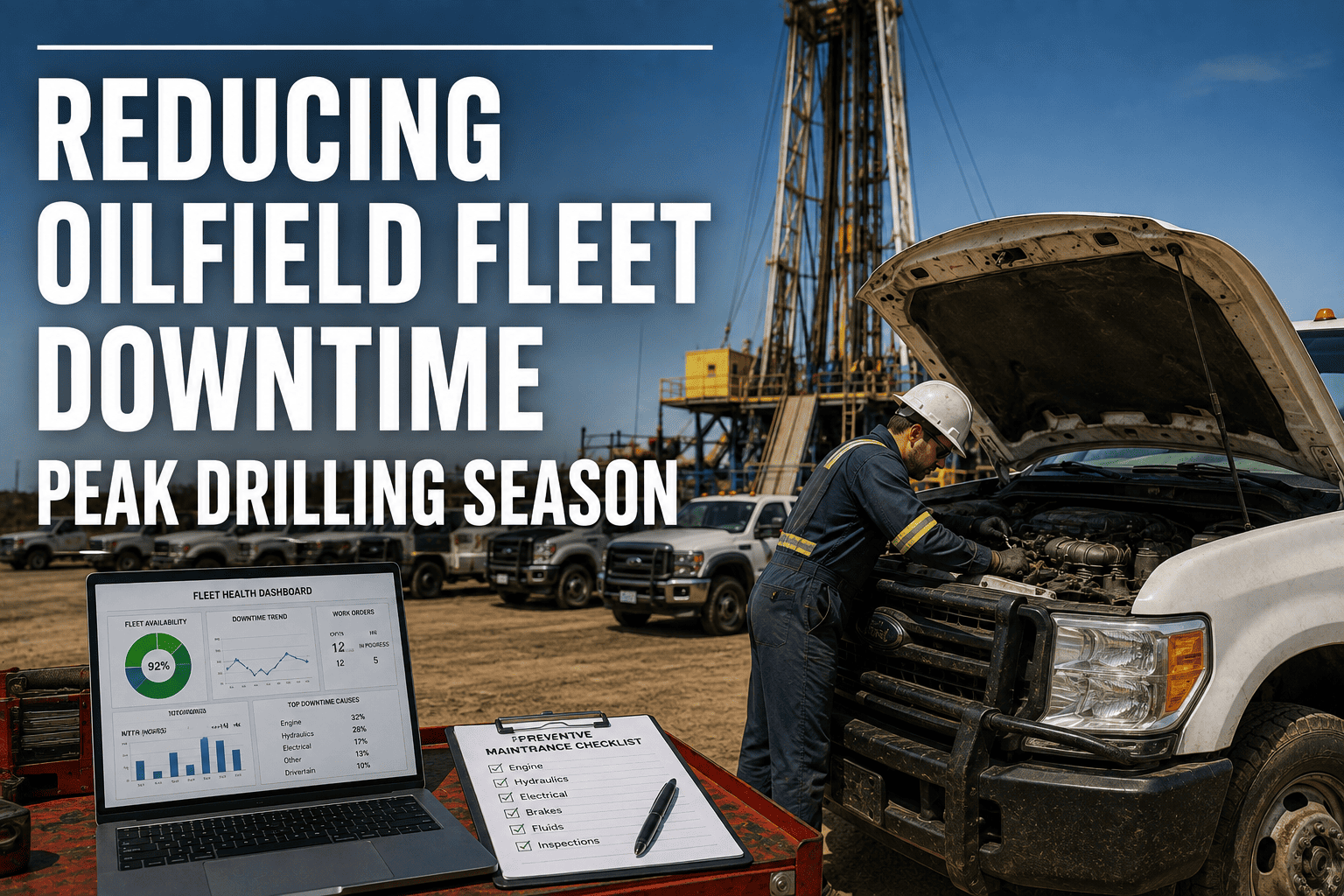
Predictive Maintenance Alerts
AI analysis of fault codes, sensor data, and maintenance history predicts component failures before they cause breakdowns or safety incidents. Proactive maintenance scheduling demonstrates operational diligence to insurance underwriters.
- Failure prediction 7-30 days in advance with 89% accuracy
- Maintenance compliance tracking with automated reminders
- Vehicle condition reports for carrier risk assessments
- Integration with certified repair facility networks
Executive Risk Analytics Dashboard
Consolidated view of fleet safety metrics, incident trends, and risk reduction initiatives enables data-driven conversations with insurance carriers. Customizable reports align with carrier underwriting criteria for maximum negotiation impact.
- Real-time fleet risk score with historical trend analysis
- Carrier-specific report templates for premium reviews
- Benchmark comparisons against industry peer groups
- ROI calculator demonstrating insurance savings from safety investments
Insurance carriers increasingly require telematics-verified safety data to qualify for preferred premium tiers. FleetRabbit generates carrier-ready documentation automatically. Request a carrier integration assessment for your fleet.
Four-Phase Approach to Insurance Cost Reduction
Successful insurance optimization requires systematic deployment of telematics capabilities aligned with carrier underwriting cycles. This phased approach minimizes operational disruption while building verifiable evidence of risk reduction for maximum premium negotiation impact.
Baseline Assessment & Data Collection
Deploy telematics hardware across priority vehicle groups to establish current risk profile. Capture 60-90 days of baseline driving behavior, incident frequency, and maintenance patterns to quantify improvement opportunities.
Targeted Safety Interventions
Implement driver coaching programs for high-risk behaviors, automate maintenance alerts for critical components, and establish incident response protocols that capture complete evidence packages at moment of occurrence.
Performance Verification & Reporting
Generate carrier-ready reports demonstrating measurable improvements in driver behavior, incident frequency, and maintenance compliance. Align reporting format with specific underwriter requirements for maximum impact.
Continuous Optimization & Renewal Strategy
Maintain ongoing monitoring of risk metrics while preparing annual renewal documentation that highlights sustained improvements. Explore usage-based insurance products that reward verified safety performance with dynamic premium structures.
Quantify Your Fleet's Insurance Savings Potential
FleetRabbit Integrates with Leading Insurance Providers
Major insurance carriers serving the oil and gas sector increasingly accept telematics-verified data for premium calculations. FleetRabbit maintains pre-built integrations with leading providers to streamline data submission and accelerate premium adjustment approvals.
Direct data feeds enable participation in pay-how-you-drive programs that reward verified safe driving with immediate premium adjustments rather than waiting for annual renewal cycles.
Carrier risk engineers access anonymized fleet analytics to provide targeted safety recommendations, strengthening the partnership between operator and insurer.
Automated incident data submission reduces claims processing time by 60-75%, accelerating settlement and improving cash flow during recovery periods.
Transform Fleet Risk Management into Insurance Cost Advantage
FleetRabbit delivers the telematics infrastructure, analytics intelligence, and carrier-ready documentation needed to reduce oil and gas fleet insurance premiums by 18-25% — all within a unified platform priced at $3/vehicle/month with no professional services fees or hidden implementation charges.