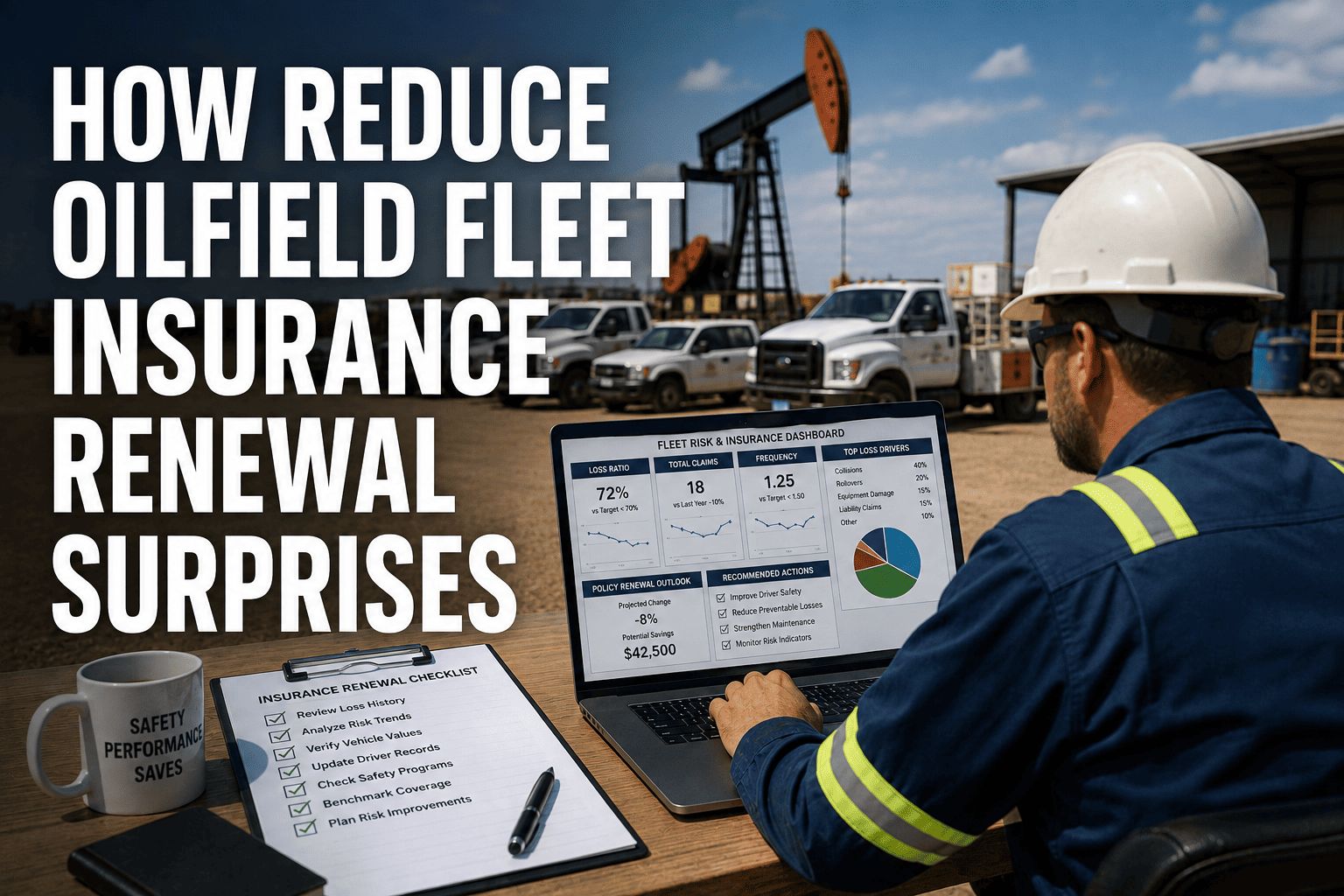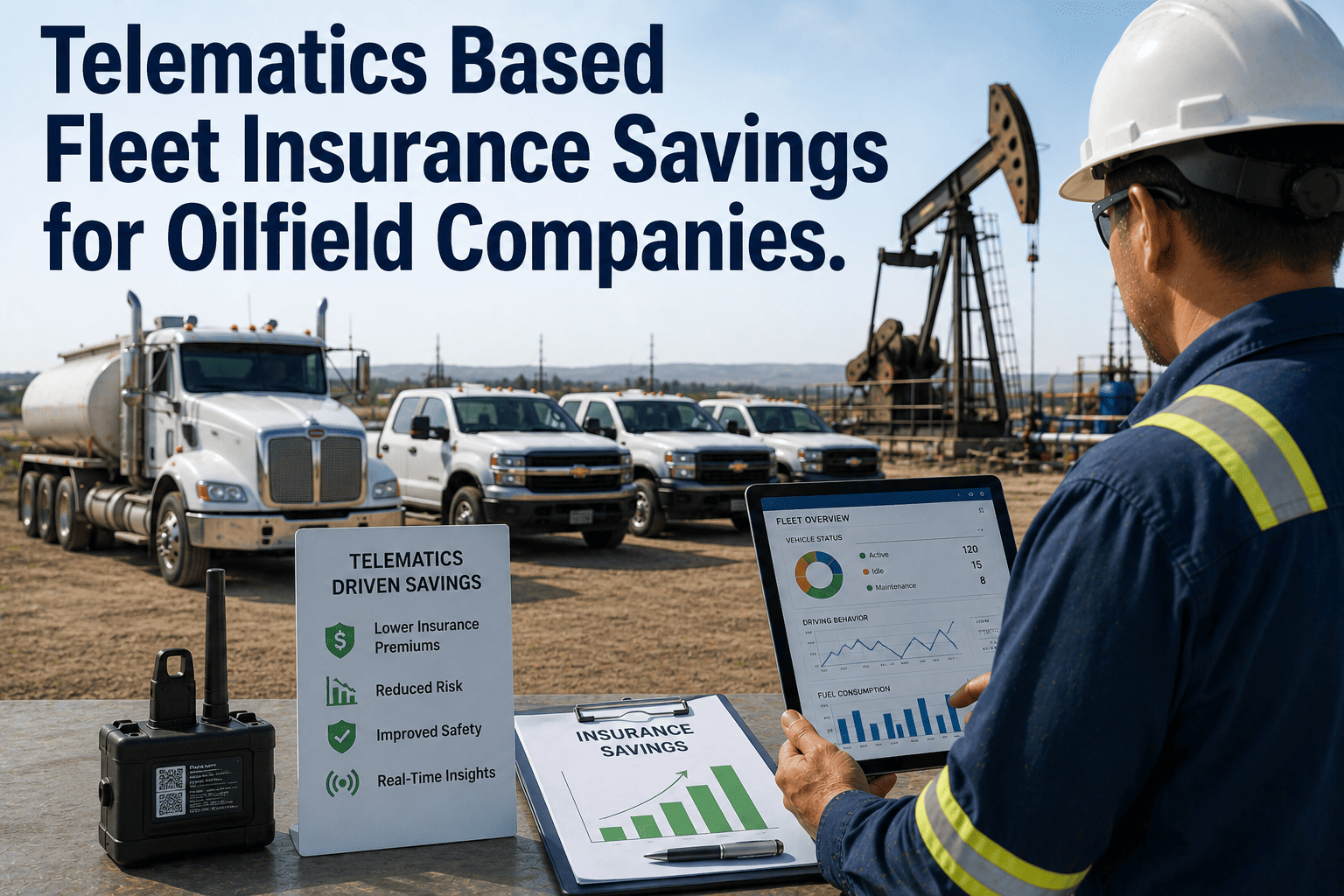
Insurance premiums for oilfield fleet operations represent one of the largest fixed cost categories that fleet managers can influence through operational data — yet most operators lack the telematics-driven risk documentation required to negotiate meaningful premium reductions with carriers. Telematics systems that capture driver behavior patterns, equipment utilization metrics, maintenance compliance records, and incident response timelines provide the verifiable risk mitigation evidence that insurance underwriters require to justify lower rates for oilfield fleets operating in high-hazard environments. FleetRabbit's integrated telematics platform transforms routine fleet operations data into insurance-grade risk documentation — enabling oilfield companies to demonstrate proactive safety management, quantify risk reduction initiatives, and secure premium discounts that directly improve fleet P&L performance without compromising operational capability or coverage scope. This guide details how telematics-based risk intelligence translates to measurable insurance savings, the documentation frameworks carriers require for premium adjustments, and the FleetRabbit capabilities that enable oilfield operators to convert operational data into insurance cost reduction outcomes. Book a demo to review FleetRabbit's insurance savings framework for your fleet operation.
Telematics Based Fleet Insurance Savings for Oilfield Companies
Convert operational telematics data into insurance-grade risk documentation. FleetRabbit enables oilfield fleets to demonstrate proactive safety management, quantify risk reduction initiatives, and secure premium discounts through verifiable driver behavior analytics, maintenance compliance records, and incident response documentation that carriers require for rate adjustments.
Why Oilfield Fleet Insurance Costs Exceed Highway Commercial Fleet Rates — And How Telematics Documentation Changes the Calculation
Oilfield fleet insurance premiums reflect the elevated risk profile of operations conducted on unpaved lease roads, remote well pad locations, high-load equipment transport, and time-sensitive production schedules. Without telematics-based risk documentation, carriers apply conservative rating assumptions that price for worst-case scenarios rather than verified operational controls. FleetRabbit enables operators to replace assumption-based pricing with evidence-based risk assessment.
Remote Location Risk Premium
Fleet operations conducted 60–120 miles from emergency response infrastructure carry elevated liability exposure that carriers price conservatively without verifiable mitigation controls. Telematics documentation of GPS-tracked vehicle positions, emergency contact protocols, and incident response timelines demonstrates proactive risk management that justifies premium adjustment.
Driver Behavior Uncertainty
Carriers price oilfield fleet policies assuming elevated accident probability from aggressive driving, fatigue-related incidents, and unfamiliarity with lease road conditions — assumptions that persist without telematics data demonstrating actual driver behavior patterns and coaching intervention effectiveness.
Maintenance Compliance Documentation Gaps
Equipment failure-related incidents represent significant liability exposure for oilfield fleets. Without systematic maintenance compliance documentation, carriers cannot verify that operators follow preventive maintenance schedules that reduce mechanical failure probability — resulting in conservative pricing that assumes higher failure rates.
Convert Operational Data Into Carrier-Ready Risk Evidence
FleetRabbit's insurance documentation module transforms routine telematics data into the structured evidence packages that insurance underwriters require to justify premium reductions — driver behavior trend reports, maintenance compliance archives, incident response timelines, and risk mitigation certification documentation generated automatically from your fleet's operational data.
FleetRabbit Telematics Documentation for Finance, Risk, and Operations Leadership
Proactive Risk Mitigation Evidence for Carrier Negotiations
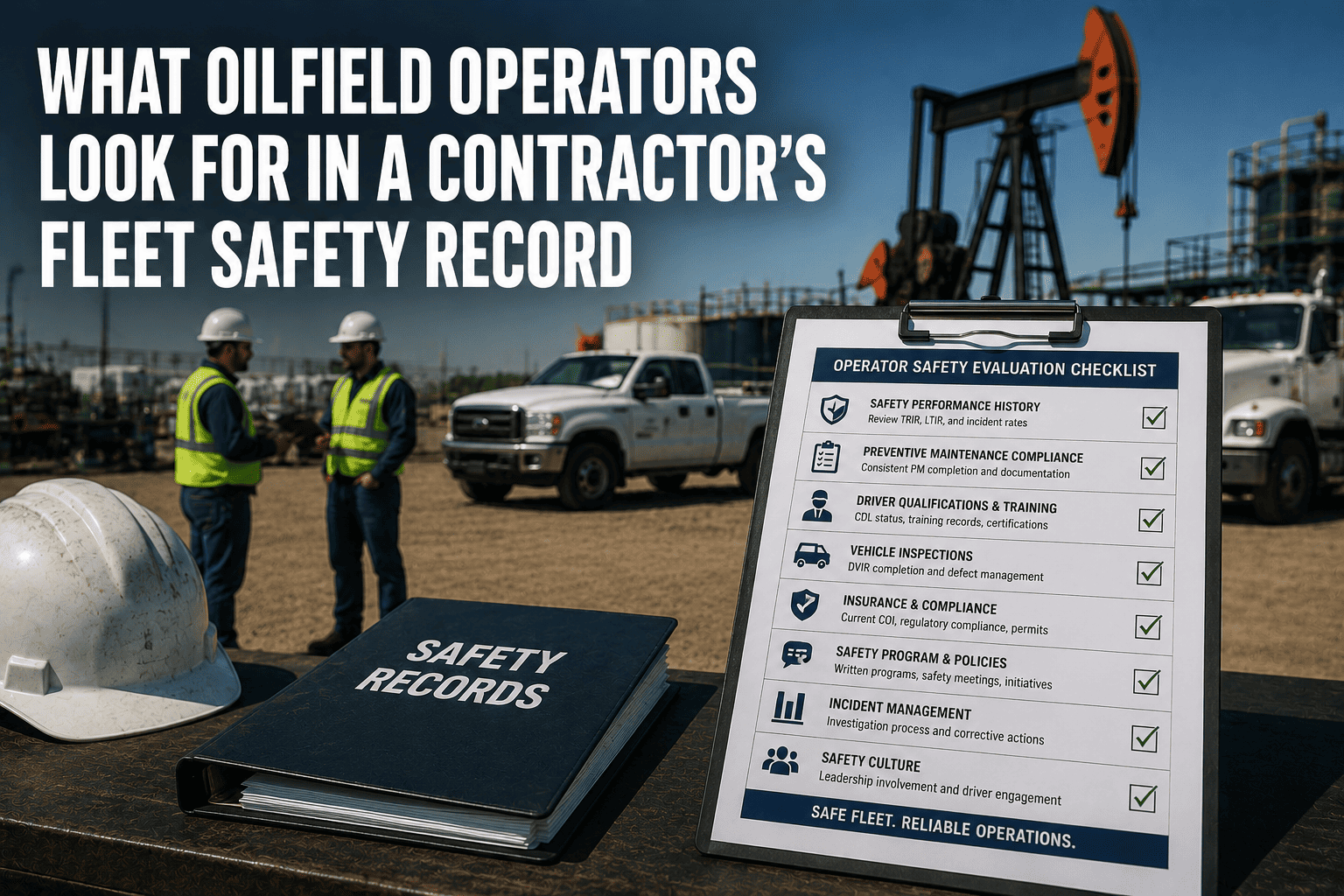
FleetRabbit generates structured risk mitigation reports documenting driver coaching program completion rates, maintenance compliance percentages, and incident response protocol adherence — the specific evidence categories insurance underwriters require to justify premium adjustments. Reports include before/after risk metric comparisons and trend analysis demonstrating sustained improvement rather than temporary compliance.
Insurance Cost Forecasting With Verified Savings Trajectory
FleetRabbit's insurance savings dashboard projects premium reduction timelines based on documented risk improvement metrics, enabling finance teams to incorporate verified insurance savings into annual budget forecasts. Historical savings data supports capital allocation decisions by demonstrating the ROI of telematics investment through reduced insurance expenditure.
Portfolio Risk Visibility Without Manual Data Consolidation
Live dashboards show risk metric trending per site, driver behavior scores per vehicle class, and maintenance compliance status across dispersed oilfield operations — updated continuously without field supervisor data assembly. Operations leaders identify underperforming assets, validate contractor compliance with safety policies, and prioritize coaching interventions based on risk deviation from baseline.
Incident Investigation Efficiency Through Automated Evidence Assembly
When incidents occur, FleetRabbit automatically compiles GPS position history, driver behavior logs, maintenance records, and witness statement documentation into a carrier-ready investigation package. HSE teams receive investigation-ready evidence in minutes rather than assembling data from multiple systems over 3–4 hours — accelerating claims resolution and reducing legal exposure.
How FleetRabbit's Platform Features Translate to Measurable Insurance Premium Reduction
Driver Behavior Analytics With Coaching Verification
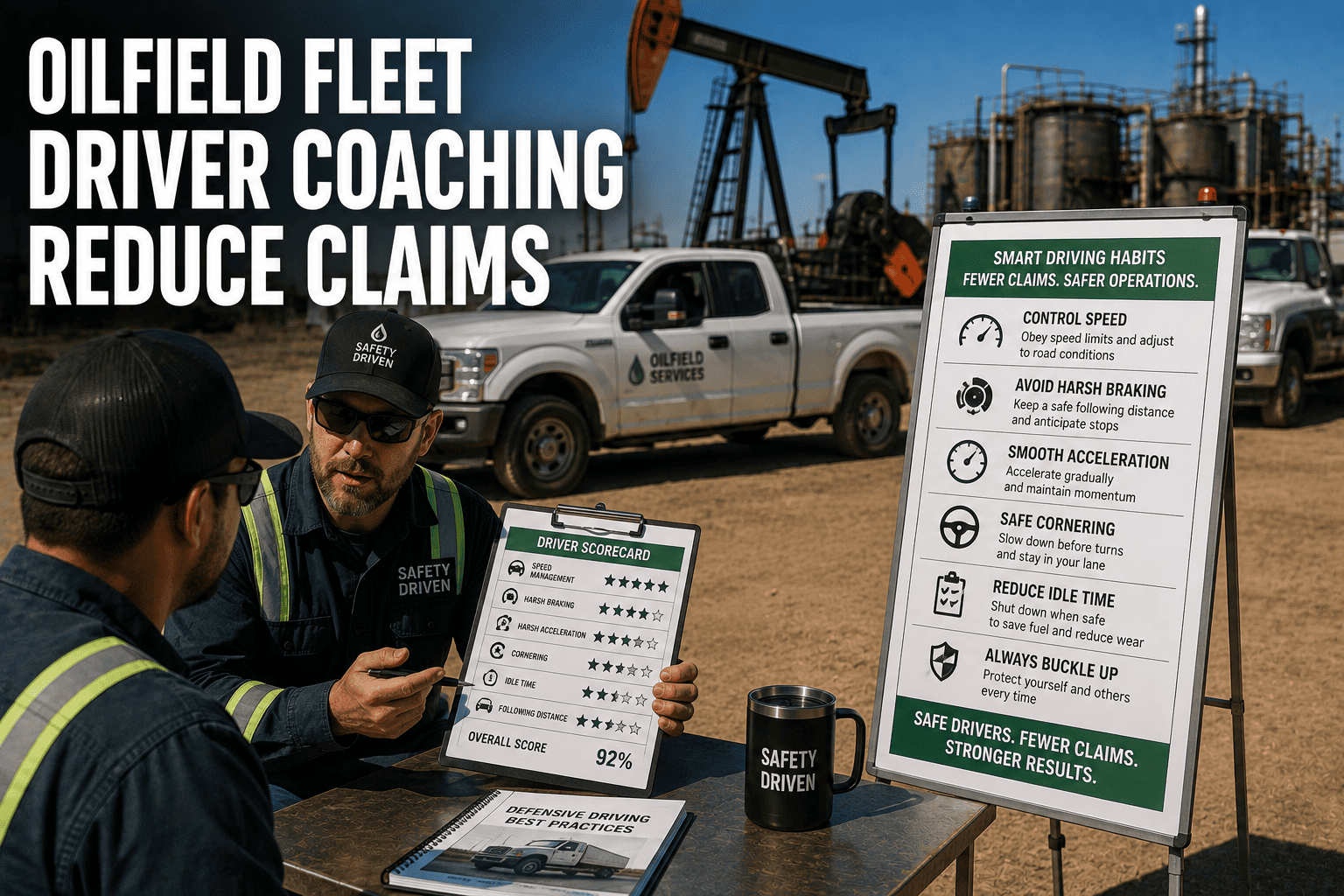
FleetRabbit quantifies risk-relevant driver behaviors — hard braking events, overspeed incidents on unpaved lease roads, excessive idle time, and aggressive acceleration patterns — per driver and per vehicle. Coaching intervention tracking documents when and how behavior corrections were delivered, creating the evidence chain carriers require to verify that risk reduction initiatives produce sustained behavioral change rather than temporary compliance.
Maintenance Compliance Documentation With Photographic Verification
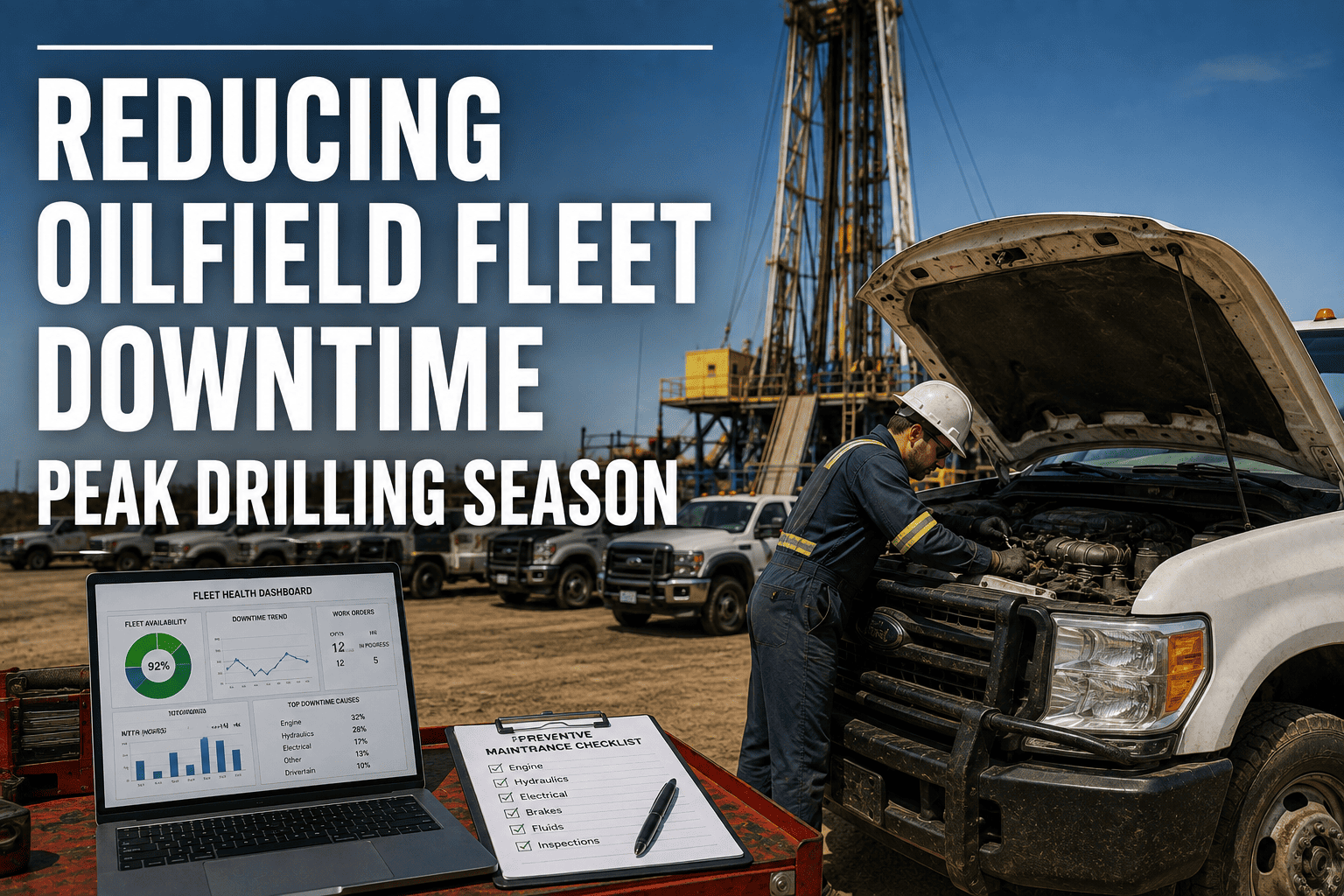
Digital inspection workflows require systematic examination of every DOT-required and operator-specified inspection category before submission, with mandatory photographic documentation for identified defects. Completed inspection records create the maintenance compliance archive carriers require to verify proactive equipment risk management — with GPS-verified completion timestamps and technician certification records that satisfy audit standards.
Incident Response Timeline Reconstruction for Claims Efficiency
When incidents occur, FleetRabbit automatically compiles GPS position history, vehicle speed profiles, driver behavior logs immediately preceding the event, and maintenance status at time of incident into a structured investigation package. This evidence accelerates claims resolution by eliminating factual disputes about vehicle location, operating conditions, and equipment status — reducing legal exposure and enabling faster settlement at favorable terms.
Risk Metric Trend Reporting for Premium Negotiation Support
FleetRabbit aggregates driver behavior scores, maintenance compliance percentages, and incident frequency data into executive-ready trend reports that demonstrate sustained risk improvement over time. These reports provide the quantitative evidence insurance underwriters require to justify premium adjustments — moving negotiations from subjective risk assessment to data-driven rate calculation.
Secure 15–30% Insurance Premium Reduction Through Verifiable Risk Documentation — Starting This Quarter
FleetRabbit transforms your fleet's routine telematics data into the structured evidence packages that insurance underwriters require to justify premium reductions. With driver behavior analytics, maintenance compliance documentation, incident response timelines, and risk metric trending generated automatically from operational data, oilfield operators can negotiate evidence-based rate adjustments that deliver measurable P&L improvement without compromising coverage scope or operational capability.