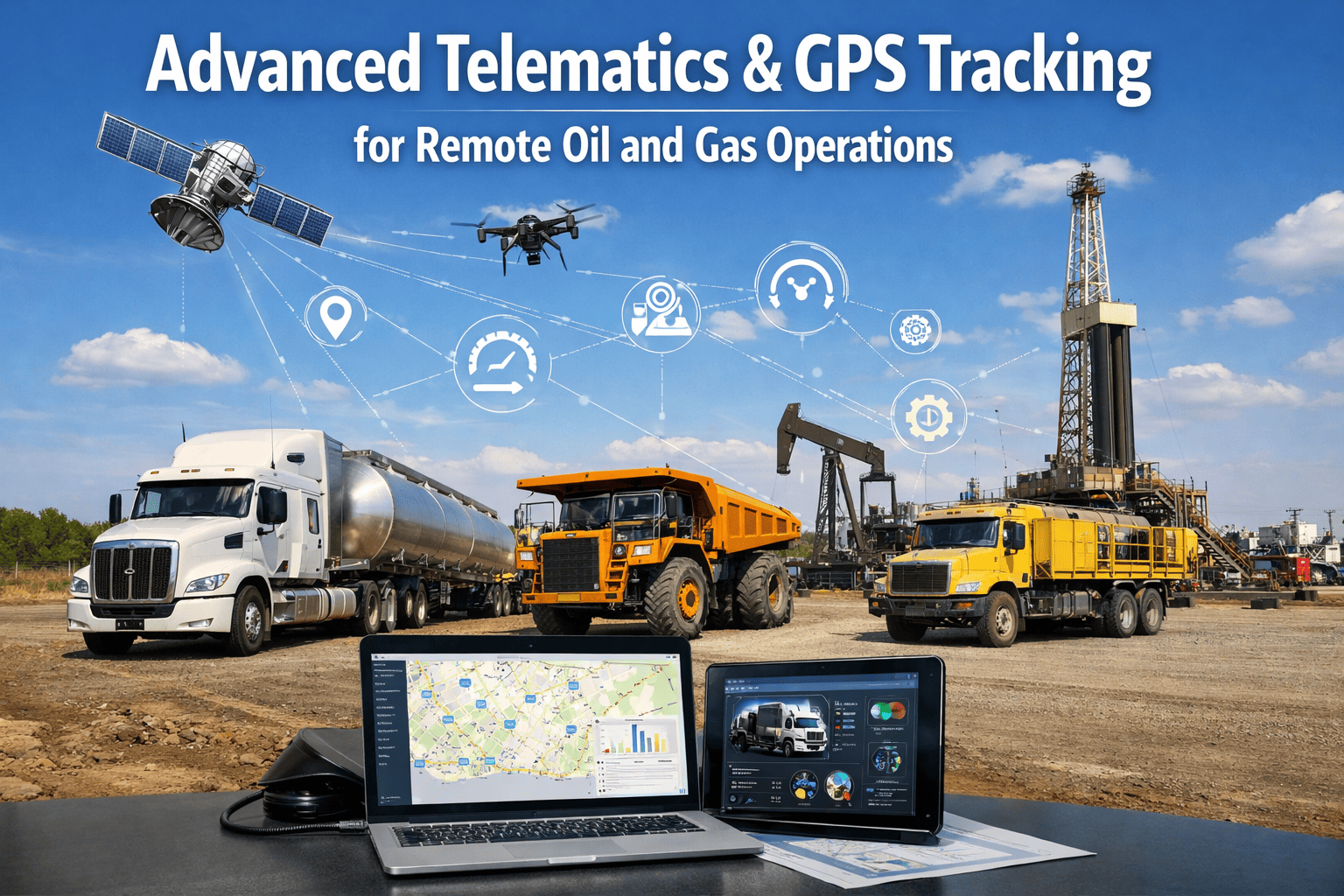
Remote oil and gas operations demand more than basic GPS tracking — they require intelligent telematics that deliver real-time visibility, predictive alerts, and compliance automation across dispersed wellpads, pipeline corridors, and production facilities where connectivity is intermittent and safety margins are narrow. When fleet managers cannot see which service truck is nearest to an urgent wellsite request, when HSE officers lack instant access to driver behaviour data during incident investigations, or when executives cannot correlate engine hours with maintenance costs for capital planning decisions, operational efficiency erodes and risk escalates. FleetRabbit's advanced telematics platform transforms raw location and vehicle data into actionable intelligence that supports safe, compliant, and profitable remote oilfield operations. Book a demo to see how FleetRabbit's telematics integration delivers visibility where it matters most.
Trends Guide
Telematics and GPS Tracking for Remote Oil and Gas Operations
REMOTE OPERATIONS INTELLIGENCE
Advanced Telematics for Remote Oil and Gas Fleets
FleetRabbit integrates GPS tracking, engine diagnostics, and driver behaviour analytics into a unified platform — enabling real-time visibility, predictive maintenance, and HSE compliance across the most challenging oilfield environments.
Real-Time Asset Visibility
Track every vehicle, rig, and mobile asset on interactive maps with location history, geofence alerts, and estimated time of arrival — even in zero-connectivity zones with offline sync capability.
Engine Health Monitoring
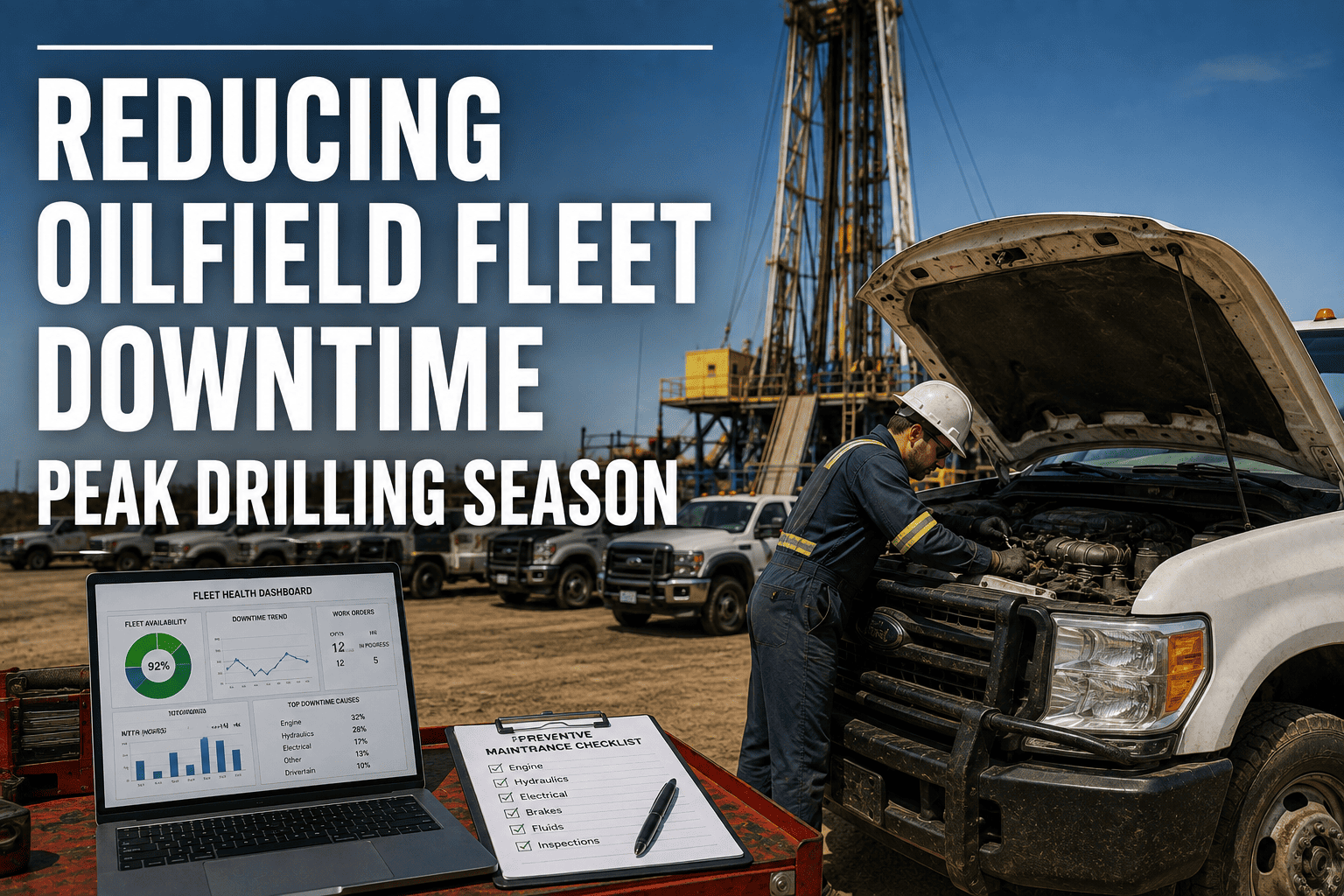
Ingest OBD-II fault codes, engine hour accumulation, and diagnostic trouble codes to trigger predictive maintenance alerts before minor issues become catastrophic failures.
Safety & Compliance Automation
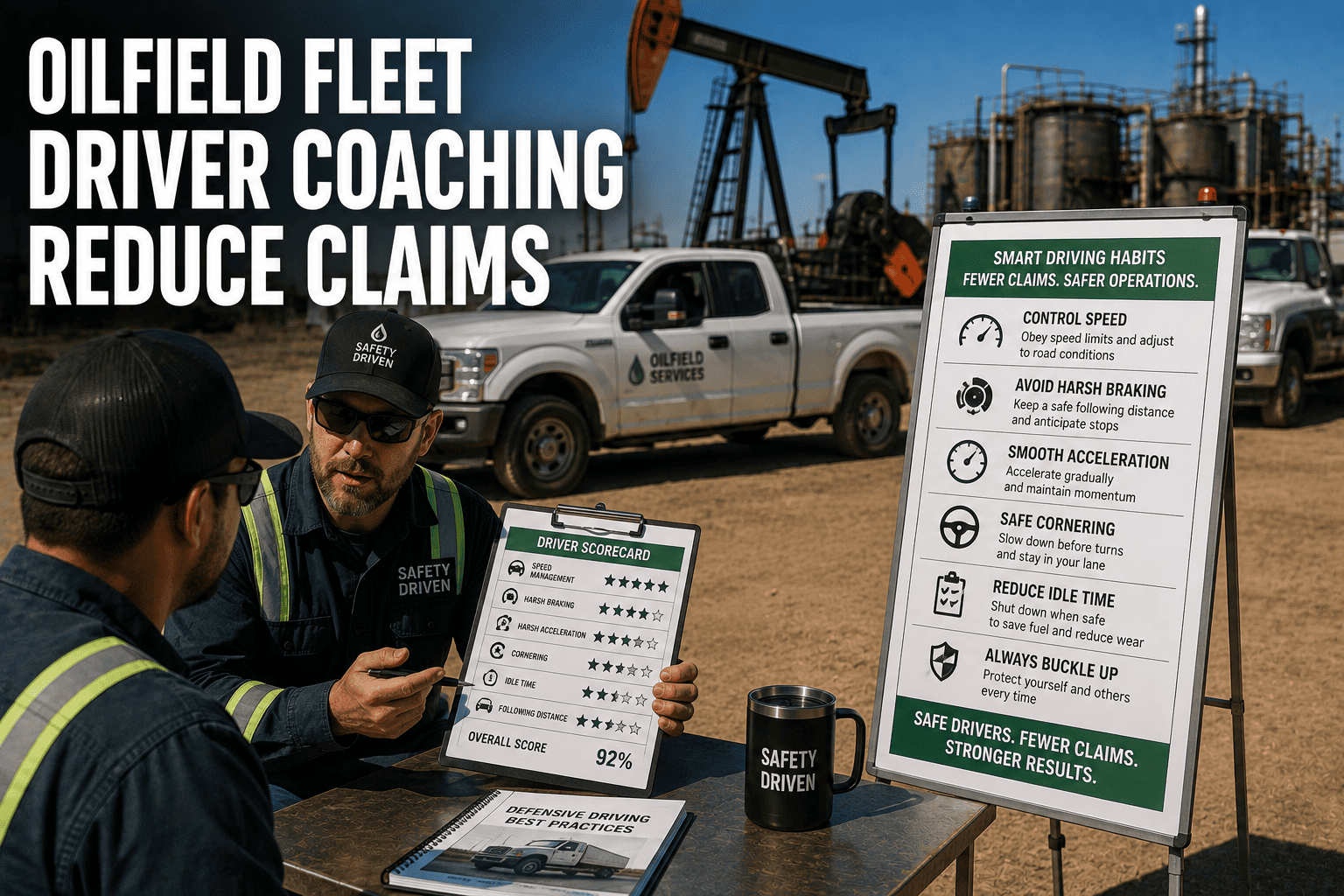
Monitor speeding, harsh braking, and idle time to coach drivers proactively. Automated alerts ensure certification expiry and inspection deadlines never slip through the cracks.
Executive Decision Intelligence
Portfolio-level dashboards show utilisation rates, cost-per-hour trends, and safety KPIs across all remote sites — enabling data-driven capital allocation and operational optimisation.
94%
Fleet visibility achieved across remote sites with intermittent connectivity
67%
Reduction in unplanned downtime through predictive telematics alerts
3.8x
Faster emergency response through real-time location intelligence
100%
Audit-ready telematics records with timestamped, geo-tagged evidence
Executive Overview
Oil and gas operators deploying FleetRabbit's telematics platform gain unprecedented visibility into remote fleet operations without relying on constant connectivity. By integrating GPS tracking, engine diagnostics, driver behaviour analytics, and compliance automation into a single platform, fleet managers can optimise dispatch, prevent equipment failures, and ensure HSE compliance — even when assets operate beyond cellular coverage. The result: safer operations, lower costs, and data-driven decisions that protect both personnel and profitability.
Why Telematics is Critical for Remote Oilfield Operations
Remote oil and gas operations present unique challenges that standard commercial telematics cannot address: intermittent or absent cellular coverage, extreme environmental conditions, hazardous material transport requirements, and stringent client-specific HSE protocols. Basic GPS tracking provides location but not intelligence — leaving fleet managers blind to engine health, driver behaviour, and compliance status until problems escalate.
FleetRabbit's oilfield-optimized telematics platform solves this by combining offline-capable data collection, predictive analytics, and automated compliance workflows. Assets continue logging critical data without connectivity; records sync automatically when signal returns. Predictive algorithms flag developing issues before they cause downtime. Compliance rules enforce client-specific requirements at dispatch — preventing gate rejections and operational delays.
01
Prevent Catastrophic Failures
Engine diagnostics and fluid analysis integration detect bearing wear, coolant leaks, and transmission issues weeks before failure — enabling planned intervention instead of emergency extraction.
02
Optimise Remote Dispatch
Real-time location visibility identifies nearest qualified crew for urgent wellpad requests, reducing response time by 40%+ and eliminating unnecessary fuel consumption from blind search patterns.
03
Ensure HSE Compliance
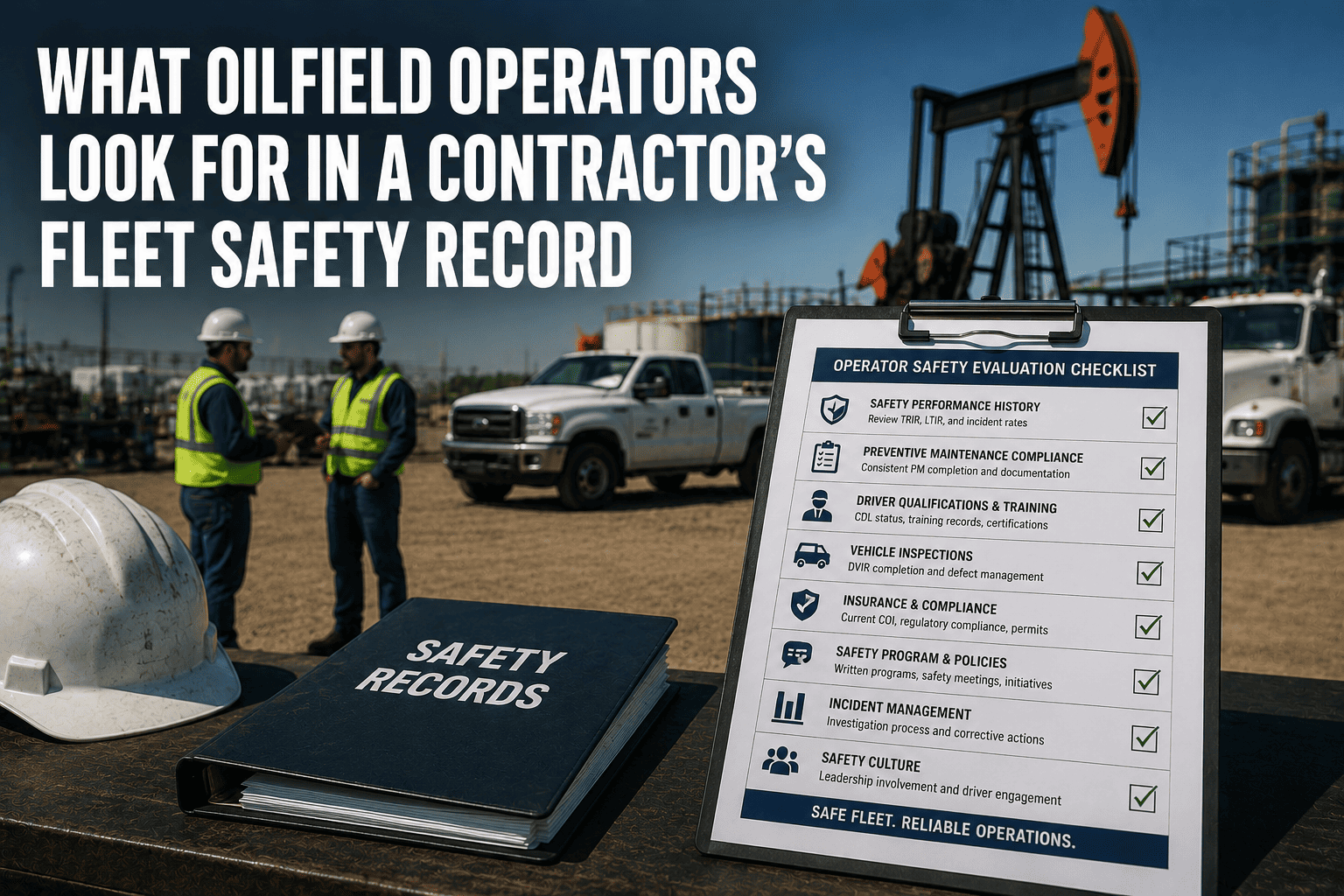
Automated tracking of certifications, inspections, and safety equipment status prevents dispatch of personnel or vehicles with lapsed credentials — protecting contracts and reputation.
04
Enable Data-Driven Decisions
Executive dashboards consolidate telematics, maintenance, and compliance data into actionable insights for capital planning, fleet right-sizing, and operational strategy.
What is Telematics in Oil & Gas
Beyond Basic GPS Tracking
Oil and gas telematics integrates multiple data streams: GPS location, engine diagnostics (OBD-II), driver behaviour sensors, fluid analysis results, and compliance records. This unified view enables predictive maintenance, safety coaching, and operational optimisation that basic location tracking cannot deliver.
Seamless System Integration
FleetRabbit connects with major telematics providers (Geotab, Samsara, Verizon Connect) via native APIs. Data flows automatically into inspection workflows, maintenance scheduling, and compliance tracking — eliminating manual data reconciliation and spreadsheet errors.
Offline-First Architecture
Assets operating beyond cellular coverage continue logging location, engine hours, and diagnostic data locally. Records sync automatically when connectivity returns, maintaining complete audit trails without data gaps or manual reconstruction.
Key Challenges in Remote Operations — And How FleetRabbit Solves Them
Problem: Remote wellpads and pipeline corridors often lack reliable cellular coverage, causing data gaps in basic telematics platforms.
Solution: Offline-first mobile app stores all location, diagnostic, and inspection data locally. Automatic sync when connectivity returns preserves complete records with accurate timestamps for audit integrity.
Problem: Basic telematics show location but not engine health, leaving managers unaware of developing mechanical issues until failure occurs.
Solution: Integrated OBD-II diagnostics, fluid analysis trending, and vibration monitoring trigger predictive alerts 3–6 weeks before critical thresholds — enabling planned intervention instead of emergency repair.
Problem: Multiple client HSE requirements, regulatory standards, and certification expiry dates create compliance risk when managed manually.
Solution: Centralised certification register with multi-stage expiry alerts (60/30/7 days) and site-specific rule enforcement prevents dispatch of personnel or vehicles with lapsed credentials.
Problem: Disconnected data systems prevent leadership from seeing fleet-wide performance trends, utilisation patterns, and cost drivers.
Solution: Unified executive dashboard consolidates telematics, maintenance, compliance, and financial data into actionable KPIs — enabling strategic decisions based on complete, real-time intelligence.
FleetRabbit Telematics: Solutions for Leadership
For Fleet Managers
Real-time asset location, engine health alerts, and driver behaviour insights enable proactive dispatch and maintenance scheduling. Offline capability ensures complete data capture even in zero-signal zones.
For HSE Officers
Automated compliance tracking, incident documentation with geo-tagged evidence, and safety alert escalation protect personnel and satisfy client audit requirements without manual report assembly.
For Operations Directors
Portfolio-level dashboards show utilisation rates, cost-per-hour trends, and safety KPIs across all remote sites — enabling strategic decisions on fleet right-sizing and capital allocation.
For Finance Leaders
Telematics data integrated with maintenance and compliance costs reveals true asset economics. Predictive alerts reduce emergency repair premiums and extend component life for measurable ROI.
Deployment Outcomes: Remote Operations Performance
67%
Reduction in Unplanned Downtime
Through predictive telematics alerts enabling planned intervention before failure
40%
Faster Remote Dispatch
Real-time location visibility identifies nearest qualified crew for urgent requests
94%
Data Completeness
Offline-first architecture ensures no gaps in telematics records despite intermittent connectivity
1,842
Predictive alerts generated from telematics data, 91% actioned before failure
22
Remote sites managed from single unified telematics dashboard
0
Compliance violations related to expired credentials in 12 months
2.4x
ROI achieved within first year through reduced downtime and optimised dispatch
FAQ: Telematics for Remote Oilfield Operations
QHow does FleetRabbit handle telematics data in areas with no cellular coverage?
Offline-first architecture stores all location and diagnostic data locally on the device. Records sync automatically when connectivity returns, maintaining complete audit trails with accurate timestamps.
QCan FleetRabbit integrate with our existing telematics provider?
Yes. Native connectors support Geotab, Samsara, Verizon Connect, and other major providers. Data flows automatically into FleetRabbit workflows without custom development or manual export/import.
QWhat predictive alerts does the platform generate from telematics data?
Engine fault codes, fluid analysis trends, vibration anomalies, and driver behaviour patterns trigger alerts 3–6 weeks before critical thresholds — enabling planned maintenance instead of emergency repair.
QHow quickly can we deploy telematics integration across our remote fleet?
Most oilfield fleets achieve live telematics integration within 5–7 working days, including asset hierarchy configuration, alert rule setup, and crew onboarding — no lengthy professional services engagement required.
Transform Remote Operations with Intelligent Telematics
Deploy FleetRabbit's oilfield-optimized telematics to gain real-time visibility, prevent catastrophic failures, and ensure compliance across your most challenging remote operations — with offline capability that works where others fail.
Offline-First Data Collection
Predictive Maintenance Alerts
Real-Time Location Intelligence
Automated Compliance Tracking
Executive Dashboard Analytics
Native Telematics Integration
April 16, 2026
By David
All Posts