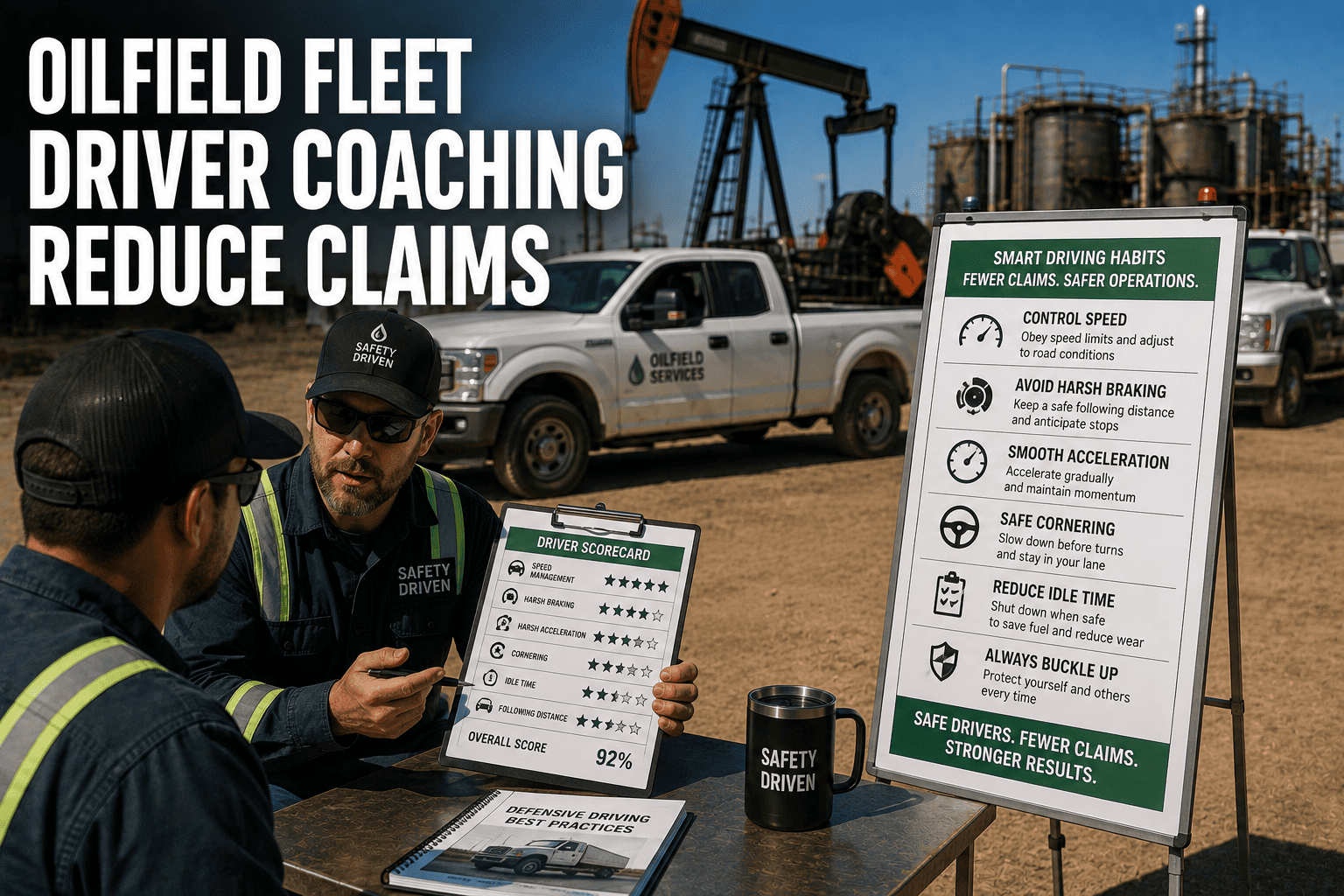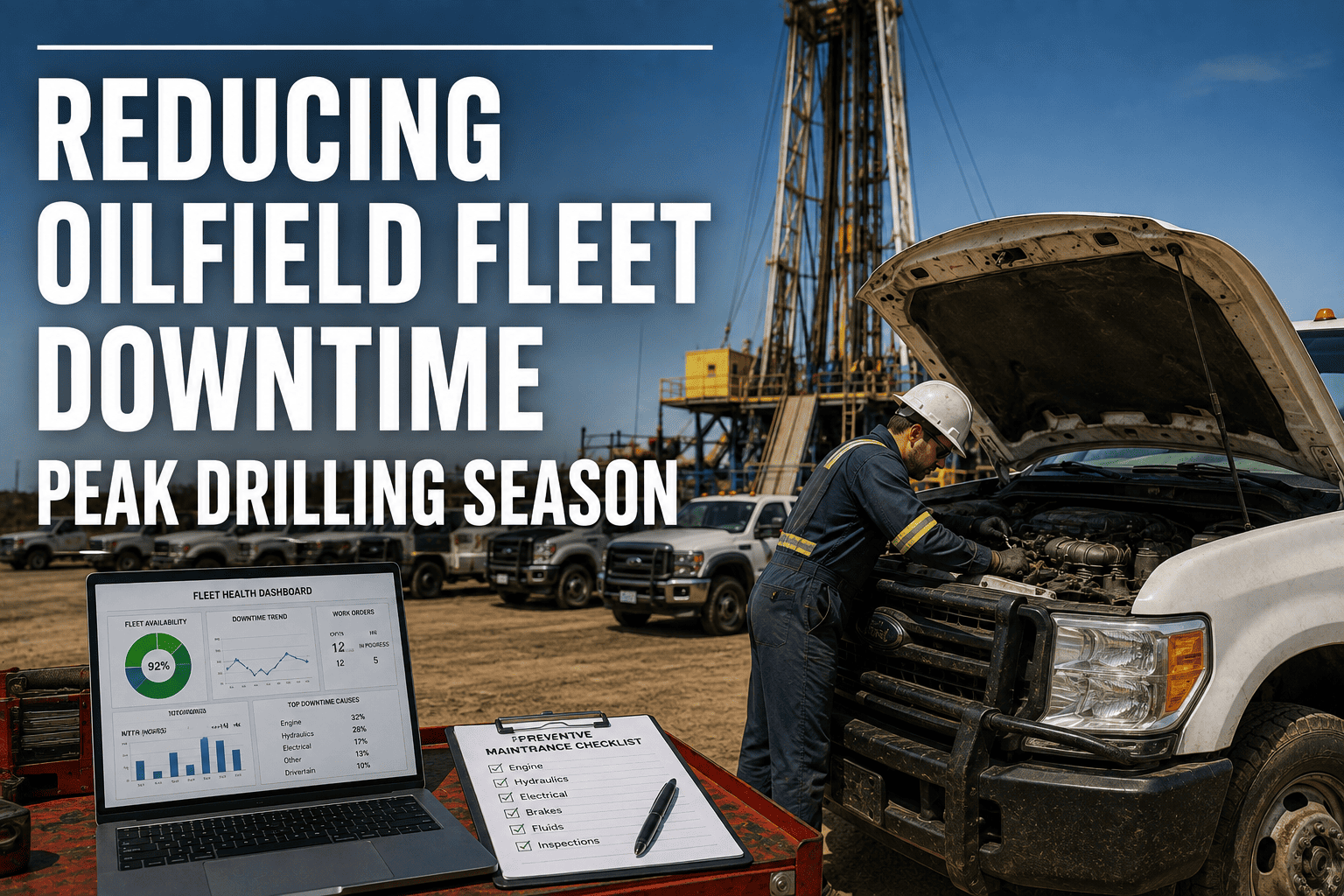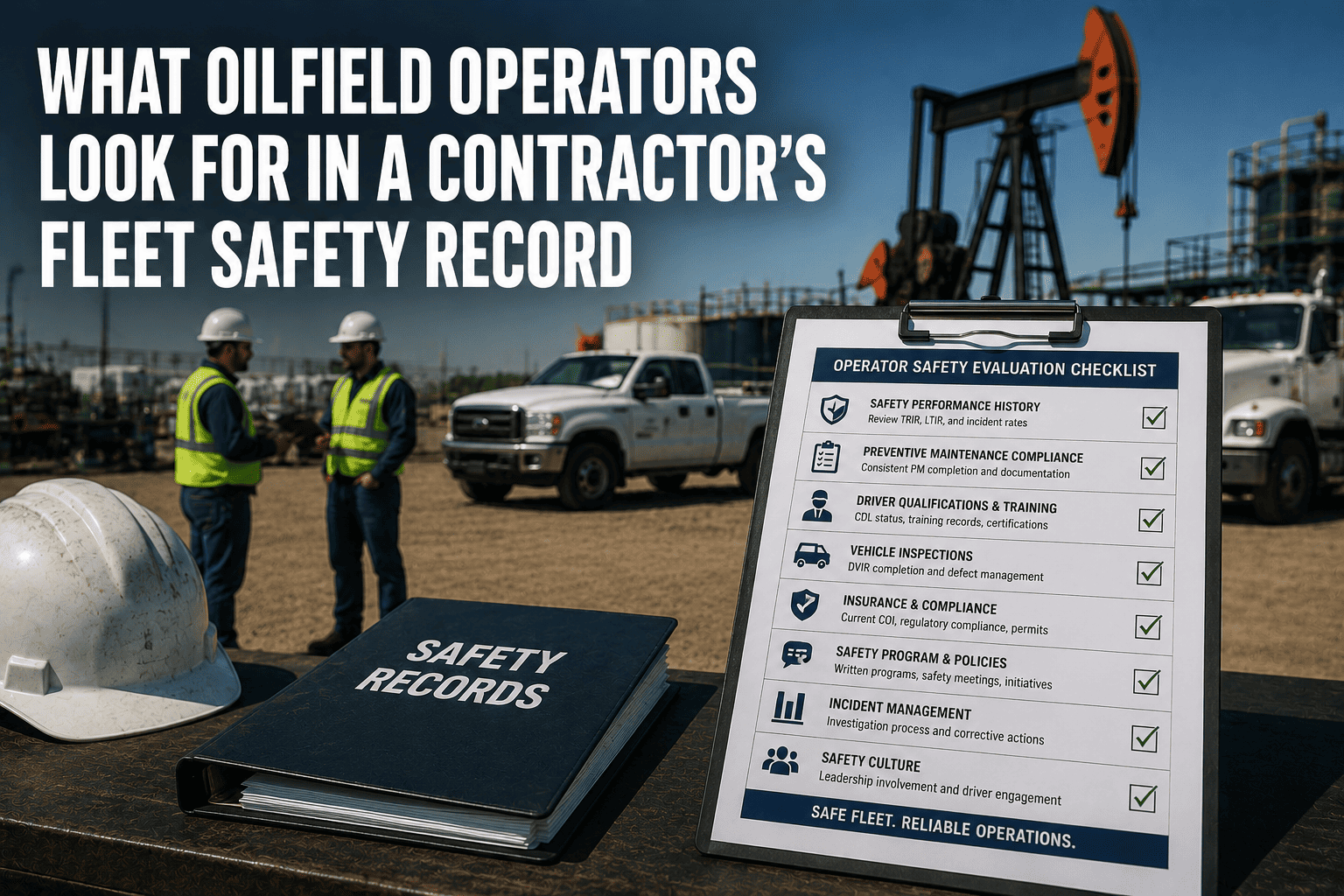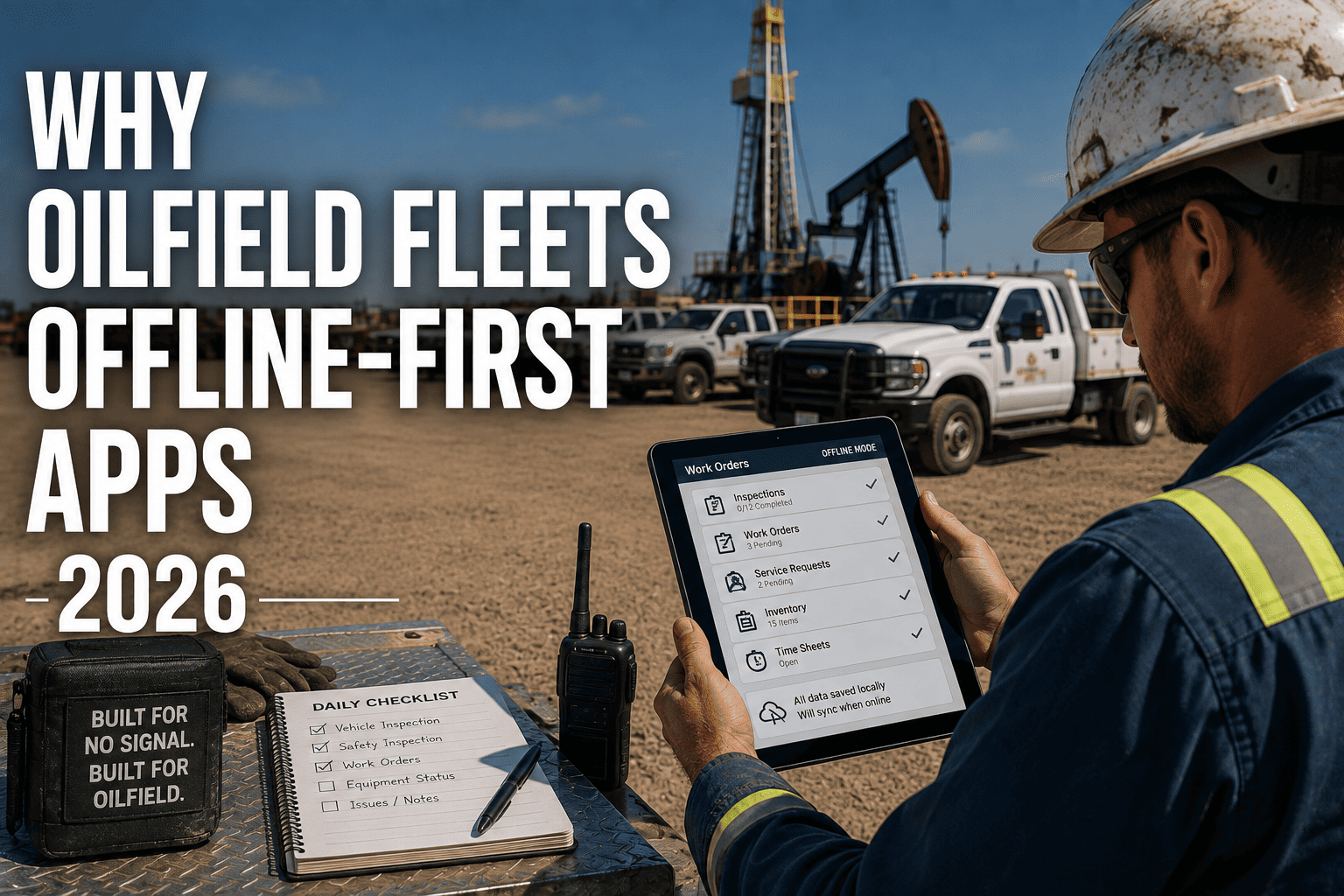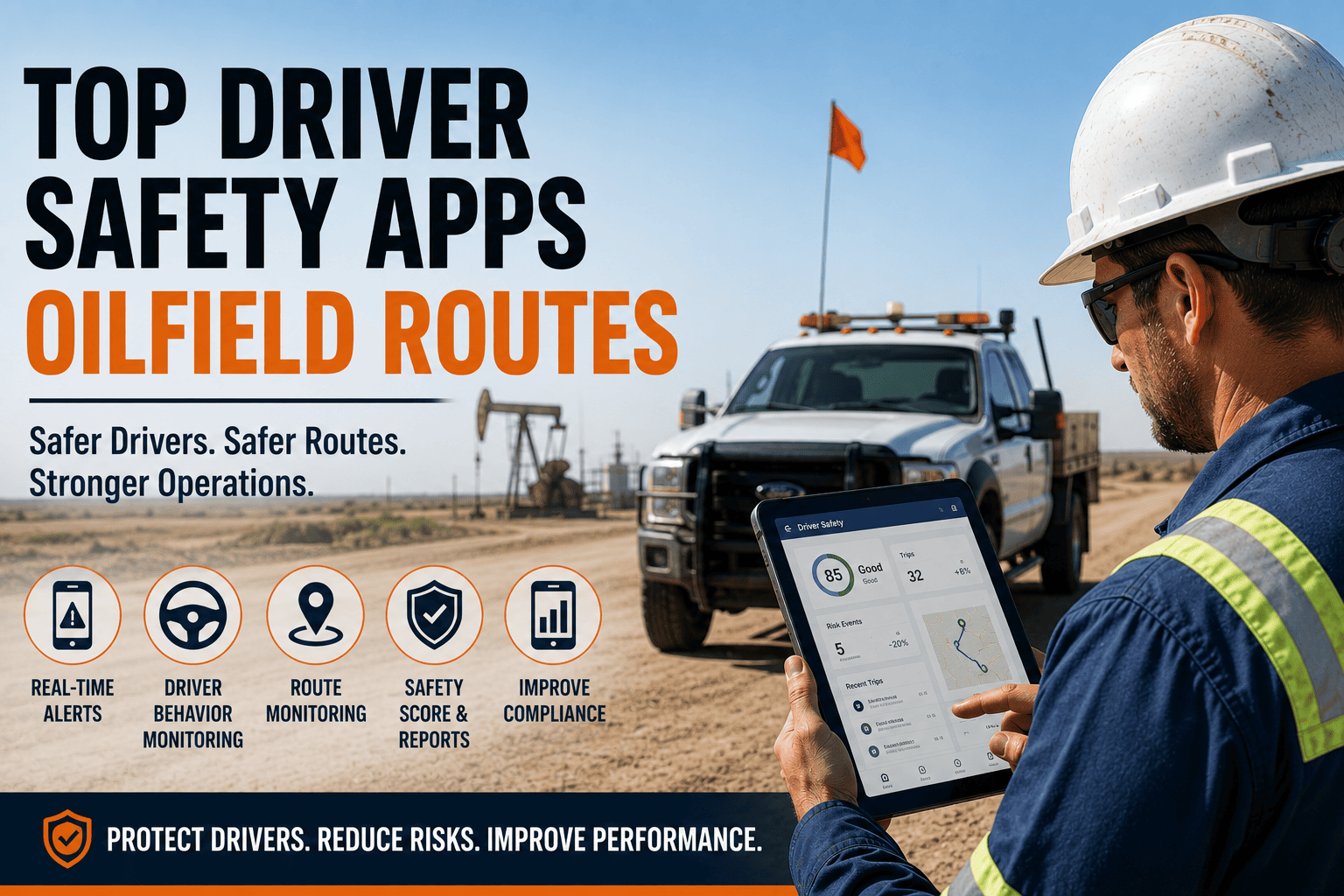
A driver pulls a double shift hauling equipment between wellsites on a gravel road with no shoulder, no streetlights, and no cell signal for the next forty miles. This is a normal Tuesday for an oilfield fleet, and it is exactly the kind of route where a moment of fatigue or a missed following distance turns into a serious incident. Standard fleet safety tools built for highway freight often miss the specific risk patterns that show up on oilfield routes. Choosing a driver safety app built for this environment is what actually moves the needle on incident rates.
The top driver safety apps for high-risk oilfield routes combine AI dash cam behavior detection, fatigue and distraction monitoring, real-time coaching alerts, and driver scoring that accounts for remote, low-visibility road conditions. Fleets actively coaching on camera-detected events see measurable reductions in risky driving events within the first 30 days. Sign up free or book a demo to see FleetRabbit's safety platform in action.
Why Oilfield Routes Carry Higher Driving Risk
Oilfield driving is not the same job as a delivery route through city traffic. Drivers cover long stretches of unpaved or poorly maintained roads, often at odd hours to match wellsite schedules, with far less margin for error if something goes wrong. A safety app that doesn't account for these conditions will miss the events that actually matter.
The Five Capabilities That Matter Most
Instead of ranking specific vendors, this list ranks the capabilities that separate a genuinely effective oilfield safety app from a generic dash cam subscription. Look for these five in whatever platform you evaluate.
FleetRabbit's safety platform detects fatigue, distraction, and harsh driving events in real time, even on remote oilfield routes. Sign up free to see your drivers' safety data, or book a demo to walk through your specific routes with our team.
Generic Fleet Safety App vs. Oilfield-Ready Platform
Many dash cam and safety apps are built primarily for highway freight. The table below highlights where that gap shows up most on oilfield routes.
| Feature | Generic Highway-Focused App | Oilfield-Ready Platform |
|---|---|---|
| Connectivity | Requires steady signal to upload and score events | Captures and scores offline, syncs once signal returns |
| Road Type Awareness | Scoring tuned for paved, marked highway lanes | Accounts for gravel, unmarked, and wellsite access roads |
| Fatigue Detection | Basic drowsiness alerts only | Combines fatigue cues with shift-length and HOS context |
| Coaching Loop | Event logs with limited follow-up structure | Assigned coaching, progress tracking, and recognition of improvement |
How to Roll Out a Safety App Without Losing Driver Buy-In
Even the best safety technology fails if drivers feel like they're being watched instead of supported. A thoughtful rollout matters as much as the tool itself.
Lead With Coaching, Not Discipline
Introducing camera-based scoring as a coaching tool rather than a punishment tool builds trust faster and gets drivers engaging with feedback instead of avoiding it.
Recognize Improvement, Not Just Flag Risk
Platforms that highlight positive driving trends alongside risky events give drivers a reason to stay engaged, rather than only hearing from the system when something goes wrong.
The Bottom Line for Oilfield Fleet Safety
Driver safety on oilfield routes isn't about installing a camera and hoping for the best. It's about choosing a platform that understands unpaved roads, remote coverage gaps, and the fatigue that comes with odd-hour wellsite schedules, then turning that understanding into real-time alerts and structured coaching. Fleets that get this right don't just reduce incidents. They build a safer, more supported team of drivers who trust the technology is working with them, not against them.
If your current safety tools weren't built with oilfield routes in mind, it's worth seeing what a purpose-built platform looks like. Sign up free to start monitoring your fleet's driving safety today, or book a demo to talk through your specific routes with our team.
FleetRabbit's AI-powered safety platform detects risk in real time, supports structured coaching, and adapts to the road conditions your drivers actually face. Start your free trial today with no credit card required.