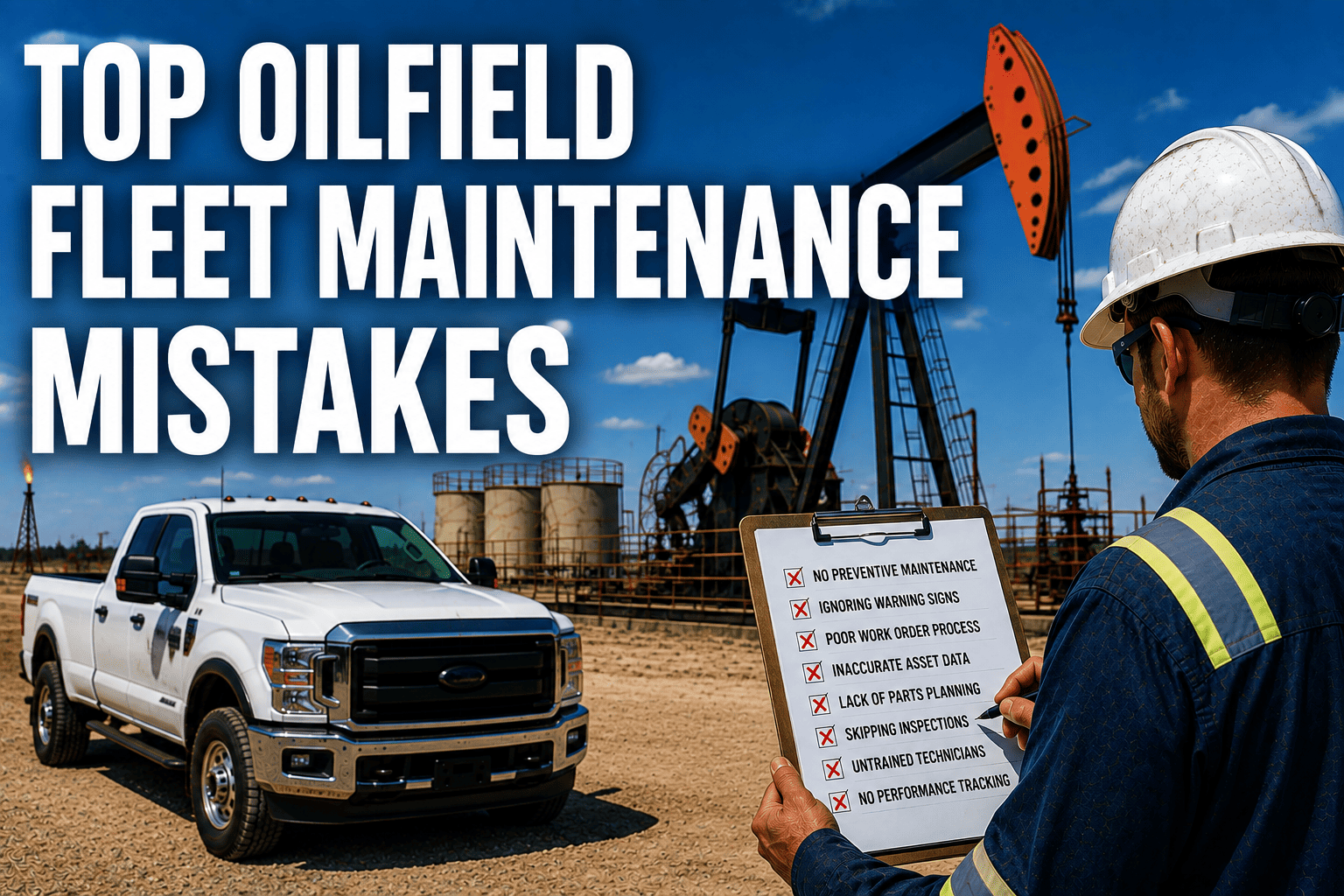
In the high-stakes oilfield industry, maintenance mistakes do not just cost time; they cost millions. Relying on outdated processes like mileage-only PMs and paper inspections leads to catastrophic equipment failures and massive downtime. Identifying and fixing these fleet maintenance mistakes is critical for profitability and safety. FleetRabbit provides the digital tools to close these maintenance gaps and modernize your operation. You can sign up for FleetRabbit to modernize your maintenance, or book a demo to see our platform in action.
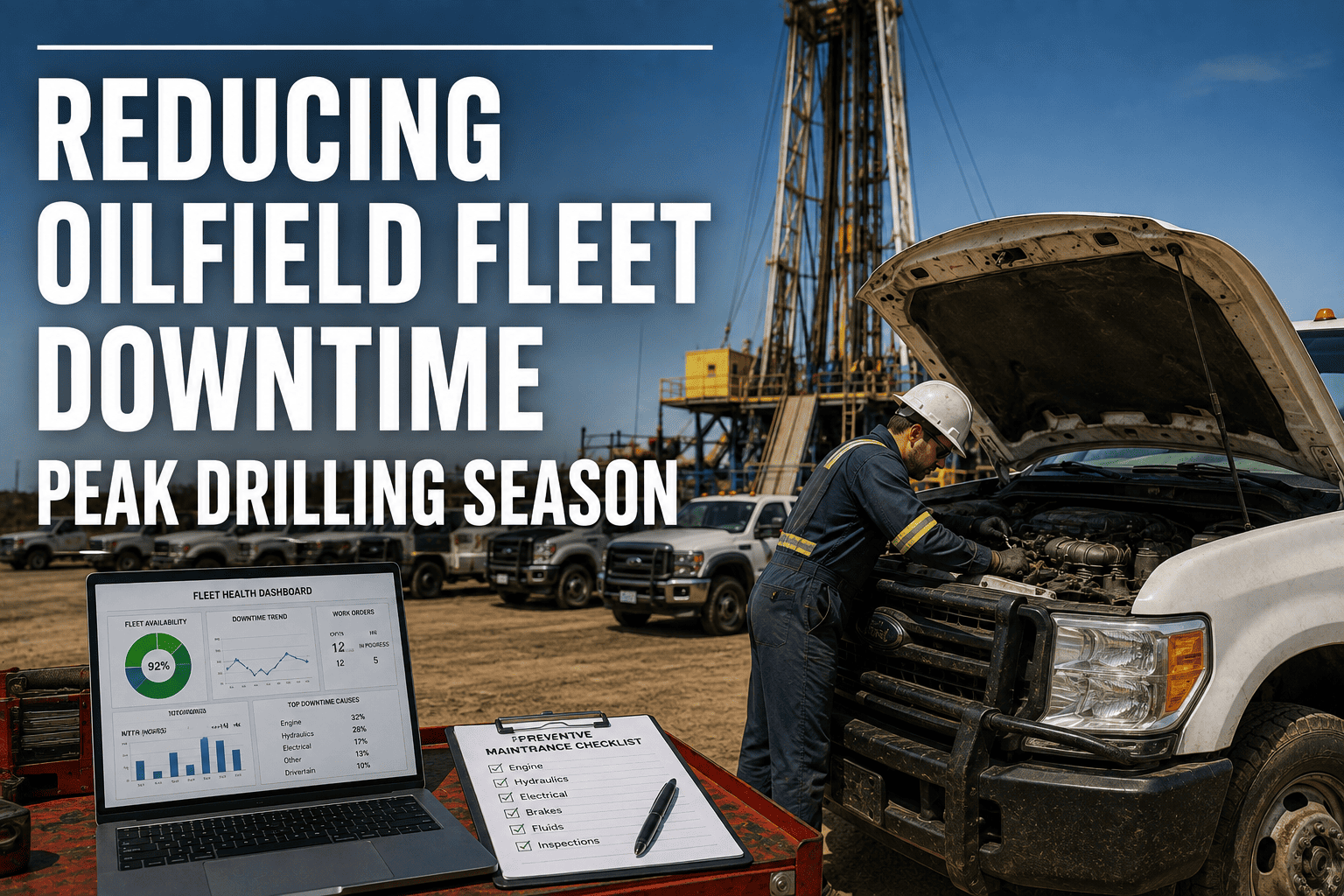
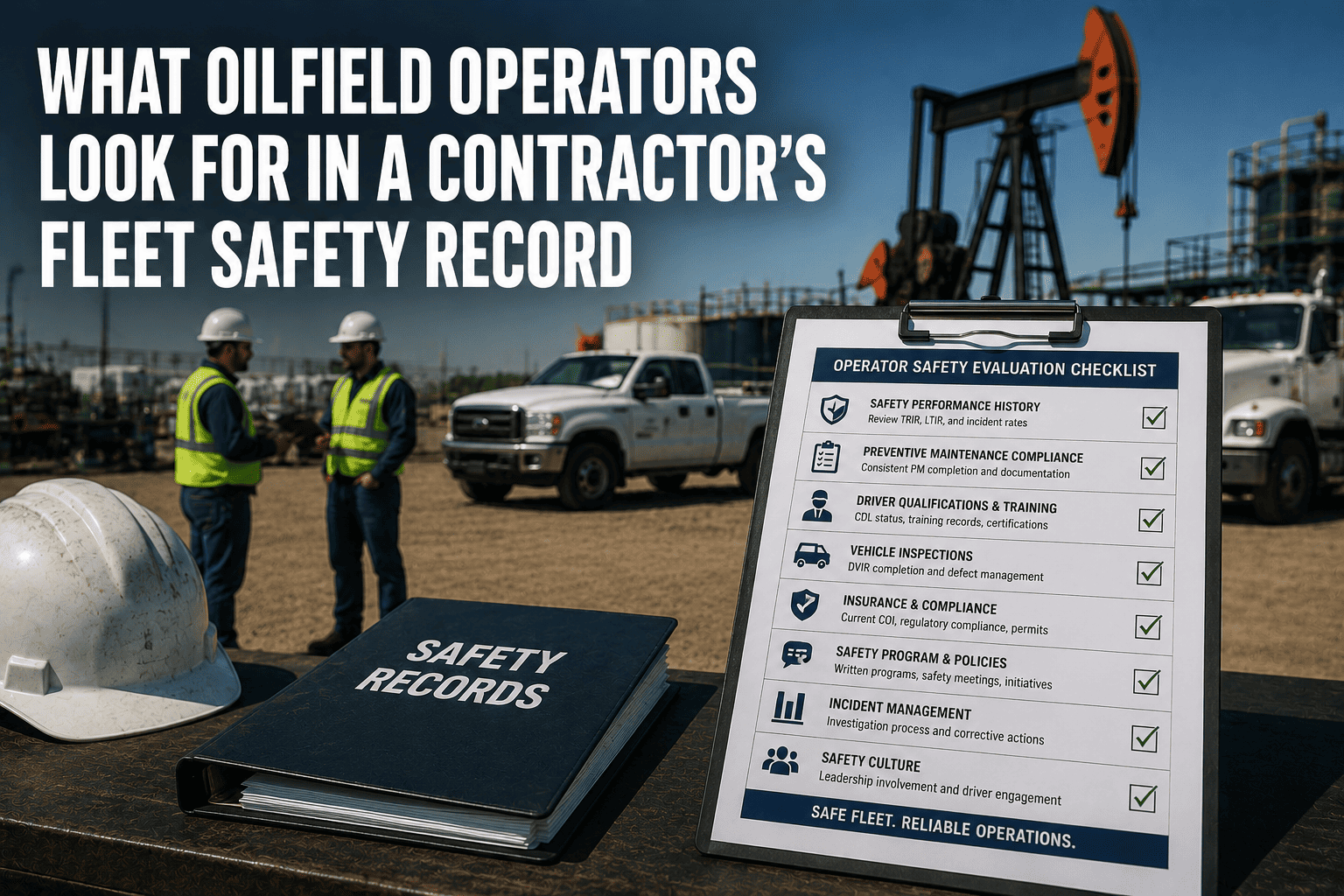
Oilfield fleets often face costly downtime because of preventable maintenance mistakes. Common issues include skipping routine inspections, delaying preventive maintenance, relying on reactive repairs, poor maintenance recordkeeping, and failing to monitor vehicle and equipment condition. These mistakes can lead to unexpected breakdowns, safety risks, compliance problems, and higher operating costs. A structured fleet maintenance program with scheduled inspections, accurate service records, and proactive maintenance helps keep oilfield vehicles reliable, safe, and ready for demanding field operations.
Over 60 percent of oilfield fleet breakdowns are caused by preventable maintenance errors. Relying on mileage-only PMs, ignoring telematics warnings, and pencil-whipping inspections cost fleets 150,000 to 400,000 dollars annually. Fixing these top 7 mistakes reduces unplanned downtime by 35 to 50 percent and drastically extends asset lifecycles.
The True Cost of Fleet Maintenance Errors
The true cost of fleet maintenance errors extends far beyond the immediate repair invoice. When an oilfield truck suffers a catastrophic failure due to a missed PM, the financial damage ripples across the entire operation. The immediate loss of revenue from that vehicle sitting idle is obvious, but secondary costs often exceed the primary impact. Emergency repair labor costs 2 to 3 times more than scheduled maintenance because technicians work overtime. Parts sourcing for emergency repairs bypasses normal procurement channels, forcing dealers to charge premium pricing. Road service calls and towing add 500 to 2,000 dollars per incident.
Why Oilfield Fleets Fail at PM
Oilfield fleets fail at preventative maintenance (PM) because they apply generic trucking logic to specialized heavy equipment. They assume that if a truck is not moving, it is not wearing out. This ignores the reality of PTO usage and extreme idling. Furthermore, many maintenance teams are understaffed and rely on drivers to report issues. When drivers are pressured to meet dispatch times, they downplay or ignore defects. Without a digital system that forces accountability and tracks true engine hours, the PM program breaks down, and the fleet shifts into a reactive, expensive cycle.
The Danger of Pencil-Whipping
Pencil-whipping is the practice of signing off on a DVIR without actually performing the inspection. This is the most dangerous mistake in fleet compliance. When a driver pencil-whips a DVIR, they are creating a legal document claiming the vehicle is safe to operate, even if it has a major defect. If that truck is involved in an accident, a lawyer will subpoena the DVIR. If the inspection was faked, the fleet is liable for gross negligence. To stop this habit, you can sign up for FleetRabbit to modernize your maintenance, or book a demo to see our platform in action.
FleetRabbit automates engine-hour PM tracking, digitizes DVIRs, and monitors telematics to catch failures early. Stop making costly maintenance mistakes and start running a proactive, profitable operation. Start your free trial today to close the gap.
The Top 7 Maintenance Mistakes
To build a reliable oilfield fleet, managers must identify and eliminate the most common maintenance errors. These seven mistakes are responsible for the vast majority of unplanned downtime and excessive repair costs in the energy sector. By addressing these specific issues with digital tools and proactive workflows, fleets can transform their maintenance program from a cost center into a profit center.
| Mistake | Description & Impact | Financial Cost | FleetRabbit Solution |
|---|---|---|---|
| 1. Mileage-Only PM | Ignoring engine hours and PTO time, missing critical fluid changes | 15,000 to 40,000 dollars engine replacements | Engine-hour and idle-time PM triggers |
| 2. Pencil-Whipped DVIRs | Drivers signing paper logs without checking the truck, missing defects | Liability, negligence, and missed roadside failures | Digital DVIRs with GPS and photo verification |
| 3. Ignored Telematics | Dismissing fault codes and temperature spikes until a failure occurs | 5,000 to 15,000 dollars in preventable rebuilds | Real-time dashboard alerts for DTCs and anomalies |
| 4. Poor Parts Planning | Ordering parts only after a truck breaks down, forcing expedited shipping | 2x to 3x parts markup and extended downtime | Predictive parts ordering based on PM schedule |
| 5. Reactive Culture | Waiting for something to break instead of scheduling preventative care | 400 percent higher repair costs per incident | Automated scheduling shifting to proactive care |
| 6. Disconnected Data | Maintenance and compliance data living in separate silos | Repeat violations and degraded CSA scores | Unified platform connecting shop to safety team |
| 7. Skipping Fluid Analysis | Not testing oil and coolant, missing internal wear patterns | Catastrophic failures that could have been predicted | Integration of lab results into asset history |
Strategies to Close the Maintenance Gap
Closing the maintenance gap requires a fundamental shift from reactive processes to proactive, data-driven workflows. The first strategy is implementing engine-hour tracking to ensure PMs are triggered by actual wear, not just miles. The second strategy is digitizing the DVIR process to eliminate pencil-whipping and ensure defects are reported instantly. The third strategy is connecting telematics data directly to the maintenance dashboard, so mechanics are alerted to fault codes before they become catastrophic failures. By executing these strategies, fleets eliminate the blind spots that cause millions in preventable losses.
Implementing Engine-Hour Tracking
Implementing engine-hour tracking is the most critical step for oilfield fleets. A vacuum truck might only drive 50 miles in a day, but it runs its PTO for 10 hours. If maintenance is triggered by mileage, the truck will miss critical oil changes and fluid checks, leading to catastrophic PTO failures. FleetRabbit tracks true engine hours and idle time, triggering maintenance alerts based on actual wear and tear. This ensures that heavy equipment is serviced exactly when it needs to be, preventing expensive breakdowns and extending asset lifecycles.
Enforcing Root Cause Analysis
Enforcing root cause analysis means changing the way mechanics close work orders. In a traditional system, a mechanic writes "replaced bulb" and closes the ticket. With FleetRabbit, the system requires the mechanic to categorize the repair: was it a part failure, an environmental issue, or operational misuse? If the same part fails repeatedly, the system automatically flags it for a deeper investigation. Was the wrong part specified? Is the driver destroying the equipment? To enforce this level of scrutiny, you can sign up for FleetRabbit to modernize your maintenance, or book a demo to see our platform in action.
How FleetRabbit Eliminates Maintenance Fails
Modern maintenance management requires technology that connects mechanical health directly to operational goals. FleetRabbit's integrated platform combines engine-hour telematics, digital DVIRs, and work order management into a single dashboard. The system monitors vehicle health 24/7, predicting failures before they happen. When a defect is logged, it instantly generates a work order, flagging the truck as unsafe to drive. This integration eliminates the blind spots that lead to the top 7 maintenance mistakes, ensuring your fleet operates at peak reliability and profitability.
Automated PM Scheduling
Automated PM scheduling removes the human error from maintenance planning. Instead of a shop foreman checking a spreadsheet to see what needs an oil change this week, FleetRabbit automatically generates work orders based on real-time engine-hour data. The system alerts dispatch when a truck is approaching its PM limit, ensuring the vehicle is brought into the shop before it misses its service window. This automation guarantees that no asset slips through the cracks, eliminating the costly reactive repairs that destroy budgets.
Predictive Failure Alerts
Predictive failure alerts are the ultimate defense against catastrophic breakdowns. FleetRabbit monitors telematics data for anomalies like temperature spikes, DTCs (Diagnostic Trouble Codes), and abnormal voltage drops. If a truck's transmission temperature rises abnormally, the system alerts the mechanic before the transmission fails on the highway. This proactive intervention saves the 8,000 dollar cost of a transmission rebuild and keeps the truck generating revenue. By moving from reactive to predictive, fleets save millions annually.
Key Takeaways for Fleet Reliability
Avoiding these top 7 oilfield fleet maintenance mistakes is the most critical step in protecting profitability and safety. Relying on mileage-only PMs, ignoring telematics, and pencil-whipping DVIRs are failures that lead to catastrophic downtime. A data-driven, proactive approach to maintenance ensures that every component is checked and serviced based on true wear. Fleets that fix these mistakes see a 35 to 50 percent reduction in unplanned downtime and save hundreds of thousands in emergency repair bills.
Implementing a comprehensive platform like FleetRabbit automates PM scheduling, digitizes inspections, and predicts failures before they happen. The return on investment is immediate, not just in recovered capital, but in extended asset lifecycles, improved safety, and protected contract SLAs. Oilfield operators demand reliable equipment, and FleetRabbit provides the exact digital documentation needed to deliver maximum uptime.
The path forward is clear. Evaluate your current maintenance program and ask if you are making any of these 7 costly mistakes. If you are relying on paper and mileage, you are losing money. Fleet managers who address maintenance systematically protect their profitability and operational reliability. You can sign up for FleetRabbit to modernize your maintenance, or book a demo to see our platform in action.
Frequently Asked Questions About Maintenance Mistakes
Every day you rely on outdated, reactive maintenance is a day you risk catastrophic failure and lost revenue. FleetRabbit digitizes your inspections, tracks engine hours, and predicts failures before they happen. See a 50 percent reduction in downtime within weeks. Start your free trial today with no credit card required.