Most oilfield operators don't choose the wrong fleet software on purpose. They pick a platform that looks great in a demo, wins awards for delivery and logistics fleets, and then quietly falls apart the moment a truck rolls past the last cell tower. Dashboards stop updating. Inspections turn back into paper. Maintenance alerts fire off mileage instead of engine hours, so a rig-support truck that idles all day looks perfectly healthy right up until it isn't. This is not a training problem or a rollout problem. It is a fit problem, and it costs real money in downtime, HSE fines, and rental trucks nobody budgeted for.
Generic fleet software is built around cellular connectivity, mileage-based maintenance, and urban delivery routes. Oilfield fleets run 40 to 60 percent of their hours in dead zones, rack up engine hours far faster than mileage, and haul HAZMAT loads under OSHA, EPA, and FMCSA rules that generic platforms were never designed to enforce. That mismatch is why so many energy fleets end up rebuilding their fleet management program a year after go-live.
The Real Gap: Oilfields Don't Run Like Delivery Routes
A delivery fleet moves between addresses that all have signal, all sit on paved roads, and all get serviced on a predictable mileage schedule. An oilfield fleet does none of that. Wireline trucks, frac sand haulers, cement mixers, and crude tankers spend their days at wellheads, pipeline corridors, and lease roads where the map simply runs out of coverage. Software built for the first scenario tends to fail quietly in the second, and fleet managers usually don't notice until an audit, a breakdown, or a missed inspection forces the issue.
Dead Zones Break Digital Workflows
Traditional platforms assume a constant connection. When a truck spends four to twelve hours at a remote site with no signal, cloud-only apps simply stop logging anything, and crews fall back to paper forms that get keyed in three to five days later, if at all.
Mileage-Based Maintenance Misses Engine Wear
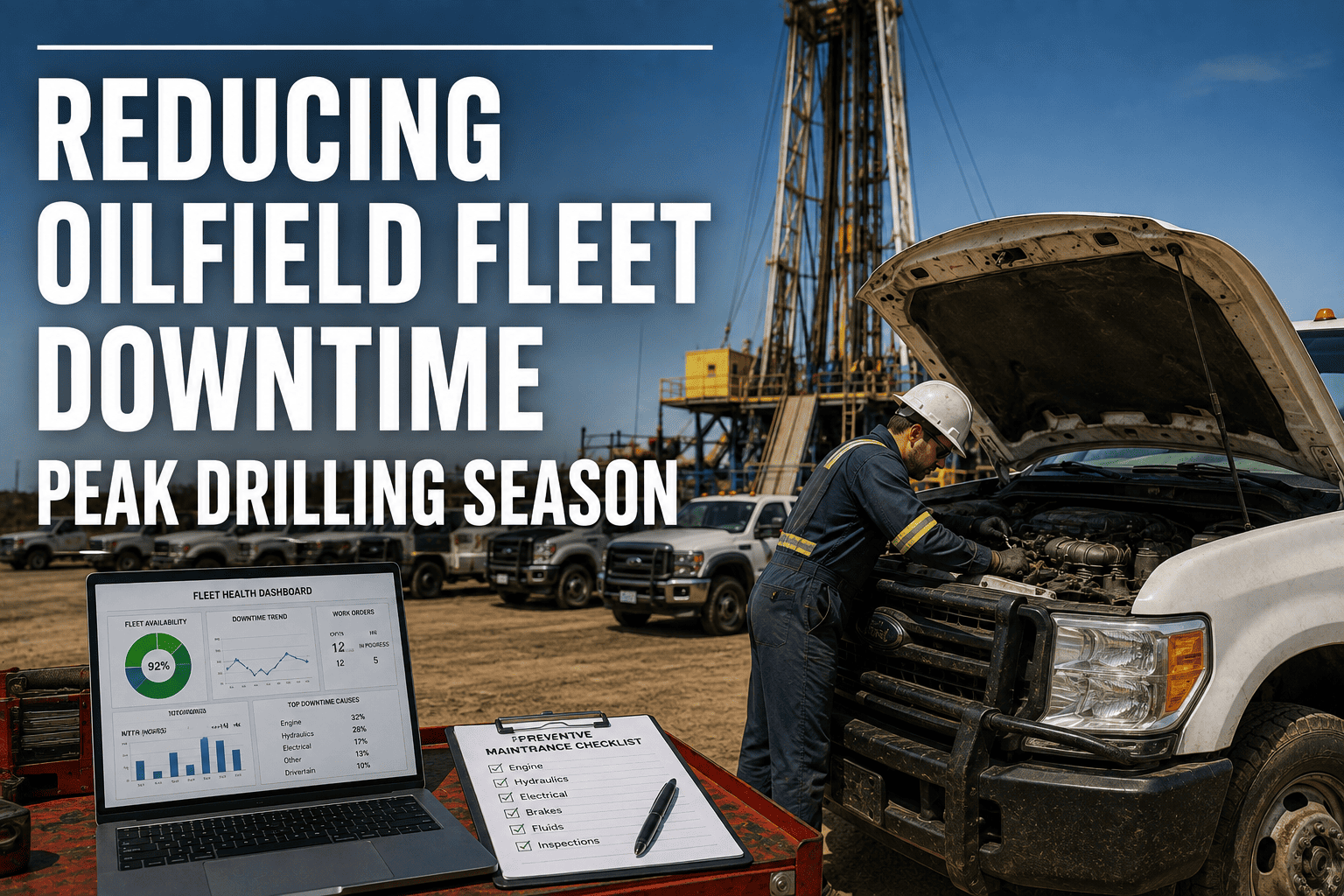
A support truck can idle its way to 4,000 engine hours while only covering 12,000 miles a year. Software that only triggers service on odometer readings misses the wear that actually happens, letting components run past their real service life.
HSE and HAZMAT Rules Generic Tools Ignore
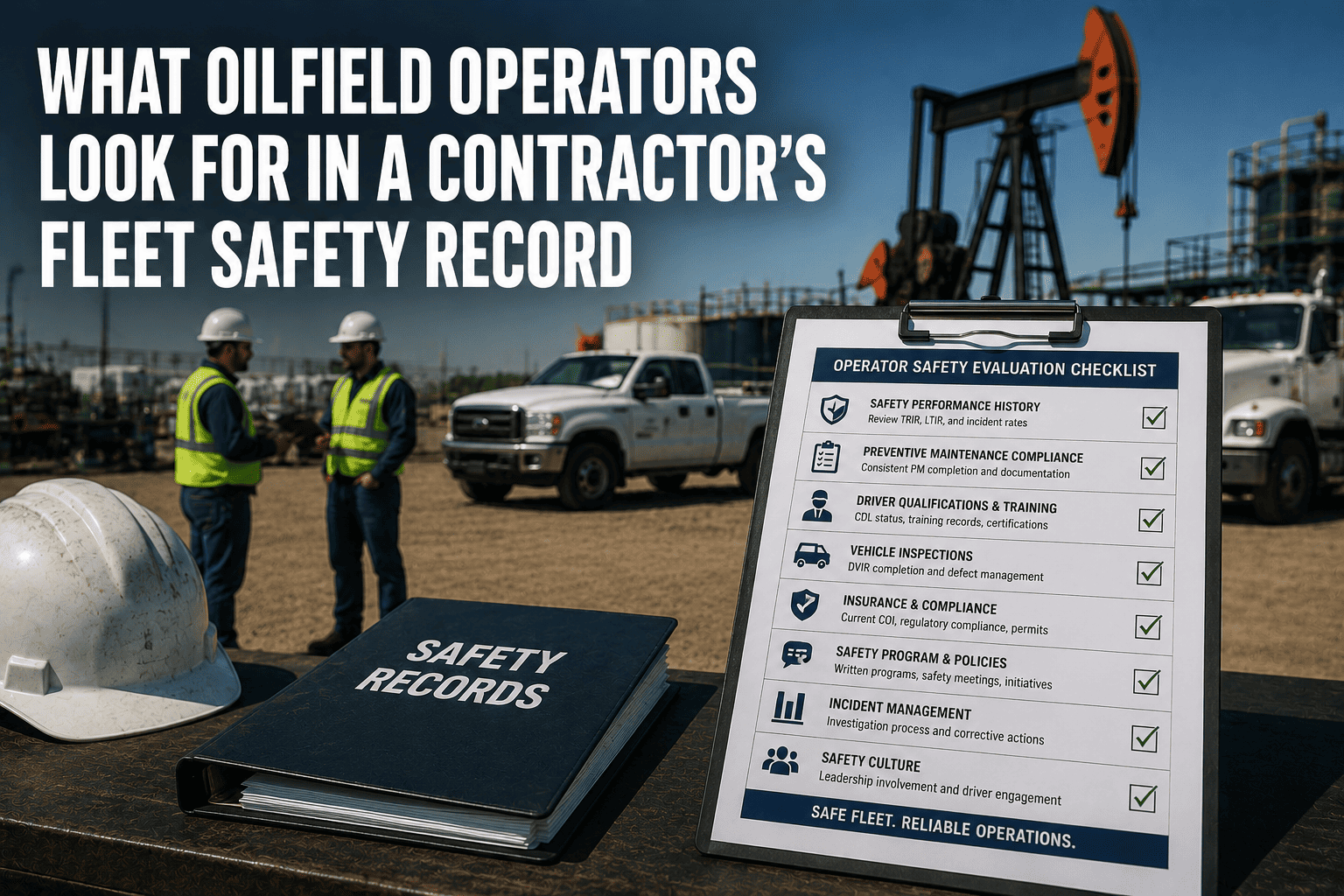
Crude, frac chemicals, and H2S exposure fall under strict DOT and PHMSA rules, with violations running into the thousands of dollars each. Generic platforms track certifications on a spreadsheet somewhere, they don't stop a dispatcher from sending an uncertified driver out with a hazardous load.
FleetRabbit was built for upstream and midstream operations from day one, not adapted from a delivery-route platform. Offline-first inspections, engine-hour maintenance triggers, and HAZMAT dispatch rules come standard, not as an add-on.
Generic Fleet Software vs a Purpose-Built Oilfield Platform
The differences rarely show up in a sales pitch, but they show up fast once trucks are working real lease roads. Here is where the two approaches actually diverge.
| Capability | Generic Fleet Software | Purpose-Built Oilfield Platform |
|---|---|---|
| Connectivity | Requires constant cellular signal to log data | Offline-first with local storage and satellite fallback |
| Maintenance Triggers | Mileage-only scheduling | Engine-hour and mileage triggers together |
| HAZMAT Compliance | Manual certification records | Automated dispatch blocking for uncertified drivers |
| Inspections | Fails without signal, reverts to paper | Complete offline, auto-sync on reconnect |
| Asset Coverage | Built for vans and delivery trucks | Covers wireline units, mixers, tankers, heavy equipment |
| Multi-Site Visibility | Single-location dashboards | Unified view across 15 to 40-plus distributed sites |
Why Offline-First Architecture Actually Matters
Field crews working remote wellheads can go four to twelve hours, sometimes longer, without a cellular signal. An offline-first design stores inspections, maintenance logs, and safety reports locally, encrypted on the device, then syncs everything automatically the moment coverage returns. Nothing gets lost, and nothing waits three days to reach a dashboard. You can start a free trial and test this directly against your own dead zones before trusting it with your fleet.
Satellite Fallback For True Dead Zones
For sites that never see cellular coverage at all, integration with satellite networks like Iridium and Globalstar keeps location and two-way communication alive, so dispatch never fully loses contact with a truck.
Engine Hours Don't Lie, Mileage Does
A cement mixer or a wireline truck can sit idling on location for most of a shift, racking up engine hours while barely moving the odometer. Maintenance built around engine-hour triggers catches that wear before it becomes a breakdown, instead of waiting for a mileage number that was never telling the real story.
5 Signs Your Fleet Has Outgrown Generic Software
What Switching To Purpose-Built Software Actually Delivers
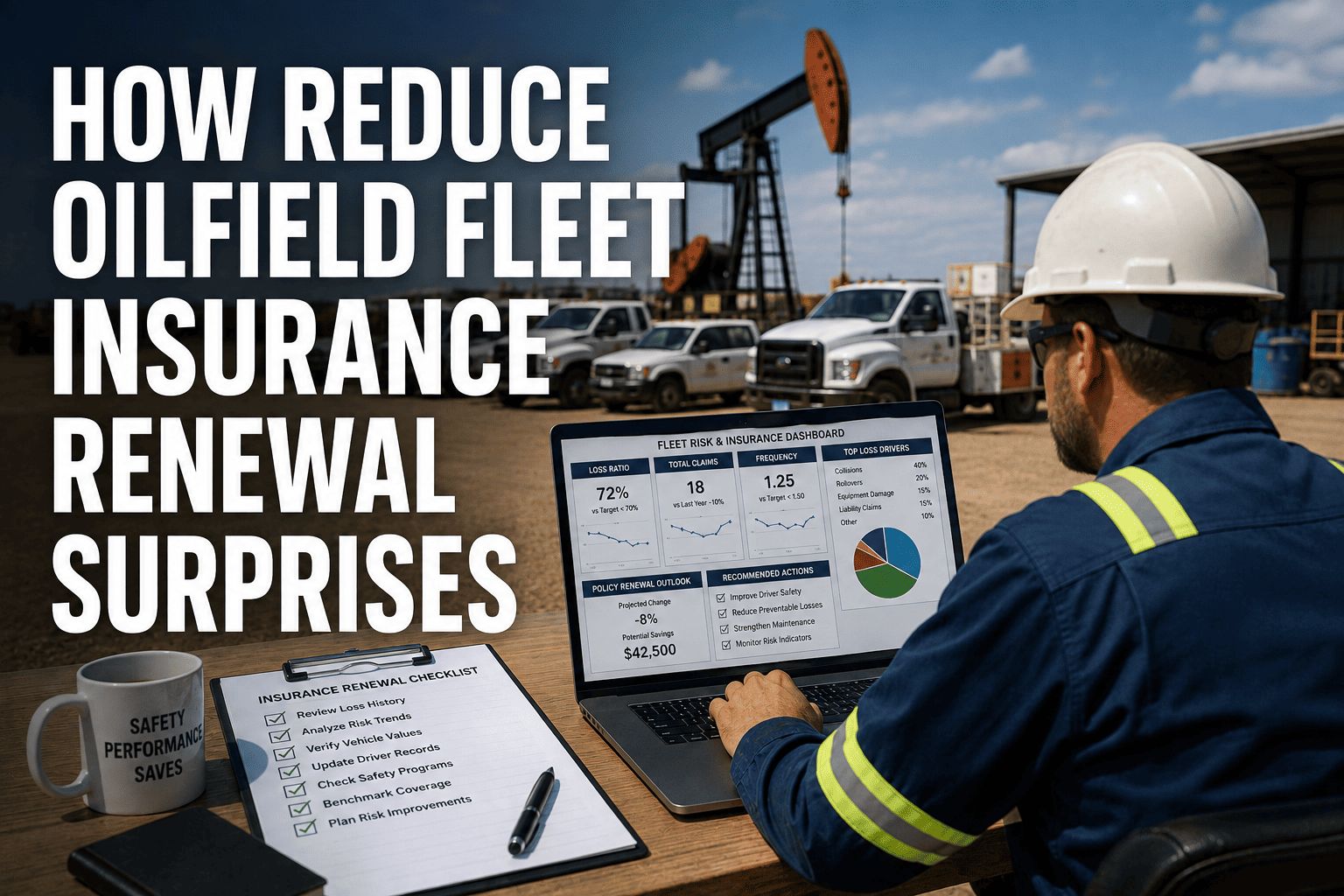
The value shows up in numbers fleet managers can defend to finance. Better cross-site equipment allocation alone has cut rental spend by 180,000 to 420,000 dollars a year for multi-site operators. Reduced HSE violation exposure matters too, since single incidents can run up to 15,445 dollars each under OSHA, EPA, and FMCSA rules. And keeping visibility on trucks working 60 kilometers past the nearest cell tower means dispatch stops losing contact with equipment mid-shift.
Frequently Asked Questions
Every dead zone, every idling truck, and every HAZMAT load is a place generic fleet software quietly falls short. FleetRabbit was built for upstream and midstream operations from the ground up, offline-first, engine-hour aware, and compliance-ready.