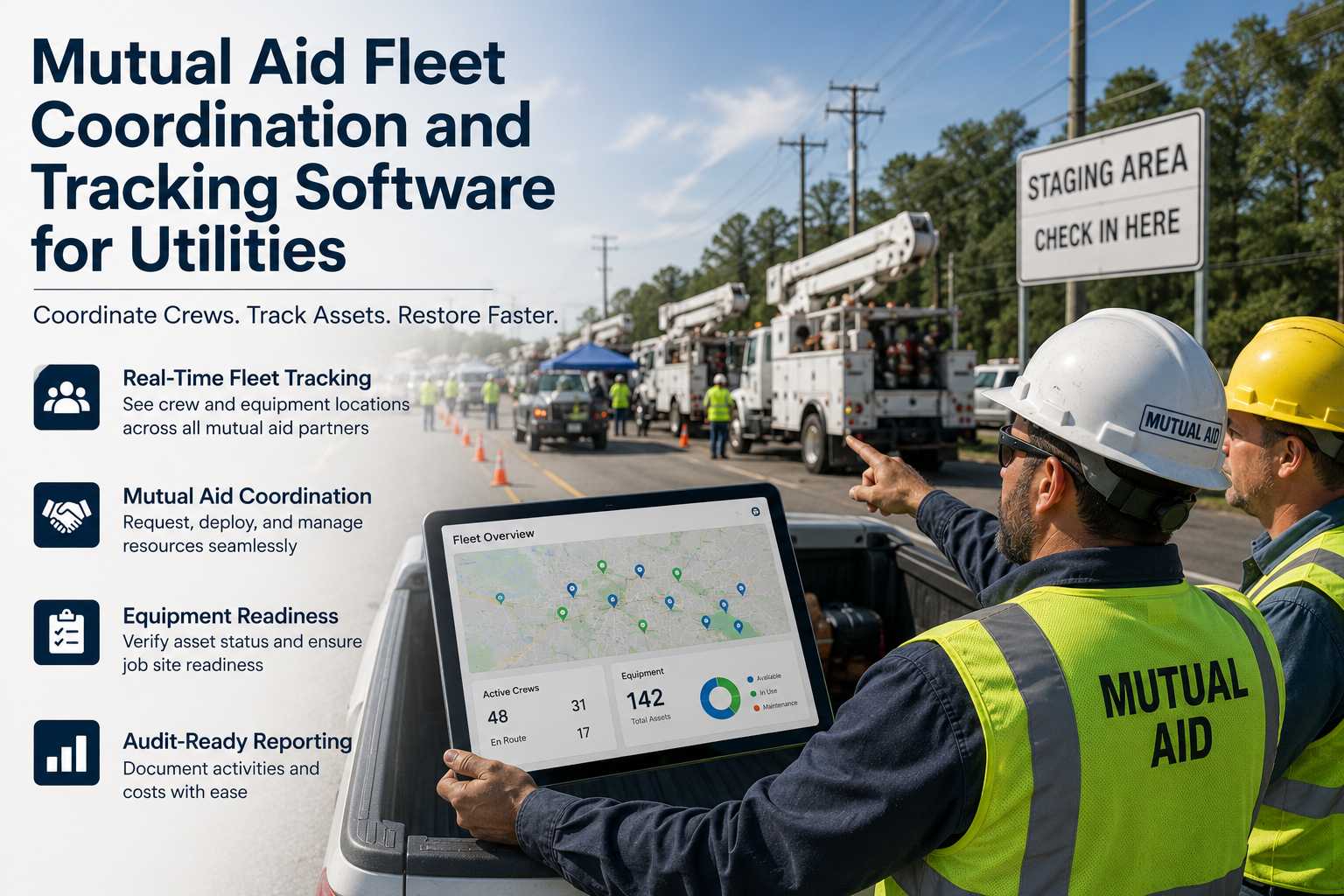
Electric cooperatives, investor-owned utilities, and regional mutual assistance groups (RMAGs) coordinate emergency grid response under punishing storm conditions: vetting incoming out-of-state bucket truck classifications, verifying lineworker high-voltage qualifications, auditing dielectric test certs at staging check-in, and monitoring contractor convoys through regional power blackouts. When mutual aid check-in sheets, paper timecards, fuel tickets, and equipment damage waivers remain managed on base camp whiteboards or static spreadsheets, host utilities face dangerous feeder dispatch delays, unaccounted contractor machinery, and severe audit disallowances during post-storm cost reconciliation. Fleet Rabbit delivers specialized mutual aid fleet coordination and tracking software engineered for rapid utility grid restoration, combining rapid QR staging-site check-ins, automated ANSI A92.2 dielectric validation vaults, live multi-state convoy tracking, and offline right-of-way feeder dispatch. Eliminate staging-site vehicle bottlenecks, verify contractor equipment roadworthiness before grid entry, and maintain complete FEMA-compliant operational audit trails completely offline across disaster recovery corridors with zero cellular signal. Book a Demo to see Fleet Rabbit mutual aid fleet coordination software in action.
UTILITY COMMAND HEADERMutual Aid Fleet Coordination & Tracking Software
Streamline mutual aid staging-site intake, verify out-of-state bucket truck certifications, automate equipment runtime accounting for FEMA audits, and dispatch emergency line crews offline.
Why Manual Spreadsheets Fail Regional Mutual Aid Convoys
Mobilizing hundreds of external bucket trucks and line crews during grid emergencies requires instant verification; manual gate logs cause chaos and expose utilities to massive financial liability.
Staging-Site Check-In Gridlock
Processing arriving mutual aid convoys with paper rosters and manual equipment checks leads to 3- to 5-hour gate delays, keeping specialized crews stranded at staging yards while high-priority distribution circuits remain dead.
Unverified Boom Dielectrics & Machine Class Errors
When external equipment is admitted without digital verification of annual dielectric tests or boom reach ratings, host utilities risk catastrophic high-voltage line flashovers and OSHA willful non-compliance penalties.
FEMA & Insurance Audit Disallowances
Mutual aid billing packets with missing machine serials, unverified standby intervals, or undocumented fuel drops face severe clawbacks from FEMA Public Assistance adjusters and host utility auditors.
Total Telecommunications Infrastructure Blackouts
Hurricanes and ice storms routinely destroy regional cellular towers. Cloud-only dispatch applications become completely unreachable, leaving emergency coordinators blind to external contractor locations and progress.
Built for Rapid Mutual Aid Intake and Fleet Command
Fleet Rabbit unites multi-utility roster management, safety compliance vaults, fueling dispatch, and audit-ready reporting into one unified command system. Request a 1-on-1 walkthrough.
QR Code Convoys Intake
Scan mutual aid passes to verify incoming bucket heights, digger derrick load capacities, contractor tax IDs, and driver CDLs in under 60 seconds per rig.
Dielectric & Boom Compliance Gate
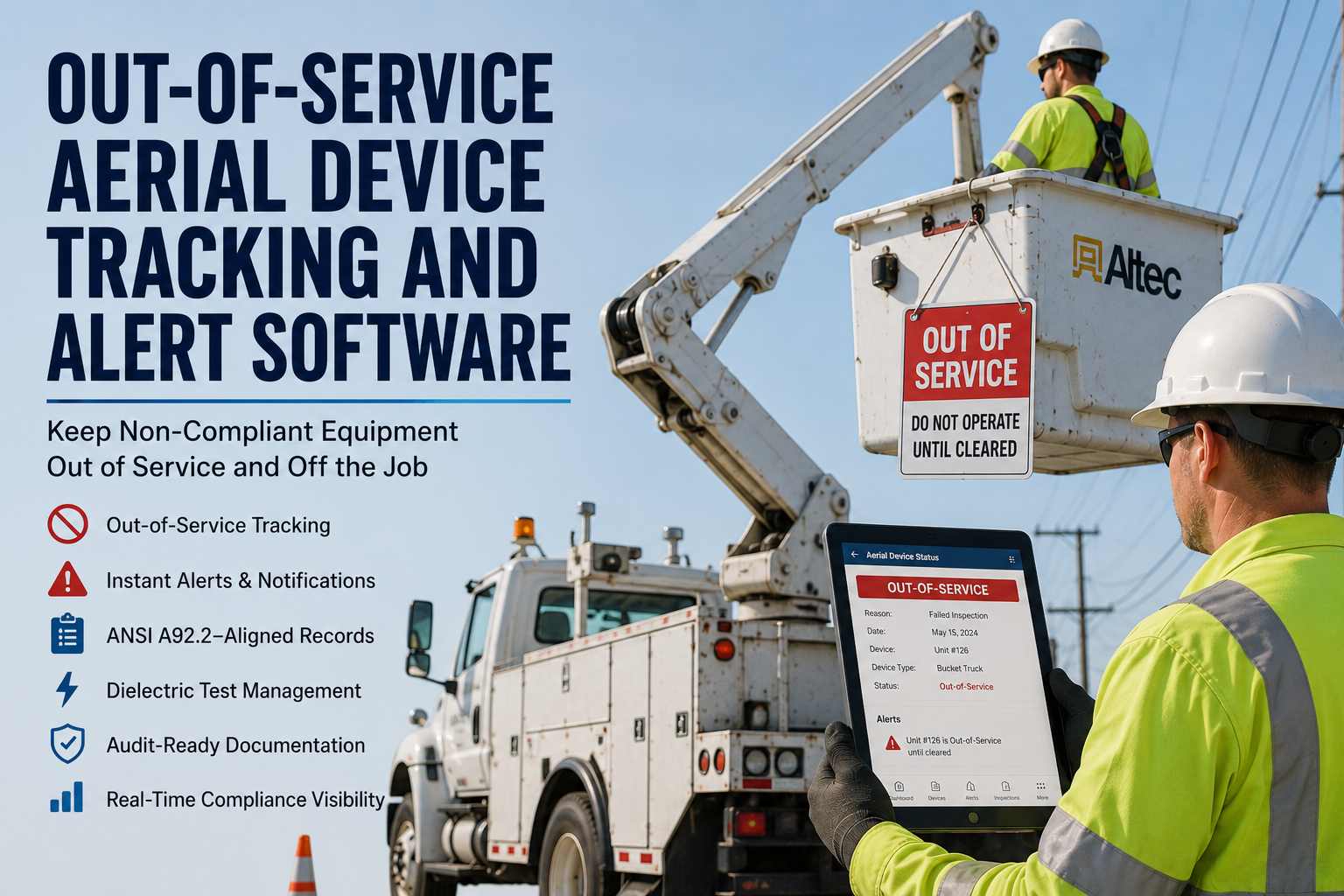
Automatic gate locks prevent checking in aerial assets with lapsed ANSI A92.2 dielectric insulation test records, missing inspection certs, or open recall notices.
Automated Equipment Rate Accounting
Log active and standby operating hours mapped to agreed-upon EEI RMAG schedules or FEMA equipment rate codes with immutable GPS and engine-hour logs.
Staging Fuel & Resource Triage
Assign mobile fuel tanker trucks, manage bulk DEF supplies, and log exact gallon distribution directly to mutual aid unit IDs to prevent fuel starvation on remote lines.
Offline Right-of-Way Micro-Sync
Supervisors reassign line crews, verify qualifications, and track equipment locations in total cellular blackouts; data auto-syncs when returning to command trailers.
One-Click Billing Reconciliation
Export certified demobilization packets complete with daily force account timesheets, fuel logs, and safety inspection ledgers for immediate invoice sign-offs.
Standardized to EEI, OSHA & Federal Disaster Frameworks
Fleet Rabbit’s mutual aid fleet coordination workflows align with national regional mutual assistance guidelines, high-voltage safety rules, and disaster reimbursement mandates.
Maintains full compliance with Edison Electric Institute Regional Mutual Assistance Group principles governing allocation, staging, safety orientation, and cost allocation.
Ensures every tracked equipment hour, mobilizations invoice, and fuel receipt matches FEMA Public Assistance criteria for prompt local utility reimbursement.
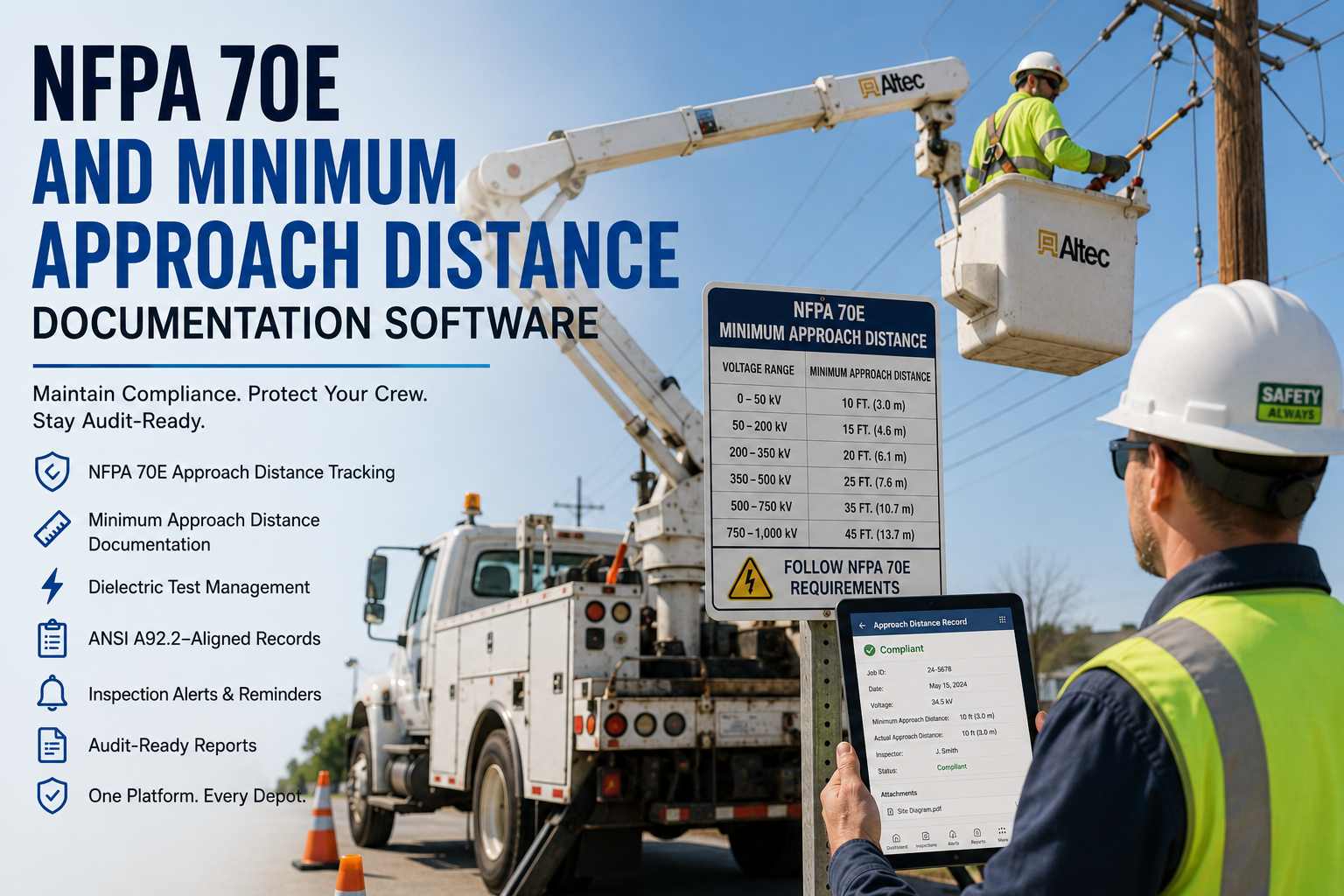
Enforces minimum approach distances (MAD), verified host-utility line clearance orientations, grounding verification, and safety tailgate brief sign-offs before feeder work.
Audits annual structural load tests for digger derricks and dielectric insulation barrier certs for elevated bucket trucks entering the host grid's operational territory.
Mutual Aid Fleet Coordination Software Comparison
A capability comparison focused on emergency mutual assistance staging, equipment dielectric compliance, and disaster offline performance as of 2026. Request a technical comparison.
| Capability | Fleet Rabbit | Samsara | ARCOS / Legacy Systems | Whiteboards & Paper Binders |
|---|---|---|---|---|
| Pricing (per asset/month) | $5/month | $27–$60/month | Enterprise contract ($$$$) | Costly audit clawbacks |
| Mutual Aid Staging QR Check-In | Native instant intake | Manual account build | Callout roster only | Paper clipboard sign-ins |
| Dielectric Testing Gate Validation | Automated check & block | Not available | Not available | Manual folder searches |
| FEMA Equipment Rate Automation | Built-in rate mapping | Custom build required | Separate billing module | Manual spreadsheet tally |
| Disaster Zone Offline Micro-Sync | Full offline sync engine | Limited data caching | Cloud dependent | Paper only |
| Free Trial | 14 days, up to 3 assets | Demo only | Demo only | None |
| Contract Commitment | Monthly or annual | 3-year contract lock-in | Multi-year lock-in | None |
5-Step Implementation Roadmap
Fleet Rabbit deploys rapidly without interrupting ongoing electrical operations, taking your mutual aid coordination from paper chaos to digital precision in two weeks.
Utility Fleet & Equipment Class Ingestion
Import internal bucket trucks, digger derricks, pullers, and fuel transports with current ANSI A92.2 dielectric certificates and machine classifications.
EEI RMAG & FEMA Rate Schedule Setup
Configure mutual aid reimbursement rate matrices mapped directly to standard RMAG equipment brackets and FEMA Schedule of Equipment Rates.
Contractor Staging Gate Screening Rules
Establish automated gate rules that flag missing boom dielectric reports, unverified CDLs, or expired bucket rescue credentials prior to site check-in.
Staging Marshal & Field Supervisor Rollout
Equip base camp intake marshals, mobile fueling drivers, and safety coordinators with the rugged offline mobile application for scanning and dispatch.
Mutual Aid Operations Command Go-Live
Activate live situational fleet boards, real-time circuit crew allocation tracking, and automated audit export packets across utility emergency command.
2-Week Deployment Plan & Milestones
Equip your utility operations team with mutual aid coordination capabilities ahead of storm season with zero downtime. Request an onboarding plan.
Week 1: Staging Architecture & Rate Setup
- Digitize paper staging intake checklists, mutual aid contracts, and contractor inspection standards
- Map fleet inventory and equipment specs to FEMA and EEI standard rate categories
- Configure user security roles for Staging Intake Marshal, Safety Lead, Logistics Chief, and Audit Manager
- Establish automated 90/60/30-day renewal warnings for all internal utility dielectric certifications
Week 2: Field Simulation & Operations Launch
- Conduct a simulated 20-minute contractor convoy check-in using mobile QR scanning passes
- Validate offline store-and-forward syncing in simulated grid-down dead zones and base camp trailers
- Generate sample FEMA equipment reimbursement packets to confirm automated financial audit readiness
- Activate the live mutual aid operations dashboard across utility storm control centers
Accelerate Mutual Aid Mobilization and Eliminate Audit Disallowances
Standardize staging-site check-ins, automate FEMA equipment rate tracking, and maintain real-time visibility across mutual aid convoys. Start today at $5/asset/month with a 14-day free trial.
Real-World Operational Results
Operational outcomes reported by electric cooperatives and investor-owned utilities during major grid emergency responses. Request the mutual aid case study.
Base Camp Check-In Slashed — 140 Mutual Aid Trucks
Following a severe winter ice storm, an electric cooperative faced massive traffic gridlock at its central staging site using paper check-ins. Fleet Rabbit deployed mobile QR code intake and dielectric verification, reducing average rig intake time from 40 minutes to under 2 minutes and saving 24 administrative hours per day.
100% Audit Reconciliation — Hurricane Response
An investor-owned utility struggled with contractor billing disputes and delayed FEMA grant reimbursements following a major hurricane. Fleet Rabbit automatically captured geo-stamped engine hours linked to EEI equipment codes, cutting reconciliation time from five months to 48 hours with zero disallowed contractor expenses.
When our cooperative calls for mutual aid after a severe storm, our primary goal is getting safe, certified crews onto damaged feeders as fast as humanly possible. We used to have lines of contractors backed out onto the highway while safety coordinators searched binders for dielectric test reports. Fleet Rabbit eliminated that bottleneck. We scan a QR code at the staging gate, confirm the machine is certified, and route them to work immediately, capturing every billable hour for reimbursement automatically.
Frequently Asked Questions
Upgrade Your Mutual Aid Fleet Coordination in Less Than 2 Weeks
Standardize staging intake, automate FEMA equipment rate accounting, and ensure audit-proof disaster recovery at $5/asset/month with a 14-day free trial.