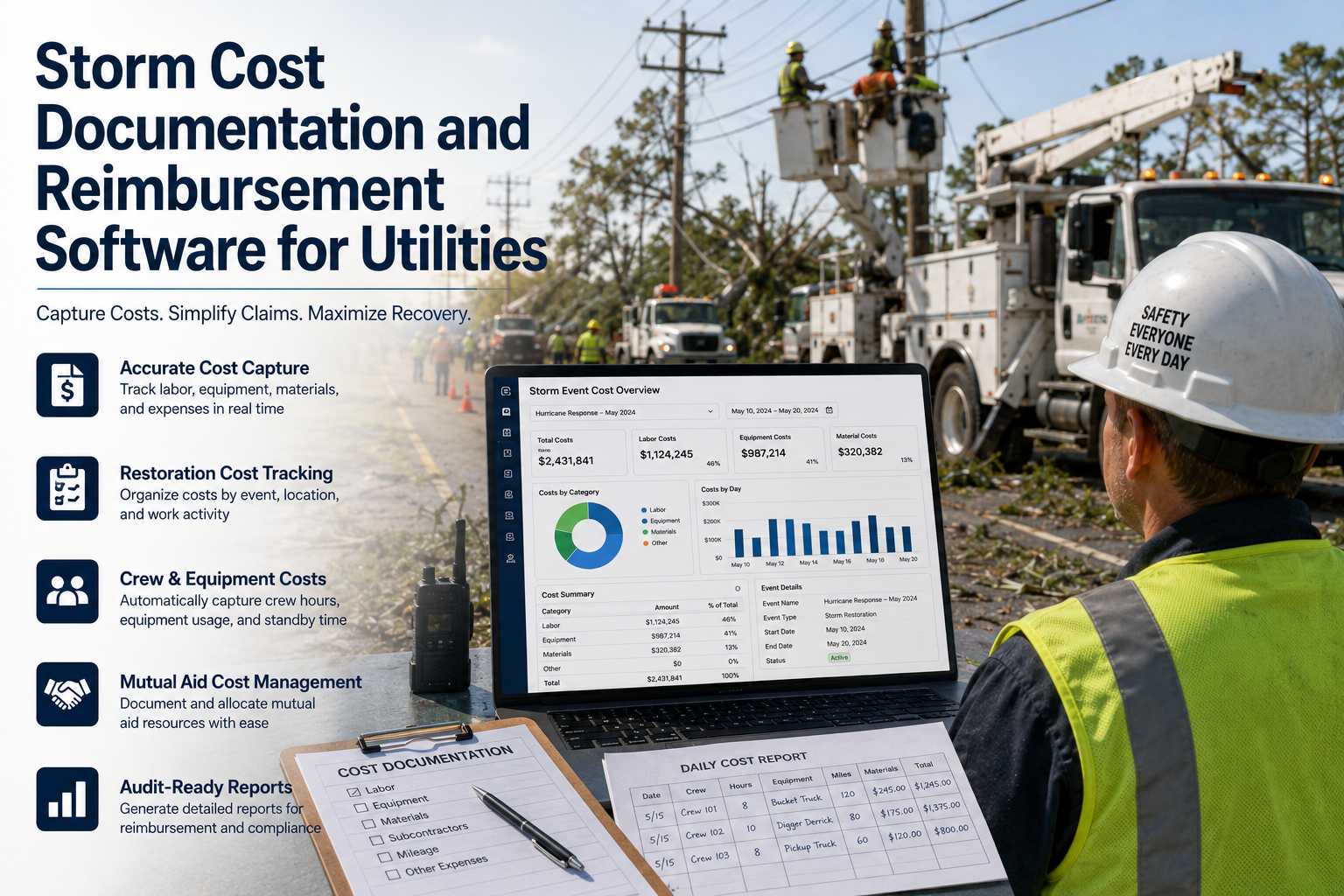
Electric utilities, municipal power systems, and disaster recovery directors operate under extreme financial exposure following major storm events: reconciling thousands of mutual aid contractor hours, tracking force account labor, logging fuel disbursements, and mapping equipment hours directly to FEMA Public Assistance rate schedules. When staging manifests, paper timecards, fuel tickets, and equipment runtimes remain scattered across hotel conference rooms or disconnected spreadsheets, utilities face prolonged public utility commission (PUC) prudency reviews, months of contractor billing disputes, and millions in disallowed FEMA disaster recovery grants. Fleet Rabbit delivers specialized storm cost documentation and reimbursement software built for electric utility disaster recovery, uniting real-time force account tracking, automated FEMA Schedule of Equipment Rates mapping, GPS-stamped runtime logs, and offline field reconciliation. Accelerate post-storm grant filing, prove full prudency to regulatory commissions, and maintain complete audit-proof financial ledgers completely offline across severe grid destruction zones with zero cellular signal. Book a Demo to see Fleet Rabbit storm cost documentation software in action.
UTILITY COMMAND HEADERStorm Cost Documentation & Reimbursement Software
Automate force account labor and equipment logs, map machine runtimes to FEMA rate schedules, streamline mutual aid contractor invoicing, and export audit-ready storm files.
Why Manual Spreadsheets Disallow Millions in Storm Recovery Costs
Post-disaster regulatory audits and federal grant guidelines enforce strict evidentiary standards; manual timecards and paper staging manifests fail under formal scrutiny.
Unverified Machine Active vs. Standby Intervals
FEMA auditors routinely disallow full equipment hourly reimbursement when logs lack continuous GPS validation, engine PTO runtimes, or clear distinctions between active feeder work and base camp standby time.
Disputed Mutual Aid Contractor Invoices
Receiving thousands of disparate contractor timecards and machine rate sheets months after a hurricane leads to protracted legal disputes, payment delays, and contested mutual aid reconciliation charges.
Regulatory PUC Prudency Disallowances
State Public Utility Commissions audit storm rate-case dockets for excessive contractor overtime, unaccounted mobile fueling drops, and duplicate equipment rentals, shifting millions from ratepayers back onto utility balance sheets.
Rural Feeder Dead Zone Data Gaps
Crews restoring severe mountain transmission lines or coastal feeder circuits operate without mobile connectivity. Cloud-only tools drop records, losing critical field activity timestamps and fuel transaction receipts.
Built for Transparent Storm Accounting and Rapid Reconciliation
Fleet Rabbit unites real-time force account tracking, mutual aid rate tables, bulk fuel logistics, and exportable audit packages in a single platform. Request a 1-on-1 walkthrough.
Automated FEMA Equipment Rates
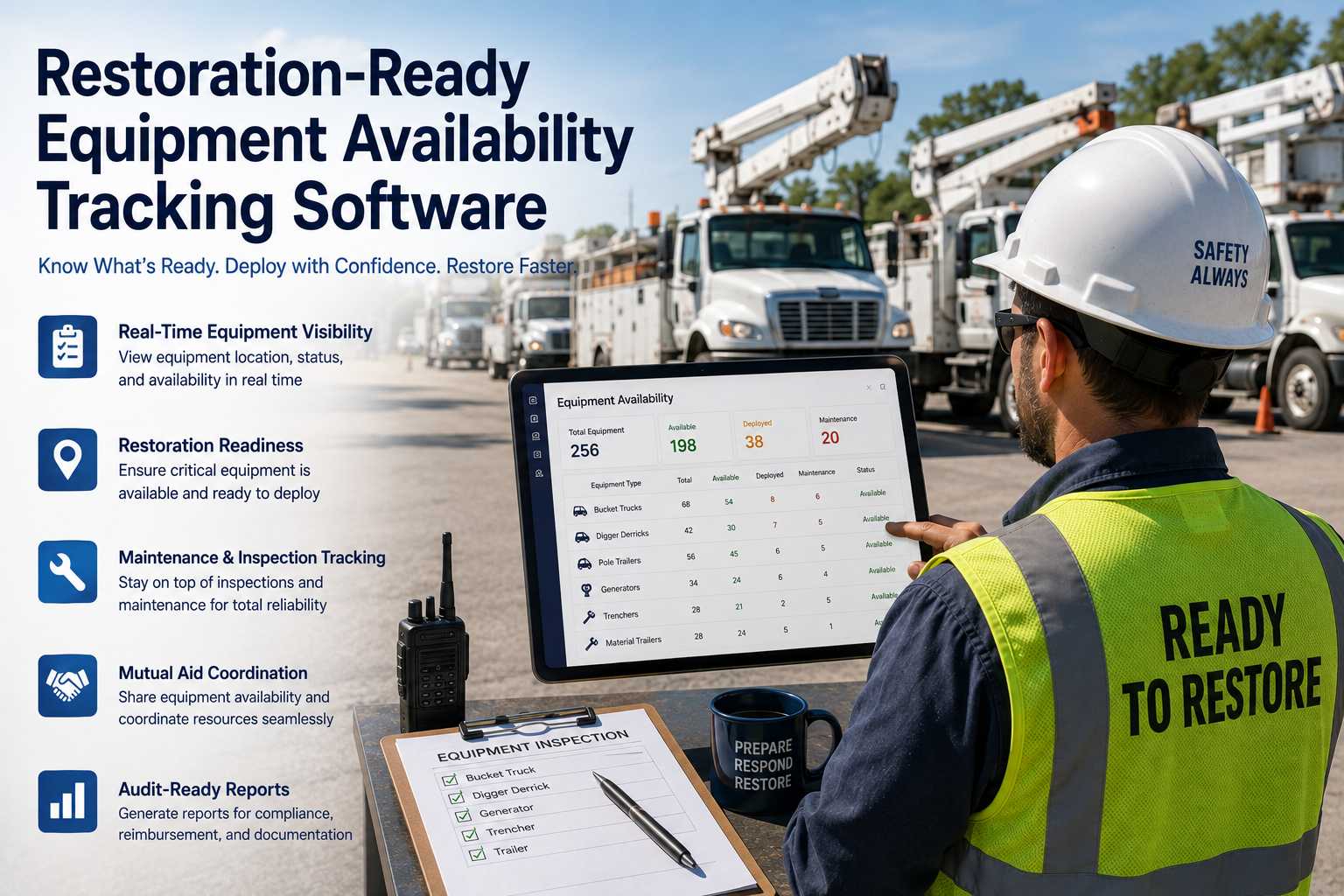
Automatically map all bucket trucks, digger derricks, and pullers directly to FEMA Schedule of Equipment Rates with geo-stamped engine hours and model codes.
Force Account Labor & Hours
Track crew work orders, overtime differentials, travel time, and per diem lodging expenses aligned with FEMA Category F labor compliance guidelines.
Disaster Fuel & DEF Accounting
Log mobile fuel tanker dispensing directly against individual unit numbers, matching total bulk gallons purchased to vehicle consumption for full cost recovery.
Contractor Invoice Reconciliation
Ingest external contractor timesheets and match them automatically against QR gate intake timestamps and GPS breadcrumbs to eliminate billing errors.
Offline Disaster Zone Store-and-Forward
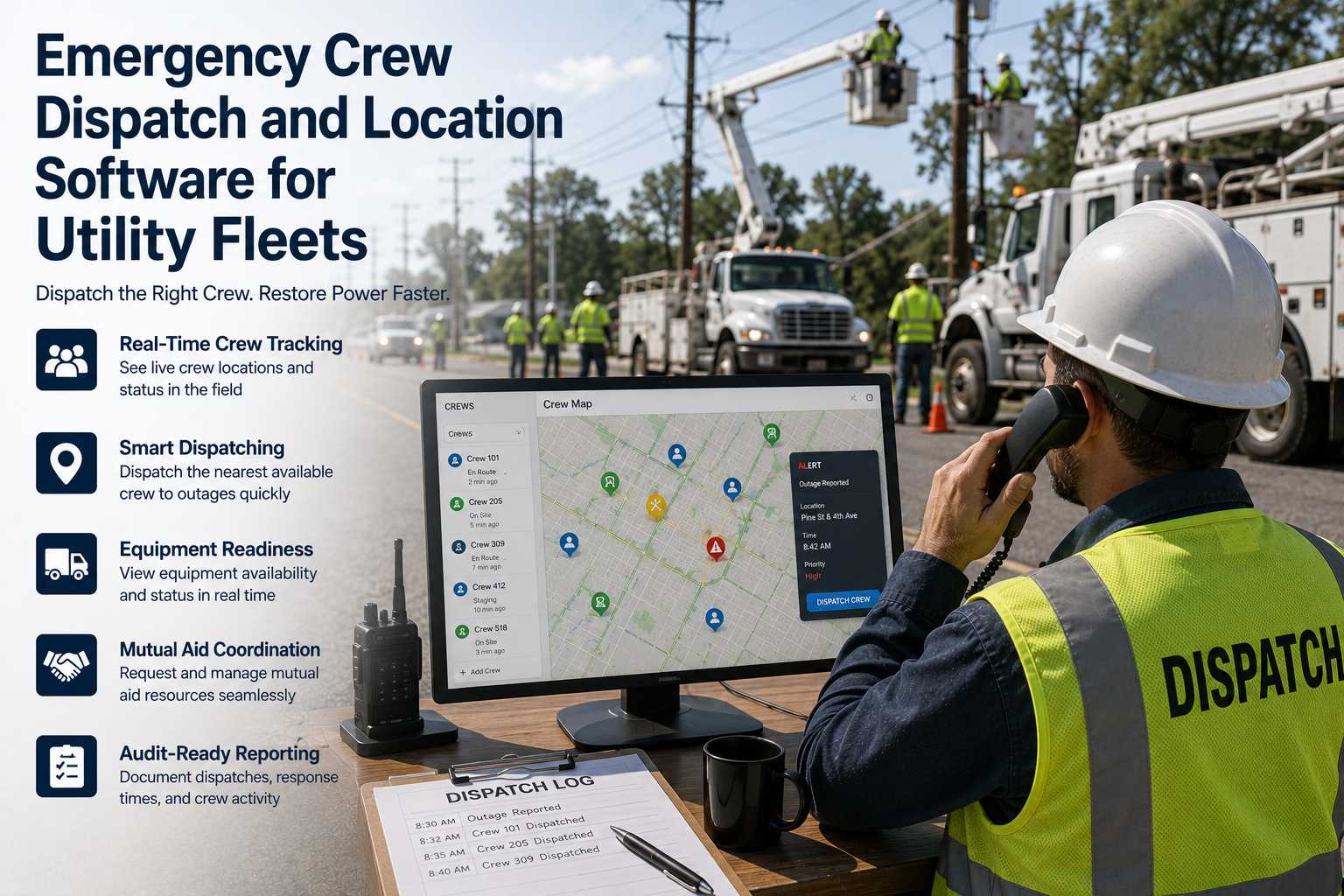
Field supervisors log equipment active/standby status, damage tickets, and contractor crews in total communication blackouts; records sync automatically upon coverage return.
One-Click PUC & FEMA Audit Exports
Generate certified, tamper-evident cost packets containing work order logs, equipment schedules, fuel receipts, and contractor sign-offs for immediate submission.
Standardized to Federal Disaster & State Regulatory Frameworks
Fleet Rabbit’s cost documentation structures meet strict federal emergency management grant guidelines, state utility commission rules, and mutual aid consortiums.
Maintains certified daily force account machinery logs, fringe benefit documentation, and active/standby operational rates required for Category F utility restoration grants.
Delivers transparent, timestamped operational audit trails proving the commercial reasonableness and prudency of mutual aid staging, contractor lodging, and repair dispatch.
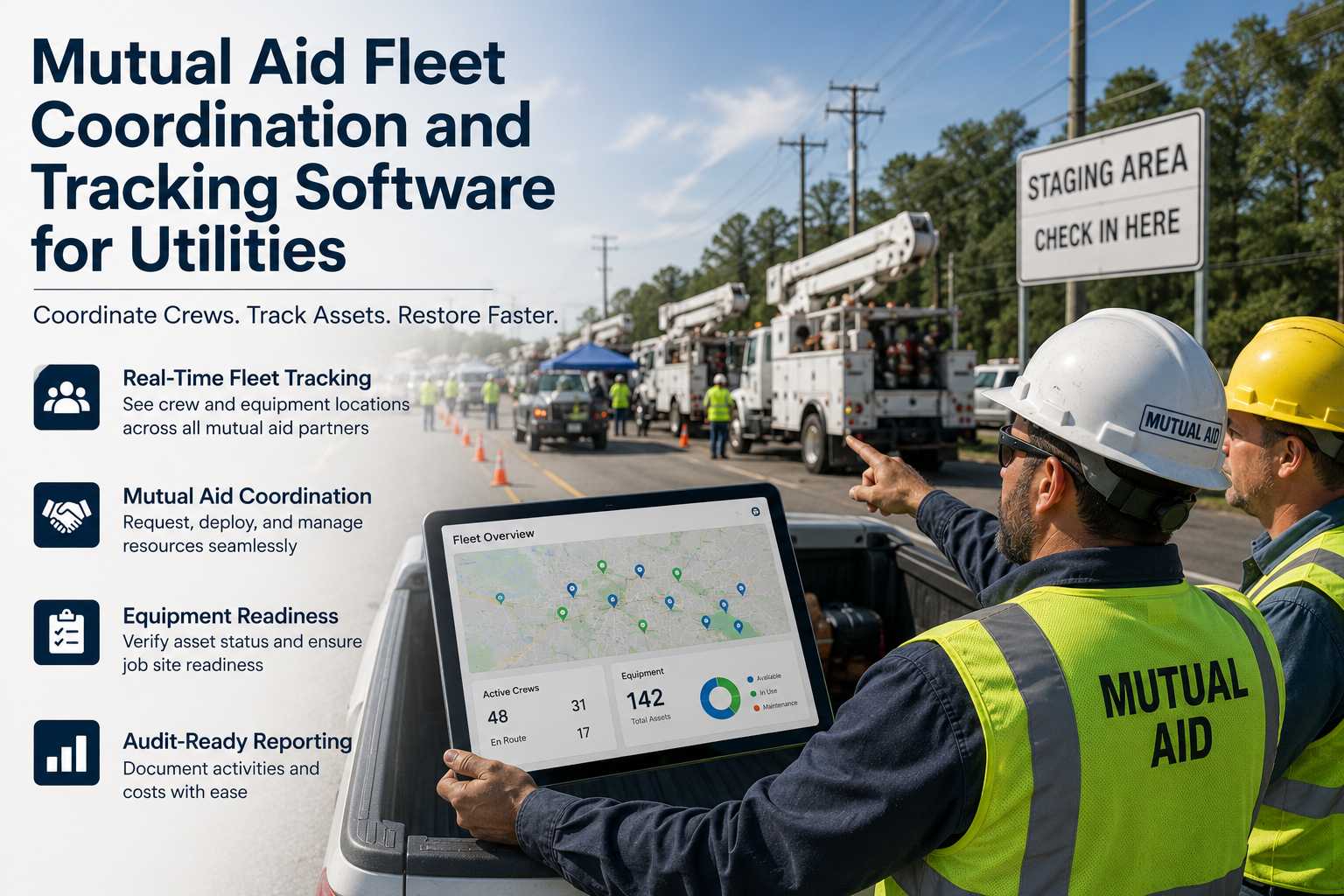
Standardizes contractor billing rates, equipment classifications, and demobilization procedures under Edison Electric Institute Regional Mutual Assistance guidelines.
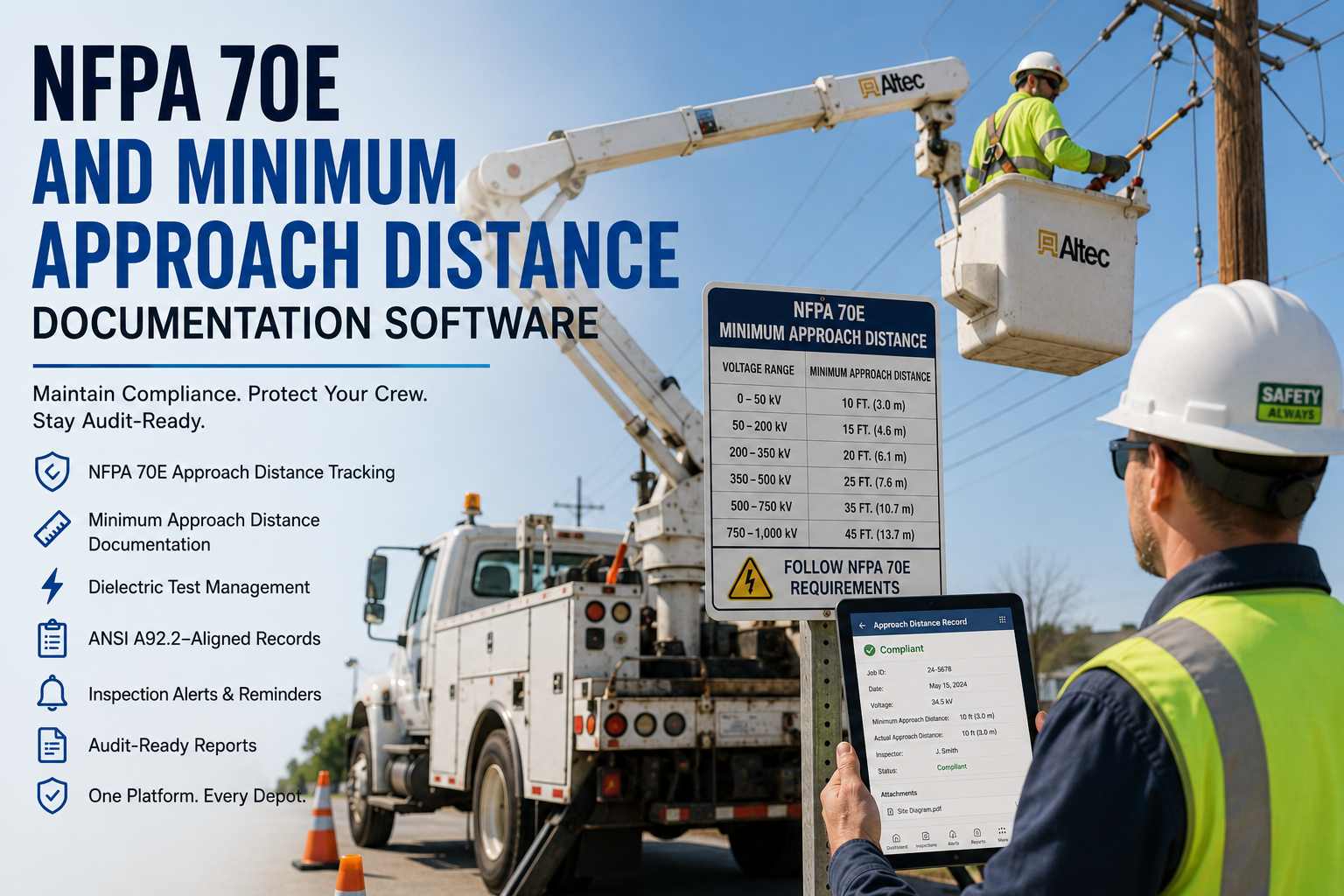
Maintains verified training credentials, high-voltage orientation briefings, and minimum approach distance compliance records linked to all billable labor hours.
Storm Cost Documentation Software Comparison
A specialized evaluation focused on FEMA rate automation, mutual aid cost reconciliation, and disaster offline performance as of 2026. Request a technical comparison.
| Capability | Fleet Rabbit | Samsara | ARCOS / Legacy Systems | Manual Binders & Sheets |
|---|---|---|---|---|
| Pricing (per asset/month) | $5/month | $27–$60/month | Enterprise contract ($$$$) | Costly audit clawbacks |
| FEMA Schedule Equipment Rate Mapping | Native & automated | Requires custom integration | Separate module required | Manual lookups |
| Contractor Timecard & Gate Cross-Check | Automated match & audit | Not available | Roster check only | Paper receipts |
| Mobile Bulk Fuel Dispensing Log | Direct asset assignment | IFTA fuel tracking only | Not supported | Handwritten receipts |
| Storm Zone Offline Micro-Sync | Full offline sync engine | Limited data caching | Cloud dependent | Paper only |
| Free Trial | 14 days, up to 3 assets | Demo only | Demo only | None |
| Contract Commitment | Monthly or annual | 3-year contract lock-in | Multi-year lock-in | None |
5-Step Implementation Roadmap
Fleet Rabbit deploys rapidly without interrupting active utility operations, moving your storm restoration tracking from paper folders to digital precision in two weeks.
Utility Fleet & Equipment Class Ingestion
Import internal and contractor bucket trucks, digger derricks, wire pullers, and fuel transports, tagging each machine with its exact FEMA equipment code.
Rate Schedule & Force Account Setup
Configure internal labor classifications, overtime wage tables, EEI RMAG contractor matrices, and mobile fuel cost calculation formulas.
Active vs. Standby Validation Logic
Establish automated validation parameters using GPS coordinate changes and engine PTO sensors to record verifiable machine active and standby hours.
Field Marshals & Cost Analysts Rollout
Equip base camp staging marshals, mobile fueling personnel, and emergency operations center (EOC) cost analysts with the offline mobile application.
Disaster Financial Command Dashboard Go-Live
Activate live cost-accumulation tracking, real-time burn-rate monitoring, and instant one-click FEMA Public Assistance export capabilities.
2-Week Deployment Plan & Milestones
Prepare your organization for emergency storm accounting ahead of hurricane and ice-storm seasons with zero operational disruption. Request an onboarding plan.
Week 1: Setup & Rate Mapping
- Digitize paper cost documentation files, past FEMA submission packages, and mutual aid rate agreements
- Map fleet inventory and equipment specifications to corresponding FEMA Schedule of Equipment Rates
- Configure user security roles for Staging Marshal, Financial Analyst, Logistics Chief, and Recovery Director
- Establish automated audit warning triggers for unassigned fuel drops and unverified contractor overtime
Week 2: Simulation & Operations Launch
- Conduct a simulated storm intake, tracking force account labor, equipment hours, and fuel disbursements
- Test store-and-forward syncing in simulated grid-down communication corridors and field trailers
- Generate sample FEMA Public Assistance summary reports to verify automated financial audit compliance
- Activate the live storm cost-tracking dashboard across emergency command centers
Accelerate Storm Grant Reimbursement and Eliminate Financial Disallowances
Track force account labor, map equipment hours to FEMA rate codes, and export audit-ready storm files. Start today at $5/asset/month with a 14-day free trial.
Real-World Operational Results
Operational outcomes reported by electric utility cooperatives and investor-owned utilities during post-storm financial audits. Request the storm cost case study.
100% FEMA Reimbursement — Severe Ice Storm
An electric cooperative suffered millions in grid damage and historically spent six months manually compiling paper timecards and equipment sheets for FEMA. Fleet Rabbit automated machine-hour mapping to FEMA equipment rates and geo-tracked force account labor, resulting in 100% grant approval and zero disallowed expenses.
Reconciliation Time Slashed — Category 4 Hurricane
An investor-owned utility struggled with contractor billing disputes and delayed rate-case approvals following a major hurricane. Fleet Rabbit reconciled over 220 mutual aid trucks and verified mobile fuel distributions within 48 hours of demobilization, saving over 350 administrative accounting hours.
When a major storm strikes, your focus is entirely on grid restoration and public safety. But once the lights are back on, the financial reckoning begins. In the past, we spent half a year tracking down contractor fuel tickets and defending our equipment hours to FEMA and the Public Utility Commission. Fleet Rabbit changed all of that. It captures every hour, every machine code, and every fuel transaction in the field. Our recovery filing went from six months of chaos to an audit-ready package in two days.
Frequently Asked Questions
Upgrade Your Storm Cost Documentation in Less Than 2 Weeks
Automate FEMA equipment rate mapping, streamline mutual aid reconciliation, and ensure 100% audit approval at $5/asset/month with a 14-day free trial.