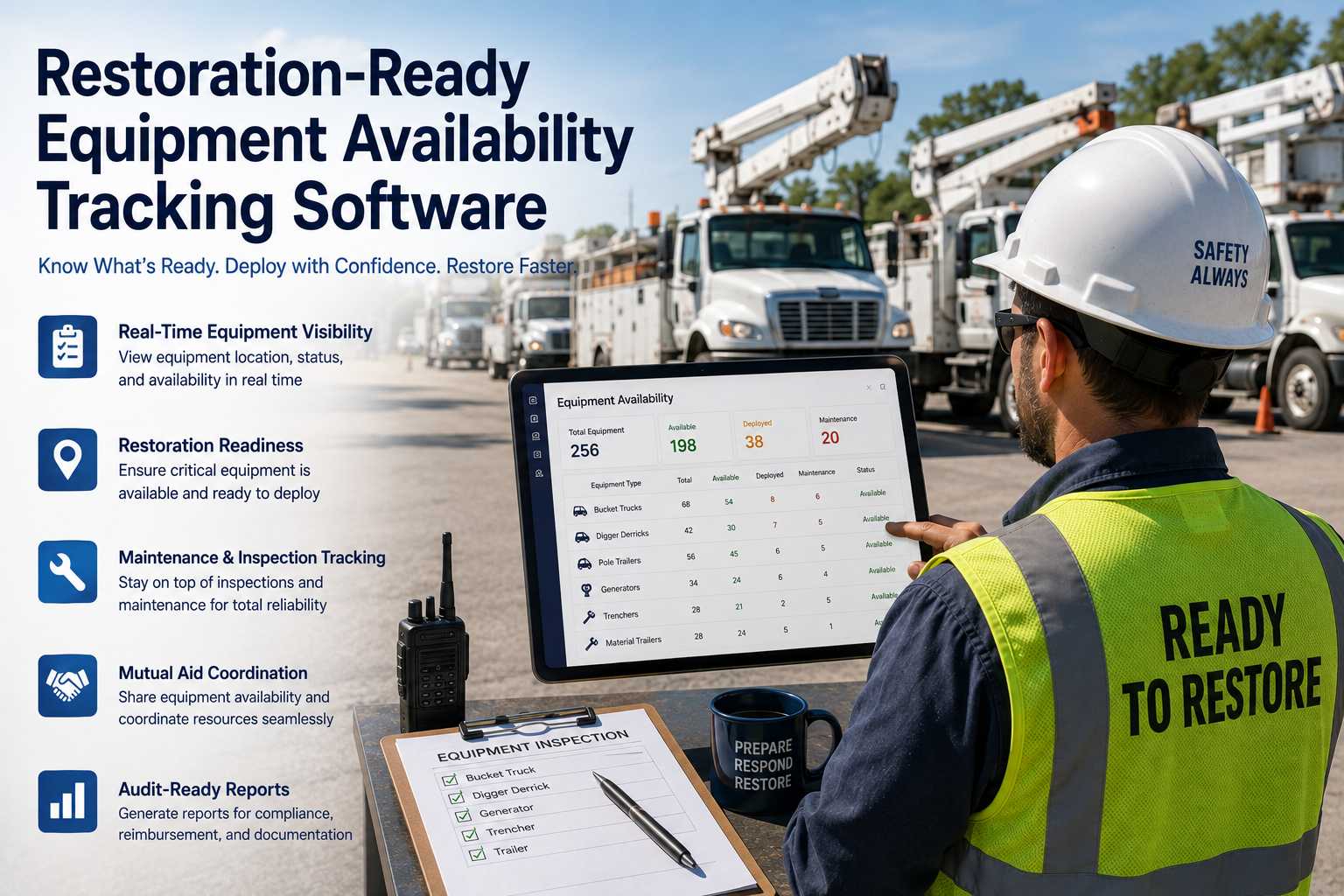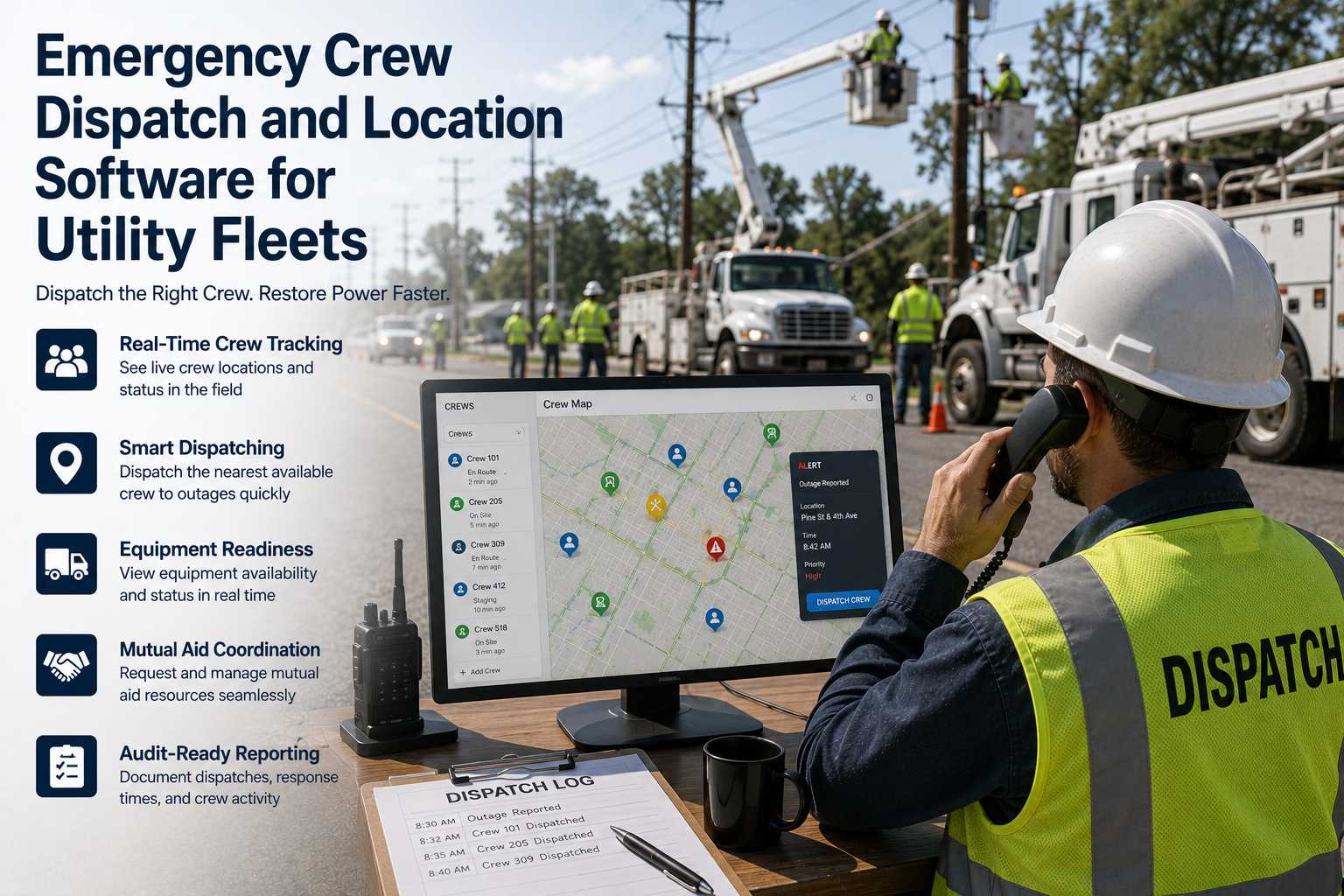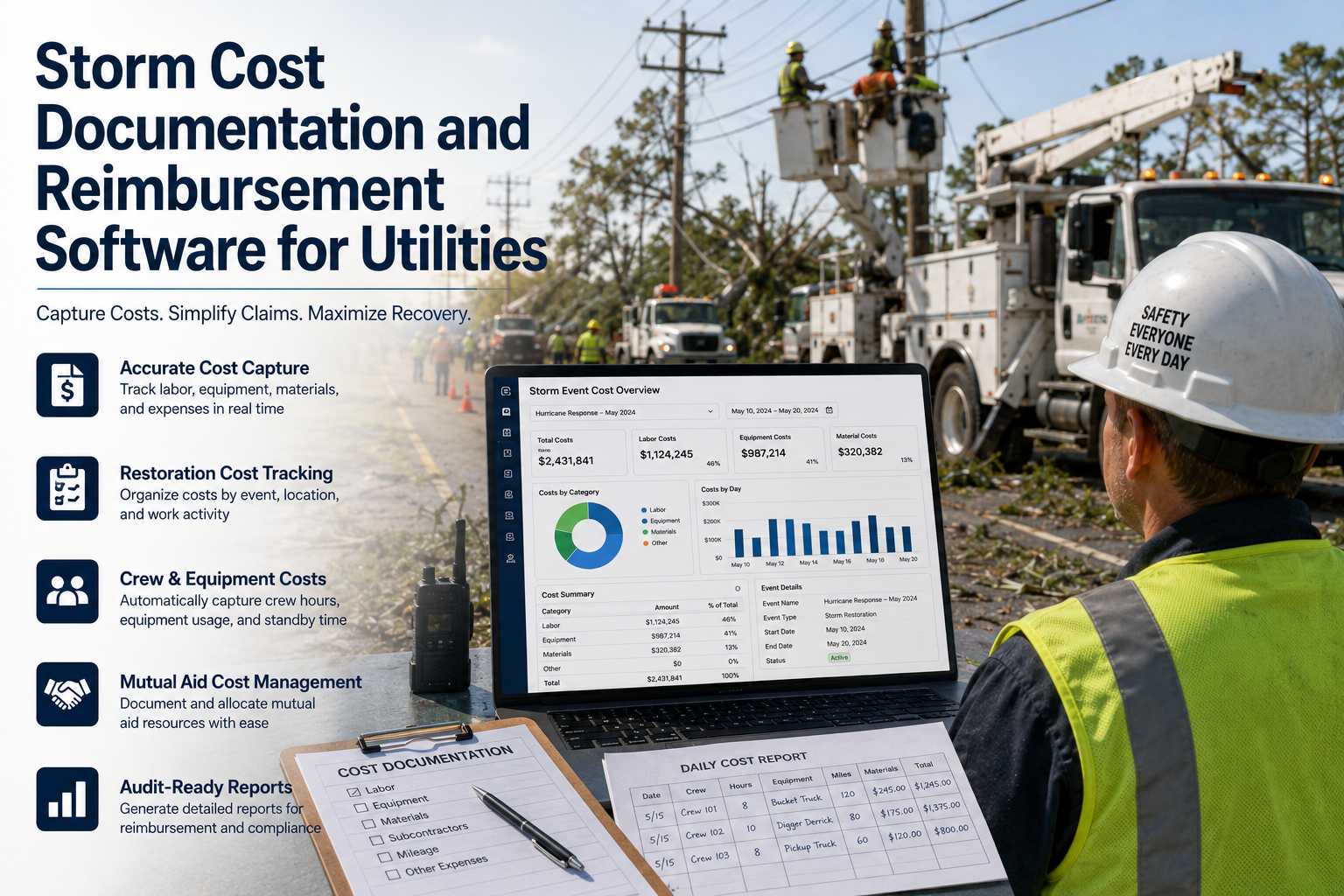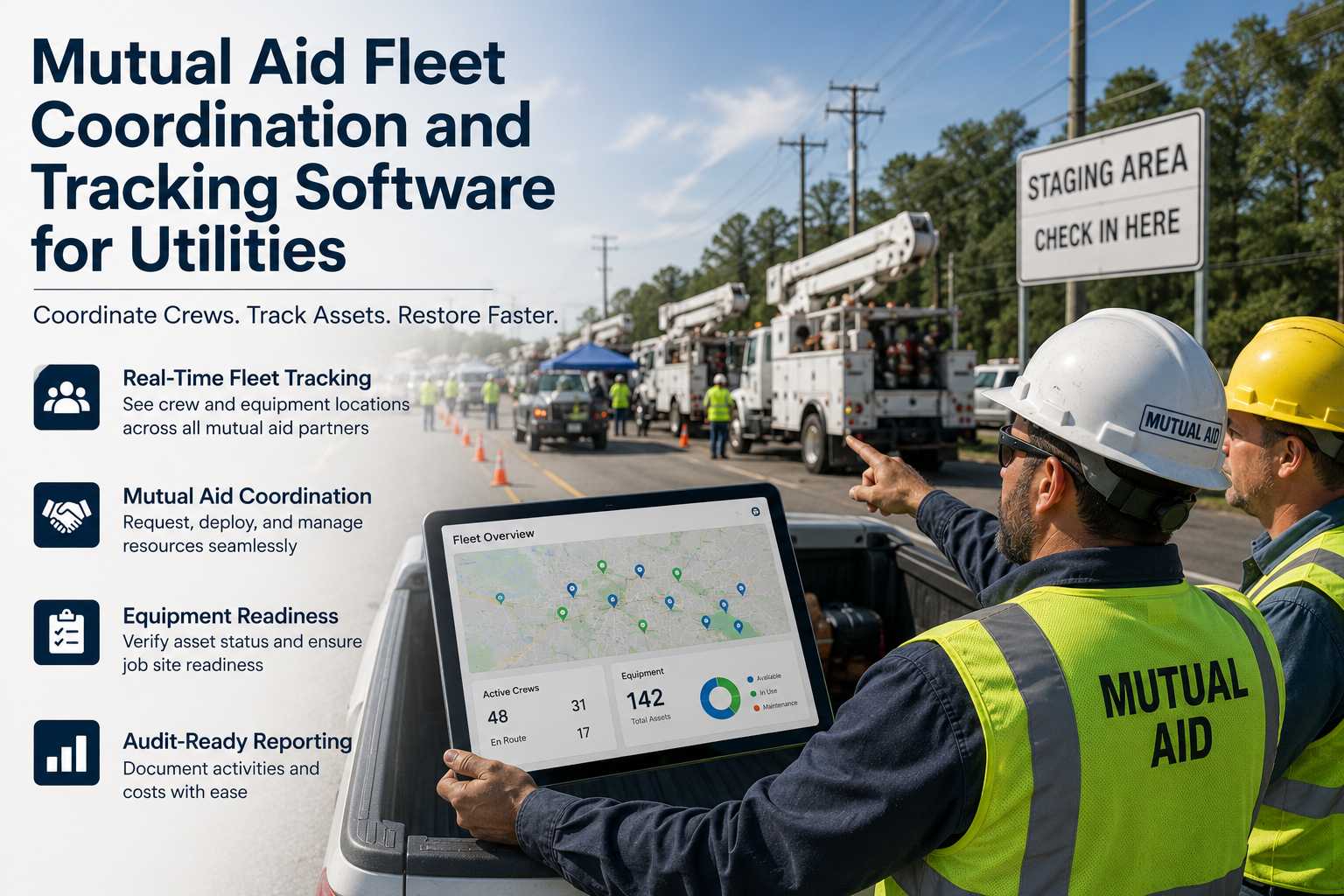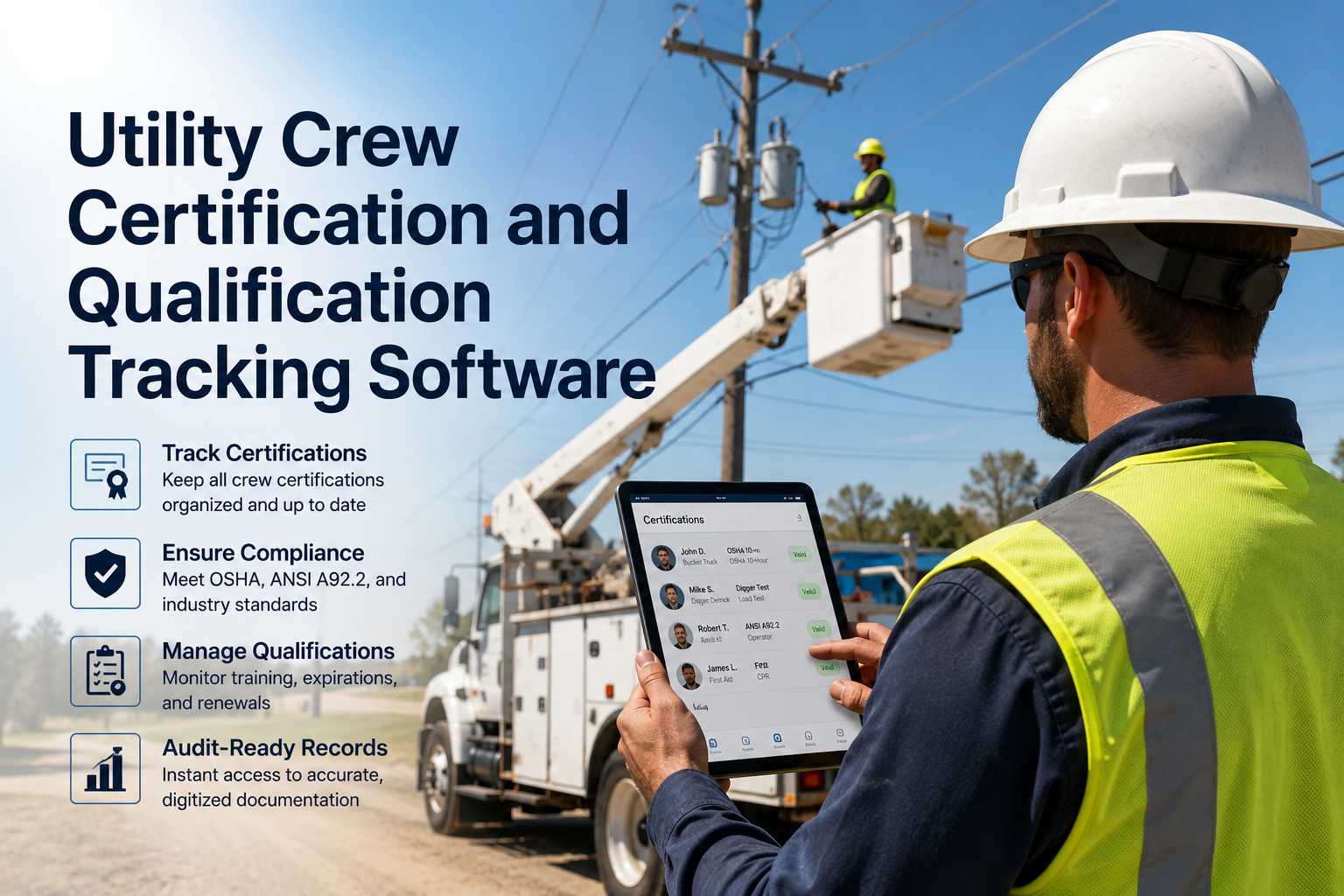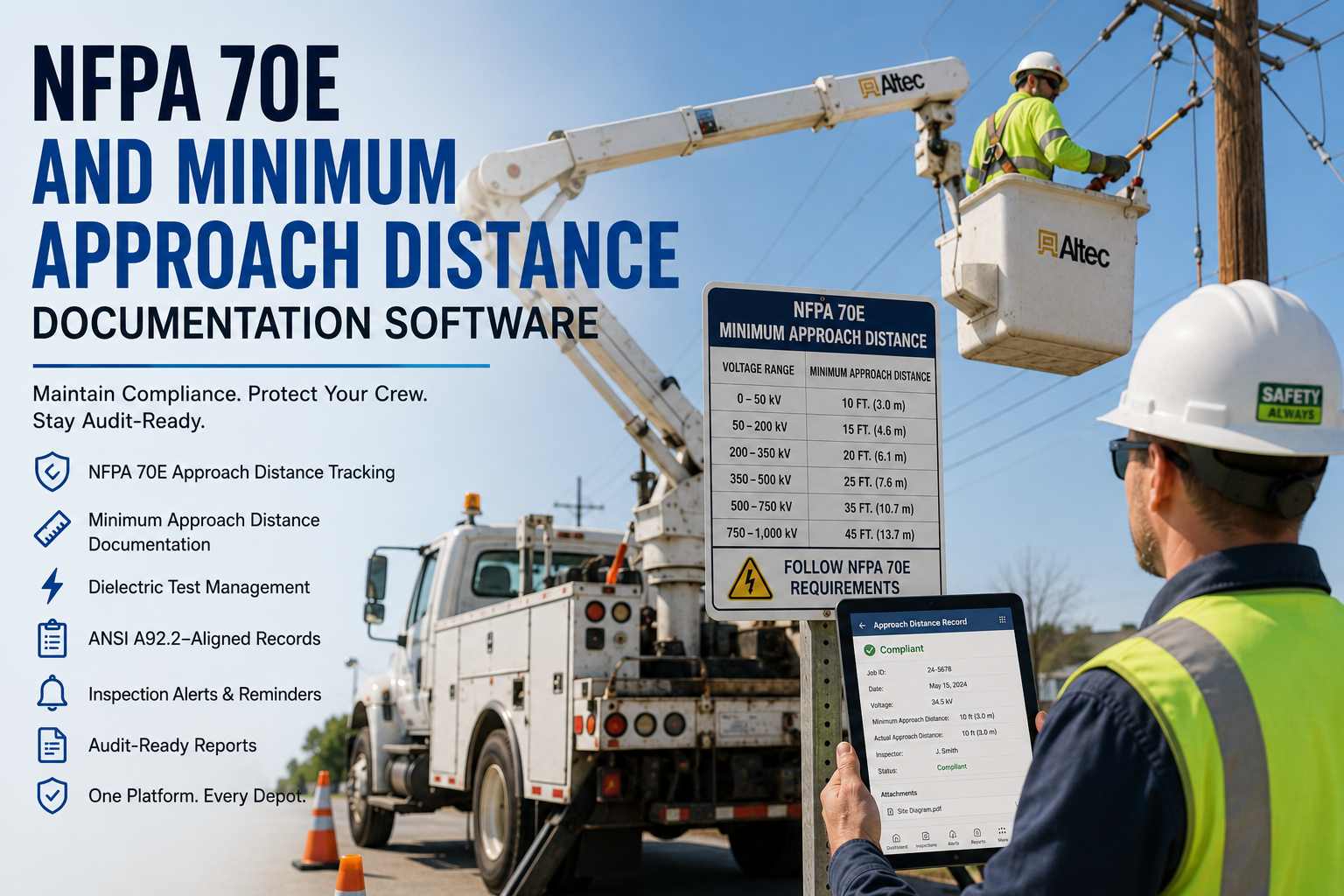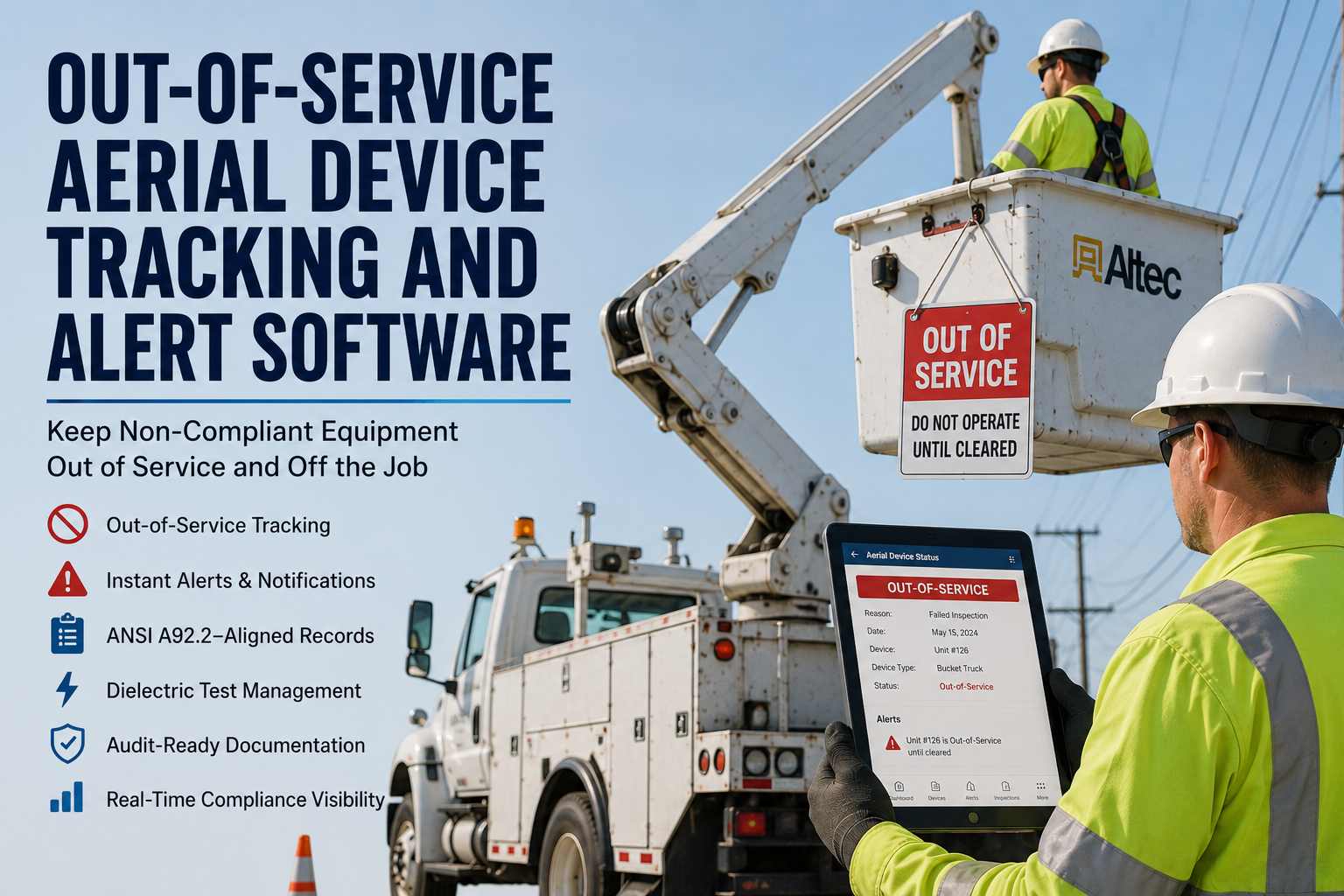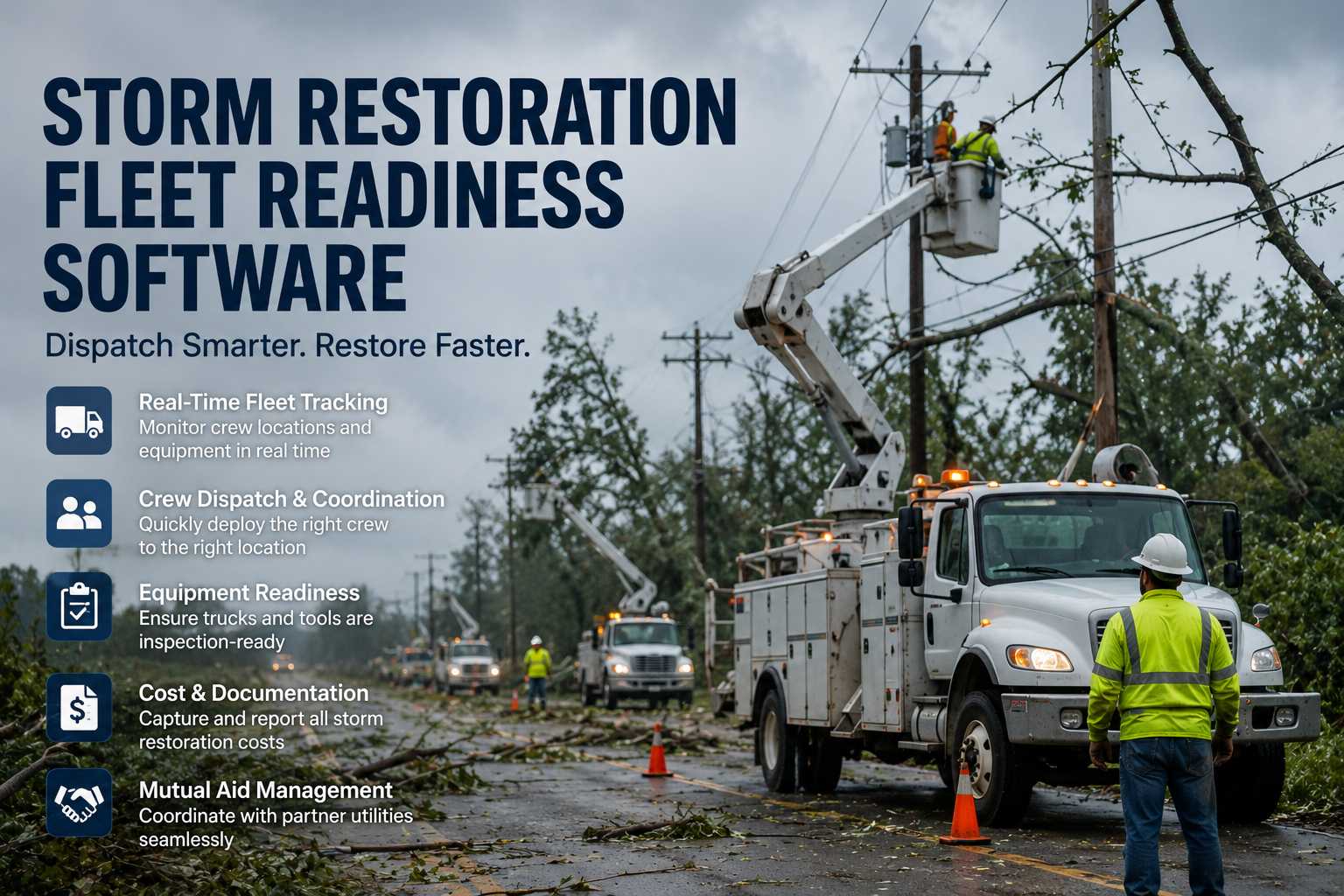
Electric utilities, disaster response coordinators, and storm restoration fleet directors deploy mutual aid and contractor resources under critical grid emergency conditions: verifying bucket truck dielectric readiness, tracking multi-state contractor staging, logging FEMA reimbursable equipment hours, and routing line crews around washed-out transmission rights-of-way. When storm staging manifests, fuel receipts, mutual aid crew rosters, and out-of-service boom tags remain trapped on paper hotel clipboards or disjointed spreadsheets, utilities face prolonged regional blackout durations, severe host utility audit rejections, and disallowed FEMA public assistance recovery funds. Fleet Rabbit delivers specialized storm restoration fleet readiness software engineered for rapid utility mobilization, combining real-time contractor crew check-ins, automated ANSI A92.2 boom readiness vaults, live convoy telematics, and offline right-of-way synchronization. Streamline base camp staging check-ins, verify contractor equipment safety before deployment, and document every operational engine hour completely offline across storm-damaged disaster corridors with zero cellular signal. Book a Demo to see Fleet Rabbit storm restoration fleet software in action.
UTILITY COMMAND HEADERStorm Restoration Fleet Readiness & Mutual Aid Software
Mobilize emergency utility convoys, automate staging-site equipment check-ins, track contractor equipment hours for FEMA audits, and direct restoration crews offline through disaster zones.
Why Paper Logs and Spreadsheets Fail Storm Restoration
Disaster response demands immediate staging velocity; legacy paper manifests and static spreadsheets cannot handle dynamic contractor mobilization during catastrophic grid events.
Staging-Site Bottlenecks & Delayed Feeder Dispatch
Checking in hundreds of mutual aid bucket trucks and digger derricks with paper clipboard forms causes multi-hour base camp backups, keeping skilled line crews grounded while critical substations remain dark.
Disallowed FEMA & Mutual Aid Cost Claims
FEMA Public Assistance and insurance auditors reject reimbursement claims lacking timestamped engine hours, machine class specs, and GPS coordinates, leaving utilities on the hook for millions in storm costs.
Deployment of Defective or Uninspected Equipment
In the rush to restore power, contractor bucket trucks with expired dielectric tests or leaky hydraulic lines slip into service, creating high-risk electrical flashover hazards in storm-ravaged neighborhoods.
Zero-Signal Grid Reconstruction Dead Zones
Severe hurricanes and ice storms knock down cellular towers across entire regional operating territories. Cloud-only dispatch applications fail completely, stranding supervisors without feeder maps or crew locations.
Engineered for High-Tempo Disaster Grid Mobilization
Fleet Rabbit synchronizes mutual aid rosters, emergency asset inspections, fuel staging, and audit ledgers into a single tactical console. Request a 1-on-1 walkthrough.
Rapid Base Camp Staging Portal
Scan mutual aid QR badges to verify equipment classifications, operator CDLs, bucket height ratings, and dielectric compliance in under 60 seconds.
Automated FEMA Cost Documentation
Automatically map equipment runtimes to FEMA Schedule of Equipment Rates with geo-stamped audit trails to guarantee complete disaster reimbursement.
Digital Dielectric & Crane Verifications
Mandatory digital intake verifications ensure every incoming boom meets ANSI A92.2 standards, with active 90/60/30-day dielectric test and load inspection certs.
Emergency Mobile Fuel Tracking
Log fuel tanker dispatches and gallon distributions directly to specific vehicle IDs, preventing dry-tank lockouts across remote feeder right-of-ways.
Offline Mesh Store-and-Forward
Field foremen assign tasks, record feeder walkdowns, and log mechanical repairs in total communication blackouts; records sync once back in coverage.
EEI Mutual Aid Packet Exports
Generate certified billing packets, crew rosters, and safety inspection logs with one click for rapid host utility audit sign-offs and invoice reconciliation.
Aligned with Federal Disaster & Utility Aid Mandates
Fleet Rabbit’s storm restoration tracking protocols comply with federal emergency guidelines, national electrical safety standards, and mutual aid consortiums.
Maintains certified daily equipment rate logs, force account labor records, and active mobilization manifests required for federal disaster grant reimbursement.
Standardizes contractor and mutual aid check-in protocols under Edison Electric Institute (EEI) Regional Mutual Assistance Group (RMAG) governance rules.
Validates minimum approach distances (MAD), energized work clearances, grounded equipment continuity, and storm contractor safety orientations prior to field dispatch.
Guarantees pre-mission structural checks, insulated boom maintenance compliance, and current dielectric oil inspection certifications for mutual aid units.
Storm Restoration Fleet Software Comparison
A capability comparison focused on mutual aid mobilization, FEMA audit readiness, and disaster offline performance as of 2026. Request a technical comparison.
| Capability | Fleet Rabbit | Samsara | ARCOS / Storm Software | Paper Clipboards & Binders |
|---|---|---|---|---|
| Pricing (per asset/month) | $5/month | $27–$60/month | Enterprise contract ($$$$) | Costly audit delays |
| Rapid Mutual Aid Staging Portal | Native QR code intake | Manual account setup | Roster tracking only | Paper check-in sheets |
| FEMA Schedule Equipment Rate Mapping | Built-in & automated | Custom integration required | Separate billing module | Manual spreadsheet reconciliation |
| Aerial Dielectric Intake Verification | Mandatory gate check | Not available | Not available | Unchecked / paper binders |
| Offline Disaster Zone Synchronization | Full offline sync engine | Limited data caching | Cloud reliant | Paper only |
| Free Trial | 14 days, up to 3 assets | Demo only | Demo only | None |
| Contract Commitment | Monthly or annual | 3-year contract lock-in | Multi-year utility lock-in | None |
5-Step Implementation Roadmap
Fleet Rabbit provides an accelerated deployment roadmap for electric utilities, transitioning disaster fleet operations from paper chaos to digital readiness in two weeks.
Utility Asset Profile & Equipment Ingestion
Import internal bucket trucks, digger derricks, fuel tankers, and wire pullers with active dielectric testing and mechanical survey records.
FEMA Equipment Rate Matrix Setup
Configure equipment codes directly to the FEMA Schedule of Equipment Rates to automate hourly reimbursement reporting from the first mobilization day.
Mutual Aid Contractor Intake Templates
Set up intake screening rules that verify incoming contractor certifications, out-of-state vehicle registrations, and machine electrical test records.
Staging Area & Field Dispatch Rollout
Deploy rugged offline mobile applications to base camp staging marshals, fuel dispatch coordinators, and line restoration foremen.
Emergency Restoration Dashboard Go-Live
Activate live situational awareness screens, restoration progress trackers, and real-time fuel and resource allocation boards.
2-Week Deployment Plan & Milestones
Prepare your organization for severe weather events with a structured deployment plan that requires zero downtime on active operations. Request an onboarding plan.
Week 1: System Configuration & FEMA Rules
- Digitize paper disaster response plans, mutual aid manifests, and past staging site logs
- Map internal fleet specifications to corresponding FEMA equipment rate categories
- Configure user security roles for Staging Marshal, Logistics Chief, Safety Director, and Mutual Aid Lead
- Establish automated 90/60/30-day renewal warnings for all critical aerial dielectric certifications
Week 2: Field Simulation & Launch
- Conduct a simulated 20-minute contractor base camp check-in using mobile QR scanning tools
- Validate offline store-and-forward telemetry in simulated cellular dead zones and rural corridors
- Export sample FEMA reimbursement reports to verify automated financial audit compliance
- Activate the central emergency restoration dashboard across utility operation command centers
Accelerate Power Restoration and Guarantee Complete FEMA Cost Recovery
Standardize mutual aid staging check-ins, automate FEMA equipment rate tracking, and maintain field visibility without cellular service. Start today at $5/asset/month with a 14-day free trial.
Real-World Operational Results
Operational outcomes reported by investor-owned utilities and emergency electrical restoration contractors. Request the storm restoration case study.
Hurricane Staging Time Slashed — 180 Mutual Aid Vehicles
Following a Category 4 hurricane, an investor-owned utility struggled with multi-hour check-in queues at its central staging site using manual paperwork. Fleet Rabbit deployed QR-based mobile intake and dielectric verification, reducing average check-in times from 45 minutes to under 8 minutes per crew and saving 22 administrative hours daily.
100% FEMA Cost Recovery — Ice Storm Response
A regional powerline contractor faced extensive FEMA reimbursement audits that previously took six months of manual timecard and equipment log reconciliation. Fleet Rabbit automatically captured geo-stamped equipment hours mapped to FEMA equipment codes, resulting in 100% audit approval with zero disallowed expenses.
When a major hurricane hits, chaos at the staging site costs lives and delays power restoration. We used to have lines of mutual aid bucket trucks backed up for half a mile waiting for staff to verify credentials on paper clipboards. Fleet Rabbit changed the game for our storm response. We check in trucks with a phone scan, ensure their dielectric certification is active, and dispatch them to feeders in minutes, all while capturing every single equipment hour for FEMA reimbursement.
Frequently Asked Questions
Upgrade Your Storm Restoration Fleet Readiness in Less Than 2 Weeks
Standardize mutual aid staging check-ins, automate FEMA equipment rate tracking, and maintain audit-proof compliance records at $5/asset/month with a 14-day free trial.