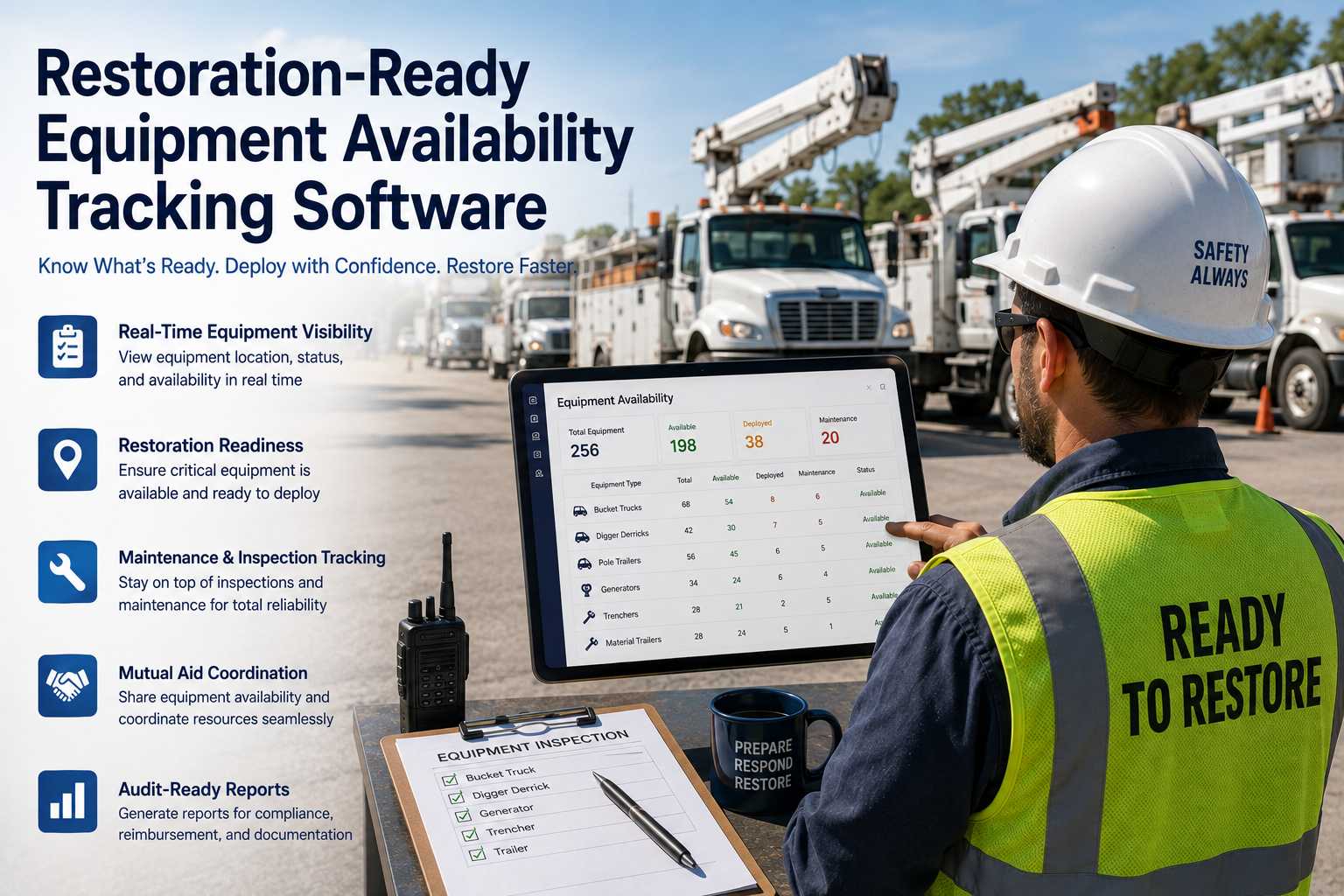
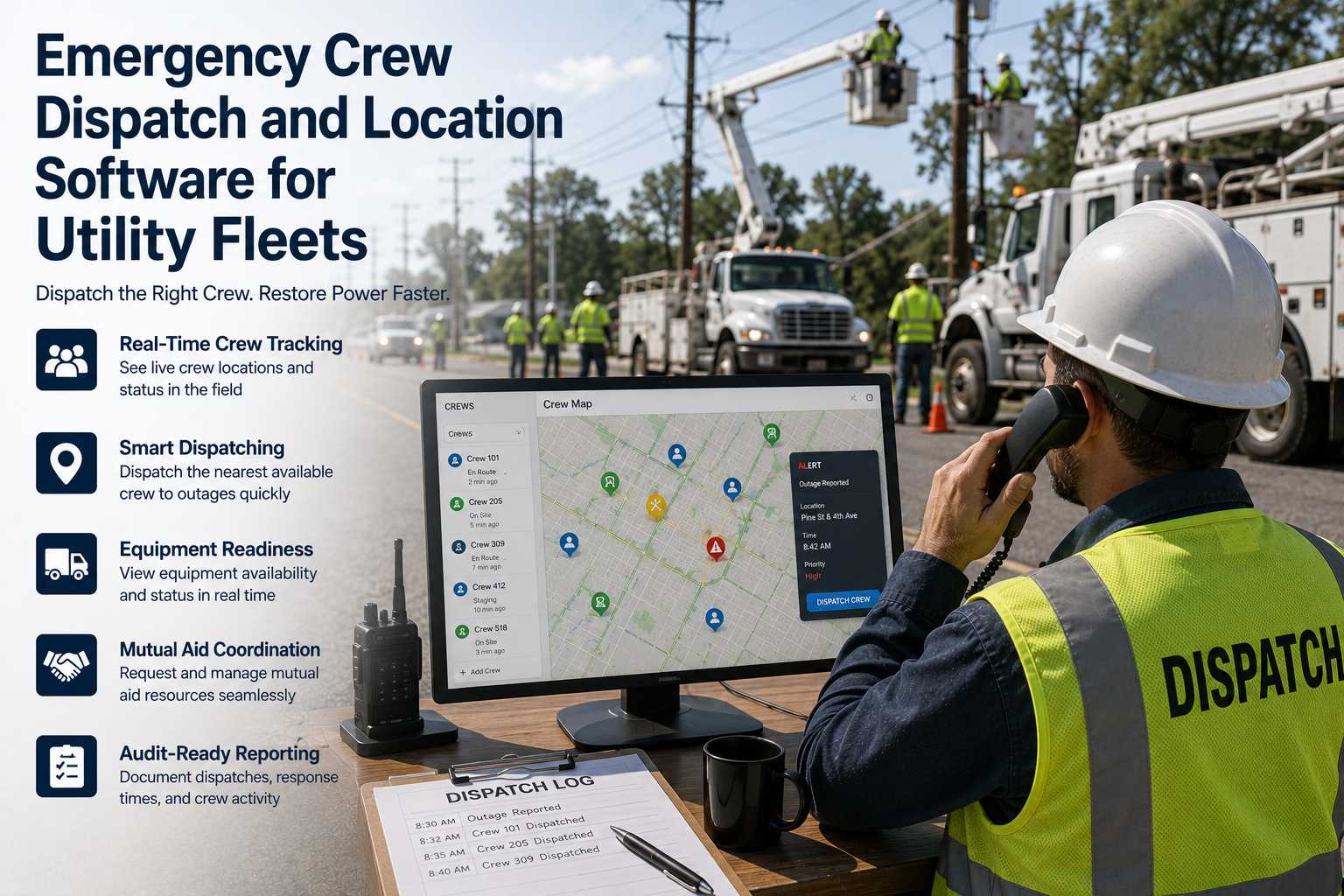
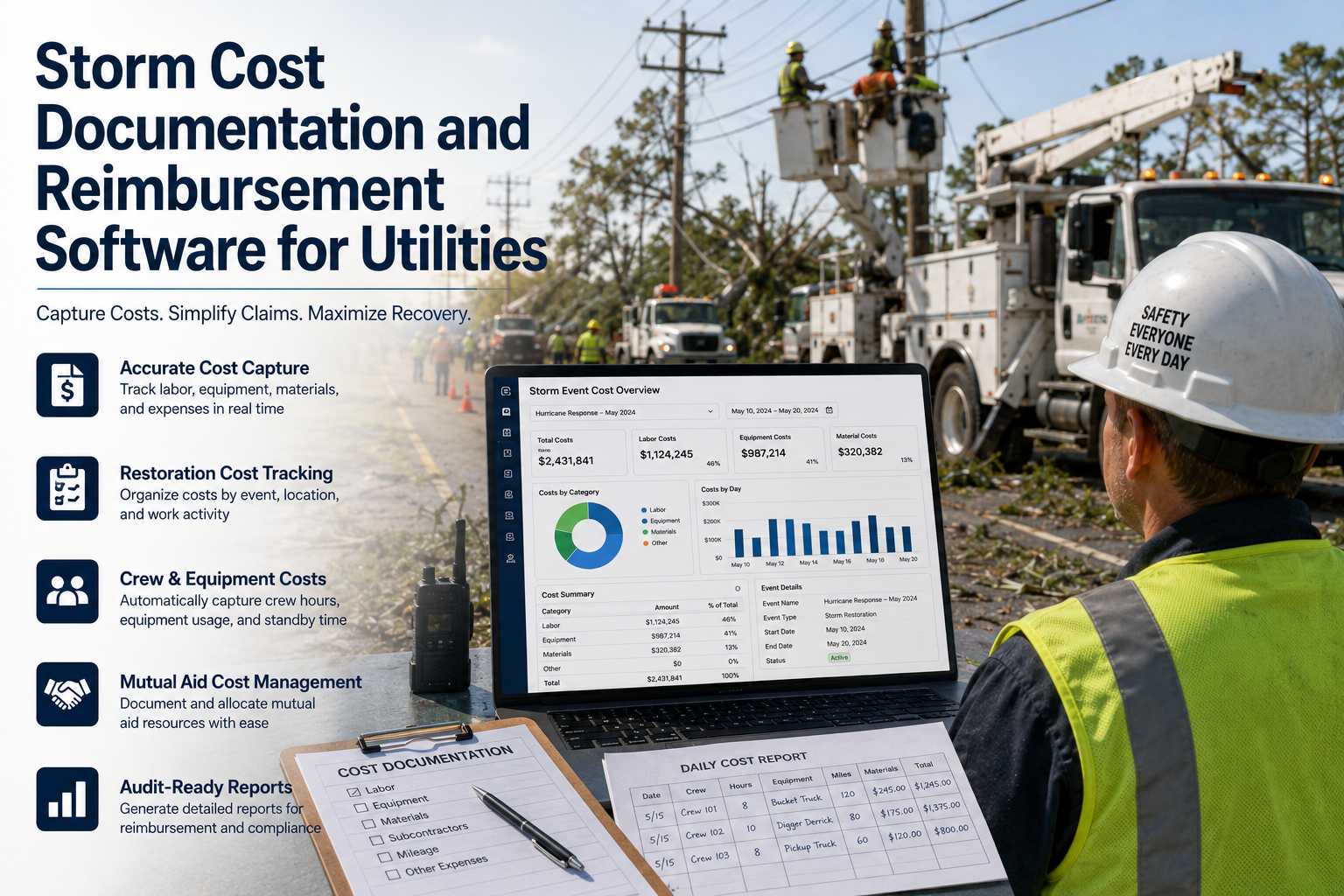
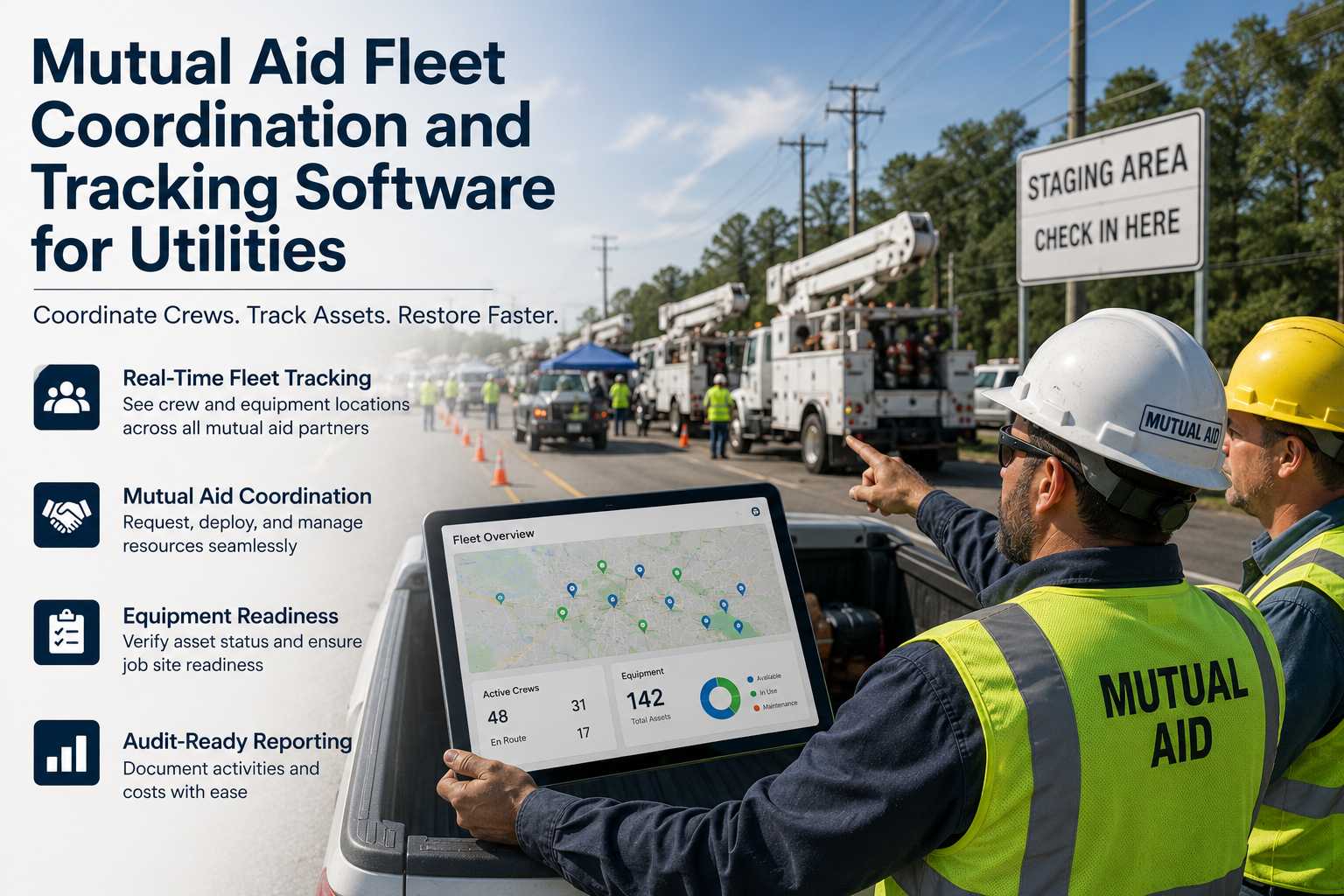
Utility fleet managers juggle DOT DVIR requirements, specialized equipment maintenance, and storm-response readiness across dispersed service territories. Paper inspections, manual certification tracking, and fragmented maintenance records create compliance gaps that surface during audits or emergency deployments. Fleet Rabbit provides a unified utilities fleet platform—enabling digital DVIR workflows, equipment-specific maintenance scheduling, and audit-ready compliance reporting without replacing existing telematics hardware. Book a Demo to see Fleet Rabbit in action.
97%
DVIR completion rate with offline-capable mobile workflows for remote service areas
<4 min
Average time to complete a digital DVIR vs. 10–15 minutes for paper forms
95%+
Preventive maintenance on-time completion through automated scheduling and alerts
$5/vehicle/mo
All-in pricing including DVIR, maintenance, compliance, and integrations
Manual Fleet Processes Create Compliance and Readiness Risk. Automation Builds Resilience.
Fleet Rabbit captures digital DVIRs, tracks specialized equipment maintenance, monitors driver certifications, and generates audit-ready reports in a unified platform—with offline mobile capability for remote service areas and integrations with existing dispatch and work order systems.
Utilities Fleet Challenges: Why Generic Fleet Tools Fall Short
Utility operations face unique fleet management demands that standard commercial fleet platforms often overlook. Understanding these distinctions is essential for selecting the right software solution.
Specialized Equipment Requires Specialized Tracking
Bucket trucks, digger derricks, and cable pullers have maintenance needs beyond standard vehicles. Generic platforms lack native support for hydraulic system inspections, aerial device certifications, or electrical safety checks.
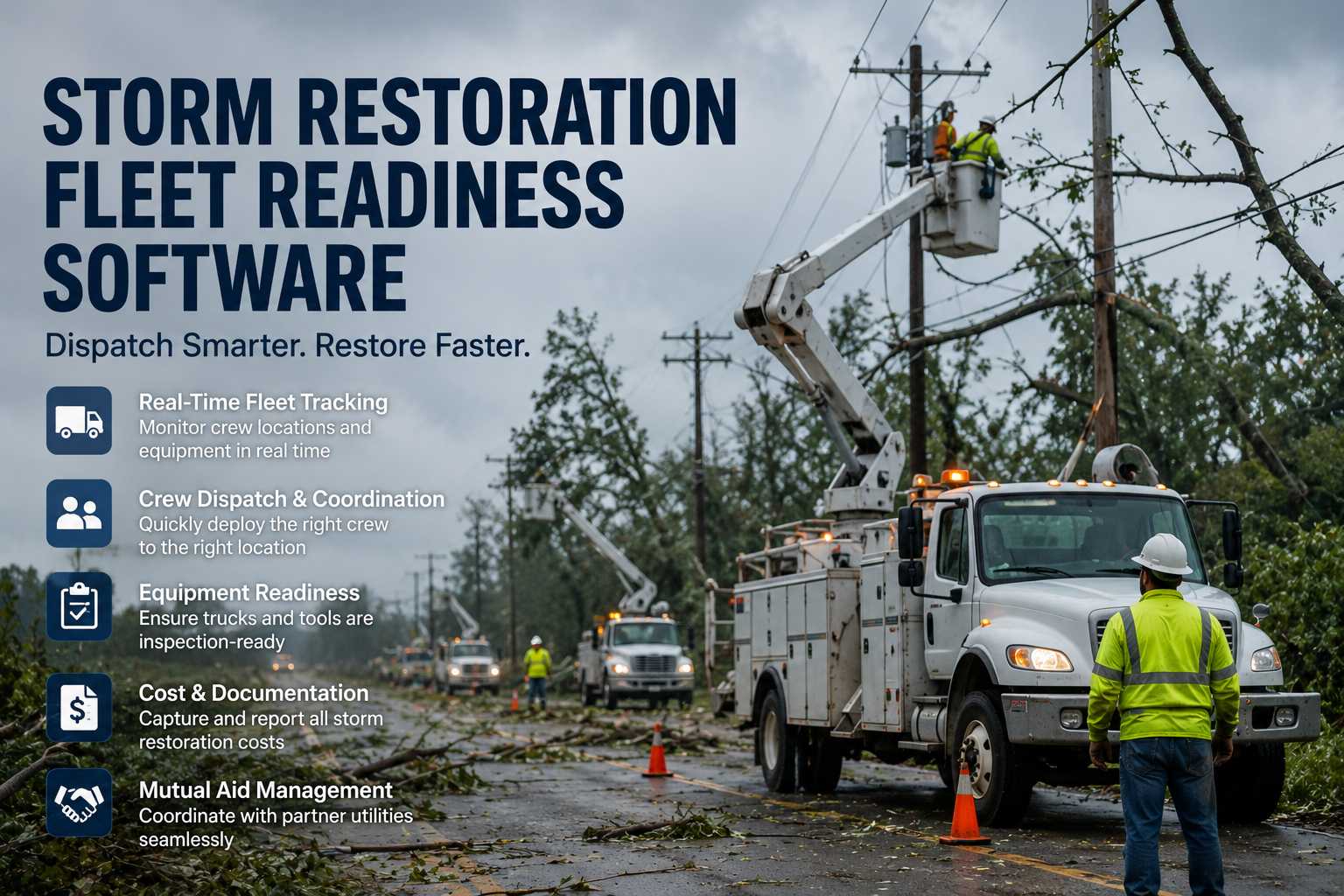
Storm Response Demands Rapid Fleet Readiness
During outages or severe weather, fleets must deploy quickly with verified-compliant vehicles. Manual DVIR review and certification checks create delays when every minute impacts restoration timelines.
Multi-Framework Compliance Increases Administrative Load
Utility fleets navigate DOT DVIR rules, OSHA safety standards, NERC reliability requirements, and state PUC regulations. Managing these in separate systems increases error risk and audit preparation time.
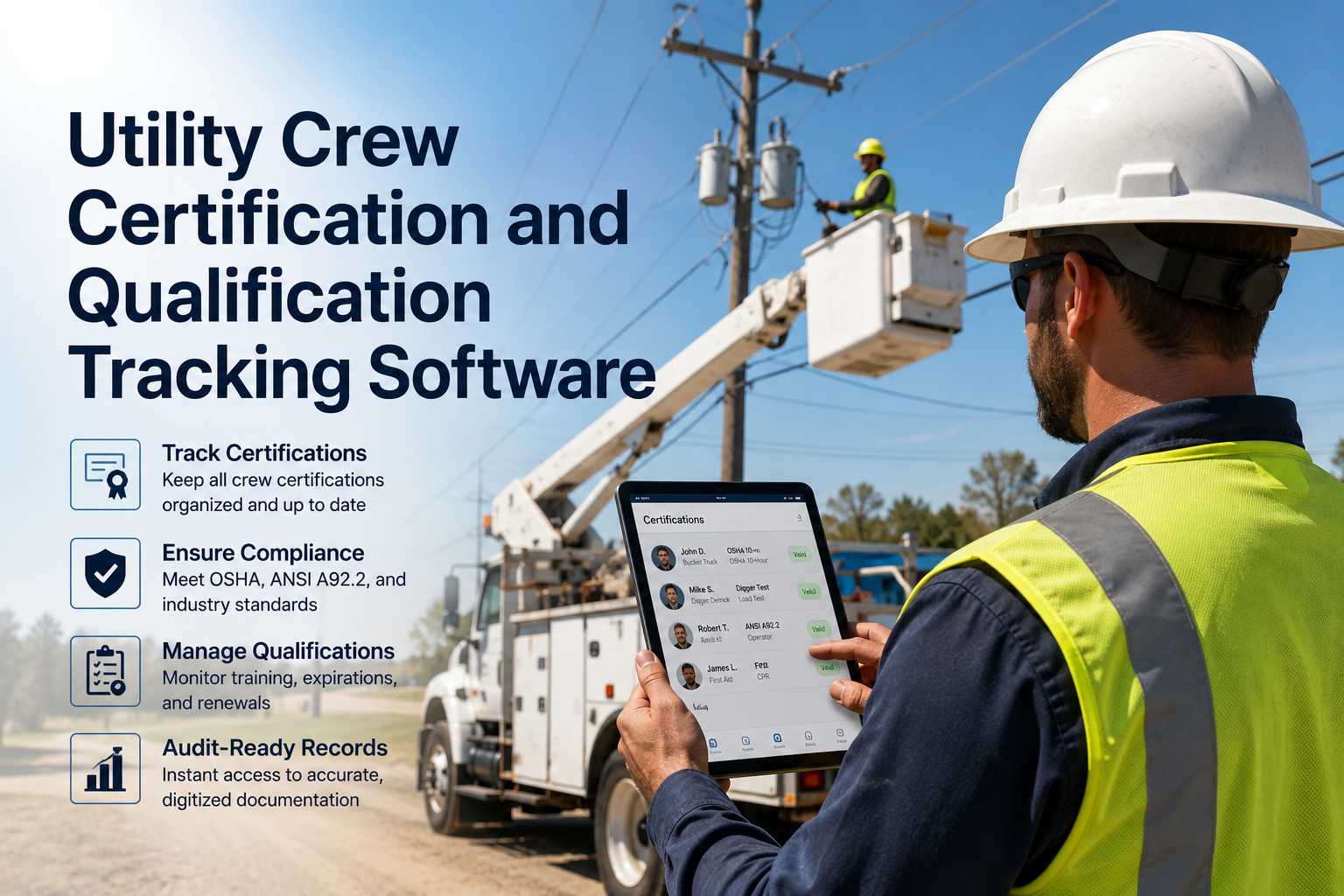
Driver Qualifications Are Complex and Time-Sensitive
CDL endorsements, bucket truck operator certifications, electrical safety training, and utility-specific qualifications expire on varying schedules. Manual tracking leads to oversights that can ground critical assets.
How Fleet Rabbit Supports Utilities Fleet Operations
Fleet Rabbit replaces manual tracking and generic telematics dashboards with a unified platform built for utility fleet workflows. See a live demo across DVIR, maintenance scheduling, certification tracking, and compliance reporting.
01
Digital DVIR with Utility-Specific Checklists
Pre-configured DVIR templates for service vans, bucket trucks, digger derricks, and heavy equipment. Add utility-specific items like hydraulic leak checks, aerial device function tests, or electrical PPE verification.
02
Specialized Equipment Maintenance Scheduling
Supports mileage-based, engine-hour-based, and calendar-based PM triggers. Track hydraulic fluid changes, aerial device inspections, and electrical system certifications alongside standard vehicle maintenance.
03
Driver Certification and Qualification Tracking
Automated monitoring of CDL endorsements, bucket truck operator certifications, electrical safety training, and utility-specific qualifications. Alerts at 60, 30, and 7 days before expiry with dispatch blocking for non-compliant assignments.
04
Offline-Capable Mobile Workflows
Mobile app enables DVIR completion, work order updates, and defect reporting without cellular signal. Data syncs automatically when connectivity returns, preserving timestamps and GPS coordinates for audit integrity.
05
Compliance Reporting for Utility Regulations
Pre-configured report templates for DOT DVIR, OSHA safety audits, NERC reliability documentation, and state PUC requirements. One-click export generates auditor-ready packages without manual compilation.
06
Integration with Utility Dispatch Systems
Connects with common utility work order and dispatch platforms via API. Fleet status, maintenance schedules, and driver qualifications inform dispatch decisions; completed jobs feed back into utilization and compliance tracking.
Compliance Frameworks Supported for Utility Fleets
Fleet Rabbit provides pre-configured reporting aligned with regulatory requirements common to electric, gas, and water utility operations.
FMCSA / DOT DVIR
Digital pre-trip and post-trip inspections per 49 CFR Part 396.11, with driver signature capture, defect documentation, and repair verification formatted for roadside inspections and compliance reviews.
OSHA 1910.269 / 1926 Subpart V
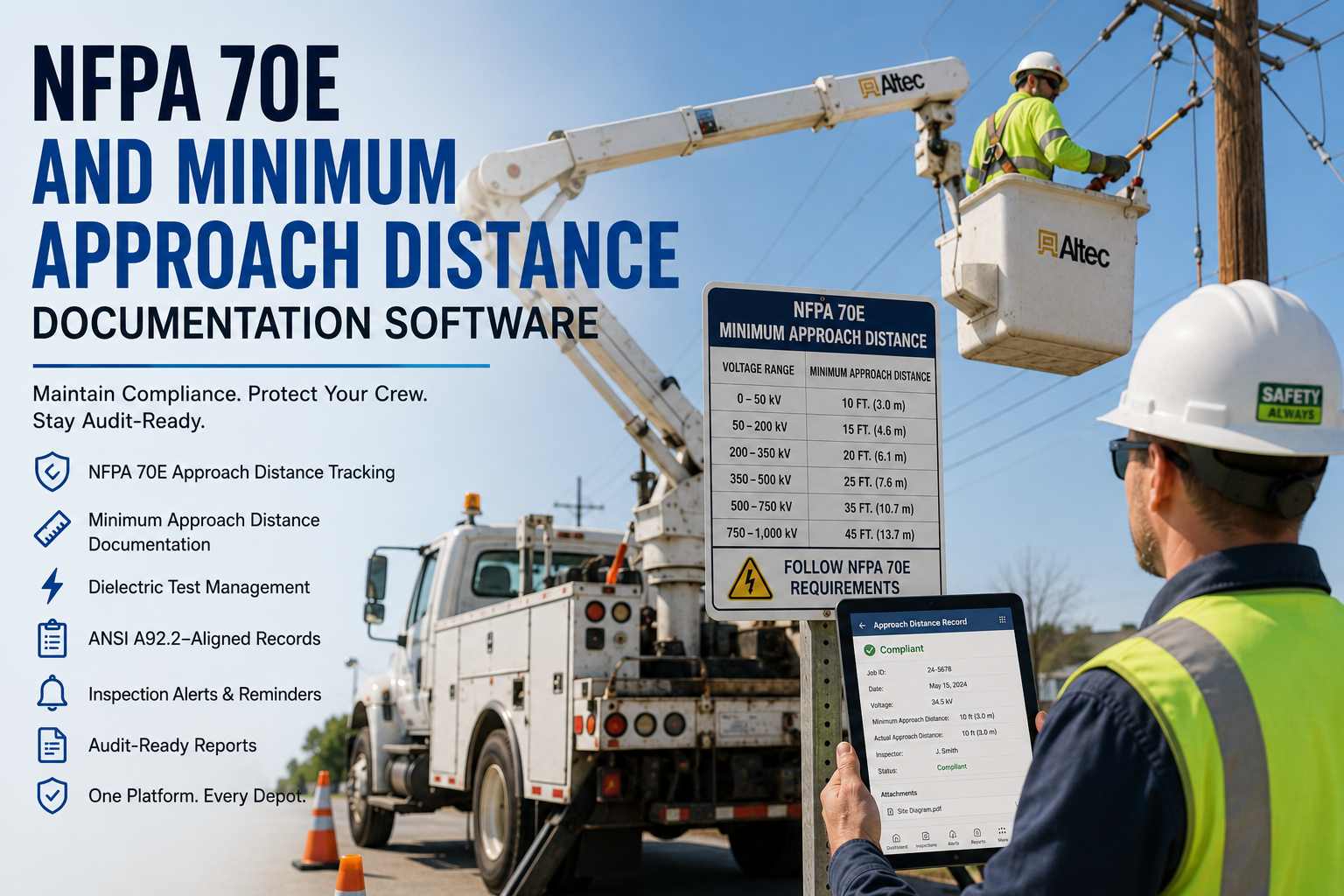
Safety equipment verification, electrical PPE tracking, and incident documentation aligned with utility-specific electrical safety standards. Full audit trails support regulatory reviews and internal safety audits.
ANSI / NEMA Aerial Device Standards
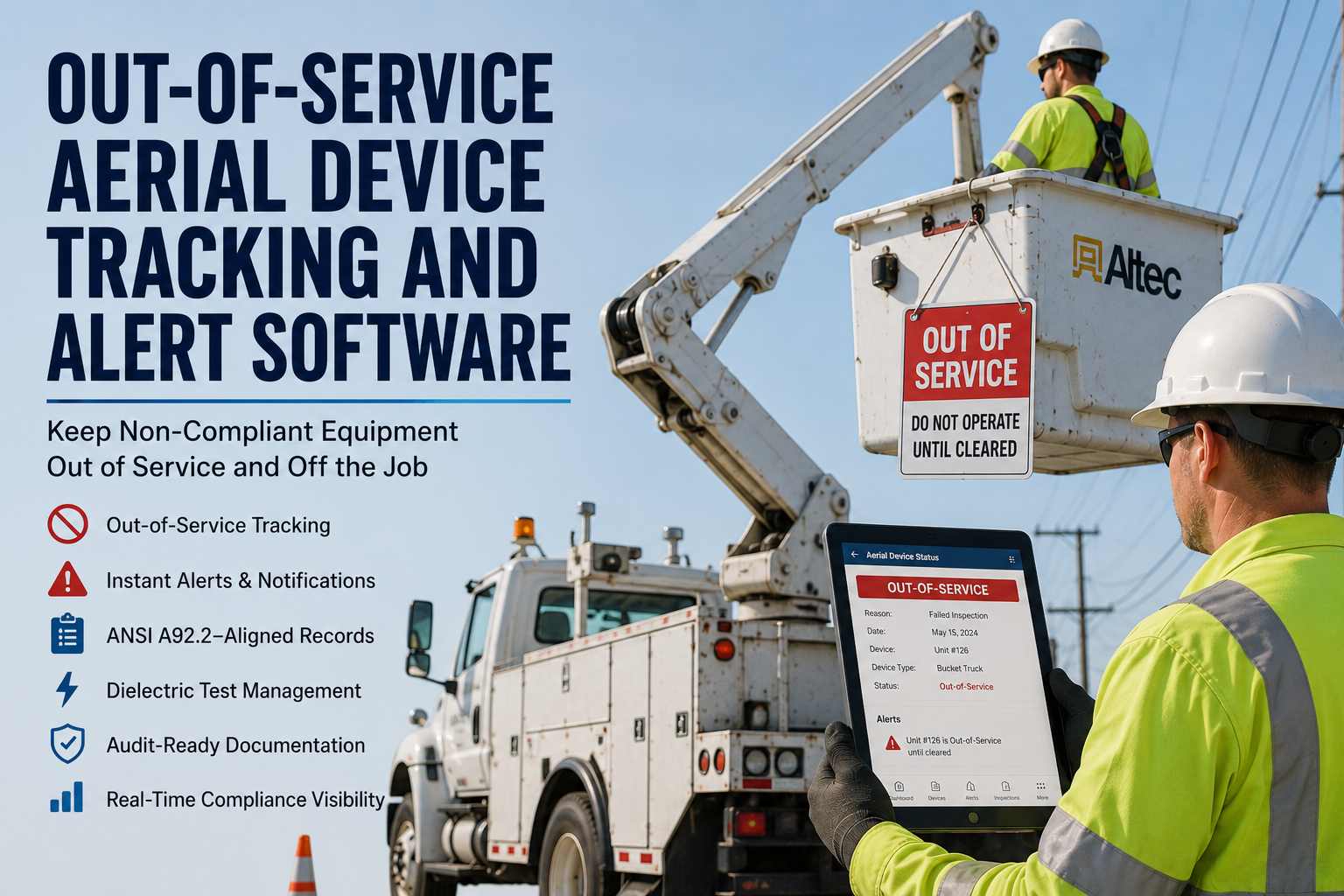
Tracks aerial device inspections, load tests, and certifications per ANSI A92.2 and manufacturer requirements. Automated alerts ensure inspections occur on schedule to maintain operational readiness.
State PUC / Regulatory Reporting
Supports state-specific utility fleet reporting requirements, including vehicle availability metrics, maintenance compliance rates, and safety performance indicators for public utility commission submissions.
Deployment Approach for Utility Fleets
Fleet Rabbit follows a phased deployment methodology designed for dispersed utility operations—delivering core DVIR and maintenance functionality within the first week and full compliance workflows within 45 days. No hardware replacement required.
01
Fleet & Compliance Audit
Map vehicle types, maintenance schedules, certifications, and current reporting methods
02
Telematics Integration
Connect existing GPS/ELD systems and enable offline data collection for remote service areas
03
Utility Checklist Configuration
Set up DVIR templates, maintenance triggers, and certification rules for utility-specific equipment
04
Pilot Validation
Test workflows with a subset of vehicles and crews; refine based on field feedback
05
Full Rollout & Training
Expand to all assets with supervisor training on dashboards and compliance reporting
45-Day Deployment and Readiness Plan
Every Fleet Rabbit engagement for utility fleets follows a structured program with defined deliverables. Baseline compliance metrics and initial efficiency gains typically emerge within the first 30 days of full production. Request the full deployment scope document tailored to your fleet size and operational profile.
Days 1–7
Discovery & Integration
Inventory all vehicle types, maintenance schedules, certifications, and current compliance documentation methods
Connect existing telematics providers (Geotab, Samsara, Motive, etc.) via API; enable offline data collection for remote coverage gaps
Import historical maintenance records and DVIR data to establish baseline compliance status
Days 8–25
Configuration & Pilot
Configure utility-specific DVIR templates, aerial device maintenance triggers, and certification expiry alerts
Deploy mobile app to pilot group of field crews for offline DVIR completion and work order updates
Validate data sync from remote service areas and refine workflows based on field feedback
Days 26–45
Scale & Optimize
Expand deployment to all vehicles and enable automated compliance dashboards for supervisors and safety managers
Activate one-click audit report generation for DOT, OSHA, ANSI, and state PUC requirements
Deliver baseline metrics report documenting improvements in DVIR completion, maintenance adherence, and administrative time savings
MEASURABLE IMPROVEMENTS WITHIN FIRST QUARTER
Utility fleets completing the 45-day deployment program typically report significant improvements in DVIR documentation accuracy, maintenance schedule adherence, and audit preparation efficiency. Administrative time spent on compliance tasks decreases as automated workflows replace manual processes, while real-time visibility helps prevent certification lapses before they impact operations.
95%+
PM on-time completion
<2 hrs
Audit response time
Digitize Utility Fleet Workflows. Ensure Compliance. Deploy in 45 Days.
Fleet Rabbit's fixed-scope deployment means no open timelines, no hardware replacement, and no months of customization before you see results. Start with a free tier for up to 3 vehicles, then scale at $5/vehicle/month with all utilities modules included.
Use Cases: Utilities Fleet Software in Action
These scenarios reflect common challenges addressed through Fleet Rabbit deployments across electric, gas, and water utility operations. Outcomes represent typical improvements observed post-implementation. Request the full case study for the utility type most relevant to your operations.
An electric utility with service vehicles operating across rural service territories struggled with incomplete paper DVIRs from remote areas. Fleet Rabbit's offline-capable mobile app enabled crews to complete inspections without cellular signal, with automatic sync when connectivity returned. Documentation completeness improved and audit retrieval time decreased significantly.
A utility operator needed reliable tracking of aerial device inspections and certifications to maintain ANSI compliance and operational readiness. Fleet Rabbit's specialized maintenance scheduling automated inspection reminders and certification tracking, reducing missed inspections and ensuring equipment availability during storm response.
A multi-utility operator needed to rapidly verify driver qualifications and vehicle compliance before deploying mutual aid crews during regional outages. Fleet Rabbit's real-time certification dashboard enabled instant readiness checks, reducing deployment preparation time and ensuring only compliant personnel and equipment were dispatched.
What Utility Fleet Teams Say About Fleet Rabbit
Before Fleet Rabbit, verifying that every bucket truck had a current aerial device inspection before storm deployment took hours of manual record checks. Now our readiness dashboard shows compliance status in real time. During our last mutual aid response, we deployed compliant crews 40% faster than previous events.
Fleet Operations Manager
Electric Utility, Southeast Region
Frequently Asked Questions
Does Fleet Rabbit require new hardware for utility fleet deployments?
No. Fleet Rabbit connects to existing OEM telematics and third-party tracking systems via API, including Geotab, Samsara, Motive, and 200+ other providers. Offline mobile capability works with standard smartphones or tablets. Integration scope is confirmed during the initial audit phase.
How does the mobile app work in areas with no cellular signal?
The Fleet Rabbit mobile app functions fully offline for DVIR completion, work order updates, and defect reporting. Data stores securely on the device and automatically synchronizes with the central platform when connectivity returns, preserving original timestamps and GPS coordinates to maintain record integrity for compliance purposes.
Which utility-specific maintenance items does Fleet Rabbit track?
Fleet Rabbit supports native tracking for aerial device inspections, hydraulic system maintenance, electrical PPE certification, digger derrick load tests, and other utility-specific requirements. Maintenance triggers can be configured by mileage, engine hours, calendar time, or usage-based metrics to match manufacturer and regulatory guidelines.
Can Fleet Rabbit integrate with our utility dispatch or work order system?
Yes. Fleet Rabbit offers REST API integrations with common utility dispatch platforms, work order systems, and ERP solutions. Fleet availability, maintenance status, and driver qualifications can inform dispatch decisions, while completed jobs feed back into utilization and compliance tracking for closed-loop optimization.
What is the pricing structure for utility fleet software?
Fleet Rabbit pricing is $5 per vehicle per month, with DVIR, maintenance scheduling, certification tracking, compliance reporting, offline mobile capability, and integrations included. A free tier supports up to 3 vehicles with no credit card required. Enterprise deployments with custom reporting or integration requirements are available with volume pricing.
How long does deployment take for a utility fleet?
Most utility fleets achieve full production on Fleet Rabbit within 45 days. The phased approach—starting with asset audit and telematics integration, then pilot deployment, followed by full rollout—minimizes operational disruption. Comparable deployments have reduced DVIR documentation time and improved audit response efficiency within the first quarter post-implementation.
Digitize Utility Fleet Workflows. Ensure Compliance. Deploy in 45 Days.
Fleet Rabbit gives utility fleet teams offline-capable digital DVIR, specialized equipment maintenance tracking, real-time certification monitoring, and audit-ready reporting—fully integrated with existing telematics in 45 days, at $5/vehicle/month, with zero hardware replacement required.
Utility-specific DVIR templates for bucket trucks, digger derricks, and service vans
Automated aerial device and hydraulic system maintenance scheduling
Real-time certification tracking with dispatch blocking for non-compliant assignments
One-click audit reports for DOT, OSHA, ANSI, and state PUC requirements
May 26, 2026
By Jason
All Posts