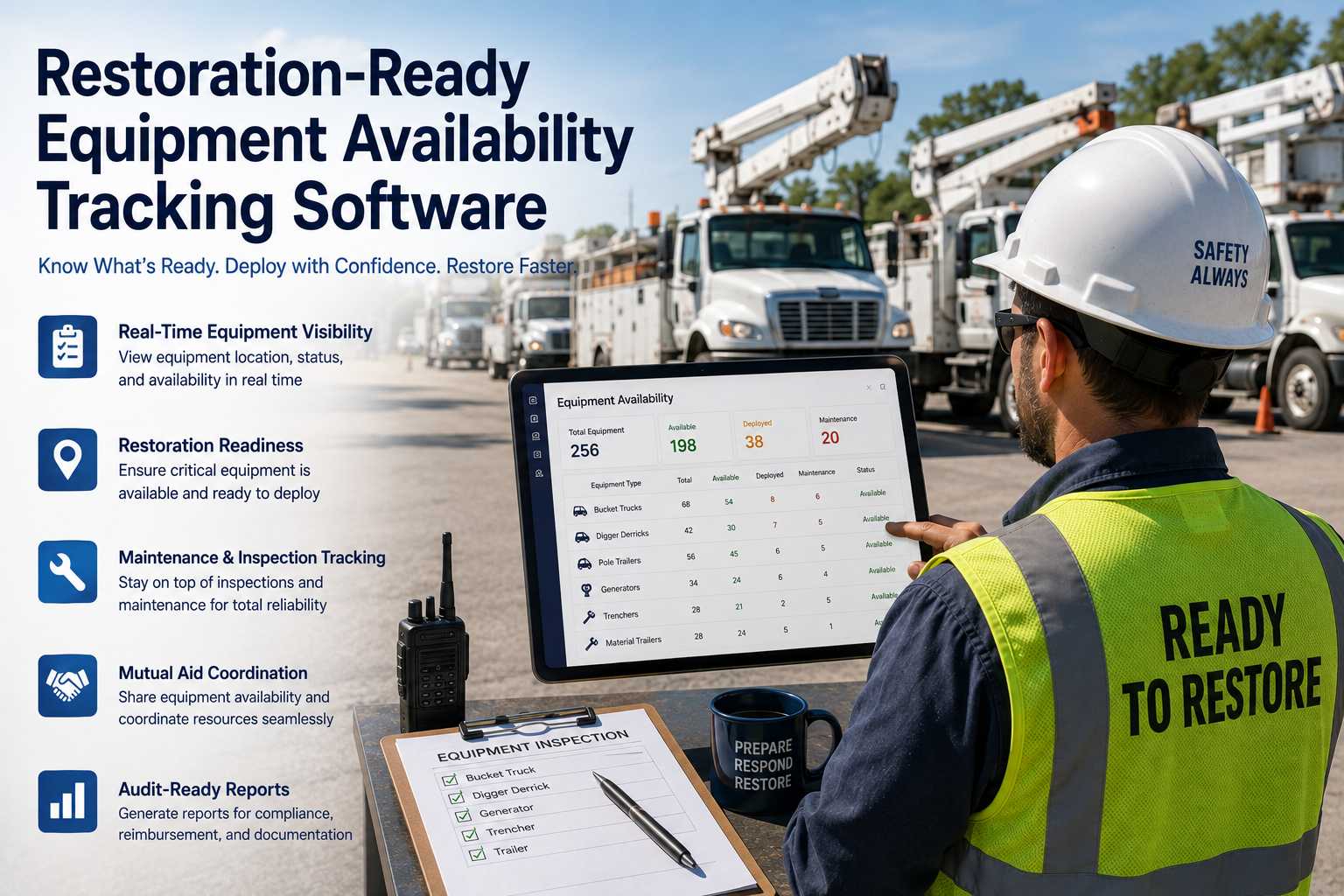
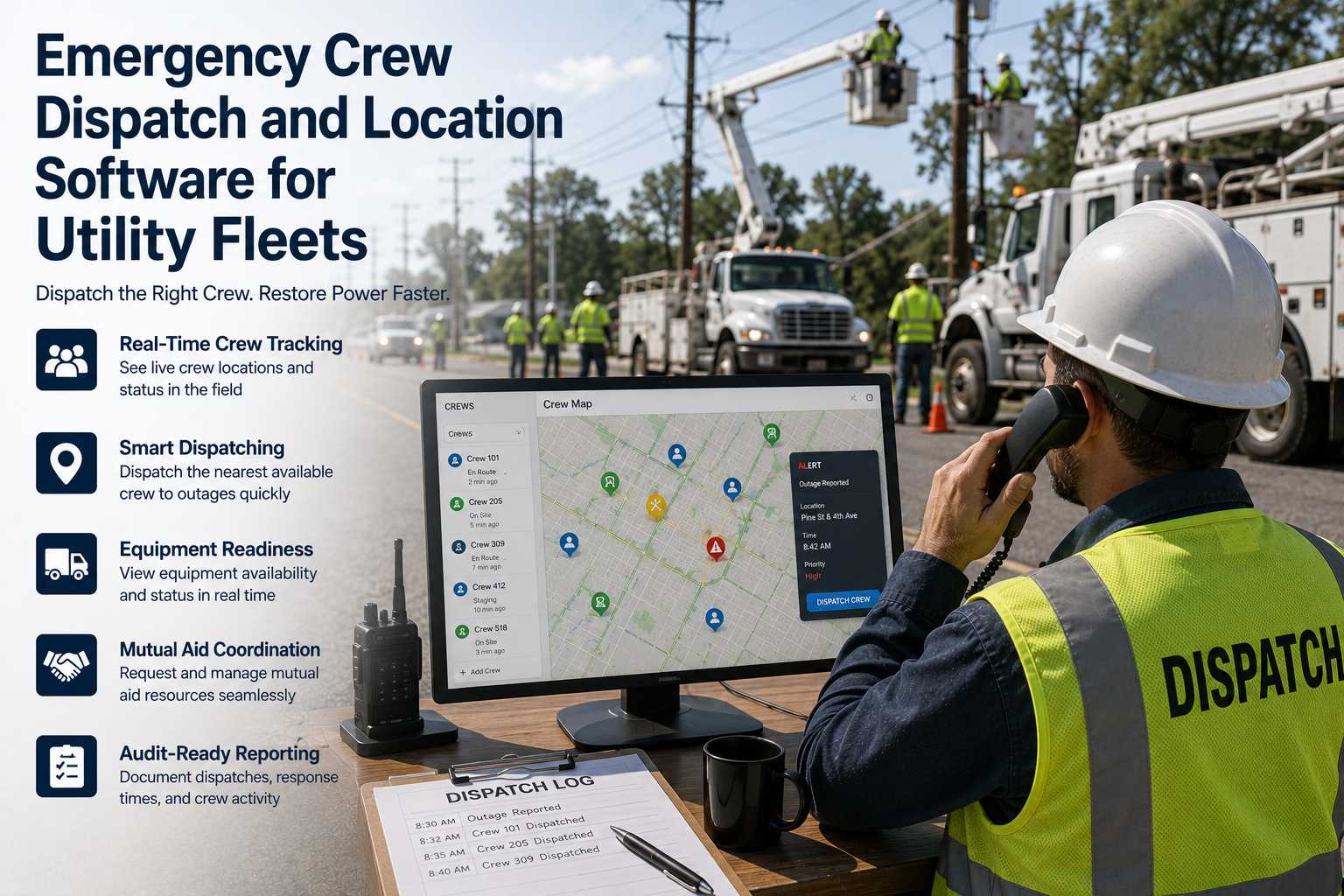
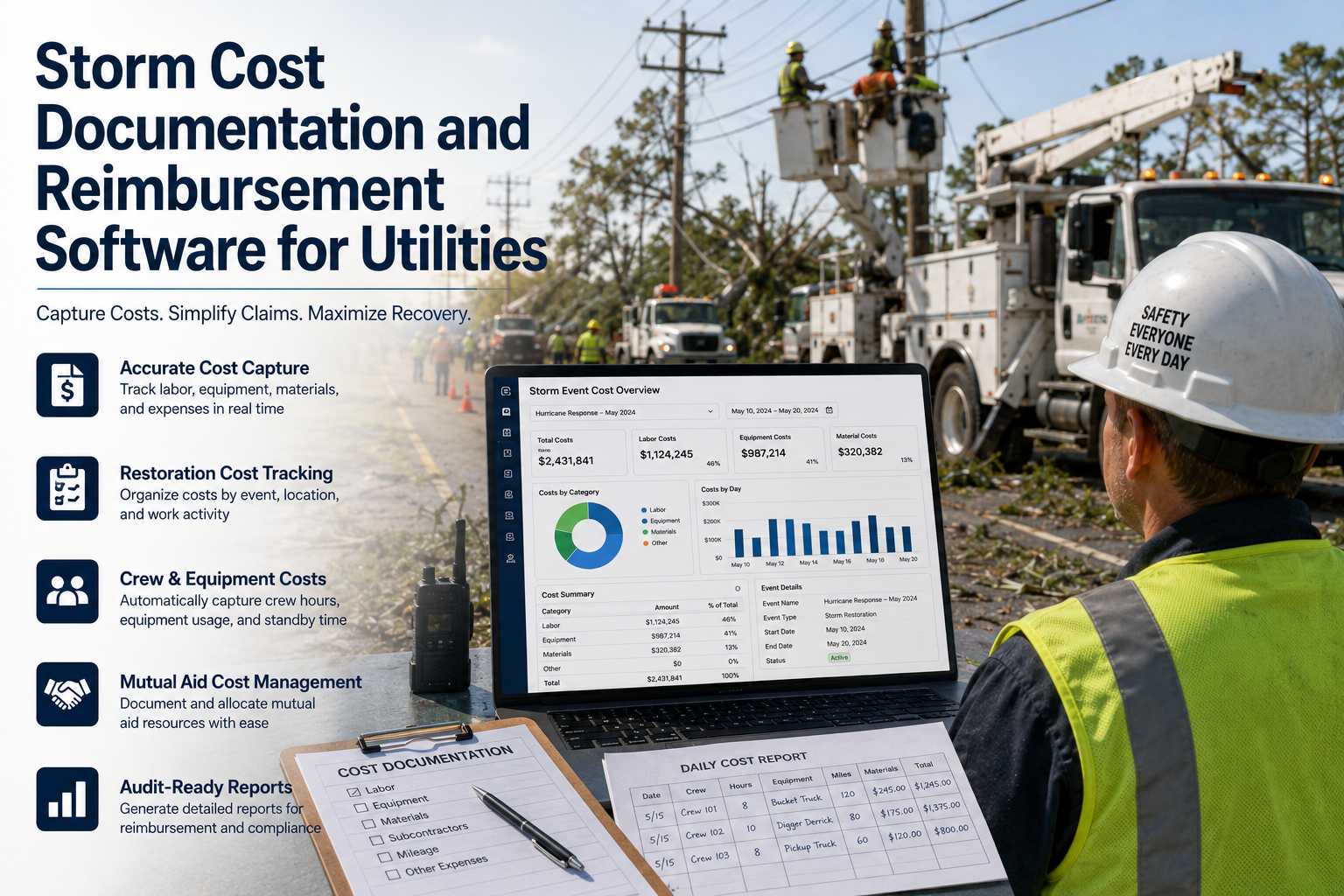
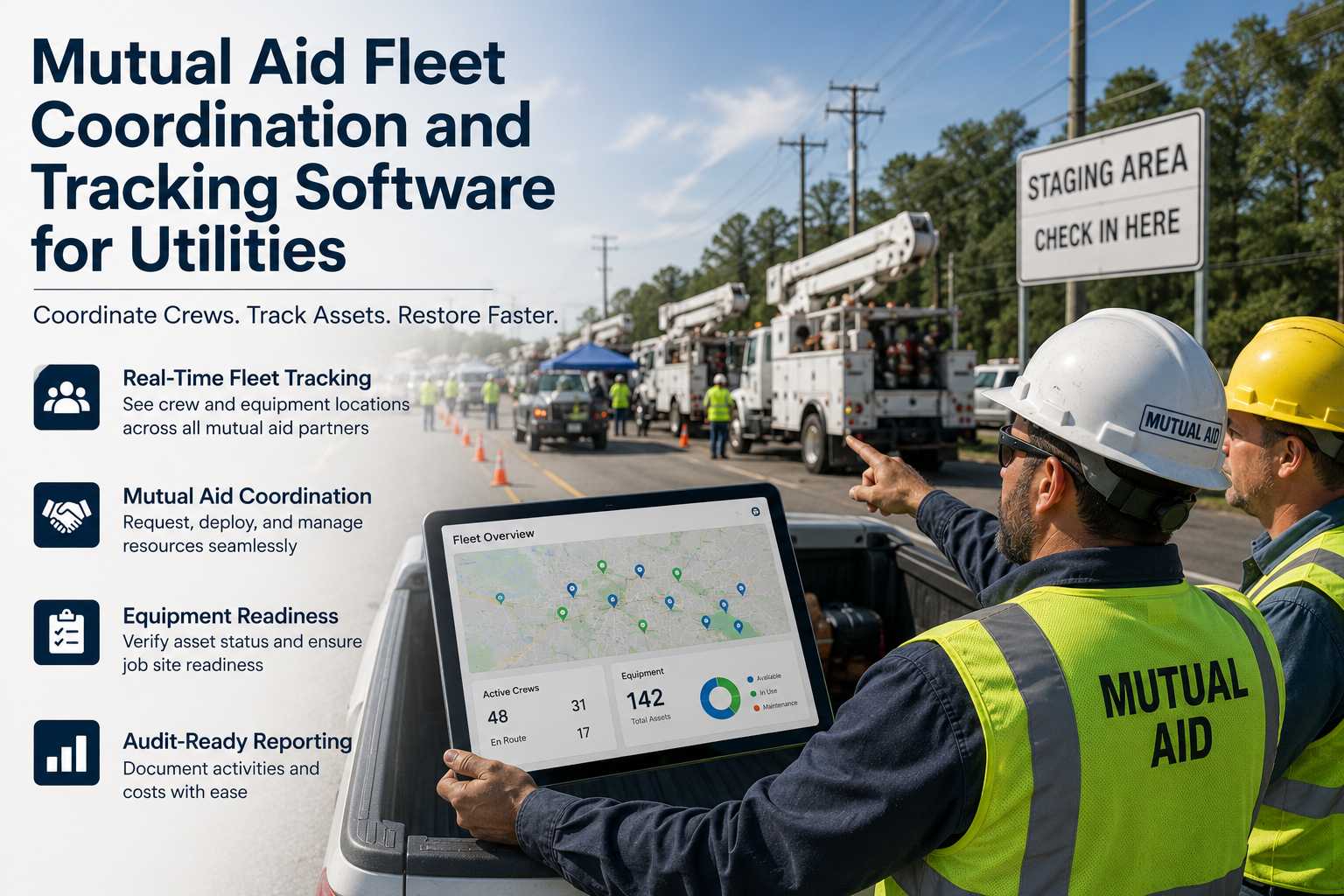
Utilities fleet dispatch teams coordinating bucket trucks, digger derricks, and service vehicles across distributed service territories face constant pressure to balance emergency response, scheduled maintenance, and regulatory compliance without real-time visibility into asset location or technician availability. Fleet Rabbit provides integrated dispatch coordination built for utilities operations—connecting GPS tracking, equipment hour meters, compliance documentation, and mobile field workflows in one platform—so dispatchers can assign the right crew to the right job while maintaining NERC, OSHA, and EPA readiness.
$5
Per vehicle/month with no hardware requirements or long-term contracts
90%+
Pre-trip inspection completion with offline-capable mobile app
10–15%
Fuel efficiency improvement through route optimization and idle monitoring
14 days
Free trial to evaluate dispatch features before commitment
Dispatch Utility Fleets with Real-Time Visibility and Compliance Confidence
Fleet Rabbit consolidates vehicle location, equipment hour tracking, technician certifications, and compliance documentation into a single dispatch interface. Assign crews based on real-time availability, aerial device status, and qualification requirements—without switching between spreadsheets, paper logs, and separate telematics portals.
Dispatch Challenges in Utilities Field Operations
Utilities fleet coordination involves variables that standard dispatch tools don't address: storm response prioritization, aerial device certification tracking, NERC compliance documentation, and urgent service calls that disrupt planned schedules. Manual coordination methods introduce delays and oversights that compound operational risk.
Limited Visibility Across Service Territories
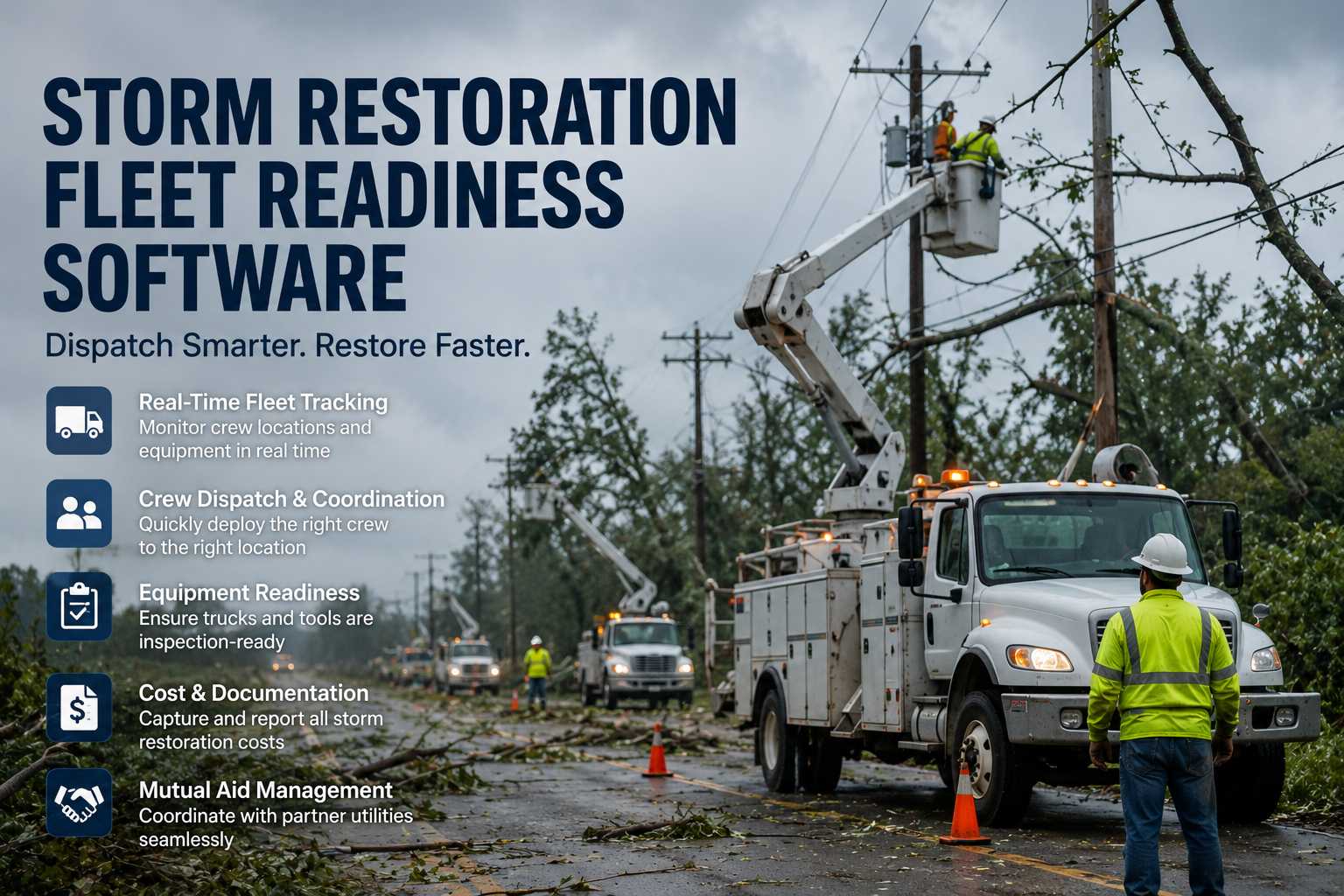
Dispatchers coordinating bucket trucks, digger derricks, and service vans across dispersed locations without real-time location data spend significant time locating available units, delaying emergency response and reducing fleet utilization.
Aerial Device Certification Tracking Is Manual
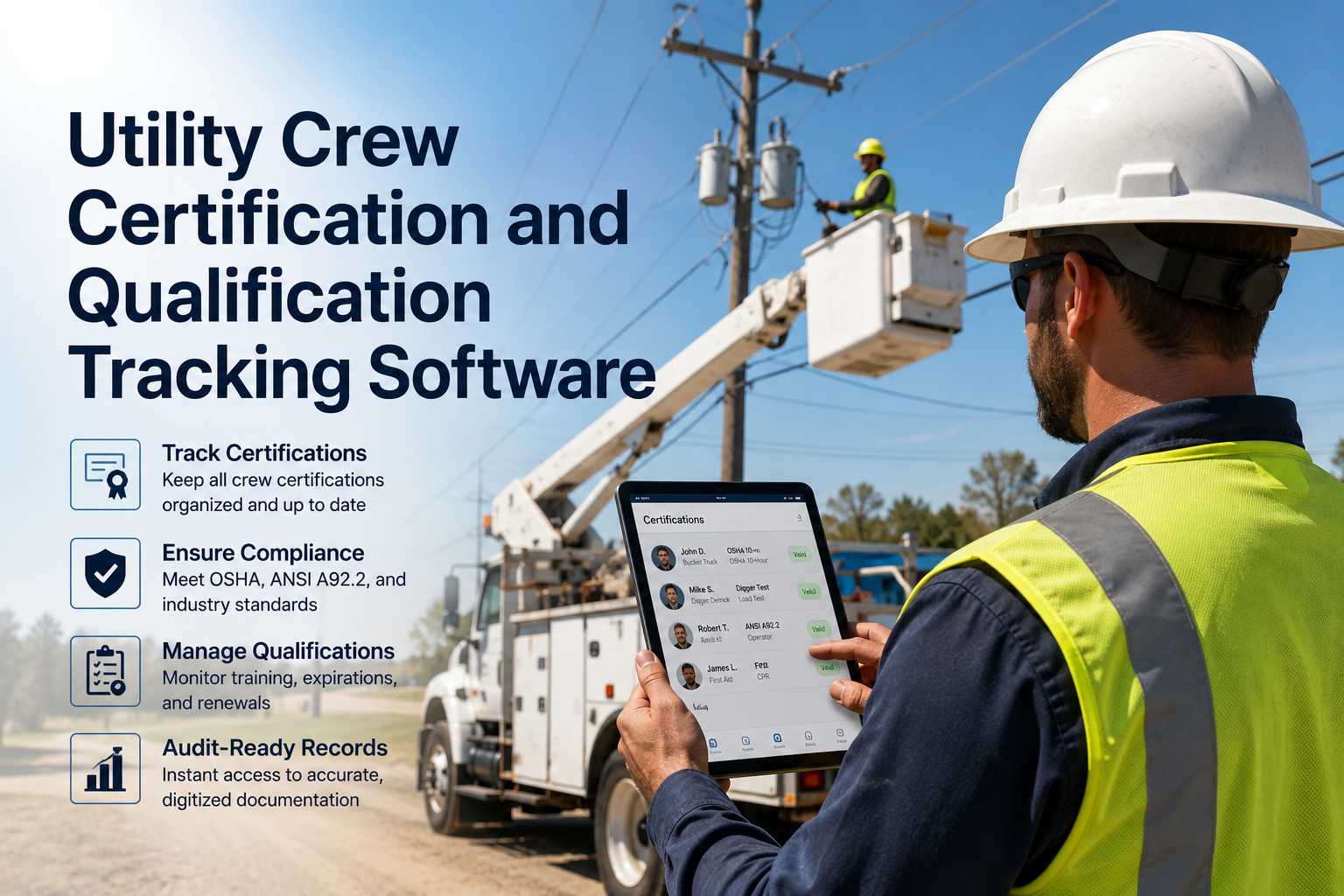
Bucket truck inspections, boom certifications, and operator qualifications tracked in spreadsheets create compliance risk when expired credentials aren't flagged before dispatch assignments to regulated work.
Equipment Hours Aren't Integrated with Maintenance
Vehicles assigned to jobs without visibility into upcoming service windows based on engine hours or aerial device cycles lead to mid-job equipment downtime, rescheduling delays, and increased emergency maintenance costs.
Storm Response Coordination Lacks Structure
Mutual aid crews, staging locations, and restoration priorities managed via phone calls and paper maps create communication gaps during critical outage events, slowing service restoration.
How Fleet Rabbit Supports Utilities Dispatch Coordination
Fleet Rabbit connects existing telematics, maintenance records, and compliance workflows into a unified dispatch interface designed for utilities operations. The platform supports offline-capable mobile apps, hour-meter-based maintenance scheduling, and NERC/OSHA documentation automation. See how utilities dispatch workflows function in a live demo.
01
Real-Time Location with Offline Sync
GPS tracking updates every 10–60 seconds with automatic data buffering for remote service areas. Location history and geofence alerts support dispatch decisions even with intermittent cellular coverage.
02
Certification-Aware Assignment
Aerial device certifications, CDL status, and operator qualifications are visible during dispatch. System prevents assignment of non-compliant crews to regulated overhead or underground work.
03
Hour-Meter Maintenance Integration
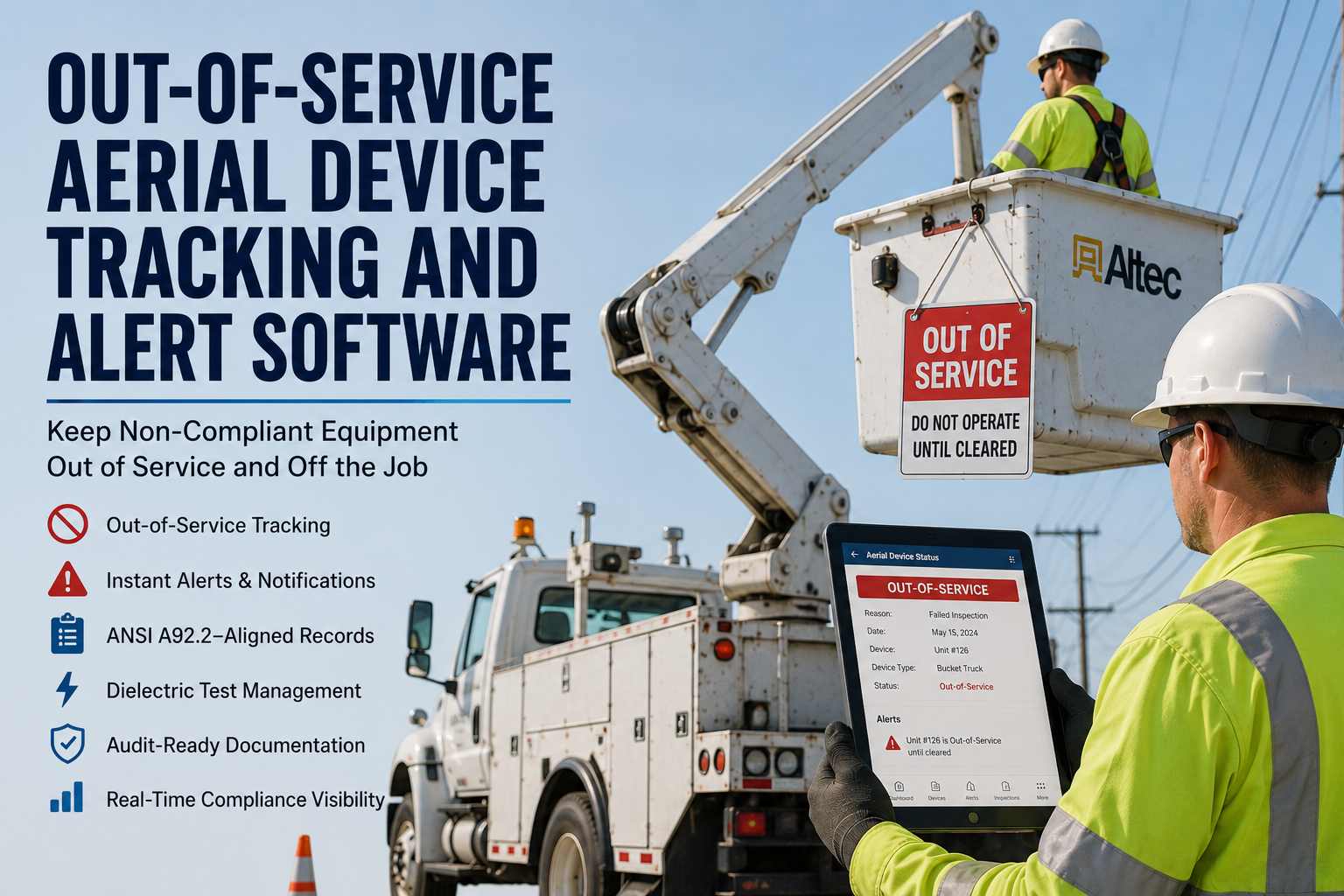
Service windows based on engine hours, aerial device cycles, or calendar intervals appear in dispatch view. Equipment due for inspection can be flagged or excluded from assignment.
04
Mobile Dispatch for Field Technicians
Technicians receive assignments, complete digital inspections, and report status changes via mobile app. Offline functionality ensures usability at remote poles, pads, or underground vaults without connectivity.
05
Storm Response Coordination Tools
Track mutual aid crews, staging locations, and restoration priorities in a shared view. Mobile storm app works offline for crews in outage areas, with automatic sync when connectivity restores.
06
Integration with Utility Systems
Connect to GIS, SCADA, OMS, CIS, or ERP systems via API. Leverage existing utility technology investments while adding dispatch coordination and compliance automation capabilities.
Compliance Frameworks Supported for Utilities Operations
Fleet Rabbit includes pre-configured templates for common utilities regulatory requirements. Documentation is generated automatically from operational data, reducing manual reporting burden.
NERC Reliability Standards
Digital inspection records, equipment certification tracking, and maintenance documentation formatted for NERC audit requirements with automated report generation.
OSHA Utility Safety Standards
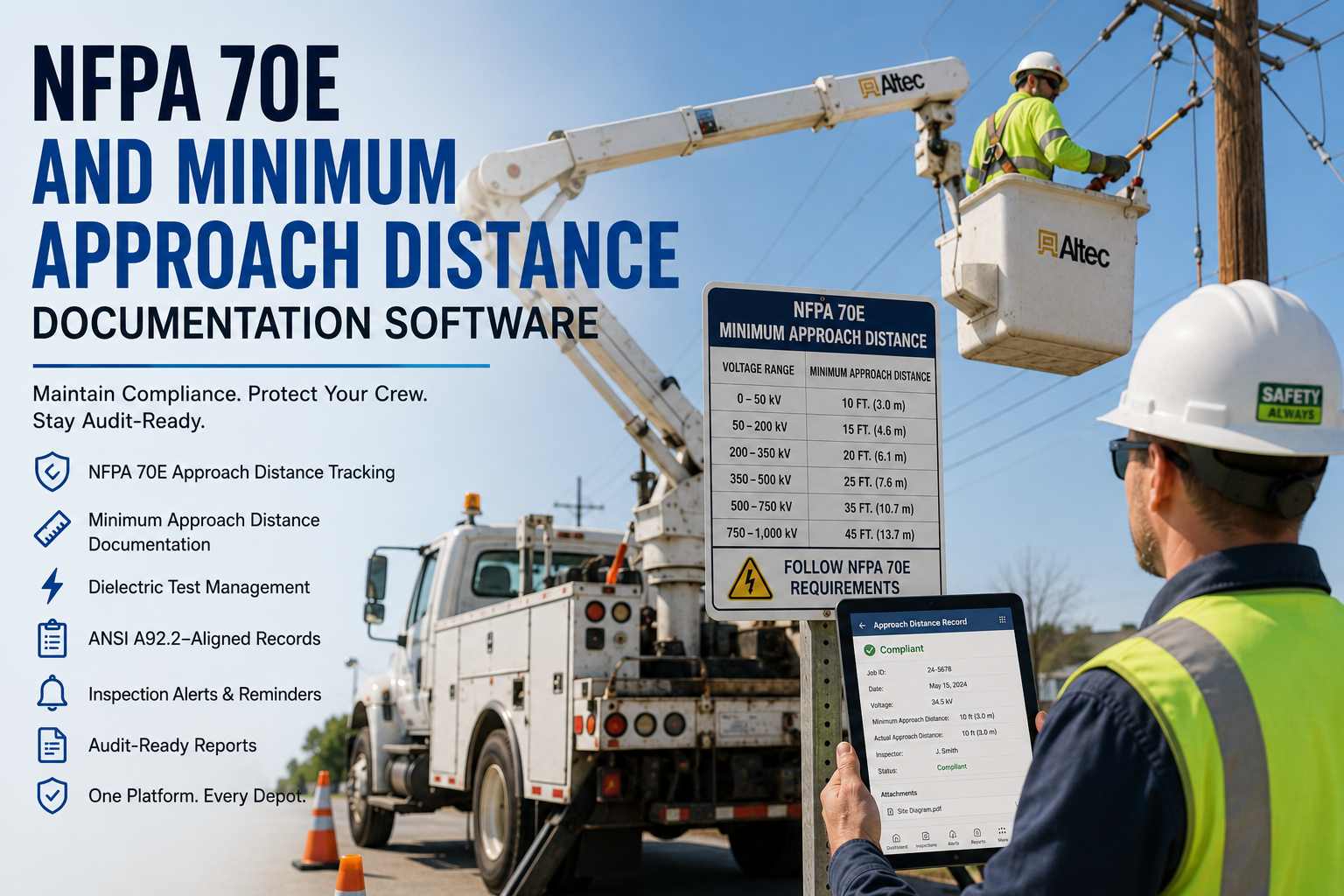
Pre-shift inspection checklists, incident documentation, and operator qualification tracking with version control and full audit trails for OSHA compliance reviews.
EPA Emissions Reporting
Fuel consumption data and engine diagnostics support emissions calculations for federal and state environmental submissions related to utility fleet operations.
State Utility Commission Rules
Vehicle registration renewals, inspection scheduling, and state-specific utility certifications tracked with proactive alerts to prevent missed deadlines across operating jurisdictions.
Platform Comparison: Utilities Dispatch Capabilities
Feature comparison focused on capabilities relevant to utilities fleet dispatch coordination. Competitor information sourced from publicly available documentation as of 2026. Request a side-by-side evaluation for your specific utility workflow requirements.
Note: Pricing and feature availability are subject to change. Contact vendors directly for current quotes. Fleet Rabbit pricing is $5/vehicle/month with no required hardware purchases and no minimum contract term.
Implementation Approach for Utilities Fleets
Fleet Rabbit deployment follows a structured methodology designed for operational continuity in utilities environments. Typical implementation for fleets of 50–200 vehicles completes within 12–16 weeks, with core dispatch functionality available within the first 3–4 weeks.
01
Discovery
Asset audit & workflow mapping
02
Integration
Connect telematics & utility systems
03
Configuration
Dispatch rules & compliance setup
04
Training
Dispatcher & technician onboarding
05
Go-Live
Full dispatch coordination active
Reported Outcomes from Utilities Fleet Deployments
Results reflect self-reported data from Fleet Rabbit deployments at utilities operators. Metrics vary based on fleet size, baseline processes, and implementation scope. Request a case study relevant to your operational profile.
An electric utility managing bucket trucks and service vans across multiple service territories implemented Fleet Rabbit to replace manual dispatch coordination. Real-time location visibility and certification-aware assignment reduced daily planning time and improved emergency response coordination.
48%
Dispatch time reduction
93%
Inspection completion
A gas utility automated DVIRs, aerial device certifications, and operator qualification file management to reduce audit preparation time. Digital documentation with photo evidence and automated expiration alerts improved NERC and OSHA compliance readiness.
100%
Audit documentation ready
4.2 hrs
Weekly admin time saved
0
Expired credential dispatches
A water utility integrated mutual aid tracking, staging location management, and restoration priority workflows to improve storm response coordination. Mobile offline capability enabled crew communication in outage areas without cellular service.
35%
Faster restoration time
100%
Crew location visibility
22%
Reduced mutual aid admin
What Utilities Dispatch Teams Report
During our last NERC audit, we generated all requested equipment certification and maintenance documentation directly from Fleet Rabbit in under two hours. The auditor noted the completeness of our aerial device inspection records. That level of readiness wasn't possible with our previous paper-based system.
Dispatch Supervisor
Regional Electric Utility, Southeast
Frequently Asked Questions
Does Fleet Rabbit require new hardware for utilities operations?
No. Fleet Rabbit connects to existing OEM telematics and third-party tracking systems via API. Where connectivity gaps exist at remote service locations, the mobile app operates offline and syncs automatically when coverage is restored. Hardware additions are optional and scoped during onboarding.
Which utility systems does Fleet Rabbit integrate with?
Native integrations include GIS platforms, SCADA systems, OMS, CIS, and ERP systems via REST API. Telematics integrations include Geotab, Samsara, Verizon Connect, and Motive. Integration scope is confirmed during the discovery phase.
How does Fleet Rabbit handle mixed equipment types common in utilities fleets?
Maintenance schedules, inspection checklists, and compliance requirements can be configured per equipment category—bucket trucks, digger derricks, light-duty service vehicles, and specialized utility equipment. All asset types are managed within a single dispatch interface.
What utilities-specific compliance frameworks are supported?
Pre-configured templates support NERC reliability standards, OSHA utility safety requirements, EPA emissions reporting, and state public utility commission regulations. Report formats align with common audit requirements for electric, gas, water, and telecom operations.
What is the typical timeline to implement dispatch coordination features?
Core dispatch functionality—location tracking, assignment workflows, and mobile inspections—can be operational within 3–4 weeks. Full implementation including compliance automation and utility system integrations typically completes within 12–16 weeks for fleets of 50–200 vehicles.
Can Fleet Rabbit scale with fleet growth or seasonal storm response needs?
Yes. The platform supports fleets from 10 to 10,000+ vehicles. Licensing is based on active vehicle count, allowing flexibility for seasonal operations, storm mutual aid coordination, or business expansion without re-implementation.
Coordinate Utilities Fleets with Integrated Dispatch Intelligence
Fleet Rabbit provides dispatch teams real-time vehicle visibility, certification-aware assignment, hour-meter maintenance scheduling, and automated NERC/OSHA compliance documentation—all accessible from desktop or mobile, with offline capability for remote service operations. Start with a 14-day free trial, no credit card required.
Offline-capable mobile app for remote service areas
Integrates with GIS, SCADA, OMS, and existing telematics
Pre-configured NERC, OSHA, EPA compliance templates
Hour-meter based maintenance for aerial devices and generators
May 26, 2026
By allen
All Posts