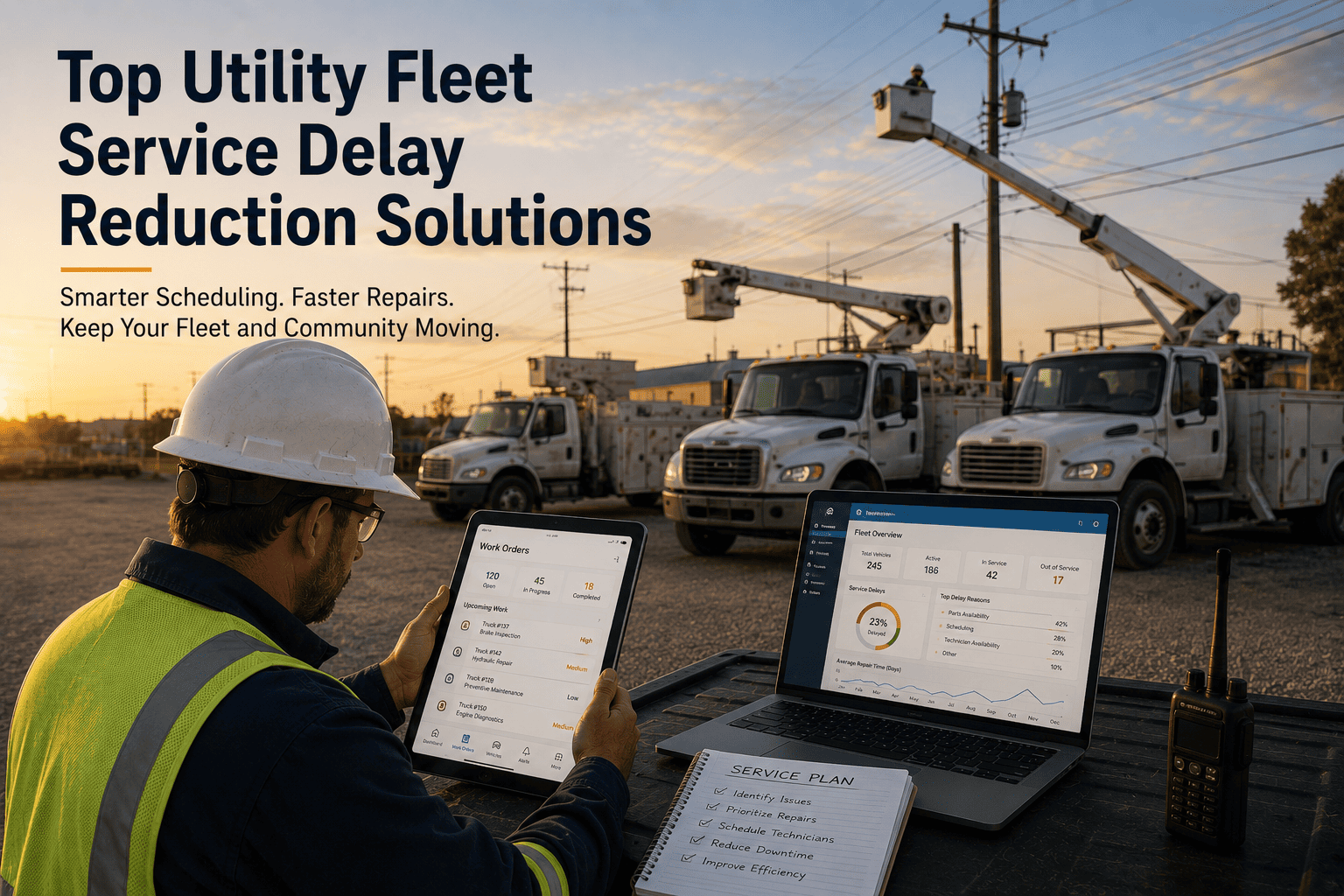
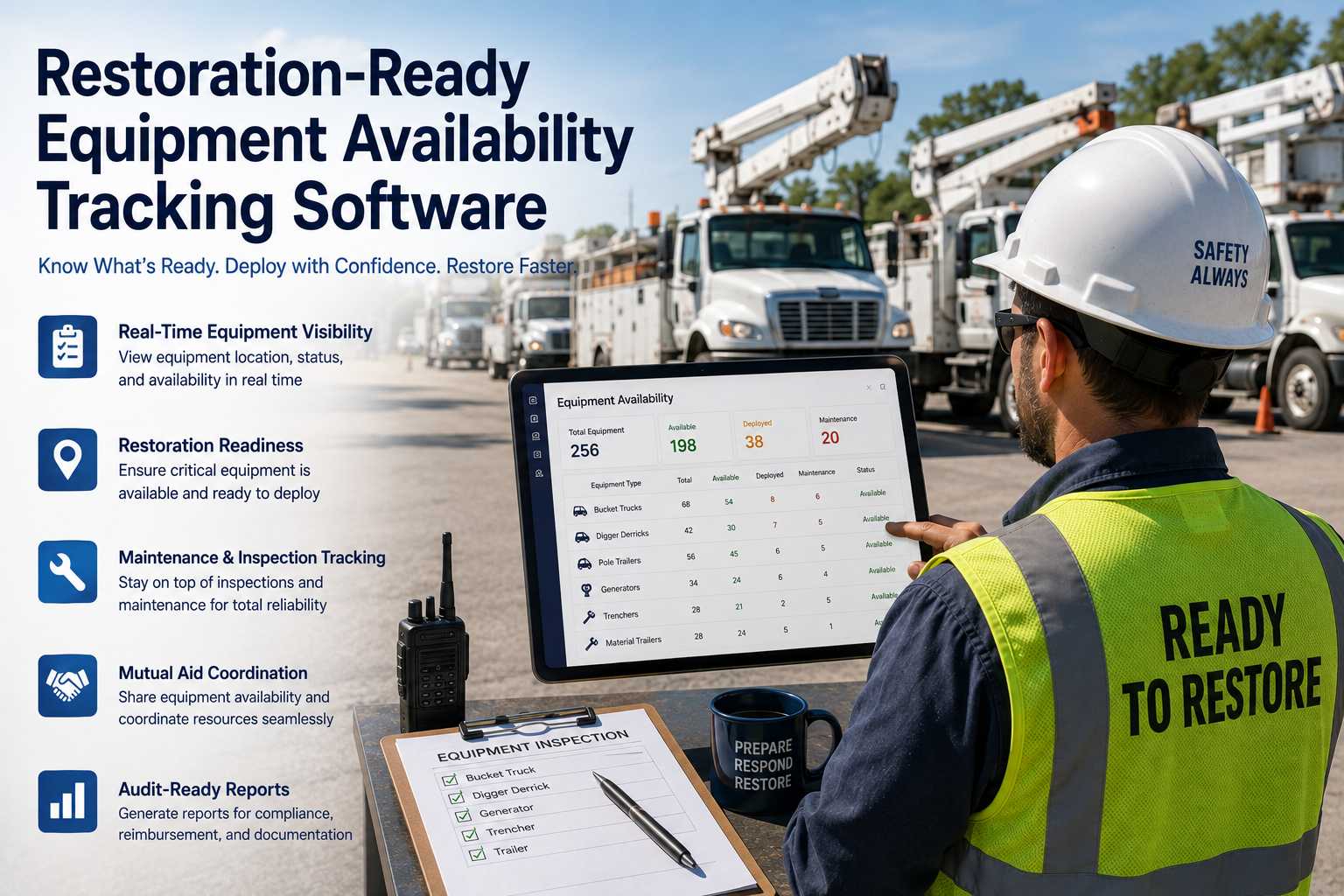
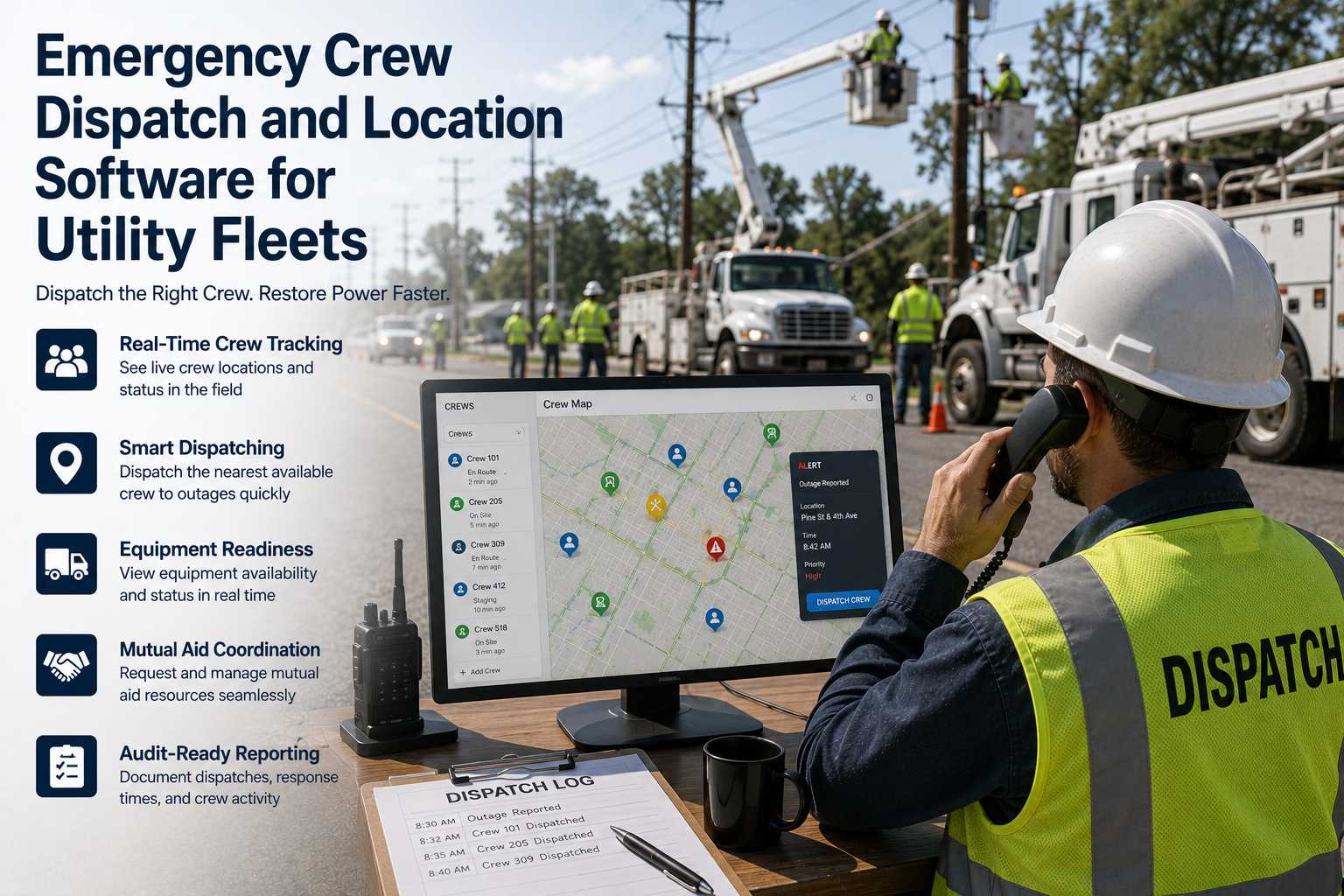
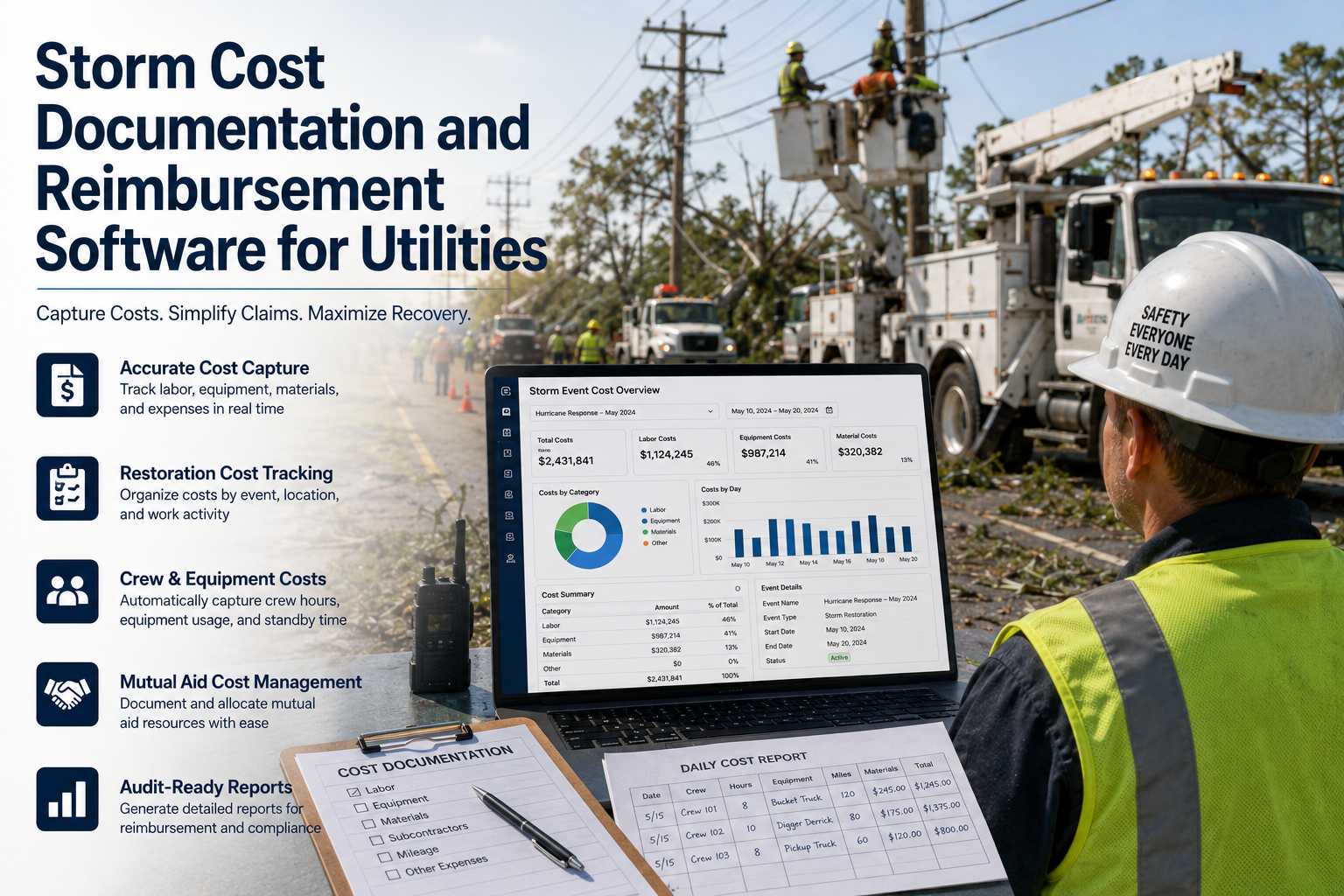
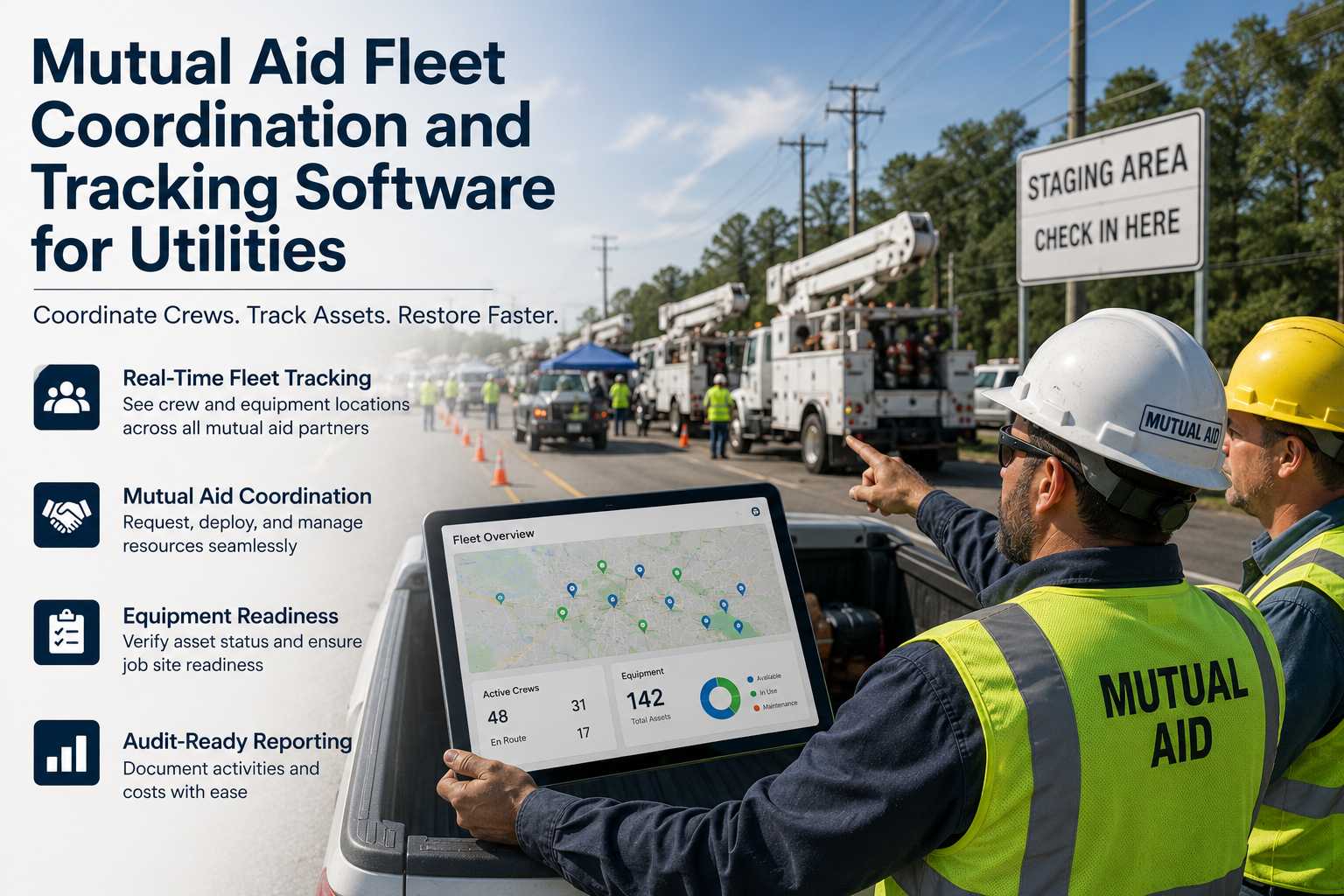
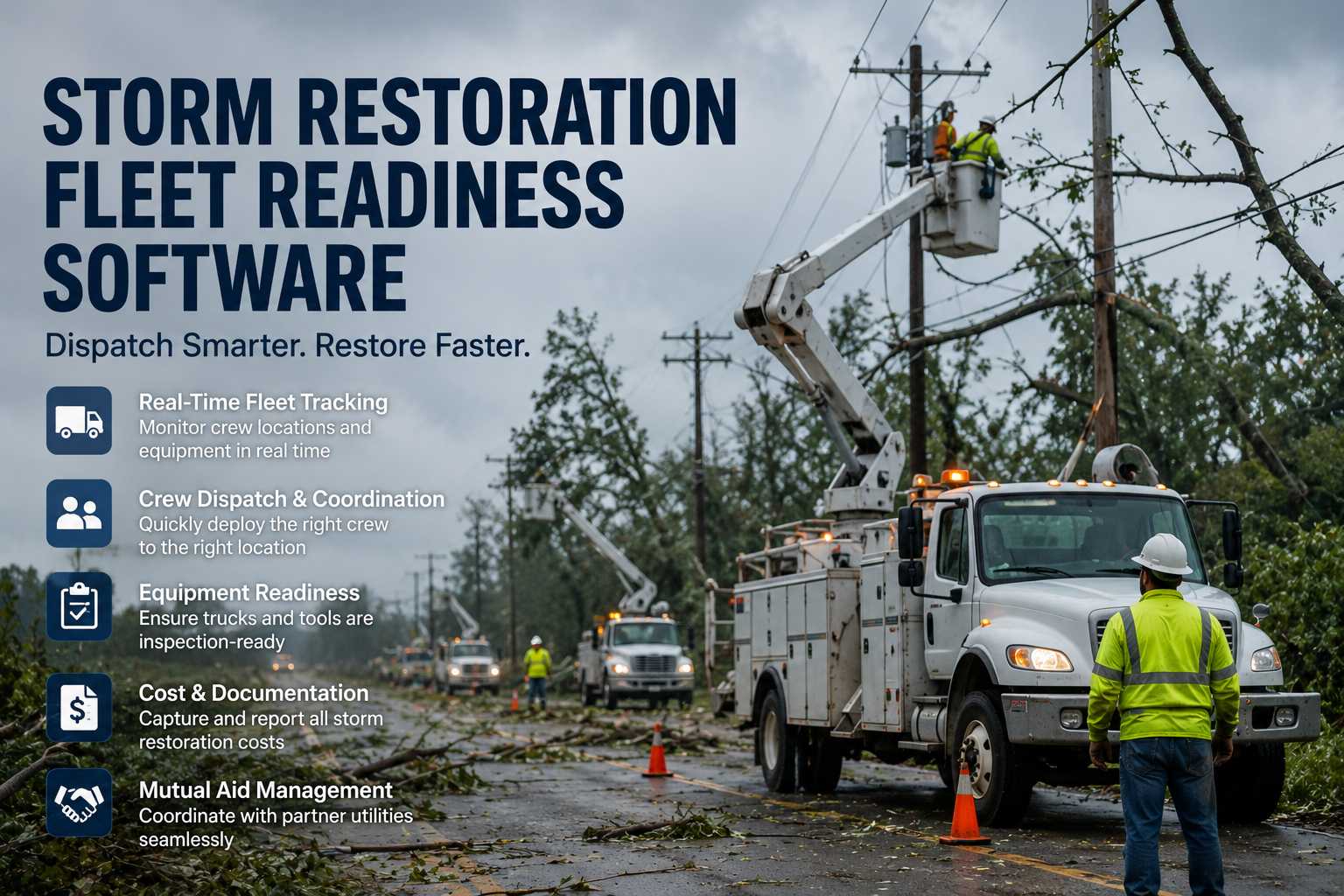
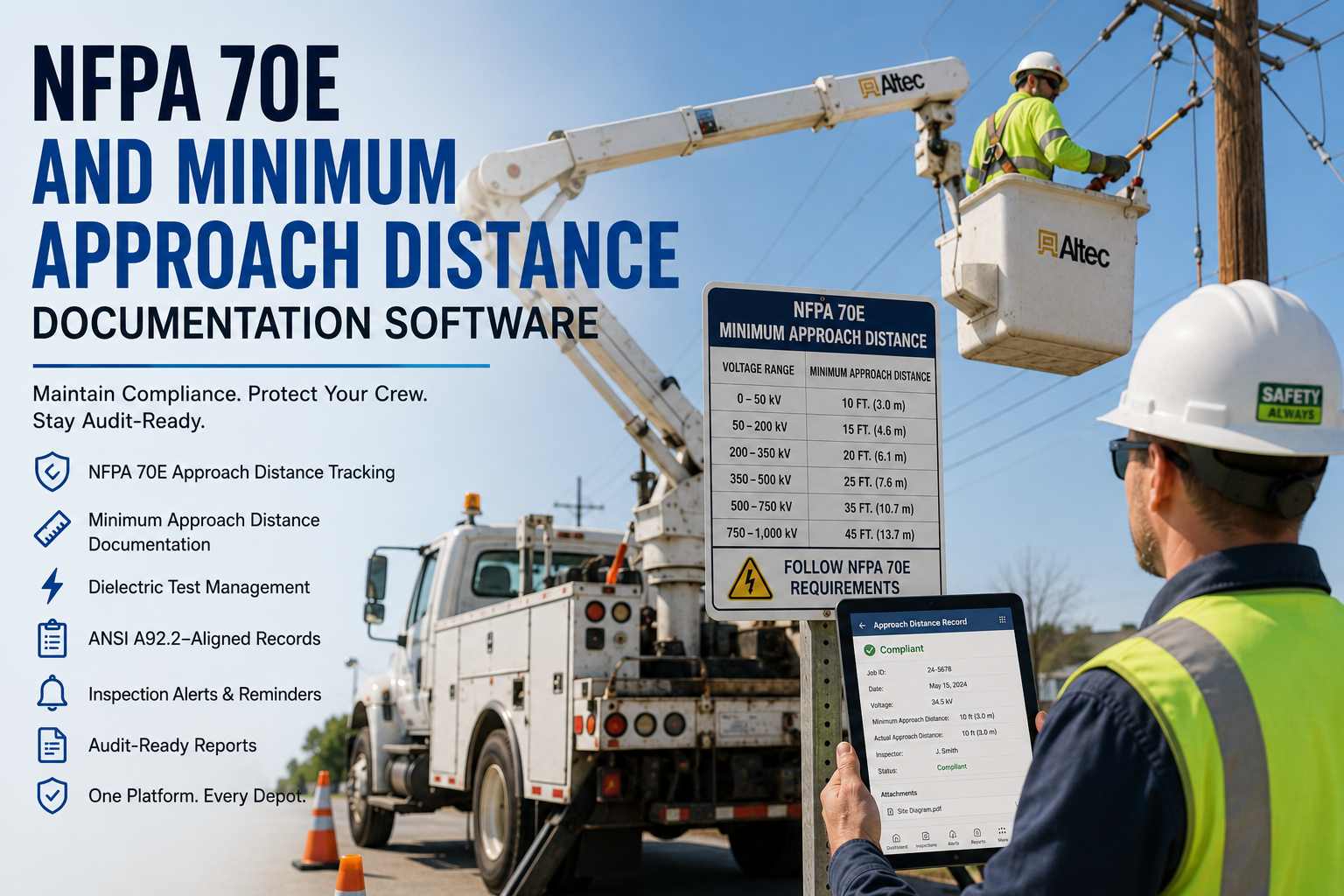
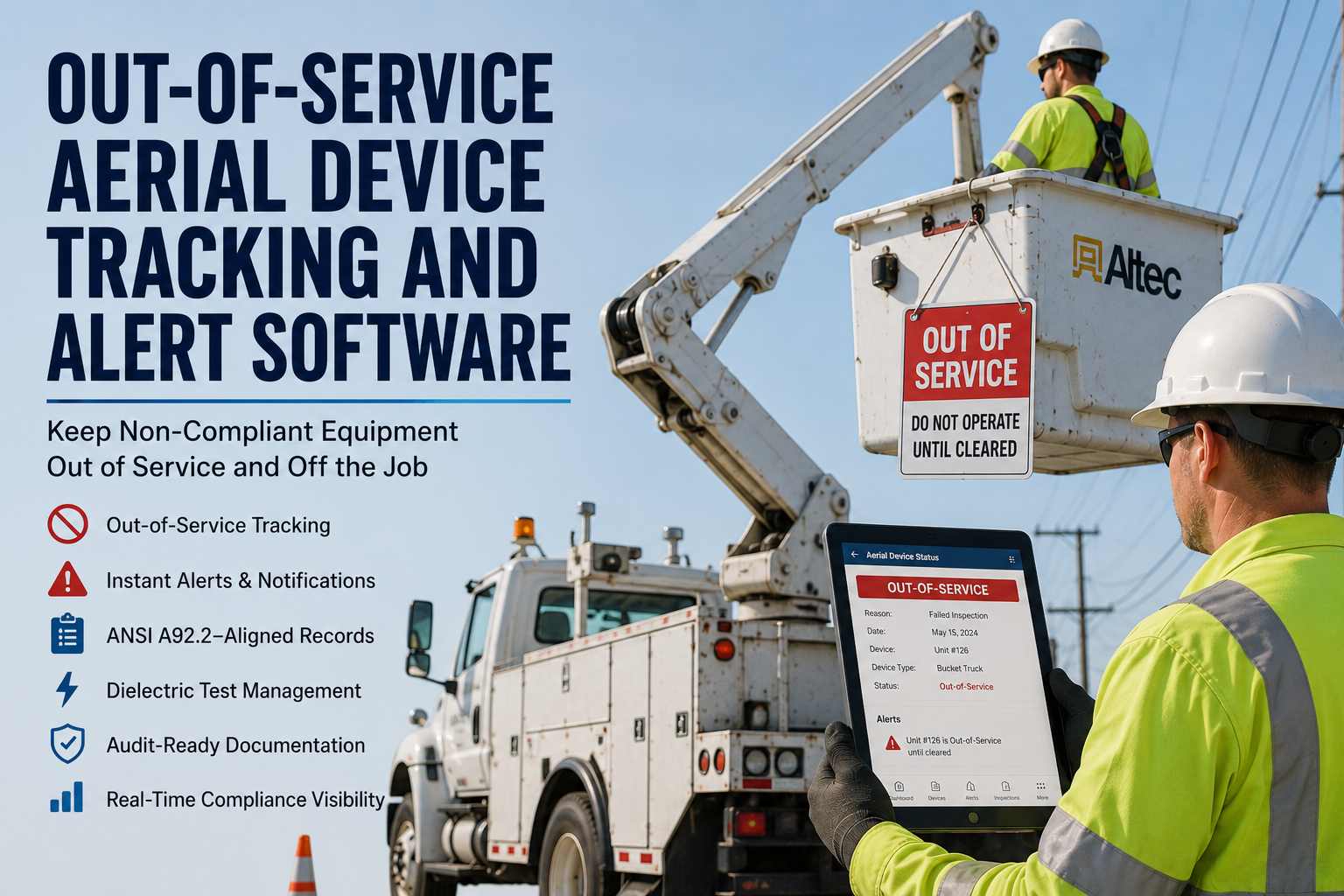
Utility fleet operations across service territories, storm response routes, and emergency call-outs face unique coordination challenges: aging vehicles operate in demanding conditions, manual dispatch processes create response delays, and disconnected workflows reduce field team visibility. This guide compares top utility fleet service delay reduction solutions that help operations teams optimize dispatch coordination, improve scheduling efficiency, and address service bottlenecks before they impact customer satisfaction—using mobile-first tools that work offline in low-connectivity areas.
25–40%
Average reduction in service response time with optimized dispatch workflows
95%+
On-time arrival rate with automated scheduling and real-time visibility
12–20 hrs
Weekly dispatcher time saved through automated coordination workflows
$5
Per vehicle per month pricing with monthly billing and no minimums
Manual Dispatch Processes Create Service Delays. Fleet Rabbit Optimizes Utility Fleet Coordination Without Hardware Changes.
Fleet Rabbit connects dispatch, scheduling, and field operations to capture real-time vehicle location, automate job assignments, and generate service performance reports—enabling faster response times without disrupting field operations or requiring new devices.
Coordination Challenges in Utility Fleet Operations
Before implementing dispatch optimization solutions, it is important to understand where manual or disconnected processes typically create friction in utility fleets. Paper logs, siloed systems, and variable signal coverage leave dispatchers without real-time visibility—gaps that structured digital workflows can help address.
Manual Dispatch Creates Response Delays
Phone-based job assignments and paper schedules are prone to miscommunication, double-booking, or missed updates. Without centralized digital coordination, emergency responses suffer from avoidable delays.
Disconnected Scheduling and Field Workflows
When dispatch systems operate separately from field operations, job status updates depend on manual check-ins. Critical service requests may be delayed without automated status tracking.
Limited Visibility into Field Team Location
Without real-time vehicle tracking, dispatchers cannot optimize routing or reassign jobs dynamically. Technicians in remote service areas may be unreachable during coverage gaps.
Inefficient Resource Allocation Across Territories
Without data-driven scheduling insights, fleet utilization varies by crew or location. High-priority service requests may be delayed without intelligent workload balancing.
Key Features to Evaluate in Utility Fleet Dispatch Software
Effective dispatch platforms for utility operations combine real-time visibility, offline functionality, scheduling intelligence, and integration flexibility. Prioritize solutions that align with your fleet's vehicle mix, service territory geography, and response time requirements.
01
Real-Time Vehicle Location Tracking
Dispatchers view technician locations on interactive maps. Data updates automatically when signal is available and caches locally during connectivity gaps.
02
Automated Job Assignment & Routing
Create service-type-specific dispatch rules for emergency calls, routine maintenance, or storm response. Smart routing minimizes travel time and optimizes technician utilization.
03
Mobile Job Status Updates
Technicians update job status via mobile app with one-tap actions. Dispatchers receive instant notifications with location, estimated completion, and next availability.
04
Service Performance Analytics
Track response times, job completion rates, and technician productivity. Export performance reports for management reviews or regulatory documentation.
05
Dynamic Scheduling & Reassignment
Automatically reassign jobs based on technician availability, proximity, or skill set. Proactive alerts help prevent service delays during peak demand periods.
06
Customer Communication Integration
Send automated ETA updates and service confirmations to customers. Reduce call volume and improve satisfaction with transparent, real-time communication.
Ready to Reduce Service Delays and Improve Utility Response Times?
Get a personalized walkthrough of how dispatch optimization software can address your utility fleet's unique challenges—from storm response coordination to routine service scheduling.
Operational Framework Support for Utility Dispatch Compliance
Leading dispatch platforms support documentation requirements for service level agreements and operational regulations commonly faced by utility fleet operators.
Service Level Agreement Tracking
Digital job logs with timestamped dispatch, arrival, and completion records formatted for SLA audit requests with technician-attributed performance metrics.
Emergency Response Documentation
Track dispatch times, routing decisions, and resource allocation for storm response or outage events. Certification tracking supports regulatory reporting requirements.
Labor & Hours Compliance
Configure work hour limits and rest period requirements per operating jurisdiction. Automated alerts help prevent scheduling violations that could impact crew safety.
Customer Service Metrics
Document response times, resolution rates, and customer satisfaction scores. Support service quality audits with structured, exportable performance records.
Top Utility Fleet Dispatch Software Platforms Compared
A feature-level comparison across capabilities relevant to utility fleet coordination workflows. Competitor data sourced from publicly available documentation and third-party reviews as of 2024.
Implementation Approach for Dispatch Optimization Deployment
Fleet Rabbit follows a structured onboarding process designed for dispersed utility fleet operations—delivering initial dispatch capability within the first week and full workflow activation within two weeks. No hardware installation required.
01
Dispatch Workflow Audit
Map current job assignment processes and service territory requirements
02
Rule Configuration
Build service-type-specific dispatch rules and routing preferences
03
Integration Setup
Connect CRM, work order, and telematics systems via API
04
Team Training
Onboard dispatchers and field technicians on mobile coordination workflow
05
Go-Live and Review
Activate digital dispatch and schedule effectiveness review
Typical Timeline and Expected Outcomes
Every Fleet Rabbit engagement follows a defined onboarding sequence with measurable milestones. Results vary by fleet size, service territory coverage, operating geography, and process maturity.
Days 1–3
Workflow Design and Setup
Audit current dispatch processes and service level requirements
Configure dispatch rules per service type and priority level
Set escalation thresholds and automated reassignment rules
Days 4–10
Pilot Deployment
Deploy mobile dispatch app to pilot technician group
Review initial response times and job completion rates
Refine dispatch rules and workflow triggers based on feedback
Days 11–14
Full Activation
Expand digital dispatch to full fleet
Enable automated performance reporting and SLA exports
Schedule 30-day review to assess adoption and response metrics
REALISTIC EXPECTATIONS: MEASURABLE IMPROVEMENTS WITH CONSISTENT ADOPTION
Utility fleets that systematically adopt digital dispatch workflows—such as completing job updates consistently, acting on routing alerts promptly, and reviewing performance reports regularly—typically see response time and efficiency improvements within the first 30–60 days. Results depend on dispatcher adoption and field team follow-through.
95%+
On-time arrival rate
12–20 hrs
Dispatcher time saved weekly
25–40%
Faster average response time
See How Fast Your Utility Fleet Can Achieve These Results
Schedule a 30-minute consultation to review your current dispatch workflows and receive a customized implementation roadmap—no obligation, just actionable insights.
Use Cases from Utility Fleet Deployments
These examples reflect common scenarios where Fleet Rabbit has supported dispatch optimization efforts for utility operations. Outcomes depend on fleet size, service territory coverage, operating geography, and process maturity.
A regional utility service fleet relied on phone-based dispatch that created scheduling conflicts and delayed responses. Fleet Rabbit's mobile app enabled real-time job assignments with automatic routing optimization. Response times improved significantly across service territories.
35%
Faster average response
15 hrs
Dispatcher time saved
A power distribution operator needed to coordinate emergency crews during severe weather events. Fleet Rabbit's dynamic dispatch rules automatically prioritized outage locations and reassigned technicians based on proximity and skill set.
50%
Faster outage restoration
Real-time
Crew visibility
100%
Resource utilization
A multi-region utility sought to improve customer satisfaction by providing accurate ETAs and service updates. Fleet Rabbit's automated notifications reduced call volume and improved transparency for customers awaiting service.
40%
Reduced customer calls
4.8/5
Customer satisfaction
What Utility Fleet Teams Say About Fleet Rabbit
Fleet Rabbit transformed our dispatch operations. Technicians receive job assignments instantly on their phones, even in remote areas, and our dispatchers can see exactly where every vehicle is. Customer complaints about delayed service have dropped dramatically.
Operations Dispatch Manager
Regional Water & Electric Utility Provider
Frequently Asked Questions
Does Fleet Rabbit require new hardware for dispatch coordination?
No. Fleet Rabbit's mobile dispatch app runs on existing iOS or Android devices. Technicians can use company-issued or personal devices with no additional hardware required.
Can dispatch rules be customized per service type?
Yes. Fleet Rabbit supports custom dispatch rules for emergency calls, routine maintenance, storm response, and more. Priority levels, routing preferences, and escalation triggers can be configured per rule set.
How does offline job data sync when connectivity resumes?
Job status updates cache locally on the device when cellular signal is unavailable. When connectivity resumes, data syncs automatically to the central platform with conflict resolution for duplicate submissions.
What performance reports can Fleet Rabbit generate?
Automated SLA compliance reports, response time analytics, technician productivity metrics, and custom audit exports. All reports include timestamped, user-attributed records with version control.
How quickly can digital dispatch workflows be deployed?
Baseline rule configuration and app deployment typically takes 3–5 days. Full workflow activation with CRM integration and performance reporting is usually complete within 10–14 days.
What is the pricing for Fleet Rabbit dispatch software?
Fleet Rabbit is priced at $5 per vehicle per month, billed monthly with no long-term contract. A free tier is available for up to 3 vehicles to evaluate functionality before scaling.
Reduce Service Delays. Improve Response Times. Optimize Dispatch in Two Weeks.
Fleet Rabbit provides utility fleet teams with real-time vehicle tracking, automated dispatch rules, mobile job updates, and SLA-ready performance documentation—deployed to existing devices in 5–7 working days, at $5/vehicle/month, with no new hardware required.
Offline-capable mobile dispatch app
Custom dispatch rules per service type and priority
Automated job reassignment for dynamic coverage
SLA, emergency response, and performance report exports
May 27, 2026
By Jason
All Posts