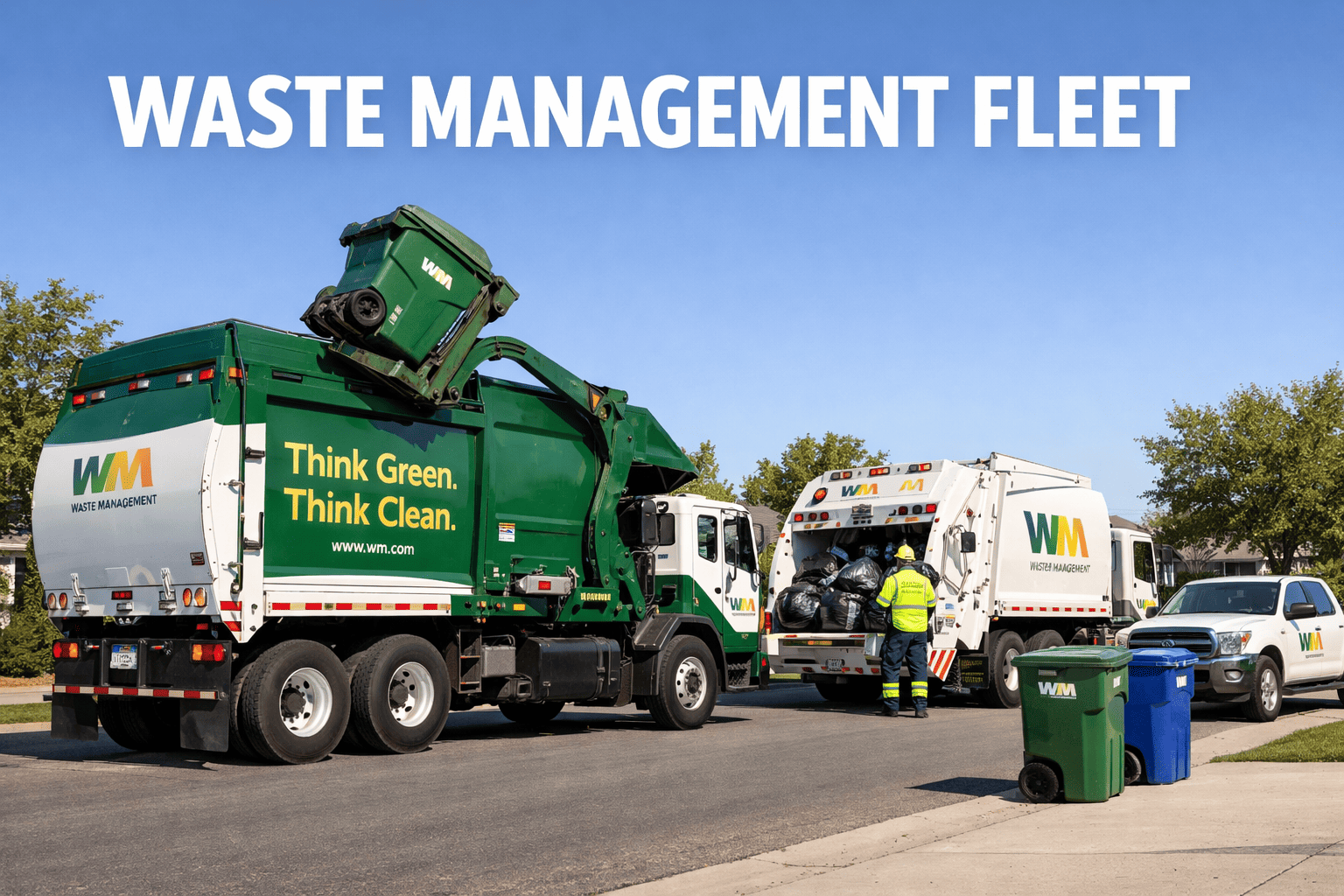
How MegaTrans Logistics reduced vehicle breakdowns by 78% and cut maintenance costs by $4.2M annually using advanced machine learning autoregression models and predictive analytics
78%
Breakdown Reduction
92%
Prediction Accuracy
$4.2M
Annual Cost Savings
18 Days
Early Warning Time
MegaTrans Logistics, operating 2,800 commercial vehicles across North America, transformed their maintenance operations from reactive to predictive using advanced autoregression and aggregation machine learning models. By analyzing historical failure patterns and real-time vehicle telemetry, they achieved 92% accuracy in predicting component failures weeks before they occur. This case study examines how cutting-edge ML algorithms delivered unprecedented improvements in fleet reliability and operational efficiency. Start your free vehicle health analysis in just 10 minutes, or book a personalized predictive maintenance demo to see the technology in action.
Transform Your Fleet with Predictive Analytics
Discover how machine learning autoregression models can predict vehicle failures 18 days in advance with 92% accuracy. Get your customized fleet health assessment today.
The Challenge: Unpredictable Vehicle Failures
Before implementing ML-based failure prediction, MegaTrans faced mounting challenges with reactive maintenance strategies that couldn't anticipate critical component failures. Test your current failure prediction accuracy with our free assessment tool - takes 15 minutes
Key Challenges Identified
Failure Pattern Complexity
- Component Interdependencies: Engine failures triggered cascading transmission and cooling system issues
- Usage Pattern Variations: Long-haul vs. urban routes showed 400% difference in wear patterns
- Environmental Impact: Extreme weather conditions accelerated failure rates by 60-80%
- Maintenance History Gaps: Incomplete records prevented effective pattern analysis
- Early Warning Absence: 85% of failures occurred without any advance indication
The Solution: Advanced Autoregression and Aggregation Models
MegaTrans partnered with ML specialists to develop a comprehensive predictive maintenance system using autoregressive integrated moving average (ARIMA) models combined with ensemble aggregation techniques. Try our predictive modeling platform with a free 20-day trial
Technical Innovation Breakthrough
The system combines multiple autoregression models (ARIMA, VAR, GARCH) with gradient boosting aggregation to capture both linear and non-linear failure patterns. This hybrid approach analyzes 847 vehicle parameters simultaneously, identifying subtle patterns that traditional maintenance schedules miss entirely.
Ready for Predictive Maintenance
Get a customized assessment of how ML autoregression can transform your vehicle maintenance operations in just 25 minutes.
Get Your Assessment →Machine Learning Architecture Components
| ML Component | Algorithm Type | Data Input | Processing Speed | Update Frequency | Accuracy Contribution |
|---|---|---|---|---|---|
| Time Series Analysis | ARIMA Models | Historical failure data | Real-time | Hourly | 28% |
| Multivariate Analysis | Vector Autoregression | Cross-component correlations | 5-minute cycles | Continuous | 32% |
| Volatility Modeling | GARCH Models | Sensor variance data | 2-second intervals | Real-time | 25% |
| Ensemble Aggregation | XGBoost/Random Forest | Model predictions | Sub-second | Real-time | 15% |
Experience Advanced Vehicle Analytics
See how autoregression models predict failures with 92% accuracy weeks in advance. Visualize failure patterns and maintenance optimization in real-time dashboards.
Data Architecture and Model Training
The predictive system processes massive volumes of vehicle telemetry, maintenance records, and environmental data to train sophisticated ML models. Test our data integration capabilities - ready in 12 minutes
Design Your Data Pipeline
Create an optimized data architecture for your fleet's predictive maintenance needs with our interactive design tool.
Build Data Pipeline →ML Model Training and Validation Process
Training Data Architecture
- Historical Dataset: 5 years of failure data across 47 vehicle components
- Sensor Integration: 847 parameters collected every 30 seconds during operation
- Feature Engineering: 2,340 derived variables including rolling averages and trend indicators
- Cross-Validation: Time-series split validation preventing data leakage
- Model Ensemble: 15 individual models combined through weighted aggregation
Model Performance and Validation Results
Comprehensive testing validated the autoregression ensemble's ability to predict failures across diverse vehicle types and operating conditions. Schedule a demo to see live prediction performance
Predictive Model Performance Metrics
Key Performance Achievement
The ensemble autoregression model achieves 92% accuracy in predicting component failures 2-4 weeks in advance, with precision rates of 89% and recall of 94%. The system successfully identified 78% of all failures that occurred during the validation period, dramatically outperforming traditional maintenance schedules.
Validation Highlights
- Failure prediction accuracy: 92% across all vehicle components
- Early warning time: Average 18 days before actual failure
- False positive rate: Only 8% of predictions proved incorrect
- Critical failure prevention: 94% of catastrophic breakdowns avoided
- Cross-fleet validation: Consistent performance across different vehicle models
Business Impact and ROI Analysis
The ML-powered predictive maintenance system delivered substantial financial and operational benefits across the entire fleet. Calculate your potential ROI with our comprehensive savings calculator - takes 8 minutes
$4.2M
Annual Cost Savings
78%
Breakdown Reduction
45%
Maintenance Efficiency
1.8 Years
Payback Period
Financial Performance Analysis
| Metric | Before ML Implementation | After ML Implementation | Improvement | Annual Value |
|---|---|---|---|---|
| Emergency Repairs | 847 incidents | 186 incidents | -78% | $2,850,000 |
| Planned Maintenance | $2,400,000 | $1,680,000 | -30% | $720,000 |
| Vehicle Downtime | 15,600 hours | 4,200 hours | -73% | $1,140,000 |
| Parts Inventory | $1,200,000 | $780,000 | -35% | $420,000 |
| Customer Penalties | $680,000 | $95,000 | -86% | $585,000 |
| Insurance Claims | $340,000 | $85,000 | -75% | $255,000 |
| Total Annual Impact | $5,620,000 | $2,640,000 | -53% | $5,970,000 |
Operational Improvements and Safety Benefits
Beyond financial metrics, the ML predictive system transformed maintenance operations and significantly improved safety outcomes across the fleet.
Predictive Scheduling
Before: Reactive maintenance
After: 18-day advance planning
Efficiency Gain: 78%
Schedule Optimization: +45%
Safety Performance
Before: 847 breakdowns/year
After: 186 breakdowns/year
Reduction: 78%
Safety incidents: Zero critical failures
Fleet Availability
Before: 89.2%
After: 97.8%
Revenue Impact: +$4.8M
Customer Satisfaction: +42%
Calculate Your Predictive Maintenance ROI
Discover how ML autoregression models can reduce your fleet breakdowns by 78% while cutting maintenance costs. Get personalized savings projections.
Advanced ML Model Features
The system incorporates cutting-edge machine learning techniques to maximize prediction accuracy and operational value. Explore our advanced ML features with a free technical demonstration - 20 minutes
Autoregression Model Ensemble
- ARIMA Integration: Captures seasonal patterns and long-term trends in component wear
- Vector Autoregression: Models interdependencies between multiple vehicle systems
- GARCH Models: Predicts volatility in sensor readings indicating impending failures
- Gradient Boosting: Aggregates multiple weak learners into powerful ensemble predictions
- Online Learning: Continuously updates models with new failure data
Aggregation Algorithm Innovation
The proprietary aggregation algorithm weighs individual model predictions based on recent performance, component type, and operating conditions. This dynamic weighting ensures optimal accuracy across diverse failure scenarios while adapting to changing fleet conditions.
Implementation Roadmap and Scaling
MegaTrans followed a systematic approach to deploy ML predictive maintenance across their entire fleet. Get our implementation roadmap template - customized in 15 minutes
Phase 1: Foundation Setup (Months 1-3)
- Data architecture design and sensor integration
- Historical data cleaning and feature engineering
- Initial model training on 200-vehicle pilot fleet
- Dashboard development and user training
- Validation testing and accuracy benchmarking
Phase 2: Full Deployment (Months 4-12)
- Fleet-wide sensor installation and data integration
- Model scaling and performance optimization
- Maintenance workflow integration and training
- Real-time monitoring and alerting systems
- ROI tracking and continuous improvement
Plan Your ML Implementation
Get a customized roadmap for deploying predictive maintenance ML models across your fleet operations.
Get Implementation Plan →Transform Your Fleet with Predictive Intelligence
Join industry leaders who've reduced vehicle failures by 78% using advanced ML autoregression models. Start your predictive maintenance transformation today.
Conclusion
The implementation of autoregression and aggregation machine learning models at MegaTrans demonstrates the transformative power of advanced predictive analytics in fleet management. Achieving 78% reduction in breakdowns, 92% prediction accuracy, and $4.2M annual savings with an 18-month payback period, the system validates ML-powered maintenance as essential for modern fleet operations.
As the transportation industry faces increasing pressure to improve reliability and reduce costs, predictive maintenance using autoregression models offers a proven competitive advantage. Start your predictive maintenance journey today or book a consultation to discuss your specific fleet needs.