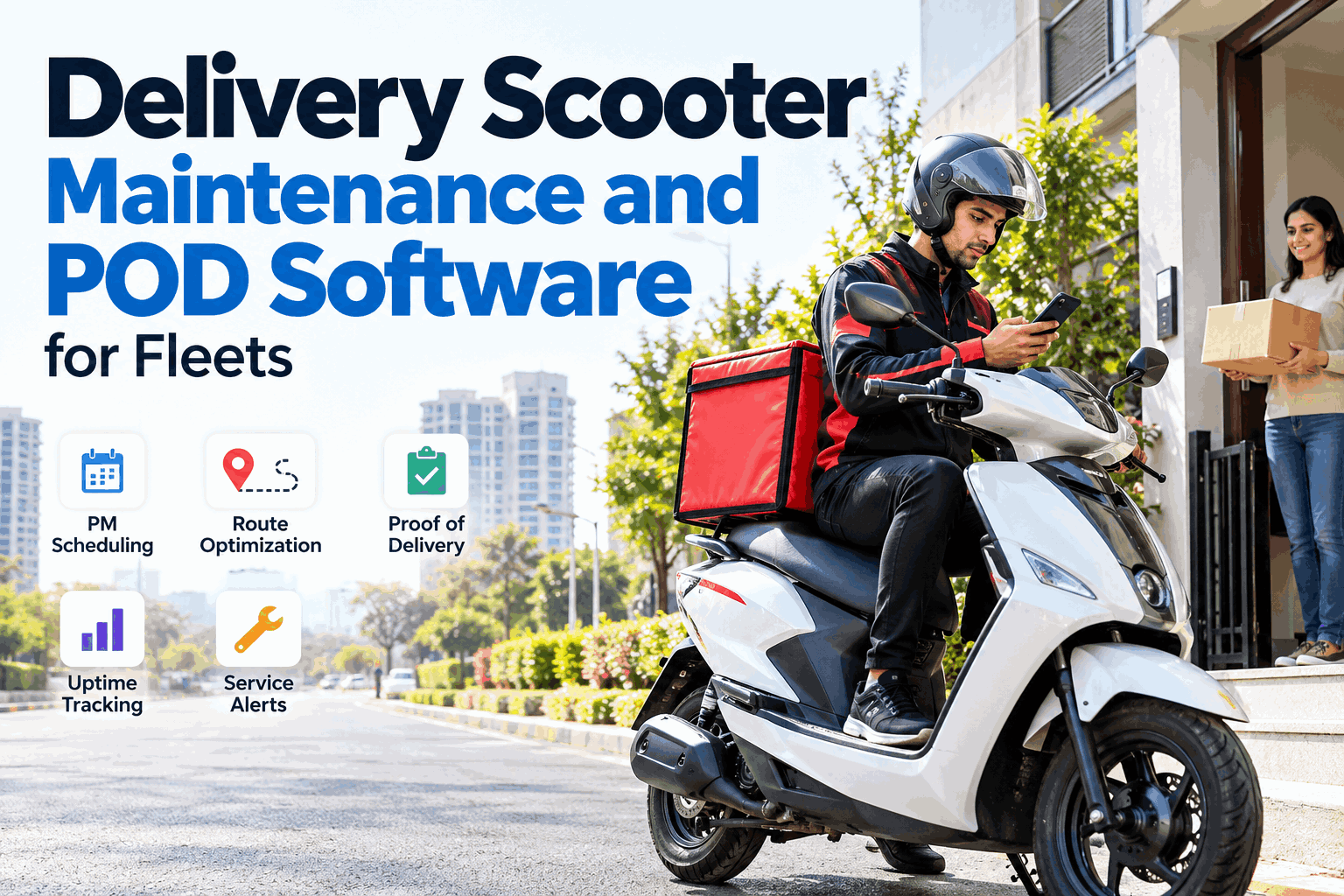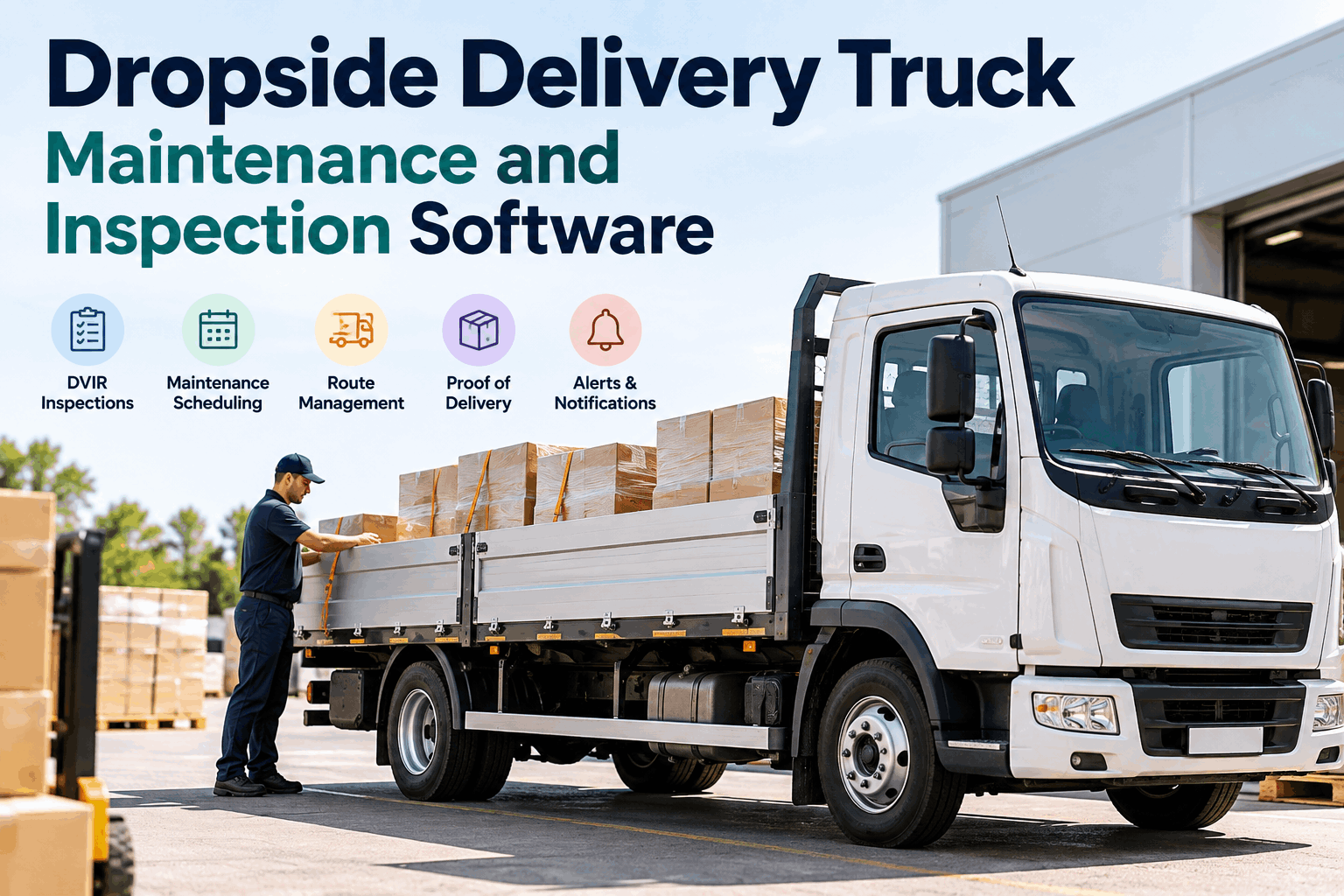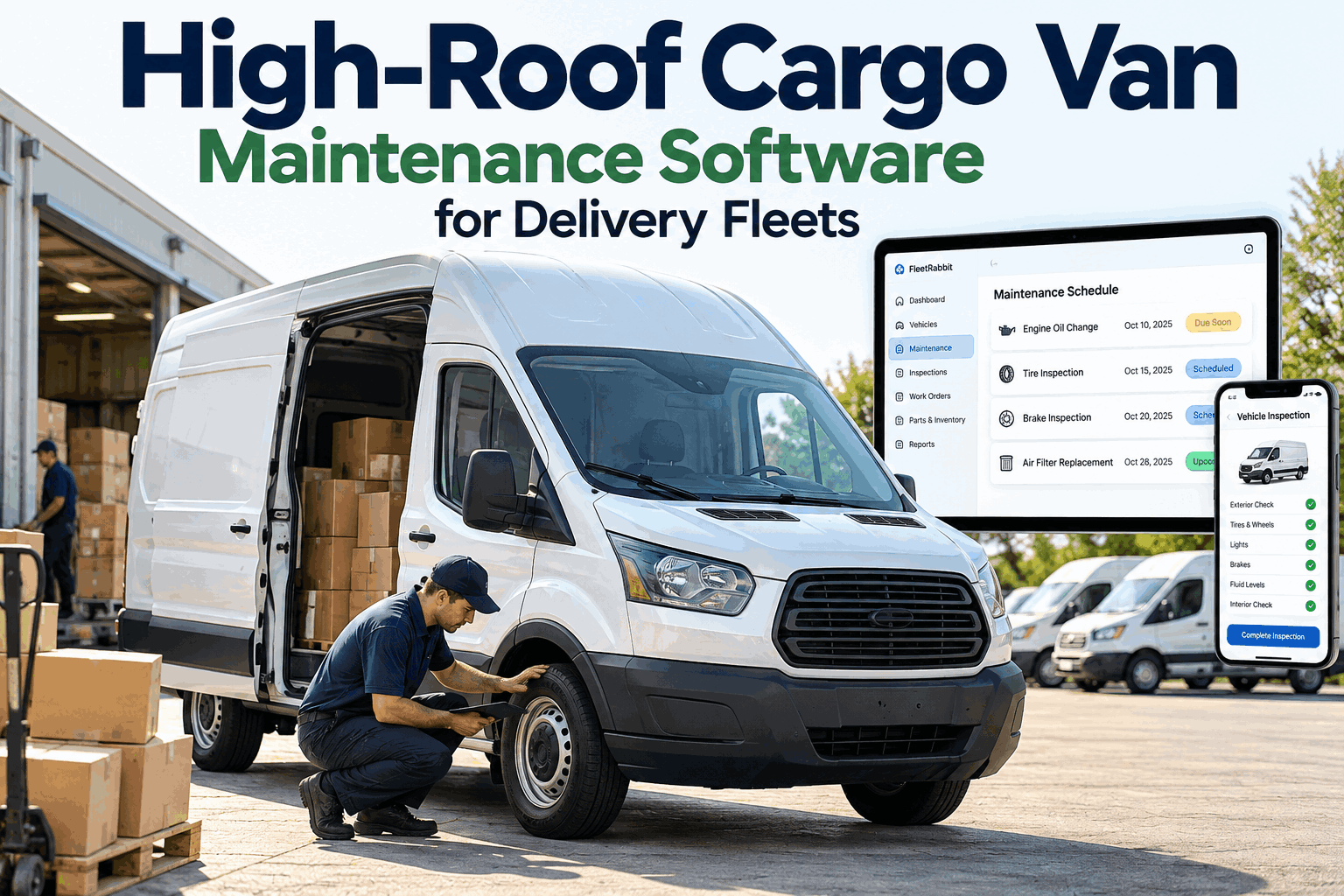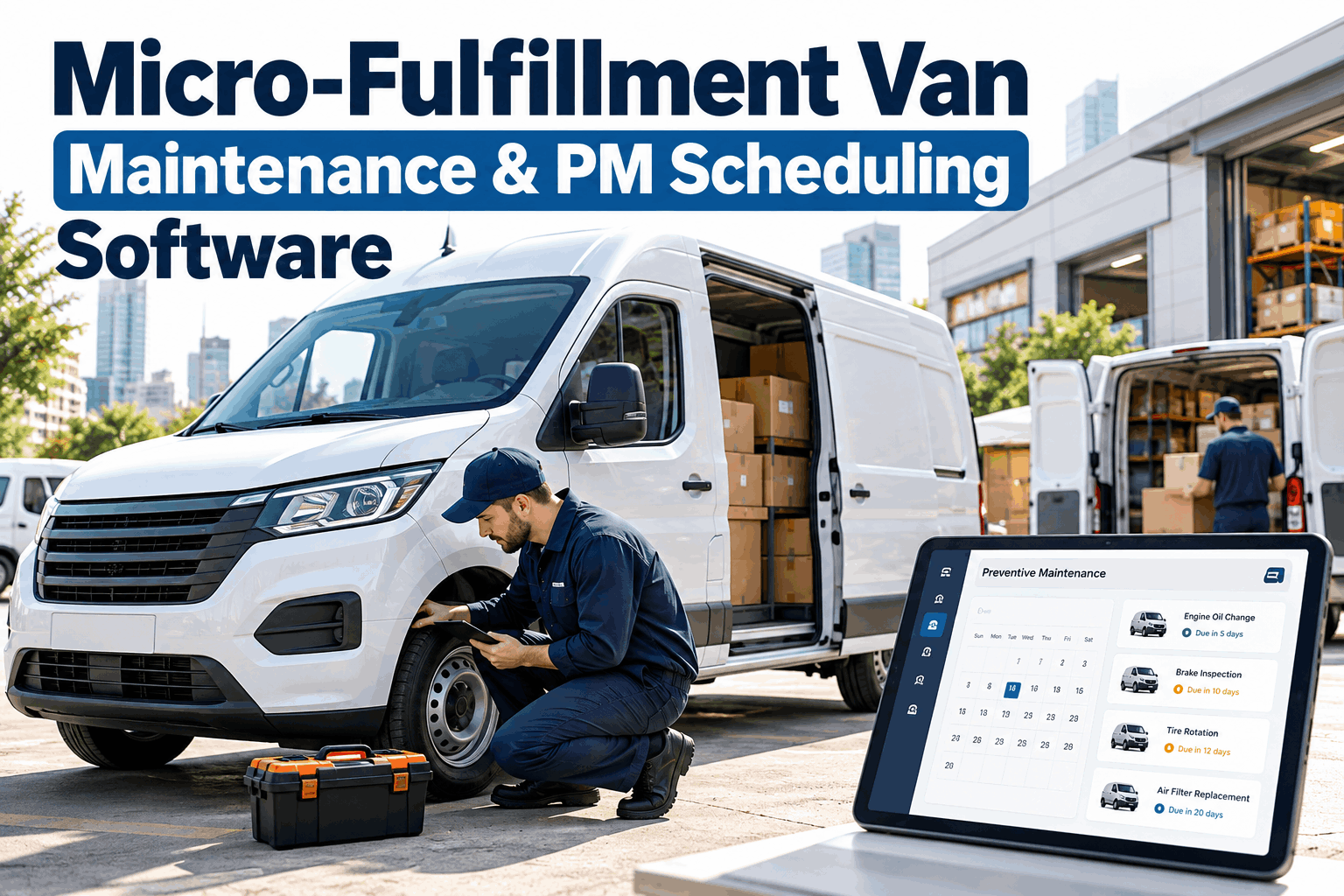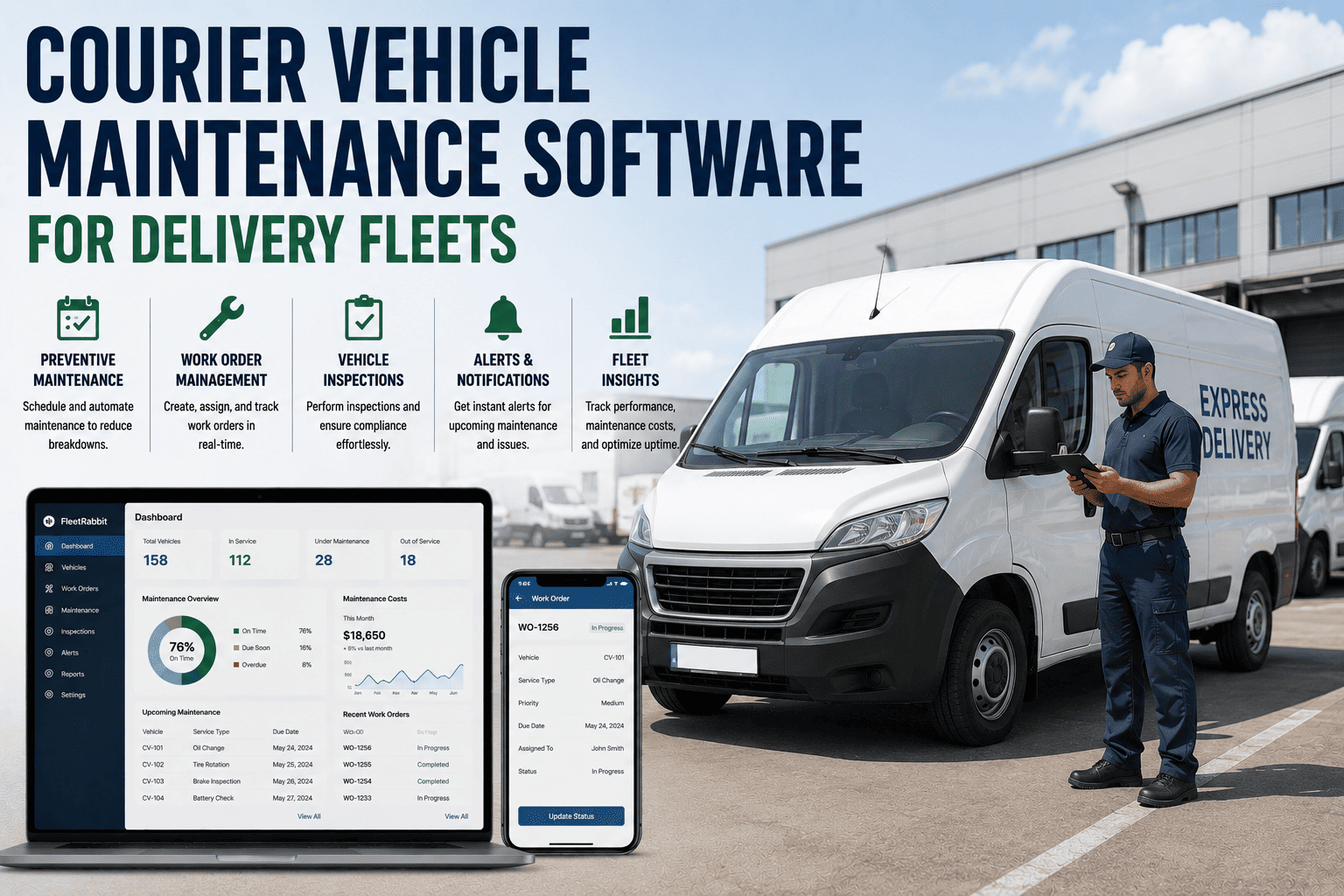
A courier fleet runs a different kind of pressure than a long-haul carrier. The vehicles are smaller, the stops are shorter, the drivers change more often, and the paperwork still has to hold up exactly the same way in front of an auditor. Only a small share of motor carriers walk away from a DOT compliance review without a single citation, and the difference usually isn't the mechanical condition of the vehicles — it's whether the maintenance record can be produced in under two minutes when someone asks for it. That's the gap courier vehicle maintenance software is built to close, and it's worth understanding before you sign up to see it against your own fleet's records.
What an auditor actually looks for on a courier vehicle
A roadside or scheduled compliance review isn't a general glance at the fleet. It follows a specific list, and every item on it needs a document behind it, not a driver's word.
The fastest way to find out where your own records have gaps is to walk through them with someone who audits this daily — book a demo and bring last month's inspection logs.
What a gap in the paperwork actually costs
Violations don't scale with the size of the vehicle. A missed signature on a courier van's inspection report is judged by the same schedule as one on a tractor-trailer.
Get your fleet's records audit-ready
Most fleets don't find their gaps until an auditor does. Seeing your own maintenance and inspection records mapped against what a reviewer checks usually takes less than half an hour.
How courier fleets stay audit-ready without extra paperwork
Electronic inspection records were formally authorized in 2026, which means the fleets still relying on paper logs are choosing the harder path. A structured digital workflow builds the audit trail as a side effect of daily operations, not as a separate task.
A digital pre-trip check covers every required component and captures a defect or a clean certification before the vehicle leaves.
Anything flagged goes straight to a work order, instead of sitting on a clipboard until someone remembers to look at it.
The fix is logged against the original defect, closing the loop an auditor is specifically trained to look for.
Every document is indexed by vehicle, driver, and date, so it can be pulled up in seconds instead of hours.
Courier fleets carry a compliance wrinkle most software ignores
Cars, small vans, and cargo bikes often run the same routes under the same operating authority, and drivers frequently rotate between vehicles across a shift. Maintenance software built around a single fixed truck-to-driver pairing misses that entirely, which means gaps quietly build up on whichever vehicle nobody happens to be watching that week. A system built for courier operations tracks the vehicle's record independently of who's driving it that day, so nothing depends on one person remembering. If your fleet mixes vehicle types or rotates drivers, it's worth seeing how that's handled before you commit — sign up and load your own vehicle list to check.
Start free and see your own audit gaps
No commitment required to see where your fleet actually stands against what a reviewer checks.
Common questions about courier vehicle maintenance software
What is courier vehicle maintenance software
It's a system that manages inspection, repair, and compliance records for courier fleets, built around short multi-stop routes, mixed vehicle types, and drivers who often rotate between vehicles across a shift.
How is this different from general fleet maintenance software
General tools usually assume one driver per vehicle and longer, more predictable routes. Courier-focused software tracks each vehicle's record independently of who's driving it and keeps documentation retrievable in the format an auditor expects.
What makes a maintenance record audit-ready
A defect report signed and dated, a repair logged against that exact defect, and both documents retrievable by vehicle and date within minutes, not hours of searching through files.
Are electronic inspection records accepted by regulators
Yes. Electronic inspection reports were formally authorized in 2026, provided they capture vehicle identification, any defects found or a clean certification, a driver signature, and verification that repairs were completed.
What size courier fleet is this built for
It works for fleets running anywhere from a handful of vehicles up to several hundred, since records are tracked per vehicle and scale without adding manual work as the fleet grows.
How quickly can a courier fleet get started
Most fleets are live within days, since setup follows the vehicles and drivers already in operation instead of requiring a lengthy rollout before any records start flowing in.