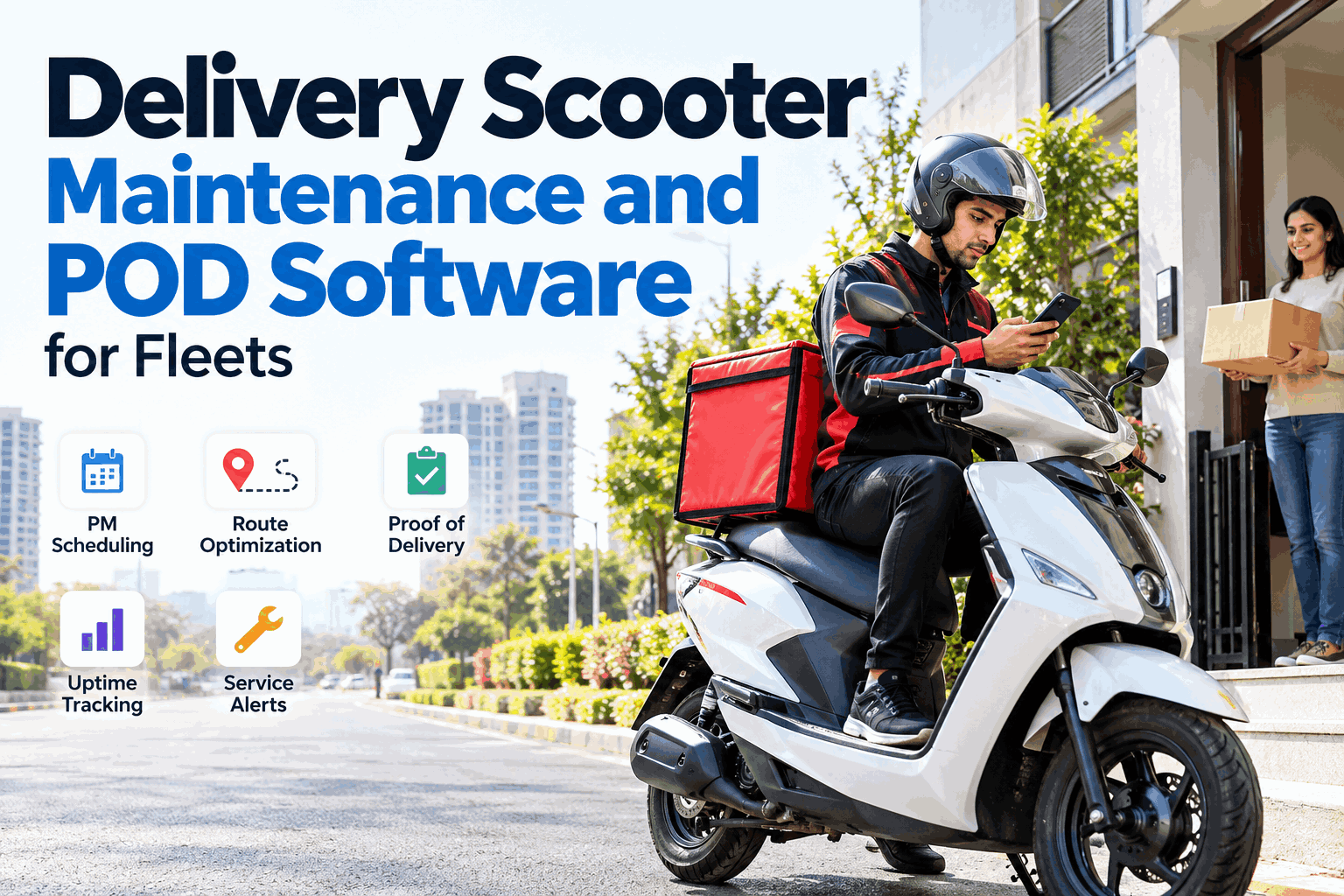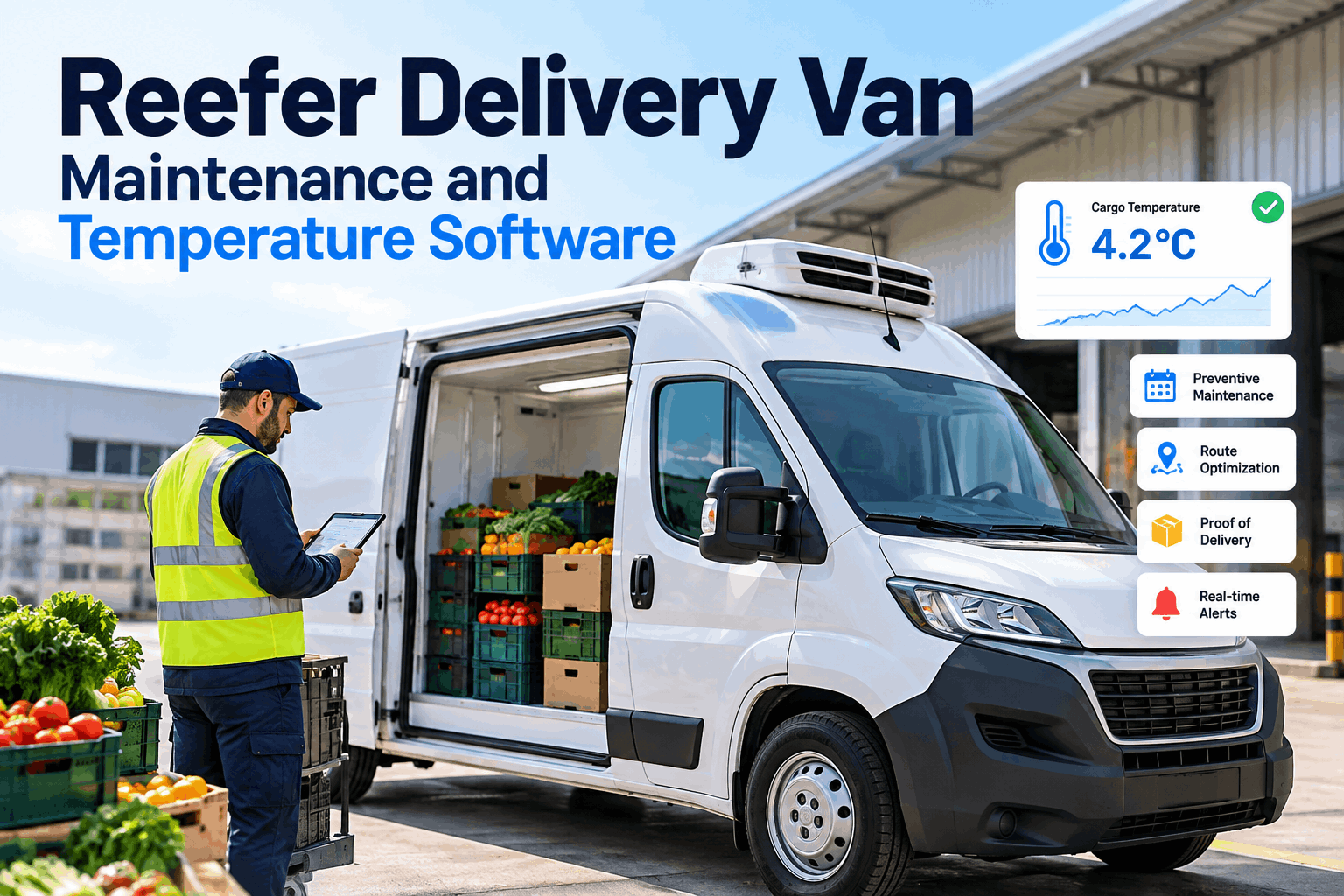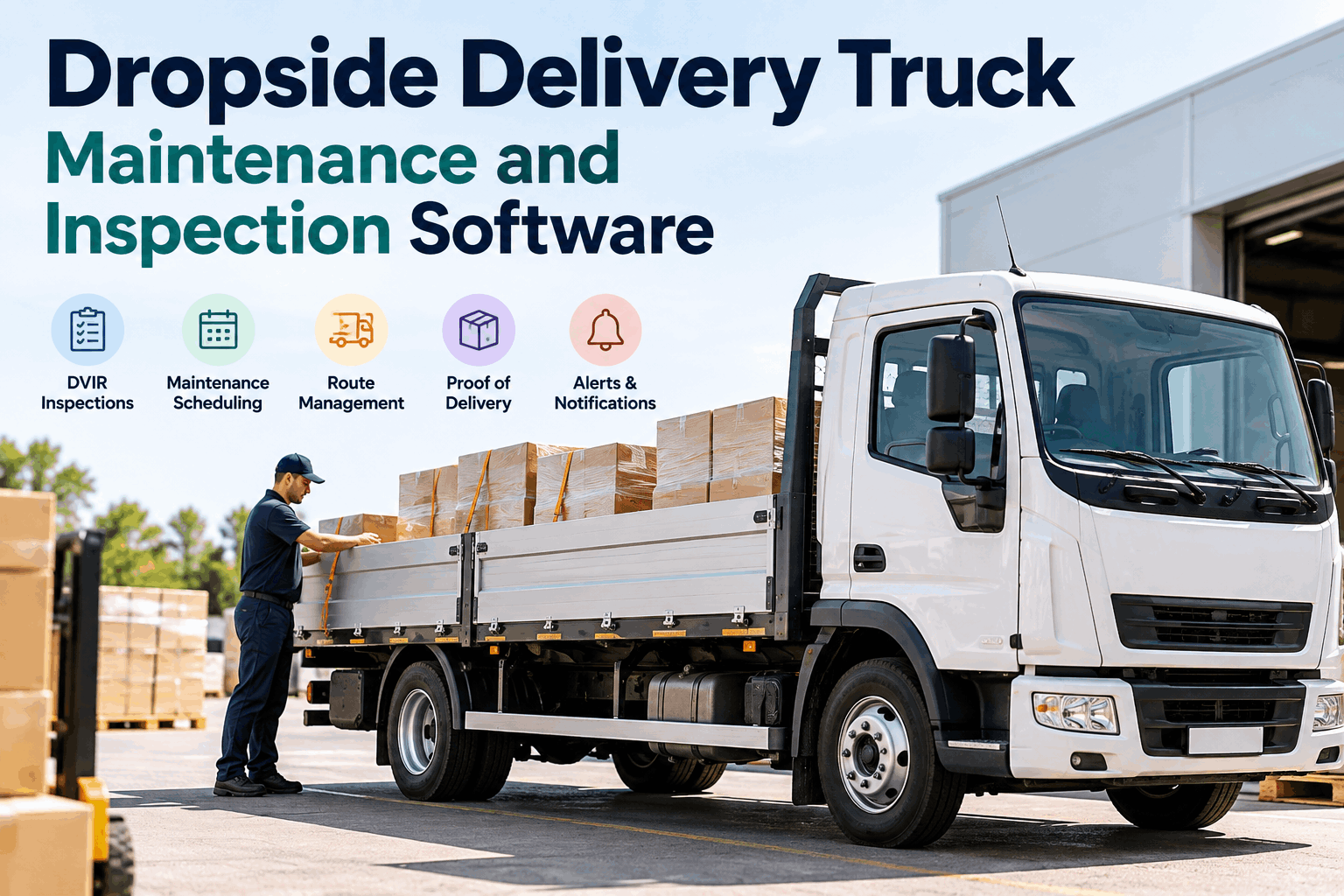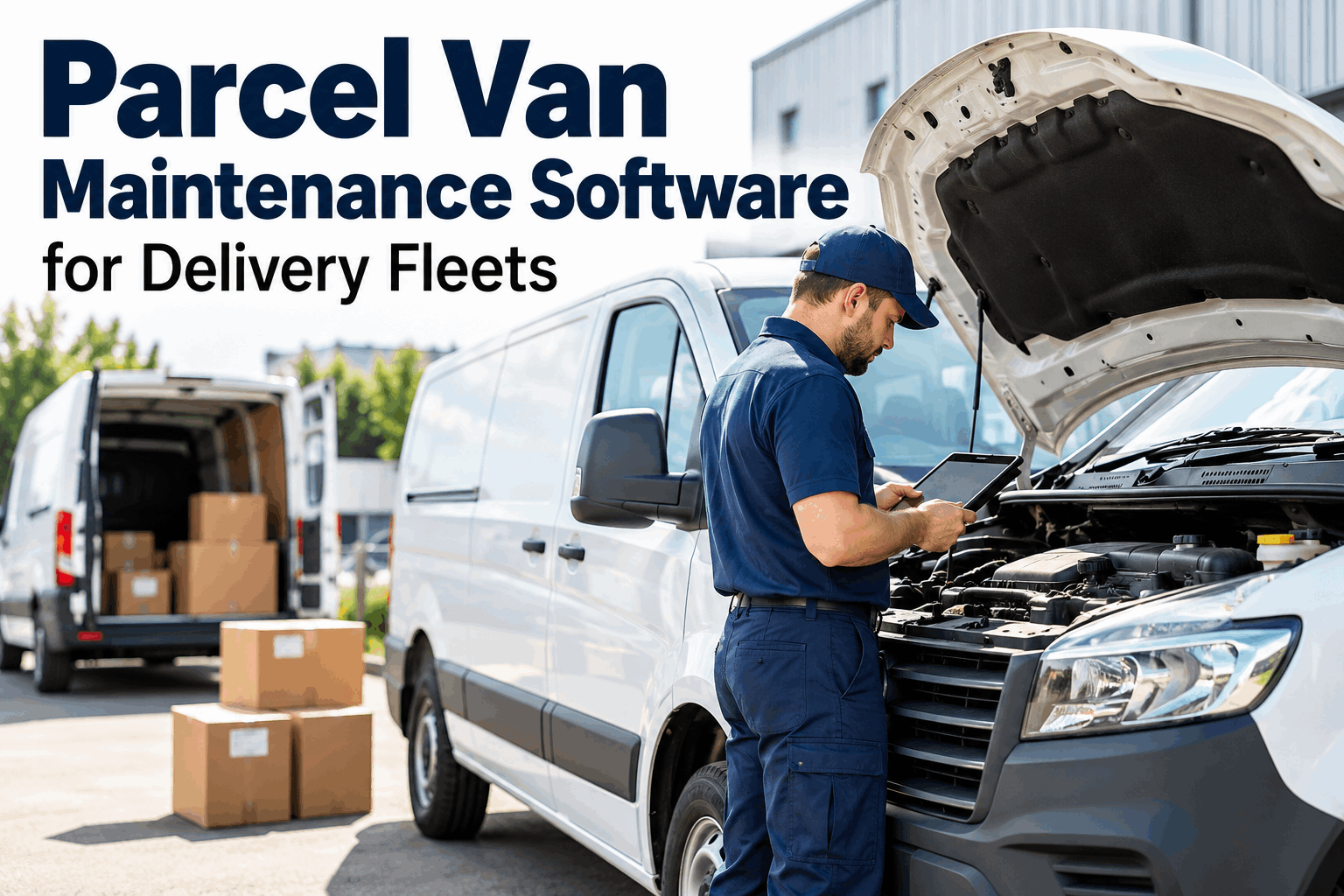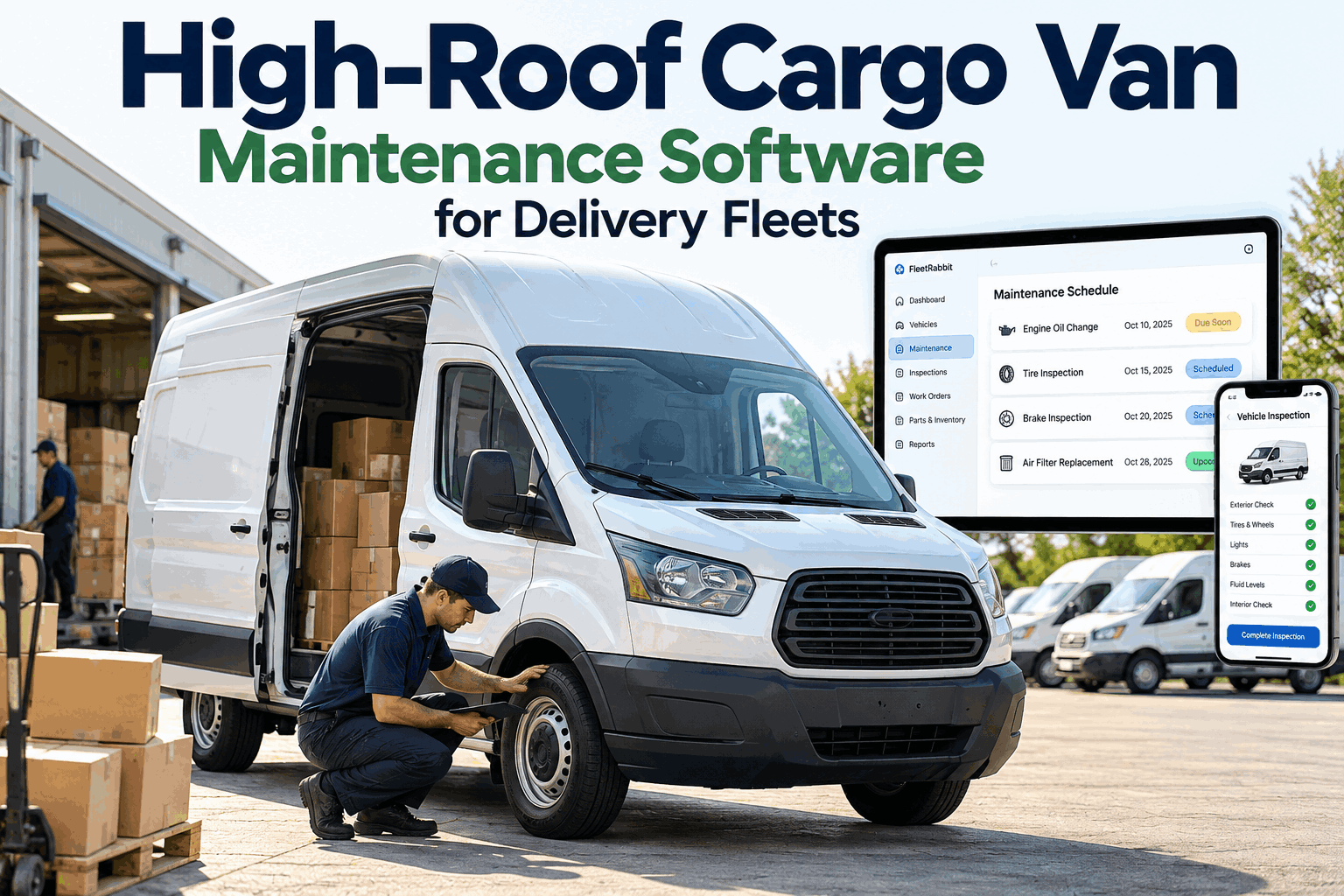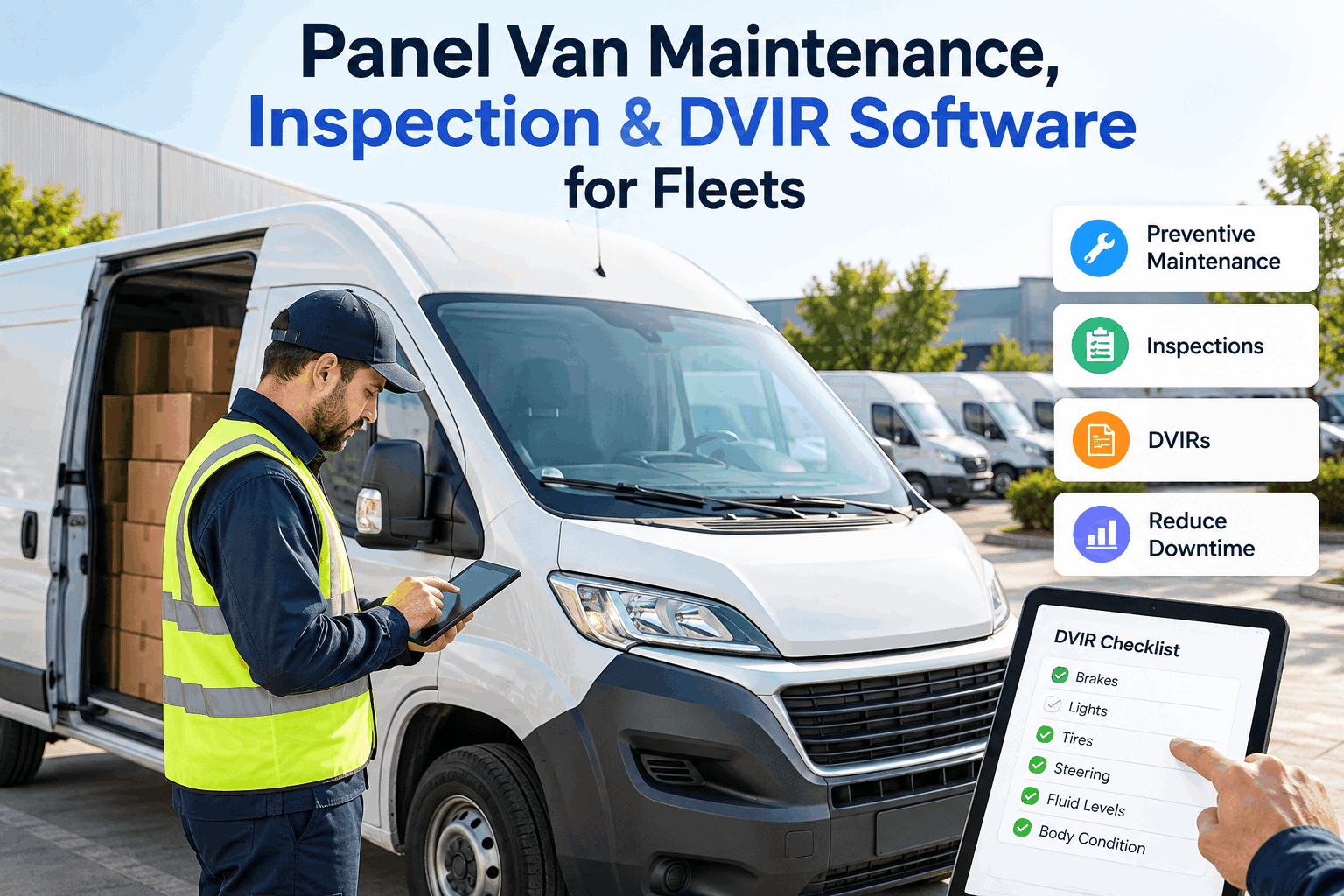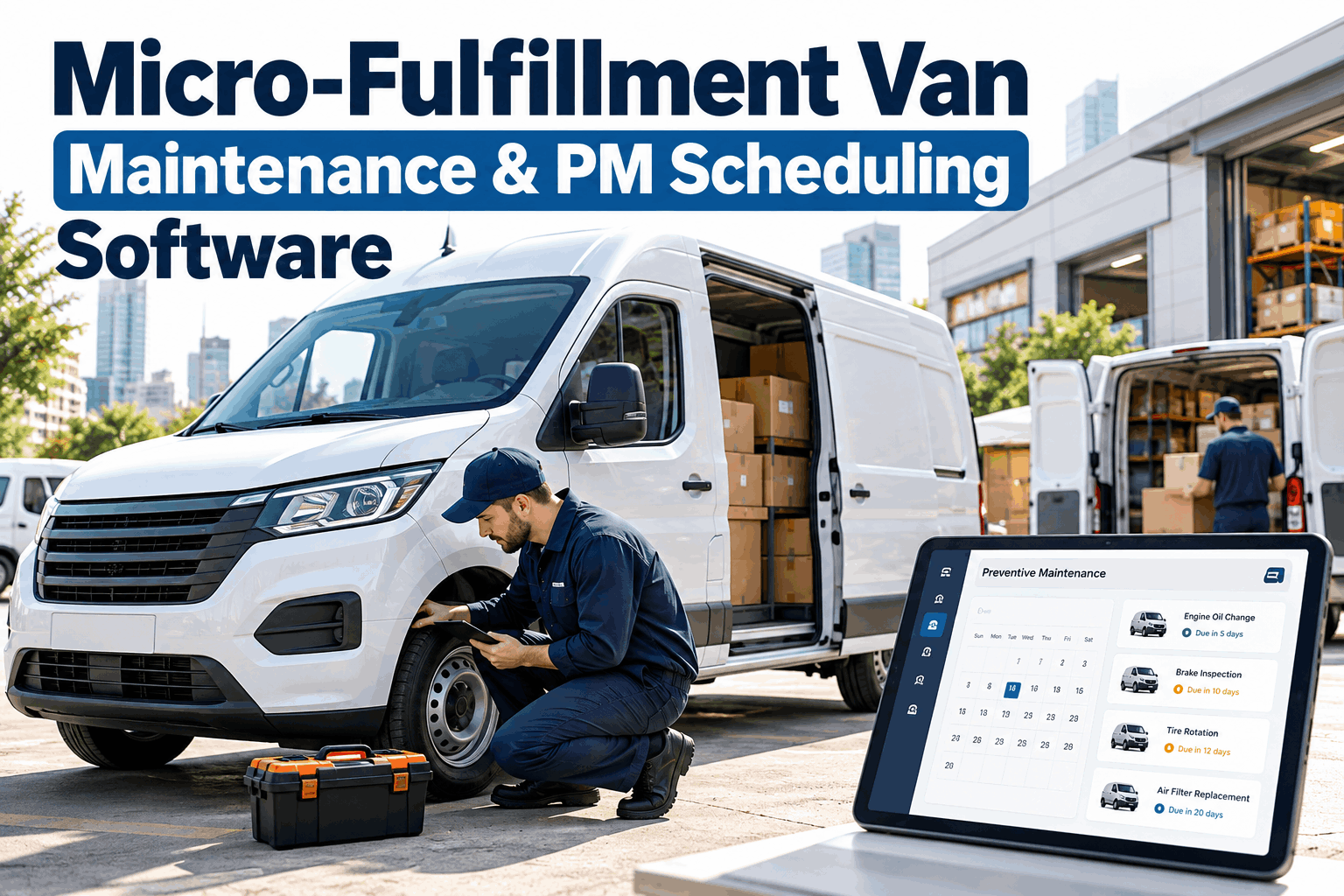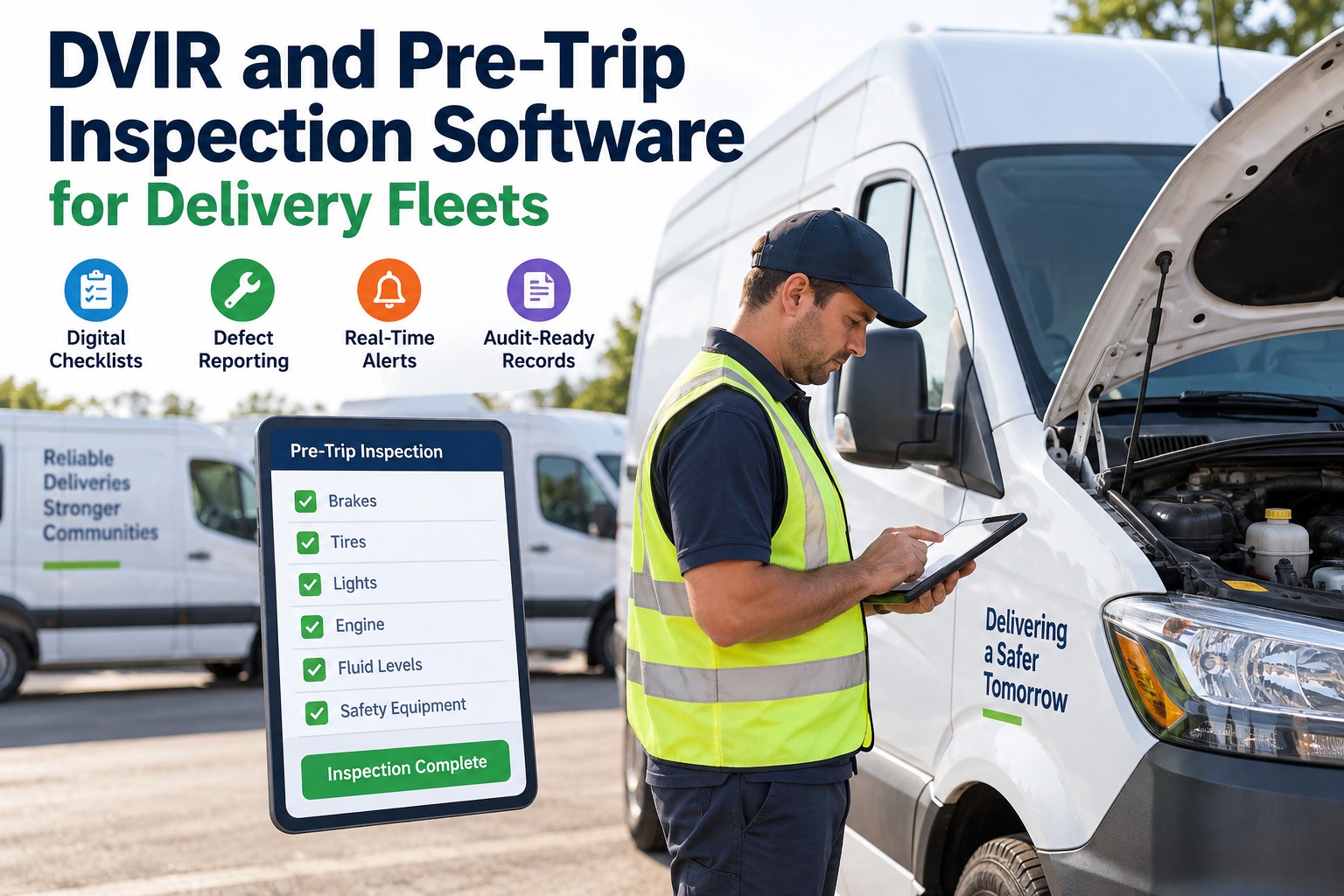
Urban delivery carriers, high-velocity e-commerce logistics operators, and regional courier fleets operate in high-friction street conditions where small vehicle defects can quickly halt daily wave departures. Last-mile commercial delivery vans, cutaway box trucks, and cargo step-vans endure extreme mechanical wear from hundreds of daily stop-and-go braking cycles, frequent curb mounting, repeated sliding cargo door operations, and continuous starter motor engagements. When delivery companies rely on paper pre-trip inspection slips, manual whiteboard defect logs, or generic forms, critical vehicle defects slip through unnoticed. A driver might ignore a thinning brake pad or a damaged backup camera until an unexpected roadside breakdown, an accident in an urban intersection, or an out-of-service order from a state commercial vehicle safety inspector grounds the vehicle mid-shift. Implementing mobile electronic driver vehicle inspection reporting (eDVIR) software connects driver smartphone walkarounds directly to shop mechanics, logging photographic proof of tire tread depths, latching mechanisms, and fluid levels before a vehicle leaves the terminal pad. To evaluate how mobile pre-trip inspection software prevents roadside delivery delays and streamlines fleet maintenance, book an executive evaluation demo with our delivery fleet engineering team or launch your mobile inspection portal immediately through our free platform sign up.
DVIR and Pre-Trip Inspection Software for Delivery Fleets
A comprehensive operational guide for last-mile delivery fleet supervisors and safety superintendents. Digitize daily driver walkarounds, enforce photo-verified defect capture, automate shop repair escalations, and maintain complete audit-ready records across your fleet.
Brakes, steer tires (6/32"), rear cargo door latches, and backup sensors verified.
4 Timestamped Photos Attached • Departed Pad 2: 07:18 AMEmergency exit release, dual sliding door locks, and convex safety mirrors cleared.
Geofence Validated • Route #14 Departure ClearedRear right brake pad worn past wear indicator; audible grinding recorded during walkaround.
Auto-WO #8921 Assigned to Bay 3 • Spare Van #219 Deployed to RouteThe Operational Risks of Paper Inspection Forms in High-Stop Fleets
High-density parcel carriers and e-commerce distribution networks face mechanical demands that long-haul trucking operations rarely experience. Delivering 150 to 200 parcels per shift requires a driver to cycle sliding cargo doors hundreds of times, turn steering wheels tight against curbs, and brake heavily in dense neighborhood traffic. When last-mile operators rely on paper inspection sheets, inspection quality degrades rapidly. Drivers under tight morning departure deadlines often rush through checklists without conducting an authentic physical walkaround. Defect notes scribbled on paper forms sit forgotten on van dashboards or get turned in hours after departure, leaving maintenance shops completely unaware of critical issues like leaking brake lines, cracked mirrors, or worn tire treads. Digital eDVIR software solves this problem by turning daily inspections into an interactive mobile workflow that requires photo verification, records timestamps, and validates driver location via GPS. Fleet safety managers can assess our mobile inspection capabilities by scheduling an interactive mobile pre-trip software demo or configure test vehicle checklists through our quick platform sign up.
Photo-Verified Walkaround Authenticity
FleetRabbit eliminates rushed, unverified inspections by requiring drivers to photograph specific high-wear components: front steer tire tread depths, windshield wiper condition, rear brake lights, and cargo door latches. The mobile app records exact GPS coordinates and timestamps, verifying the driver was physically present at the vehicle.
Closed-Loop Defect-to-Work-Order Routing
When a driver flags a critical mechanical fault during a pre-trip inspection, the software instantly generates a prioritized digital work order in the maintenance shop console. The vehicle is flagged in the system to prevent departure, and mechanics receive immediate defect photos, audio notes, and diagnostic details.
DOT Part 396 & FMCSA Audit Defensibility
Federal Motor Carrier Safety Administration (FMCSA) regulations under 49 CFR Part 396 require carriers to maintain inspection records, document mechanic defect sign-offs, and prove driver pre-trip certifications. FleetRabbit maintains an encrypted, immutable cloud archive of every inspection record, complete with mechanic resolution signatures.
Last-Mile Specific Cargo & Door Safety Checks
Beyond standard DOT items, last-mile delivery vans face unique failure points: sliding door rollers, rear roll-up door springs, shelving safety lips, and auxiliary backup cameras. The mobile checklist includes custom inspections for these delivery components, preventing roadside parcel spills or door lockouts.
Direct Feature Comparison: Paper DVIR Clipboards vs. FleetRabbit Mobile eDVIR
Operating a commercial delivery fleet with paper inspection clipboards creates blind spots that threaten vehicle roadworthiness and trigger unexpected roadside downtime. Review how traditional paper inspections compare directly against FleetRabbit's mobile eDVIR platform across essential fleet safety criteria. Transportation directors and operations leaders can evaluate custom shop dispatch features by requesting a tailored fleet safety software demo or explore driver mobile inspection profiles through our self-service sign up.
| Fleet Inspection Dimension | Paper Carbon-Copy Clipboards | FleetRabbit Mobile eDVIR Engine | Carrier & Safety Advantage |
|---|---|---|---|
| Inspection Verification Method | Manual checkmarks; easily faked | Forced camera photos & GPS geofence locking | 100% indisputable proof of physical walkaround |
| Defect Communication Speed | Hours later; paper slip dropped on desk | Instant real-time alert pushed to shop console | Accelerates vehicle repair turnaround by hours |
| Mechanic Sign-Off & Certification | Often missing; loose paper sheets lost in bays | Digital sign-off on glass before vehicle clears | Guarantees compliance with 49 CFR § 396.11 |
| Hardware & Equipment Requirements | Clipboards, paper forms, filing cabinets | Runs on standard driver smartphones (iOS/Android) | Zero upfront hardware or equipment costs |
| Spare Vehicle Allocation | Manual scramble; dispatchers call around yard | Automated spare van reassignment in software | Launches morning delivery waves without delay |
4-Stage Daily Driver Vehicle Inspection Cycle
FleetRabbit standardizes delivery vehicle safety checks across every phase of the working shift, ensuring mechanical readiness and regulatory compliance from morning yard roll-out to evening vehicle check-in.
Driver Login & Mobile Walkaround
The courier logs into the mobile app, verifies previous inspection records, and completes a guided 3-minute physical inspection of tires, lights, mirrors, brakes, and cargo door latches.
Photo Capture & Defect Triage
Drivers photograph key components. If a defect is detected (e.g., worn tire tread or broken latch), the app prompts for an audio note and defect photo, alerting shop mechanics instantly.
Mechanic Review & Digital Sign-Off
Shop technicians inspect flagged issues, log replacement parts from inventory via barcode, complete the repair, and certify the vehicle roadworthy directly within the software console.
Post-Trip Debrief & Cloud Archiving
At shift end, the driver conducts a quick post-trip walkaround, noting any new mechanical issues that occurred during deliveries. Records archive securely in the compliance ledger.
Financial Capital Stewardship: Eliminating Hidden Operational Leaks
Operating a delivery fleet without structured digital inspection software creates compounding operational leaks across unexpected roadside breakdown towing, unbudgeted mobile repairs, and driver overtime. Identifying these systemic cost drivers helps logistics directors build a clear business case for digital inspection adoption before executive leadership. Calculate your delivery fleet's exact cost recovery by booking a personalized cost assessment demo or get started directly via our rapid platform sign up.
Top Causes of Fleet Budget Waste from Poor Inspections
Platform Engineering Capabilities
Drivers use standard iOS and Android smartphones to capture verified photos of tires, lights, and sliding doors.
Flagged mechanical defects immediately alert shop mechanics, staging replacement parts and assigning service bays.
Operates entirely through mobile driver apps, connecting with existing OBD-II telematics modems if available.
ROI & Scalability Framework for Delivery Fleets
When implementing digital vehicle inspection software, fleet leadership must measure financial returns across maintenance savings, road safety, labor efficiency, and asset longevity. FleetRabbit delivers quantifiable financial return across all primary final-mile operating metrics.
Roadside Callout Savings
Intercepting minor defects like low tire pressure or thinning brake pads in the yard cuts costly roadside breakdowns and towing fees by over 55%, protecting daily route schedules.
Clerical Log Filing Savings
Eliminating physical paper carbon-copy slips, manual data entry, and filing cabinets saves hours of administrative labor weekly for dispatchers and garage clerks.
Predictive Van Care
Daily driver inspection tracking combined with proactive maintenance work orders keeps delivery vans in peak mechanical condition, extending commercial vehicle operating lifespans by 2+ years.
Frequently Asked Questions: Delivery Driver DVIR Software
What is a Driver Vehicle Inspection Report (DVIR) and who is required to complete it?
A DVIR is a formal pre-trip and post-trip safety inspection report mandated by federal and state transportation regulations (such as DOT 49 CFR § 396.11). Commercial motor vehicle drivers must complete these reports daily to inspect critical safety components—such as brakes, steering, tires, mirrors, lights, and emergency equipment—to verify vehicle roadworthiness before and after operating on public roads.
How does mobile eDVIR software prevent drivers from skipping walkaround steps?
FleetRabbit ensures inspection authenticity by requiring drivers to photograph specific safety components (such as steer tire tread depth and cargo door latches) during the inspection. The mobile app logs GPS coordinates and exact timestamps, ensuring the driver was physically standing next to the vehicle during each step of the walkaround.
What happens when a driver reports a safety defect during a pre-trip inspection?
When a driver logs a safety defect in the mobile app, the system flags the vehicle immediately, alerts the maintenance shop console, and generates an automated work order. The software marks the vehicle as out of service, preventing dispatch from assigning it to a delivery route until a certified mechanic completes the repair and signs off on the resolution.
Does our delivery fleet need to purchase dedicated rugged handheld scanners for eDVIR?
No. FleetRabbit is completely hardware-agnostic. Delivery drivers can download and run the mobile application on standard iOS or Android smartphones, eliminating expensive upfront equipment costs and enabling rapid deployment across the entire fleet.