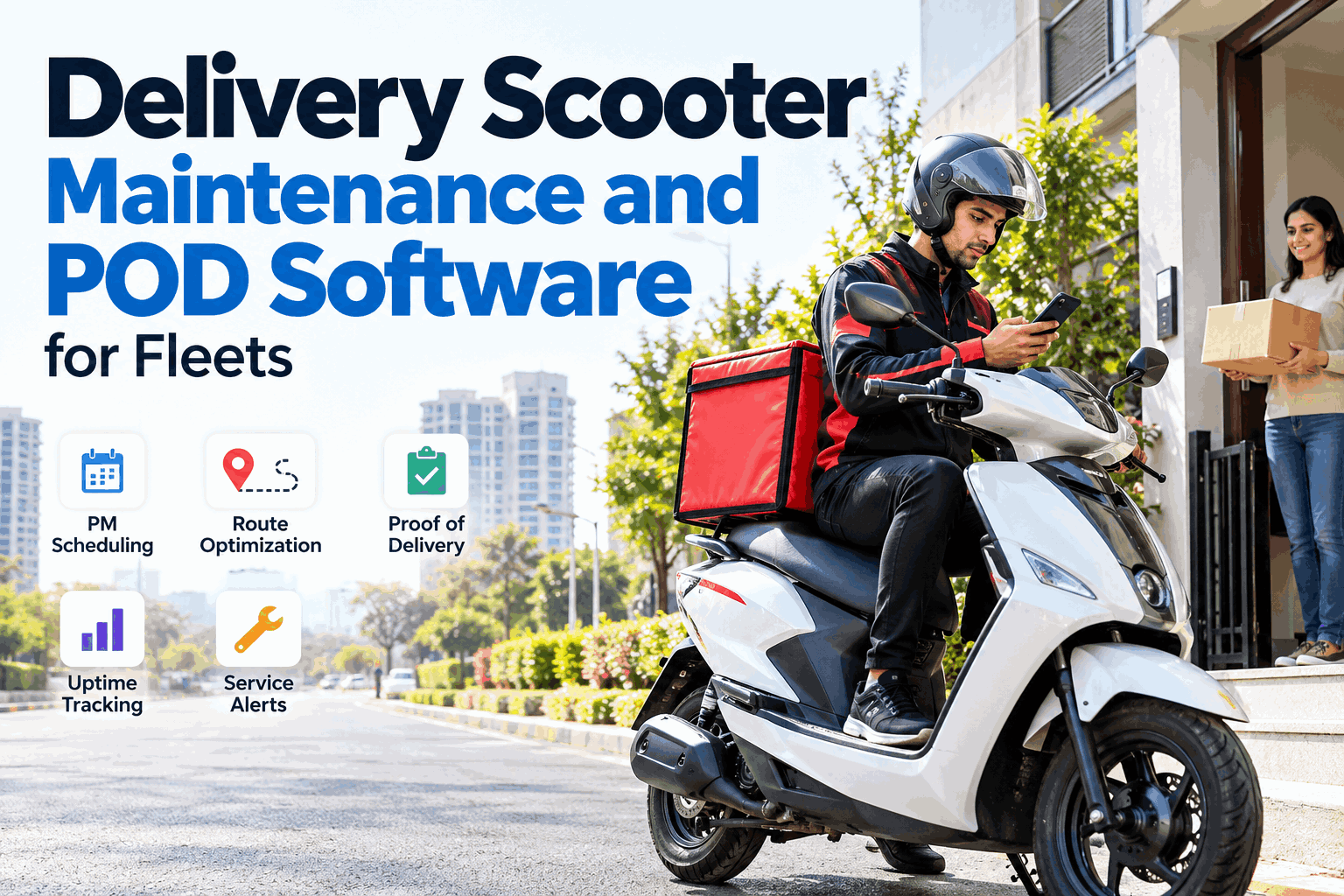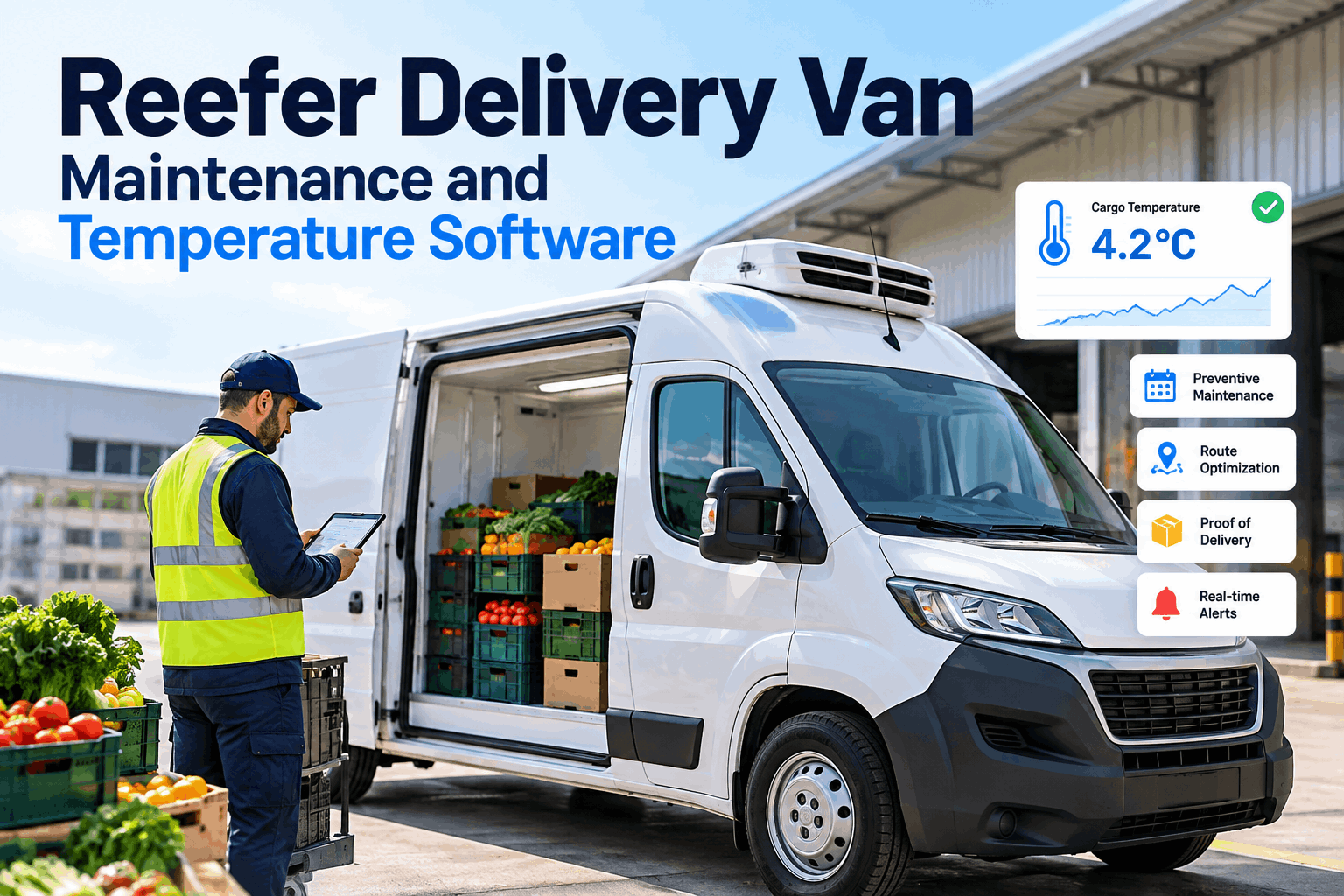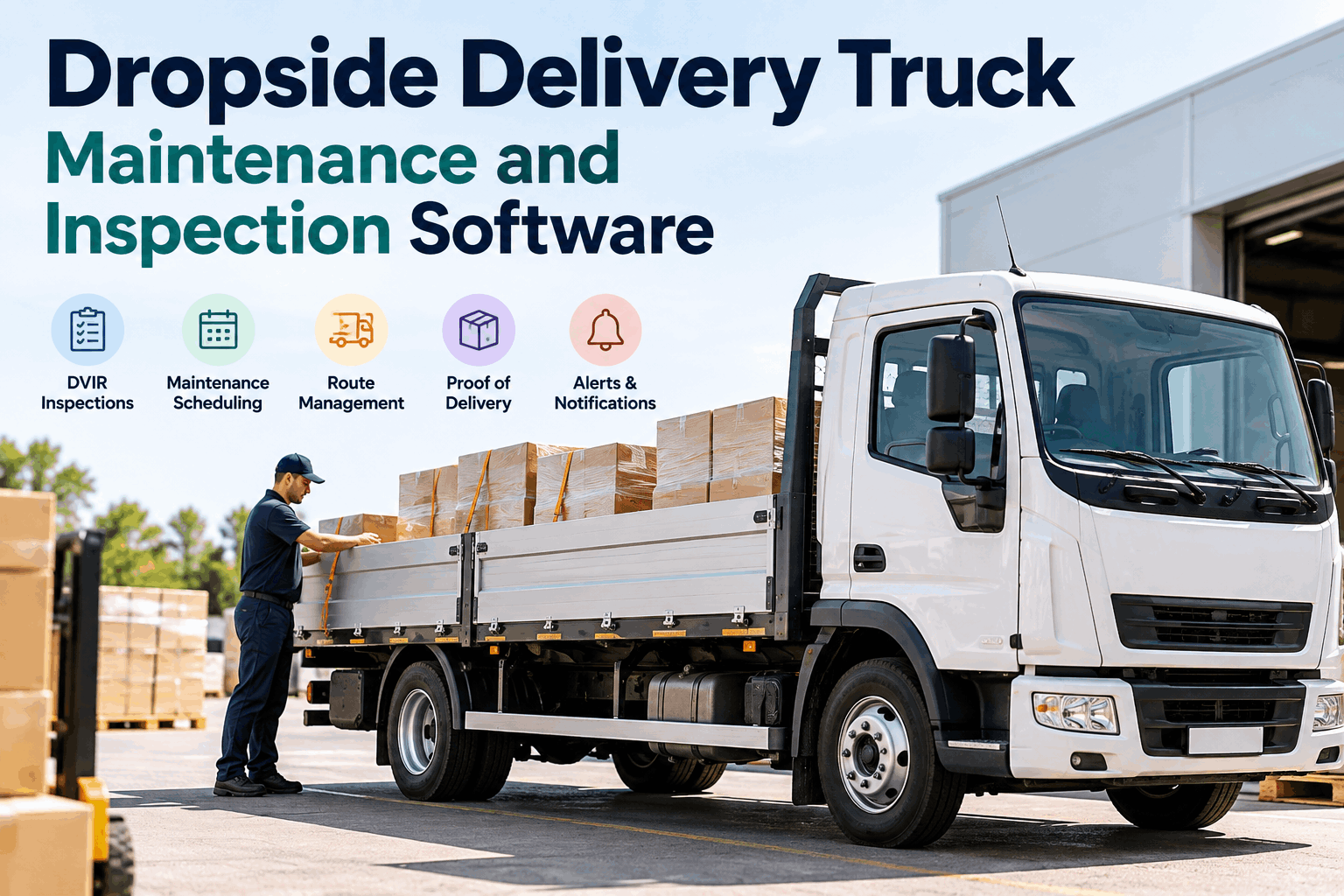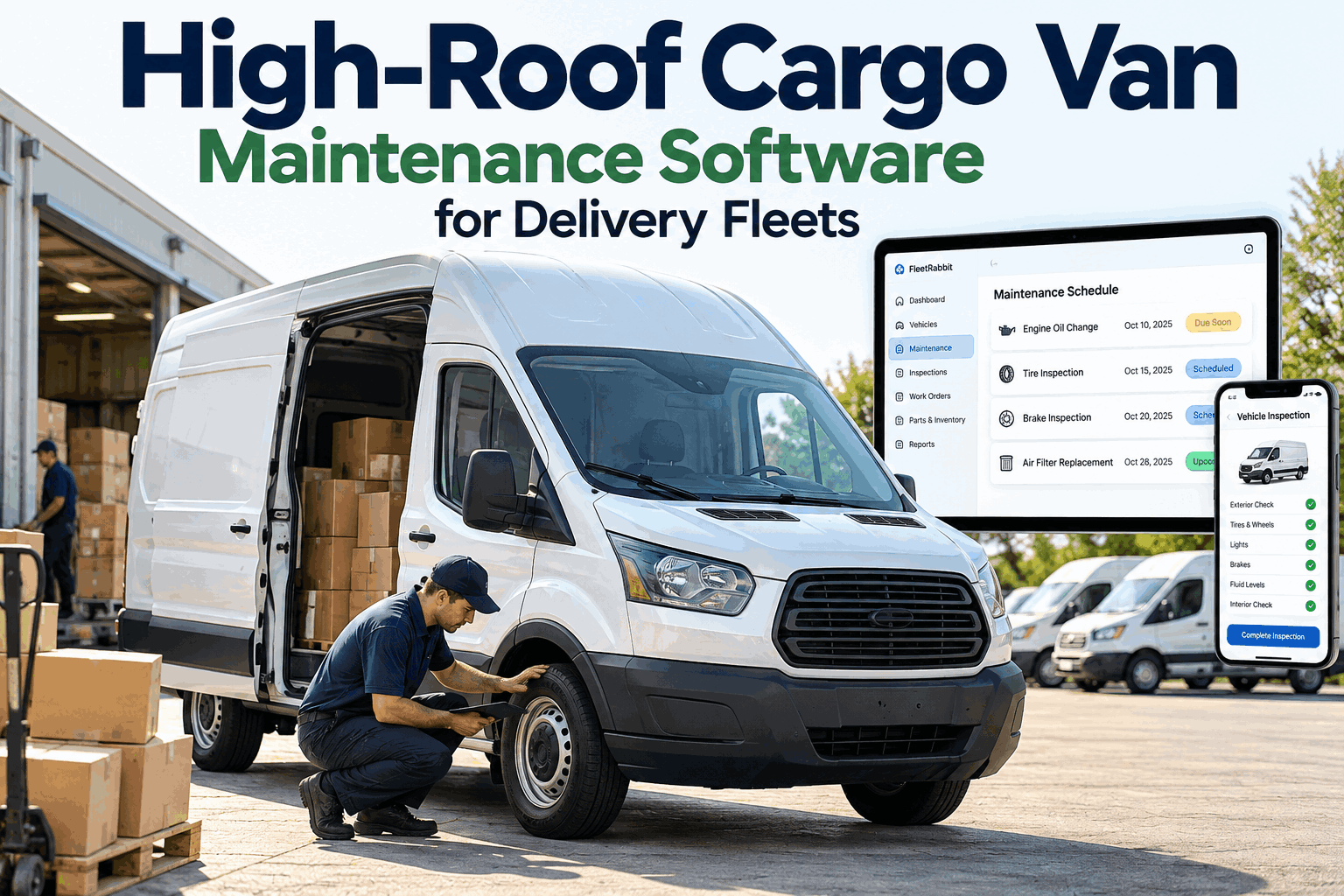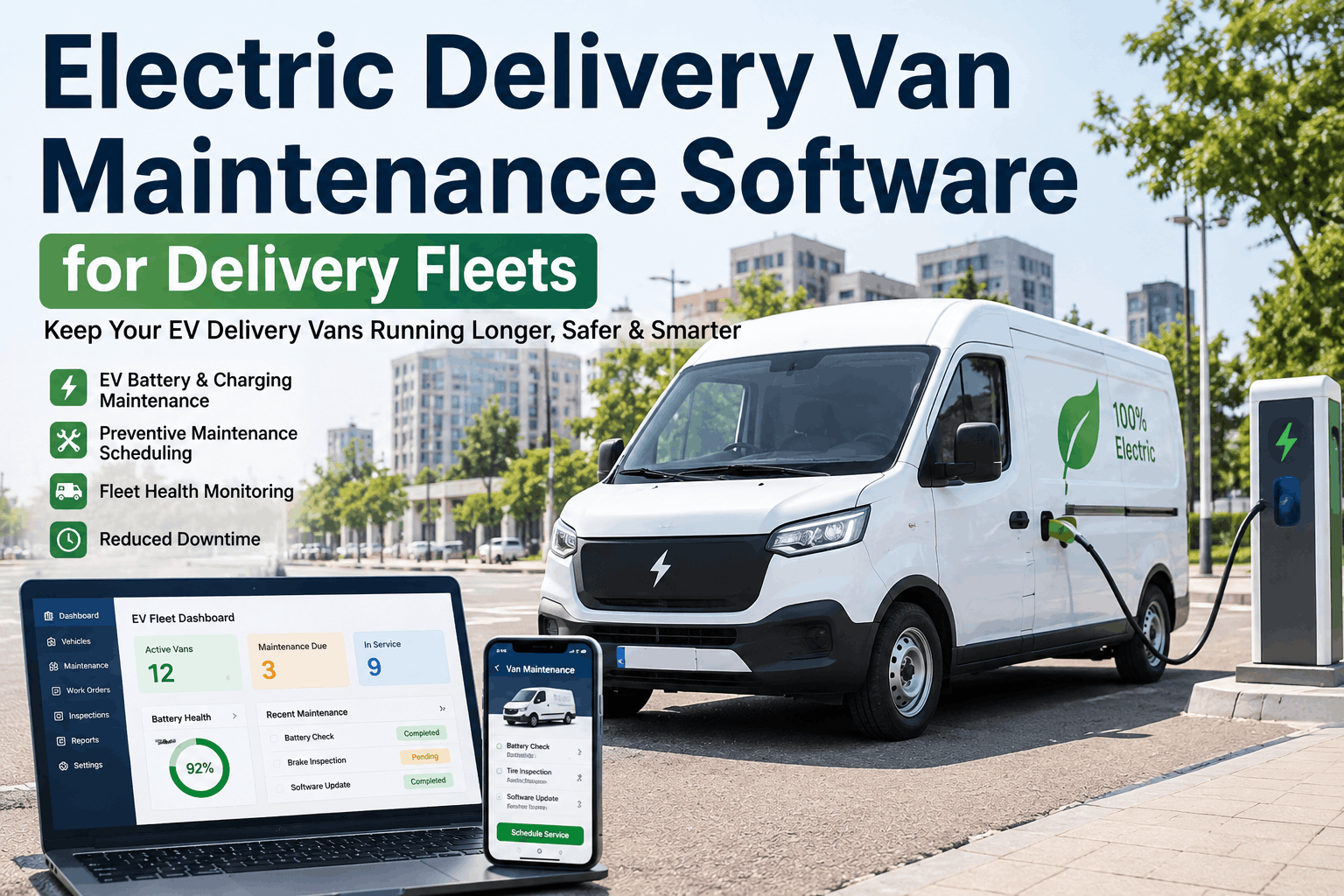
Delivery fleets are going electric faster than most maintenance teams can keep up with. A diesel van tells you it is struggling through smoke, noise, and a check-engine light. An electric delivery van fails quietly, through a battery cell losing capacity, a regenerative brake wearing unevenly, or a thermal management system running a fraction warmer than it should. By the time a driver notices, the van is already off the road and a delivery route is already broken. That is the exact gap electric delivery van maintenance software is built to close, and it is why more last-mile fleets are rethinking how they schedule, track, and predict service across every van in the yard.
Why electric delivery vans need a maintenance approach of their own
Combustion vans and electric vans break down differently, so treating them the same on a service calendar almost always backfires. Electric drivetrains have far fewer moving parts, which is good news for wear and tear, but the parts that do exist, the battery pack, the inverter, the onboard charger, the thermal loop, degrade in ways a printed maintenance manual was never designed to track. A van that looks perfectly healthy on paper can still be losing range week over week. This is precisely the reason so many logistics teams are choosing to sign up for a purpose-built platform instead of stretching an old fleet spreadsheet to cover a battery-electric roster.
Traditional van maintenance
- Fixed mileage or calendar-based service intervals
- Engine and exhaust diagnostics as the primary signal
- Maintenance planned around depot convenience, not routes
- Paper checklists or generic spreadsheets
Electric van maintenance software
- Condition-based scheduling using real battery and drivetrain health
- Continuous thermal, voltage, and charge-cycle monitoring
- Service windows planned around delivery routes and depot idle time
- One connected dashboard covering every van and every driver
The difference is not just cosmetic. Route-optimized scheduling means a van never gets pulled off the road in the middle of its busiest delivery block, and it never sits idle in the depot waiting for a technician when it could already be back on route. For a delivery business running on tight time windows, that single shift in planning can protect an entire day's on-time delivery rate.
See your fleet's health in one screen
Connect every electric delivery van to a single dashboard built for battery health, route-aware scheduling, and proof-of-delivery, all in one place.
What good electric delivery van maintenance software actually does
Not every fleet tool that mentions electric vehicles is built for the realities of daily delivery work. A platform worth running your fleet on needs to earn its place across four areas that matter most to a delivery operation.
Predictive maintenance
Battery degradation curves, thermal patterns, and regenerative braking wear are tracked continuously so a fault gets flagged weeks before it becomes a breakdown, not the morning after.
Route-optimized scheduling
Service slots are placed inside natural gaps in the delivery day, so vans get serviced without pulling a driver off an active route or delaying a customer's delivery window.
Proof-of-delivery, connected
POD data, driver logs, and vehicle condition sit in the same record, so a delivery exception and a maintenance issue never have to be investigated as two separate stories.
Fleet-wide visibility
Every van, every charge cycle, every open work order lives in one dashboard, so a fleet manager can see the health of ten vans or ten thousand without switching tools.
Fleets that adopt this kind of connected approach tend to describe the same shift: maintenance stops being a reactive fire drill and starts being a planned, quiet part of daily operations. That shift alone is often reason enough for operations leads to book a demo before their next EV order arrives.
How a maintenance workflow actually runs, day to day
Each van reports charge level, battery health, and any overnight fault codes before it leaves the depot, so drivers only take out vans cleared for the day's route.
Live telematics quietly compare real driving data against expected wear patterns, flagging anything that drifts, from a cooling loop running warm to a brake pad wearing faster than its pair.
Delivery data, POD confirmations, and any flagged maintenance items land together, so the next day's schedule can route around a van that needs attention.
Service history builds into a pattern over weeks, giving the fleet manager a clear read on which vans are aging well and which need a closer look before their next long route.
What changes for a delivery fleet after switching
The value of electric delivery van maintenance software rarely shows up as one dramatic fix. It shows up as a string of smaller wins that add up across a quarter: fewer emergency tow calls, fewer drivers stuck waiting on a van that will not charge, and a maintenance team that finally works from data instead of guesswork.
None of this requires ripping out an existing fleet system overnight. Most delivery operations start by onboarding a small group of vans, watching how the platform handles real routes for a few weeks, and expanding once the pattern proves itself. Teams that want to see this in action against their own van roster usually find it faster to just sign up and run a live comparison rather than reading another spec sheet.
Choosing the right platform for your fleet
Not every operation needs the same depth of tooling on day one. A five-van last-mile courier and a three-hundred-van regional distributor are solving the same core problem at very different scales, and the right software should scale with them rather than forcing a single rigid workflow onto both.
- Does it read real battery and thermal data, not just mileage and time since last service
- Can service windows be planned around actual delivery routes instead of fixed depot slots
- Is proof-of-delivery data connected to vehicle condition, or kept in a separate system
- Can the fleet manager see every van's status from a single dashboard
- Does onboarding take days, not a multi-month rollout project
Fleets that can answer yes to most of these are already ahead of the curve. If your current setup still runs on fixed intervals and disconnected spreadsheets, the fastest way to see the difference is to book a demo and walk through your own van data live.
Ready to stop guessing when a van needs service
FleetRabbit brings predictive maintenance, route-optimized scheduling, and proof-of-delivery into one platform, live in days, not months.
Frequently asked questions
How is electric delivery van maintenance software different from regular fleet management software
Regular fleet software is usually built around mileage, fuel, and engine diagnostics. Electric delivery van maintenance software is built around battery health, charge cycles, thermal behavior, and regenerative braking wear, the specific signals that actually predict when an EV needs attention.
Will this software work with the electric vans we already have on the road
Yes. The platform connects to existing telematics and onboard systems across most major electric van models, so fleets can onboard current vans without waiting for a new purchase cycle.
How long does it take to get a fleet fully set up
Most delivery fleets are live within days. Vans connect through existing telematics, historical service records import in bulk, and the dashboard is ready to use from the first day without a lengthy implementation project.
Does route-optimized scheduling actually reduce missed deliveries
It reduces the chance of a van being pulled off an active route for service. By placing maintenance inside natural gaps in the delivery day, vans get serviced without disrupting the routes they are already committed to.
Is proof-of-delivery data connected to maintenance records
Yes. Delivery confirmations, driver logs, and vehicle condition data sit inside the same record, so a delivery exception and a maintenance flag can be reviewed together instead of chased down separately.
Can a small delivery fleet use this, or is it built only for large operations
The platform is built to scale in both directions. A five-van courier and a fleet of several hundred vans both run on the same core dashboard, with service plans that adjust to fleet size rather than forcing a one-size setup.