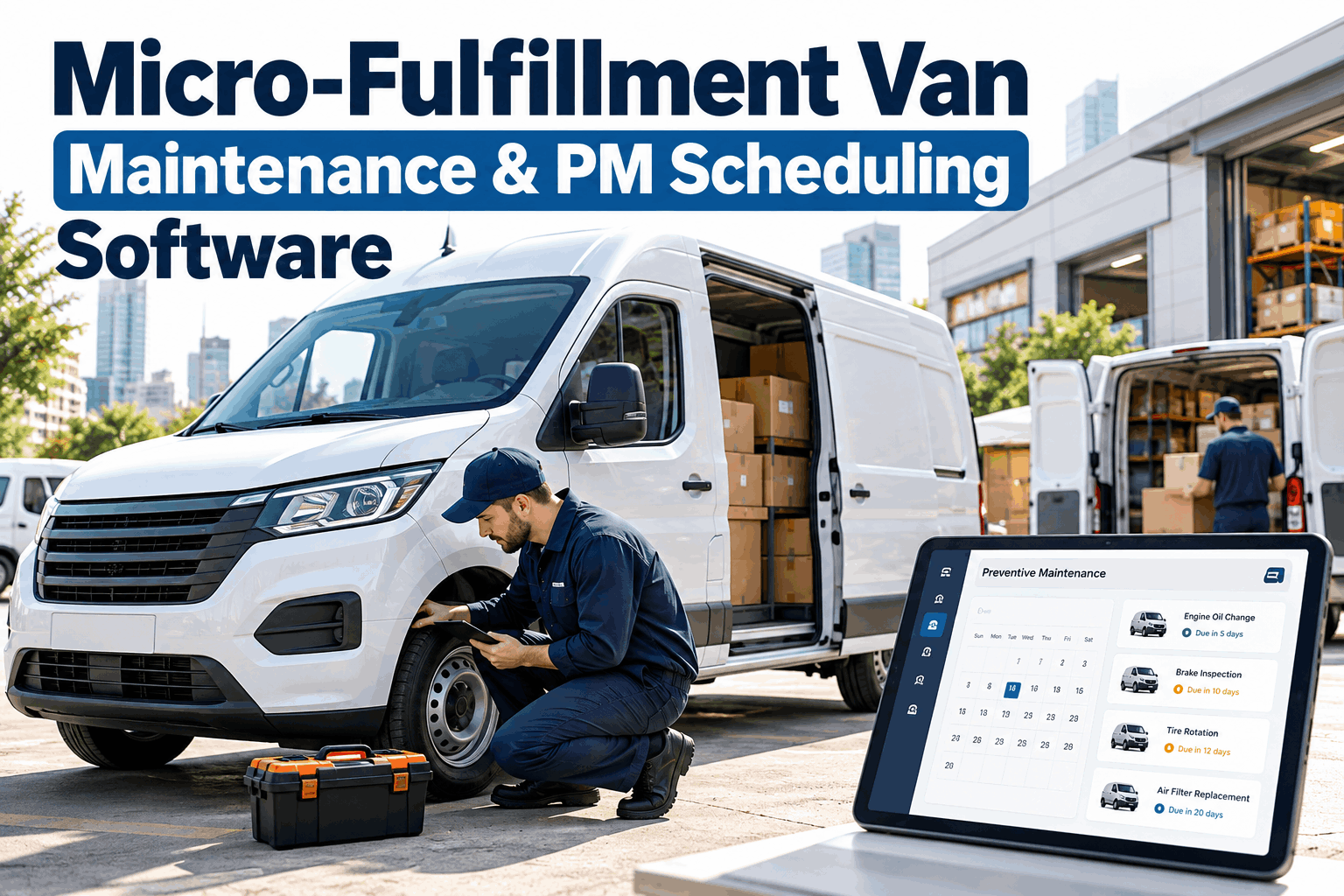
Modern retail heads, e-commerce fulfillment directors, and multi-channel logistics operators navigate complex distribution architectures: orchestrating parcel movement across brick-and-mortar storefronts, regional fulfillment centers, urban micro-hubs, and third-party drop-shipping partners. Omnichannel logistics is the fully synchronized operational strategy that unites inventory visibility, warehouse management, and multi-node delivery fulfillment into a cohesive, customer-centric logistics network. When customer orders originate online, via mobile apps, or through social commerce, yet are fulfilled through curbside pick-up (BOPIS), ship-from-store, or traditional doorstep delivery, disconnected inventory and fleet siloes cause delayed dispatches, missed delivery SLAs, stockouts, and margin leakage. Fleet Rabbit provides modern omnichannel fleet management software that unites dynamic multi-stop route sequencing, real-time vehicle telematics, mobile driver proof-of-delivery (POD), and automated preventative maintenance. Bridge store-level fulfillment with central supply chain networks, elevate delivery SLA accuracy, and scale delivery capacity sustainably. Book a Demo to see our omnichannel delivery platform in action.
Omnichannel Supply Chain & Last-Mile Masterclass
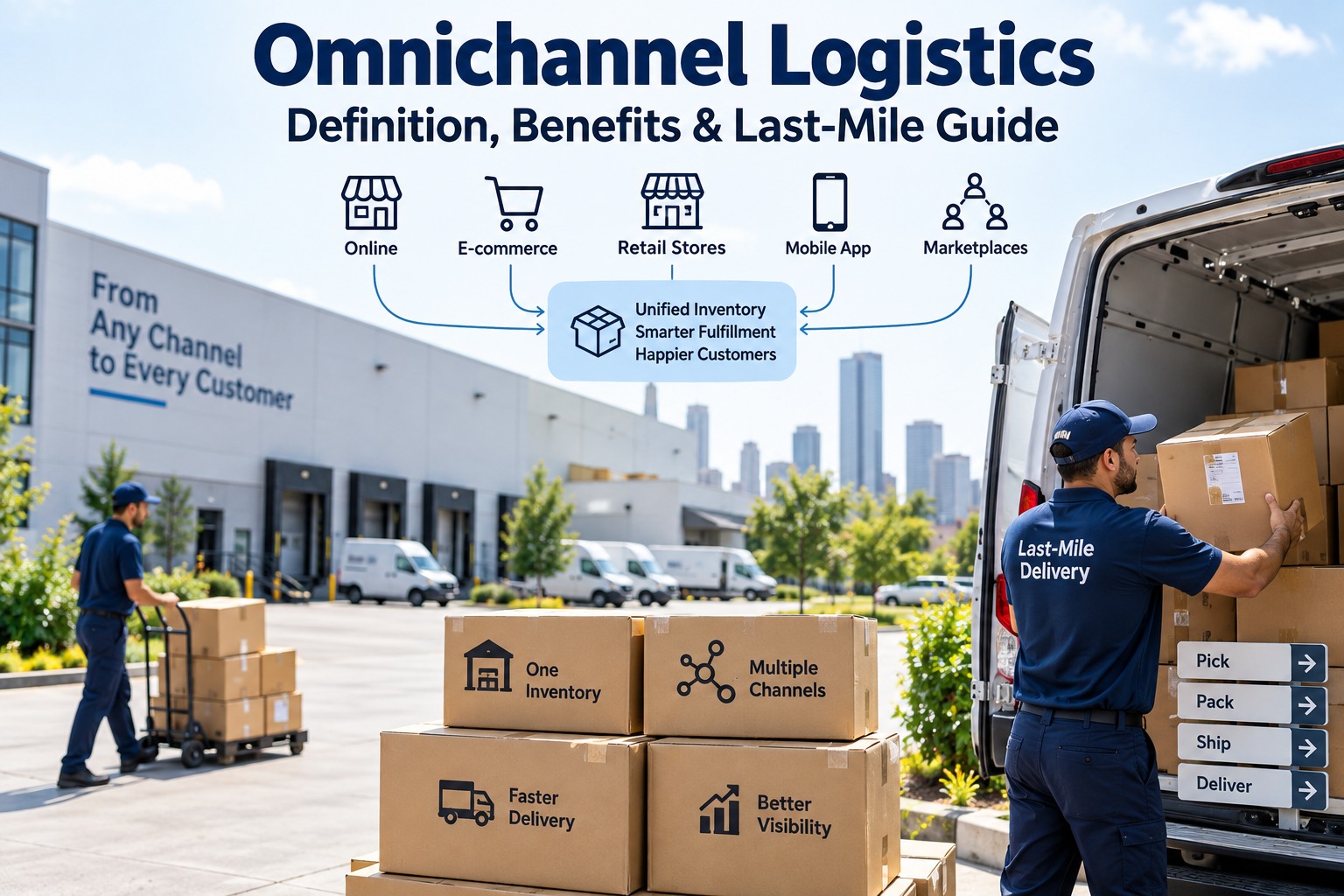
Omnichannel Logistics: Definition, Benefits & Last-Mile Guide
An exhaustive technical blueprint for retail and e-commerce leaders: break down multi-channel versus omnichannel fulfillment, optimize ship-from-store nodes, evaluate 2026 performance benchmarks, and leverage connected last-mile fleet dispatch software.
99.4%
SLA Delivery Adherence
Dynamic micro-fulfillment node routing ensures guaranteed delivery windows.
42%
Lower Transit Distance
Fulfilling orders from local retail stores eliminates long-haul shipping legs.
< 15s
Mobile Handover Capture
Instant photo proof-of-delivery and digital signatures at curbside or doorstep.
$5
Per Delivery Asset / Month
All-inclusive platform with zero setup surcharges or locked multi-year contracts.
Connect Storefronts, Hubs, and Fleets into One Omnichannel Engine
Turn your retail stores into localized fulfillment nodes, automate driver route sequencing, and eliminate customer delivery disputes with real-time photographic confirmation.
Multi-Channel vs. Omnichannel Logistics: The Structural Difference
Many brands believe they operate an omnichannel model simply because they sell goods across websites, physical retail stores, and marketplaces. However, behind the scenes, their operations remain completely fractured. Sign up to modernize your multi-node dispatch operations.
Traditional Multi-Channel
Fragmented Operational Siloes
In a multi-channel setup, e-commerce orders ship strictly from centralized distribution warehouses, while retail storefronts receive inventory via separate regional linehaul networks. E-commerce stock cannot be accessed by local stores, and retail shelves cannot fulfill online home delivery orders. This causes localized stockouts, redundant inventory carrying costs, and extended transit times.
Integrated Omnichannel
Unified Inventory & Fleet Ecosystem
Omnichannel logistics unifies every stock point into a single real-time pool. An online order is routed automatically to the closest fulfillment node—whether that is a flagship downtown store, a suburban strip mall branch, or a regional warehouse. Dedicated last-mile delivery fleets pick up from stores and deliver locally within hours, cutting transit times and shipping fees. Book a demo to see our multi-hub routing workflows.
The 4 Primary Omnichannel Fulfillment Workflows
Omnichannel networks deploy versatile fulfillment methods designed around customer speed, geographic density, and localized inventory availability. Sign up to configure automated multi-node routing rules.
Workflow 01
Ship-from-Store (SFS) Local Delivery
Retail storefronts double as mini-fulfillment distribution hubs. Local delivery vans pick up pre-packed customer parcels directly from store backrooms and execute clustered residential deliveries within a 10-mile radius on the same afternoon.
Workflow 02
Buy Online, Pick Up in Store (BOPIS) & Curbside
Workflow 03
Urban Micro-Fulfillment Center (MFC) Routing
High-velocity SKUs are staged in compact, automated micro-warehouses situated in densely populated urban centers. Dedicated parcel vans execute tight high-frequency delivery loops, completing 150+ drops per driver shift.
Workflow 04
BOPIS Returns & Reverse Logistics Integration
Customers return e-commerce merchandise to local retail outlets. Software immediately reconciles return scans into available store inventory or groups items for return routing back to primary central depots.
2026 Omnichannel Last-Mile Performance Benchmarks
Evaluate your multi-channel delivery network against prevailing commercial retail benchmarks. Sign up now to measure your fleet metrics in real time.
| Omnichannel Metric |
Optimized Fleet (Fleet Rabbit) |
Traditional Retail Average |
Unintegrated Legacy Networks |
| Order-to-Delivery Cycle Time |
2 to 4 Hours (Same-Day) |
24 to 48 Hours |
3 to 5 Business Days |
| Cost-Per-Order Fulfillment |
$4.50 – $6.20 / parcel |
$9.80 – $13.50 / parcel |
$16.00 – $22.00+ / parcel |
| Store Inventory Utilization |
94.5% Active Liquidation |
72.0% – 78.0% |
< 65.0% (Excess Markdown) |
| Delivery Window SLA Compliance |
99.4% Accurate |
89.0% – 92.0% |
< 84.0% |
| Customer Claim Dispute Rate |
< 0.3% of Total Drops |
2.5% – 4.0% |
5.0% – 8.0% |
| Software Platform Fee |
$5 / asset / month |
$45 – $75 / asset / month |
High Custom Enterprise CMMS Fees |
Core Software Capabilities for Modern Omnichannel Fleets
Fleet Rabbit bridges central enterprise resource planning (ERP) systems, storefront backrooms, and delivery vans into one unified dispatch ecosystem. Book a demo to inspect our dispatch and routing capabilities.
01
Dynamic Multi-Store Stop Sequencing & Node Clustering
Our routing algorithms calculate the most efficient path connecting store pickups with residential drops. By minimizing transit distance and traffic congestion delays, fleets increase drops per shift by up to 35%.
Sign up to test dynamic delivery sequencing.
02
Geofenced Photographic Proof-of-Delivery (ePOD)
Couriers capture high-resolution doorstep photos, recipient touchscreen signatures, and barcode verification in under 15 seconds. Exact satellite coordinates and cryptographic timestamps eliminate customer non-receipt claims.
03
OBD-II Van Telematics & Preventive Maintenance Work Orders
Connect directly to van diagnostic ports to monitor engine runtime hours, battery health, and brake wear. Automatically trigger preventative maintenance work orders before mechanical breakdowns halt dispatch operations.
Book a demo to view our maintenance automation tools.
04
Paperless Mobile Driver DVIR Walkarounds
Drivers perform rapid daily vehicle safety inspections on smartphones before leaving the retail dock. Mechanical defects—such as low tire tread or faulty rear latches—route directly to mechanics for prioritized repair.
4-Phase Implementation: Transitioning to Omnichannel Dispatch
Deploy Fleet Rabbit smoothly across retail locations, regional distribution hubs, and commercial delivery vehicles with zero downtime. Book a demo to plan your operational rollout schedule.
Phase 01
Hub & Store Ingestion
Upload retail store locations, fulfillment geofences, cargo vans, and courier rosters via standard CSV templates in minutes.
Phase 02
SLA & Node Rule Setup
Configure order dispatch windows (e.g., 2-hour express vs. same-day afternoon), maximum pickup zones, and delivery time slots.
Phase 03
Mobile Courier Rollout
Equip drivers with our intuitive smartphone app for turn-by-turn routing, store backroom parcel scans, and photo proof-of-delivery.
Phase 04
Live Dispatch Launch
Activate real-time multi-node tracking, automated customer notification pings, and proactive fleet vehicle maintenance scheduling.
Enterprise Case Study: UrbanRetail Express
Learn how a regional department store network deployed omnichannel ship-from-store delivery across 18 retail outlets and 24 delivery vans. Sign up to achieve similar omnichannel efficiency for your fleet.
Retail Case Study
3.2 Hrs
Avg Ship-from-Store Delivery
$118,000
Annual Carrier Fee Savings
99.6%
First-Attempt Drop Success
Retail Brand Replaces Costly Third-Party Couriers with Dedicated Store Fleet
Operating 18 department stores across two metropolitan markets, UrbanRetail Express was spending hundreds of thousands of dollars on national courier express fees to ship e-commerce orders from distant regional warehouses. Deliveries often took three days, despite local store branches carrying the exact same merchandise only five miles from customers' homes.
By implementing Fleet Rabbit, the brand transformed store backrooms into local fulfillment nodes and launched a dedicated fleet of 24 cargo vans. Software automatically groups online orders by store location and constructs dynamic local delivery loops. Average delivery time dropped to 3.2 hours, third-party carrier expenses fell by $118,000, and photographic proof-of-delivery eliminated customer dispute claims entirely.
Frequently Asked Questions
What is the difference between omnichannel logistics and omnichannel marketing?
Omnichannel marketing focuses on providing a unified brand message and seamless buying experience across digital ads, social media, mobile apps, and physical storefronts. Omnichannel logistics is the operational fulfillment engine that actually moves the physical product—unifying inventory systems, warehouse management, and delivery fleets to deliver the item regardless of where the order was placed.
How does ship-from-store delivery reduce overall transportation costs?
Shipping directly from local retail stores places inventory within minutes of consumer doorsteps. This converts expensive, long-distance zone-based shipping fees into short-distance local delivery runs, cutting fuel burn, highway tolls, and parcel carrier linehaul surcharges while enabling same-day fulfillment.
How does the platform handle drivers operating in areas with poor cellular reception?
Fleet Rabbit features an offline-first mobile architecture. Drivers can navigate multi-stop delivery routes, scan parcel barcodes, capture doorstep photos, and record electronic customer signatures inside concrete parking garages or rural dead zones. All delivery records cache locally on the smartphone and sync to dispatch as soon as connectivity is restored.
Can the software integrate vehicle health and maintenance with delivery dispatching?
Yes. Fleet Rabbit pairs vehicle OBD-II telematics with dispatch operations. The software tracks engine run hours, battery voltage, and active fault codes, alerting dispatchers before a failing vehicle is routed for delivery and generating automated work orders for maintenance technicians.
What are the subscription rates and contract terms for Fleet Rabbit's omnichannel platform?
Fleet Rabbit is priced at a transparent rate of $5 per delivery vehicle per month billed annually. This provides complete access to dynamic route sequencing, mobile driver ePOD, vehicle telematics, and preventive maintenance tools. We provide a 14-day free trial on up to 3 vehicles with zero setup fees or long-term contract lock-ins.
September 21, 2026
By Mark
All Posts