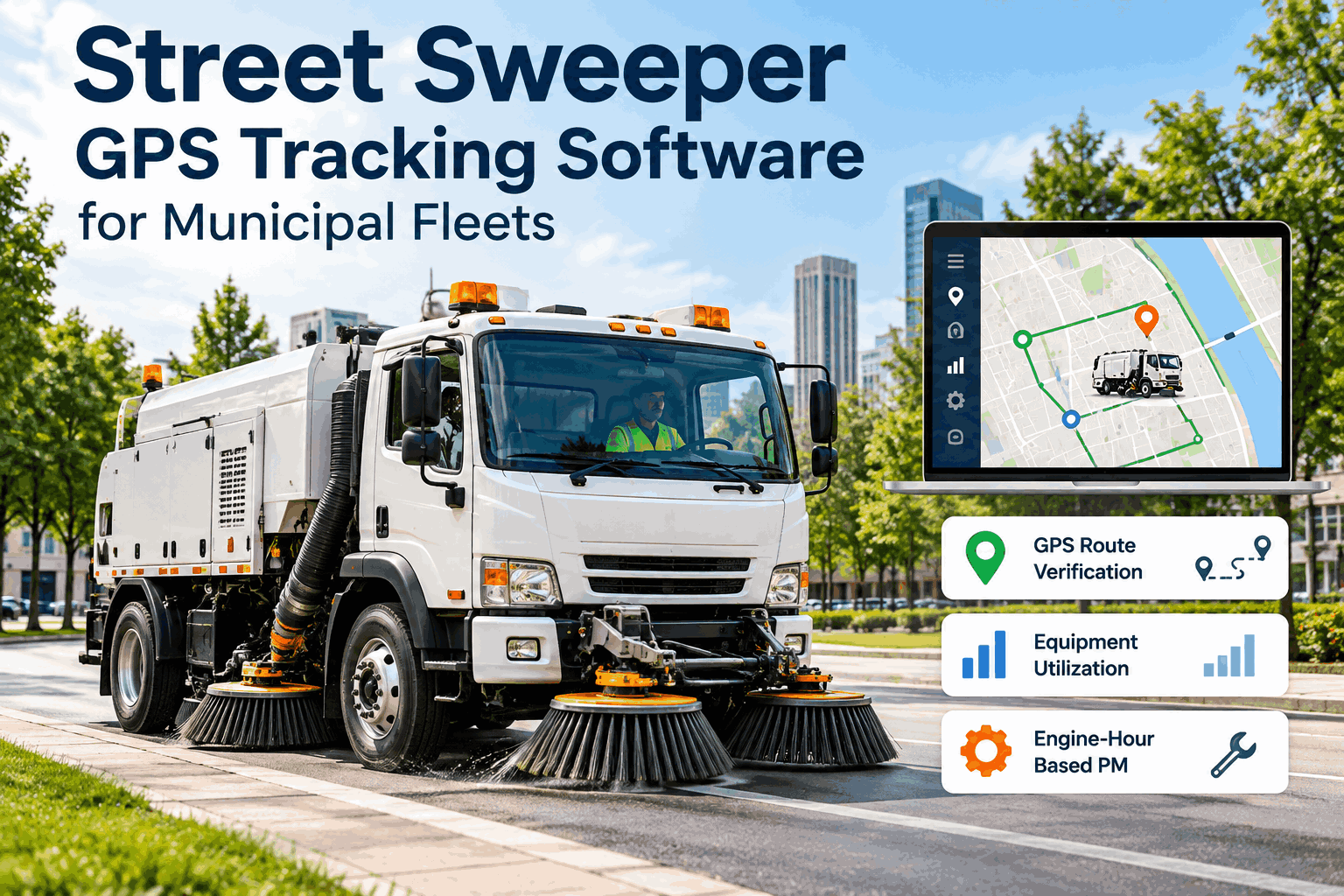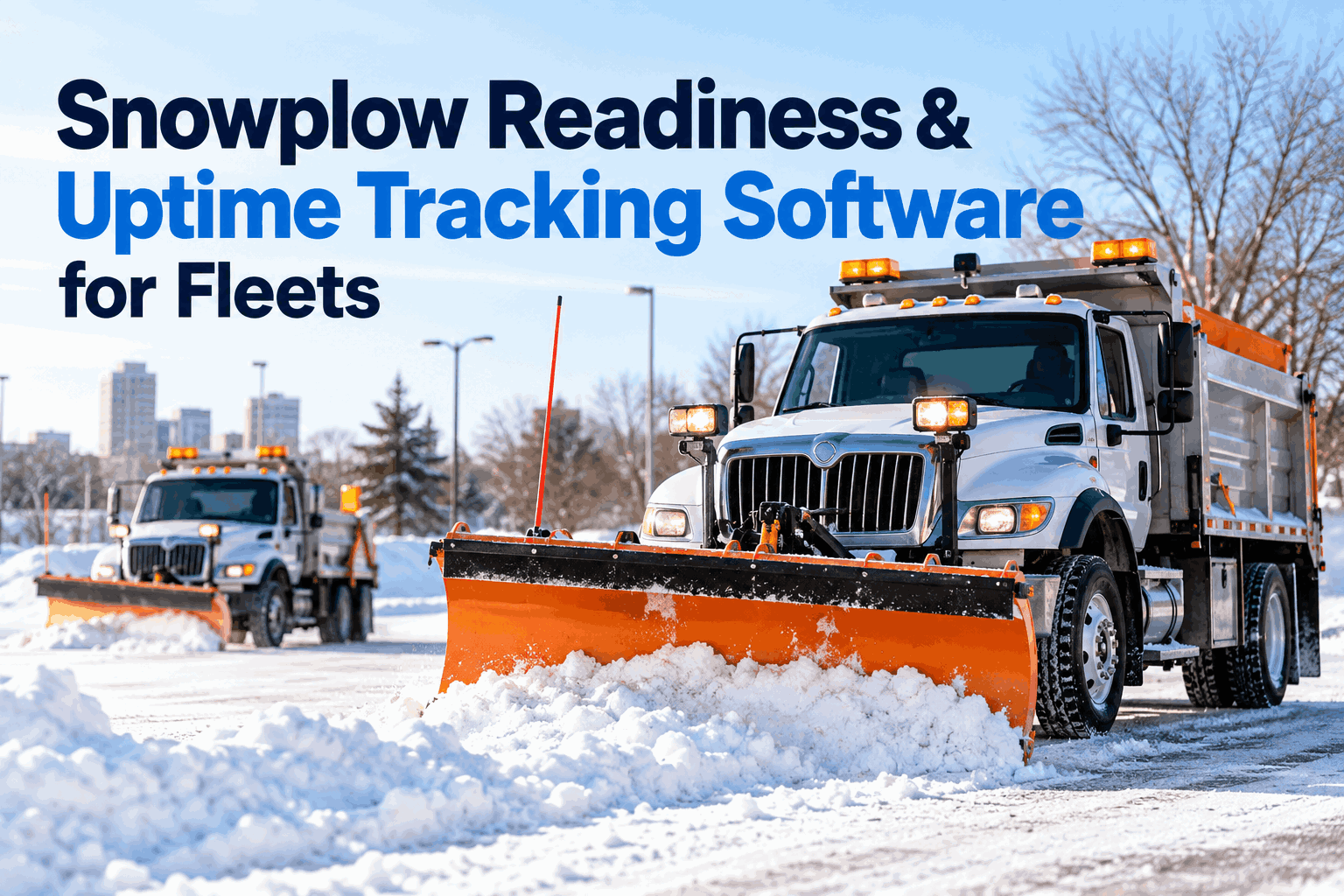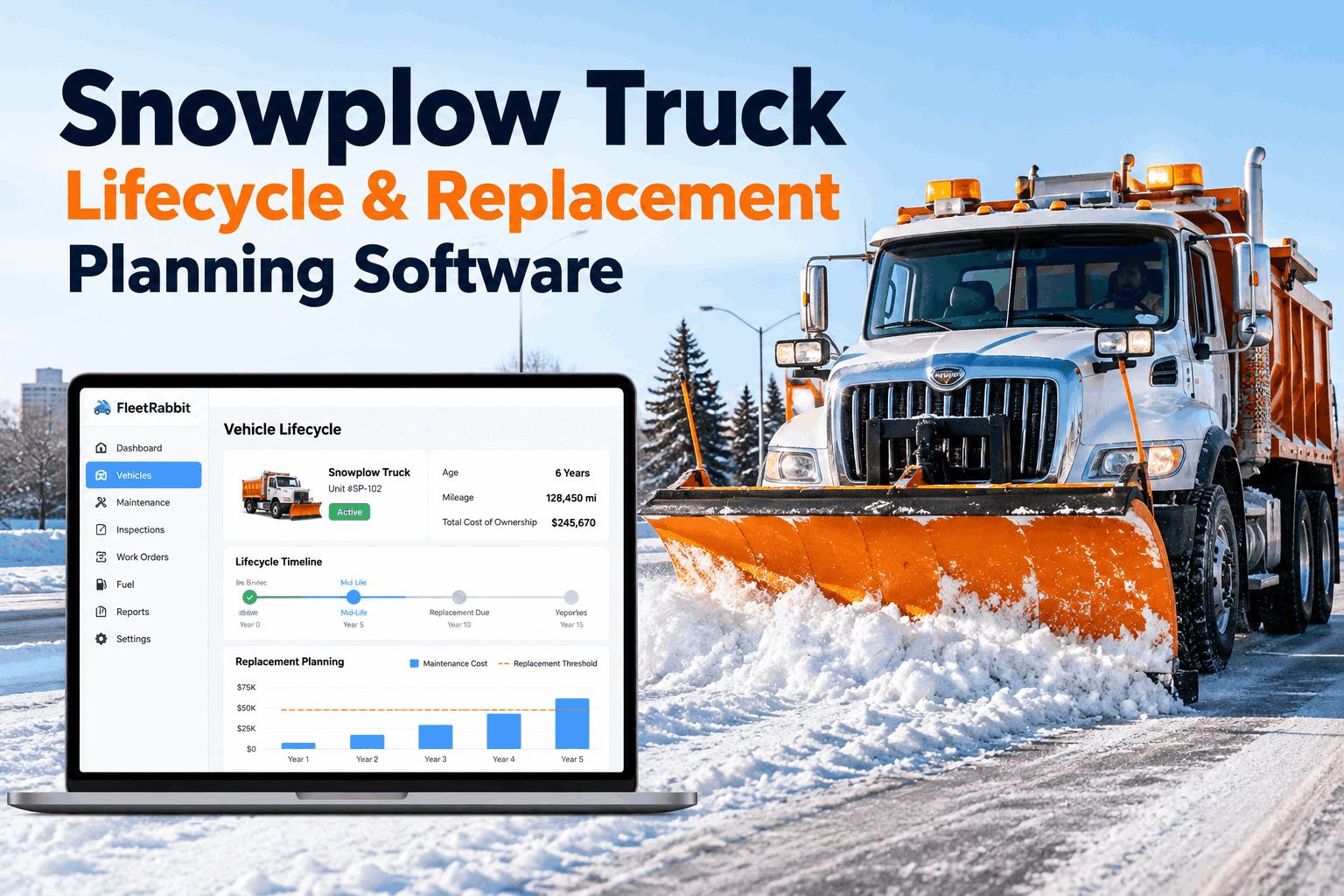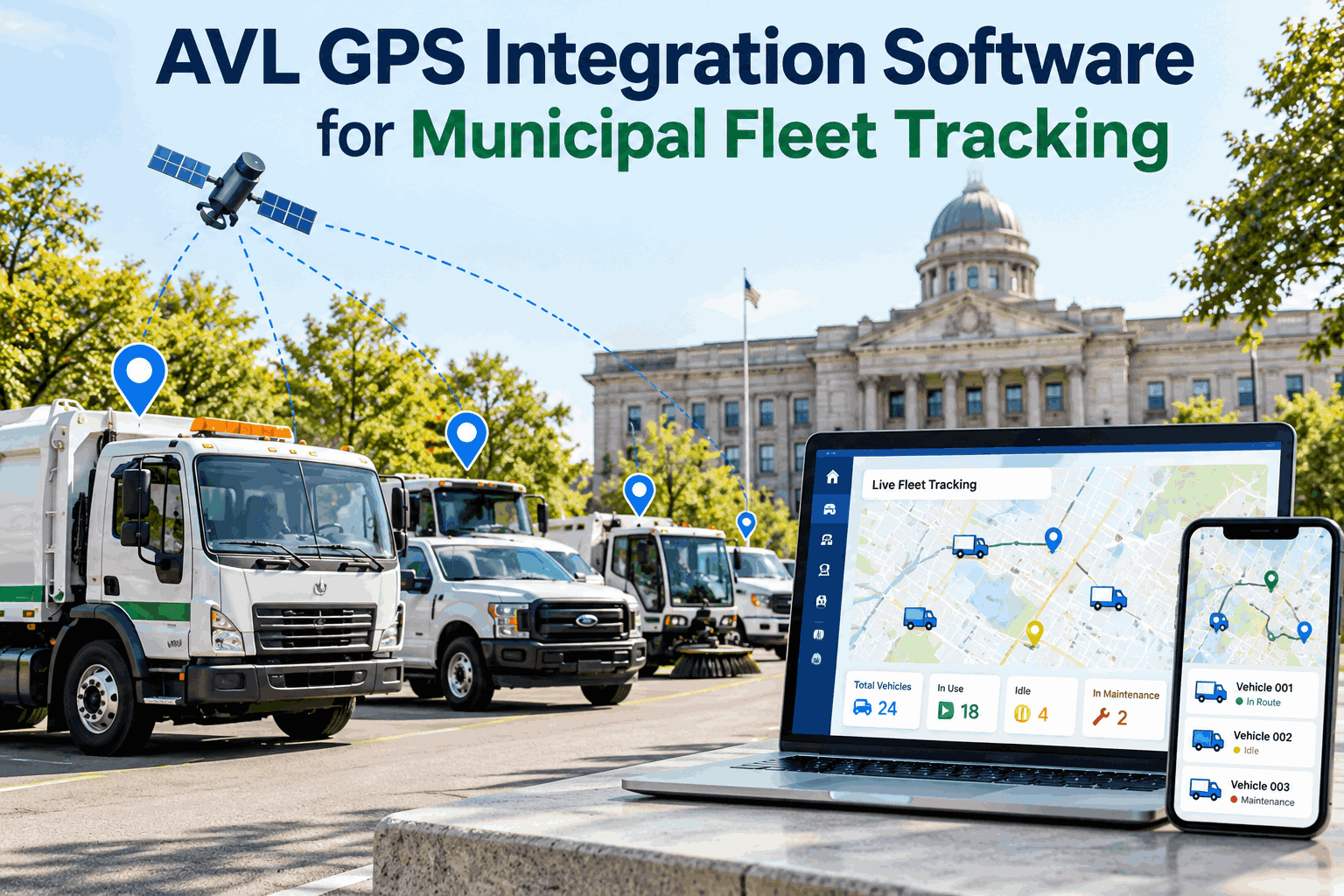
Public works commissioners, city fleet directors, county emergency management coordinators, and municipal IT directors in 2026 operate under continuous taxpayer accountability, public safety response benchmarks, and strict equipment compliance mandates under DOT 49 CFR Part 396 and state OSHA directives. Yet across hundreds of municipalities, Automatic Vehicle Location (AVL) and GPS tracking systems remain trapped in isolated silos. Public works supervisors monitor snowplows and street sweepers on specialized municipal AVL platforms, police dispatchers track patrol interceptors on dedicated computer-aided dispatch (CAD) consoles, and water utility teams manage service vans through separate vendor telematics apps. When vehicle location, breadcrumb routes, and PTO sensor events do not communicate directly with the central fleet maintenance ledger, severe operational blind spots emerge. Heavy dump trucks idle for hours during winter storms with hydraulic salters active while maintenance personnel remain unaware of accumulated engine hours. Crucial 250-hour hydraulic fluid flushes get skipped, auxiliary engine wear accelerates unnoticed, and public agencies struggle to defend snow-clearing coverage claims or dispute citizen property damage inquiries. When vehicle utilization data is scattered across three proprietary web maps and uncollated Excel exports, town managers cannot substantiate right-sizing decisions or justify capital replacement budgets during town select board hearings. FleetRabbit delivers dedicated municipal AVL and GPS integration software that bridges real-time vehicle positioning and equipment utilization directly to maintenance work orders and capital ledgers. By unifying streaming AVL breadcrumbs, PTO hydraulic telemetry, automated run-hour preventive maintenance triggers, and mobile operator pre-trip eDVIR walkarounds into an operations suite priced at $5 per asset per month, FleetRabbit transforms raw coordinates into verifiable public sector asset intelligence. Eliminate dual-portal map toggling, streamline winter road defense audits, and manage municipal fleet maintenance completely offline inside steel highway department barns, concrete utility vaults, and rural DPW storage facilities with zero cellular connectivity. Discover how our AVL integration architecture modernizes municipal operations when you book a demo or start tracking your public equipment immediately when you sign up for our platform.
Eliminate fragmented tracking screens and unrecorded equipment runtimes. Connect live municipal AVL and GPS streams directly into FleetRabbit to unify winter plow tracking, PTO hydraulic sensor audits, dual engine-hour maintenance, and taxpayer-defensible utilization analytics.
The 4 Operational Layers of Municipal AVL & GPS Telematics
Bridging moving municipal equipment with back-office fleet maintenance requires processing four distinct layers of location and mechanical data into clean public records.
Sub-Second GPS & Route Breadcrumbs
Tracks real-time coordinates, heading, and travel speeds across street grids, creating historical playback logs that verify winter snowplow passes and resolve citizen service requests.
Auxiliary PTO & Implement Telemetry
Monitors power take-off (PTO) engagement, plow blade downforce, salt spreader discharge rates, and boom extensions, logging true equipment work hours instead of passive travel distance.
Engine Run-Hour & CAN-Bus Diagnostics
Ingests J1939 and OBD-II engine hours, coolant thermal slopes, and diagnostic trouble codes directly from vehicle microprocessors to drive automated whichever-comes-first PM schedules.
Municipal Geofencing & Asset Utilization
Establishes automated virtual boundaries around DPW depots, salt sheds, utility substations, and school districts, logging asset dwell times to identify underutilized equipment.
The Hidden Costs of Unintegrated GPS & Standalone AVL Portals
Operating municipal vehicles across separate telematics websites and paper maintenance logs creates operational blind spots that drain public funds. Discover how our system safeguards municipal budgets when you book a demo or start testing our cloud tools directly when you sign up for immediate platform access.
Uncontested Citizen Damage Claims & Service Inquiries
When citizens submit property damage claims—alleging a municipal snowplow struck a mailbox or damaged curbing—or report missed street sweeping, municipal staff scramble across standalone GPS maps. Without synchronized implement status (blade down, salt spreading), towns often pay unmerited claims or spend days compiling manual records.
Overlooked Hydraulic & Engine-Hour Service Deadlines
Public works trucks idle for extended periods during severe weather while powering heavy hydraulic spreaders and auxiliary implements. When fleet mechanics only check odometer mileage on basic GPS portals, intensive PTO equipment operating hours are missed, causing hydraulic pumps to seize mid-storm.
Hoarded Ghost Assets & Inflated Replacement Requests
Individual departments often hold spare pickups, utility vans, and older dump trucks as backup reserves. Without integrated utilization metrics tracking weekly run-hours, town managers cannot identify underused assets, resulting in redundant capital budget requests that strain municipal finances.
Steel Highway Garages & Remote DPW Yard Dead Zones
Public works garages, salt sheds, and water treatment compounds are built with heavy reinforced steel and concrete, creating cellular dead zones. Cloud-only tracking tools crash, causing operators to abandon digital pre-trip inspection logs and leaving municipal equipment undocumented.
Built Specifically for Municipal AVL & Fleet Utilization Governance
FleetRabbit connects municipal AVL gateways, PTO hydraulic sensor circuits, shop work orders, and town council budget reporting into an integrated management platform. Discover how our software streamlines your municipal fleet operations when you book a demo with our technical specialists.
Multi-Provider Telematics Aggregation
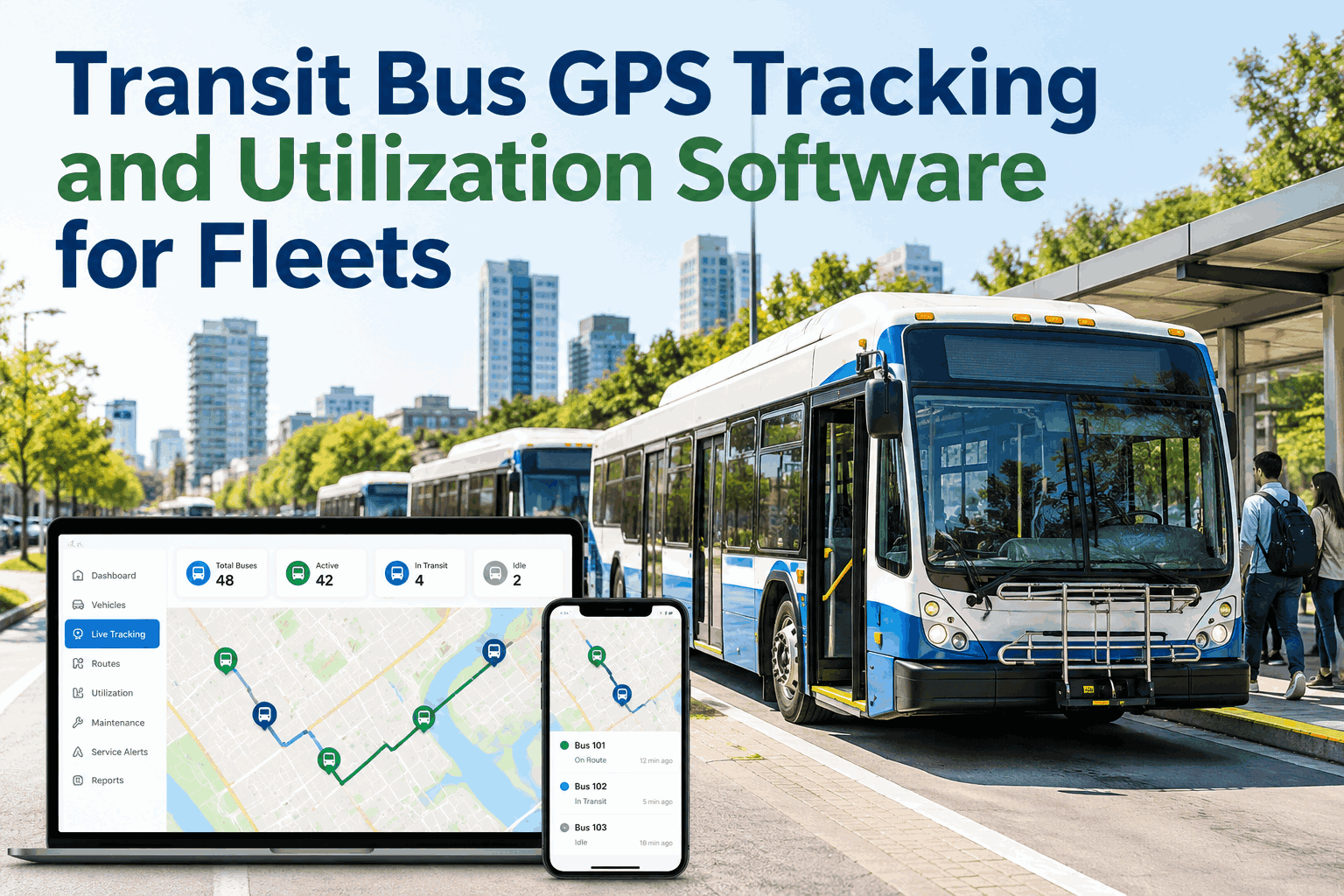
Directly ingests streaming GPS coordinates, heading, and odometer data from Geotab, Samsara, and municipal AVL systems, consolidating mixed hardware into a single operational map.
Auxiliary PTO & Implement Auditing
Tracks hydraulic pump engagement, snowplow blade positions, and salt spreader broadcast rates, calculating exact material application density alongside equipment runtime.
Automated Asset Utilization Scoring
Scores vehicles on weekly operating hours, idle ratios, and deployment frequency, identifying underutilized assets across departments to support fleet right-sizing decisions.
DPW Garage Offline Mobile Sync
Mechanics sign off work orders and operators complete pre-trips inside reinforced steel DPW sheds with zero cellular reception; all diagnostic records auto-sync upon departure.
eDVIR Defect Dispatch Lockout
Vehicles tagged with critical mechanical defects on morning walkarounds—such as leaking hydraulic lines, worn tires, or steering play—are automatically blocked from service dispatch.
1-Click Town Council Budget Dossiers
Generate clear, professional fleet lifecycle reports, maintenance histories, and capital justification sheets formatted for town managers, select boards, and municipal auditors in under 60 seconds.
Direct Mapping to Federal Motor Carrier & Municipal Standards
Operating an integrated municipal tracking and utilization platform ensures compliance with commercial motor carrier safety standards, employee safety rules, and public accounting directives.
Standardizes daily pre-trip and post-trip driver walkarounds (§ 396.11), qualified mechanic corrective action signatures (§ 396.13), and statutory 90-day electronic maintenance record retention across heavy municipal assets.
Enforces statutory employee protection requirements: mandatory documentation of emergency brake systems, backup alarms, tire condition, and hydraulic liftgate safety latches across public works equipment.
Mandates that local governments report capital assets—including heavy equipment, rolling stock, and specialized vehicles—along with annual depreciation and cumulative maintenance expenditures in annual financial reports.
Provides standardized preventive maintenance frameworks matching national fire and emergency apparatus service standards, including pump transmission checks, chassis inspections, and electrical load monitoring.
Municipal AVL & Fleet Utilization Software Comparison
A feature-level comparison evaluating AVL data integration depth, implement telemetry tracking, and offline mobile resilience as of 2026. Schedule a personalized walkthrough when you book a demo with our municipal team.
| Tracking & Utilization Dimension | FleetRabbit | Legacy Enterprise Municipal CAD | Standalone AVL Web Portals | Paper Logs & Spreadsheets |
|---|---|---|---|---|
| Pricing (per asset/month) | $5/month flat | $35–$75/month | $20–$45/month | High administrative payroll drag |
| Unified Multi-Feed AVL Ingestion | Native REST APIs, webhooks, multi-vendor | Requires custom middleware ($5,000+) | Single vendor silo only | None (Manual coordinate calls) |
| Auxiliary PTO & Implement Tracking | Automated run-hour & spreader metrics | Requires expensive add-ons | Basic digital on/off only | None (Unmeasured implement wear) |
| Defect-Driven Dispatch Safety Lockout | Instant block on critical defect | Manual supervisor note | Not supported | None (Compromised gear rolls) |
| DPW Barn Offline Mobile Sync | Full store-and-forward | Network dependent | Data dropped offline | Paper logs only |
| Free Trial Access | 14 days, up to 3 assets | Sales demonstration only | Limited sandbox demo | None |
| Contract Terms & Procurement | Monthly or annual (No lock-in) | 3 to 5-year mandatory contract | 2 to 3-year contract | None |
5-Step Municipal AVL & Utilization Implementation Pathway
FleetRabbit embeds cleanly into your municipal public works garage, administrative offices, and operator mobile devices in under two weeks without operational disruptions. Begin testing immediately when you sign up for our free trial.
Municipal Asset Master & Hardware Mapping
Import municipal trucks, police cruisers, snowplows, backhoes, acquisition dates, department cost centers, and link existing AVL gateway IDs and telematics serial numbers via automated CSV tools.
AVL Feed Authentication & PTO Sensor Pairing
Authenticate secure API credentials for existing municipal AVL gateways and map auxiliary PTO sensor inputs (plow position, spreader motor, hydraulic boom) to active vehicle profiles.
Geofencing & Utilization Baseline Setup
Establish virtual boundaries around municipal depots, school districts, transfer stations, and highway sectors, setting up automated dwell timers and minimum weekly usage thresholds.
Operators & Shop Technicians Mobile Rollout
Equip municipal equipment operators, police officers, and town mechanics with the offline-first mobile app on standard smartphones or rugged tablets for rapid pre-trips.
Unified Municipal Tracking Go-Live
Activate live fleet location dashboards, automated shop work order queues, parts inventory reorder triggers, and 1-click town council budget reporting archives.
2-Week Deployment Plan & Milestones
A structured timeline designed to transition local government fleet operations from disconnected tracking screens to unified AVL and utilization governance with zero disruption to daily public services. Review our full onboarding plan when you book a demo today.
Week 1: Gateway Ingestion & Sensor Calibration
- Audit existing AVL hardware, cellular modems, and auxiliary PTO switches across departments
- Connect municipal AVL API keys to verify real-time GPS coordinates and route breadcrumb streaming
- Configure mobile pre-trip eDVIR walkaround checklists and dual engine-hour PM service thresholds
- Assign user access permissions for Town Managers, DPW Directors, and Shop Superintendents
Week 2: Yard Rollout & Live Verification
- Distribute mobile app to municipal operators and conduct 15-minute training on digital pre-trips
- Validate store-and-forward offline syncing inside concrete maintenance garages and utility yards
- Simulate a snowplow PTO deployment to verify automated implement tracking and route playback
- Launch live fleet management dashboard and town council replacement budget reporting
Documented Municipal Tracking & Utilization Results
Operational improvements documented by local government agencies that unified municipal AVL tracking and equipment utilization software. Review the complete municipal case study when you book a demo with our team.
$38,000 Saved in Disputed Winter Claims Across 36 Plow Trucks
A regional township managing 36 snowplows and salt spreaders previously faced dozens of citizen property damage claims and unverified road clearing inquiries every winter. FleetRabbit unified their AVL breadcrumbs with PTO spreader sensors, providing timestamped electronic proof of plow passes and salt discharge rates that resolved 100% of disputed claims in year one.
14 Underutilized Vehicles Reallocated Across Departments
A county highway and water authority operating 70 utility trucks used FleetRabbit's utilization scoring to evaluate fleet usage. The software revealed that 14 light-duty vehicles averaged less than 4 hours of weekly operation, enabling the county to reassign underused units and avoid $320,000 in planned new vehicle purchases.
When you manage a municipal public works department, having your vehicle tracking split across multiple disconnected systems is an administrative nightmare. Our police department tracked their cruisers on one portal, our water department vans were on another system, and our highway plows were on an older municipal AVL website. During a major winter storm, our dispatchers had to monitor three different maps just to see where our trucks were, and we had no way of knowing how many hours our hydraulic salt spreaders had actually been running. When a resident claimed a plow damaged their fence or missed their street, it took our team hours to pull disparate logs to verify what happened. FleetRabbit solved our tracking and maintenance challenge completely. It brought all our AVL breadcrumbs, our PTO salt spreader data, and our vehicle engine hours into one unified dashboard. It cut our paperwork backlog, protected our town from unmerited damage claims, and helped us identify four underused backup trucks that we were able to retire, saving thousands in annual insurance and maintenance costs.
Frequently Asked Questions
Take Control of Your Municipal Fleet Tracking & Utilization in Less Than 2 Weeks
Eliminate map toggling, track auxiliary implement run-hours, and optimize fleet sizing at $5/asset/month with a 14-day free trial.