Municipal administrations, county executives, and regional public sector authorities manage diverse fleets distributed across segregated operational silos. Public works, police enforcement, fire rescue, parks and recreation, water utilities, and transit divisions routinely run distinct maintenance logs, separate fuel cards, and incompatible tracking devices. This fragmentation blinds fleet directors to shared asset utilization, duplicates reserve vehicle purchases, and turns annual council audits into exhausting manual reconciliations. Deploying unified multi-department government fleet software bridges the gap between independent agency missions and centralized financial accountability. With role-based security, cross-agency motor pool reservation, and consolidated telemetry in a single console, public fleet leaders cut capital waste while keeping frontline services mission-ready. To see this operational balance live, book a demo with our public fleet team or establish your multi-agency pilot through our free platform sign up.
Multi-Department Government Fleet Management Software with One Dashboard
Unify public works, emergency services, utilities, and municipal motor pools into one secure, audit-ready operational console without compromising departmental autonomy.
Consolidate Municipal Fleets Under One Defensible System
Eliminate agency software silos, cut redundant spare asset pools, and satisfy council reporting requirements starting at $3/vehicle/month.
The Multi-Department Municipal Dilemma: Silos, Spares, and Scrutiny
Local government agencies operate under conflicting mandates. Law enforcement requires high-readiness patrol cruisers with sensitive pursuit logging, sanitation departments require severe-duty maintenance schedules for hydraulic compactors, and administrative staff share sedans for building inspections. When each division runs its own isolated maintenance log or paper spreadsheet, city administrators cannot track true total cost of ownership. Vehicles sit underutilized in one division while another requests emergency bond funding for new equipment purchases. Fleet leaders can address these structural inefficiencies by booking an interactive council demo or testing agency workspaces with our free account sign up.
Segmented Role-Based Access Controls (RBAC)
Public safety chiefs will not permit public works dispatchers to view unmarked patrol movements or tactical gear loadouts. FleetRabbit enforces granular department-level security partitions, granting agency supervisors full control over their assets while providing city administrators cross-fleet reporting.
Inter-Departmental Shared Motor Pools
Administrative departments typically maintain dedicated passenger vehicles that sit parked over 70% of the working week. The integrated motor pool scheduler lets employees across health, planning, and code enforcement reserve shared vehicles digitally via keyless or kiosk access.
Consolidated Garage Work Order Management
Centralized municipal maintenance garages often struggle to allocate technician labor and billing across competing agency cost centers. The system automatically tracks labor hours, parts inventory, and external sublet repairs back to specific department budget codes.
GASB 34/87/96 Statutory Transparency
Elected officials and state comptrollers require auditable asset depreciation, lease liabilities, and capital replacement schedules. FleetRabbit logs maintenance costs, vehicle utilization, and residual book value under uniform municipal accounting standards.
Operational Comparison: Fragmented Agency Tools vs. Unified Platform
Municipalities that run disjointed software systems pay duplicate licensing fees and struggle with fragmented data during council budget sessions. Review how centralizing fleet software across departments delivers compounding operational advantages. Government administrators can review custom department configurations through a tailored consultation demo or explore agency views directly with our self-service sign up.
| Management Dimension | Siloed Department Spreadsheets | FleetRabbit Multi-Department Engine | Municipal Taxpayer Advantage |
|---|---|---|---|
| Software Licensing Footprint | 4 - 7 separate vendor contracts | One consolidated cloud platform | Saves 45% on municipal software fees |
| Cross-Agency Asset Visibility | Zero visibility outside individual depots | Role-partitioned central map and ledger | Reallocates idle vehicles across agencies |
| Internal Maintenance Chargebacks | Weeks of manual monthly spreadsheet logs | Instant billing to department budget codes | Eliminates inter-agency billing disputes |
| Driver Safety & eDVIR Walkarounds | Inconsistent paper clipboards | Standardized mobile inspection workflows | Lowers municipal liability and insurance risk |
| Council Capital Budget Defense | Subjective estimates by agency heads | Defensible data on cost-per-mile utilization | Avoids unneeded bonded vehicle purchases |
4-Stage Framework for Multi-Department Modernization
Transitioning disparate government departments to a centralized platform requires a structured approach that respects departmental workflows while consolidating administrative oversight.
Data Discovery & Profile Mapping
Fleet asset rosters, vehicle VINs, department cost centers, and historical maintenance invoices are aggregated into standardized data structures, eliminating duplicate asset records.
Role & Security Partitioning
Departmental permissions are assigned. Emergency services retain confidential dispatch views, while central garage staff access shared repair queues and inventory levels.
Telemetry & Fuel Ingestion
Existing OBD-II, J1939 CAN-bus devices, and municipal fuel credit card feeds link to the cloud platform, establishing live utilization and fuel consumption baselines per agency.
Council BI & Budget Optimization
Automated dashboards track cost-per-mile benchmarks, spare ratios, and replacement forecasting, providing elected officials with defensible evidence for capital allocations.
Municipal Capital Preservation: Eliminating Redundant Fleet Expenses
When public agencies purchase equipment without cross-departmental coordination, municipal budgets suffer from unnecessary capital outlays and inflated parts holding costs. Unifying software systems allows superintendents to identify underutilized assets and optimize procurement. Calculate your city or county's potential operational recovery through a scheduled agency demo or begin self-onboarding right away via our quick platform sign up.
Causes of Multi-Agency Municipal Budget Overruns
Agency Security & Compliance Highlights
Strict access boundaries ensure sensitive public safety vehicle locations remain hidden from administrative staff.
Works with existing GPS modems, factory OEM telematics (Ford Pro, GM Envolve), or standalone mobile eDVIRs.
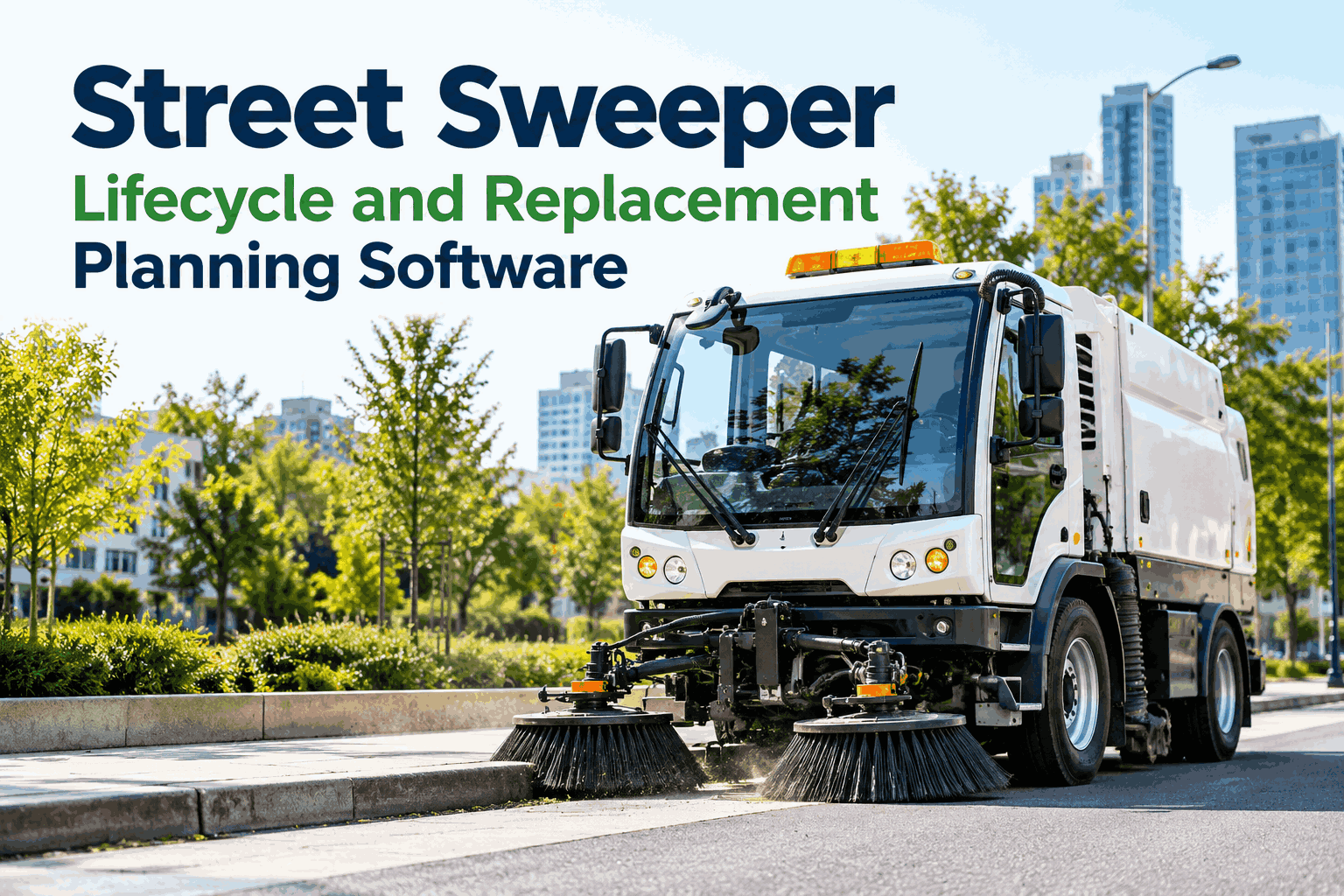
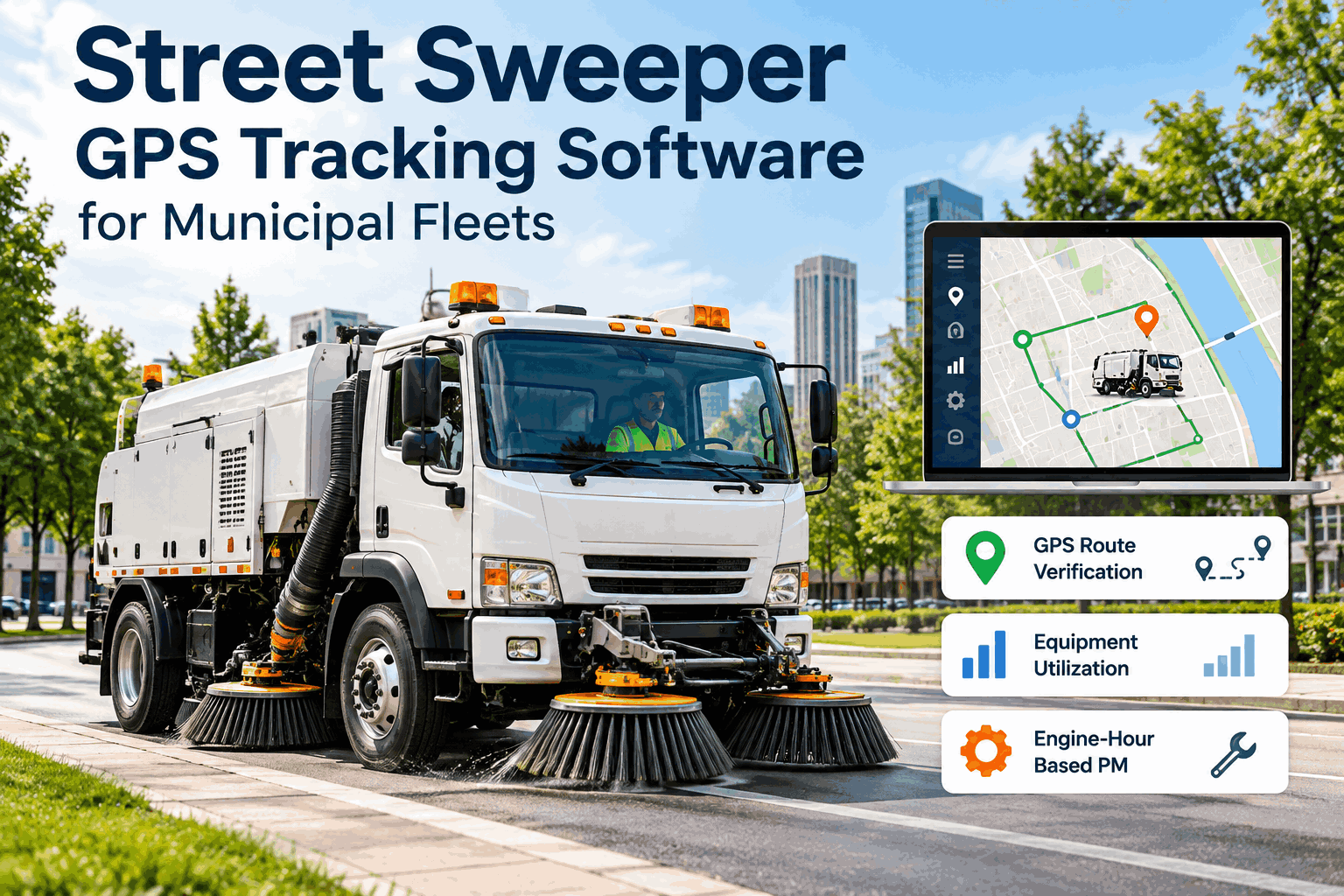
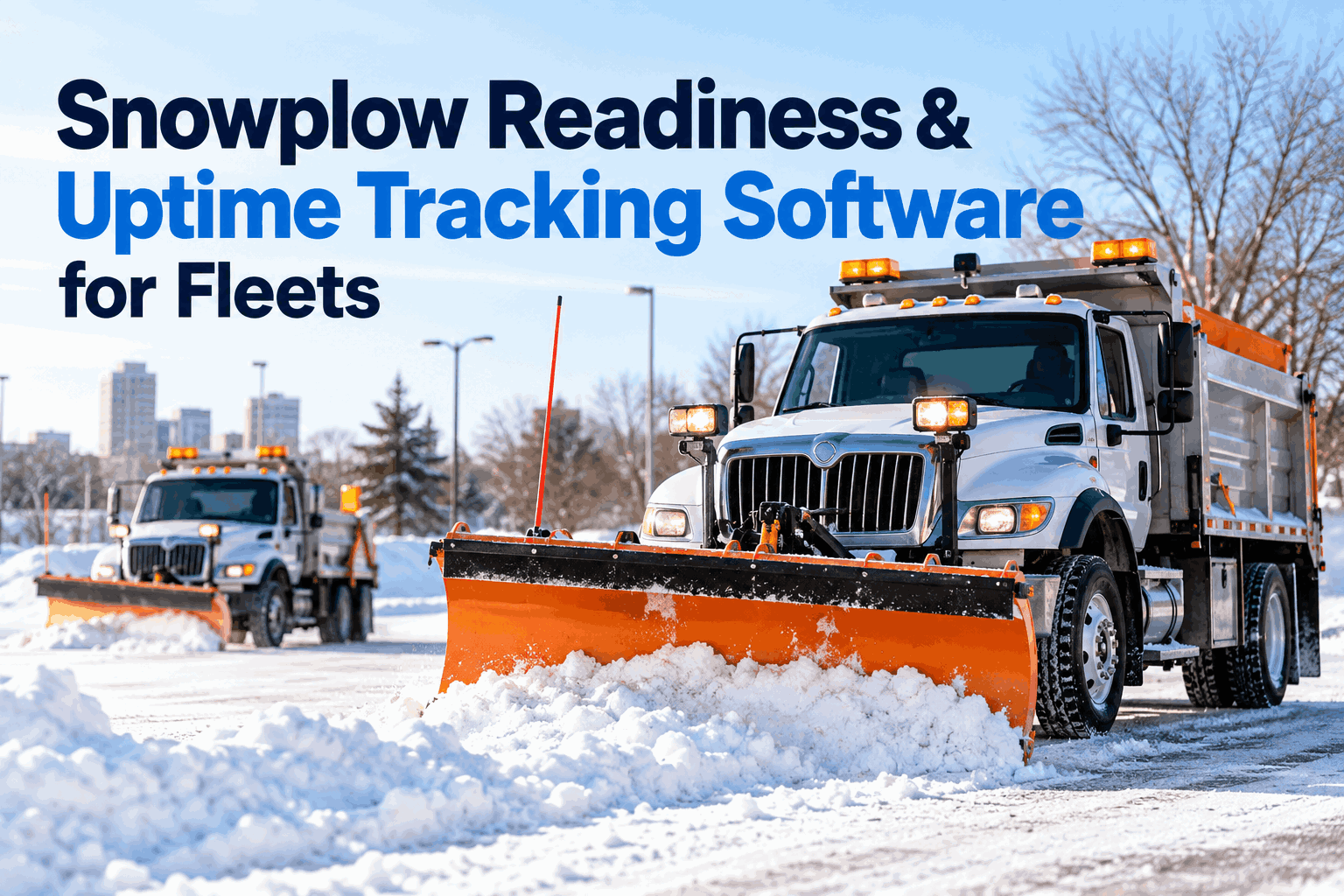
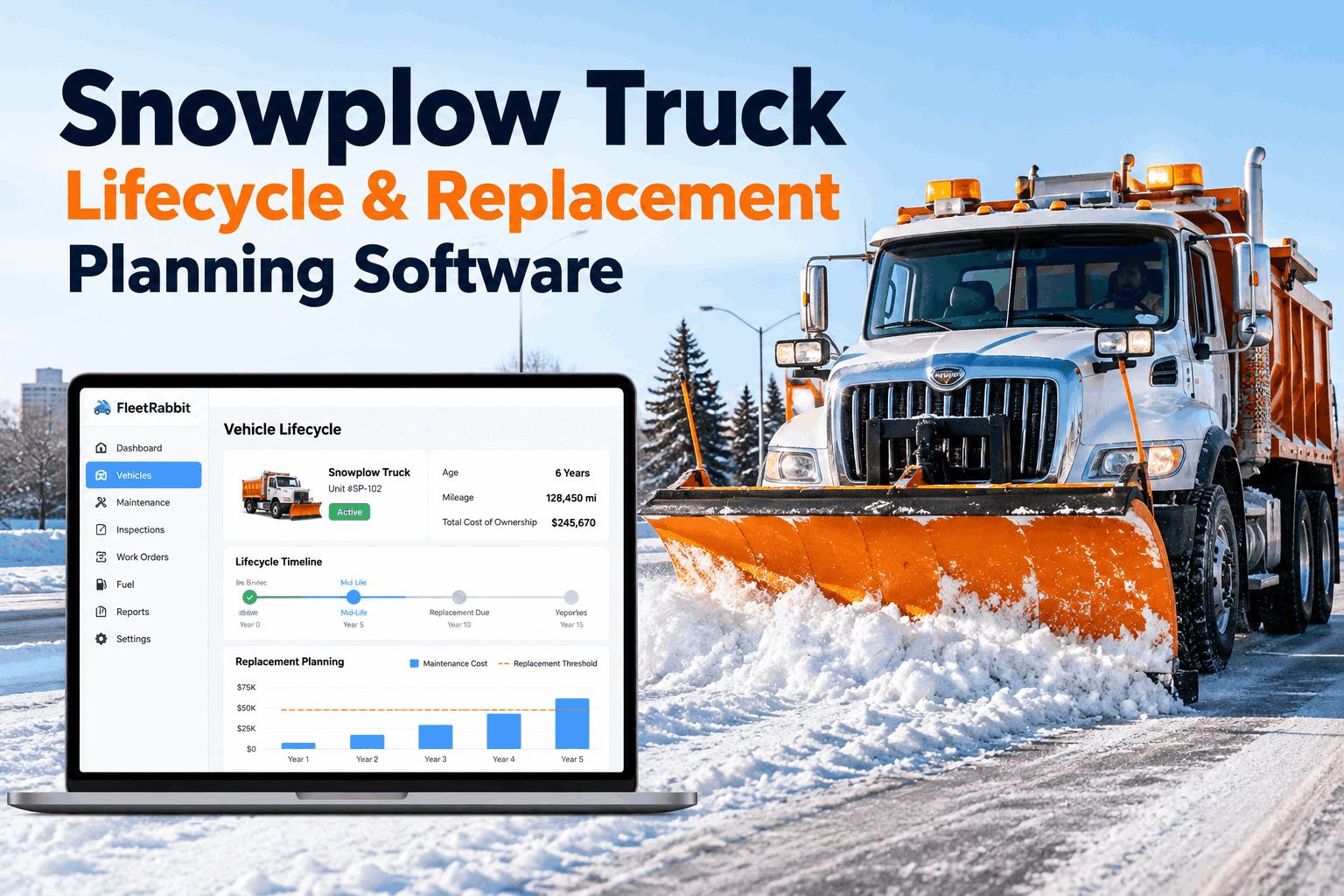
One work order system handles snowplows, police cruisers, utility vans, and street sweepers with automated chargebacks.
Deployment Packages for Multi-Department Governments
Whether you represent a compact township sharing assets across public works and water services, or a major county coordinating thousands of frontline vehicles, FleetRabbit scales to match your government structure. Compare agency deployment tiers below, register your agency leads via our portal sign up, or book an executive session by selecting a government strategy demo.
Municipal Starter
Centralized maintenance calendar, mobile driver walkaround checklists, basic fuel receipt logs, and shared service scheduling.
Multi-Agency Standard
Role-partitioned dashboards, live CAN-bus diagnostics, centralized garage work orders with budget code chargebacks, and GASB asset valuation.
Public Sector Enterprise
Enterprise ERP (Munis, SAP, Workday) integration, custom single sign-on (SSO), motor pool kiosk integration, and dedicated government account management.
Frequently Asked Questions for Public Fleet Leadership
Can public safety departments restrict their operational data from other city staff?
Yes. FleetRabbit includes configurable role-based access control (RBAC). Police, emergency medical services, and specialized investigative units can be placed inside secure partitions, preventing non-cleared municipal employees from viewing vehicle locations, operational notes, or dispatch assignments.
How does the software handle maintenance chargebacks across departmental budgets?
When a municipal technician services an asset, labor hours and replacement parts are assigned to that specific work order. FleetRabbit automatically assigns those expenses to the owning department's internal billing code, creating automated monthly ledger exports that eliminate spreadsheet reconciliations.
Does this platform support shared motor pools for administrative staff?
Yes. The platform provides a shared vehicle reservation module. Administrative employees across departments can reserve pooled sedans or light trucks online, log departure and return mileage via mobile app or depot tablet, and record trip purposes for council audit transparency.
How does a unified system support state and federal grant reporting?
Clean fuel, electrification, and highway safety grants require ongoing reporting on vehicle utilization, operational run hours, and emissions reductions. FleetRabbit centralizes this telemetry across departments, enabling compliance teams to export certified utilization reports in minutes.
Unite Your Municipal Fleet Under One Reliable System
Eliminate departmental software fragmentation, protect taxpayer capital, and keep every public agency mission-ready. Deploy FleetRabbit with no long-term contracts or proprietary hardware lock-in.