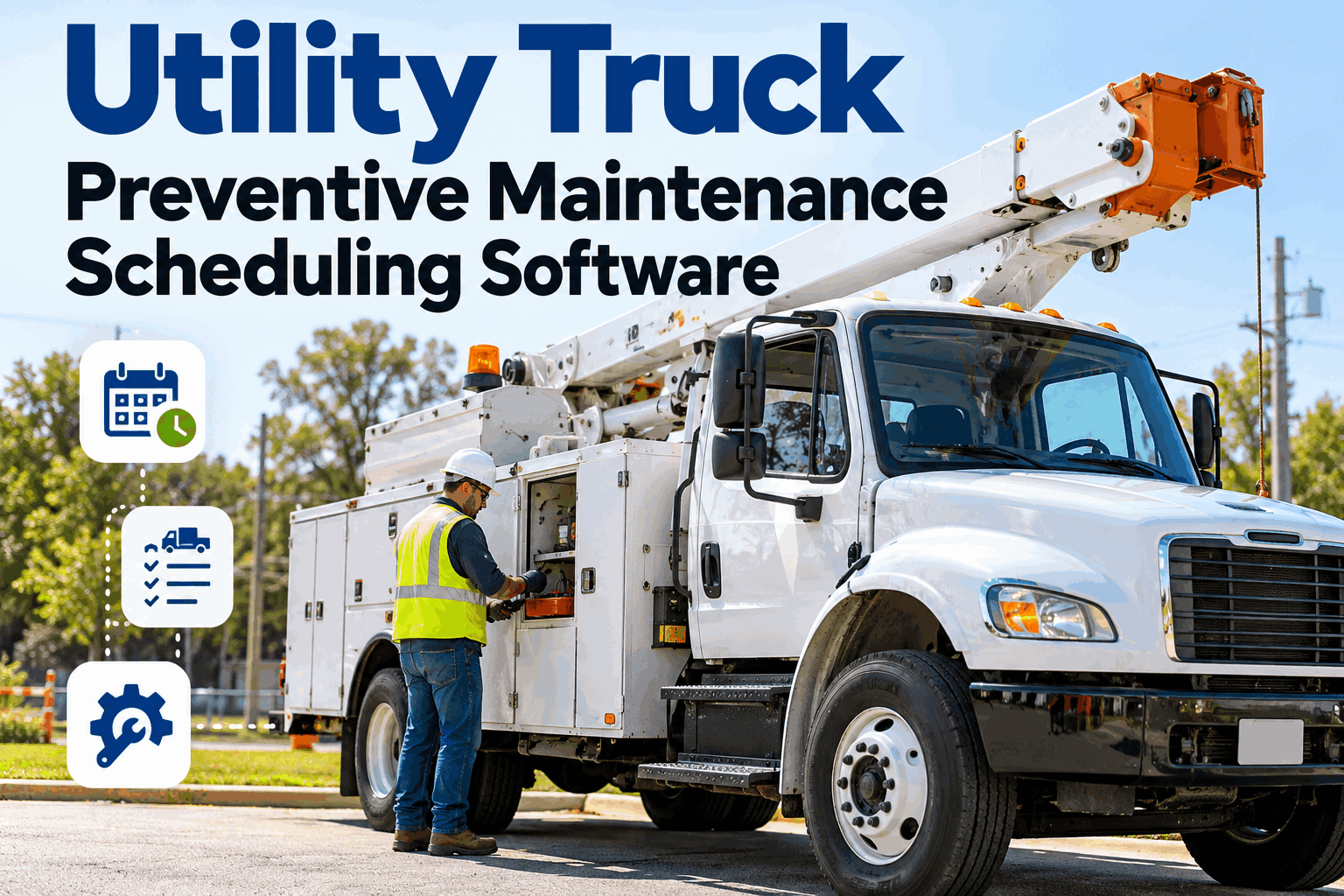
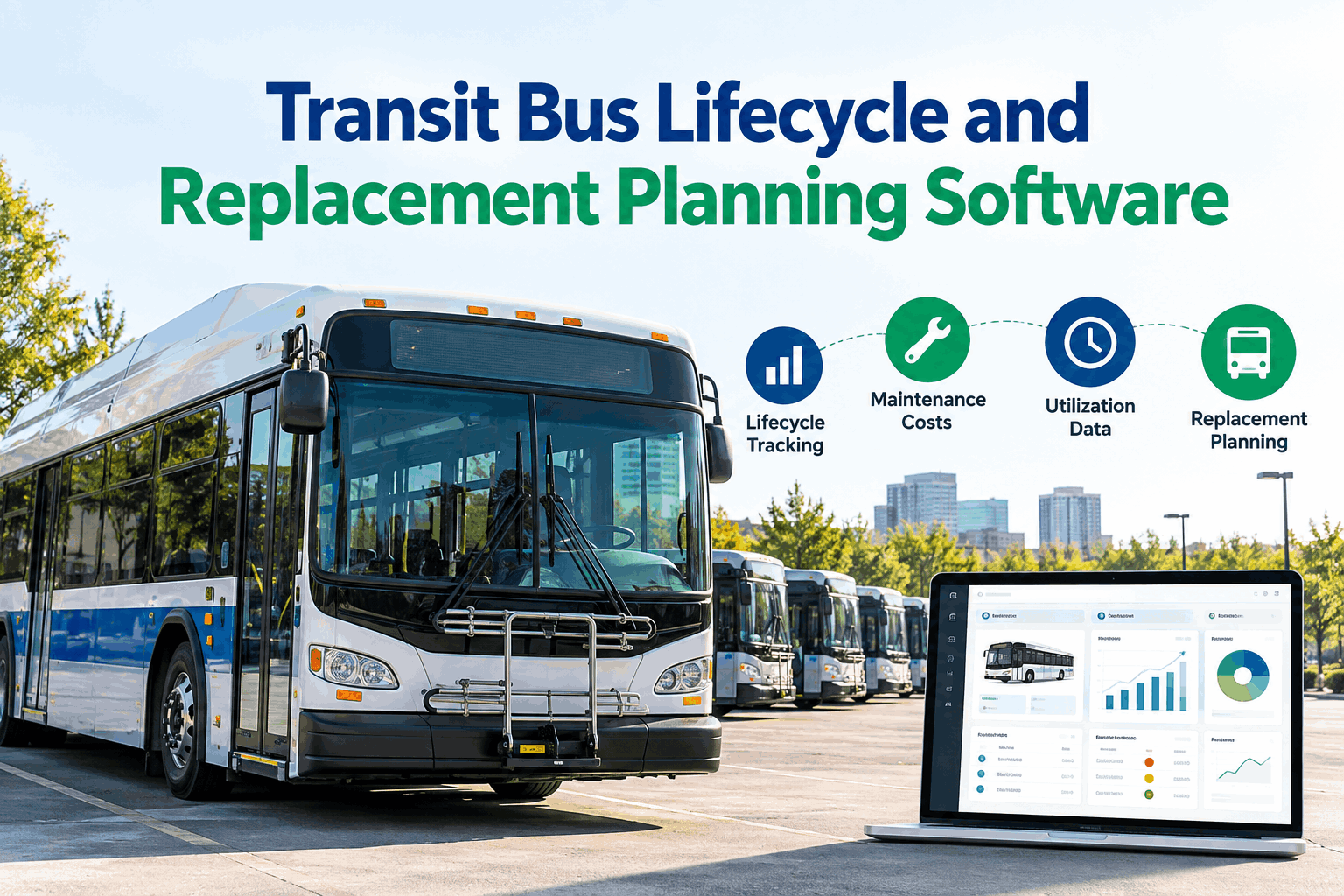
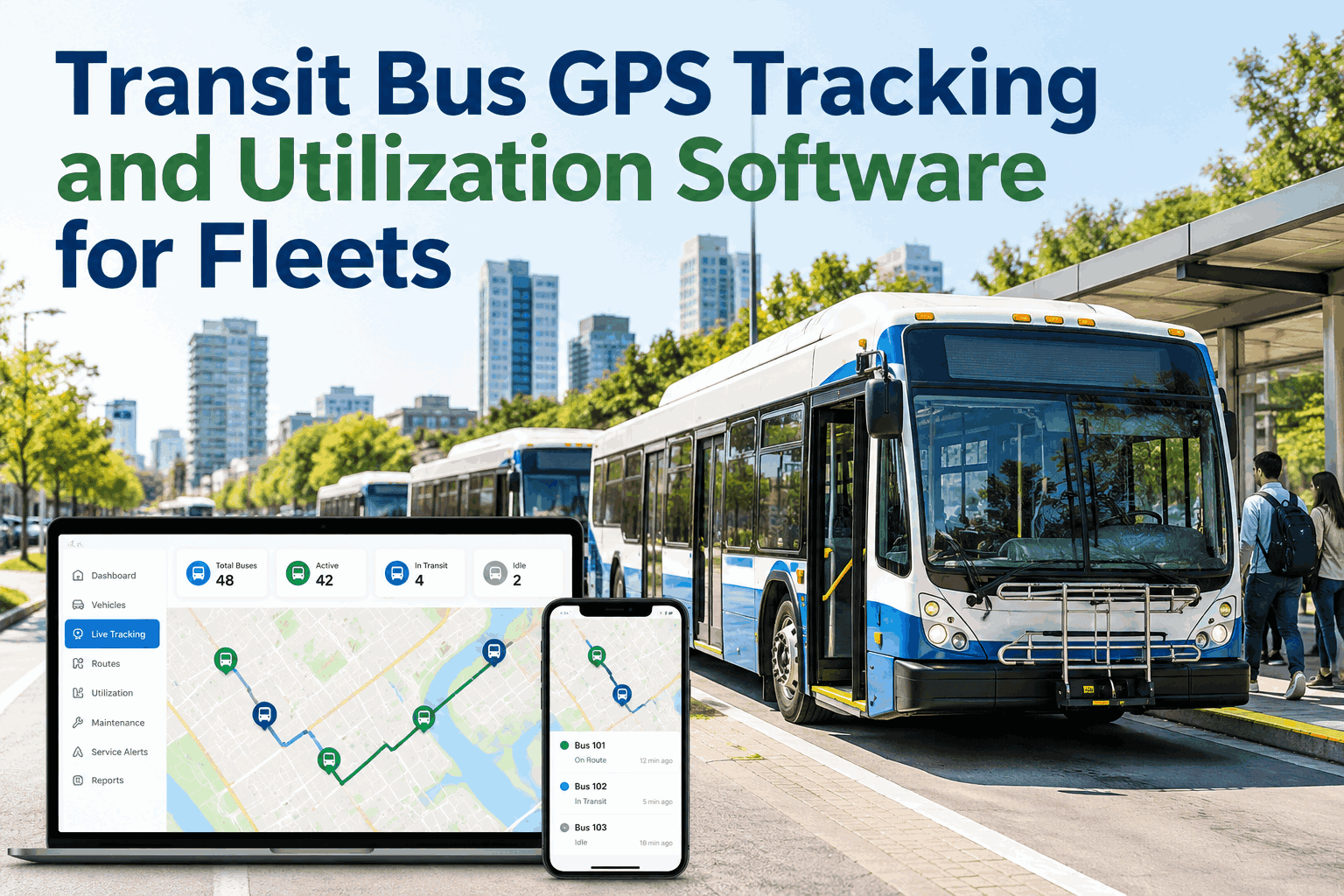
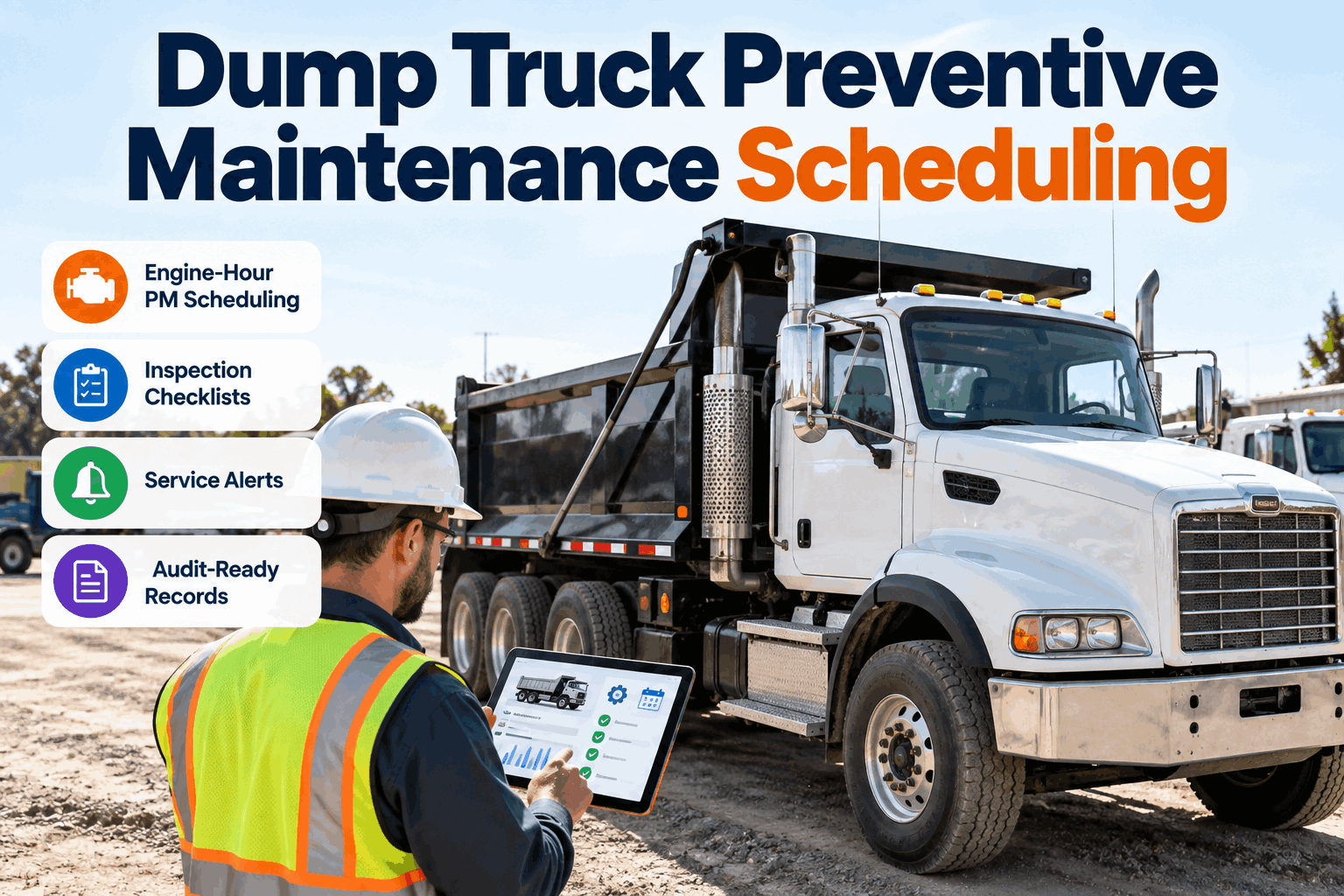
Public sector fleet directors and municipal asset managers oversee operations under rigorous public accountability and tight municipal appropriations. Operating heavy utility trucks, waste packers, emergency response apparatus, and city buses on reactive schedules routinely causes unexpected downtime, expensive emergency parts procurement, and citizen dissatisfaction. The continuous pressure of municipal audits, state grant reporting mandates, and Government Accounting Standards Board (GASB) guidelines leaves zero room for untracked work orders or missed service cycles. Transitioning from reactive firefighting to automated predictive maintenance gives public fleets defensible digital records, lowers operating expenditures, and extends capital lifecycle value. Book a demo to evaluate public sector workflows or launch your free platform trial.
The Three Fleet Maintenance Strategies Compared
Public works teams and emergency fleets require dependable availability. Shifting away from run-to-failure cycles protects public capital while keeping frontline service vehicles operational on city streets.
Reactive Maintenance
Run-to-failure operations with unscheduled downtime.
- Repairs cost 3x to 5x more due to compound secondary failure
- Immediate disruption to emergency and sanitation schedules
- Sudden, unbudgeted municipal ledger overages
- Disorganized paper invoices complicate financial audits
Preventive Maintenance
Scheduled service based strictly on time and odometer intervals.
- Unnecessary fluid and component replacements discard usable life
- Heavy shop queue bottlenecks during arbitrary batch service days
- Fails to capture sudden intermittent mechanical defects
- Manual spreadsheets lead to missed compliance deadlines
Predictive Maintenance
Sensor-driven analytics and automated defect remediation.
- Continuous J1939 / OBD-II telemetry flags component stress early
- Automated work orders allocate parts and bays prior to breakdowns
- Full compliance with GASB 34 and capital asset depreciation ledgers
- Reduces public fleet operating spend by up to 30% annually
Operational & Budgetary Impact Analysis
Municipal administrators require data-backed justification before modifying operational procedures. The following matrix illustrates key performance variances across public maintenance approaches.
| Operational Dimension | Reactive Approach | Preventive Routine | Predictive (FleetRabbit) | Government Impact |
|---|---|---|---|---|
| Unscheduled Bay Downtime | 16% - 25% fleet unavailable | 9% - 14% fleet unavailable | < 3.5% across mixed fleet | 80% Improvement |
| Emergency Overtime Hours | Frequent midnight callouts | Periodic shift overruns | Planned shifts & bay reservations | 58% Reduction |
| Audit & GASB Compliance | Fragmented invoices & logbooks | Disjointed spreadsheets | 100% Cryptographic cloud history | Zero Findings |
| Component Premature Wear | High (catastrophic engine stalls) | Moderate (rigid discard rules) | Optimized by sensor health status | 35% Longer Life |
| Spare Fleet Reserve Ratio | 20% - 25% spare buffer held | 12% - 15% spare buffer held | Under 6% buffer required | Lower Capital CapEx |
Municipal Fleet Audit & Capital Budget Allocation
Preventive and reactive strategies routinely strain taxpayer funding through unbudgeted emergency work orders and parts delivery surcharges. FleetRabbit resolves these systemic cost drivers across public works budgets.
Municipal Budget Drain Breakdown
Audit-Ready Government Highlights
Maintain accurate maintenance logs for council budget audits.
Export historical telemetry and uptime metrics on demand.
Works with existing OBD-II, J1939, and OEM telematic gateways.
Modernize Your Municipal Fleet Maintenance
Deploy digital walkarounds, continuous fault monitoring, and automated work orders without proprietary hardware lock-in.
Four Pillars of Public Fleet Modernization
Implementing predictive workflows standardizes operations from vehicle inspection check-in to shop work order completion.
Paperless eDVIR Mobile Logs
Drivers complete photo-verified vehicle pre- and post-trip walkarounds. Defects route directly into shop backlogs.
Real-Time CAN-Bus Ingestion
Continuous fault code (DTC) reading, battery health scoring, and transmission heat analysis flag degradation early.
Automated Work Orders
Telemetry warnings create structured electronic work orders, reserving inventory parts and scheduling technician shifts.
GASB Capital Ledger Sync
Every maintenance expense, part replacement, and inspection log ties into depreciation metrics for state and city audits.
Public Agency Deployment Framework
Choose the operational configuration that fits your public fleet size, agency budget, and administrative requirements.
Public Works Starter
Driver walkarounds, oil change reminders, and maintenance logs for township utility vehicles.
Predictive Municipal
Telematics stream integration, fault code triage, parts room inventory control, and overtime tracking.
Enterprise Public Sector
Multi-depot synchronization, enterprise ERP/SAP financial export, and transit compliance reporting.
Frequently Asked Questions
How does FleetRabbit support public sector budget audits?
The platform aggregates maintenance histories, parts receipts, mechanic labor, and driver walkarounds under immutable digital asset logs. Public fleet superintendents can generate audit-ready GASB 34 documentation in minutes.
Does this system require installing proprietary hardware?
No. FleetRabbit operates on a flexible, hardware-agnostic architecture. It connects with existing OBD-II units, J1939 diagnostic ports, third-party GPS modems, or can be run via mobile devices without hardware additions.
What ROI can municipal public works departments expect?
Public fleet operators typically report a 25% to 40% reduction in unscheduled downtime within six months. Preventing catastrophic drivetrain failures and reducing overtime shop runs provides substantial cost savings on annual appropriations.
Can FleetRabbit support mixed vocational assets?
Yes. The platform accommodates light-duty municipal sedans, refuse haulers, street sweepers, heavy tandem plows, fire rescue equipment, and municipal transit buses within a centralized management console.