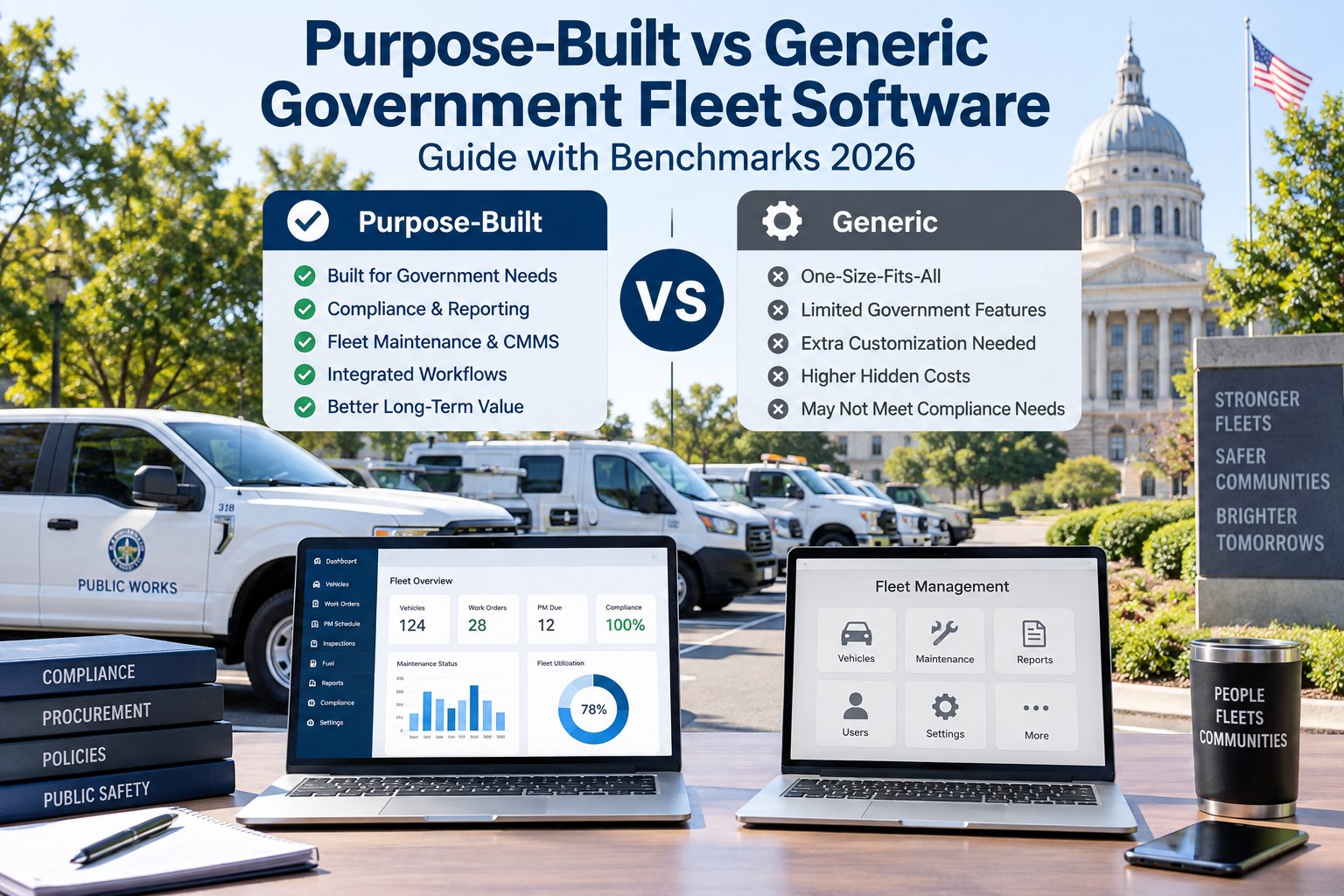
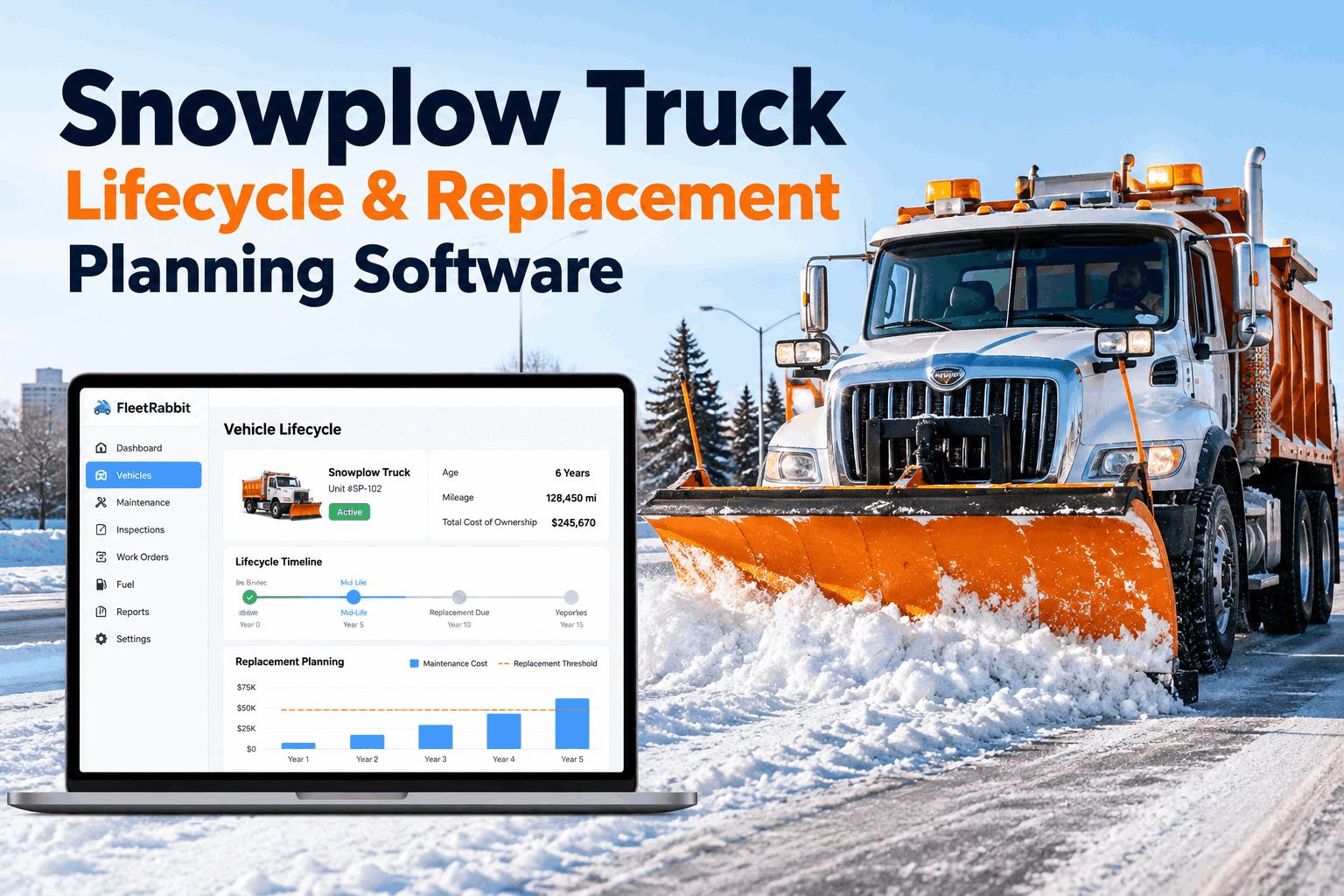
Public works directors, municipal fleet managers, and county commissioners often face an expensive operational dilemma: whether to manage municipal fleets using generic commercial telematics tools or invest in purpose-built government fleet software. Generic fleet trackers are engineered for highway long-haul trucking or civilian parcel vans—tracking road miles, fuel stops, and basic GPS breadcrumbs. However, public sector fleets operate under radically different physical and administrative constraints: heavy tandem dump trucks powering hydraulic snowplows, catch-basin jetters running stationary auxiliary PTO pumps, multi-agency municipal garages billing across separate accounting fund codes, and stringent compliance audits under GASB 34 and FEMA disaster recovery rules. When agencies attempt to force generic software into public sector workflows, maintenance tracking fails, emergency cost recovery claims are rejected, and general fund budgets leak thousands in unallocated expenses. Fleet Rabbit provides a dedicated, purpose-built government fleet management platform that combines automated PTO engine-hour maintenance, mobile driver DVIR inspections, parts inventory control, and multi-fund chargebacks into one unified system. Eliminate civic equipment downtime, ensure total taxpayer accountability, and modernize municipal garage workflows without enterprise software overhead. Book a Demo to see our purpose-built civic fleet software in action.
2026 Comparative Architecture Analysis
Public Sector Fleet Economics
Purpose-Built vs Generic Government Fleet Software: Guide
An exhaustive technical evaluation for municipal directors and county administrators: uncover why generic commercial tracking tools fail mixed civic fleets, compare operational benchmarks, and see how purpose-built software safeguards taxpayer capital.
100%
PTO Runtime Accuracy
Automated engine-hour tracking for hydraulic booms, jetters, and plows.
85%
Faster Chargeback Audits
Seamless inter-fund general ledger journal exports across departments.
0
FEMA Claim Rejections
Immutable machine run-hours and GPS location records for disaster recovery.
$5
Per Civic Asset / Month
Predictable public sector software pricing with zero locked RFP contracts.
Equip Your Municipal Agency with Fleet Software Built for Civic Realities
Stop trying to adapt generic civilian vehicle tracking to complex public infrastructure. Automate PTO maintenance, streamline driver walkarounds, and reconcile departmental billing effortlessly.
The 4 Critical Vulnerabilities of Generic Software in Public Fleets
Commercial fleet management software is designed for private freight businesses moving goods between point A and point B. When deployed across public works, parks, and emergency fleets, four severe architectural gaps consistently undermine operations. Sign up to modernize your civic fleet management platform.
01
Road Mileage vs. Auxiliary PTO Disconnect
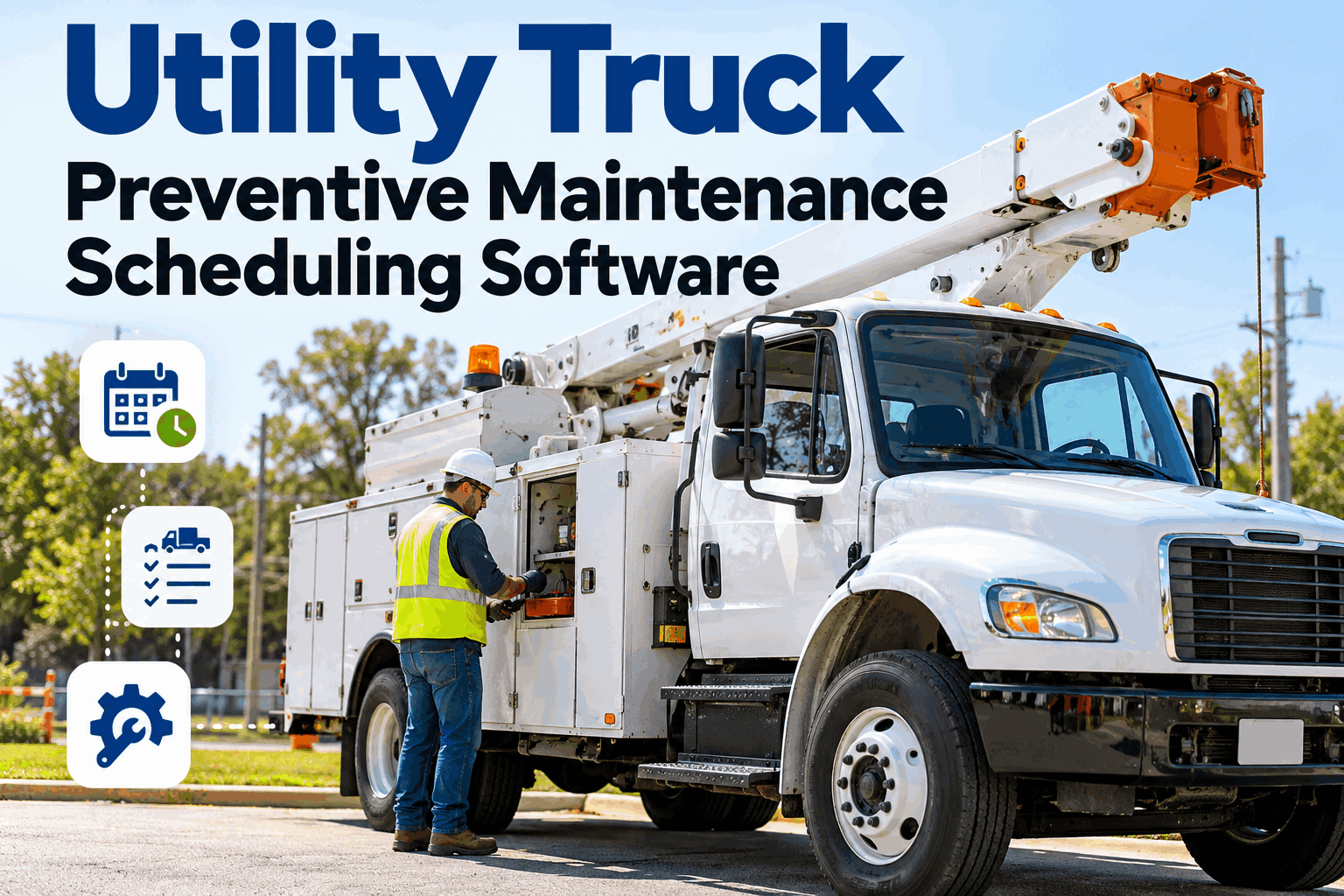
Generic GPS trackers schedule preventive maintenance around odometer miles. However, sewer vacuum trucks, aerial bucket trucks, and street sweepers run stationary for hours powering heavy hydraulic pumps. Mileage schedules ignore severe oil breakdown and hydraulic heat, leading to premature pump failures and blown cylinders.
Book a demo to inspect our PTO telematics engine.
02
Inability to Handle Multi-Fund Accounting Chargebacks
Municipal central garages service assets for Police, Fire, Streets, Water Enterprise, and Parks departments. Generic platforms cannot allocate technician labor rates, storeroom replacement parts, and fuel usage back to specific departmental fund codes, causing general fund deficits.
03
Missing Winter Operations & Citizen Claim Defense
When residents report damaged mailboxes or unplowed streets following a winter storm, generic trackers show only basic route pins. Purpose-built civic platforms record plow blade up/down sensor status, material spreader rates, and vehicle speeds to resolve citizen claims instantly.
Sign up to monitor winter equipment telematics.
04
FEMA & GASB 34 Audit Deficiencies
Following a federally declared disaster, agencies must provide verifiable records of equipment run-hours, fuel burn, and operator logs to claim FEMA reimbursement. Generic systems produce unformatted data exports that lead to rejected claims and lost federal relief funding.
The 6 Pillars of Purpose-Built Civic Fleet Management
Fleet Rabbit provides municipal maintenance garages, administrative desks, and field crews with tools built specifically for civic infrastructure realities. Sign up to explore all platform capabilities.
A
Auxiliary PTO & Engine-Hour PM Scheduling
Capture hydraulic power take-off runtime independently of road mileage. Automatically schedule hydraulic fluid changes, filter replacements, and boom lubrications based on actual equipment operating load.
Book a demo to inspect our engine-hour maintenance workflows.
B
Inter-Departmental Fund Allocation & Chargeback Accounting
Automatically assign technician wrench hours, vendor invoices, and storeroom replacement parts to specific department billing codes (such as Water Enterprise, Parks Fund, or Police General Fund) for clean general ledger export.
C
Paperless Offline-First Mobile Operator Pre-Trip DVIR
Equip operators with an offline-first mobile app to complete pre-shift equipment checks on smartphones or tablets in under two minutes, inspecting amber beacons, hydraulic hoses, cutting edges, and safety shields.
Sign up to deploy digital pre-trip inspection walkarounds.
D
Municipal Yard Storeroom & Wear Parts Inventory Control
Track high-turnover municipal inventory—including plow cutting edges, hydraulic fittings, sweeper brooms, and filters—across central garages and satellite maintenance yards with automated low-stock reorder thresholds.
E
Capital Asset Lifecycle & Replacement Forecasting
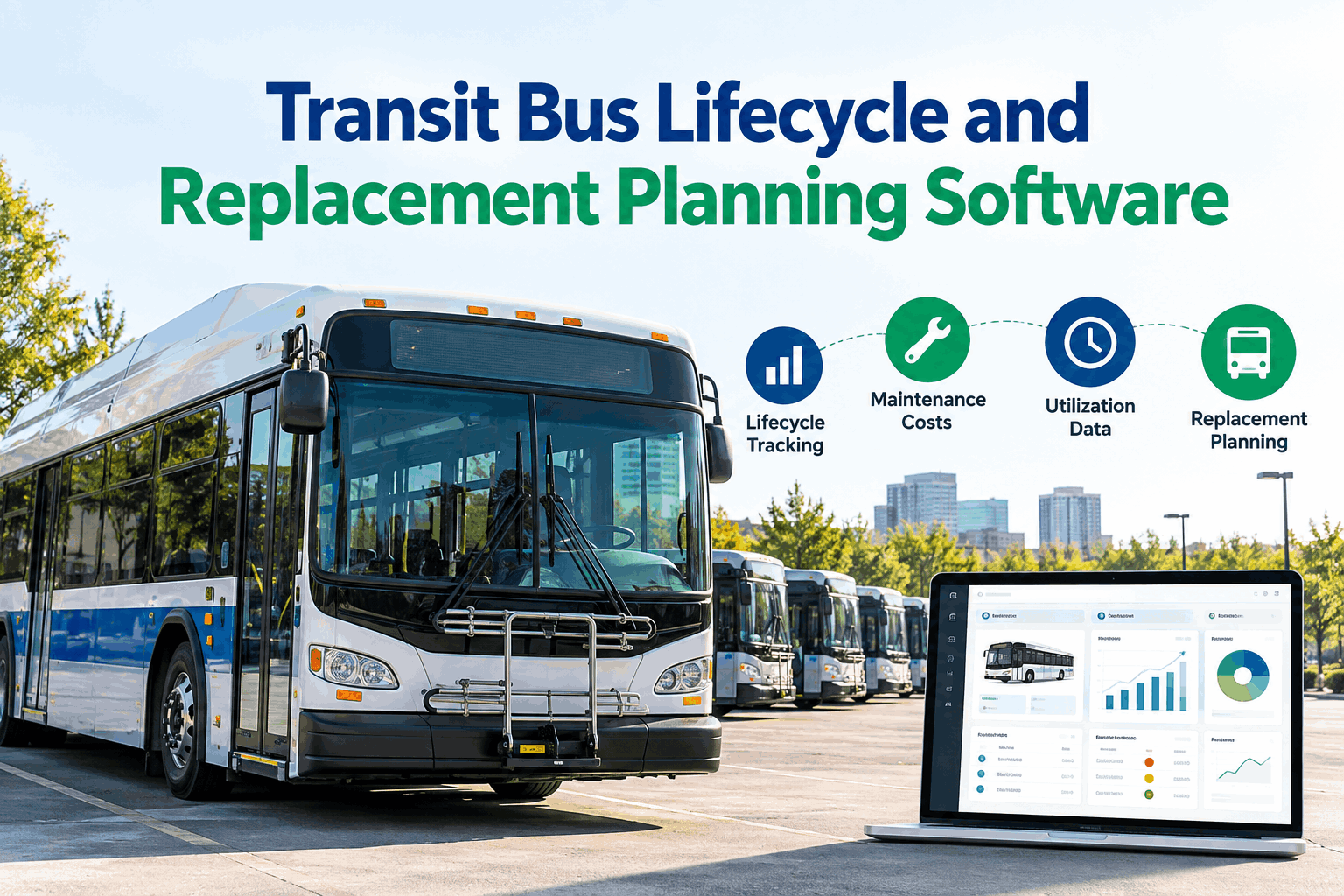
Structure accumulated maintenance spend, engine-hour utilization, and salvage valuations to generate data-backed replacement schedules aligned with GASB 34 standards for city council budget sessions.
Book a demo to see our capital replacement modeling tools.
F
Winter Operations Telematics: Blade & Spreader Tracking
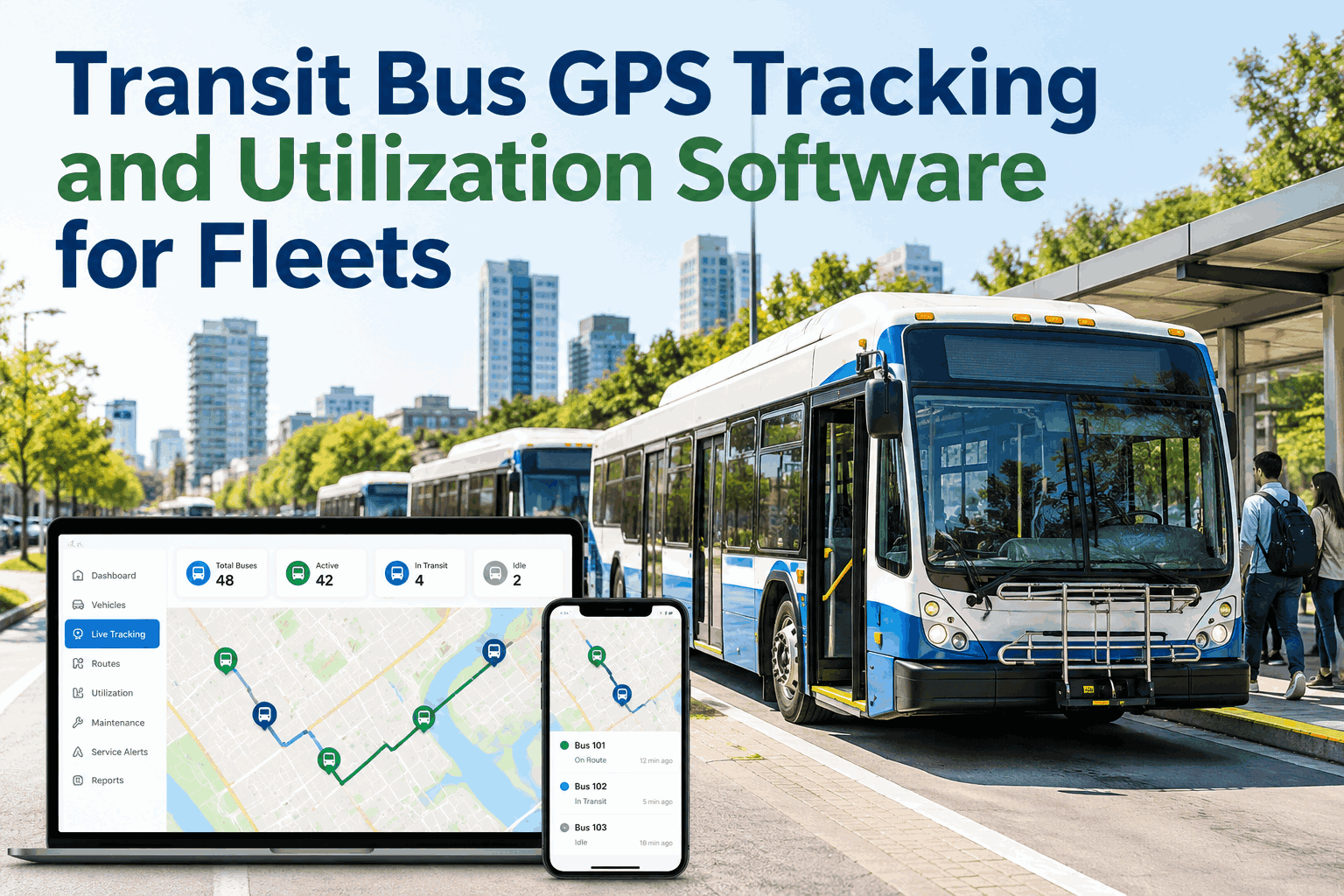
Monitor plow blade up/down sensors, material spreader application rates, and real-time street coverage breadcrumbs to optimize salt usage, document snow-fighting routes, and protect against citizen property claims.
Compliance Benchmarks & Public Sector Governance Alignment
Our purpose-built architecture aligns operating data to satisfy national public works standards and statutory disaster cost recovery mandates. Sign up to review our compliance reporting tools.
GASB 34 Standard
Capital Asset Depreciation Accounting
Maintains verified depreciation schedules, asset capitalization thresholds, and cumulative maintenance histories required by city finance directors for annual financial reporting (ACFR).
FEMA Cost Recovery
Disaster Equipment Rate Reimbursement
Provides verifiable equipment runtime hours, operator identification logs, and location-stamped activity records required to substantiate Schedule of Equipment Rates during disaster relief recovery.
APWA Best Practices
Public Works Management Standards
Aligns preventative maintenance ladders, technician productivity metrics, and safety walkaround records with American Public Works Association (APWA) accreditation guidelines.
Open Records & FOIA
Taxpayer Accountability & Transparency
Maintains complete digital audit trails of fuel usage, equipment repair costs, and operator assignments, allowing agencies to resolve open records and Freedom of Information Act (FOIA) requests rapidly.
4-Phase Rapid Deployment: Transitioning from Generic Software
Migrate your fleet cleanly from generic trackers or legacy desktop CMMS to Fleet Rabbit without disrupting active municipal service delivery. Book a demo to plan your agency's onboarding schedule.
Phase 01
Asset & Yard Ingestion
Upload vehicle inventories, heavy machinery attachments, departmental fund codes, and parts catalogs using standardized CSV templates.
Phase 02
PTO & Engine-Hour Calibration
Establish automated runtime intervals for hydraulic equipment, heavy trucks, emergency vehicles, and administrative pool sedans.
Phase 03
Mobile App & Bay Rollout
Equip operators and garage mechanics with the mobile app for paperless pre-trip safety checks, work order tracking, and parts barcode scanning.
Phase 04
Live Dispatch & Fund Auditing
Activate real-time asset telemetry, automated departmental cost recovery, and one-click FEMA, APWA, and GASB 34 reporting.
Municipal Case Study: City of Greenfield Multi-Agency Fleet
Learn how a municipal public works department replaced a commercial GPS tracker and eliminated $74,000 in unallocated maintenance costs across 82 civic vehicles. Sign up to achieve similar modernization results for your agency.
Municipal Case Study
0
Disputed Chargeback Tickets
$74,000
Annual Maintenance & Software Savings
100%
FEMA Storm Reimbursement Rate
City Replaces Generic Vehicle Tracker to Eliminate Maintenance Backlogs Across 82 Assets
Managing 82 diverse vehicles across Police, Streets, Water Utility, and Parks departments, the City of Greenfield previously deployed a popular commercial fleet GPS tracker. Because the software only tracked civilian road miles, two sewer jetter trucks suffered hydraulic pump seizures from unmonitored auxiliary PTO hours. Furthermore, maintenance labor was never billed back to enterprise funds, resulting in general fund deficits.
By implementing Fleet Rabbit, the city automated maintenance based on PTO engine hours and placed mobile shop tablets directly into mechanics' hands. In-service breakdowns dropped by 48%, inter-departmental chargebacks were automated with zero disputed billing tickets, and documented plow run-hours secured 100% FEMA cost recovery during a winter blizzard emergency.
Frequently Asked Questions
Why does generic fleet tracking software fail for municipal public works equipment?
Generic software is designed for delivery vans and long-haul freight, measuring wear purely through highway odometer miles. Public works equipment—including sewer cleaners, vacuum sweepers, and boom trucks—runs stationary for hours powering hydraulic attachments. Mileage-based maintenance schedules miss severe fluid breakdown and high-temperature stress, causing sudden mechanical breakdowns.
How does purpose-built software handle inter-departmental billing and fund chargebacks?
Fleet Rabbit automatically tags all mechanic labor hours, storeroom replacement parts, and fuel expenditures directly to individual department fund codes (such as General Fund, Enterprise Water, or Streets). The system generates exportable general ledger summaries that reconcile mechanic wrench-time and parts inventory seamlessly.
How does the platform assist with FEMA disaster equipment cost recovery?
Following severe storms, floods, or emergencies, Fleet Rabbit generates exportable compliance packets detailing machine operating hours, operator timestamps, and GPS breadcrumb trails. This provides the exact documentation required to substantiate federal Schedule of Equipment Rates claims without weeks of manual paperwork.
Can equipment operators and mechanics use the mobile app without cellular coverage?
Yes. Fleet Rabbit features an offline-first mobile architecture. Public works operators, conservation staff, and emergency personnel can complete pre-trip DVIR walkarounds, document machinery defects, and log work orders in remote highway zones, basement garages, or rural parks without cellular service. Data synchronizes automatically once network connectivity returns.
What are the pricing details and contract terms for Fleet Rabbit's government platform?
Fleet Rabbit is priced at a flat rate of $5 per asset per month billed annually. This includes full access to PTO-hour PM scheduling, mobile operator walkarounds, parts inventory control, inter-departmental chargeback reporting, and FEMA audit compliance exports. We offer a 14-day free trial on up to 3 assets with zero setup fees or long-term contract lock-ins.
September 21, 2026
By Mark
All Posts