A snowplow does not run on a schedule, it runs on a storm. One truck might sit idle for eight months of the year and then log more engine hours in a single January week than a squad car logs all winter. Tracking that kind of asset with a road-vehicle mileage report tells a public works director almost nothing useful, which is exactly why so many departments still cannot answer a simple citizen complaint about which streets got plowed and when.
Why Snowplows Break Every Rule of Standard Fleet Tracking
Most fleet software assumes a vehicle drives a predictable number of miles on a predictable schedule. A snowplow does neither. It sits parked and winterized for most of the year, then activates for unpredictable, weather-triggered shifts that can run around the clock during a storm event. Utilization has to be measured in engine hours and active plow time, not miles per week, or the data simply will not match how the truck is actually used.
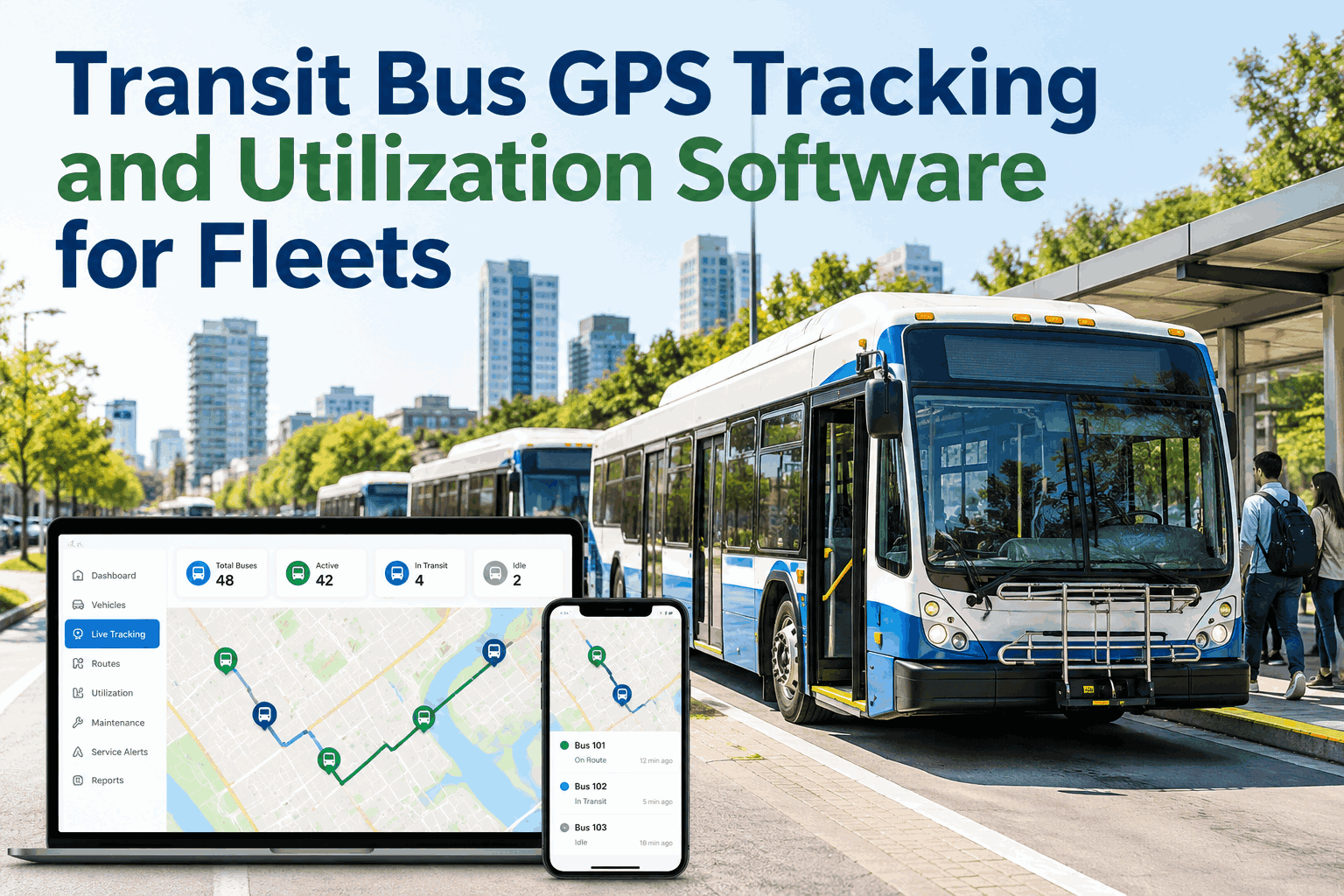
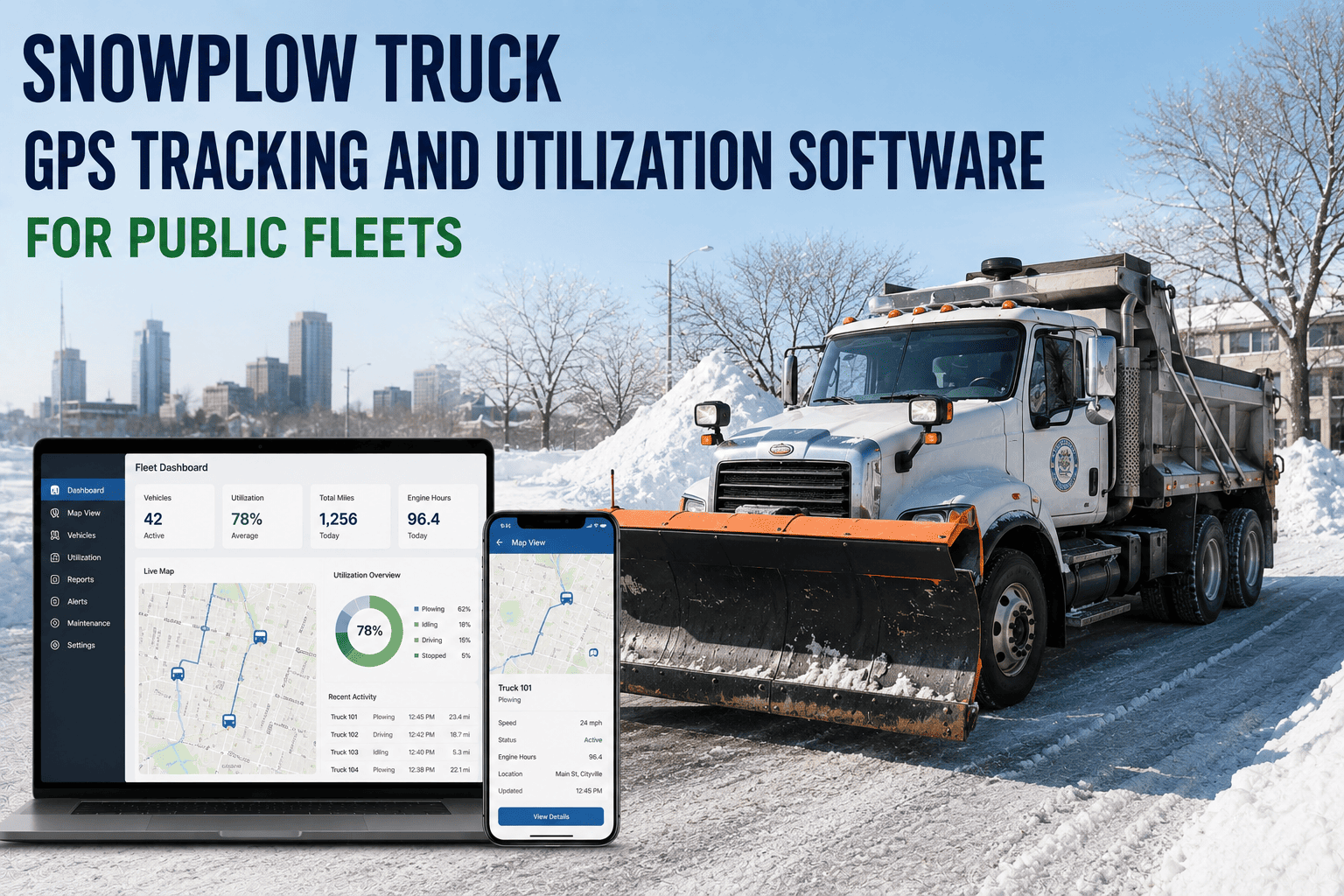
This is the gap purpose-built snowplow truck GPS tracking software is meant to close, pairing live location with engine-hour and plow-activity data so utilization reporting reflects storm reality instead of a road-vehicle template that was never built for seasonal equipment.
Turning a Citizen Complaint into a Timestamped Answer
Few public works calls are harder to resolve than a resident insisting their street was never plowed. Without location data, that call turns into a guessing match between a supervisor's memory and an angry constituent. With continuous GPS tracking, the same call becomes a two-minute lookup: pull the truck's path, confirm the pass time, and respond with an exact answer instead of an apology.
Resident reports a street they believe was missed during the storm
Dispatcher pulls the assigned truck's GPS breadcrumb trail for that route
Timestamped pass confirms service time, or flags a genuine coverage gap
Response goes out backed by verifiable data instead of a guess
Departments still resolving these calls from memory can book a demo to see how a live route-history lookup replaces the back-and-forth entirely.
Prove Every Route Was Cleared, on Demand
FleetRabbit tracks every plow truck's live position and route history, so coverage questions get answered with data instead of guesswork.
PM Scheduling for a Truck That Sleeps Nine Months a Year
Seasonal equipment needs a maintenance rhythm that looks nothing like a year-round vehicle's. A snowplow's PM plan has to account for pre-season activation, in-season engine-hour-triggered service, and post-season winterization, and missing any one of those steps tends to surface at the worst possible moment, mid-storm, with a truck that will not start.
Off-Season
Winterization checks, battery maintenance, hydraulic seal inspection, and storage condition monitoring while the truck sits unused for months.
Active Season
Engine-hour-triggered PM-A/B/C intervals, cutting-edge wear checks, and spreader or de-icing system inspection tied to real storm usage.
Fleets tired of rediscovering a dead battery on the morning of the first storm can sign up and automate the reactivation checklist before the season even starts.
Engine-Hour PM Intervals, Not Mileage Guesswork
Because snowplows accumulate most of their wear during idle-heavy plowing and salting rather than highway driving, mileage-based PM intervals badly understate real engine and hydraulic wear. Engine-hour tracking catches what mileage misses.
Short Interval
Fluid, filter, and cutting-edge wear checks triggered by engine hours during active storm rotation.
Mid Interval
Hydraulic system, plow lift, and spreader mechanism inspection timed to actual plow-hour accumulation.
Extended Interval
Full chassis and hydraulic system review before storage, catching fatigue before next season's first storm.
Documentation That Holds Up Under Public Scrutiny
Public fleets answer to a different level of oversight than private ones. Council meetings, budget reviews, and open records requests can put any repair invoice or inspection record in front of the public with little notice. Inspection documentation disciplined enough to satisfy NFPA-style audit rigor and standard DOT recordkeeping requirements protects a department when that scrutiny arrives, turning a records request from a scramble into an export.
Utilization data matters here too. Departments that review engine-hour and route data across a full winter routinely find a portion of their fleet is underused relative to its assigned zone, information that directly supports right-sizing decisions and budget justifications at the next council review.
The correct utilization metric for seasonal equipment, not mileage
Portion of municipal fleets commonly found underused once utilization is tracked closely
Time it should take to produce a full inspection and PM record for an audit
What a Snowplow-Ready Platform Actually Tracks
Breadcrumb-level tracking of every plow pass, searchable by street, date, and truck.
PM-A/B/C intervals tied to actual runtime instead of a mileage figure that barely moves.
Pre-season and post-season inspection templates that prevent storage-related failures.
Engine hours and coverage data that reveal underused trucks before budget season.
Inspection, PM, and route records structured for council review or a records request.
Want to see this running against your own plow routes? Book a demo and walk through a real storm scenario with your team.
Get Storm-Season Visibility Before the Next Snowfall
Engine-hour PM, live route tracking, and audit-ready records built specifically for seasonal public works equipment.
Frequently Asked Questions
Why should snowplow PM be tracked by engine hours instead of mileage
Snowplows spend much of their active time idling, plowing, and salting at low speed, so mileage barely reflects real wear, while engine hours capture the actual runtime the vehicle experiences.
How does GPS tracking help resolve citizen complaints
A timestamped route history lets a dispatcher confirm exactly when a truck passed a given street, replacing guesswork with a verifiable answer in minutes.
What should a pre-season reactivation checklist include
Battery condition, hydraulic seal integrity, cutting-edge wear, and storage-related checks are typically the first items to fail if a truck was not properly winterized months earlier.
Does this software support NFPA or DOT-style inspection standards
Yes, inspection templates can be structured to match the documentation rigor those frameworks expect, giving public fleets audit-ready records without building the format from scratch.
How does utilization tracking help with municipal budgeting
Reviewing engine hours and route coverage across a full season often reveals trucks that are underused relative to their assigned zone, supporting right-sizing decisions at budget time.
Can this scale for a small public works department, not just a large city
Yes, the same engine-hour PM triggers, route tracking, and seasonal checklists apply just as cleanly to a handful of trucks as they do to a citywide fleet.