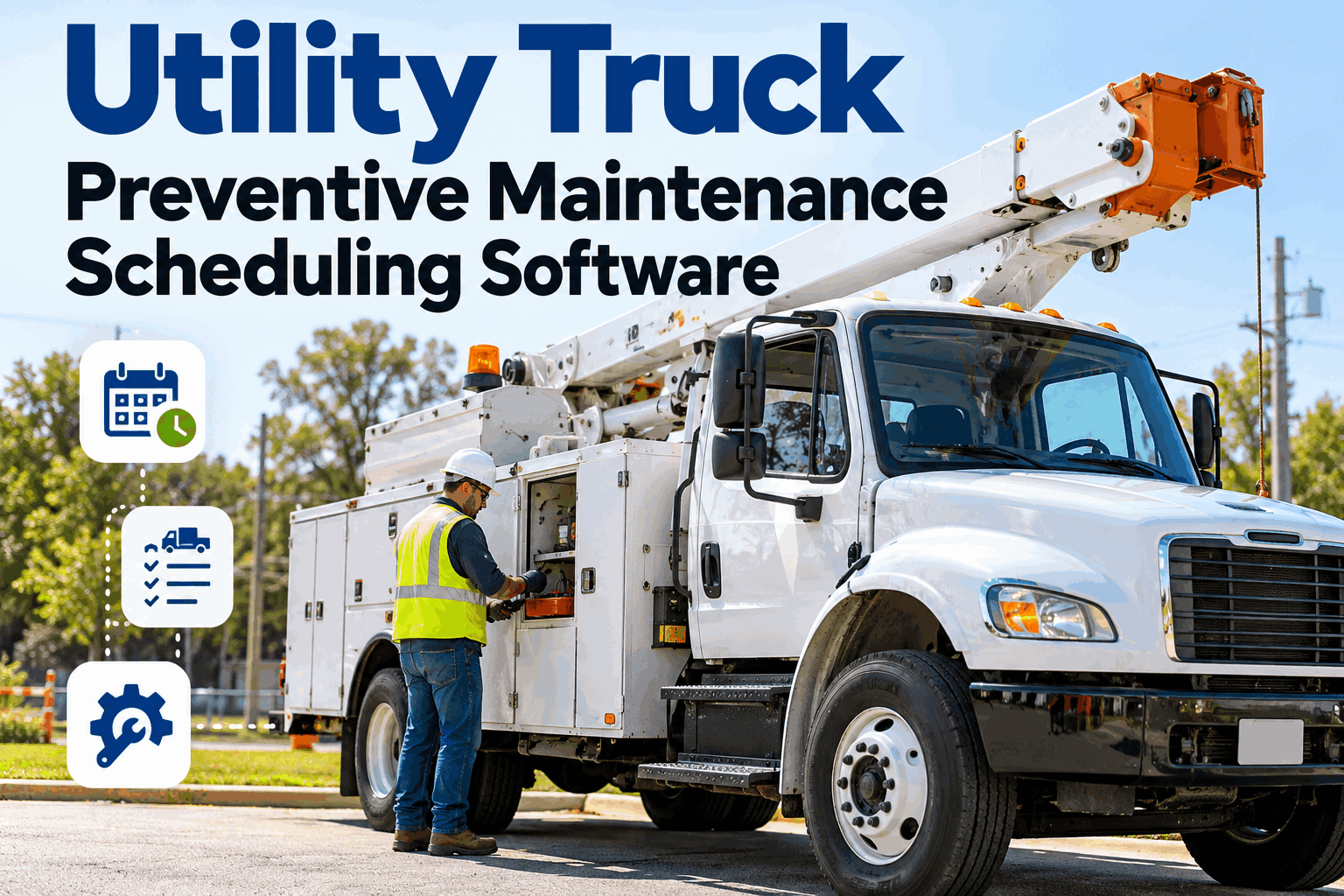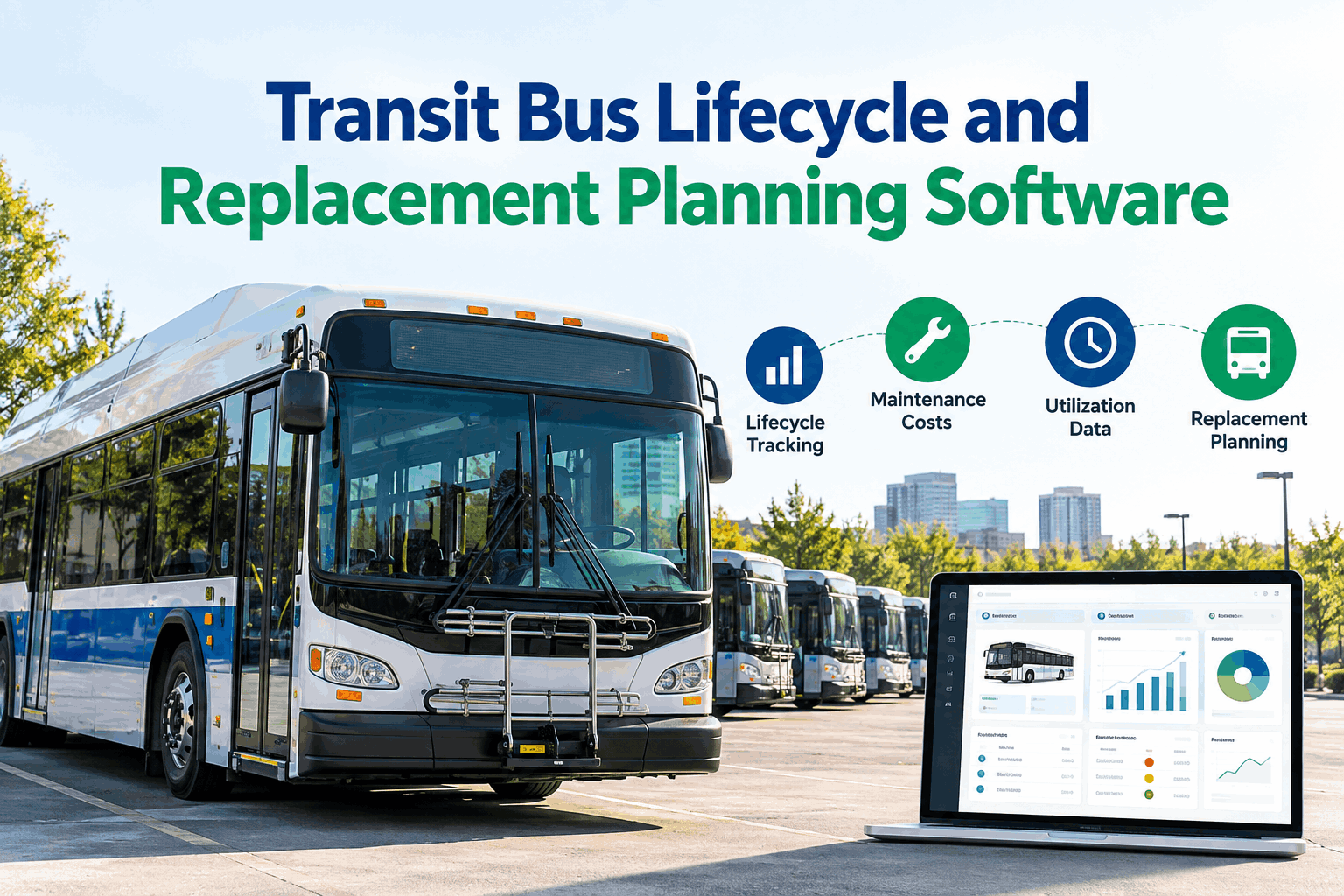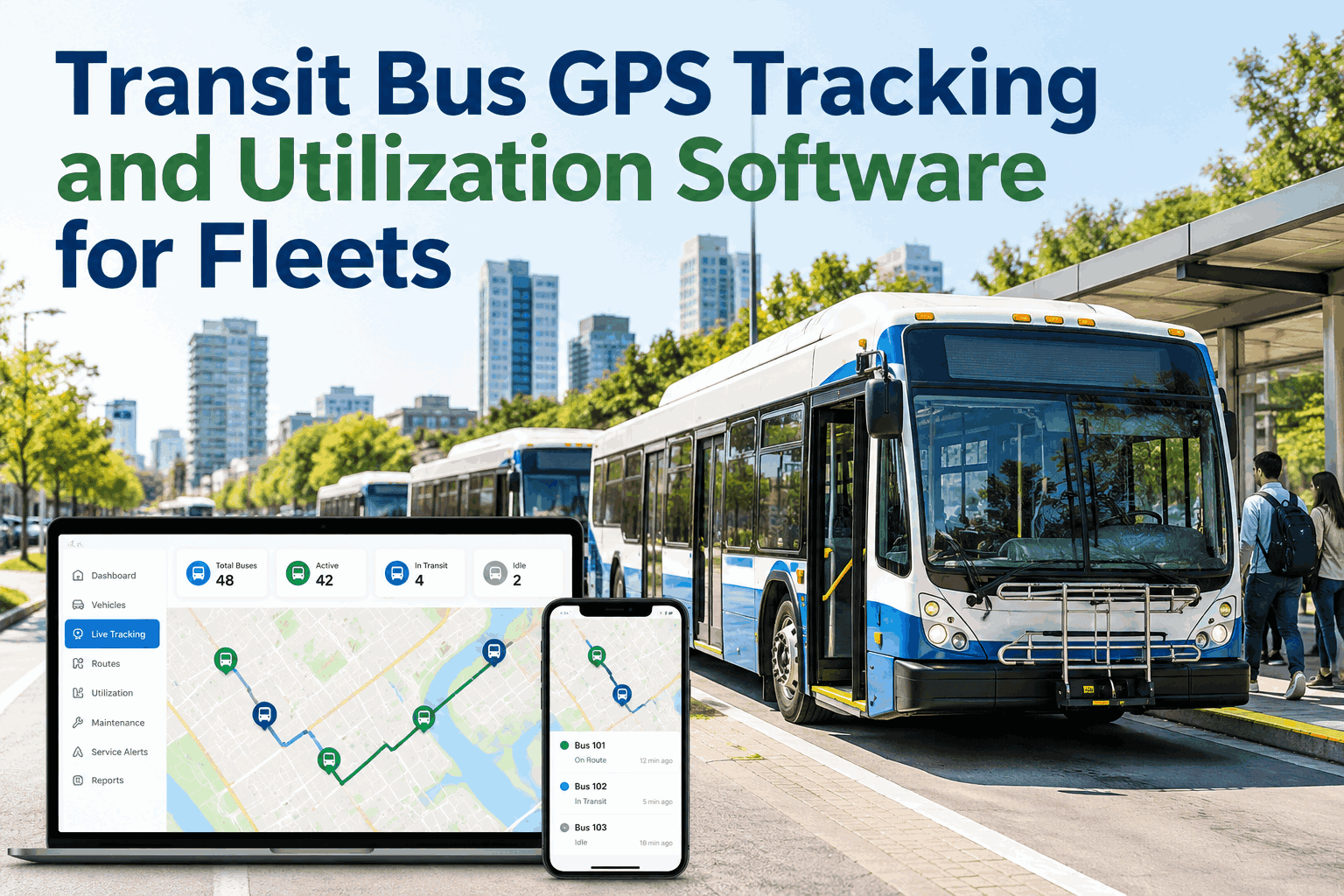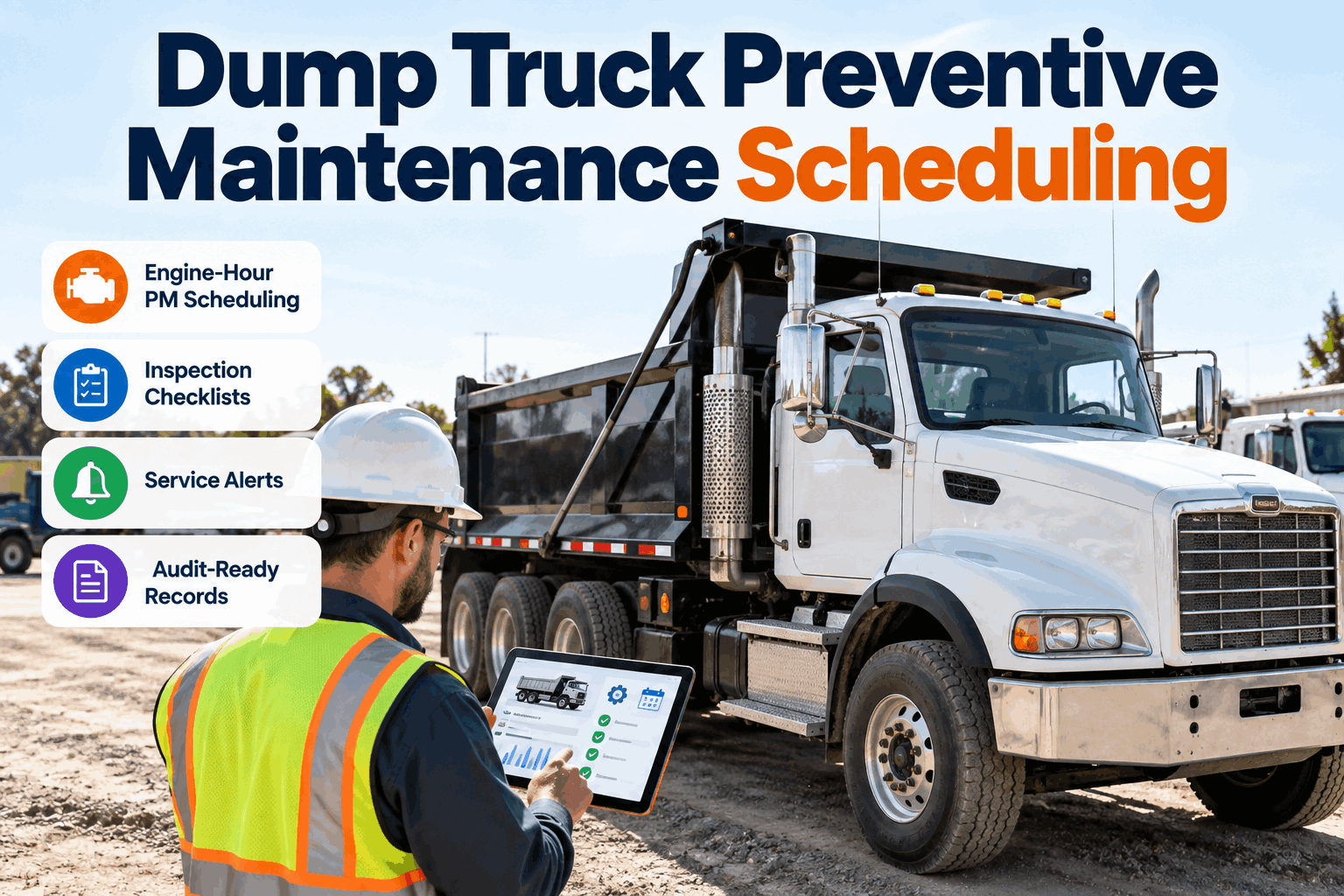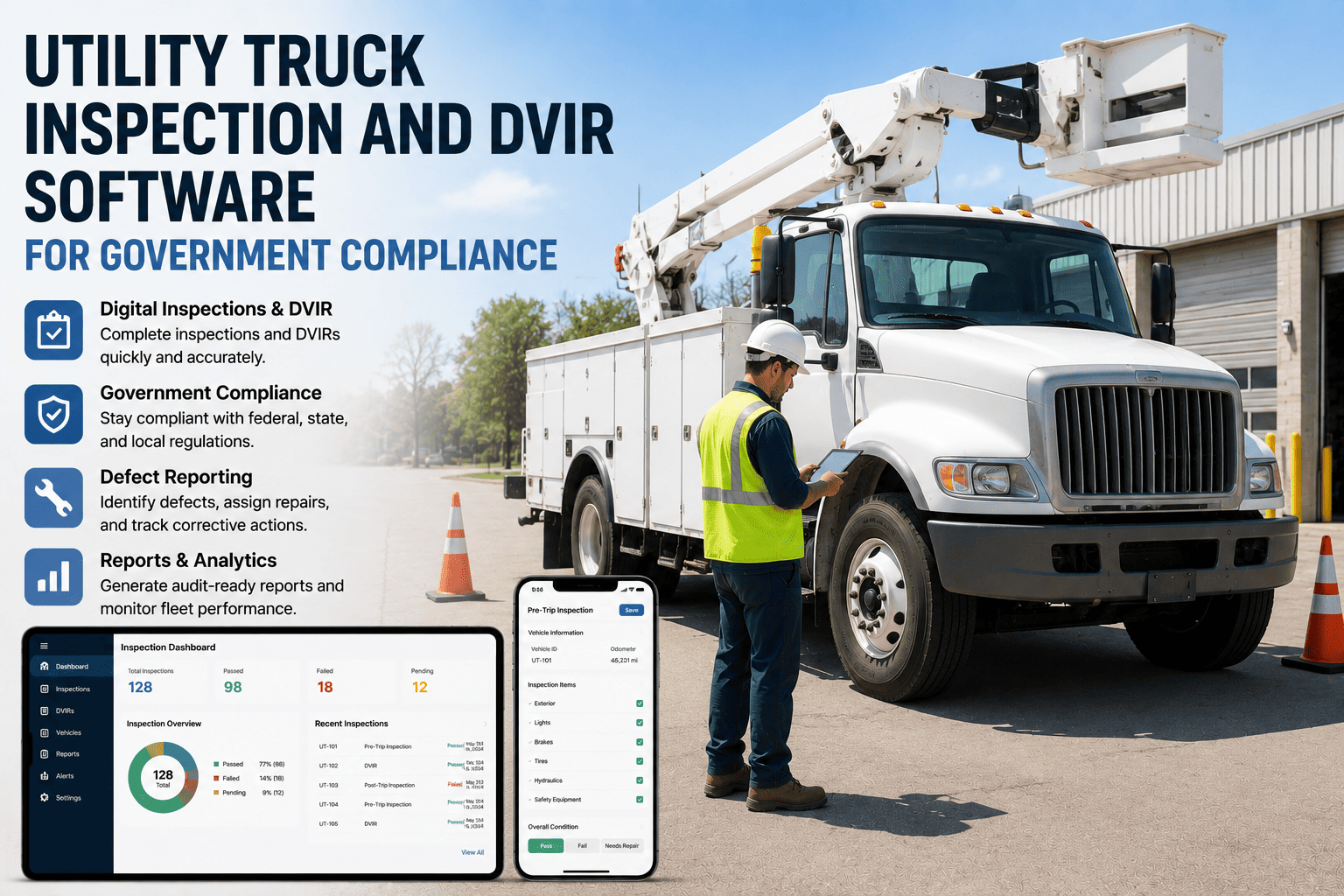
A utility truck is judged by a different standard than almost any other vehicle ina public fleet, because when a storm knocks out power or a signal light goes dark, that bucket truck needs to be ready to roll immediately, not sitting in a bay waiting on a missed inspection. The pre-operation check on an aerial or bucket truck also carries more weight than a standard walk-around, since a boom that has not been properly inspected puts a lineworker at real risk the moment it goes up. FleetRabbit builds inspection and DVIR tracking specifically around aerial device readiness, insulation testing, and emergency dispatch status, so utility crews and government fleet managers always know exactly which trucks are truly ready to go. Departments that want that visibility can sign up and load their utility fleet today.
An aerial or bucket truck should never go into boom operation until four ground-level checks are confirmed, and treating that as a hard gate rather than a suggestion is what keeps a lineworker safe.
Outriggers and stabilizers fully deployed and locked on stable ground
Hydraulic system fluid level and leak check around boom cylinders
Insulated boom and bucket liner inspected for cracks or contamination
Controls, emergency lowering system, and PTO engagement tested
Any one of these four checks failing should stop the truck from operating the boom entirely, not just get logged for later review. FleetRabbit builds this gate into the digital inspection so the operator cannot mark the truck ready without confirming all four. Crews that want this enforced automatically can book a demo and see the gate logic in action.
During a storm response or any high-demand event, a fleet manager needs an instant answer to one question, which trucks can actually be dispatched right now.
Ready for dispatch
Passed pre-operation check and current on all inspection requirements
Scheduled for check
Due for a periodic inspection or dielectric test before next dispatch
Out of service
Held for a failed check or open repair, not cleared for boom use
Without a live readiness view, a dispatcher can end up assigning a truck that is actually overdue for inspection, which is exactly the kind of gap that shows up during an emergency response review. Departments ready to build this into their storm response plan can sign up and see the readiness board for their own fleet.
Know which utility trucks are truly ready to dispatch
Boom readiness gates, dielectric test tracking, and a live fleet status board in one system.
Utility truck compliance rests on a few distinct requirements that a general vehicle inspection checklist does not fully capture.
| Requirement | What it covers |
|---|---|
| Aerial device inspection standards | Structural and functional condition of the boom, bucket, and controls |
| Periodic dielectric testing | Insulation integrity confirmed on a recurring cycle for electrical work safety |
| DOT annual inspection | Brakes, steering, lighting, and structural condition of the chassis |
| DVIR daily record | Documented pre-operation check for every shift, retained for review |
Many public works and electric utility departments align their inspection rigor with the same disciplined standards NFPA-style frameworks bring to emergency-response equipment, layering that on top of standard DOT requirements. Teams preparing for their next compliance review can book a demo and see how the records come together automatically.
| Task | Manual process | FleetRabbit |
|---|---|---|
| Boom readiness gate | Left to operator judgment on the ground | Four-check gate enforced before boom clears |
| Dielectric test tracking | Tracked on a separate calendar or spreadsheet | Linked directly to each truck's readiness status |
| Storm dispatch readiness | Confirmed by phone calls and memory | Live readiness board across the whole fleet |
| DVIR and inspection records | Paper forms filed by date | Digital, searchable, audit-ready by default |
Departments that want to see this comparison against their own utility fleet can sign up and test it with real vehicle data.
Put boom safety and storm readiness on the same system
From ground checks to dispatch status, keep every utility truck accounted for.
Frequently asked questions
What ground checks should happen before a boom is raised
Outriggers and stabilizers should be deployed and locked, hydraulic lines checked for leaks, the insulated boom and bucket liner inspected for damage, and controls along with the emergency lowering system tested.
What is dielectric testing and why does it matter
It is a periodic test confirming the insulation on an aerial boom is still intact, which is critical for crews working near energized lines, and it needs to be tracked on its own recurring cycle rather than folded into a general inspection.
Why does storm readiness need its own tracking separate from PM scheduling
Because dispatch decisions during an emergency happen in minutes, a fleet manager needs an instant view of which trucks are cleared right now rather than digging through maintenance history under pressure.
Do utility trucks still need a standard DOT annual inspection
Yes, the chassis itself is still subject to the same DOT annual inspection requirements covering brakes, steering, lighting, and structural condition as any other government fleet vehicle.
Can this handle a mixed fleet of bucket trucks and other utility equipment
Yes, boom readiness gates and dielectric tracking apply to aerial equipment specifically, while standard DVIR and DOT tracking runs for every other vehicle type in the same system.