ANSI A92.2 inspection tiers
Frequent, periodic, dielectric, and major structural inspections scheduled and tracked on their own cadence.

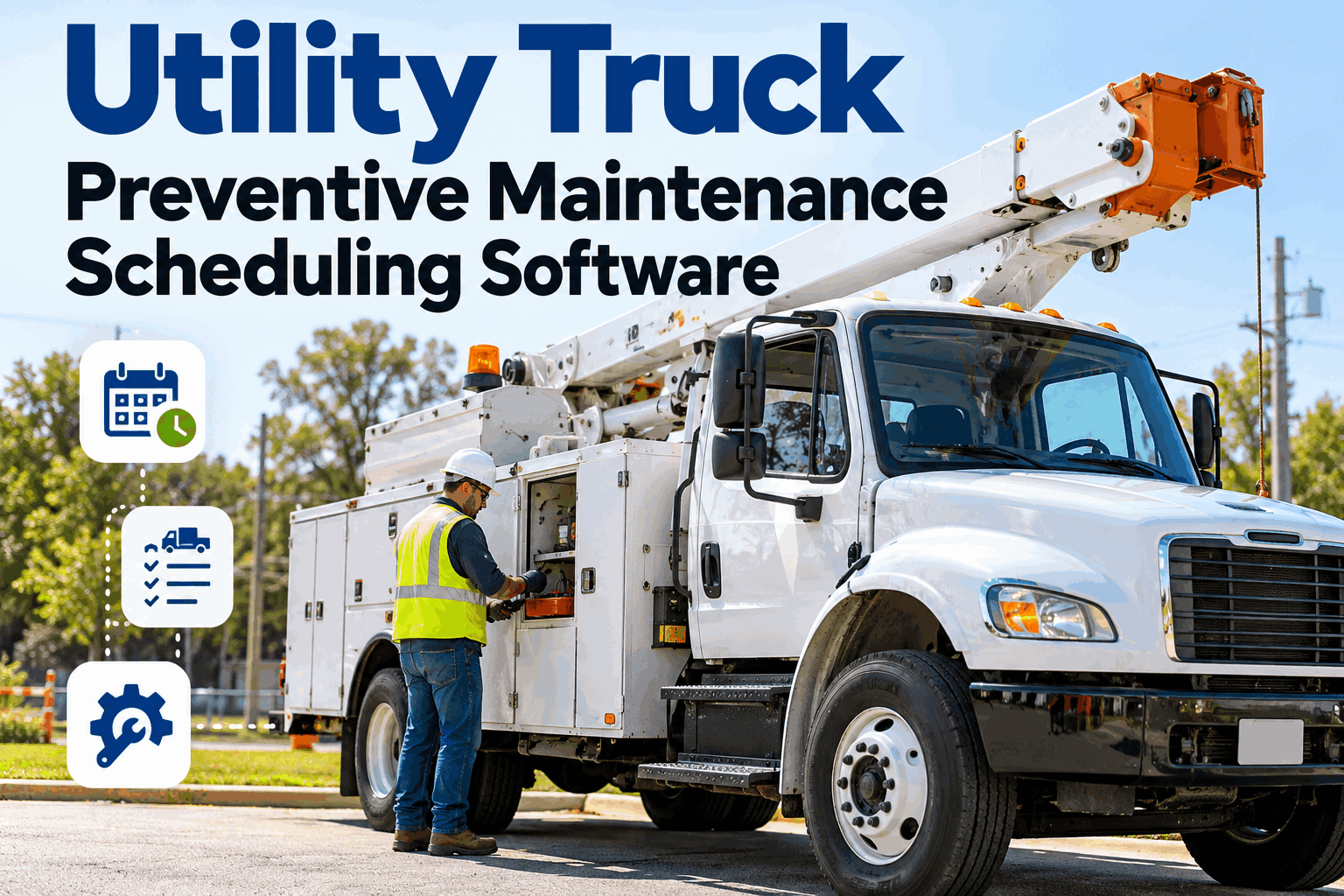
When the power goes out across a neighborhood, the truck that gets it back on is a bucket truck standing on outriggers next to an energized line, with a lineman forty feet up trusting a fiberglass boom to hold its insulating rating. Utility truck maintenance software has one job that matters more than any other fleet category: prove that boom, that hydraulic system, and every safety-critical part underneath it was actually checked, on schedule, before the truck rolled on the call. Here's what that program looks like when it's built for a public utility or municipal electric fleet.
Operator inspection of the boom, bucket, and controls before the truck leaves the yard
A qualified technician checks structural and mechanical condition on a fixed cadence
The FRP boom, bucket liner, and tool circuits are tested to confirm they still insulate
Weld and fatigue analysis on the boom structure itself, added to ANSI A92.2 in 2021
Miss one tier and the compliance chain breaks, not just the paperwork. Agencies that sign up for a system built around this cadence stop relying on someone remembering which truck's dielectric test is due next.
See DOT-ready DVIRs, ANSI A92.2 inspection tiers, and dielectric due dates tracked from one dashboard.
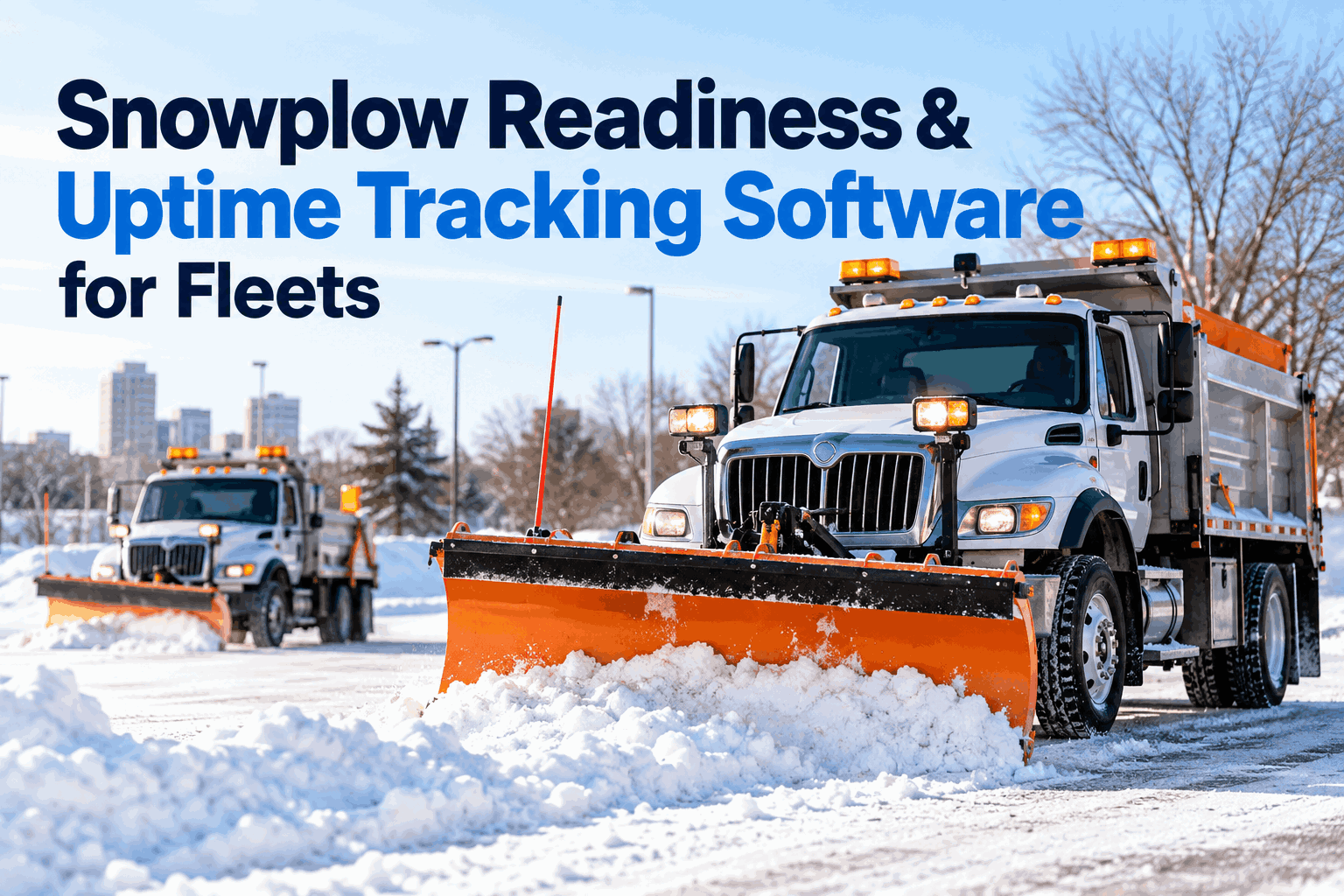
When a storm takes out power across a service territory, every bucket truck and digger derrick in the fleet needs to be dispatch-ready at once, not queued behind a maintenance backlog discovered mid-outage. Readiness for a utility fleet means knowing, before the call comes in, exactly which trucks are current on every tier of inspection.
Checked for full extension and ground contact before every boom operation
PTO, pump, and cylinders inspected for leaks and pressure loss on the frequent cadence
Visually inspected daily, dielectrically tested at the annual periodic inspection
Structural and hydraulic checks specific to pole-setting equipment on the same crew
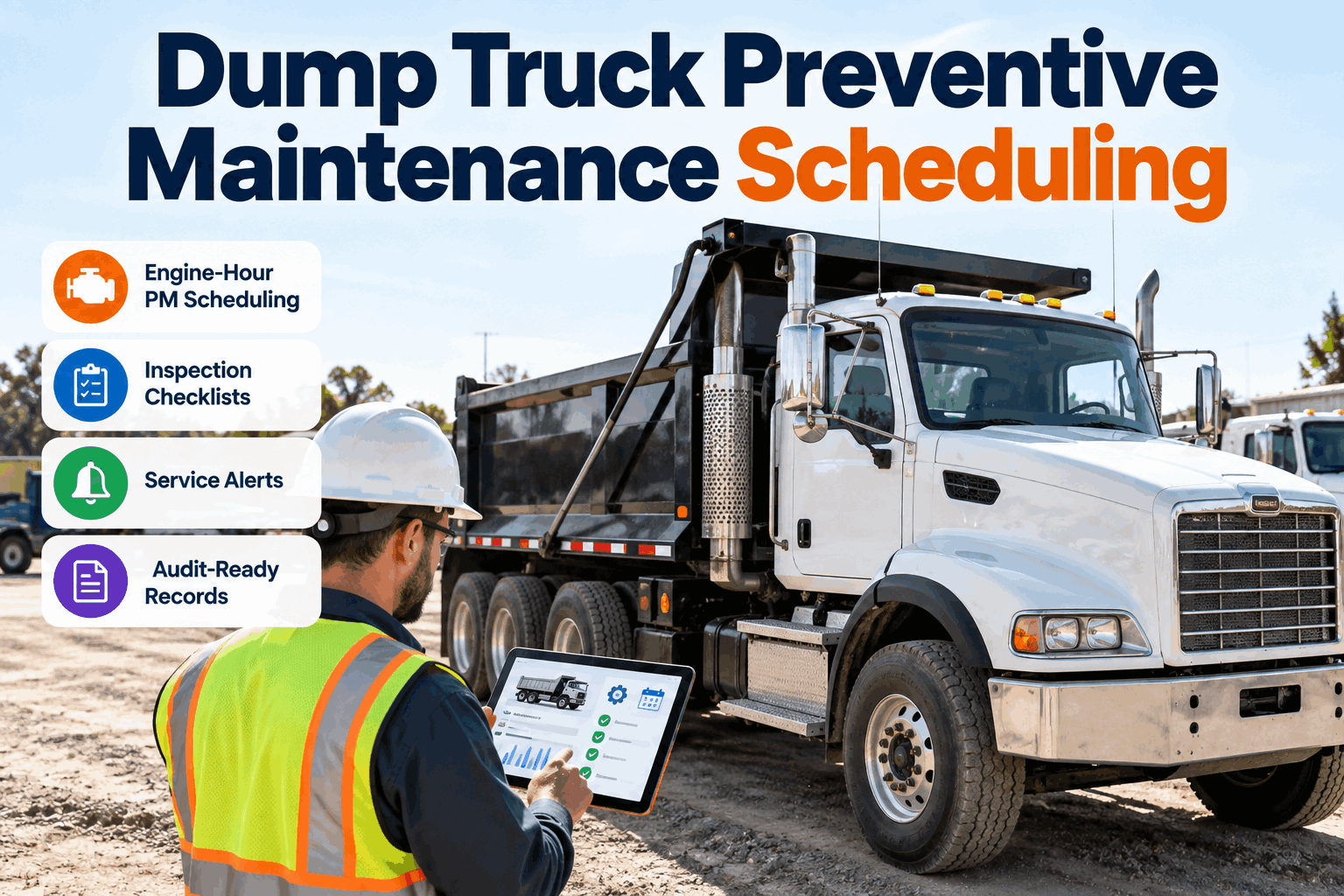
A crew can spend three hours parked with the engine running to power the boom and tools on a single job, covering almost no distance. Scheduling PM off mileage alone misses that load entirely. Engine-hour tracking gives a far more accurate picture of wear on a fleet that spends most of its working life stationary.
A truck that drove 20 miles today looks lightly used
The same truck ran its engine and hydraulics for six hours on the job
Teams that sign up for engine-hour scheduling typically catch hydraulic and PTO wear a full interval earlier than mileage alone would show.
Frequent, periodic, dielectric, and major structural inspections scheduled and tracked on their own cadence.
Covers the FMCSA-required components alongside the aerial device program, not in a separate system.
Fleet managers see a certification approaching its 12-month limit before it lapses, not after.
Preventive maintenance triggers off runtime, catching wear a low-mileage, high-idle duty cycle creates.
See fleet-wide inspection status at a glance before dispatching crews into an outage response.
Every inspection, dielectric test, and certification stored and exportable for regulator or council review.
A crew is staged and ready to respond to a downed line, and only a last-minute check catches that one truck's dielectric certification lapsed three weeks earlier. With every aerial device's inspection tiers tracked against real due dates, that gap shows up on a dashboard days in advance instead of during dispatch. Utilities running this way describe fewer trucks pulled at the worst possible moment and a much shorter list of surprises during storm season. If your crew readiness still depends on someone's memory of test dates, a short book a demo session will show what that dashboard looks like on your own fleet.
Set up your first bucket truck in FleetRabbit and see ANSI-tiered inspections and dielectric tracking generate themselves from day one.
A four-tier program: daily visual checks, a frequent inspection every 3 months or 150 hours, an annual periodic inspection that includes dielectric testing on insulated booms, and a major structural inspection starting at 15 years of service.
It confirms the insulated boom, bucket liner, and tool circuits still dissipate electrical current correctly. A lapsed test means the equipment must be treated as non-insulating until retested.
Yes. DOT inspection covers the vehicle as a commercial motor vehicle, while ANSI A92.2 governs the aerial device itself. Both need to be tracked, and they rarely fall due on the same date.
A bucket truck often idles for hours powering the boom and tools on a single job while covering very little distance. Engine-hour tracking captures that wear where mileage alone would miss it.
A dashboard showing every truck's inspection and dielectric status lets a fleet manager confirm dispatch-readiness before crews roll, instead of discovering a lapsed certification mid-outage.
Most agencies start with a handful of bucket trucks or digger derricks to map inspection tiers against real due dates, then expand fleet-wide. A demo is the fastest way to see a timeline for your fleet.