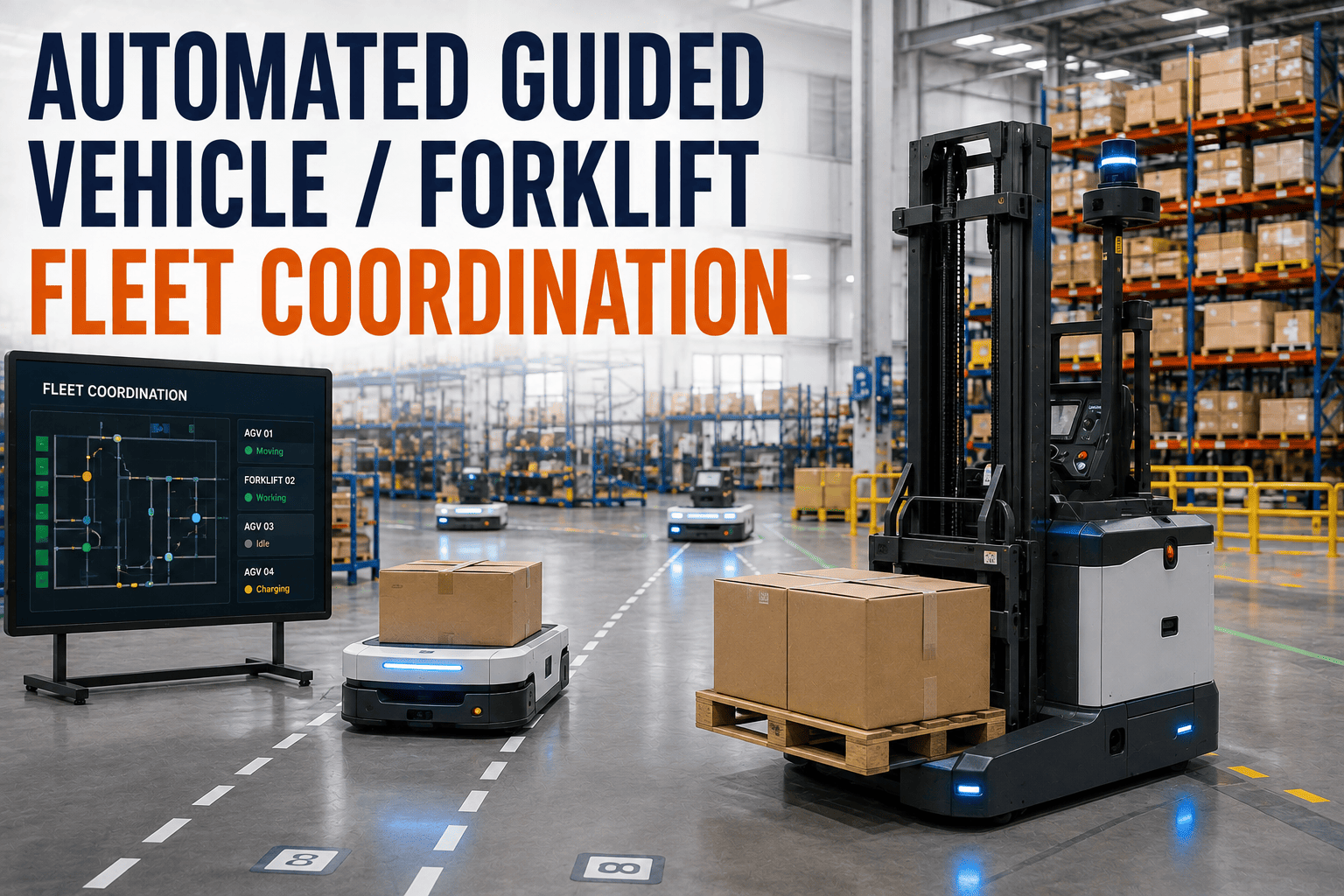
Plants adding AGVs and AMRs are solving a real problem. Automated vehicles move repetitive loads without fatigue, run predictable routes, and free up operators for higher-value work. But almost every plant that automates part of its material handling ends up running two fleets side by side, the automated one and the manned forklifts still handling everything the robots can't, and those two fleets rarely talk to each other.
That gap is where most of the friction lives. The automated fleet has a management system tracking every mission, battery cycle, and safety zone. The manned forklift fleet, sharing the same aisles and the same floor, often doesn't have anywhere near that level of visibility. This guide looks at where that coordination gap shows up and how FleetRabbit brings the manned side of the fleet up to the same standard as the automated side.
AGVs and AMRs run under dedicated fleet management systems that track missions, safety zones, and battery status in real time. Manned forklifts sharing the same floor space often operate with far less structure, no digital inspection records, no shared visibility, and no coordinated view of where equipment is and what condition it's in. Bringing the manned fleet into a comparable tracking system closes the visibility gap and reduces the shared-aisle incidents that come from mismatched information between automated and human-driven equipment.
Two Fleets, One Floor, One Visibility Gap
Automated and manned equipment don't operate in separate worlds, they share aisles, intersections, staging areas, and charging zones. The problem is that only one side of that shared space is usually being tracked with any rigor.
Where Coordination Breaks Down
Most AGV and AMR platforms meet strict safety standards on their own, including ISO 3691-4 and ANSI/ITSDF B56.5, with multi-layer sensor zones designed to detect people and obstacles. Those systems work well when the automated vehicle is the only unpredictable variable. The risk grows when a manned forklift, operating without the same level of tracked data, shares the same space.
Blind Intersections And Shared Aisles
An AGV can detect a forklift directly in its path, but coordination problems usually happen at intersections and blind corners where reaction time matters most. Without a shared understanding of where manned equipment tends to cluster, automated routing can't fully account for it.
Charging And Staging Zone Conflicts
AGVs and AMRs return to designated charging zones on their own schedule. If manned forklifts routinely use the same staging areas without coordination, congestion and near-miss incidents become more likely during shift changes and peak activity periods.
Inconsistent Data Between Systems
The automated fleet's management system knows exactly where every robot is. If the manned fleet has no equivalent tracking, plant managers are left trying to coordinate two operations using two completely different levels of information, one precise and one mostly guesswork.
Give Your Manned Fleet The Same Visibility As Your Robots
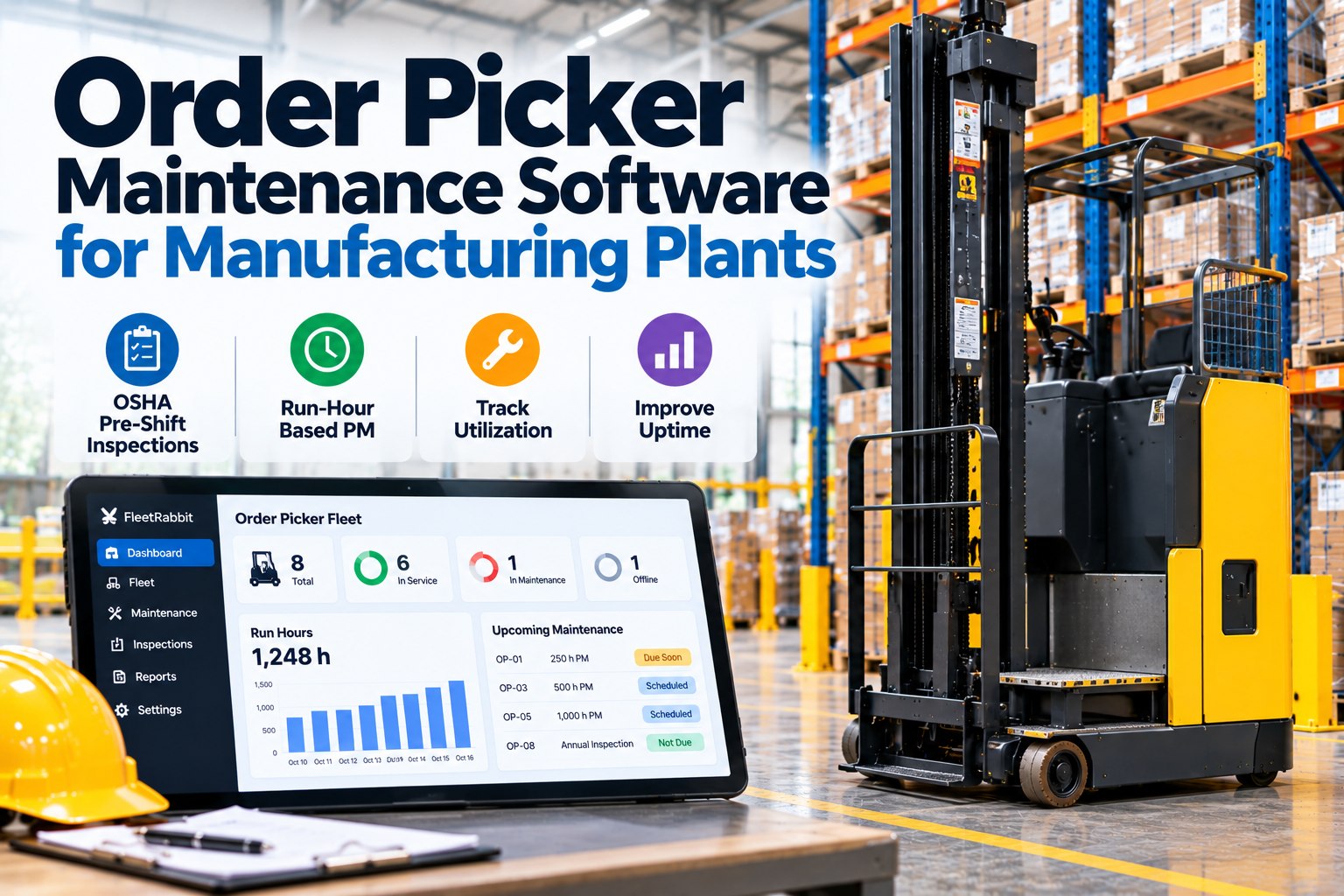
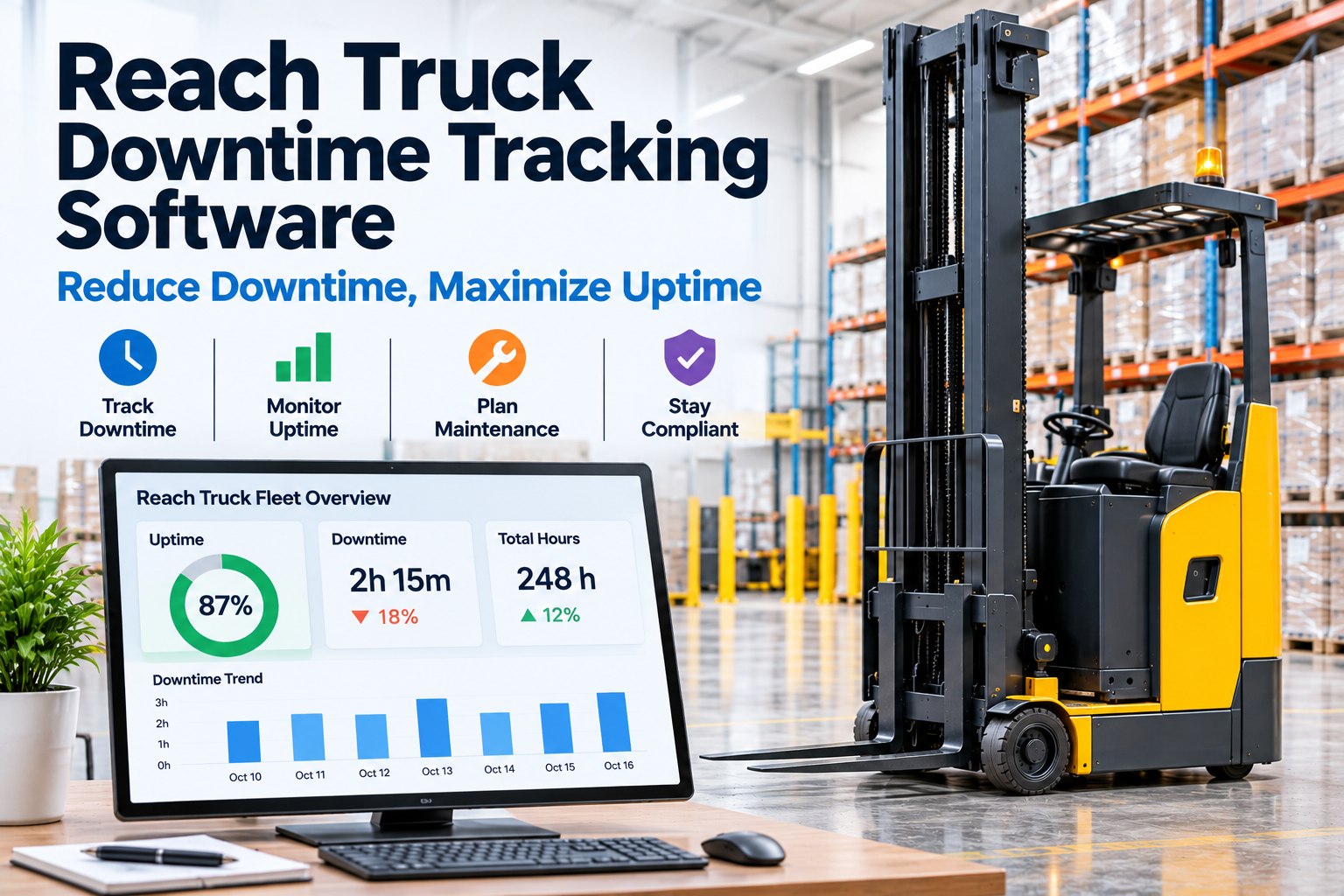
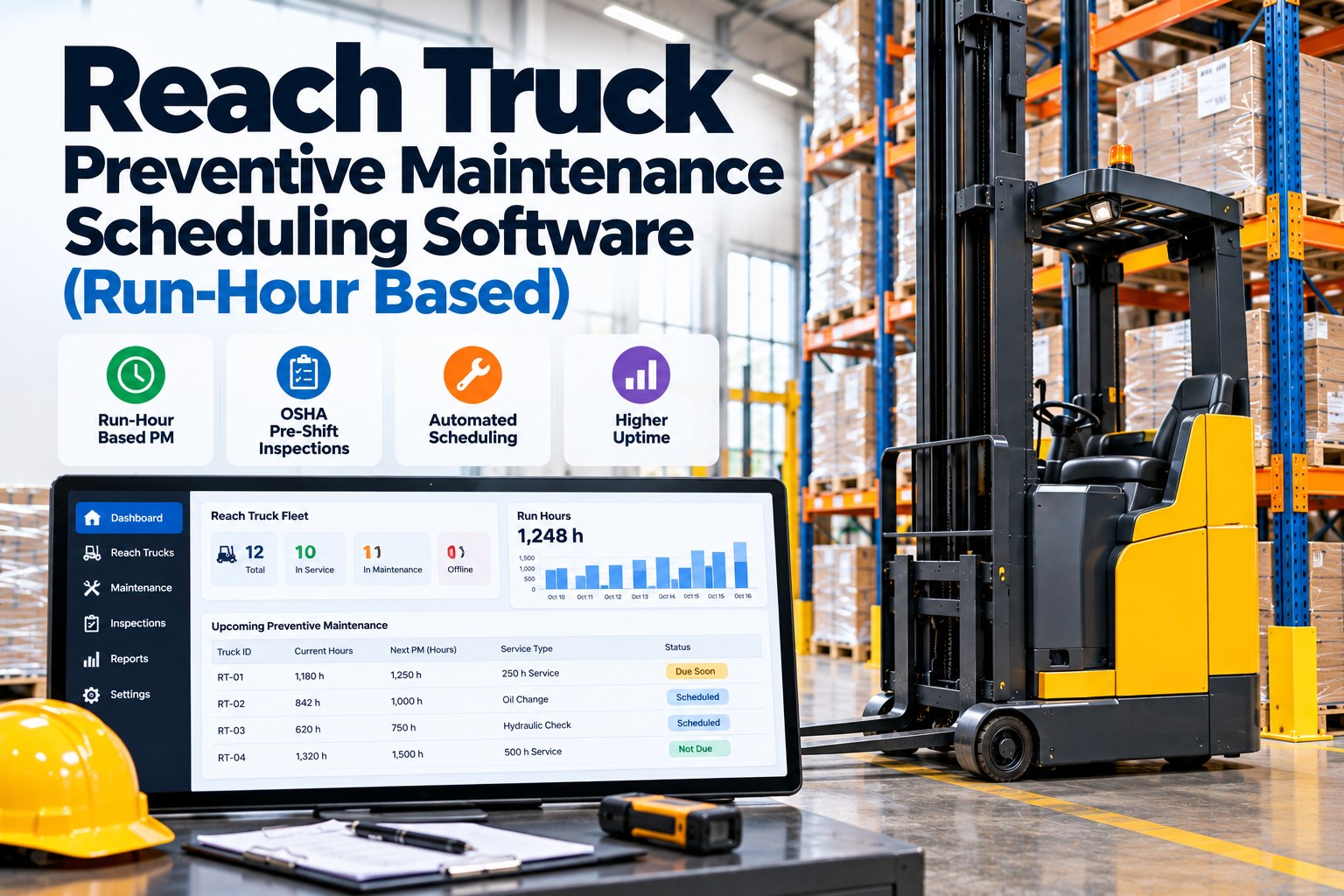
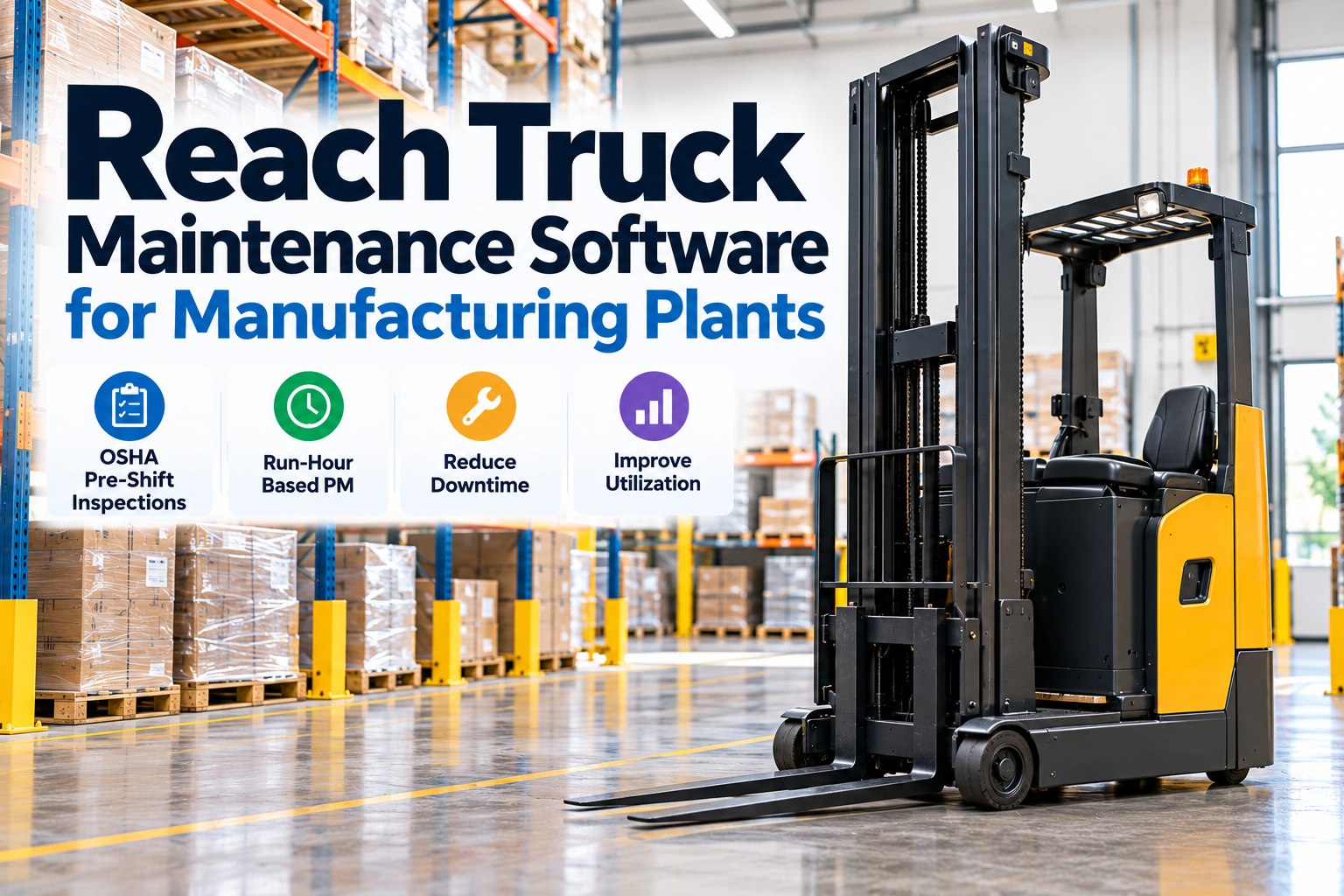
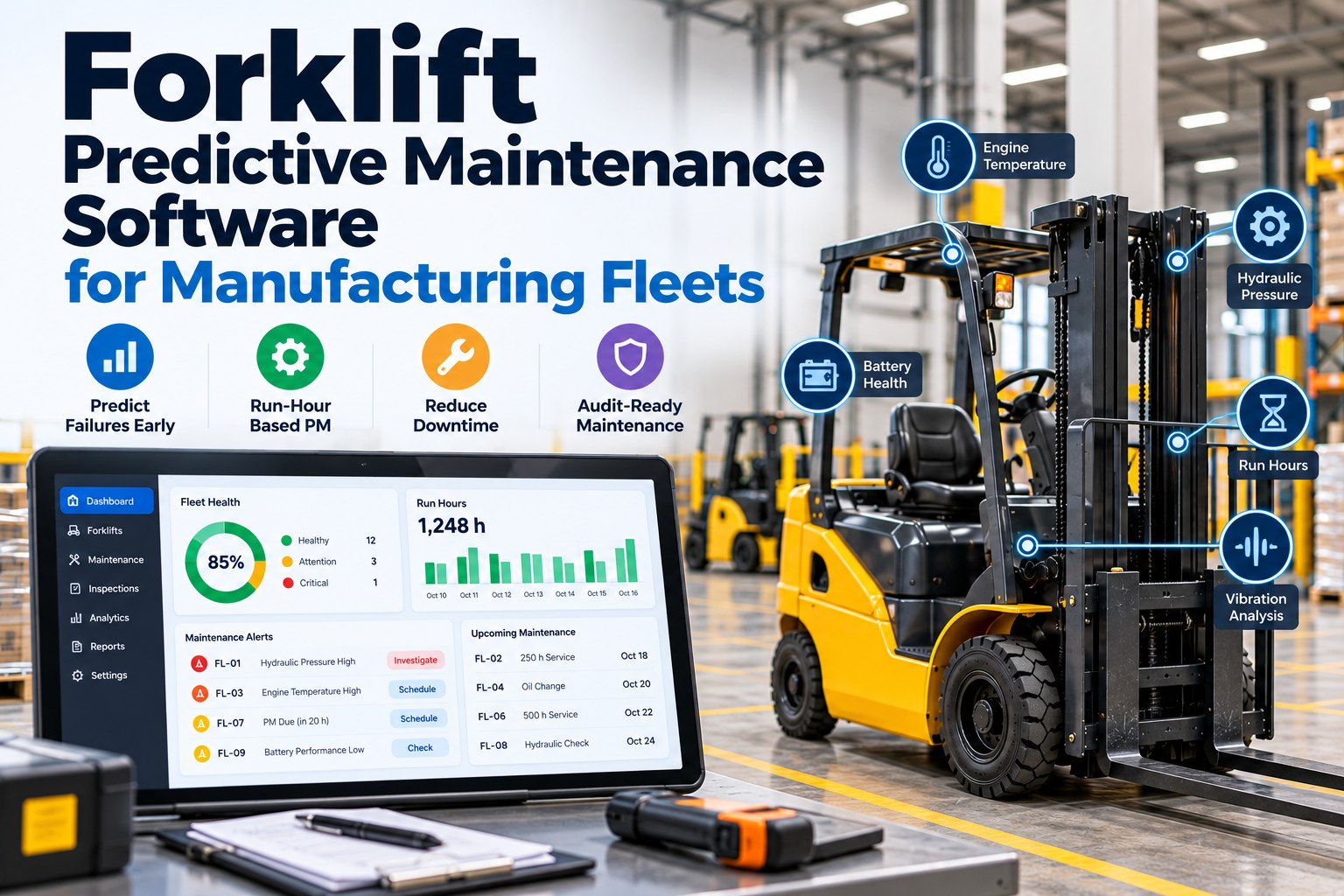
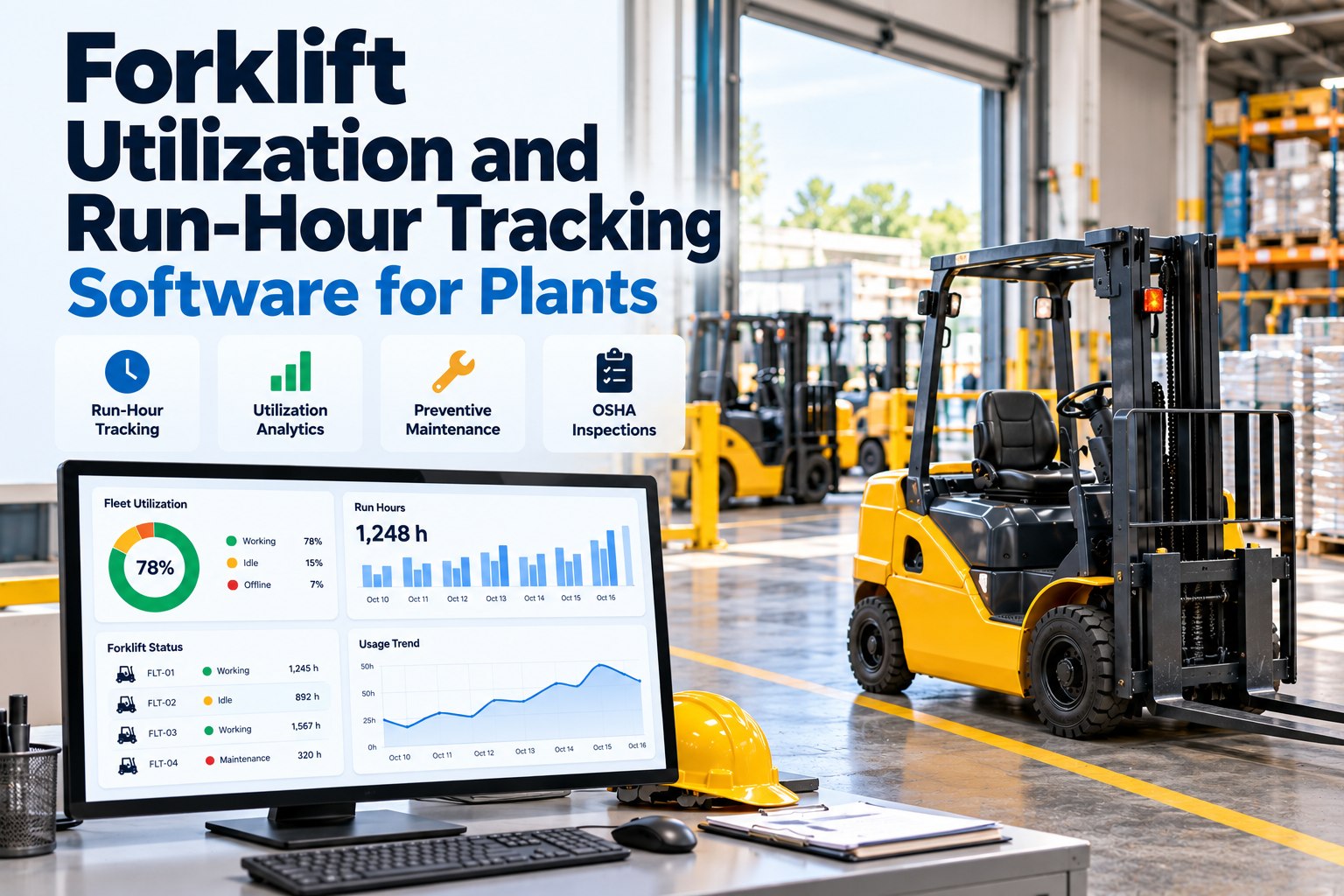
FleetRabbit tracks your forklifts, walkies, and manned equipment with digital inspections, maintenance records, and utilization data, closing the visibility gap between your automated and human-driven fleets.
Coordination Risk Points And What Reduces Them
| Risk Point | Why It Happens | What Reduces It |
|---|---|---|
| Shared aisle congestion | Manned and automated equipment routed through the same space without shared scheduling | Track manned equipment location patterns to inform automated routing decisions |
| Charging zone conflicts | No coordination between AGV charging cycles and forklift staging habits | Log manned fleet usage patterns near automated charging areas |
| Delayed incident response | Manned fleet issues, like a brake fault, go unreported until they cause a problem | Digital pre-use inspections catch issues before the unit re-enters shared space |
| Fragmented data view | Automated fleet software and manned fleet records live in separate systems | Centralize manned equipment data so it can be reviewed alongside automated fleet reports |
Bringing The Manned Fleet Up To Standard
Closing the coordination gap doesn't require replacing your automation platform or your forklifts. It requires giving the manned side of the operation the same discipline the automated side already has.
Standardize Digital Inspections For Every Forklift
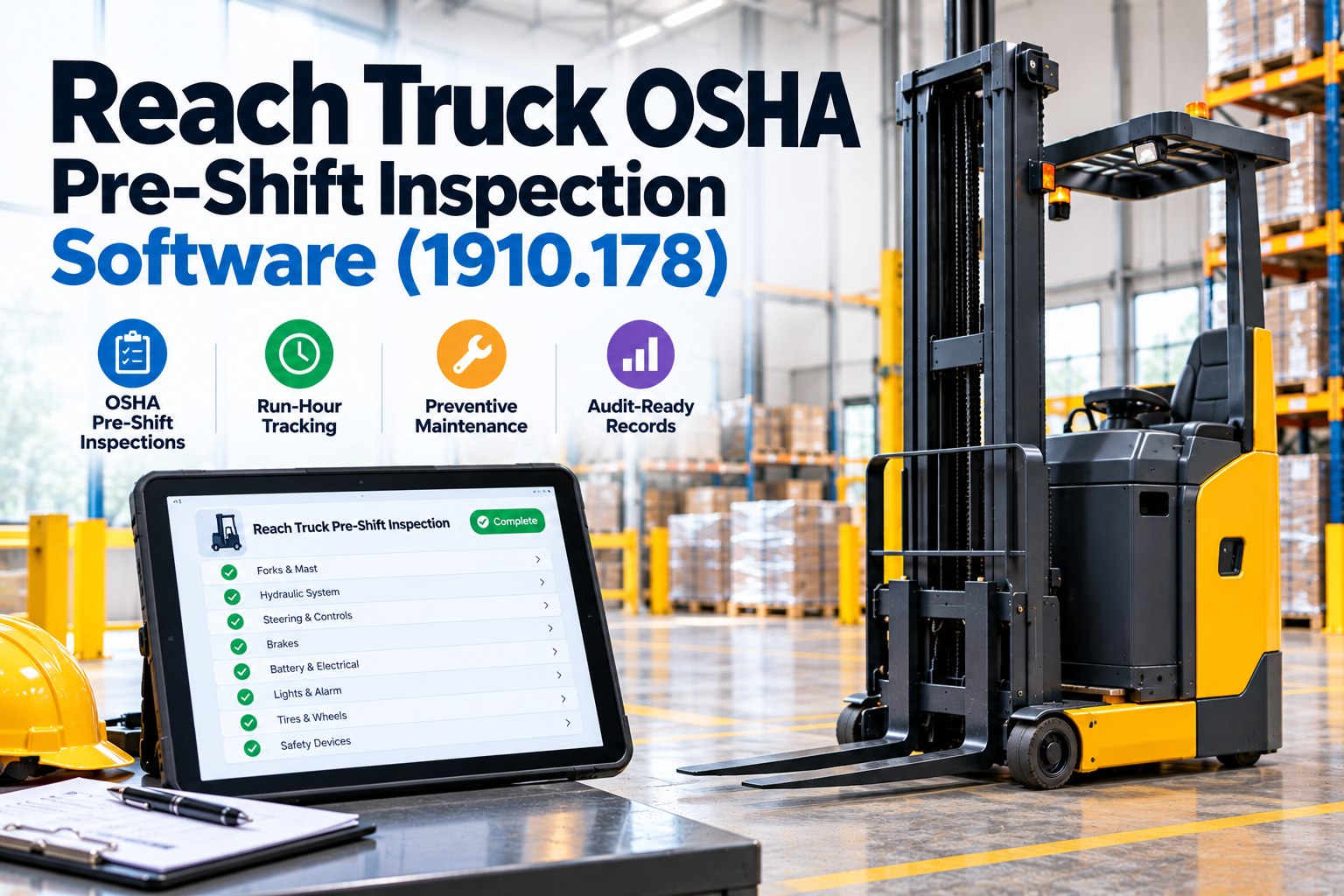
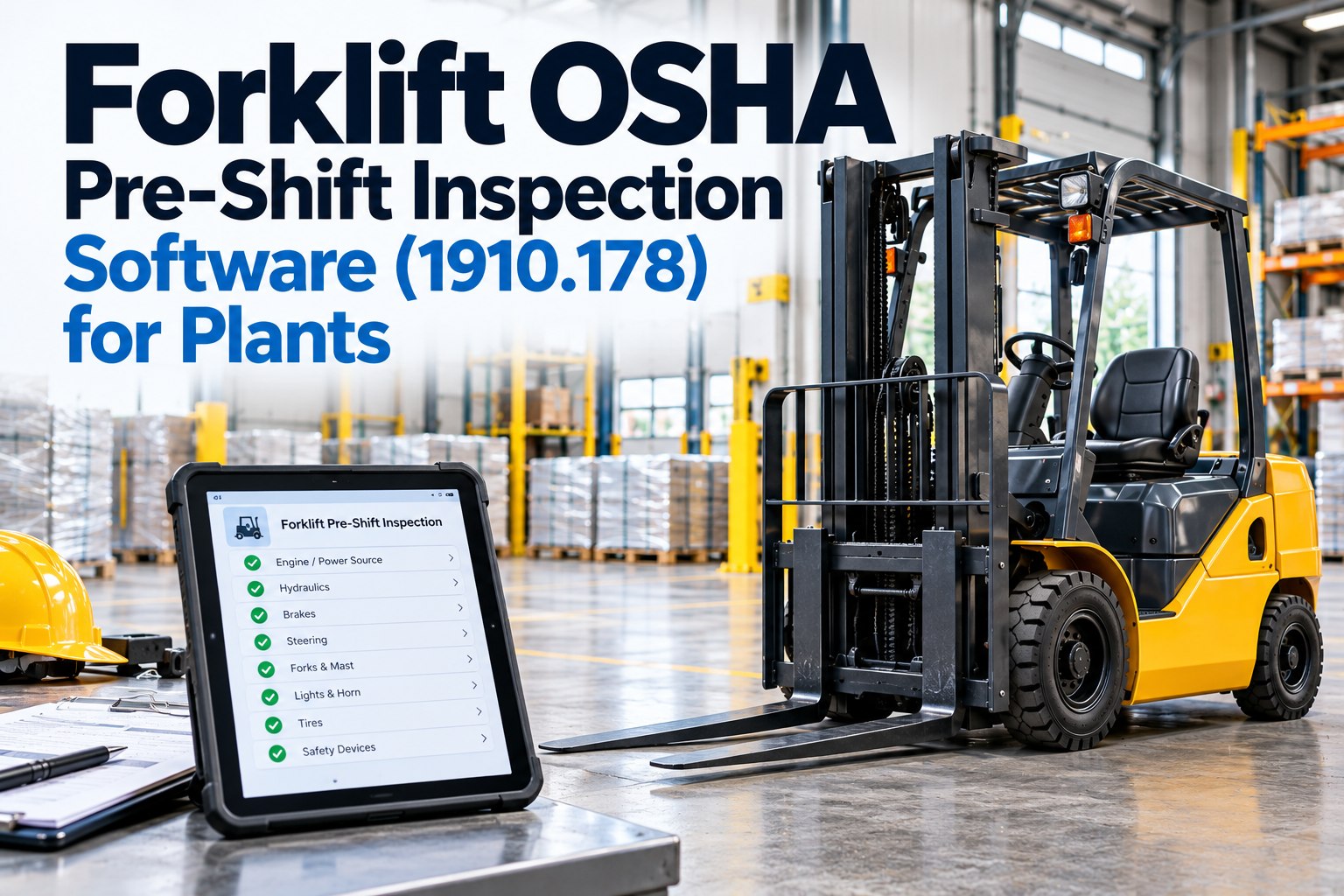
Daily pre-use checklists covering brakes, steering, and warning devices catch problems before a unit enters a shared aisle in questionable condition. Paper checklists that sit in a binder don't give anyone real-time visibility.
Track Location Patterns, Not Just Maintenance
Understanding where manned forklifts tend to operate and when helps identify the intersections and zones that carry the most coordination risk, so those areas can get extra attention in floor layout or automated routing.
Centralize Records So They're Reviewable Together
Even if the automated fleet's management platform and the manned fleet's tracking system are separate tools, both should be reviewable in a way that lets safety and operations teams see the full picture of floor activity.
This is precisely the visibility layer FleetRabbit provides for the manned side of your operation. While your AGV or AMR platform manages the automated fleet, FleetRabbit tracks every forklift, walkie, and manned unit with digital inspections, maintenance history, and utilization data, giving plant managers a complete picture instead of half of one. If your plant is scaling automation and starting to feel the coordination gap, it's worth seeing how this fits your floor, and you can book a demo to walk through it.
Don't Let Your Manned Fleet Be The Blind Spot
As automation expands across your floor, the manned equipment sharing that space needs the same level of tracking. FleetRabbit gives you that visibility without replacing your automation platform.
Frequently Asked Questions
Automation Moves Fast. Your Manned Fleet Visibility Should Keep Up.
FleetRabbit brings digital inspections, maintenance tracking, and utilization visibility to the manned forklifts and walkies working alongside your AGVs and AMRs, closing the gap between your two fleets.