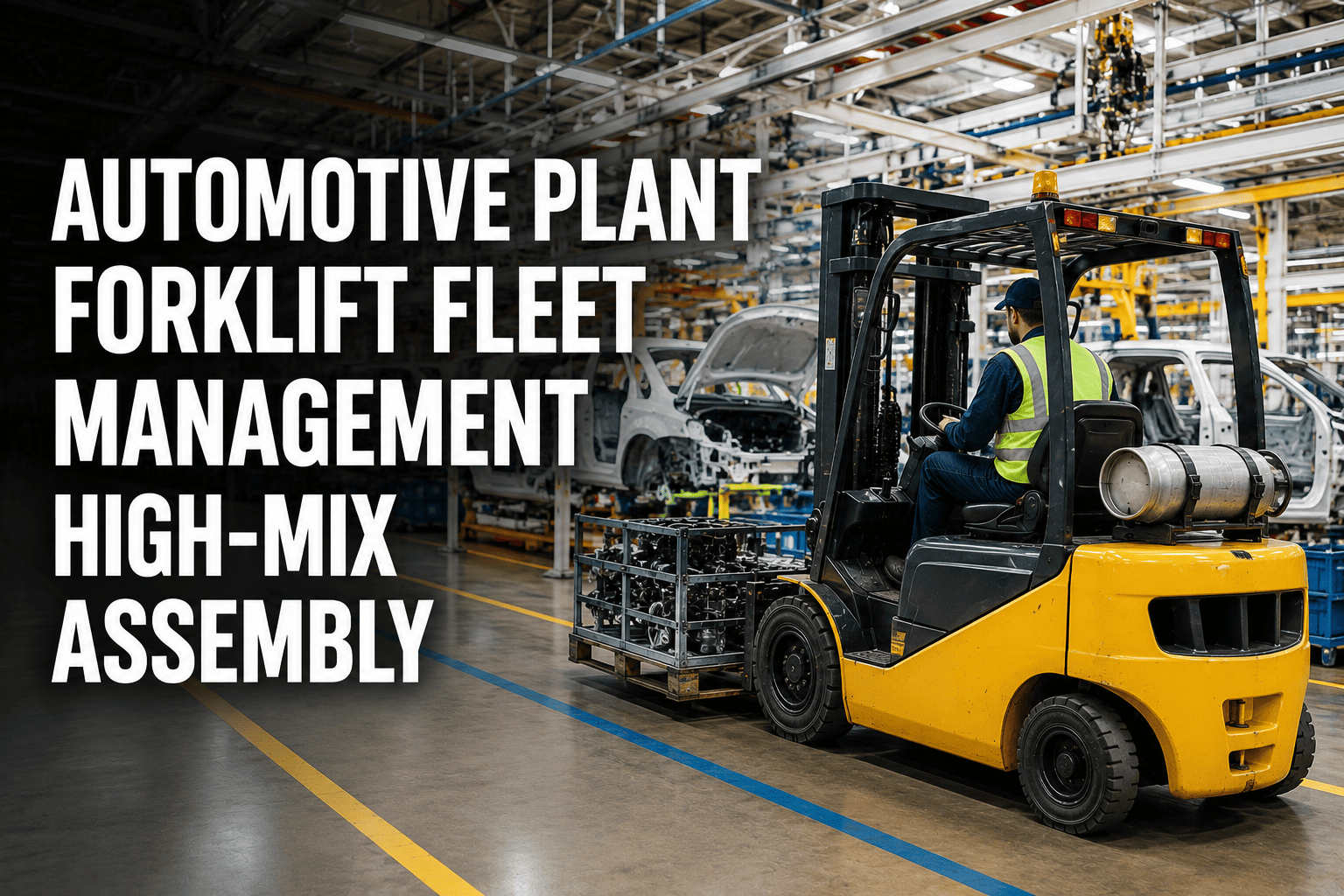
High-mix automotive assembly plants don't run on a single, predictable rhythm. One hour the line is building a two-row SUV, the next it's sequencing a hybrid trim with a completely different battery tray and wiring harness. Every part swap depends on a forklift, tugger, or reach truck showing up at the exact station, at the exact second, with the exact part in the exact sequence. When that lift truck is late, damaged, or sitting in the shop, the disruption doesn't stay contained to material handling. It reaches straight into the takt time that keeps the whole line moving.
Automotive assembly lines run on takt times as tight as 45 to 90 seconds per station, and a single forklift or tugger delay of just a few minutes can starve multiple downstream stations of parts. High-mix plants running dozens of trims through the same line see 20 to 35 percent more material handling trips than single-model plants, which means fleet reliability matters even more. Plants that sync forklift fleet management with production sequencing cut line-side part shortages by roughly a third.
Why High-Mix Assembly Pushes Forklift Fleets to the Limit
A single-model plant can plan material handling around one repeatable pattern. A high-mix plant cannot. Every trim, powertrain option, and market variant changes what needs to arrive line-side and when, which multiplies the number of pick locations, kitting steps, and tugger runs a fleet has to execute correctly, shift after shift.
What Happens When a Lift Truck Fails Mid-Sequence
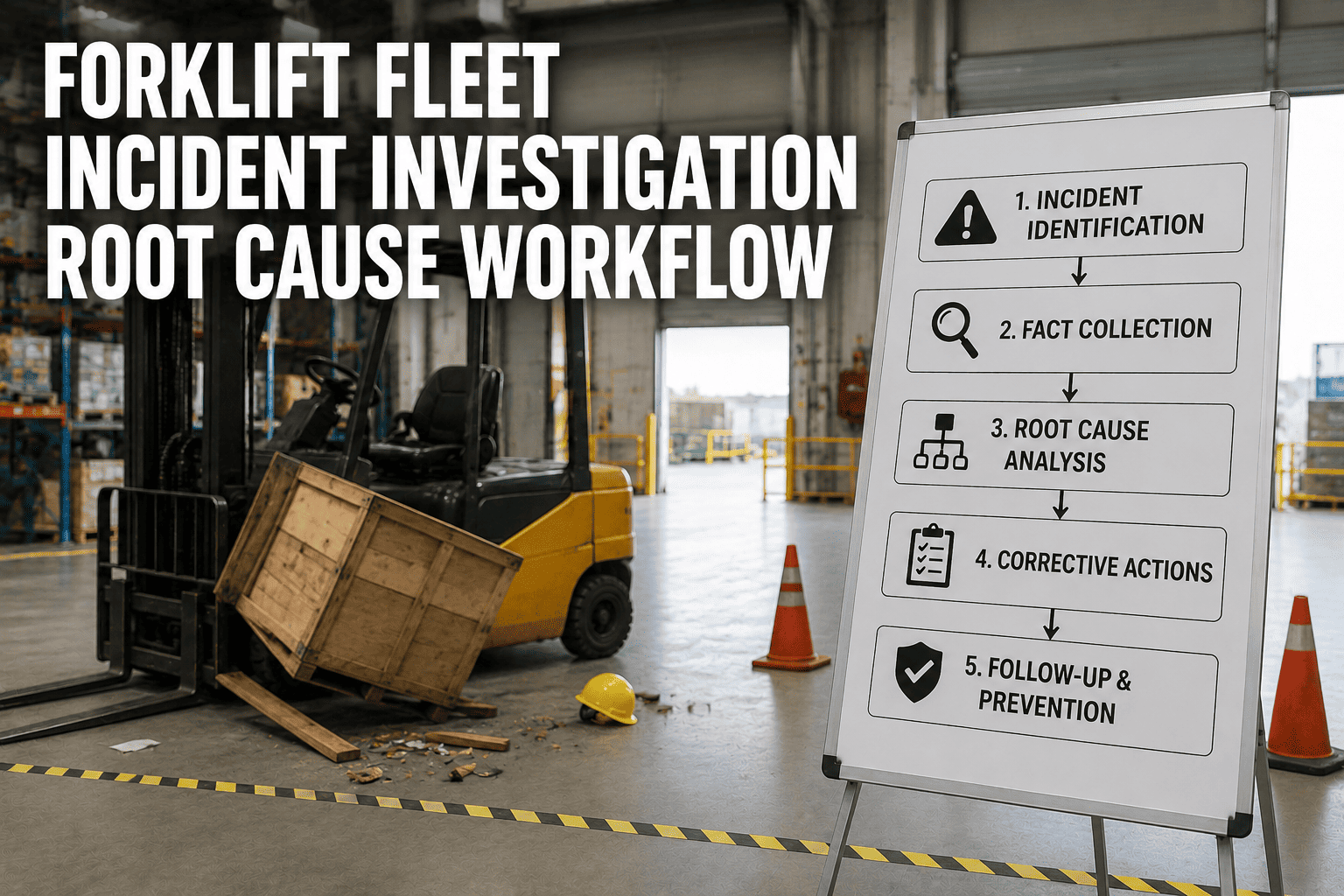
In most industries, a forklift breakdown means a delayed pallet. On an automotive assembly line, it means a station running without the part it needs, which can trigger a full line stop within minutes. The cost isn't just the repair bill, it's every station downstream that goes idle while the line waits.
The Cascade Effect
A single missed tugger run can force supervisors to send a runner on foot, pull a part from a neighboring line, or stop the station entirely. Each of those workarounds costs more than the delivery itself would have, and repeated shortages erode trust in the material handling plan across the whole shift.
Why Emergency Fixes Cost More on the Floor
A forklift that fails during a shift forces maintenance teams to divert technicians from planned work, source parts on rush pricing, and repair the unit under time pressure. The same repair done during a planned maintenance window, scheduled around a shift change or model changeover, typically takes a fraction of the labor hours and none of the premium.
FleetRabbit gives automotive plants real-time visibility into every forklift, tugger, and reach truck, with predictive alerts that flag hydraulic, battery, and brake issues before they cause a line-side shortage. Start your free trial or book a demo to see it mapped to your own line.
Matching Your Forklift Fleet to Takt Time
Fleet management in a high-mix plant is really schedule management. The fleet has to move at the same rhythm as production, not a fixed rhythm of its own, which means every part of the operation, from tugger routes to maintenance windows, needs to be built around the line's actual sequence.
Line-Side Delivery and Tugger Trains
Tugger trains that run fixed routes work well for stable models, but high-mix lines need routes that adjust as the sequence changes. Tracking which routes run late most often, and why, lets supervisors rebalance loads before a shortage happens instead of reacting after a station stalls.
Practical Adjustment
Reviewing route timing against the actual build sequence weekly, rather than relying on a route plan set once at line launch, keeps delivery windows aligned as the model mix shifts.
Kitting Accuracy and Sequencing
Every kitting error that reaches the line either gets caught by an operator, costing seconds, or missed, costing a station stop. Fleet data showing which pick zones generate the most correction trips points directly at where kitting processes need tightening.
Practical Adjustment
Cross-referencing forklift trip logs against defect and shortage reports usually reveals two or three pick zones responsible for most of the rework, making them the highest-value place to start.
Predictive Maintenance Around Shift Changes
Automotive plants rarely get long maintenance windows. Predictive maintenance that flags a developing issue days in advance lets teams schedule the repair during a shift change or planned changeover instead of pulling a unit mid-shift.
Practical Adjustment
Prioritizing predictive alerts for units running the busiest tugger routes protects the sequences most likely to cause a line stop if they go down.
| Fleet Approach | Reactive Fleet Management | Production-Synced Fleet Management |
|---|---|---|
| Maintenance Timing | Repairs happen after a breakdown, often mid-shift | Repairs scheduled around shift changes and changeovers |
| Route Planning | Fixed routes set at line launch, rarely revisited | Routes reviewed against actual build sequence weekly |
| Shortage Response | Runners sent on foot after a station reports a miss | Delivery gaps flagged before the station runs short |
| Fleet Visibility | Supervisors learn about issues from the floor | Real-time dashboard across forklifts, tuggers, and reach trucks |
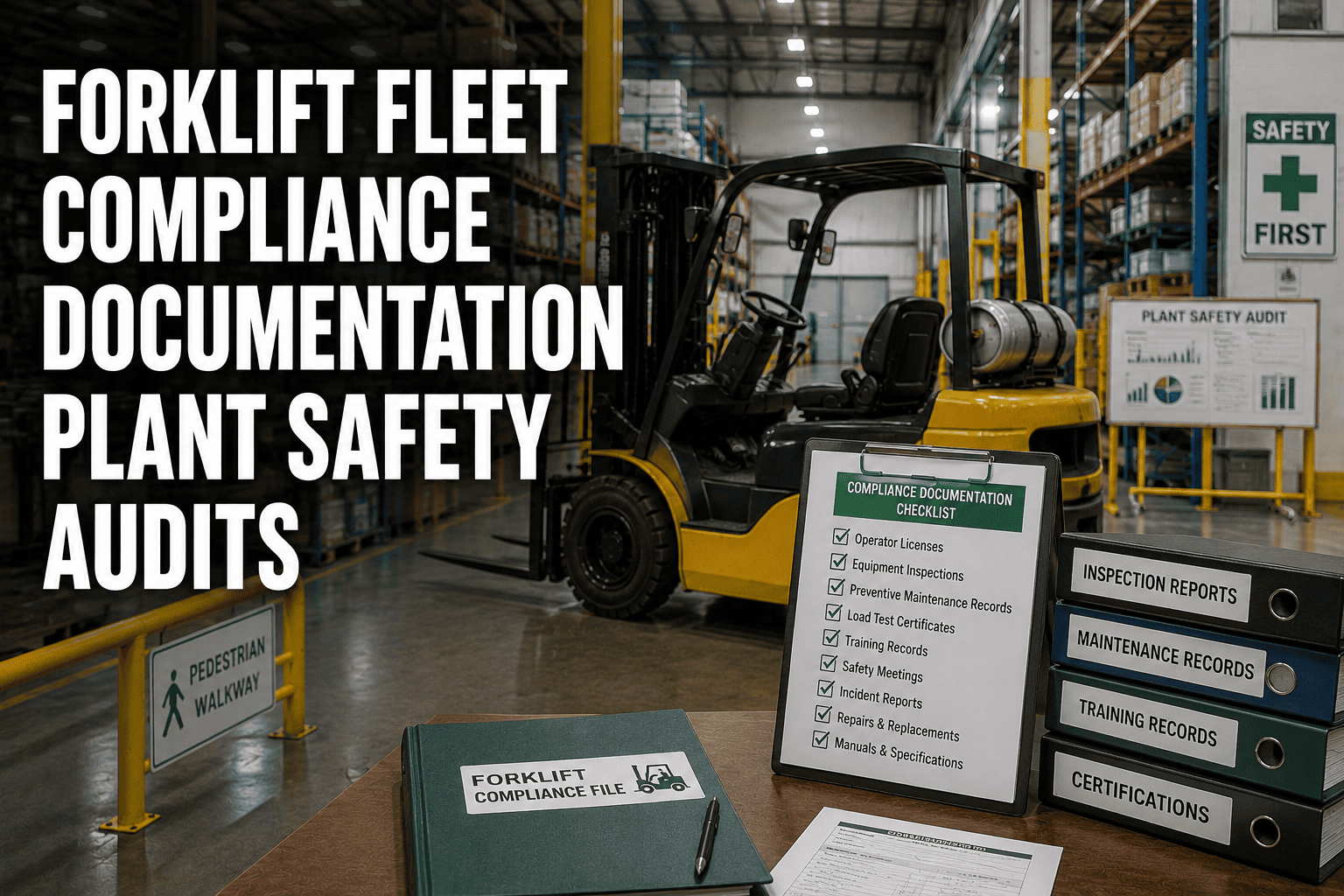
| Audit Readiness | Paper inspection logs, hard to trace under pressure | Digital, photo-verified maintenance history on demand |
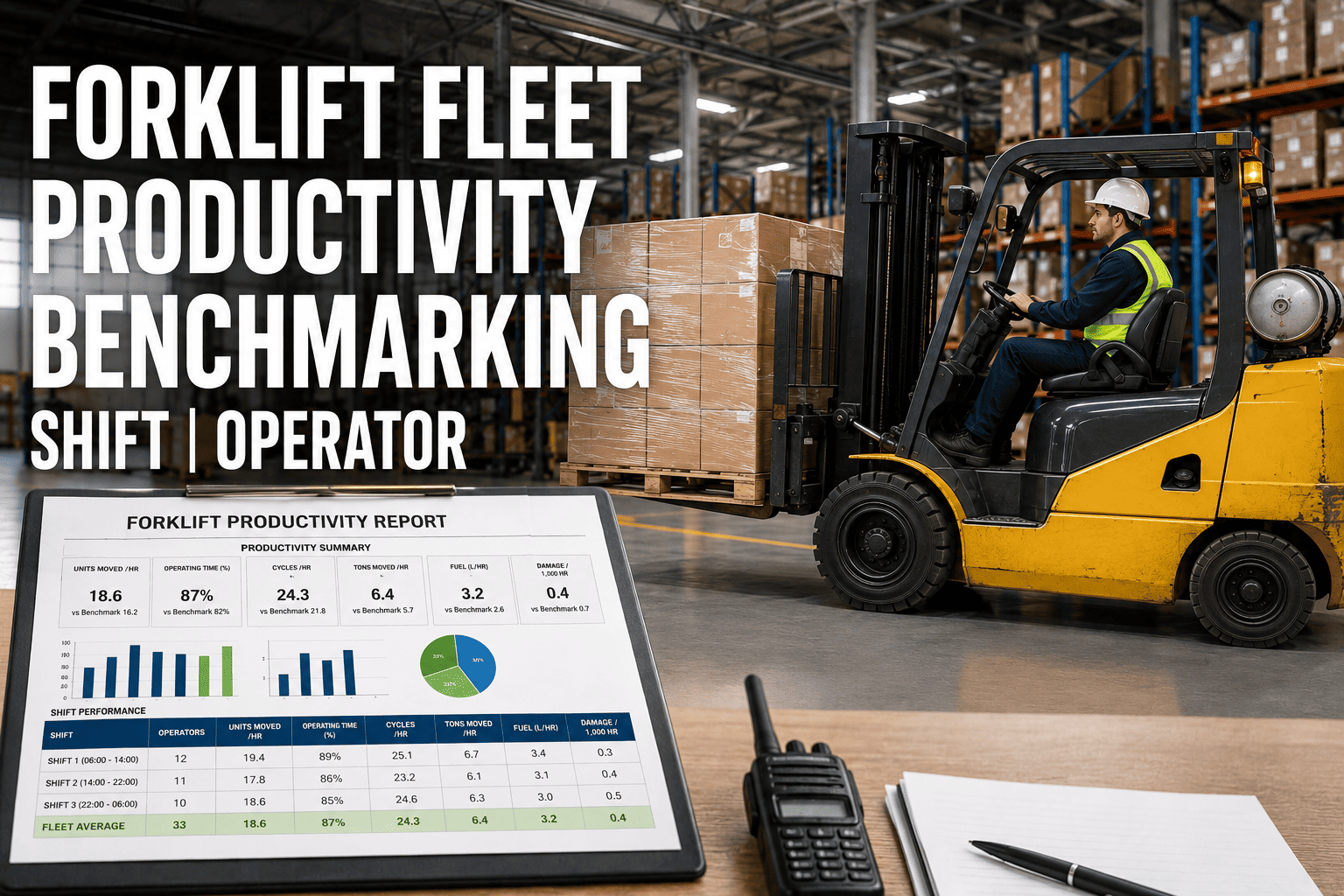
Benchmarks Worth Tracking on a High-Mix Line
A handful of metrics tell you whether your fleet is keeping pace with the line or quietly falling behind it.
Frequently Asked Questions
A high-mix line only runs as smoothly as the fleet feeding it. FleetRabbit brings real-time visibility, predictive maintenance, and route-level insight to automotive material handling, so parts arrive on time and stations never wait. Start your free trial with no credit card required, or book a demo to see it mapped to your plant.