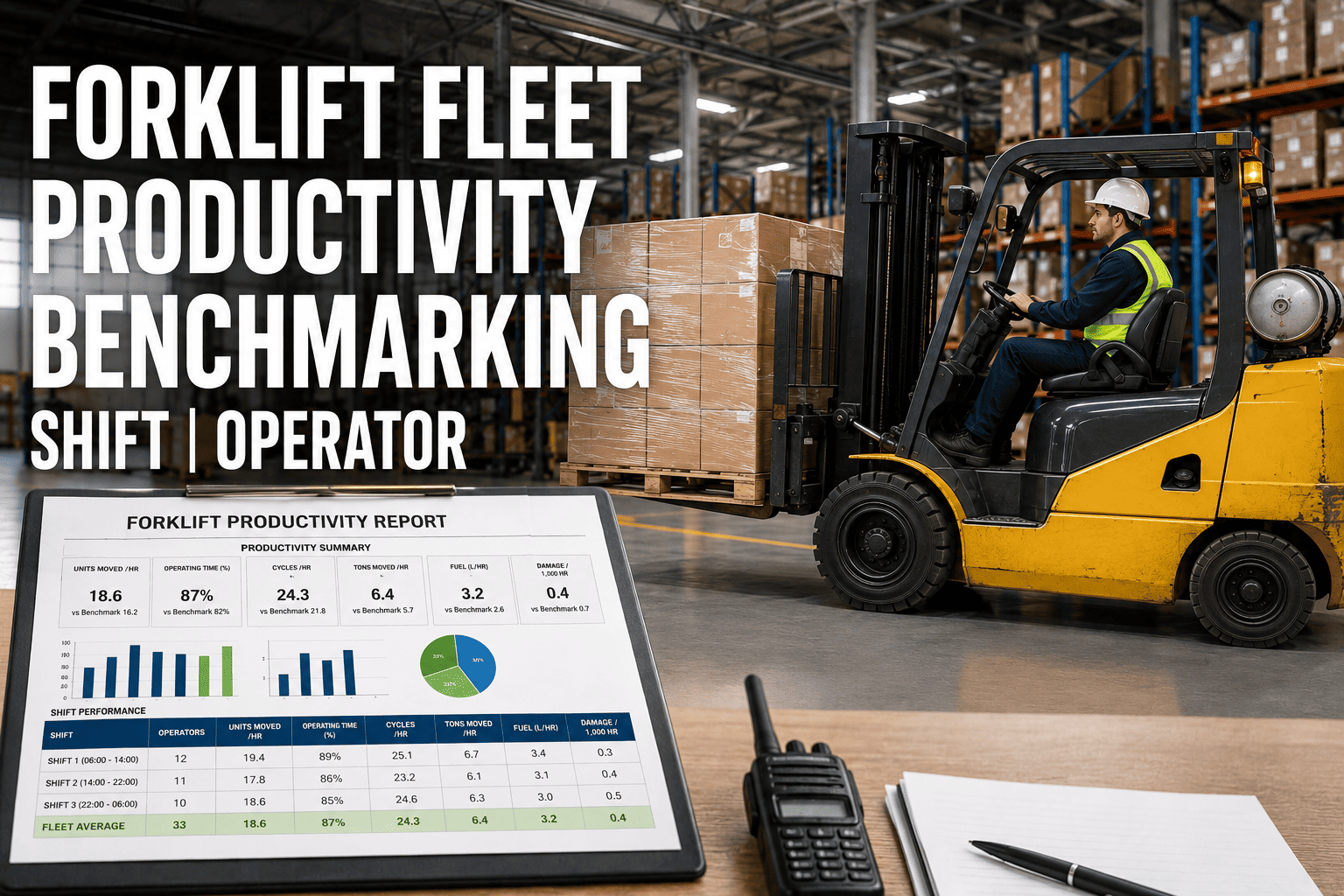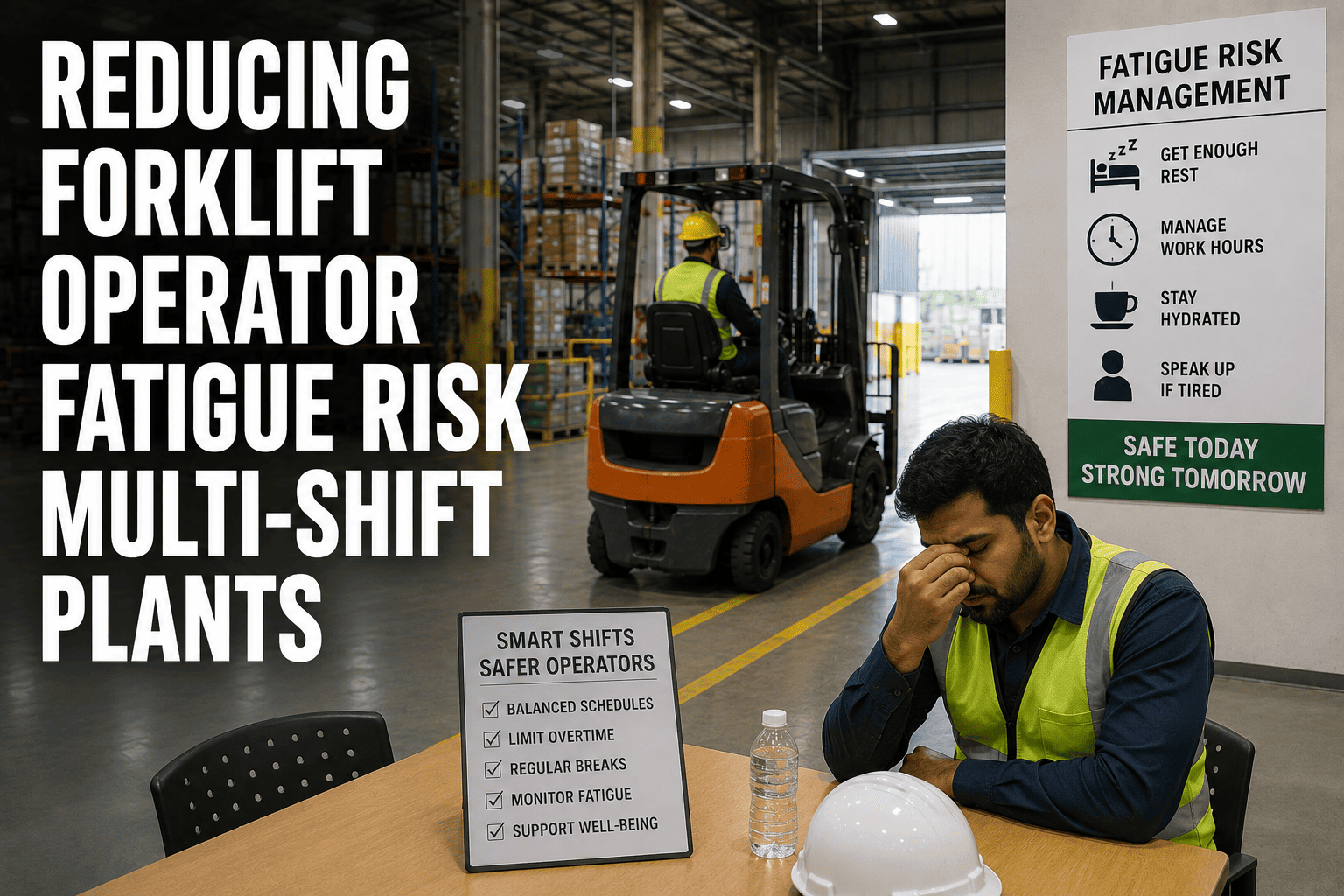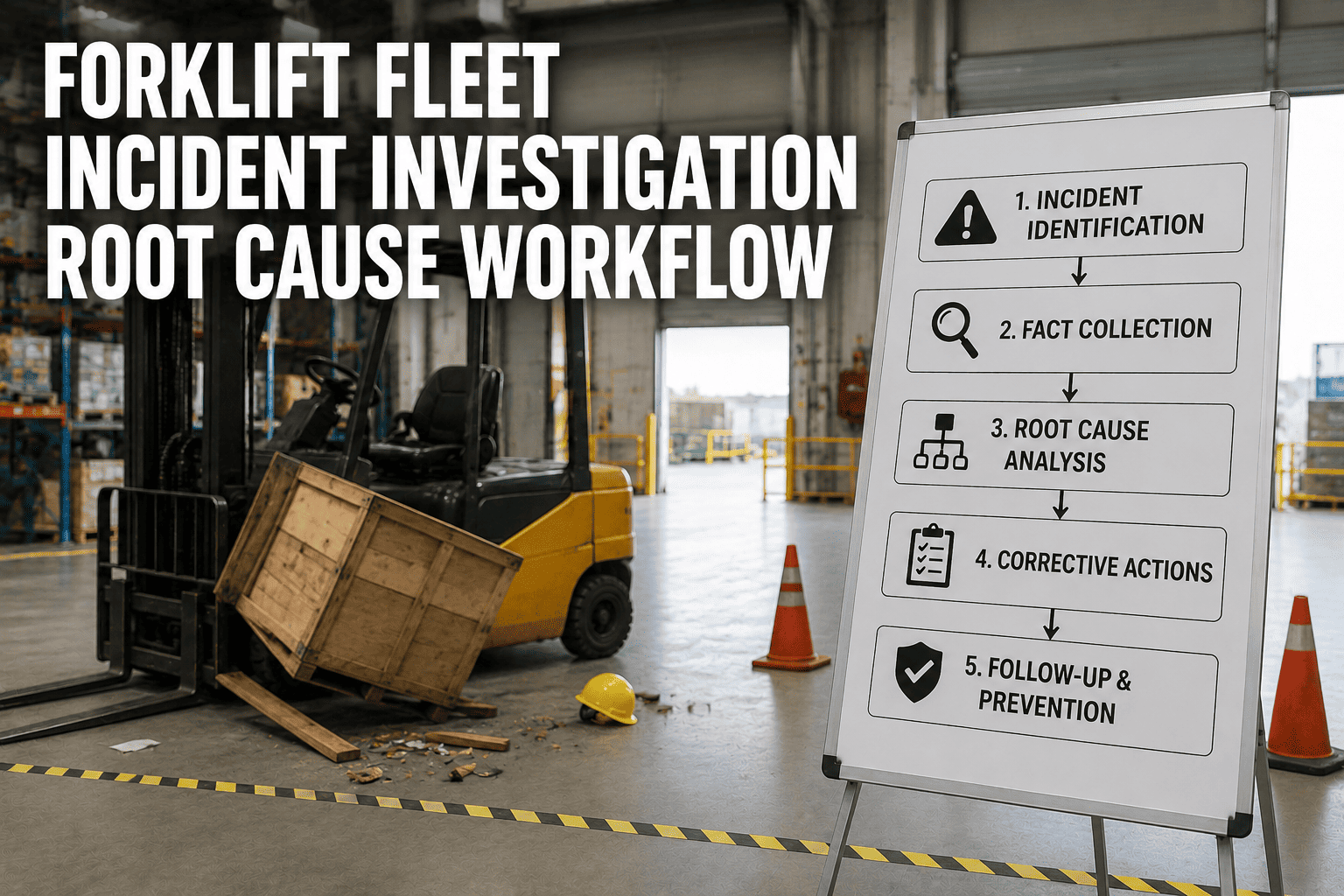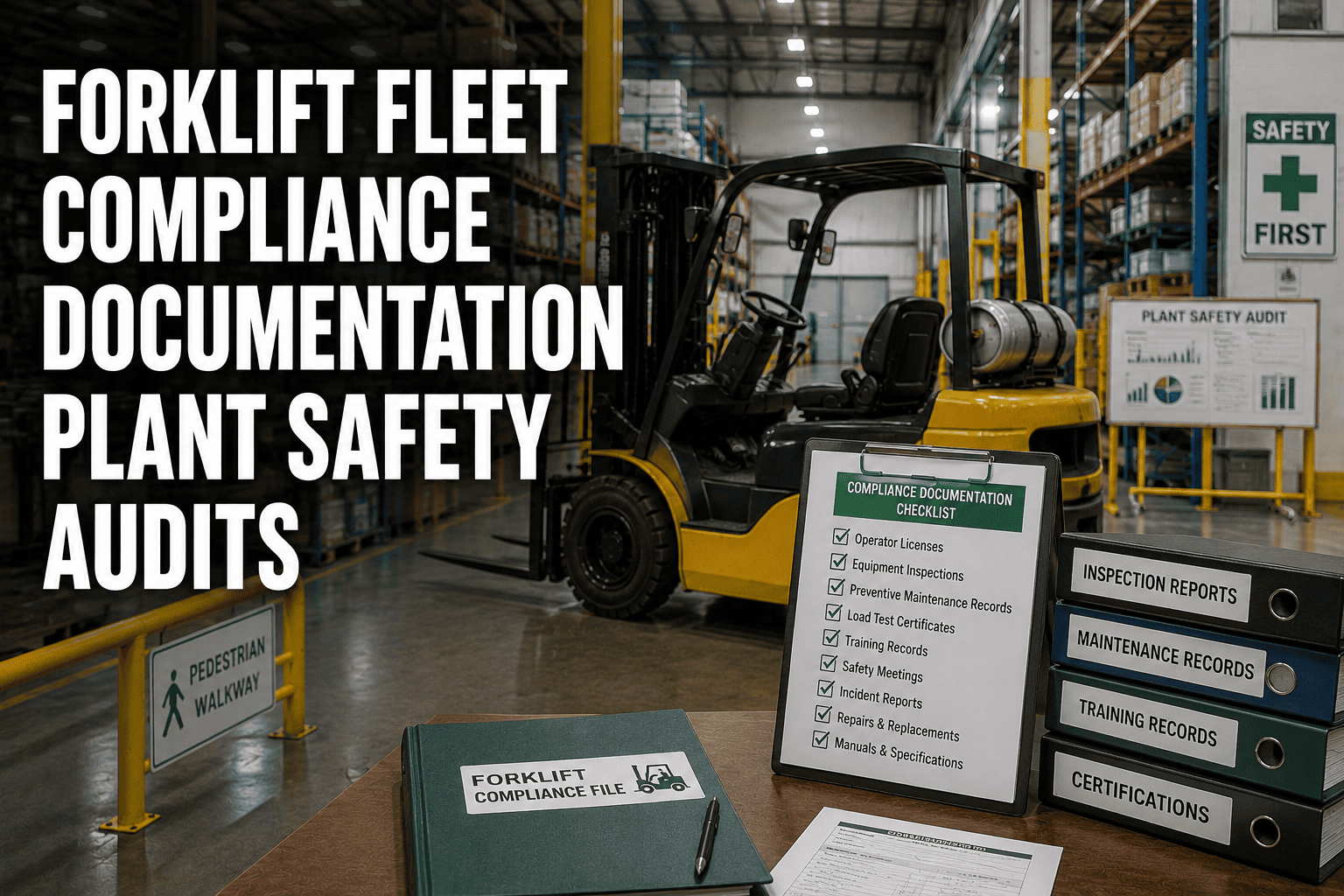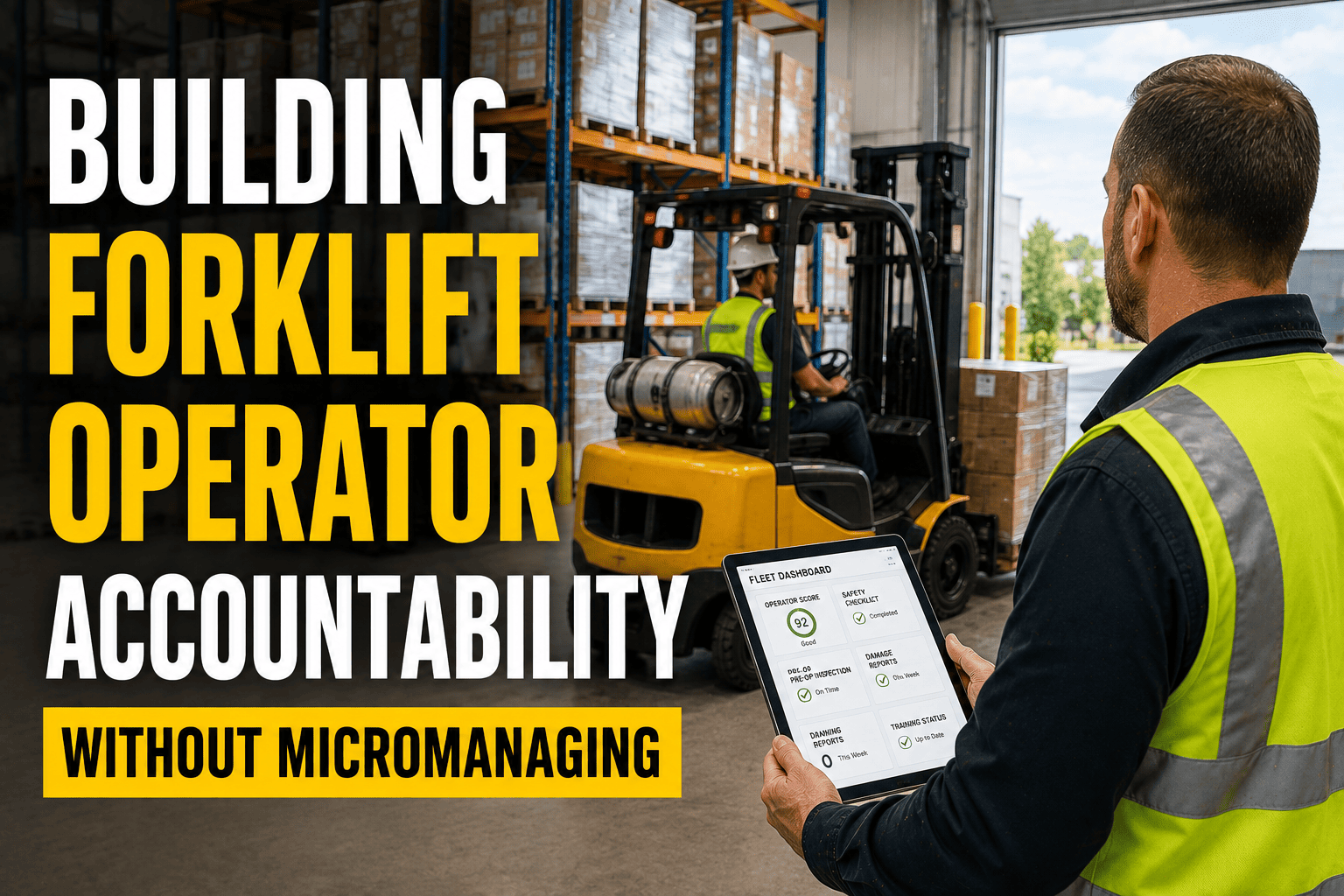
The moment a plant installs forklift monitoring, a predictable thing happens: operators go quiet, work around the system, or start assuming every flagged event is about to get them written up. That reaction isn't about the technology itself. It's about what the data is used for. Operators don't resent being tracked nearly as much as they resent being tracked without explanation, judged without context, or punished for a number they never saw coming.
Accountability and micromanagement look similar from a distance — both involve watching what operators do. The difference is what happens next. One builds a team that corrects itself. The other builds a team that hides mistakes. Here's how to build the first kind on your plant floor.
Constant Oversight, No Context
- Data is collected but never shown to the operator
- Every flagged event feels like a write-up waiting to happen
- Rules and thresholds live in a manager's head, not a shared policy
- Operators learn to avoid the system instead of using it
Shared Visibility, Clear Rules
- Operators see their own scorecard the same day supervisors do
- Data explains what happened before anyone assigns blame
- Metrics and consequences are written down and known in advance
- Operators use the record to correct course on their own
Why Operators Push Back on Monitoring, and When They Don't
Most resistance to forklift monitoring has nothing to do with privacy in the abstract. It comes from a specific, reasonable fear: that data collected about them will be used against them without their input. Understanding that fear is the first step to designing a system operators actually trust.
The "Big Brother" Problem
When monitoring shows up with no explanation of what's being tracked or why, operators reasonably assume the worst. Industry research on frontline monitoring programs consistently points to the same root cause of resistance: technology introduced as pure surveillance triggers silent pushback, where workers find ways around the system rather than engaging with it honestly. The fix isn't less data. It's a written, shared policy explaining exactly what's tracked, why, and how it affects anyone's day.
What Changes When Data Protects Instead of Polices
The same impact sensor that flags a hard contact against a rack can also prove an operator wasn't at fault when a pedestrian steps into a blind aisle. Once operators see fleet data clear them of something they didn't do, the relationship with the system shifts from suspicion to something closer to a shield. That single experience does more to build buy-in than any policy memo. If you'd like to see how a transparent, operator-facing dashboard looks in practice, you can book a demo and walk through it with a FleetRabbit specialist.
FleetRabbit gives operators visibility into their own performance alongside supervisors, so accountability feels like a shared standard instead of a one-way review.
Four Ways to Build Accountability Operators Actually Buy Into
None of these require new hardware or a policy rewrite. They require changing who gets to see the data, and when.
Give operators their own scorecard, not just a manager's report
When an operator can check their own inspection completion, impact events, and run-hours whenever they want, the data stops feeling like something being done to them and starts feeling like something they own.
Write the rules down before you turn the system on
A short, shared policy stating exactly what's tracked and how it factors into coaching or reviews removes the ambiguity that turns monitoring into a rumor mill.
Coach privately, recognize publicly
Flagging a mistake in front of a crew breeds resentment fast. Praising a strong safety record or a clean inspection streak in front of the same crew builds the kind of competition operators actually enjoy.
Use the data to exonerate, not just to flag
Make it a standard practice to pull the record any time an operator is blamed for something, not only when they're suspected of it. Once a team sees data clear someone once, trust in the system compounds.
What Transparent Accountability Actually Changes
Warehouse and plant floor turnover already runs close to 36 percent industry-wide, and losing a trained, certified forklift operator costs far more than the hiring line item suggests. Programs built around shared, transparent performance data consistently move that number in the right direction.
What This Looks Like in Practice
A plant running a mixed shift of experienced and newer forklift operators rolled out shared scorecards showing inspection streaks, impact events, and utilization, visible to operators and supervisors alike. Within a quarter, near-miss self-reporting went up, not down, because operators trusted that raising an issue early looked better on their own record than having it discovered later. That shift, from hiding problems to reporting them, is the clearest sign that accountability has replaced surveillance.
None of this requires guessing at what operators want. It requires showing them the same data supervisors see, at the same time, with the same context. Facilities ready to build that kind of transparency into their fleet can sign up and set up operator-facing scorecards in an afternoon.
Frequently Asked Questions
FleetRabbit turns forklift data into shared visibility, not one-sided surveillance, so operators buy into accountability instead of pushing back against it.