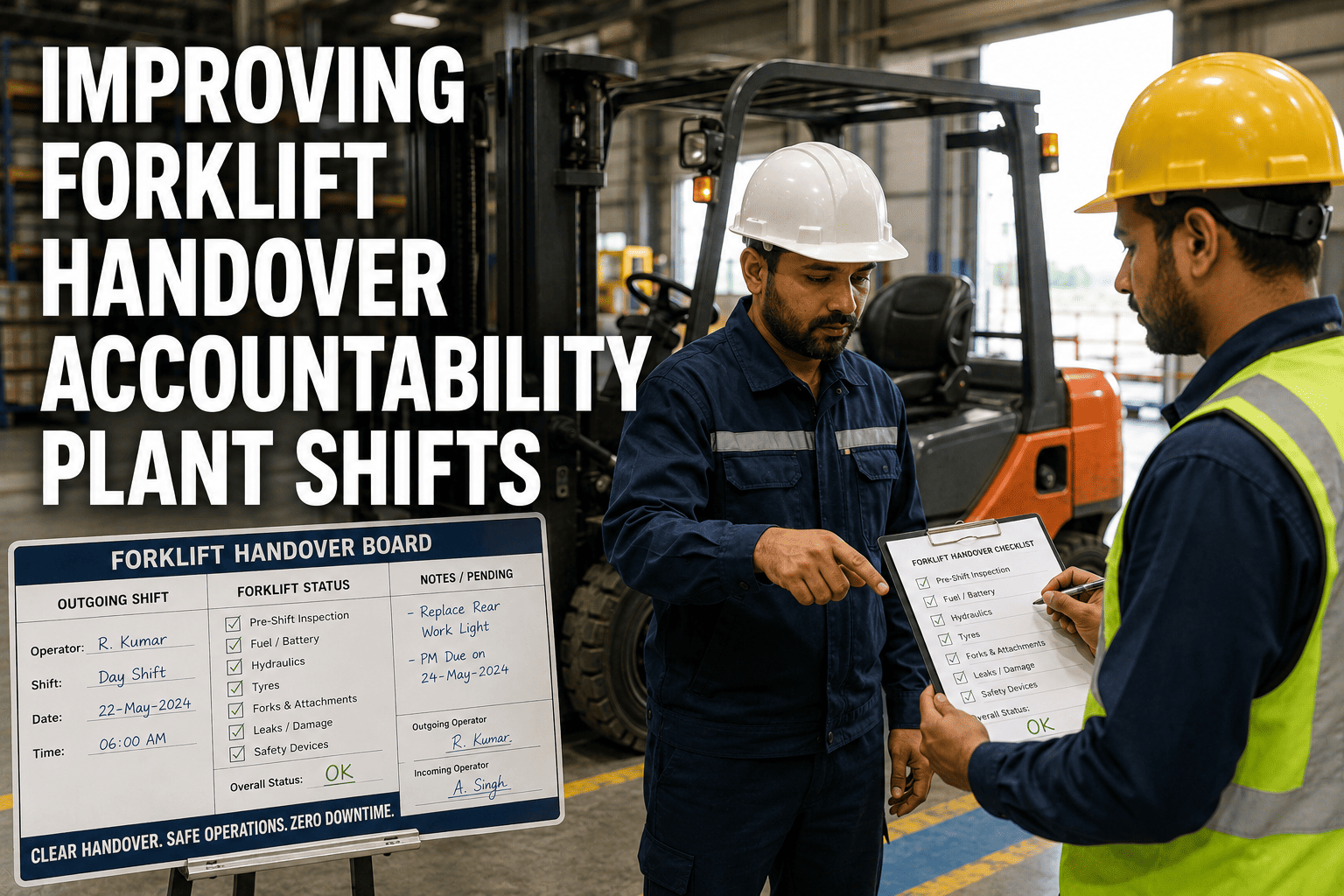
In a manufacturing plant, the shift change is a critical moment for equipment accountability. When operators simply hand over keys without documenting the truck's condition, incoming operators inherit hidden damage and mechanical issues. Improving forklift handover accountability between plant shifts is essential for safety and maintenance. FleetRabbit captures truck status at every handover so the next plant operator starts informed and accountable. You can sign up for FleetRabbit to modernize your plant, or book a demo to see our platform.
Over 50 percent of forklift damage goes unreported during plant shift changes. When operators hand over keys without a digital status check, incoming shifts inherit broken trucks. Implementing digital check-in and check-out processes reduces unaccounted damage by 80 percent, ensuring every operator is accountable for the equipment they use.
The True Cost of Unaccountable Handovers
The true cost of unaccountable forklift handovers extends far beyond the immediate repair bill. When a manufacturing plant operates on a "he said, she said" shift change model, the financial damage ripples across the entire operation. The immediate loss of the truck is obvious, but secondary costs often exceed the primary impact. Unreported damage means the truck continues to run with a bent fork or a leaking hydraulic line, accelerating wear on other components. Furthermore, safety hazards are passed from shift to shift, exposing the plant to massive OSHA liability if an injured operator can prove they inherited a broken truck.
Why Shift Changes Create Blind Spots
Shift changes create blind spots because they rely on verbal communication and physical keys. An outgoing operator, eager to clock out, hands the key to an incoming operator and says, "it's running fine." The incoming operator takes the truck, drives off, and an hour later discovers the brakes are spongy. Because there is no digital record of the truck's status at the exact moment of handover, the incoming operator cannot prove they inherited the defect. This blind spot creates a culture of distrust and ensures that maintenance issues are ignored until they cause a catastrophic failure.
The Danger of Verbal Handoffs
The danger of verbal handoffs is that they are entirely unenforceable. If an outgoing operator damages a rack or a truck at 4:55 PM and hands the keys over at 5:00 PM, they can easily claim the damage happened during the next shift. Without a digital handover system that requires the incoming operator to inspect the truck and log its condition before taking the key, the plant has no way to hold the correct person accountable. To stop this, you can sign up for FleetRabbit to modernize your plant, or book a demo to see our platform.
FleetRabbit captures truck status at every shift change, requiring digital check-in and check-out. Stop the blame game and hold every operator accountable for the equipment they use. Start your free trial today to secure your plant.
Strategies for Digital Shift Handovers
Digital shift handovers require a fundamental shift from verbal communication to data-driven workflows. The first strategy is enforcing digital check-in and check-out. Operators must use a mobile app to scan the truck and log its status before and after their shift. The second strategy is capturing truck status digitally. The app should require the operator to complete a quick visual inspection, noting any damage or leaks, before they take the key. The third strategy is using operator-specific telematics, ensuring the truck knows exactly who is driving it at all times.
| Handover Step | Traditional Flaw | Accountability Risk | FleetRabbit Solution |
|---|---|---|---|
| Key Handover | Physical keys with no log | Unknown driver history | PIN code or RFID scan to unlock truck |
| Shift Check-In | Verbal "it's fine" confirmation | Inheriting hidden damage | Mandatory digital pre-use inspection |
| Damage Reporting | Paper forms ignored or lost | Compounding mechanical failures | Instant mobile app photo and damage log |
| Shift Check-Out | Operator just leaves the truck | No status record for next shift | Digital check-out required to clock out |
| Incident Investigation | "He said, she said" disputes | Inability to prove fault | Time-stamped, operator-specific audit trail |
Enforcing Check-In and Check-Out
Enforcing digital check-in and check-out is the most critical step in eliminating the shift change blind spot. A driver cannot simply grab a key; they must use the FleetRabbit mobile app to scan the truck's barcode or enter their PIN. This instantly logs who is taking possession of the truck and at what exact time. When their shift is over, they cannot simply abandon the truck; they must complete a digital check-out, logging the truck's final status. This workflow ensures that every minute of truck operation is tied to a specific, accountable operator.
Capturing Truck Status Digitally
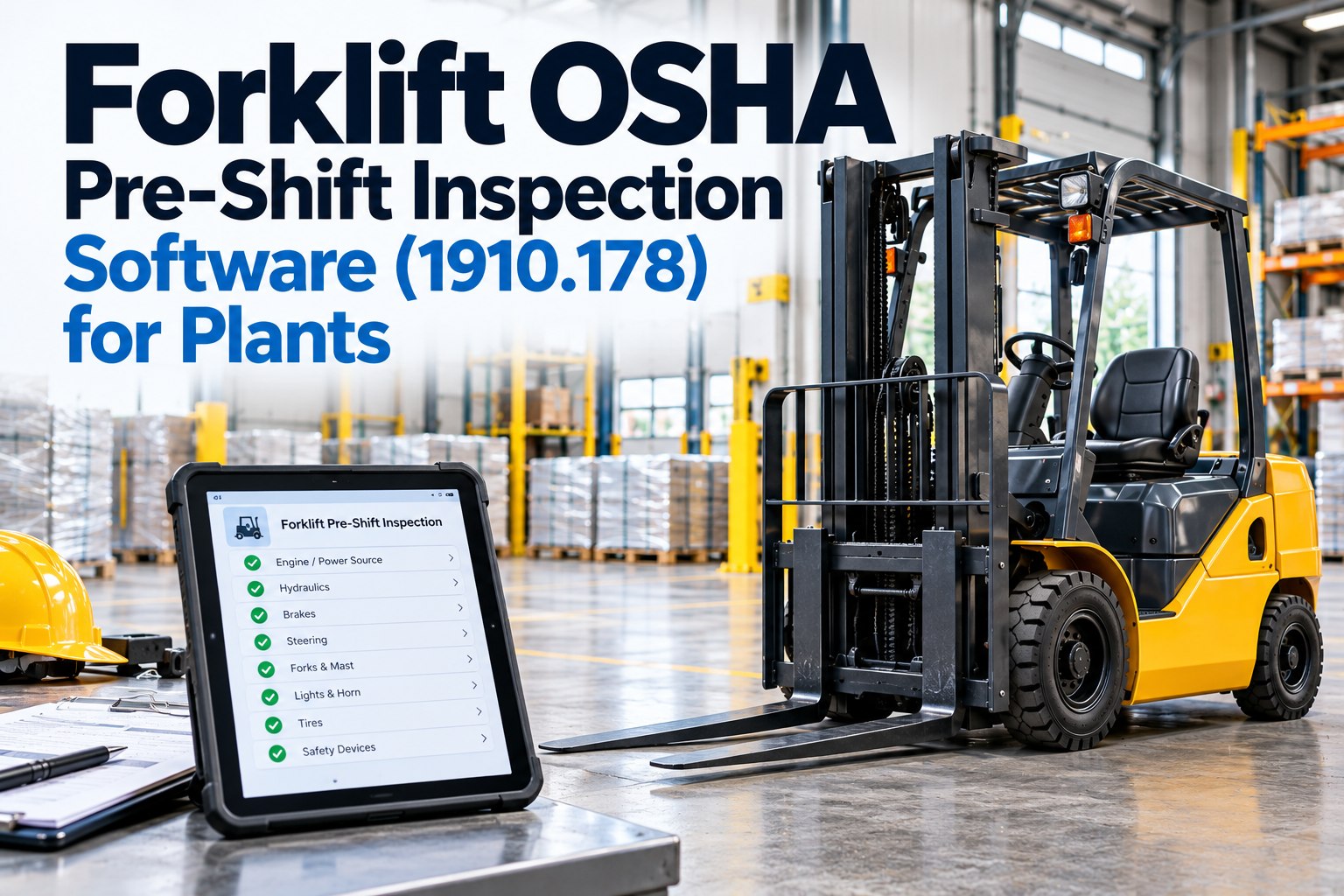
Capturing truck status digitally means replacing the verbal "it's fine" with a mandatory visual inspection. The FleetRabbit app requires the incoming operator to walk around the truck and check off critical points: forks, tires, hydraulics. If they find a leak, they must photograph it and log it before they can start the truck. If they fail to log the damage and the next shift finds it, the system proves the incoming operator missed it. This forces operators to actually look at the equipment they are inheriting, catching damage before it compounds.
Stopping the Blame Game
Stopping the blame game requires absolute, unalterable data. When an operator finds a damaged rack or a bent fork, the plant manager doesn't need to guess who did it. FleetRabbit's dashboard shows exactly who was logged into the truck during the time the damage occurred. The time-stamped, operator-specific audit trail eliminates the "he said, she said" dispute instantly. Operators know they cannot hide, so they report damage immediately and drive more carefully. To enforce this, you can sign up for FleetRabbit to modernize your plant, or book a demo to see our platform.
How FleetRabbit Secures Accountability
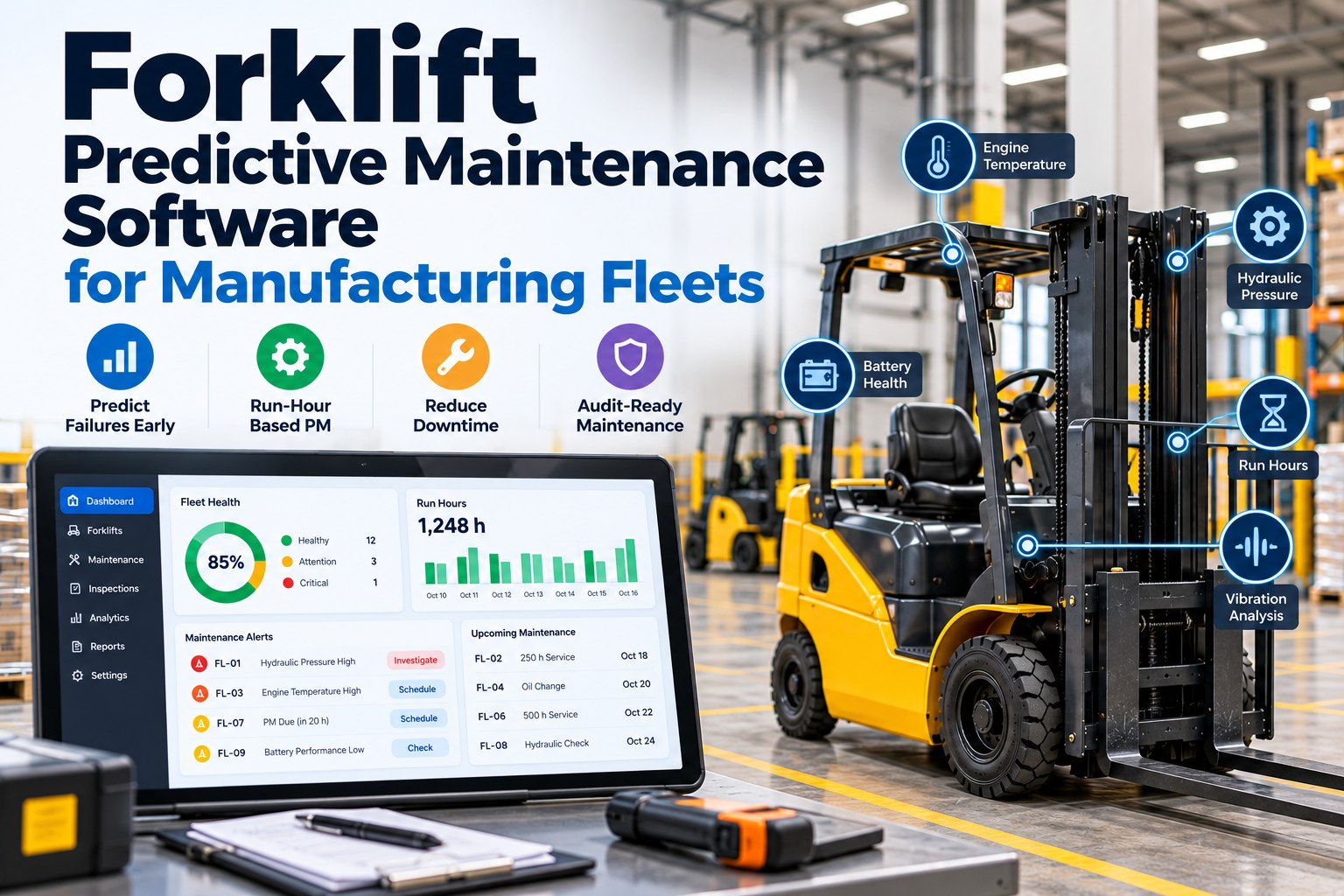
FleetRabbit is engineered to connect operators directly to the equipment they use. Our platform combines mobile app check-ins, digital DVIRs, and operator-specific telematics into a single dashboard. We understand that a plant shift change is a vulnerable moment for equipment. Our system tracks the exact status of the truck at the exact moment of handover, ensuring that incoming operators start informed and outgoing operators are held accountable. By connecting the operator to a centralized digital record, FleetRabbit eliminates the blind spots that lead to hidden damage and safety hazards.
Operator-Specific Telematics
Operator-specific telematics means the truck knows exactly who is driving it. Before the truck will start, the operator must enter their PIN or scan their RFID badge. This logs the operator into the truck's telematics system. Every impact, every hour of usage, and every fault code is tied to that specific driver. If a truck is found with a scratched mast, the manager knows exactly who was driving it at 2:15 PM. This total visibility destroys the anonymity that allows operators to hide damage.
Real-Time Damage Alerts
Real-time damage alerts ensure that managers catch hidden damage the moment it happens. If a forklift telematics system detects a sudden impact or a harsh collision, FleetRabbit instantly sends an alert to the shift supervisor. The supervisor can intercept the truck before the operator hands it over to the next shift. This immediate intervention prevents the damage from being hidden and ensures the truck is inspected and repaired before it goes back into service. This automated oversight prevents the slow budget drain of unaccounted repairs and keeps the fleet running safely.
Key Takeaways for Plant Accountability
Improving forklift handover accountability is the most critical step in protecting a manufacturing plant's equipment and safety. Relying on verbal handoffs and physical keys is a guaranteed way to hide damage and stall production lines. A digital, data-driven approach to shift changes ensures every operator is accountable for the equipment they use. Plants that fix this process see a massive reduction in unreported damage and a huge boost in operator care.
Implementing a comprehensive platform like FleetRabbit enforces digital check-ins, captures truck status, and provides operator-specific telematics. The return on investment is immediate, not just in saved repair costs, but in eliminated blame games, improved safety, and extended asset lifecycles. Manufacturing plants demand accountability, and FleetRabbit provides the exact digital tools needed to deliver it.
The path forward is clear. Evaluate your current shift change process and ask if you can prove who damaged a truck yesterday. If you are relying on verbal handoffs, you are losing money. Plant managers who address handover accountability systematically protect their profitability and operational reliability. You can sign up for FleetRabbit to modernize your plant, or book a demo to see our platform.
Frequently Asked Questions About Handovers
Every unaccountable handover is a chance for hidden damage to destroy your equipment. FleetRabbit enforces digital check-ins and operator-specific tracking, holding every shift accountable. See an 80 percent reduction in unreported damage within weeks. Start your free trial today with no credit card required.