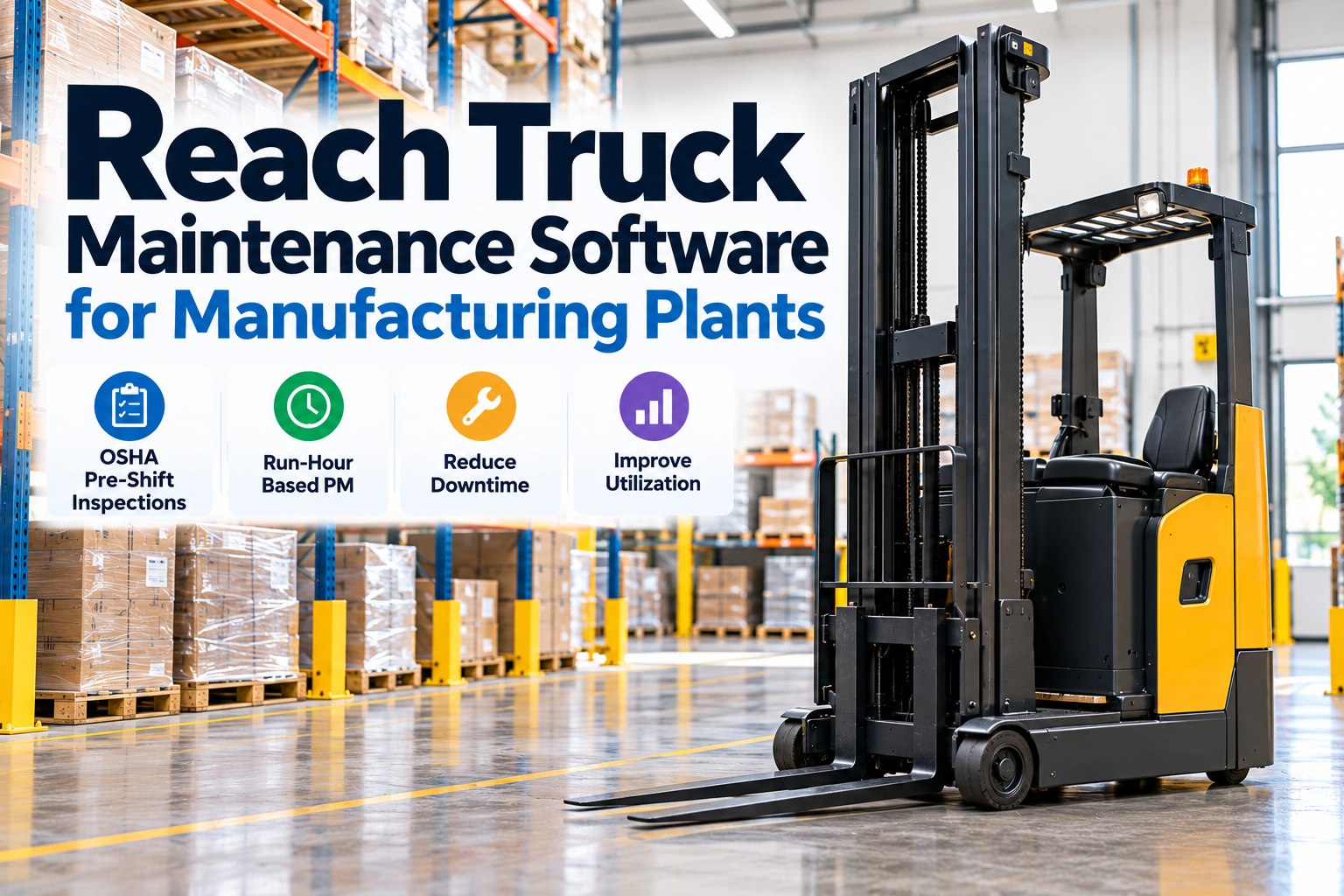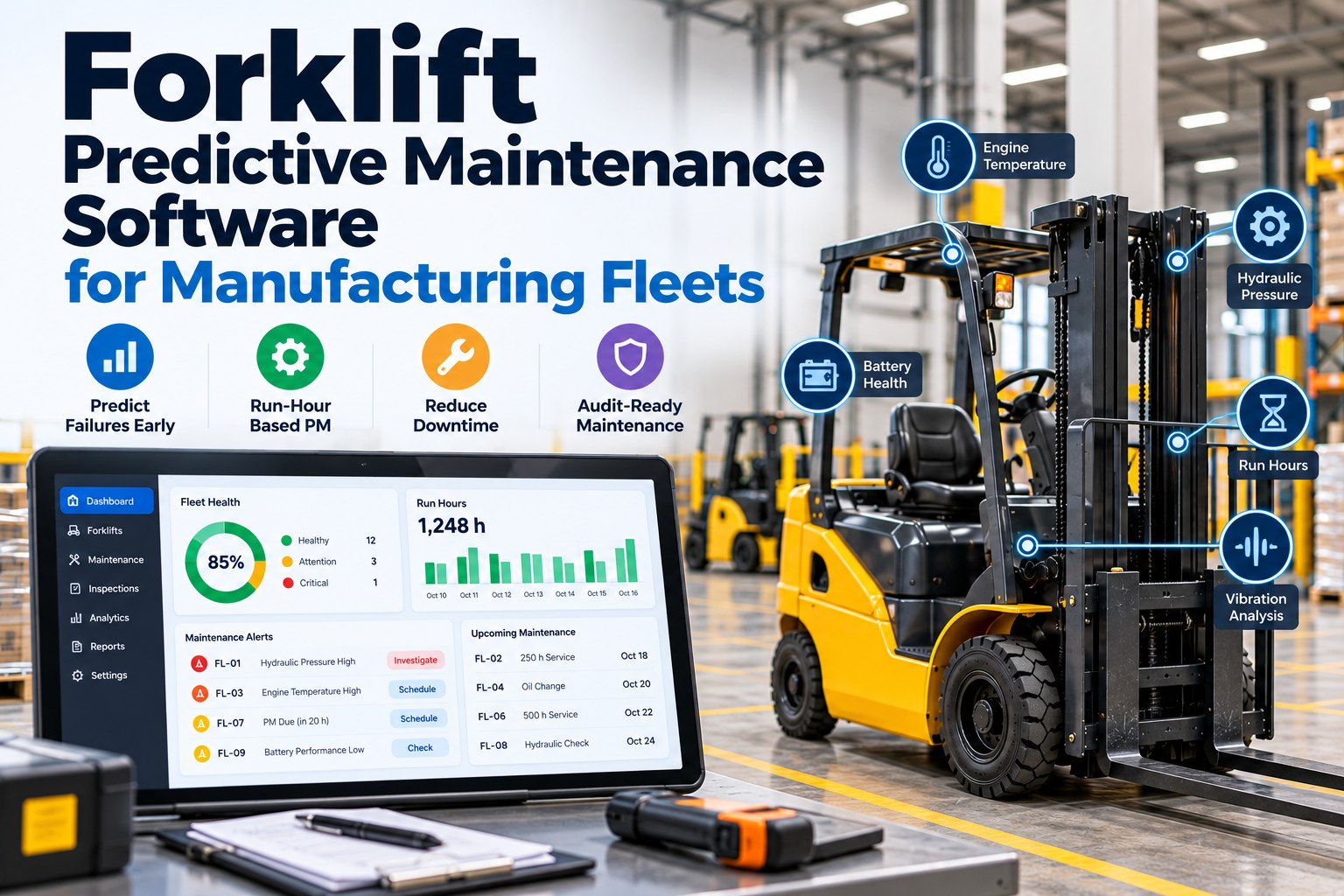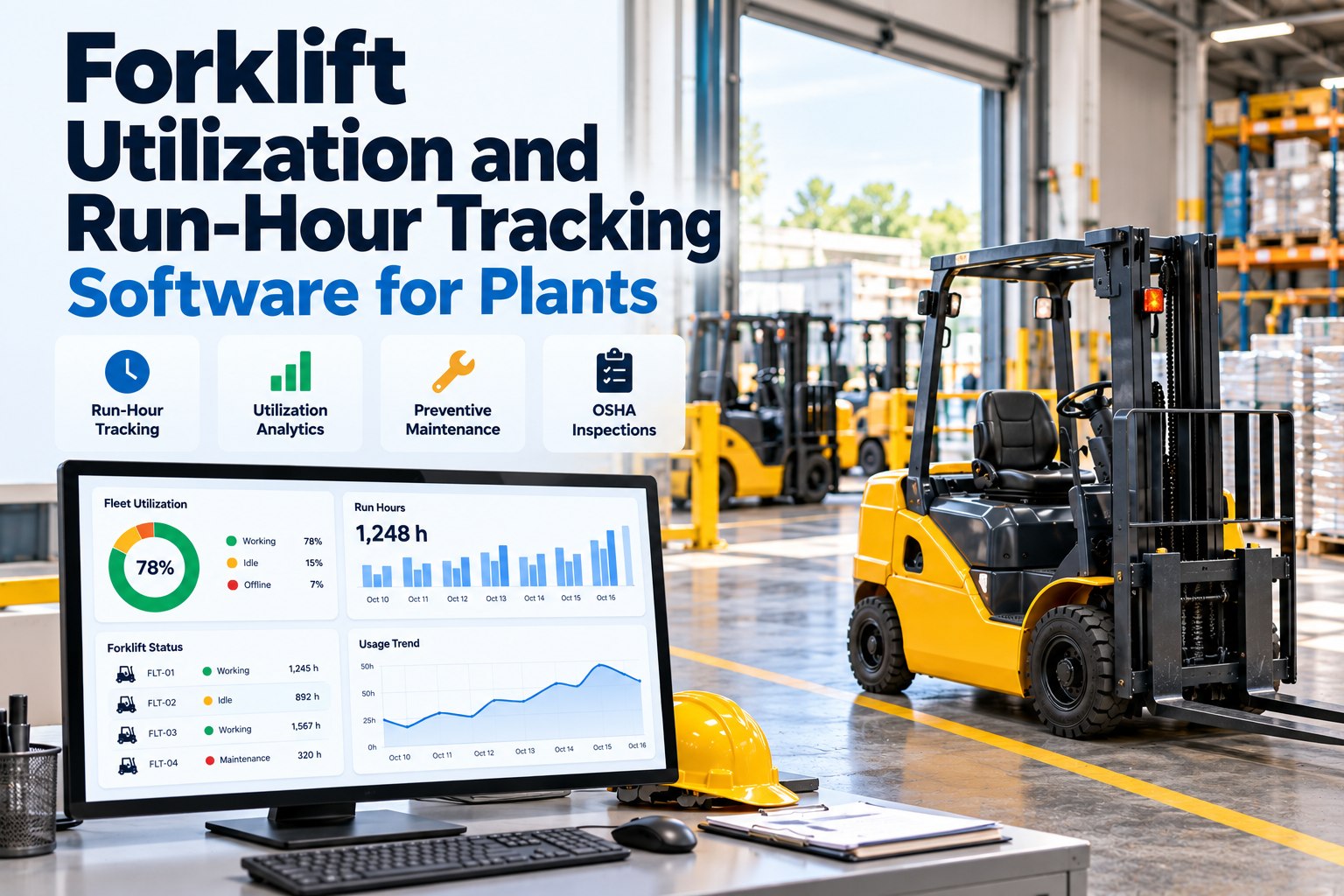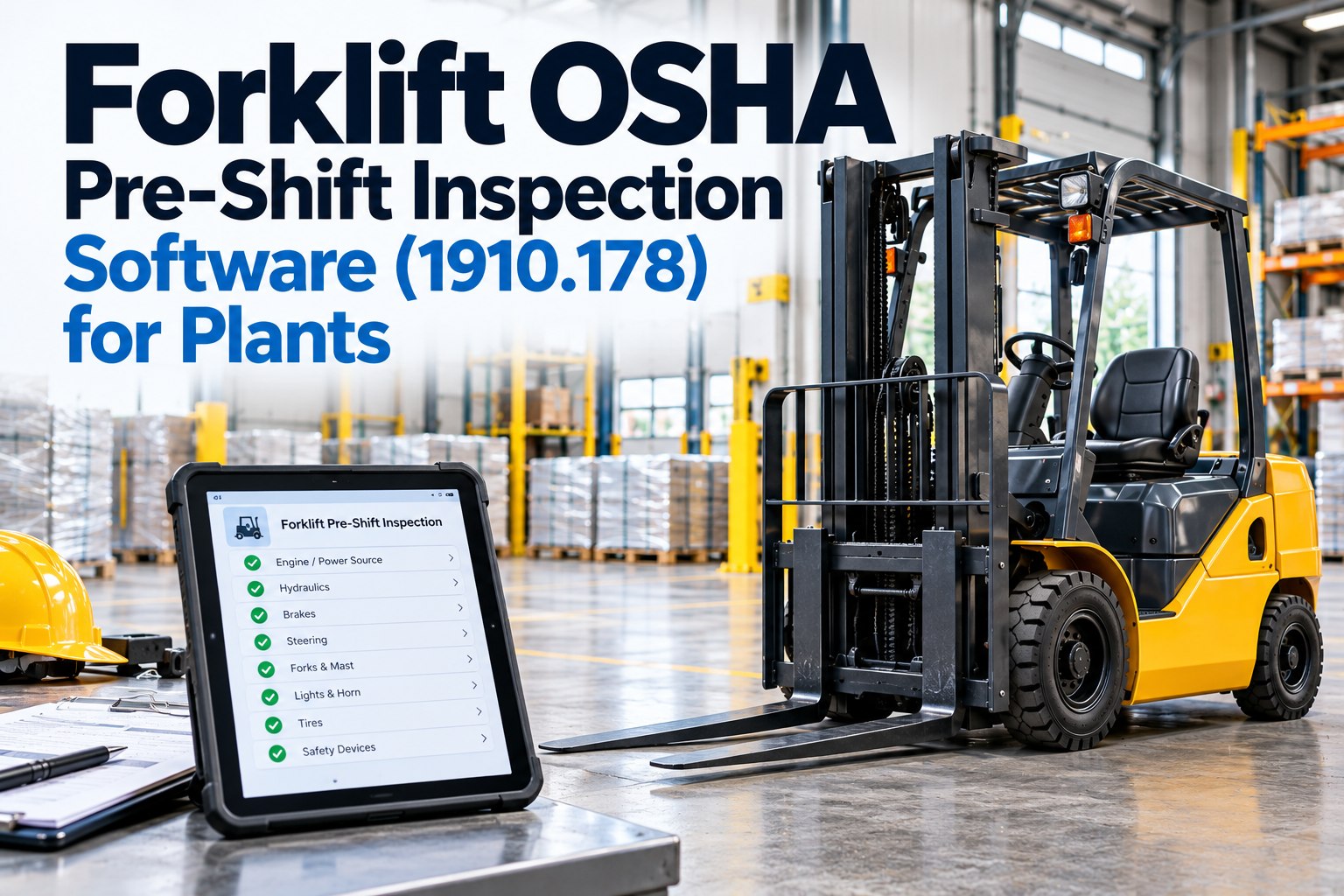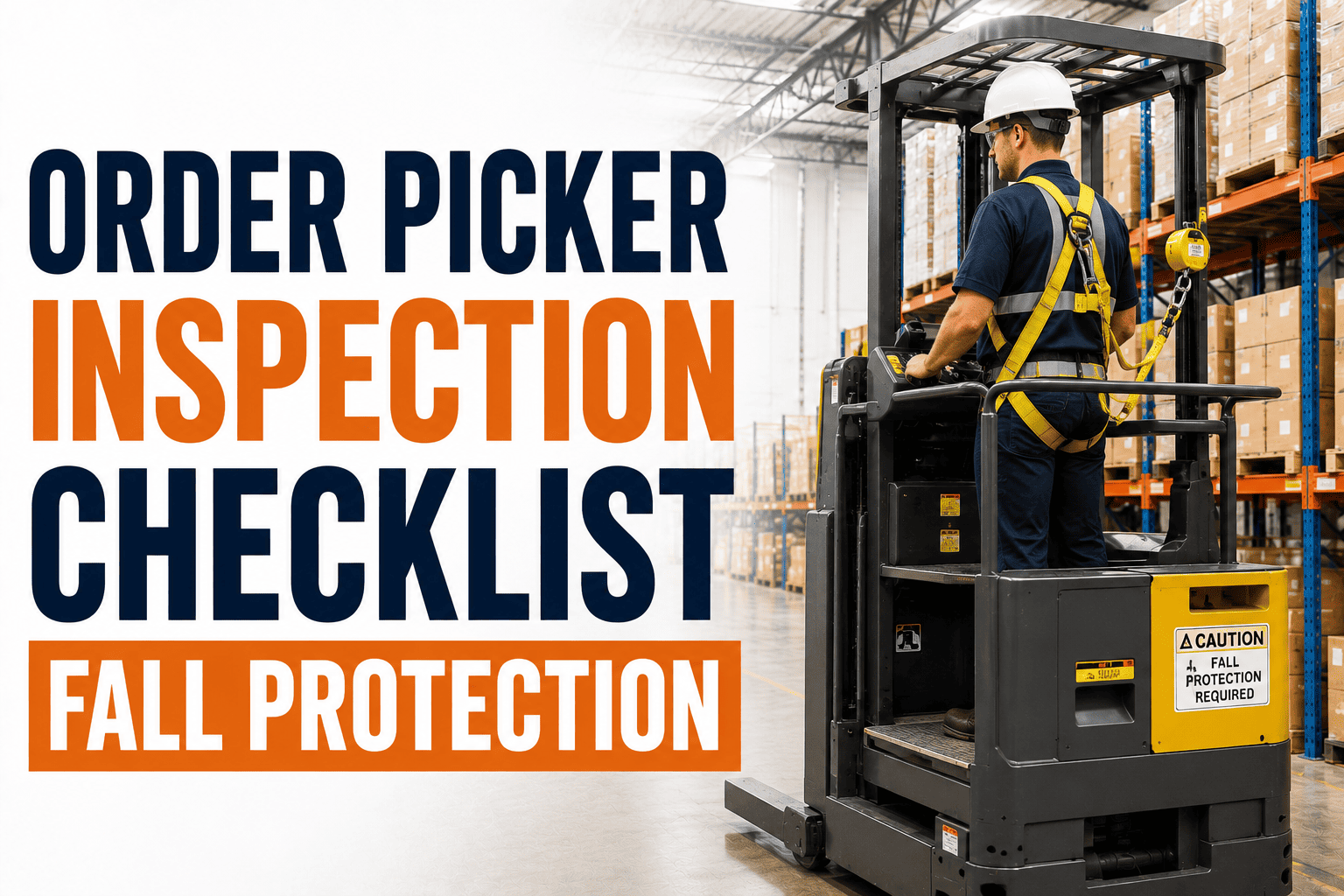
An order picker lifts the operator off the ground with every single shift, sometimes twenty or thirty feet into the air, standing on an open platform with nothing but a harness between them and the concrete below. Most warehouses run a generic forklift checklist on these machines and call it done. That gap between what order pickers actually need and what gets inspected is where serious injuries happen. A steering wheel that's a little loose on a sit-down forklift is an inconvenience. A frayed lanyard or an uninspected anchor point on an order picker is a fall waiting to happen.
Order pickers require fall protection whenever the platform can rise above 4 feet, per OSHA 29 CFR 1910.178 and ANSI/ITSDF B56.1. That means a full-body harness with an energy-absorbing lanyard or self-retracting lanyard, anchored to a rated point capable of holding 5000 pounds, plus a pre-shift inspection of the harness, anchor, gates, and platform controls before every single use. Body belts no longer satisfy the standard.
Why Order Pickers Carry a Different Risk Than Standard Forklifts
A sit-down forklift keeps the operator's feet on solid ground. An order picker does the opposite: it lifts the operator, along with the load, up into the racking. That single design difference changes everything about how the machine should be inspected. OSHA 29 CFR 1910.178 governs powered industrial trucks generally, but order pickers also fall under ANSI/ITSDF B56.1, which specifically addresses elevating personnel and the fall protection systems required to keep them safe at height.
The rule that trips up most warehouses is the body belt confusion. For years, a simple body belt tied to the cage counted as adequate protection. That changed. A fall protection system now must consist of a full-body harness paired with either an energy-absorbing lanyard or a self-retracting lanyard, connected to an approved anchor. A body belt by itself no longer meets the standard, and any facility still relying on one is operating out of compliance.
The Platform Changes the Math
Guardrails and closed gates can serve as an acceptable restraint system on some order pickers, but only when they meet specific design requirements: a slip-resistant floor, adequate rail height, and a gate that closes and locks before the platform can rise. If your gate doesn't self-latch, or your platform floor is worn smooth from years of foot traffic, guardrails stop being sufficient protection and a harness becomes non-negotiable. This is exactly the kind of nuance a generic inspection form misses, and exactly why signing up for FleetRabbit gives your team an order-picker-specific checklist instead of a one-size-fits-all forklift form.
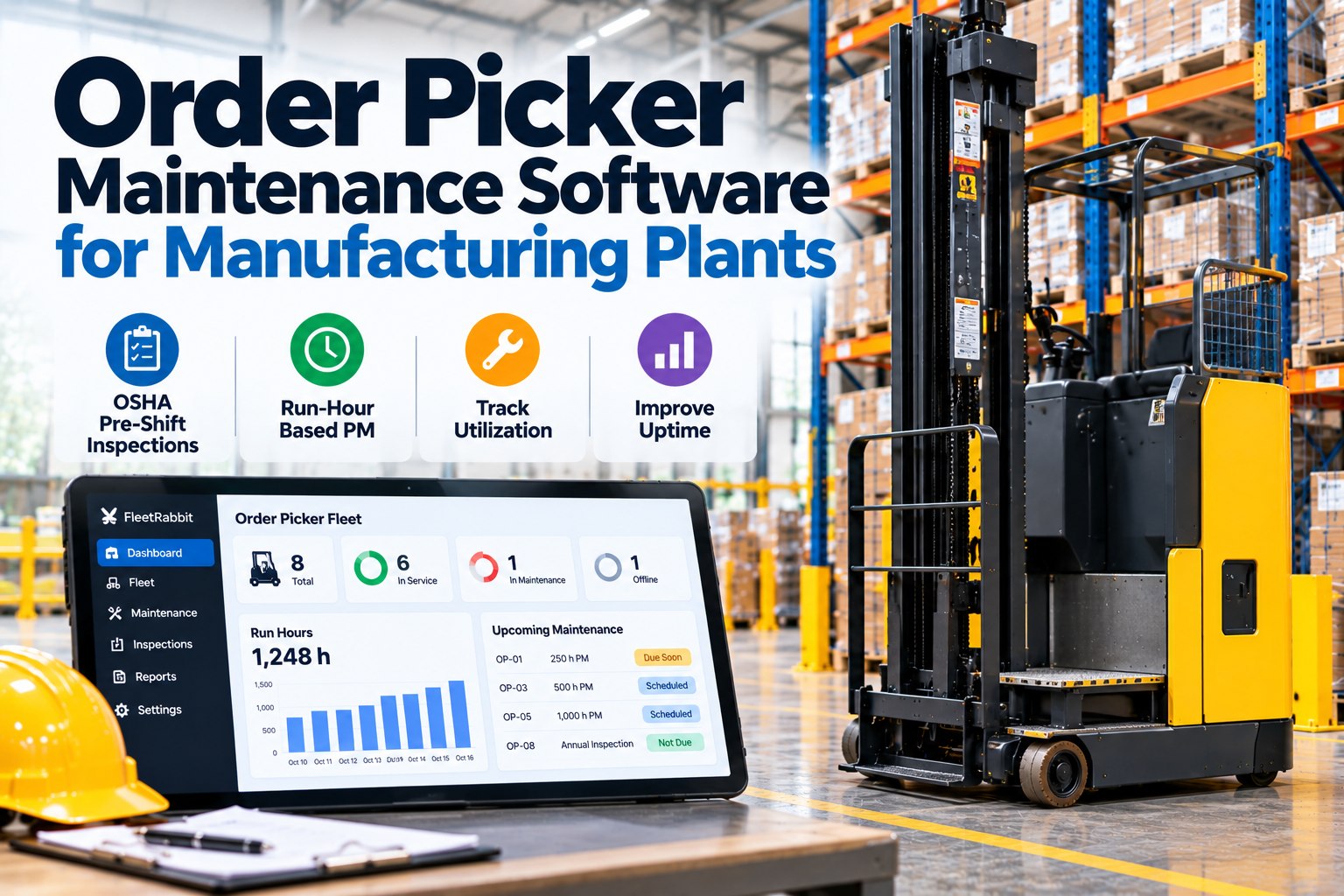
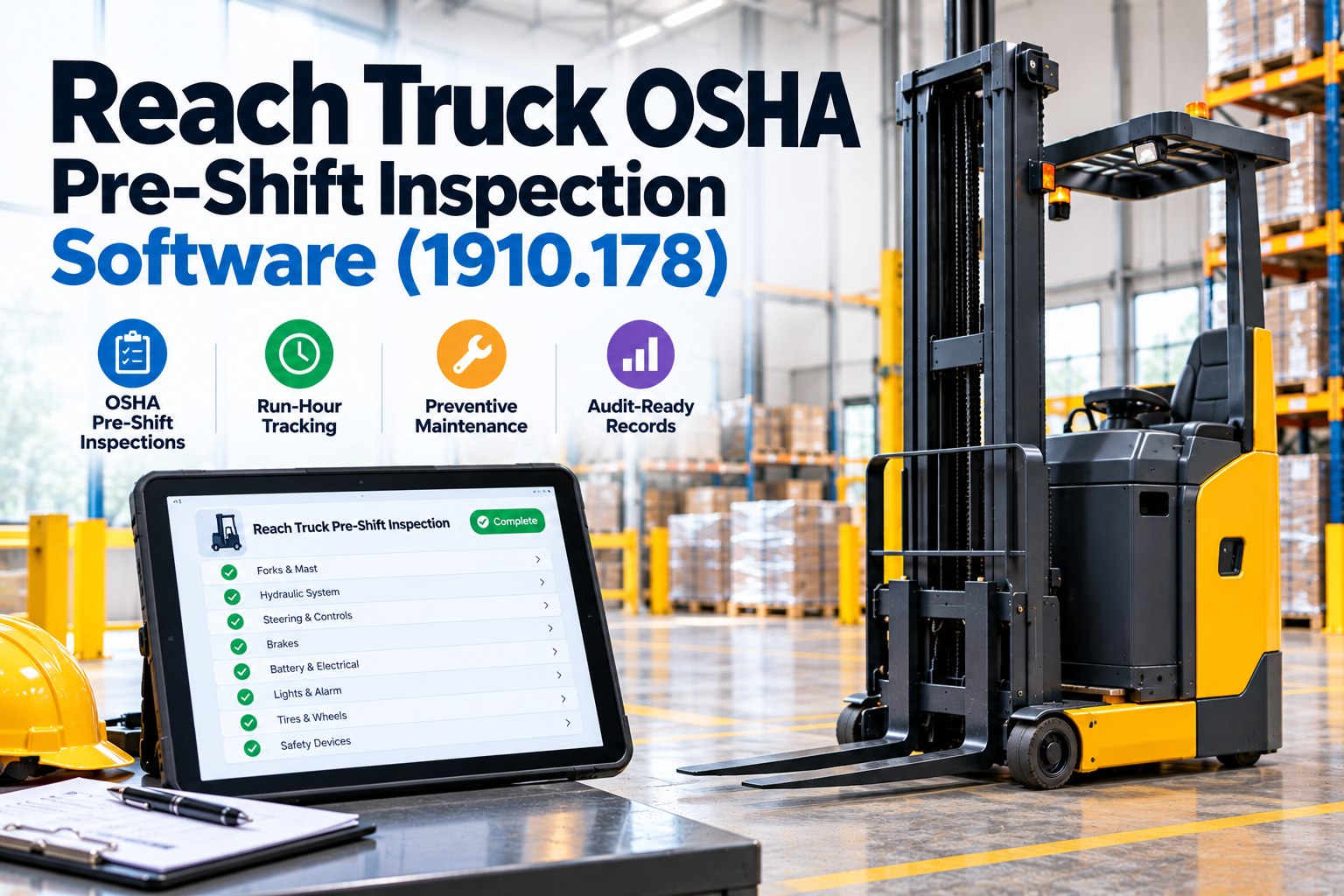
FleetRabbit gives order pickers their own digital inspection checklist covering harness condition, anchor rating, gate function, and platform controls. Operators complete it from a phone before every shift, and failed items alert your maintenance team instantly.
The Complete Pre-Shift Inspection Checklist
A thorough order picker inspection covers four distinct zones: the operator's personal fall protection gear, the anchor point it connects to, the platform and gate system, and the operational controls that raise, lower, and drive the unit. Skipping any one of these leaves a gap that a full inspection would have caught.
| Inspection Zone | What To Check | Reject If |
|---|---|---|
| Full-Body Harness | Webbing condition, stitching, buckles, D-rings, certification tag legible | Cuts, abrasions, pulled stitching, chemical damage, missing or unreadable tag |
| Lanyard or SRL | Energy absorber intact, retraction smooth, connectors lock properly | Deployed shock absorber, frayed line, connector that doesn't self-lock |
| Anchor Point | Rated to 5000 lbs, no bends, cracks, or weld corrosion | Visible bending, rust at welds, unrated or unapproved attachment point |
| Platform and Gate | Slip-resistant floor, gate self-latches, rail height meets spec | Worn floor surface, gate that doesn't latch before lift, damaged railing |
| Lift and Drive Controls | Smooth raise and lower, horn, brakes, warning alarms functional | Jerky lift motion, unresponsive brakes, non-functioning alarm |
Harness and Lanyard: The Item Most Often Skipped
Operators are far more likely to walk around a truck checking tires than to methodically inspect their own harness. It's the piece of equipment closest to them and, ironically, the one that gets the least scrutiny. Every inch of webbing needs a visual and tactile check for cuts or heat damage, every buckle needs to click and hold, and the certification tag has to be present and legible. If the energy absorber pack shows any sign of having deployed, that harness is retired immediately, not reused until it "looks fine."
Self-Retracting Lanyards Need Their Own Test
An SRL should retract smoothly with no hesitation and lock instantly under a sharp tug. A sluggish retraction or a lock that slips even slightly means the unit goes out of service. This single ten-second test catches a meaningful share of fall protection failures before an operator ever steps onto the platform.
Anchor Points and Platform Gates
The anchor point is the piece operators trust most and inspect least, largely because it's overhead and out of easy view. Every anchor an operator can tie off to needs to be rated for 5000 pounds per worker, and that rating means nothing if the weld holding it in place is cracked or corroded. Platform gates deserve equal attention: a gate that requires manual latching, or one an operator has learned to prop open for convenience, defeats the entire restraint system regardless of how sound the harness is.
Paper checklists get skipped when a shift is busy. FleetRabbit puts your order picker inspection on the operator's phone, requires photo proof on failed items, and locks the unit out of service until maintenance clears it.
Where Warehouses Get Cited
Inspection records reveal a pattern across most facilities running order pickers. The same handful of gaps show up again and again, and each one is inexpensive to fix once it's actually caught.
Body Belts Still In Use
Some facilities never updated their equipment after the standard changed and are still issuing body belts as primary fall protection. A body belt can still serve as a positioning aid, but it cannot stand alone as the fall arrest system. Any operator wearing only a belt is out of compliance the moment the platform leaves the ground.
Anchor Points Never Load-Tested
Anchor points get visually checked for rust but rarely verified against their rated capacity after installation or a repair. A weld that looks fine to the eye can still fall well short of the 5000-pound requirement.
Gates Propped Open For Speed
In high-volume picking operations, operators sometimes prop the gate open to save the few seconds it takes to close and latch it between stops. That habit quietly removes the entire restraint system for the rest of the shift.
Fixing These Gaps Costs Less Than One Incident
Replacing a harness, re-rating an anchor, or retraining an operator on gate procedure costs a fraction of what a single fall incident costs in medical claims, OSHA penalties, and downtime. Teams that want to close these gaps across every unit in their fleet can book a demo with FleetRabbit to see how automated checklist enforcement catches these exact issues before they become citations.
Building A Documented Inspection Program
A compliant program needs three things working together: a checklist specific to elevating equipment, a way to prove the checklist actually happened, and a fast path from a failed item to a completed repair. Paper forms satisfy the first requirement but struggle badly with the second and third. A form sitting in a binder doesn't alert anyone when an anchor point fails inspection, and it doesn't stop the unit from being used anyway.
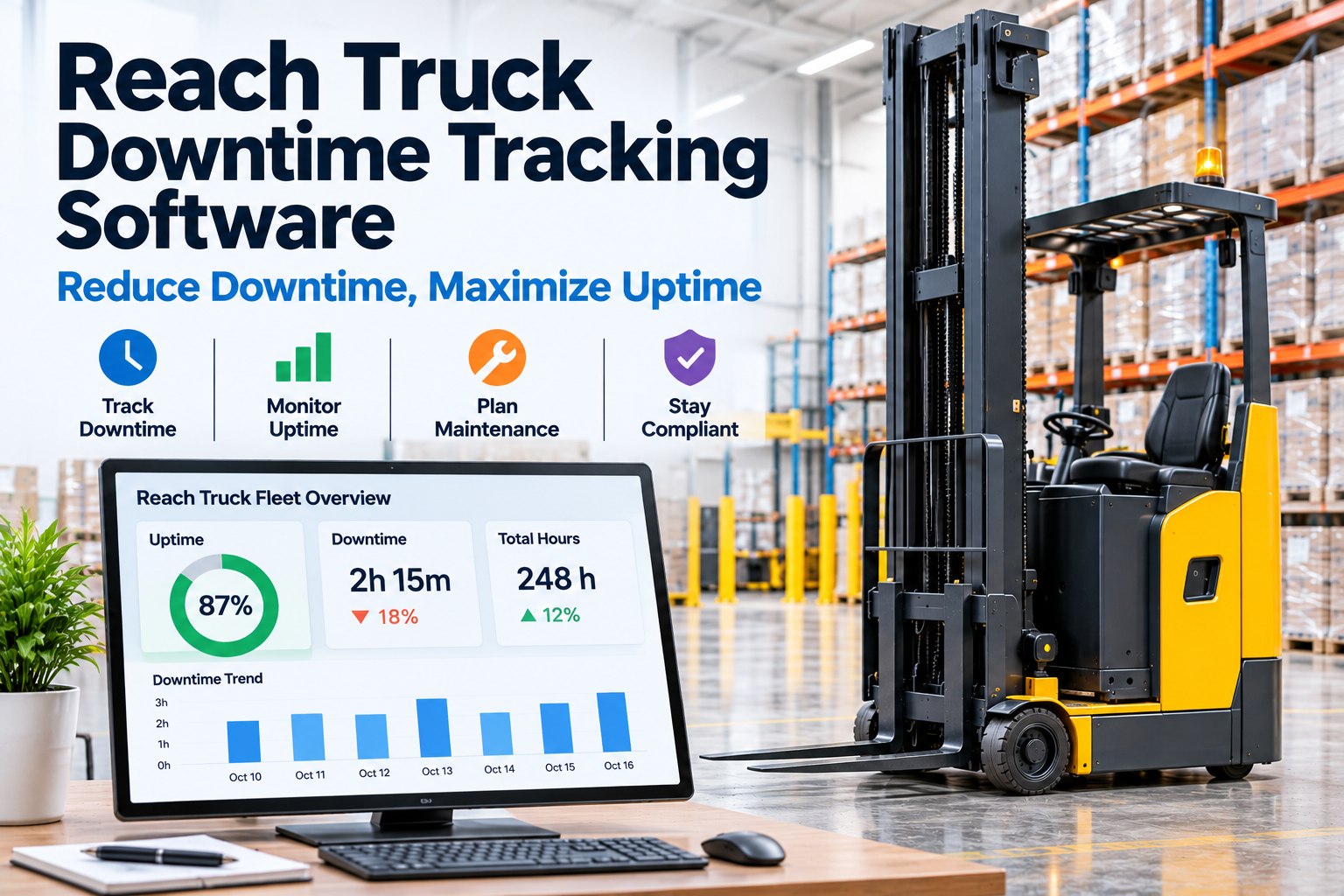
Digital inspection tools close that gap by timestamping every completed checklist, requiring photo evidence on flagged items, and automatically placing a failed unit out of service until a technician clears it. That chain of documentation is also what protects a facility during an OSHA audit or after an incident, since it proves the inspection wasn't just required, it was actually performed.
Order pickers carry a different risk than the rest of your fleet, and they deserve a checklist that reflects that. FleetRabbit puts harness, anchor, and platform checks directly in your operators' hands, before every single shift.