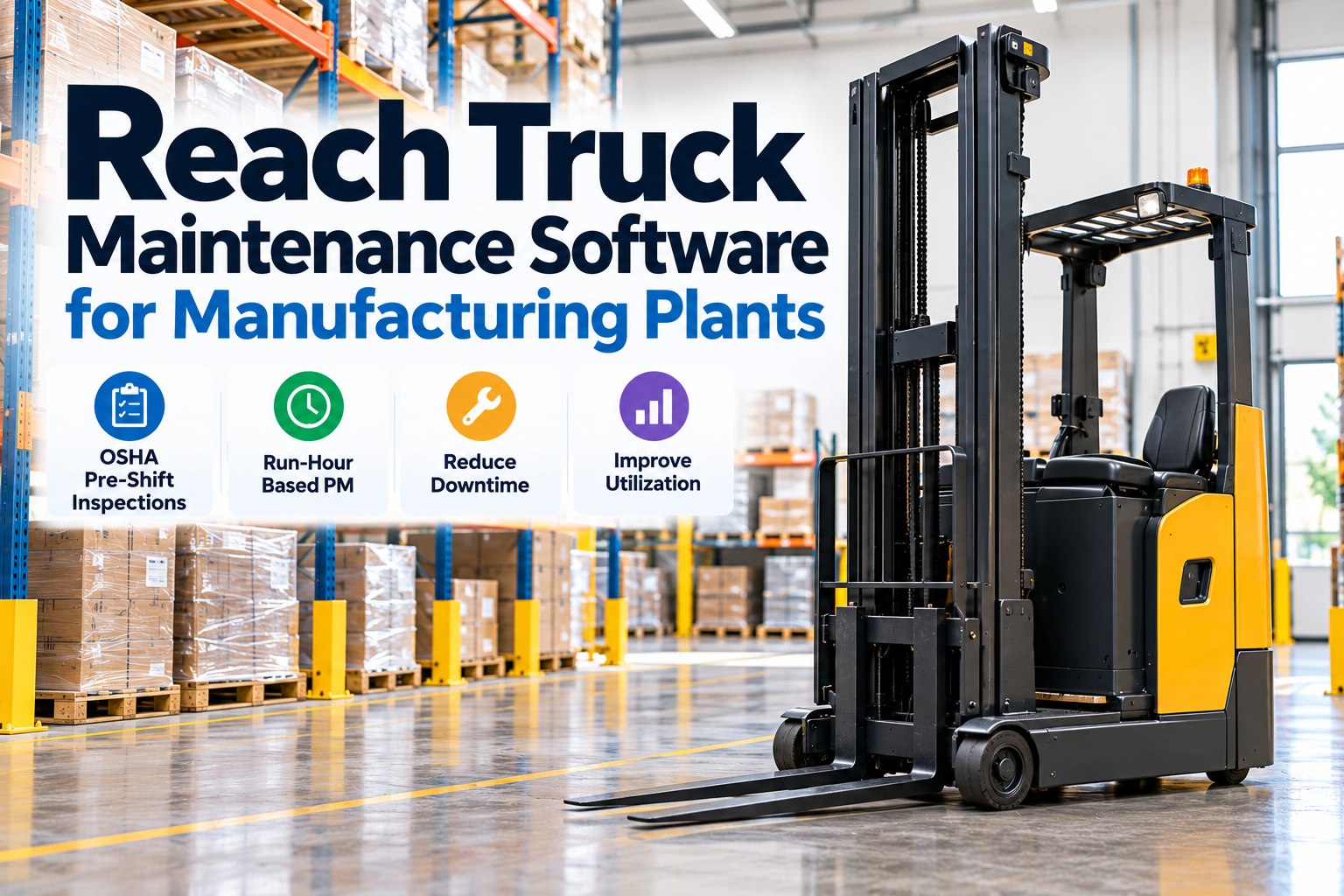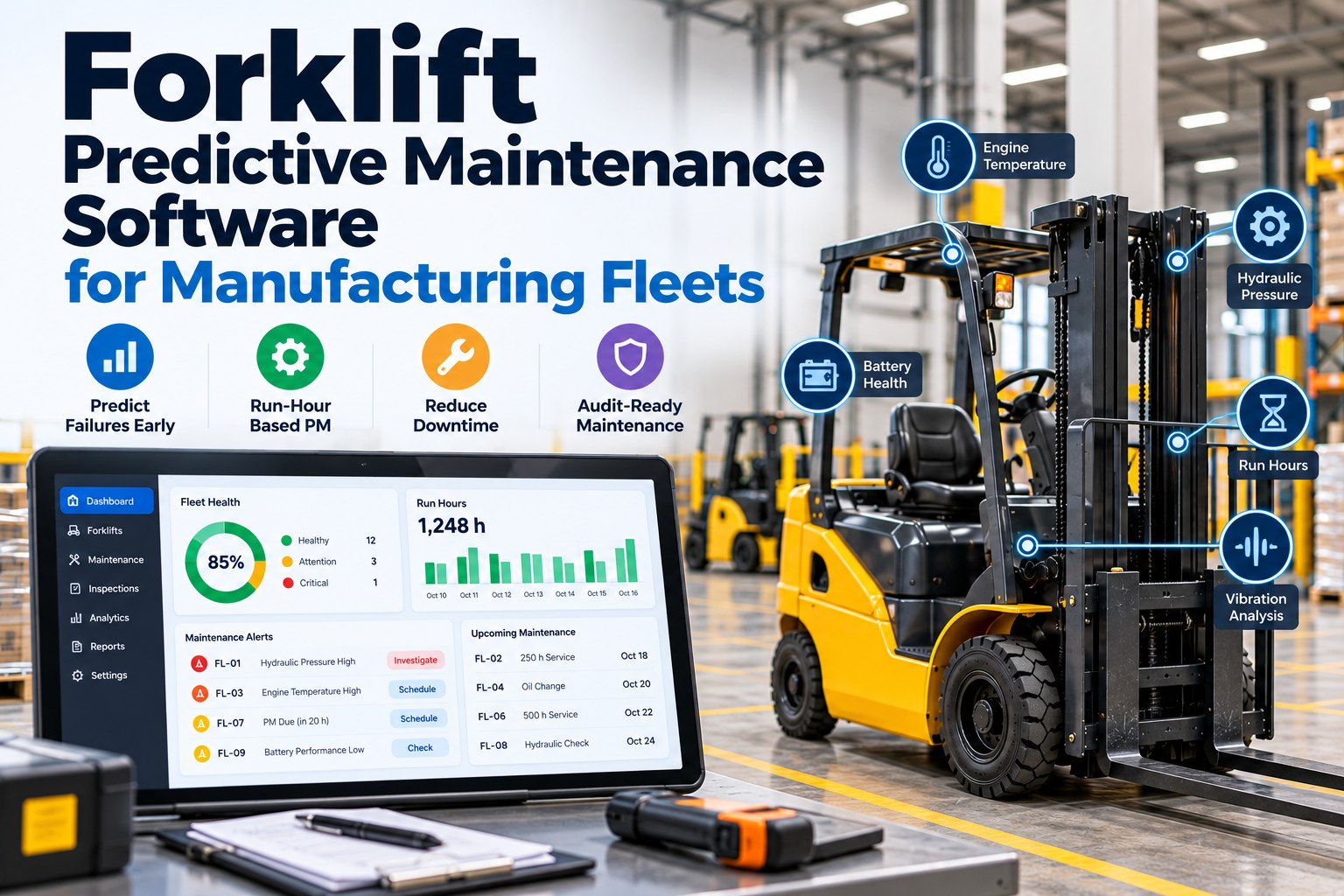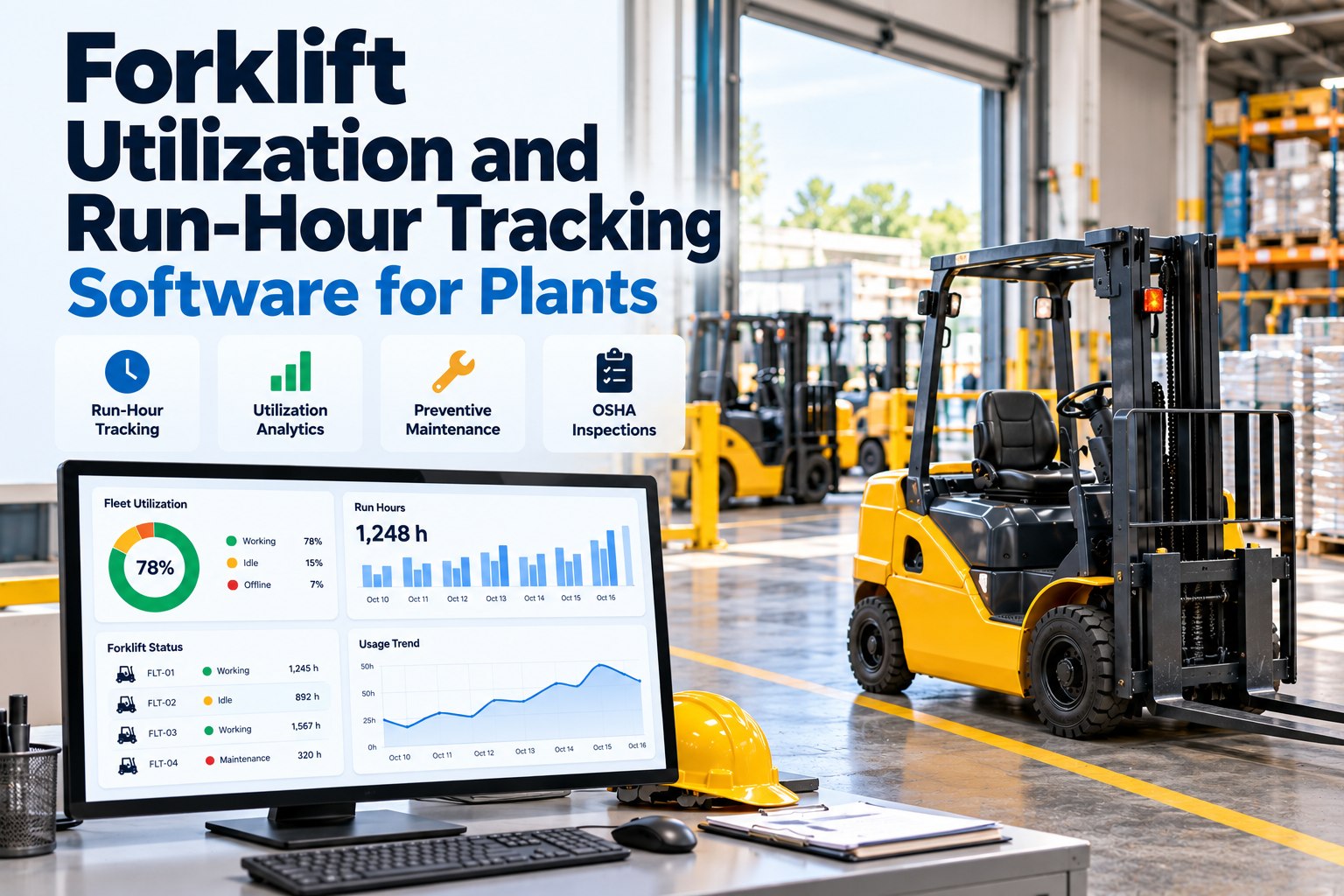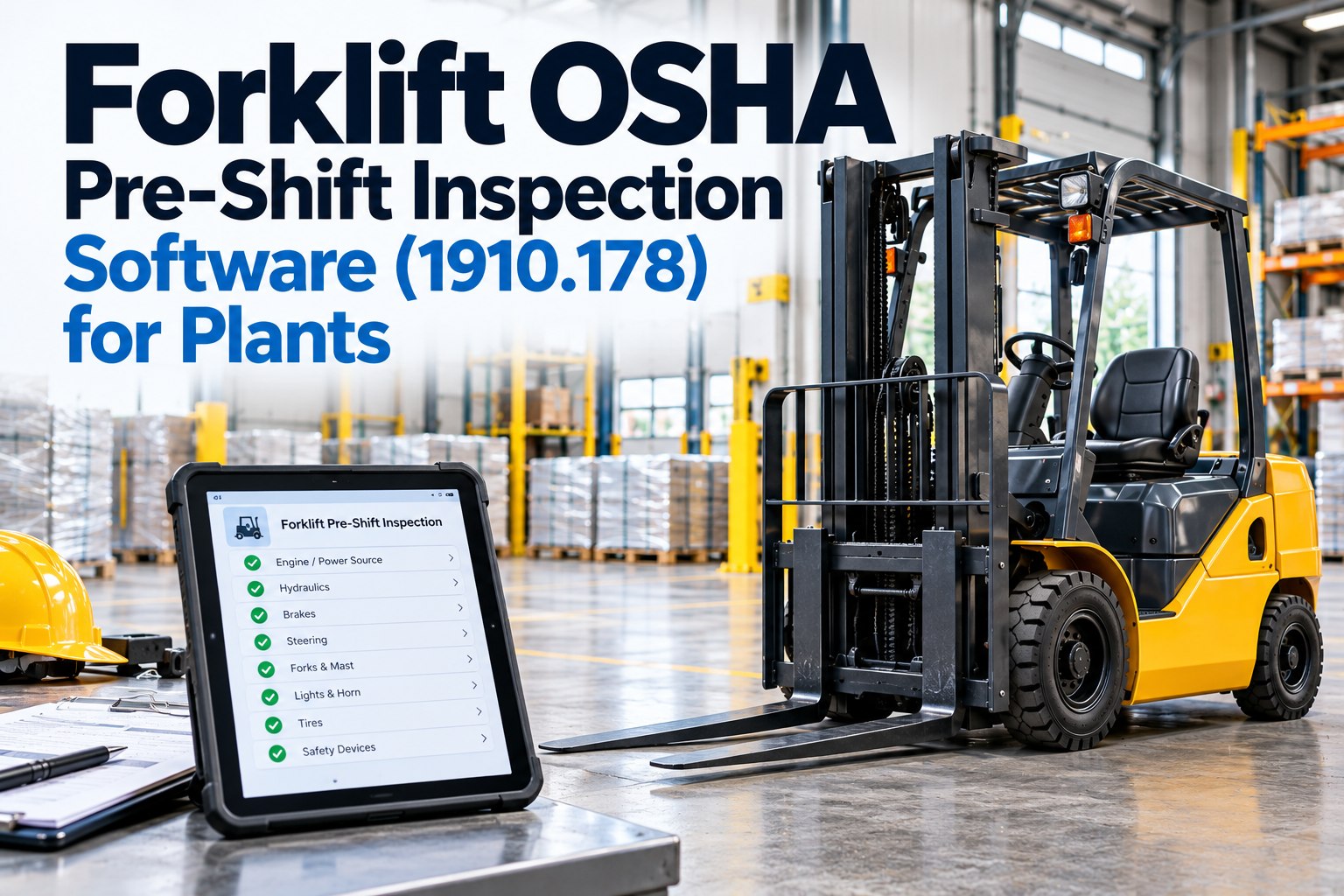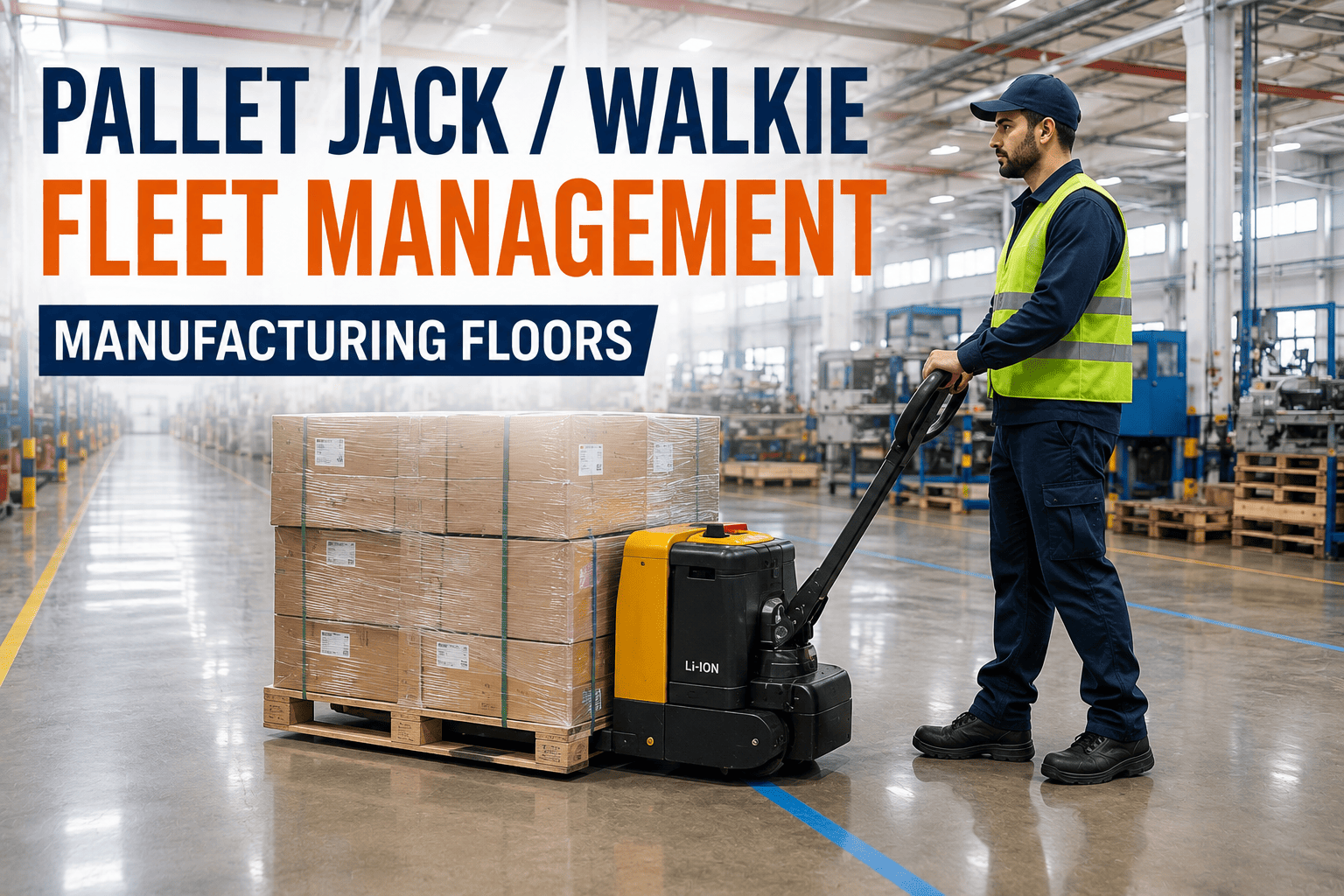
Walk any manufacturing floor and count the equipment. Forklifts get their own maintenance binder, their own operator certifications, their own line item in the budget. Powered pallet jacks and walkies rarely get any of that, even though most plants run more of them than every other lift truck combined. They move product between lines, load trailers, and shuttle pallets across the floor dozens of times a shift, and almost nobody is tracking their condition.
That gap is expensive. A Class III walkie with a failing battery or a worn drive wheel doesn't just slow down one task, it slows down every task it touches for the rest of the shift. This guide looks at why pallet jacks and walkies get overlooked, what actually needs regular attention, and how FleetRabbit brings these high-use, low-visibility assets into the same tracking system as the rest of your fleet.
Powered pallet jacks and walkie stackers are Class III powered industrial trucks, and they are typically the most numerous equipment type on a manufacturing floor. Because they look simple, most plants skip formal inspection and maintenance tracking for them, which leads to preventable battery failures, worn drive wheels, and hydraulic issues. Bringing walkies into a digital inspection and maintenance system closes this visibility gap without adding real overhead to daily operations.
The Most Numerous Asset Is Often The Least Tracked
Ask most plant managers how many forklifts they own and they'll answer instantly. Ask how many powered pallet jacks are on the floor and the answer gets fuzzy. That disconnect isn't an accident, it comes from a few common assumptions that don't hold up under real use.
Bring Every Walkie Into One System
FleetRabbit tracks powered pallet jacks and walkie stackers alongside your forklifts, with the same digital inspections, service alerts, and utilization visibility, without adding paperwork to your team's day.
What Actually Needs Regular Attention
Walkies have fewer moving parts than a forklift, which is exactly why the parts they do have matter so much. The table below covers the components that fail most often and how frequently they deserve a real check.
| Component | What To Look For | Check Frequency | Impact If Missed |
|---|---|---|---|
| Battery And Charger | Charge cycle habits, terminal corrosion, water level on wet cell units | Daily before shift, deeper check weekly | Shortened battery life, mid-shift power loss |
| Drive Wheel And Casters | Flat spots, cracking, debris buildup | Daily visual, weekly close inspection | Reduced traction, steering drift, vibration |
| Forks | Bending, cracks, uneven height | Daily before use | Load instability, dropped pallets |
| Hydraulic Pump | Slow or uneven lift, fluid leaks | Weekly | Lift failure mid-task, fluid contamination |
| Controls And Handle | Sticking throttle, unresponsive brake, cracked housing | Daily before use | Operator safety risk, uncontrolled movement |
| Horn And Warning Devices | Function test on horn and any travel alarms | Daily before use | Increased pedestrian collision risk |
A Simple Way To Bring Walkies Into Your System
Getting pallet jacks and walkies tracked doesn't require a complicated rollout. Most plants can close the visibility gap in three straightforward steps.
Step One: Count And Tag Every Unit
Before anything can be tracked, it needs an identity. Assign each walkie a unique ID or tag and log its make, model, and current condition. Plants are often surprised by how many units they actually have once this step is complete.
Step Two: Put A Daily Checklist In Front Of Every Operator
A short, consistent pre-use checklist covering forks, wheels, controls, and battery status catches the majority of developing issues before they cause downtime. Keeping it digital means the results reach the maintenance team instantly instead of sitting on a clipboard.
Step Three: Track Utilization, Not Just Repairs
Once inspections are flowing in, utilization data reveals which walkies are overworked and which are sitting idle. That insight helps rebalance the fleet instead of running a handful of units into the ground while others barely get used.
Set Battery Charging Standards
Opportunity charging habits vary widely between operators. Setting a clear charging standard, and tracking adherence, extends battery life across the entire fleet rather than relying on individual habits.
Review Utilization Monthly
A monthly look at usage hours per unit helps decide whether the plant genuinely needs every walkie it owns, or whether the fleet could run leaner with better distribution.
Signs A Walkie Needs Attention Now
None of these issues are hard to catch, they just need a consistent process behind them. Teams using FleetRabbit can run the same digital inspections across forklifts and walkies alike, track battery and component history per unit, and see utilization patterns across the entire floor. If your plant is running dozens of untracked pallet jacks right now, it is worth seeing what that visibility looks like, and you can book a demo to walk through your fleet specifically.
Stop Letting Your Most-Used Equipment Go Untracked
FleetRabbit gives every powered pallet jack and walkie stacker the same inspection discipline, maintenance alerts, and utilization visibility as the rest of your fleet.
Frequently Asked Questions
Your Walkies Move The Most Product. They Deserve The Most Visibility.
Forklifts aren't the only equipment worth tracking. FleetRabbit brings powered pallet jacks and walkie stackers into the same maintenance, inspection, and utilization system as the rest of your fleet.