Electrification stopped being a sustainability talking point a while ago. It is now a fleet economics decision, and most manufacturing operations already know this. The mistake is not hesitating to electrify, it is trying to do it all at once. Fleets that swap every internal combustion truck for an electric one in a single push tend to run into charging bottlenecks, undertrained technicians, and infrastructure bills nobody budgeted for. The fleets getting real returns are doing it in phases, guided by their own usage data rather than a sales brochure.
Successful electric transitions typically follow a three-phase rollout spanning 3 to 7 years rather than an aggressive 1 to 2 year switch, which studies link to a 25 to 45 percent better total cost of ownership outcome. Most fleets find that 20 to 40 percent of their trucks are strong electrification candidates immediately, with another 30 to 50 percent viable within three to five years as charging infrastructure and battery technology mature.
Why Rushing Electrification Backfires
Converting an entire fleet in one aggressive push looks efficient on paper, but it concentrates every risk into a single window. Charging infrastructure that has never carried real operational load gets tested all at once. Technicians who have never serviced high-voltage systems are expected to be experts overnight. Trucks get pulled from routes they were never actually tested on. Fleets that skip the pilot phase and go straight to full deployment are the ones most likely to see the program stall or get quietly rolled back within a year.
The Three-Phase Model Fleets Actually Use
Most successful transitions follow a similar rhythm regardless of fleet size. An early phase proves the concept on a small, well-chosen group of trucks. A middle phase scales what worked and fixes what did not. A final phase completes the transition for the harder cases, once infrastructure, staff expertise, and battery technology have all caught up.
Install initial charging infrastructure and convert a small group of high-use, predictable-shift trucks. The goal is real operational data, not scale.
Expand procurement based on pilot learnings, extend charging infrastructure to secondary areas, and formalize technician training on the new systems.
Convert remaining trucks, including harder-to-electrify duty cycles, as infrastructure, training, and battery range have all matured within the fleet.
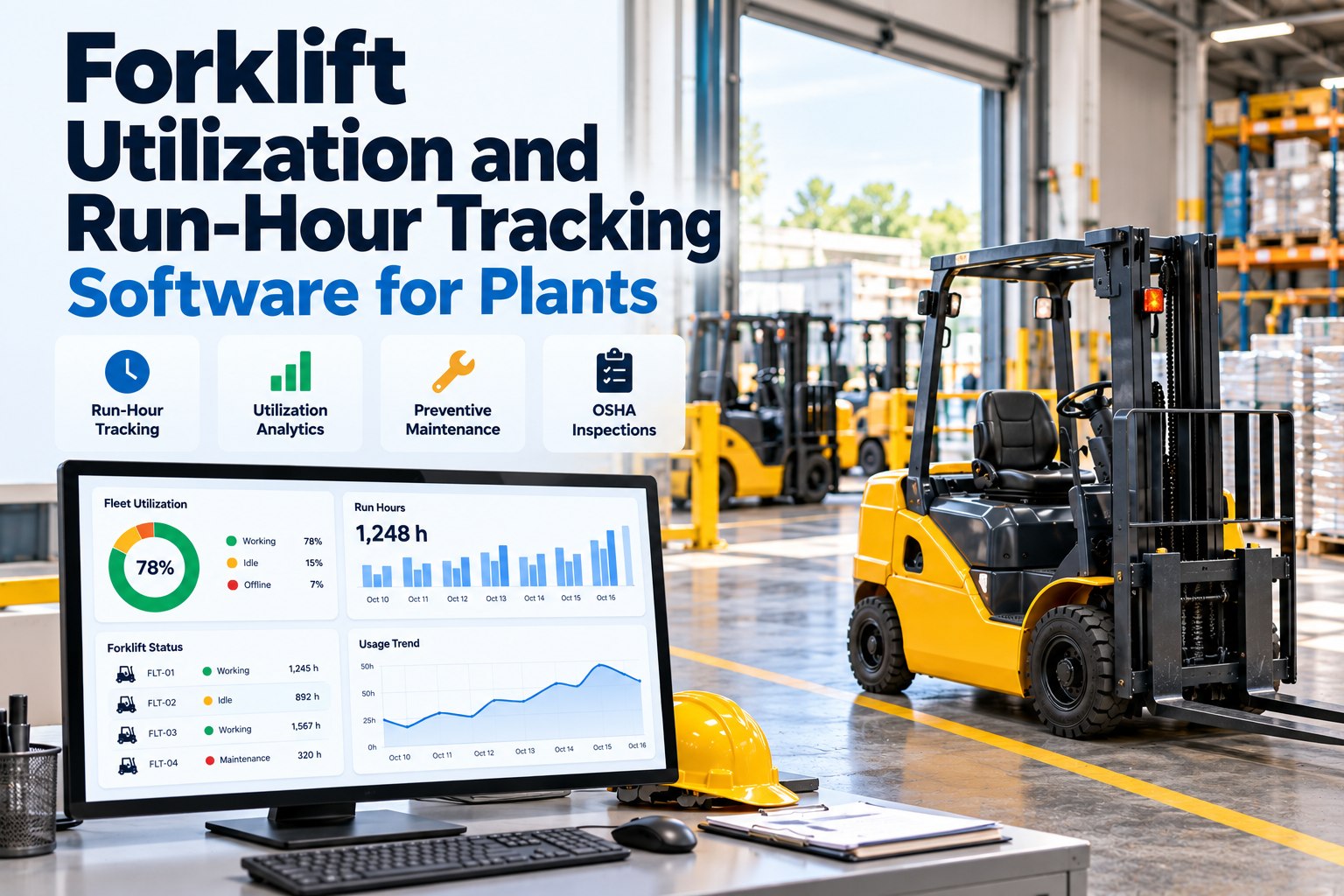
FleetRabbit tracks duty cycles, run hours, and shift patterns across your fleet, so your pilot phase targets the trucks most likely to succeed instead of a guess. Sign up free to see your fleet's electrification readiness.
Choosing Which Trucks Go First
Not every truck in the fleet is an equally good electrification candidate, and picking the wrong ones for the pilot phase is one of the most common ways electrification programs stumble early. The strongest early candidates are usually trucks with predictable shift patterns, moderate to high daily utilization, and enough downtime between shifts to charge without disrupting operations.
Signals a Truck Is Ready Now
A truck running consistent single or double shifts with natural breaks for charging, operating mostly indoors or in moderate conditions, and due for replacement within the next one to three years is usually a strong early candidate. Aligning electrification with a truck's normal replacement cycle avoids the cost of retiring perfectly usable equipment early.
Signals a Truck Should Wait
Trucks running continuous three-shift schedules with minimal downtime, operating in extreme cold, or handling duty cycles that demand extended range without a charging opportunity are usually better candidates for a later phase, once battery technology and charging infrastructure have matured further.
| Fleet Segment | Electrify Now | Electrify Within 3-5 Years | What To Track |
|---|---|---|---|
| Single or Double Shift | Strong candidate with predictable downtime | Not usually needed | Shift gaps available for charging |
| Continuous Three Shift | Only with fast-charge infrastructure | Likely candidate as range improves | Daily run hours and idle windows |
| Extreme Temperature Zones | Limited candidates today | Strong candidate as cold-weather tech matures | Battery performance under duty conditions |
| Trucks Near Replacement | Ideal timing to convert | Reassess at next replacement cycle | Age, maintenance cost, and replacement schedule |
Building Charging Infrastructure That Fits Real Usage
Charging infrastructure is where electrification budgets most often go wrong, because it gets sized around assumptions instead of actual operational patterns. A facility needs to understand its shift schedules, peak power demand, and existing electrical capacity before committing to a charging layout, not after.
Matching Charger Type to Duty Cycle
Most facilities need a mix of charging approaches rather than one standard setup. Trucks with long overnight downtime work well with standard charging stations, while high-utilization trucks with short breaks between shifts need faster charging options to stay productive. Getting this mix wrong either wastes money on unnecessary fast chargers or leaves high-use trucks waiting for power they need immediately.
Grid Capacity and Utility Coordination
Electrical service upgrades for a full facility conversion can represent a substantial share of total project cost, and older buildings frequently need panel or service upgrades before charging infrastructure can be installed at scale. Coordinating early with the local utility on available capacity avoids a mid-project surprise that stalls the whole rollout.
FleetRabbit shows exactly when trucks are idle and for how long, so your charging infrastructure plan is sized around actual operational patterns instead of guesswork. See how it works for your facility with a live walkthrough.
Managing the Human Side of the Transition
Equipment and infrastructure are only half the project. Operators need training on different vehicle handling characteristics, and maintenance technicians need real preparation before working on high-voltage systems for the first time. Skipping this step is a common reason pilot phases underperform even when the trucks and chargers themselves work exactly as expected.
Documenting lessons from the pilot phase matters more than most fleets expect going in. What worked, what did not, and which assumptions turned out wrong all become the foundation for a smoother, faster scale phase. Fleets that treat the pilot as a genuine learning exercise rather than a formality consistently see fewer surprises as they expand.
Tracking Progress Instead of Guessing
A phased rollout only works if each phase actually gets measured before the next one begins. Tracking real utilization, energy cost per operating hour, charging patterns, and maintenance needs throughout the pilot gives fleet managers the evidence needed to refine the plan and make the case for continued investment. Fleets moving forward without this data tend to repeat mistakes from phase to phase instead of correcting them.
This is also where a strategic approach separates itself from a reactive one. Facilities that build electrification around real operational data rather than a fixed timeline typically get better cost outcomes over the life of the program, because every phase informs the next instead of repeating the same assumptions blind.
Key Takeaways for Planning Your Transition
Electrification is no longer a question of whether to make the switch, it is a question of sequencing. Fleets that phase the transition over several years, starting with a well-chosen pilot group and scaling based on real data, consistently see better cost outcomes than fleets that attempt a fast, all-at-once conversion. The trucks worth electrifying first are usually the ones already showing predictable shift patterns and natural charging windows, not necessarily the newest or oldest in the fleet.
The common thread across every successful transition is data. Fleets that track utilization, charging behavior, and maintenance needs throughout each phase make better decisions in the next one, turning electrification from a one-time capital project into an ongoing, measurable improvement.
FleetRabbit shows you exactly which trucks are ready for electrification today and which ones need more time, so your transition plan is built on your fleet's actual usage instead of guesswork. Get started with no credit card required.